

Mushroom Supplements For Fall Wellness
(0 Results)
Mushroom supplements for fall wellness could be a great addition to your seasonal routine. As the days grow cooler and routines shift, many people look for ways to support their overall well-being. Mushroom supplements may offer an easy way to incorporate the potential benefits of mushrooms into your daily regimen. Explore a variety of options that may help you embrace the autumn season with balance and vitality.
-
-

-

-

-

-

-
 The Genius Brand$29.99
 -
 $24.99
 -
 Nature's Fusions$32.99
 -

-
 4$59.99
 -

-

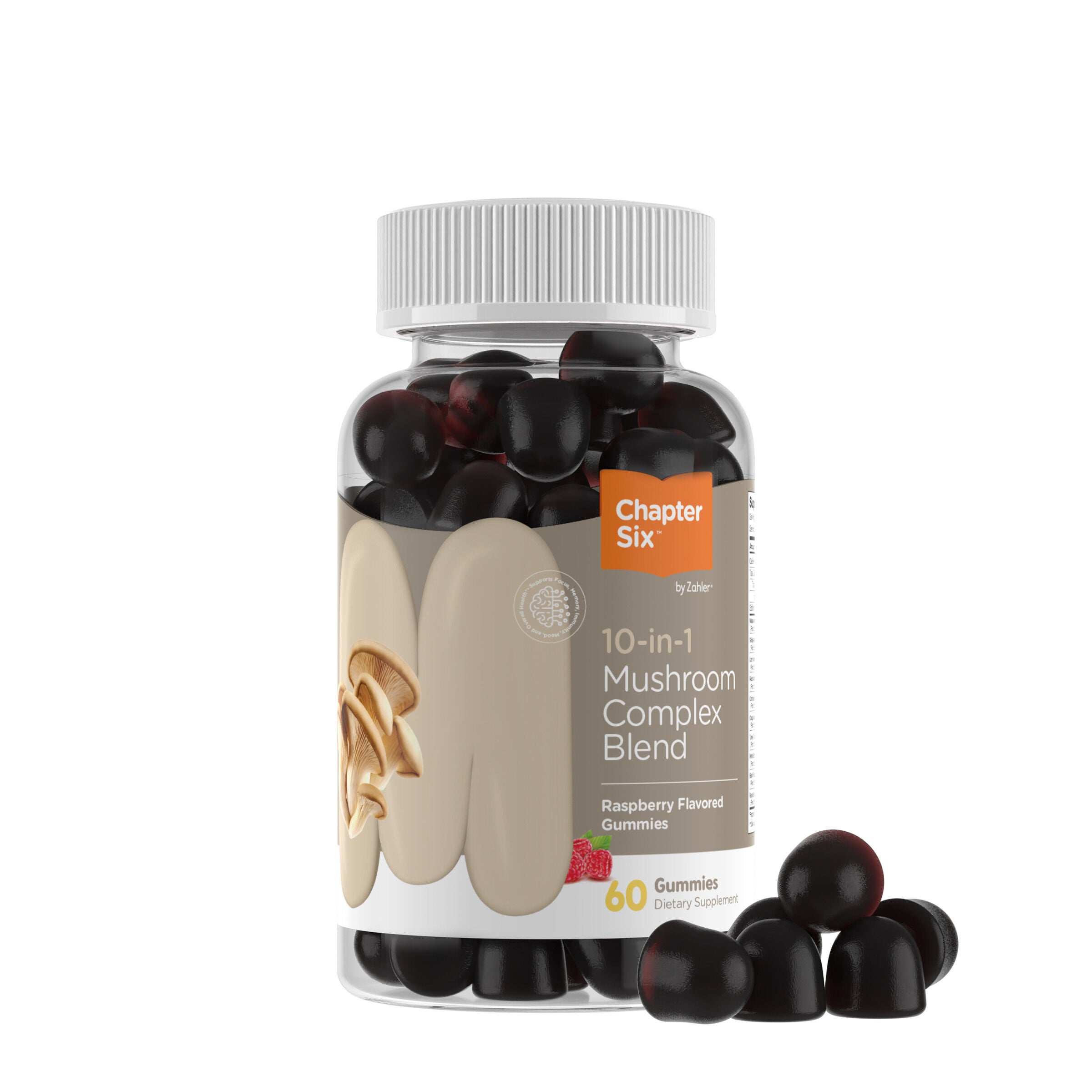
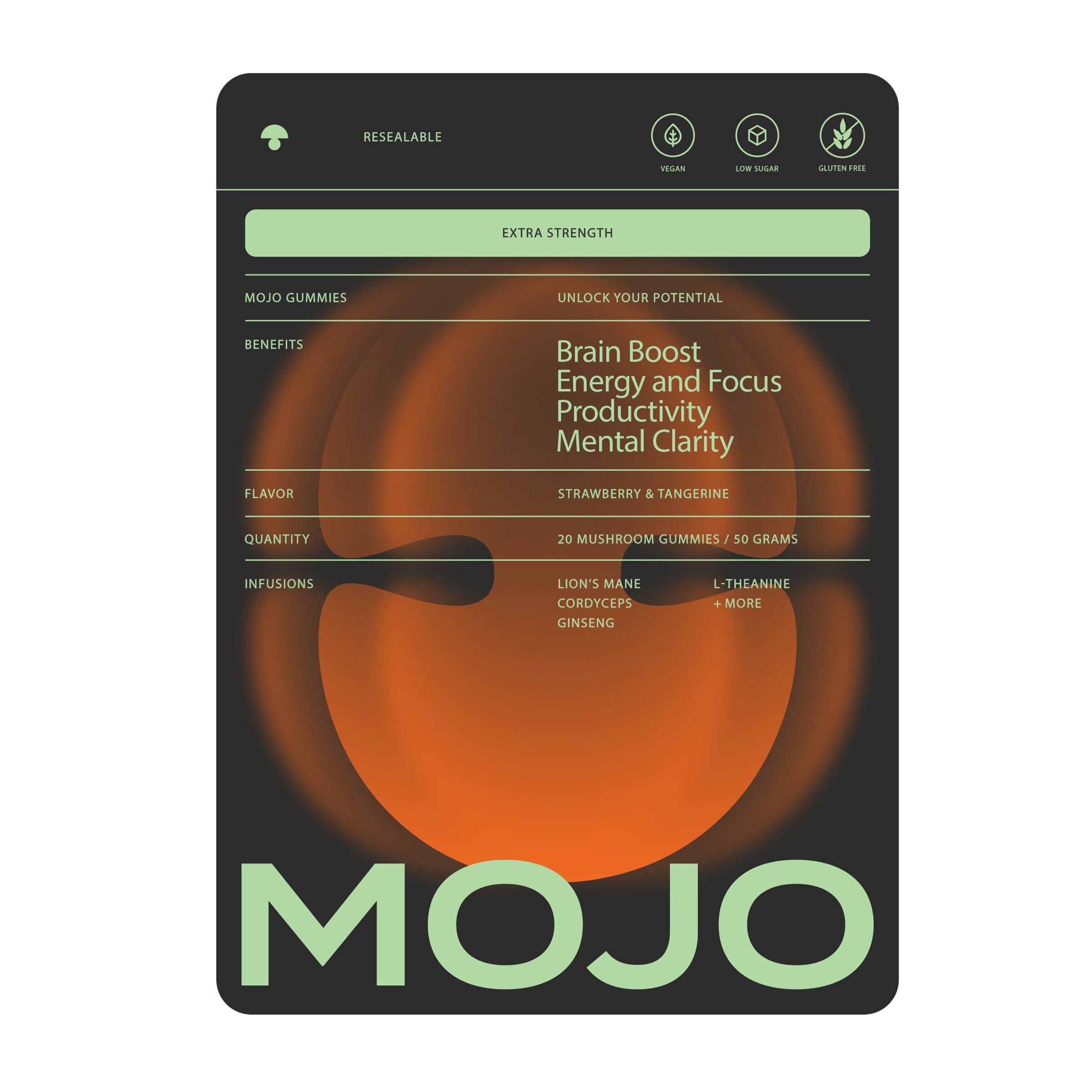

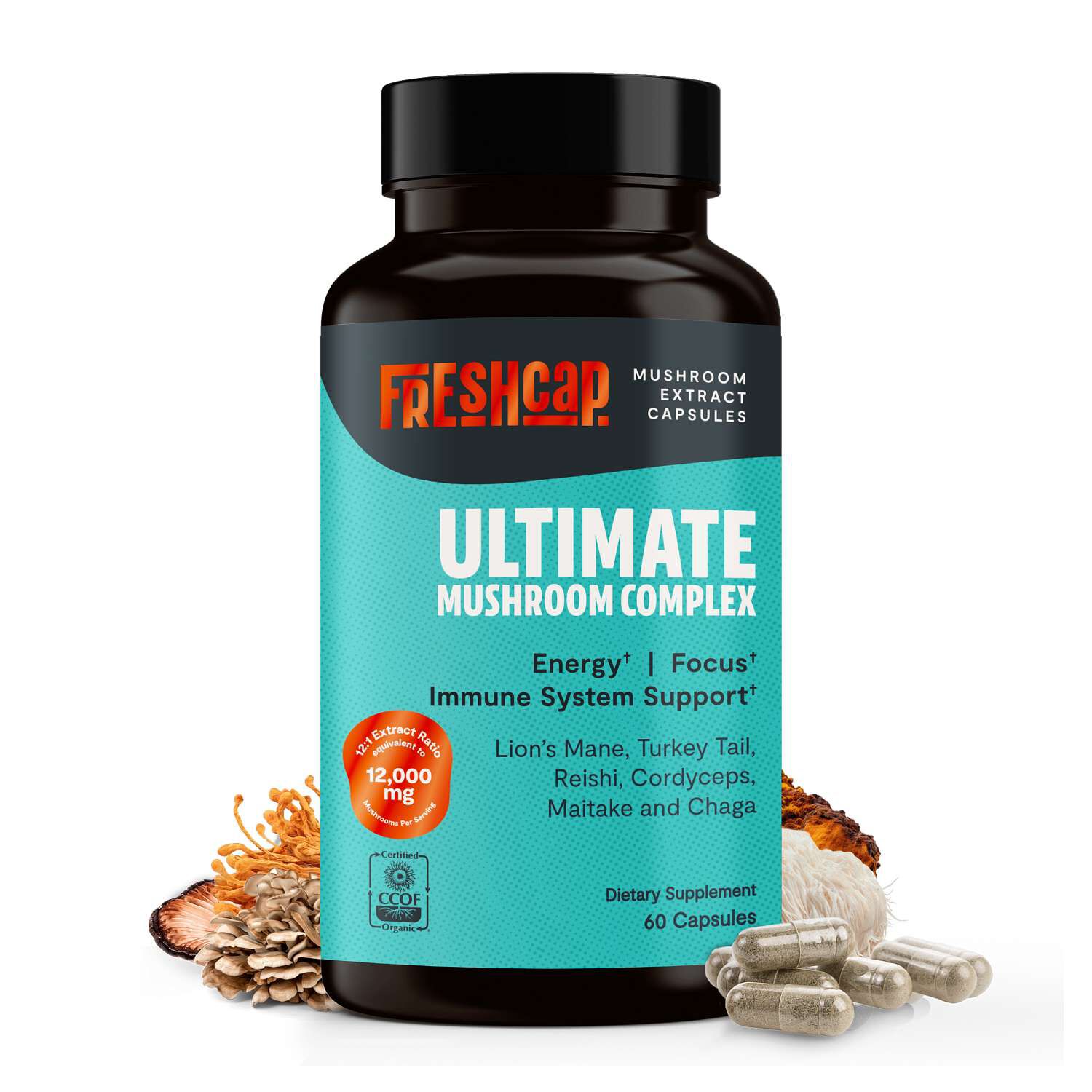
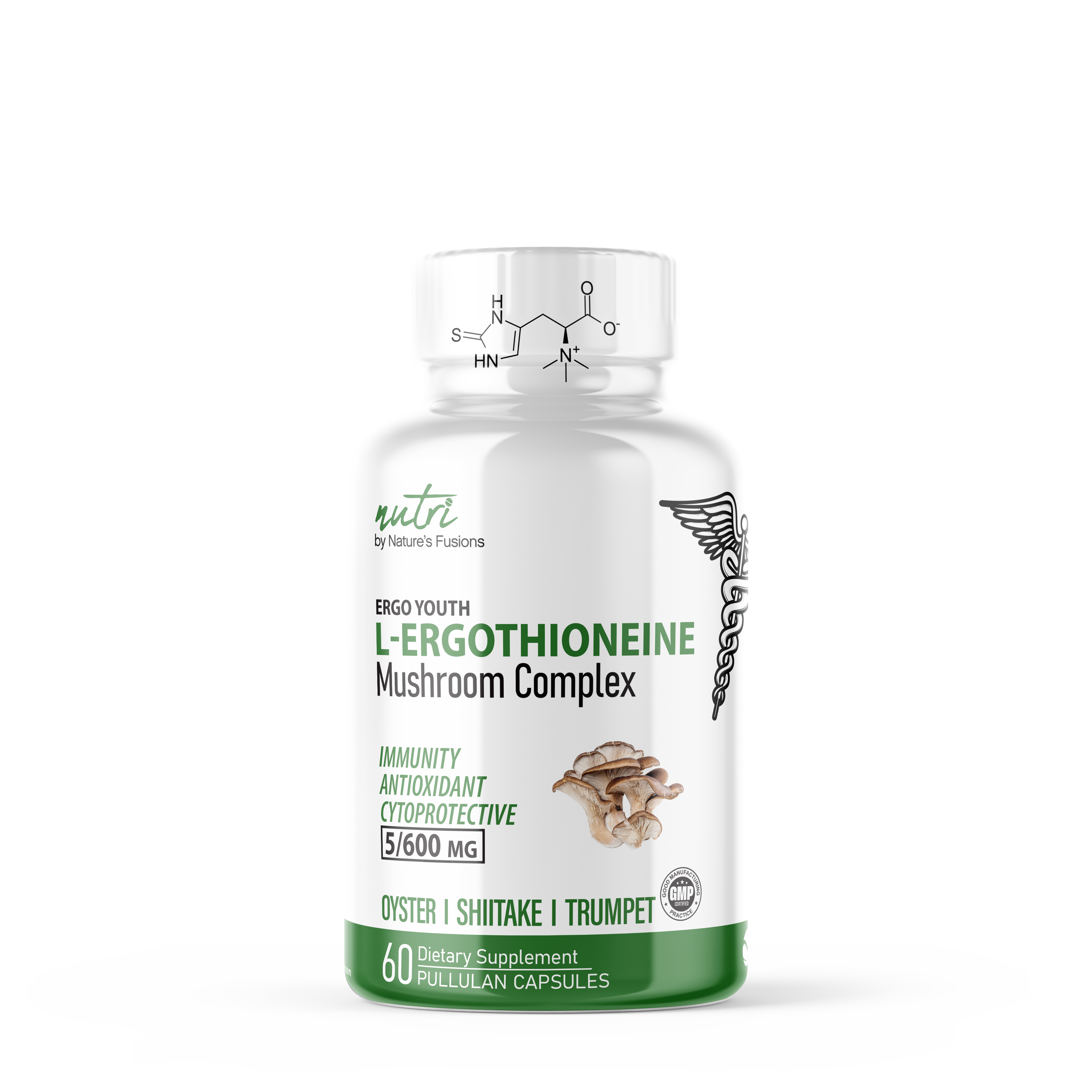
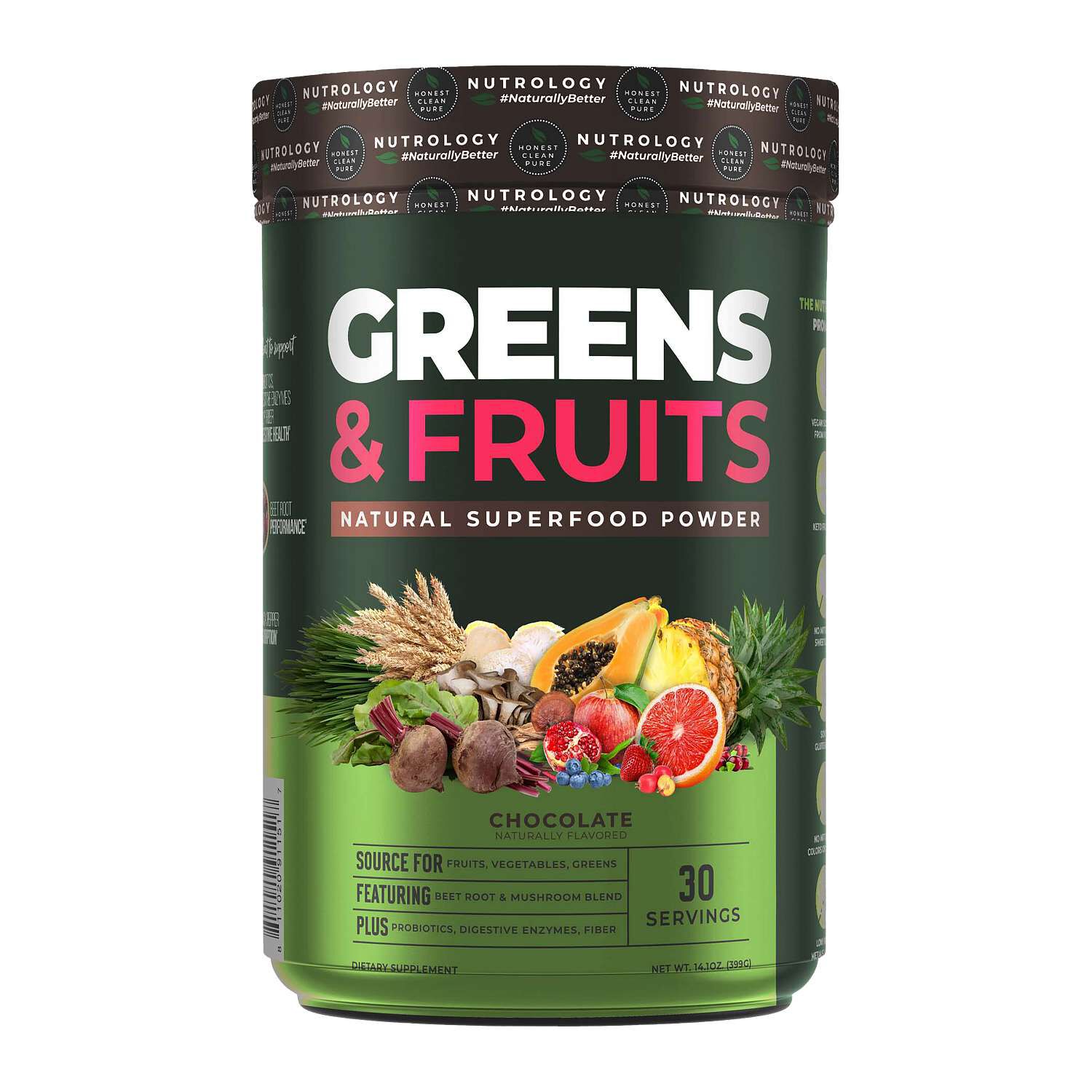
Mushroom supplements can bring a distinctive, earthy option to a cooler-weather wellness routine. During fall and early winter, many people look for simple ways to make daily habits feel more grounded, whether that means stirring a powder into a morning drink, taking capsules with breakfast, or keeping gummies nearby for a convenient afternoon ritual. Mushroom-based formulas often feature varieties such as chaga, reishi, turkey tail, and lion’s mane, each with its own traditional background and flavor profile. Chaga is commonly selected by shoppers interested in mushrooms associated with antioxidant activity, while reishi may appeal to those creating a calmer evening routine. Turkey tail is often included in wellness blends because of its naturally occurring beta-glucans, and lion’s mane is a popular choice for people who want a mushroom option connected with focus and everyday mental clarity. These products may complement balanced meals, restful sleep, movement, and time outdoors, but they should not replace a varied diet or personalized guidance from a qualified healthcare professional. For a wider seasonal selection, explore Supplements For Autumn Wellness, where mushroom formulas can be considered alongside other products suited to cooler months.
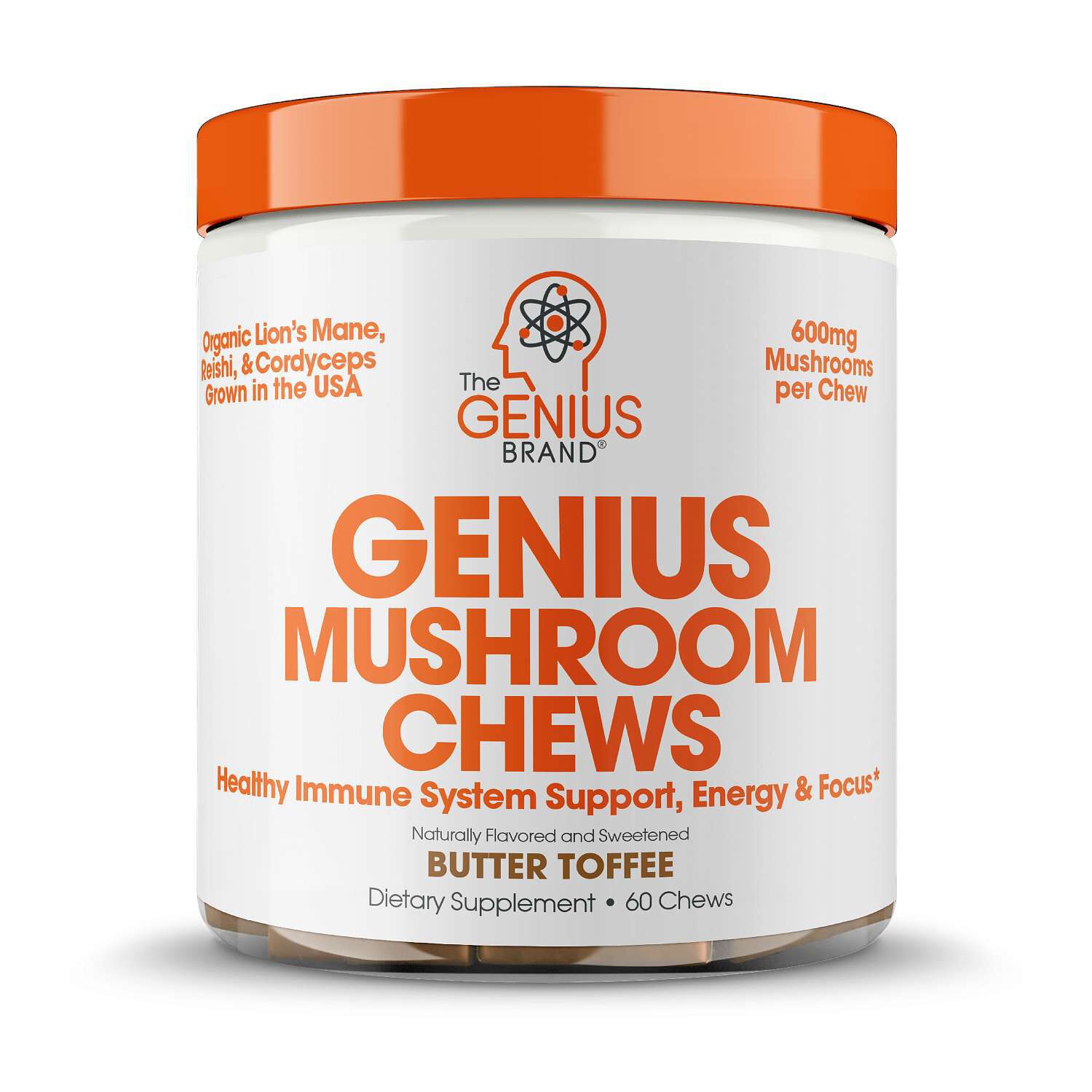
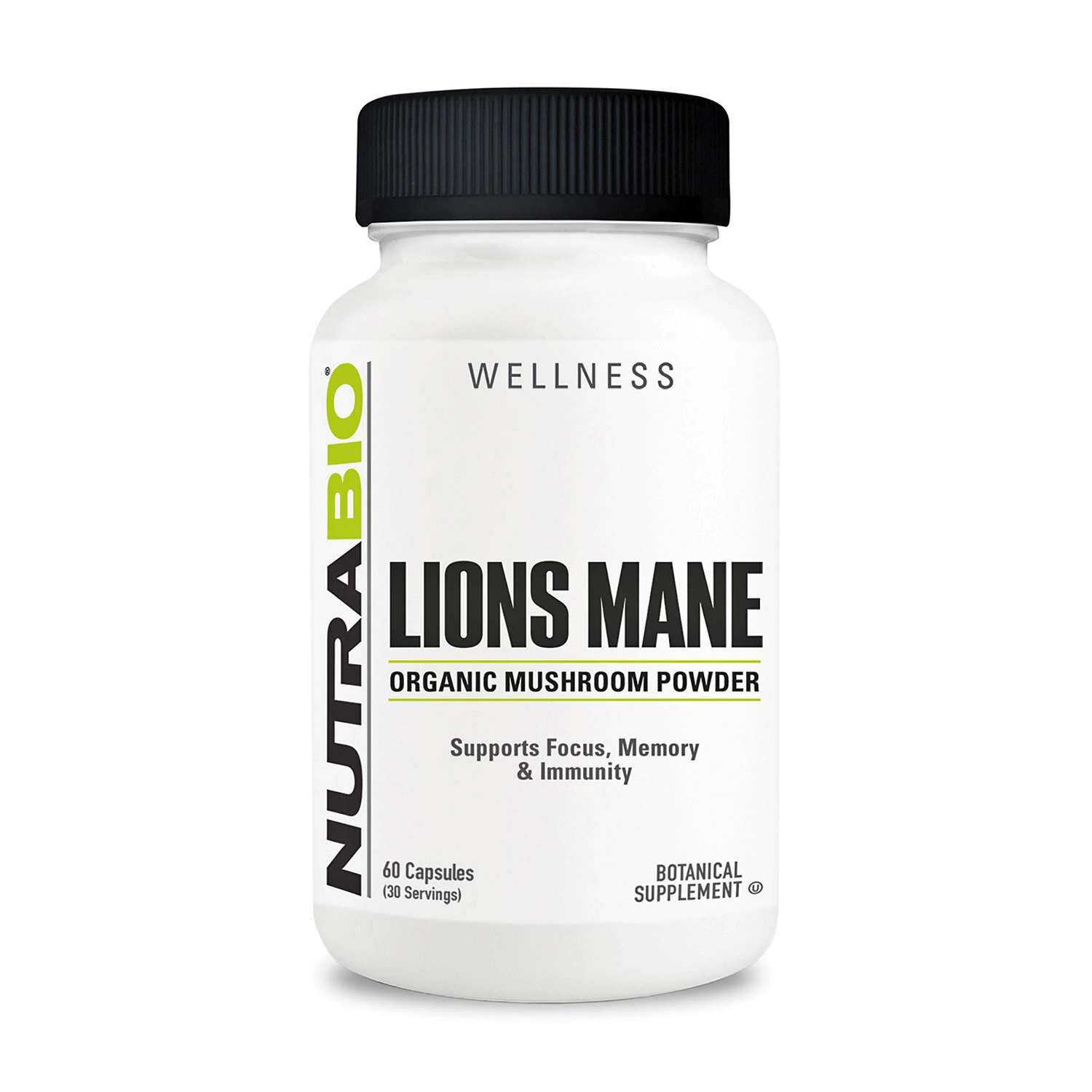
Choosing a mushroom supplement begins with the format that fits naturally into the day. Capsules may work well for shoppers who prefer a measured serving with minimal preparation, while powders can add a rich, savory note to coffee, tea, smoothies, oatmeal, or warm plant-based drinks. Gummies may suit people who prefer a chewable option and a more approachable taste, and mushroom coffee alternatives can create a comforting morning ritual for anyone who enjoys the familiar warmth of a mug without relying on a standard coffee routine. Labels deserve close attention. Look for the mushroom varieties named clearly, along with the amount per serving and directions for use. Some shoppers prefer formulas made with the fruiting body, some look for mycelium, and others choose blends featuring both. A dual-extraction process may be listed on certain labels, reflecting the use of water and alcohol extraction methods to draw out different compounds from the mushroom material. Organic sourcing may matter to shoppers who prioritize farming practices, and third-party testing can offer additional information about identity, purity, and consistency. Ingredient lists should be easy to read, with added herbs, sweeteners, caffeine, or flavorings identified plainly. Anyone with food sensitivities, dietary restrictions, a pregnancy-related concern, or a prescribed wellness plan may wish to review the label with a qualified healthcare professional before adding a new supplement.
Mushroom supplements can also make thoughtful gifts for someone who enjoys cooking, specialty beverages, outdoor activities, or carefully planned daily routines. A powder blend may be a welcome addition for a home barista who likes experimenting with warm drinks, while capsules could suit a frequent traveler who values a compact format. Gummies can make a friendly choice for a person who prefers simple, portable options, and a mixed mushroom formula may appeal to a curious shopper who wants to explore several varieties in one product. Packaging, serving size, storage instructions, and flavor can help narrow the selection without making the choice feel complicated. Some people may prefer a single mushroom so they can become familiar with its character, while others might choose a blend for a broader range of traditional mushroom varieties. The best fit often comes down to personal taste, daily schedule, and how consistently the format can be used. A powder tucked beside the kettle, a capsule container placed near breakfast supplies, or a small pouch kept in a desk drawer can turn an unfamiliar supplement into a familiar seasonal habit. As daylight shifts and routines move indoors, mushroom supplements may offer a practical way to add variety to everyday wellness rituals while bringing the rich, woodland character of fall into the kitchen.