NAD Boosters For Cellular Defense
(0 Results)
NAD boosters for cellular defense may support your body’s natural processes at the cellular level. These supplements are designed to help maintain overall wellness and vitality as you navigate daily life. Explore a range of NAD boosters for cellular defense that could fit seamlessly into your health and wellness routine.
-
-
 GNC Preventive Nutrition22$46.99
 -
-
 57$54.99
 -
-
-

-

-
-

-
-
 $44.99

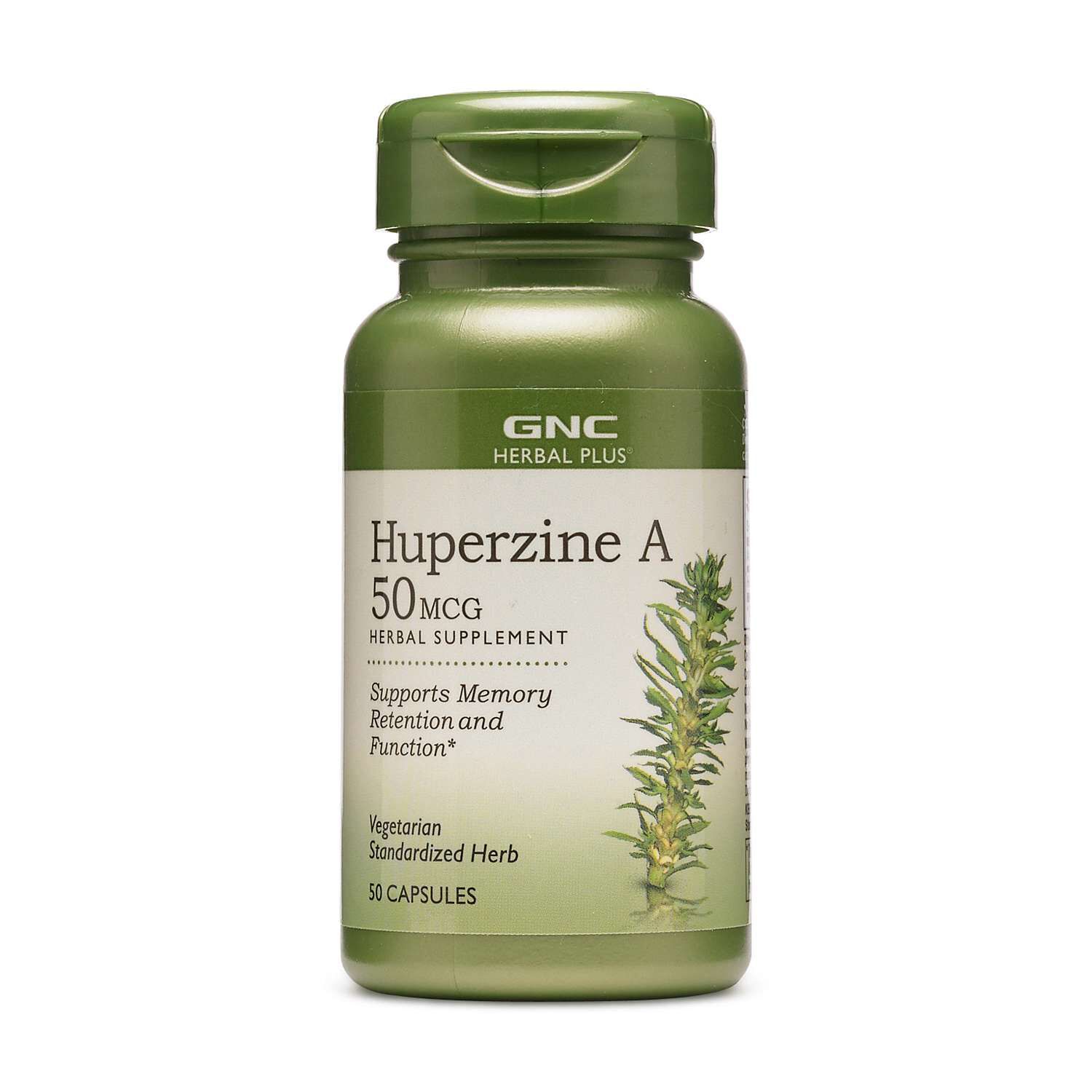
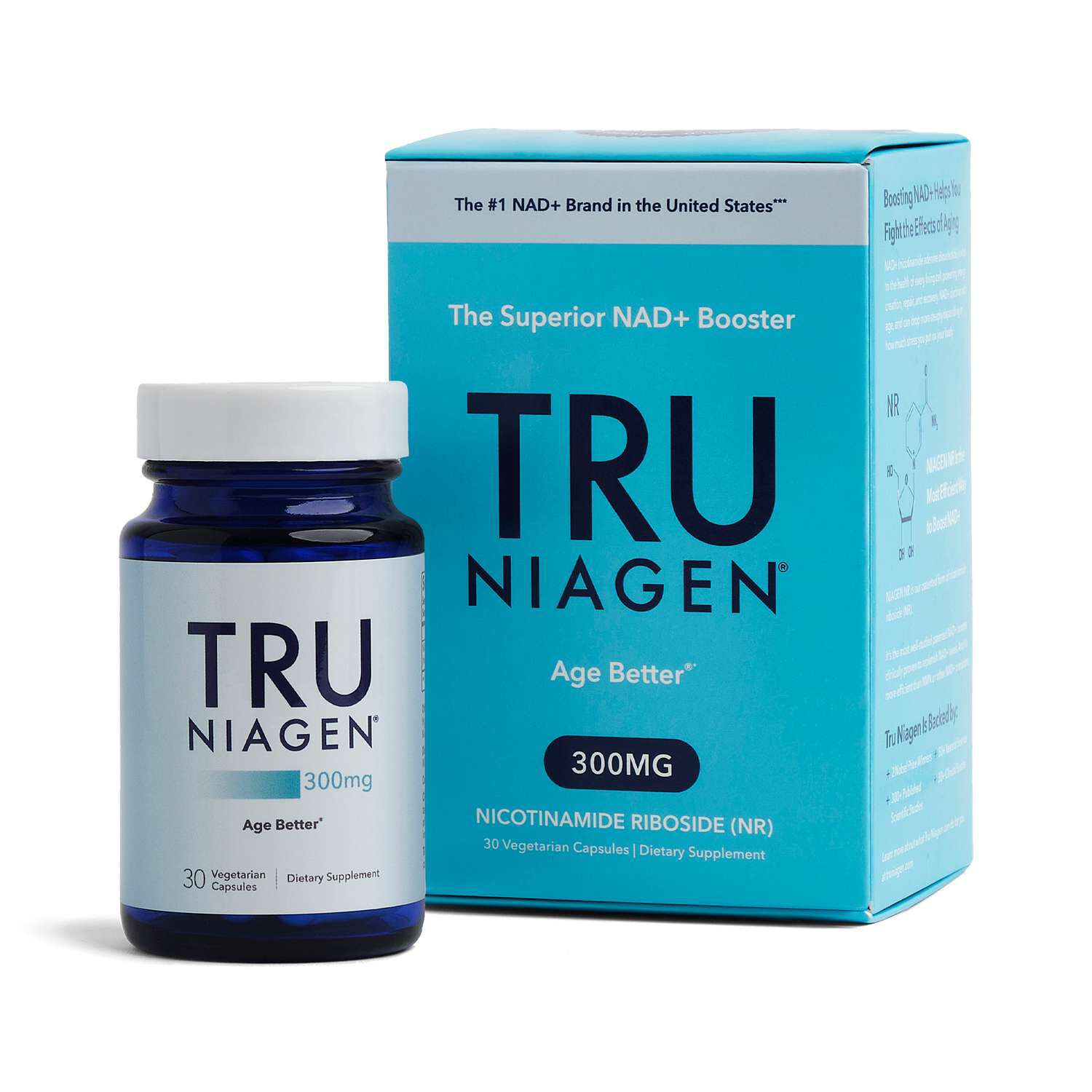
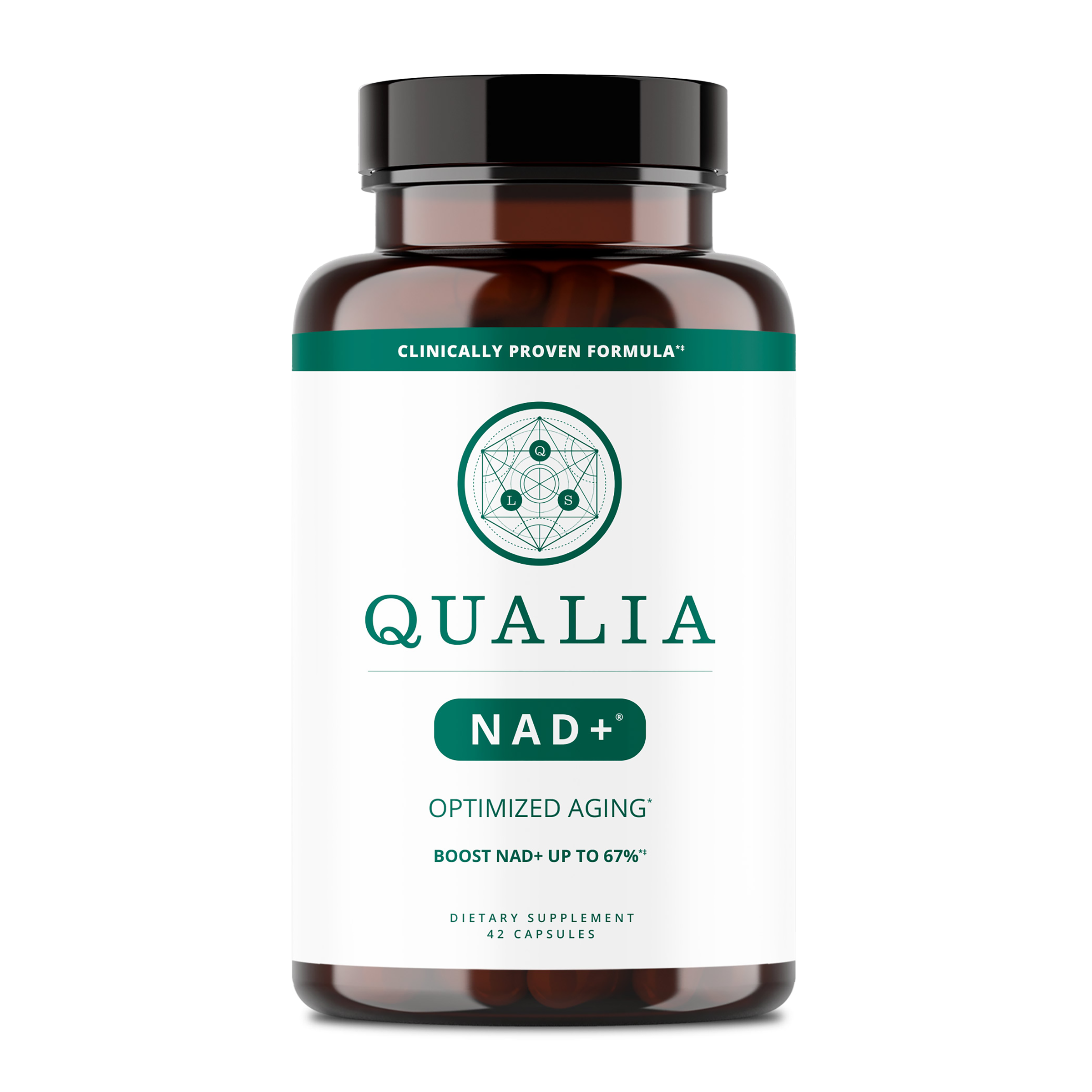
NAD supplements for cellular health bring together formulas centered on nicotinamide adenine dinucleotide, a coenzyme found naturally in living cells, and ingredients connected with the pathways that produce it. A coenzyme works alongside enzymes in ordinary biochemical processes. NAD is involved in energy metabolism, including the processes through which cells use nutrients from food. The name NAD+ refers to its oxidized form, while NADH refers to its reduced form; both belong to the same biochemical system. That distinction helps explain why NAD, NAD+, and NADH may appear in descriptions of cellular health supplements without necessarily describing interchangeable formulas. Another important distinction is between NAD itself and a precursor, which is a starting material used in the body’s biochemical pathways. Nicotinamide riboside, commonly abbreviated NR, is a form of vitamin B3 associated with NAD production. Nicotinamide mononucleotide, or NMN, is another compound discussed in research on those pathways. These names describe different substances, so the ingredient panel matters more than a broad cellular health label. Products in this category may appeal to adults interested in nutrition, everyday wellness routines, and the science of cellular metabolism. Cellular defense is a broad theme rather than a precise description of what every supplement contains or how someone might experience it. A formula’s name alone does not establish a measurable benefit, and participation in a biochemical pathway does not establish a particular outcome from taking a supplement. Research on an isolated ingredient also differs from research on a finished formula, especially when serving amounts, ingredient combinations, or study populations vary. This category is best understood as a selection of dietary supplements with different compositions and intended uses, rather than a single approach with uniform results. The most useful background is therefore both scientific and practical: what NAD means, how a formula relates to it, and which label details distinguish one supplement format from another.
The composition of NAD supplements can vary considerably, even when their front labels use similar language. Some formulas focus on a named NAD-related ingredient, while others pair that ingredient with vitamins or additional compounds associated with cellular wellness. The Supplement Facts panel identifies the listed dietary ingredients and their amounts per serving, while the other ingredients section describes materials used to make the finished capsule, tablet, or powder. A serving might contain one capsule or several, making the serving size an important part of interpreting the stated amount. The amount shown per serving is not always the amount in each individual capsule. Similarly, a blend’s combined weight does not necessarily reveal the amount of every component within it. Ingredient identity, serving amount, and labeling clarity provide a more useful basis for comparison than prominent wording on the front of a bottle. Capsule shells may be made from gelatin or plant-derived materials such as cellulose, which matters to shoppers with particular dietary preferences. Tablets may contain binding ingredients or coatings, and powders may contain flavoring ingredients or sweeteners. Those materials describe the product’s construction; they do not, by themselves, establish how well a formula may work. Format also shapes the everyday experience of using a supplement. A capsule offers a measured unit, a tablet has its own dimensions and texture, and a powder requires whatever preparation its label specifies. Capsule size, the number of units in a serving, and whether a powder is flavored are practical details for someone considering how a supplement might fit into an established routine. Adults who already use a multivitamin or other supplements may also want to understand where ingredient amounts overlap. A formula that includes vitamin B3 alongside an NAD-related ingredient is different from one containing only the latter. Clear labeling makes those distinctions easier to recognize without relying on assumptions about similarly named ingredients or interpreting a longer ingredient list as evidence of a better fit.
Intended use and package care are equally relevant when choosing among NAD supplements. The suggested-use directions explain the serving and any preparation requirements, and suitability information identifies limitations specific to the formula. A supplement intended for adults should not be treated as a general-purpose household product for everyone. Personal suitability depends on more than an interest in cellular health, particularly for someone who takes medication, has dietary restrictions, is pregnant, or is nursing; questions about an individual’s circumstances belong with a qualified healthcare professional. For everyday handling, the package’s storage directions are the appropriate reference. The original container keeps the ingredient panel, suggested use, lot information, and date markings together, while a securely closed lid helps limit exposure to moisture. A bottle beside a steamy shower, a powder container opened with a damp scoop, or capsules transferred into an unmarked jar all introduce avoidable handling concerns. Packaging also matters for portability: a clearly labeled container makes it easier to identify a supplement when packing a work bag or organizing a home cabinet. Seals and closures are features to inspect, and a damaged package or a noticeable change in appearance deserves attention rather than an assumption that the contents remain suitable. These practical details concern product care, not evidence of a cellular benefit. A realistic place for NAD supplements is within a broader approach to everyday nutrition, rather than as a substitute for varied meals or ordinary daily habits. Shoppers interested in neighboring categories can also explore Natural Cellular Health Boosters for a wider view of cellular wellness supplements. Across related categories, ingredient names, serving directions, dietary attributes, and research specific to the formula remain useful points of distinction. Familiar terms on a label can make a product sound similar to another, but the contents and intended use may differ. A measured understanding of those differences keeps attention on what the supplement actually is, how it is packaged, and whether its format and composition suit the person considering it.
Best Sellers
-
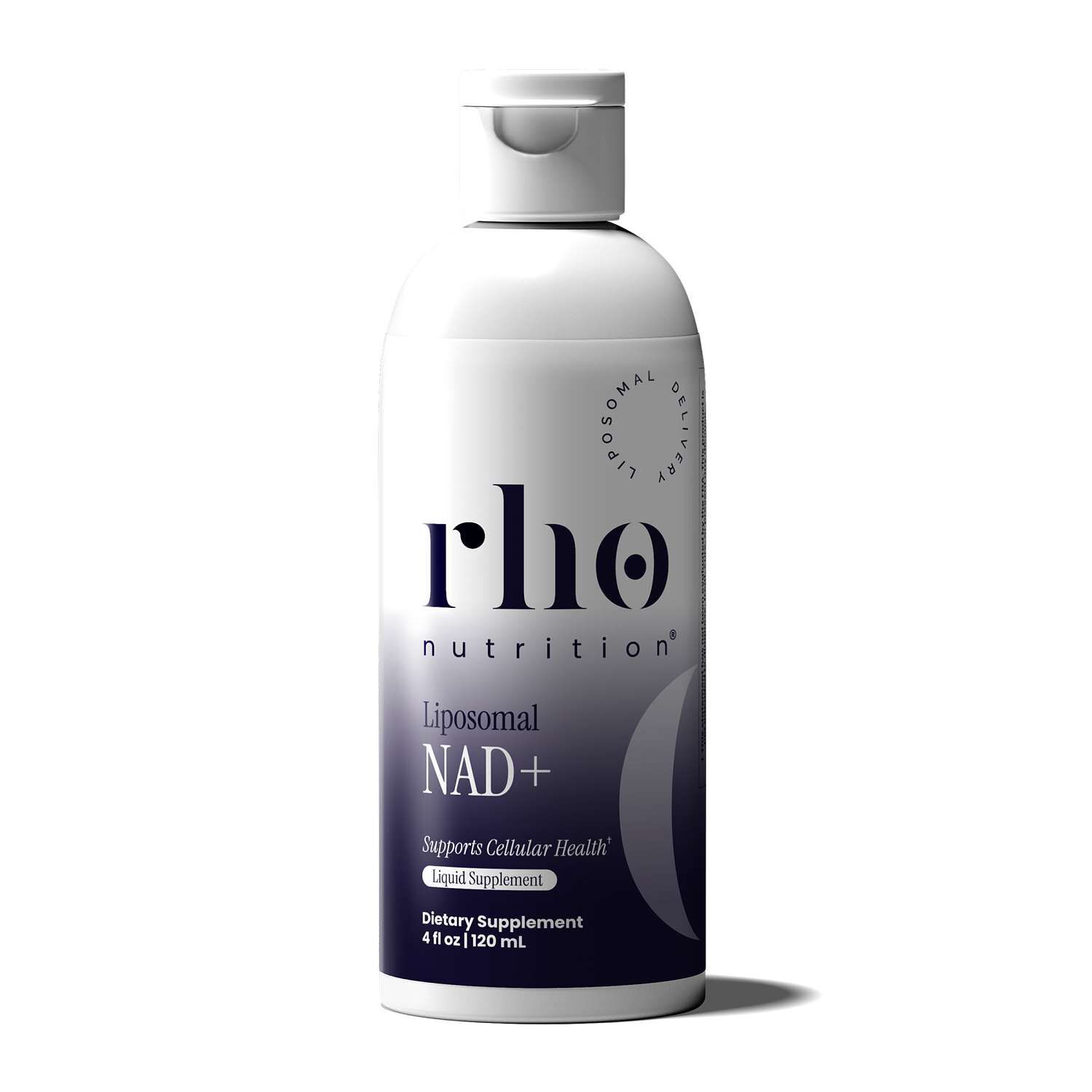 Rho Nutrition
 -
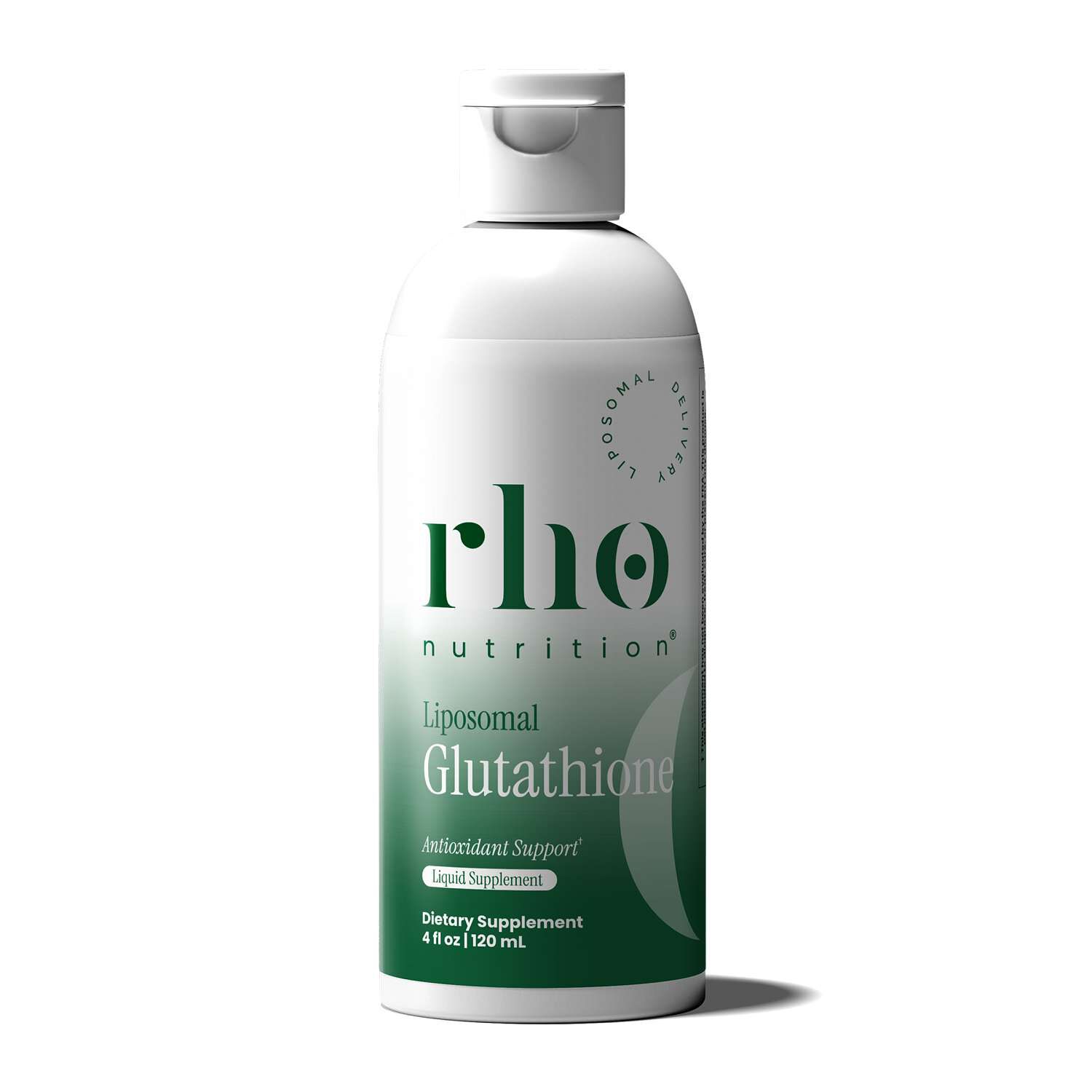 Rho Nutrition
 -
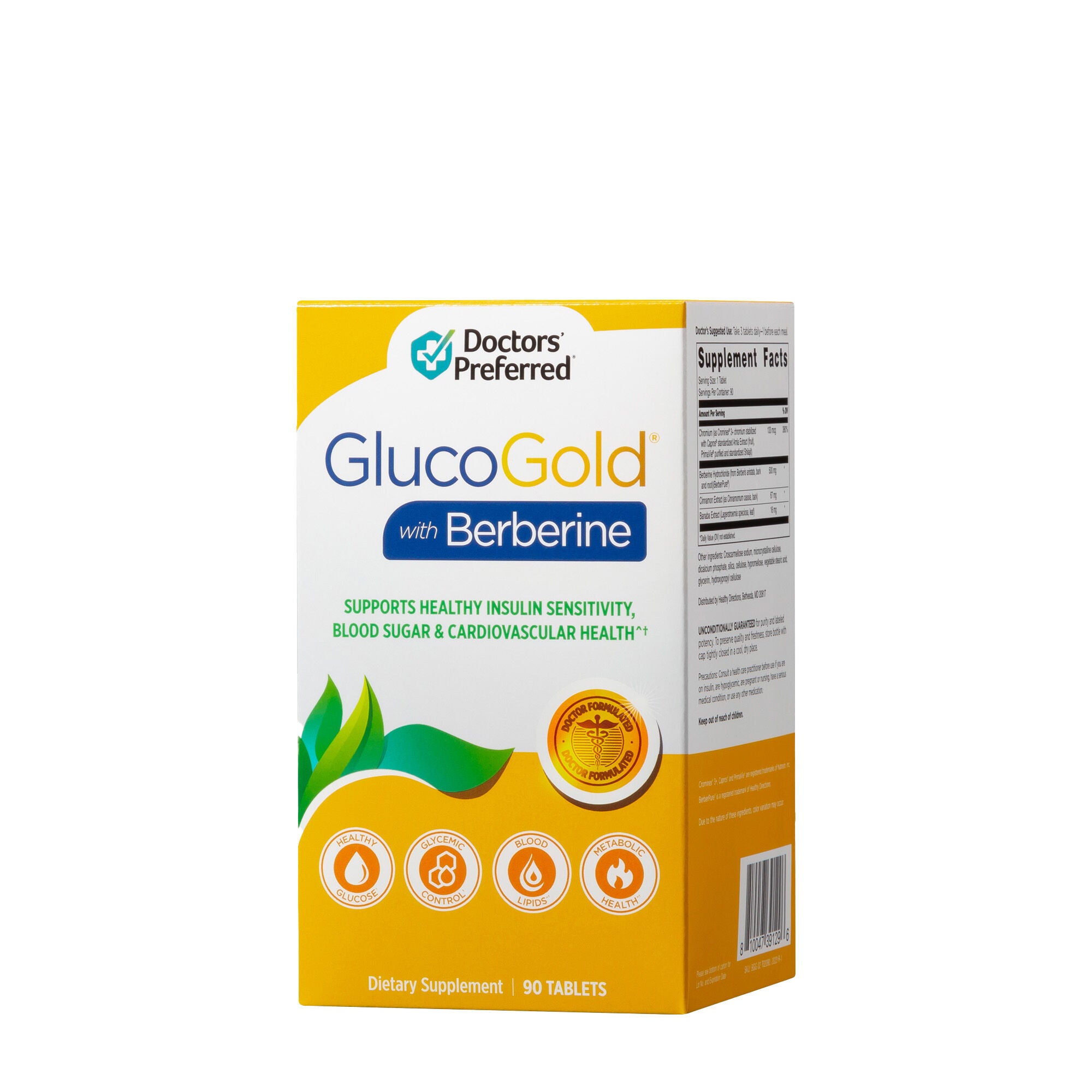 Doctors' Preferred