NAD Boosting Capsules For Seniors
(0 Results)
NAD boosting capsules for seniors may offer a convenient way to support your wellness routine as you age. With age, many individuals look for new options to help maintain their vitality and overall well-being. NAD boosting capsules for seniors are designed with these goals in mind, providing a simple addition to your daily supplement regimen. Explore a selection of formulas that could fit seamlessly into your lifestyle and help you stay proactive about your health journey.
-
-
-
-
 GNC Preventive Nutrition22$46.99
-

-
-

-
-
-
 $44.99
-
-
-
-

-
-


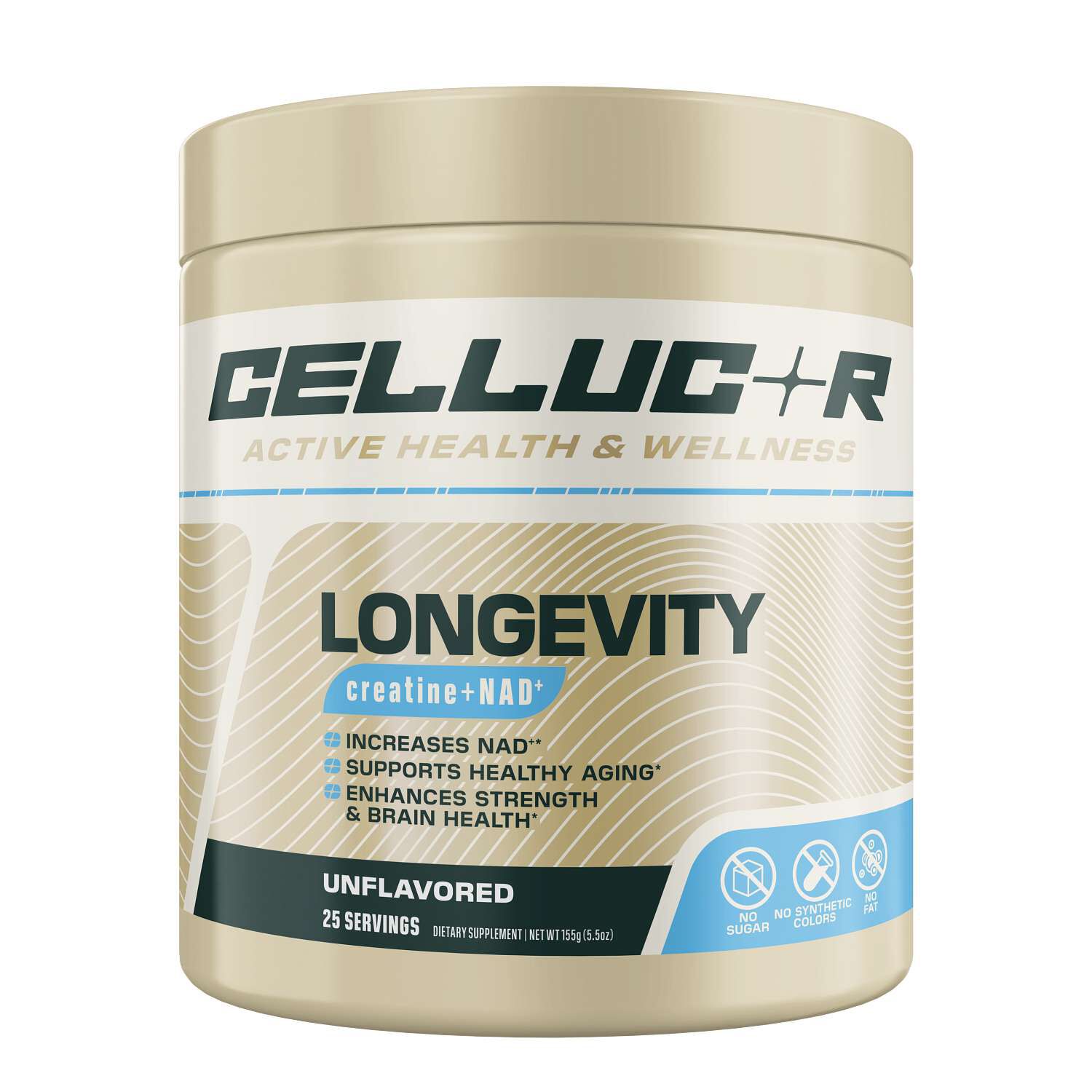
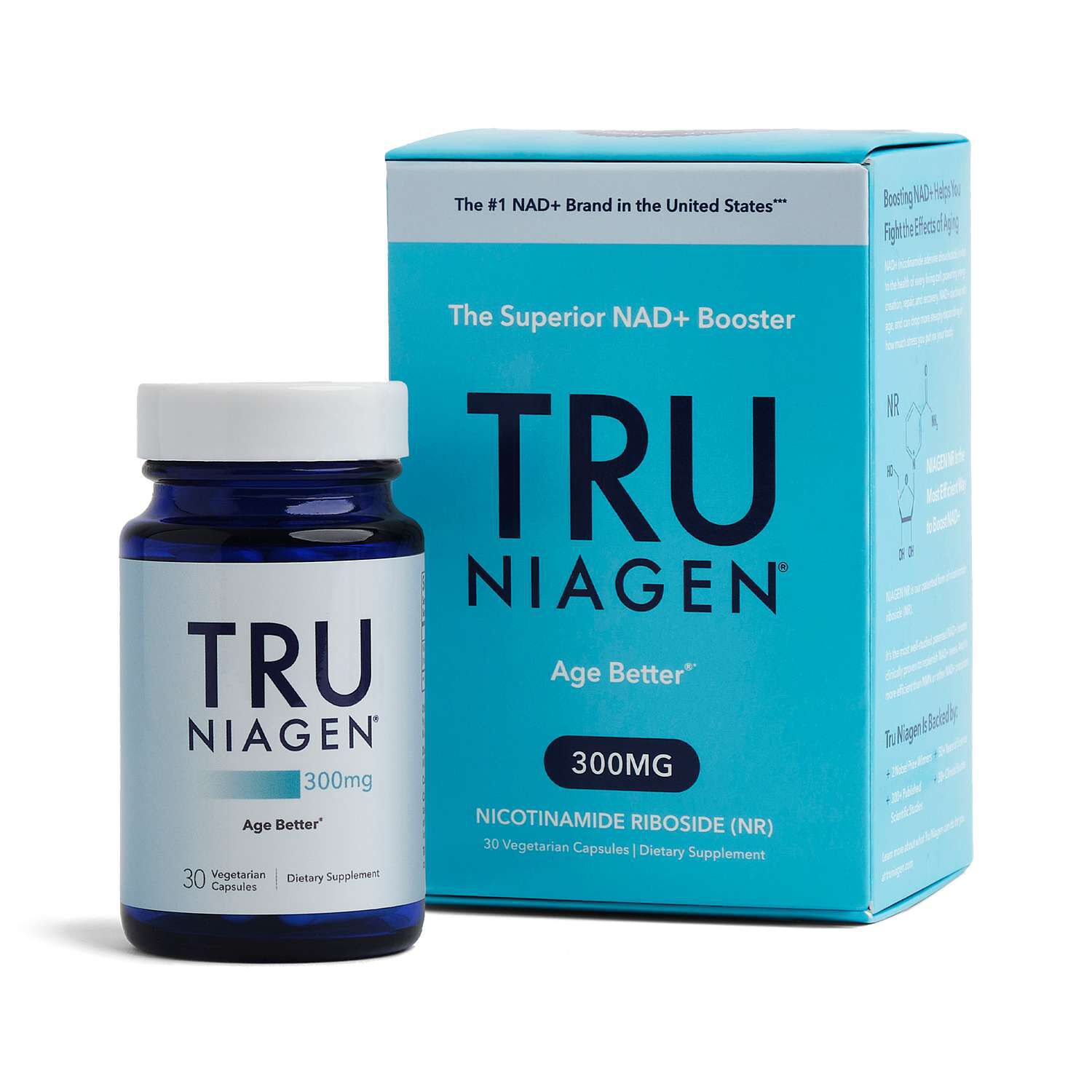
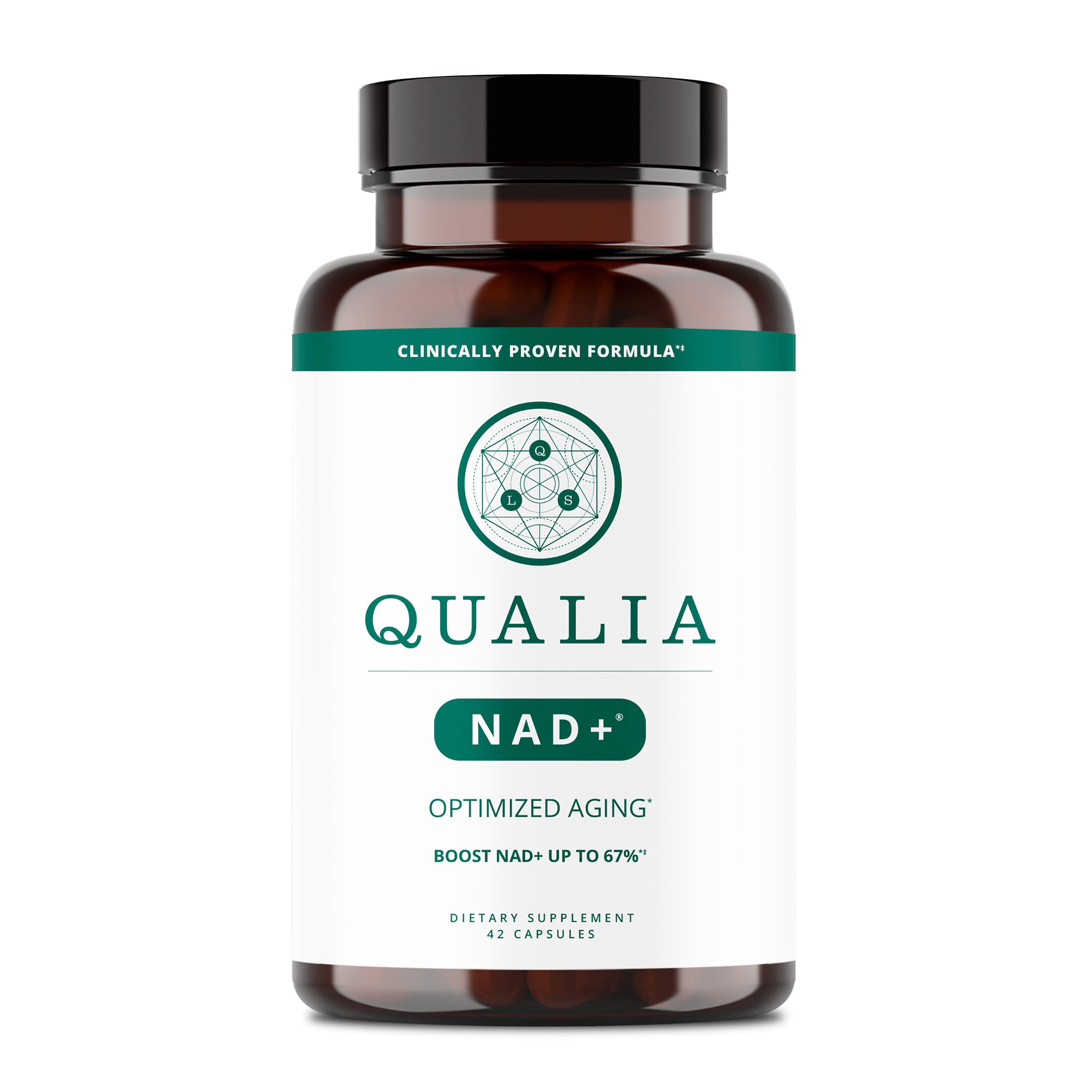
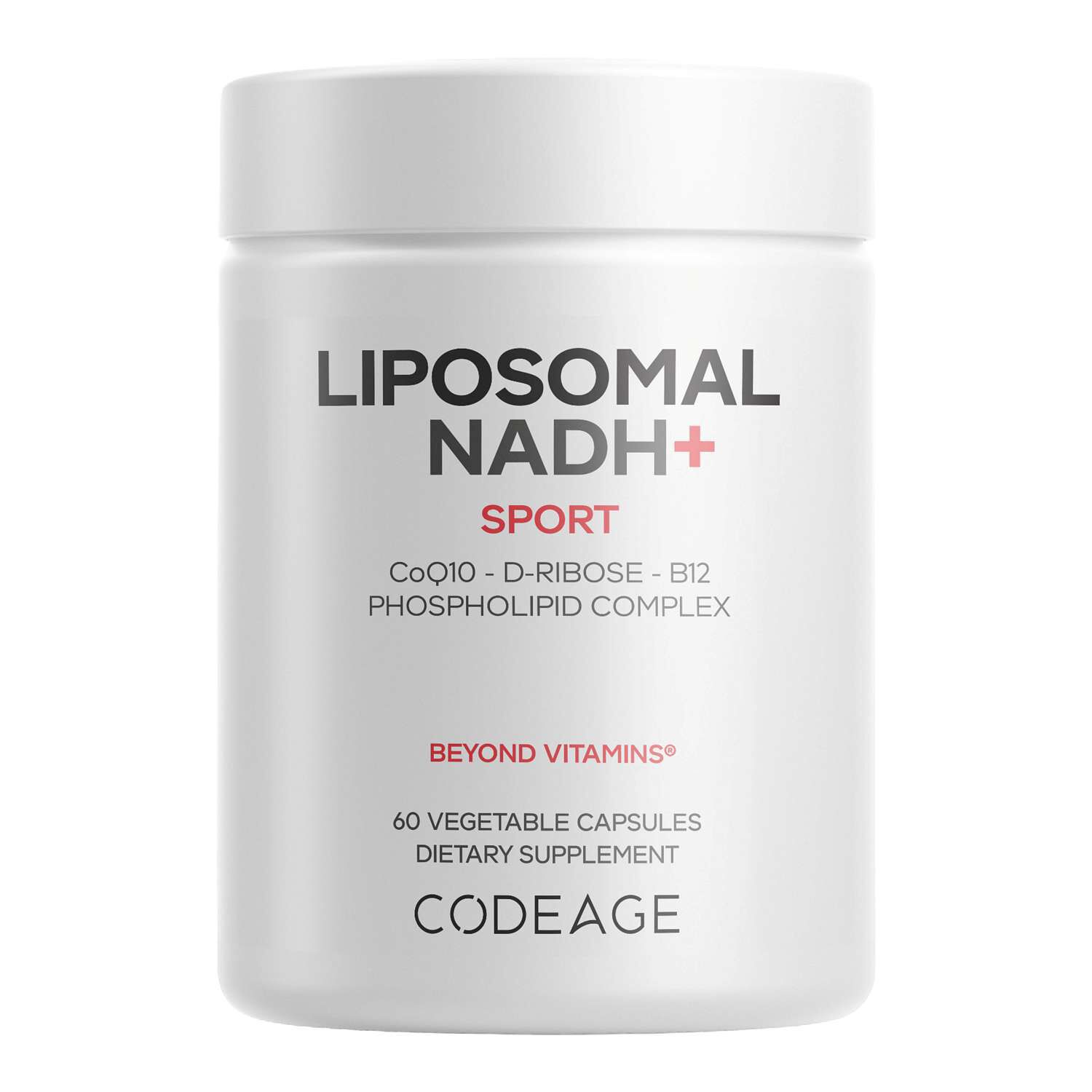
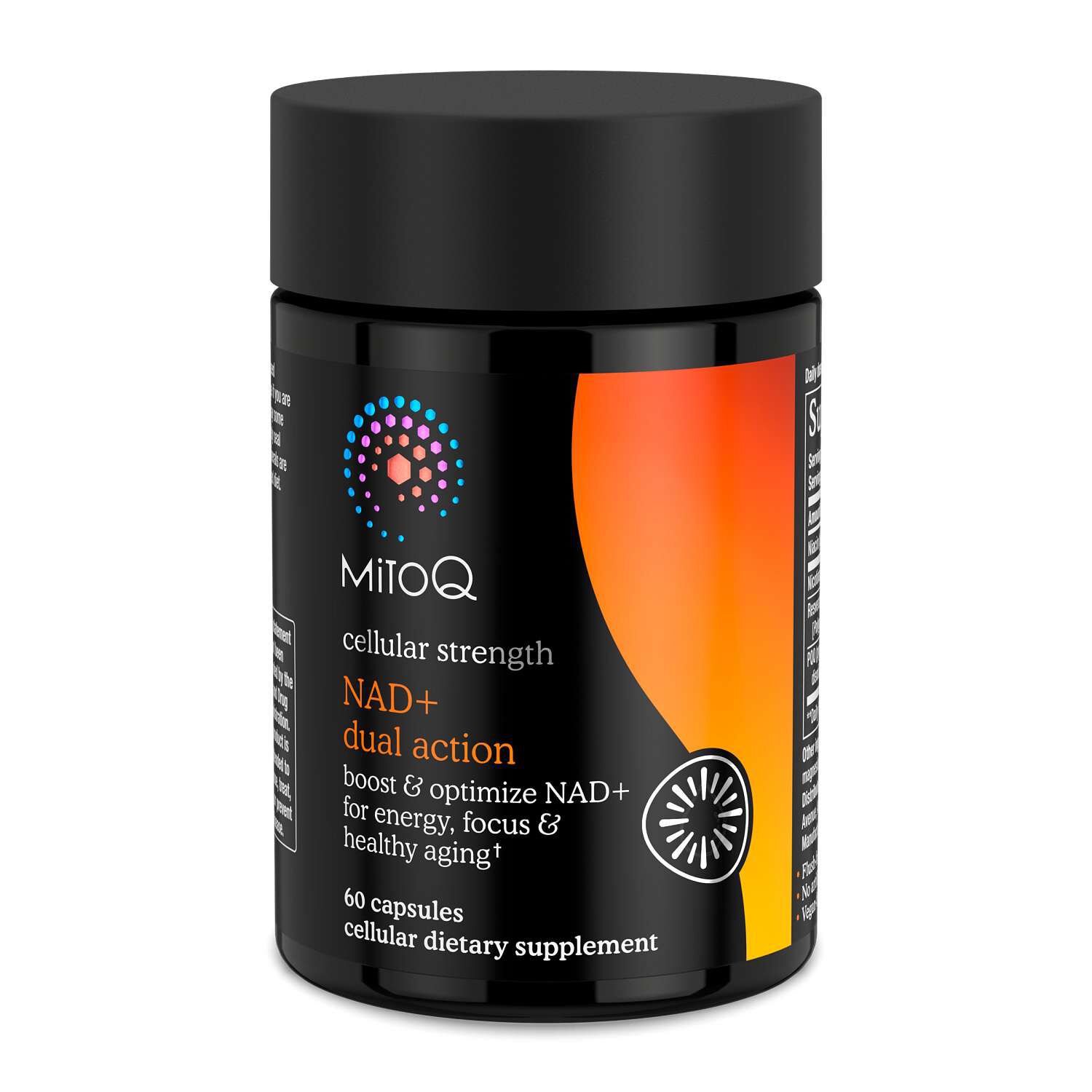
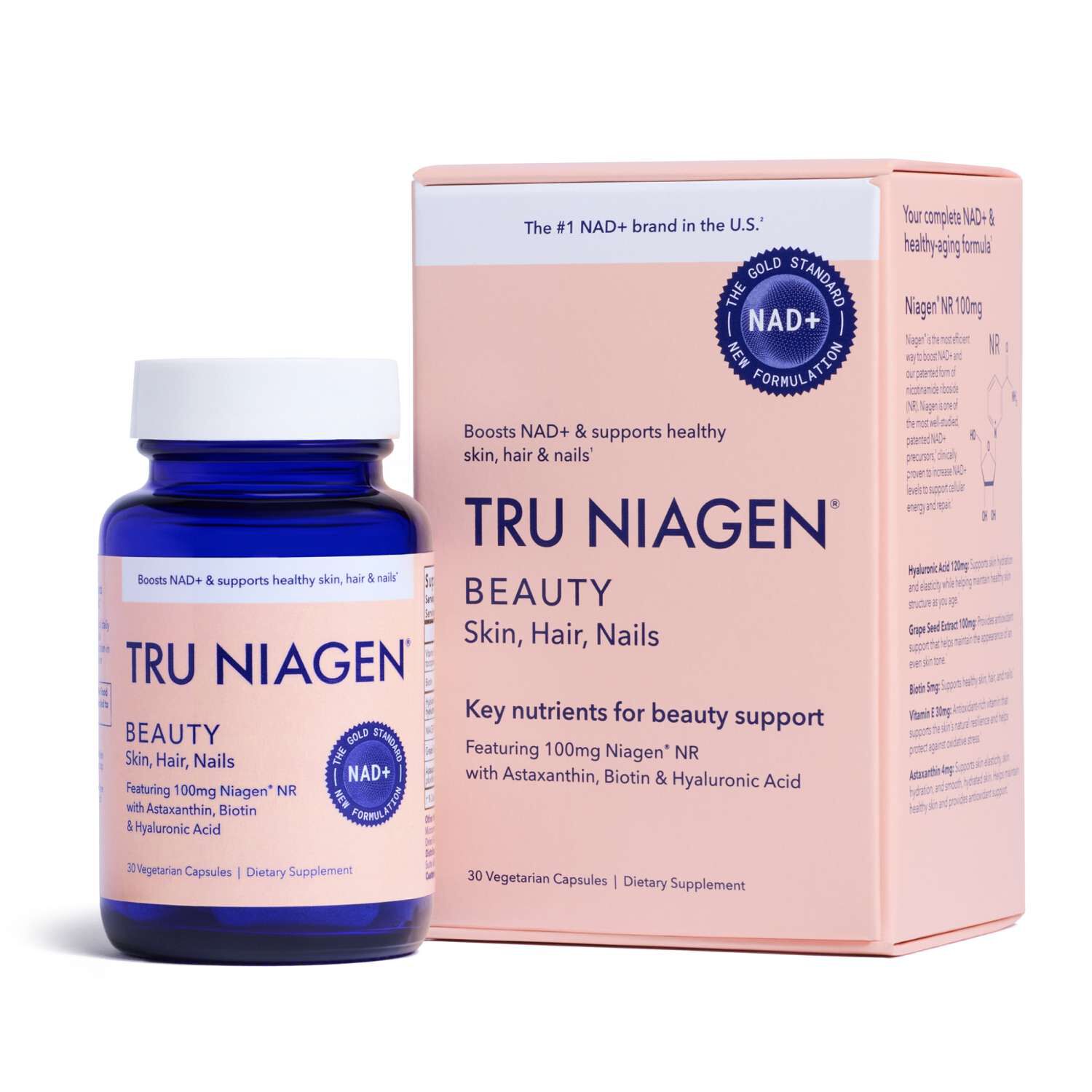
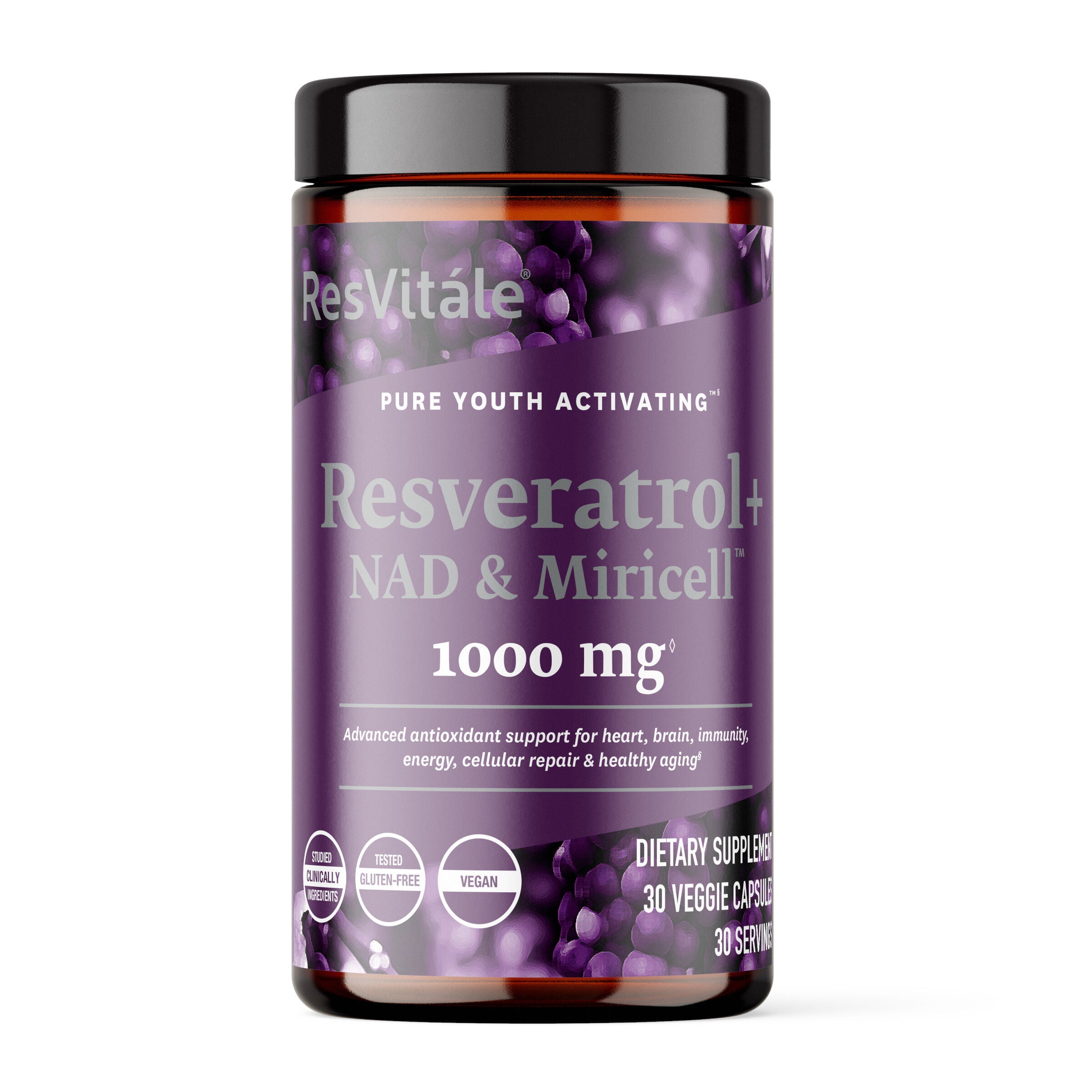
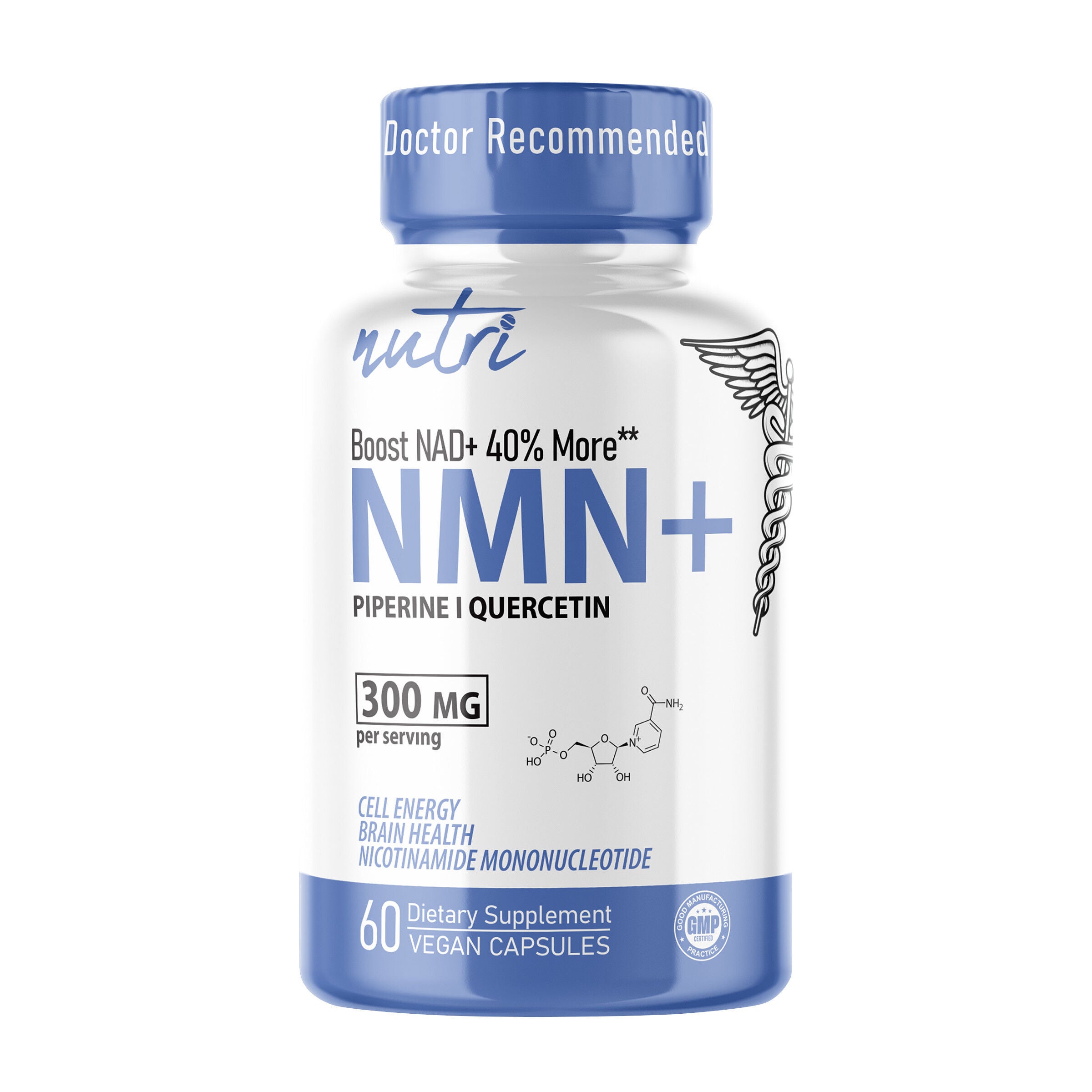
NAD capsules for seniors belong to a broader category of dietary supplements centered on nicotinamide adenine dinucleotide, a coenzyme naturally present in the body. NAD participates in cellular energy metabolism, including processes involved in converting nutrients into usable energy. That biological role provides background for the category; it does not establish what a particular capsule might do for an individual. Formulas associated with NAD may contain the coenzyme itself or related ingredients described as precursors, substances used in the body’s pathways for making NAD. Nicotinamide riboside, often abbreviated NR, and nicotinamide mononucleotide, often abbreviated NMN, are distinct ingredient names shoppers may encounter when exploring this subject. They are not interchangeable names for the same substance, and an ingredient name alone does not describe the composition of a finished formula. The Supplement Facts panel provides more concrete information, including the amount of each listed dietary ingredient per serving and any additional nutrients included alongside it. A formula featuring one primary ingredient differs from a blend containing several vitamins or other compounds, even when both packages use similar language about NAD. For older adults, an age-focused category offers a way to browse related supplements, rather than establishing the same nutritional needs for everyone described as a senior. A person who spends afternoons gardening, a retiree who travels frequently, and someone who prefers a familiar routine at home may have different preferences for capsule format, ingredient selection, and packaging. Those preferences concern how a supplement might fit into daily life, not an expected result from taking it. The clearest distinctions within this category come from the actual formula, its labeled serving, and the physical characteristics of the capsule—not simply the prominence of NAD on the front label. This makes detailed product information particularly relevant when comparing bottles whose names initially appear very similar.
Capsule materials and construction add another layer of distinction. Depending on the formula, the shell may contain gelatin or plant-derived materials such as cellulose, while the contents may include the featured dietary ingredients along with ingredients used during manufacturing. Vegetarian or vegan labeling may matter to someone with established dietary preferences, but the shell and the contents are separate parts of the ingredient review. The other-ingredients statement identifies components beyond the dietary ingredients listed in the Supplement Facts panel, including materials used for the capsule shell. For an older adult who prefers a straightforward formula, a shorter ingredient list may appeal; another shopper may prefer a combination formula that groups several ingredients in one serving. Neither format, by itself, establishes suitability or an expected effect. Capsule dimensions also deserve attention because photographs can make differently sized capsules look alike. When dimensions are provided, they offer a more concrete comparison than a close-up image without a familiar object beside it. Serving size is equally important to understanding the format: the amount listed per serving may refer to one capsule or several, and the number of capsules in a bottle is not necessarily the number of servings. For someone accustomed to organizing a consistent daily routine, that distinction may matter more than the apparent size of the container. Packaging details also shape the ownership experience. A bottle’s opening, closure style, label readability, and seal are relevant physical features, especially for shoppers who prefer larger print or packaging that is comfortable to handle. Storage directions describe the conditions intended for the formula, while the printed date provides another useful reference. A countertop beside a frequently used sink presents different storage considerations from a designated cabinet, making the package’s own care information more relevant than assumptions based on another supplement. These practical characteristics help distinguish capsules beyond their featured ingredient.
The intended use of NAD capsules is dietary supplementation, and an age-oriented label does not make a formula a substitute for meals, physical activity, rest, or individualized care. Within that context, older adults may be interested in a capsule format because it avoids the mixing, measuring, or flavor considerations associated with a powder or liquid. A person who dislikes flavored beverages may prefer the simpler presentation of a capsule, while someone who already uses several supplements may place greater importance on a clearly organized label and a manageable serving format. The everyday details can be quite specific: whether the print is readable at the kitchen table, whether the package fits in a designated storage space, and whether the listed serving matches the shopper’s expectations about the format. Preference for a capsule does not mean every capsule has the same dimensions, shell composition, or directions. Likewise, a formula presented for seniors may share ingredients with supplements marketed to a broader adult audience. The related selection of NAD supplements for adults offers another way to explore the category, with ingredient composition and labeled use remaining the meaningful points of comparison. For a spouse, adult child, or other family member considering a supplement as a gift, the recipient’s expressed preferences matter more than assumptions associated with age. A familiar, specifically requested format is a more personal starting point than choosing an unfamiliar formula solely because its packaging mentions older adults. The same attention applies to personal purchases: a readable label, clearly stated ingredient amounts, and understandable serving information make differences between formulas easier to recognize. NAD capsules for seniors are best understood as a varied product category rather than a single formulation or a uniform experience. Their practical appeal may rest in the details of the capsule and package, while any potential effects remain separate from the convenience of the format.
Best Sellers
-
Rho Nutrition
-
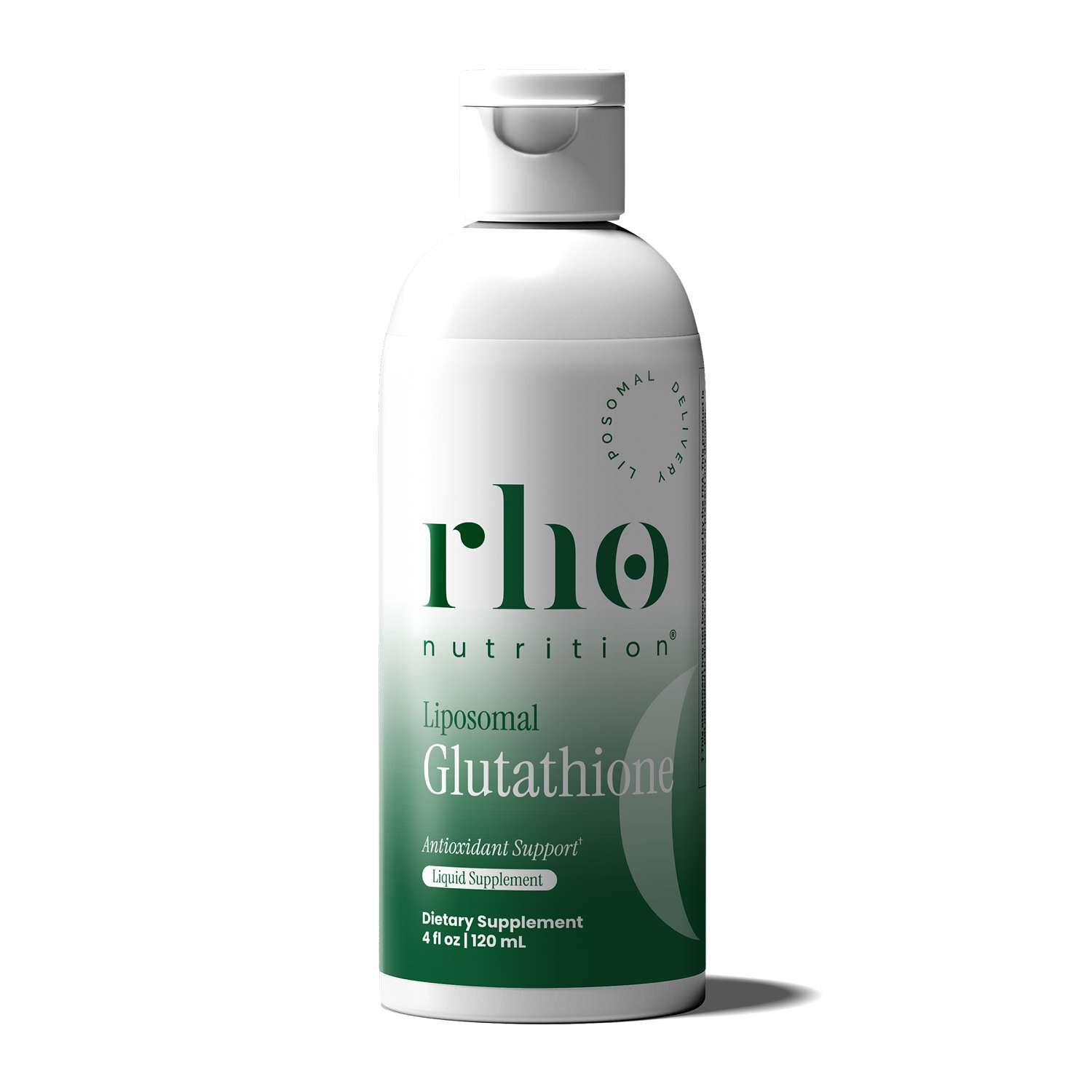 Rho Nutrition
-
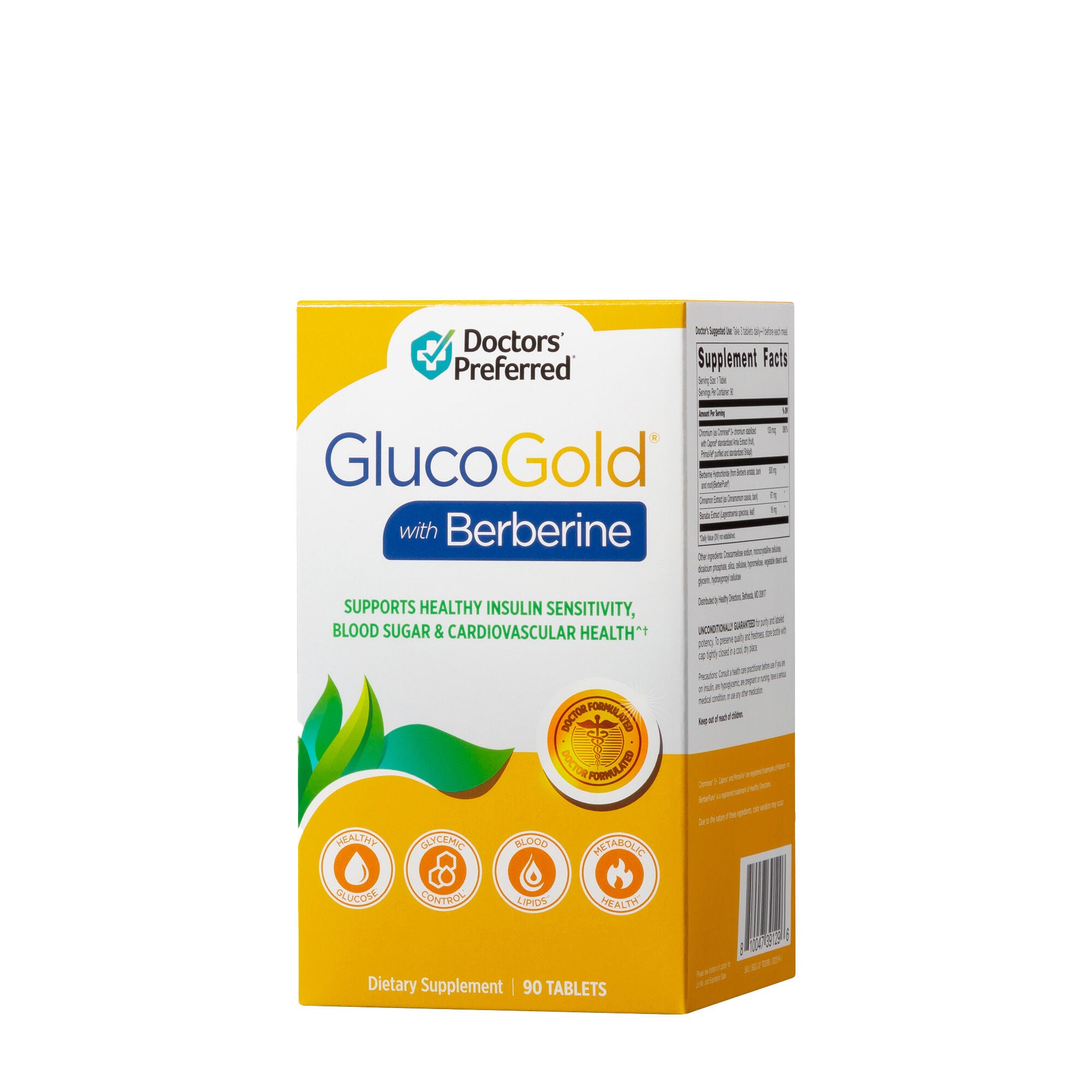 Doctors' Preferred