





NAD Supplements For Energy Production Support
(0 Results)
NAD supplements for energy production may offer support for those looking to optimize their daily vitality and overall wellness. These supplements are designed for individuals seeking to maintain healthy energy levels as part of an active lifestyle. Explore a variety of options that could fit into your routine and discover how NAD supplements for energy production might help you pursue your wellness goals.
-
-
 GNC Preventive Nutrition22$46.99
 -

-
-
-
-
-
 57$54.99
 -
-

-
-

-
 $44.99

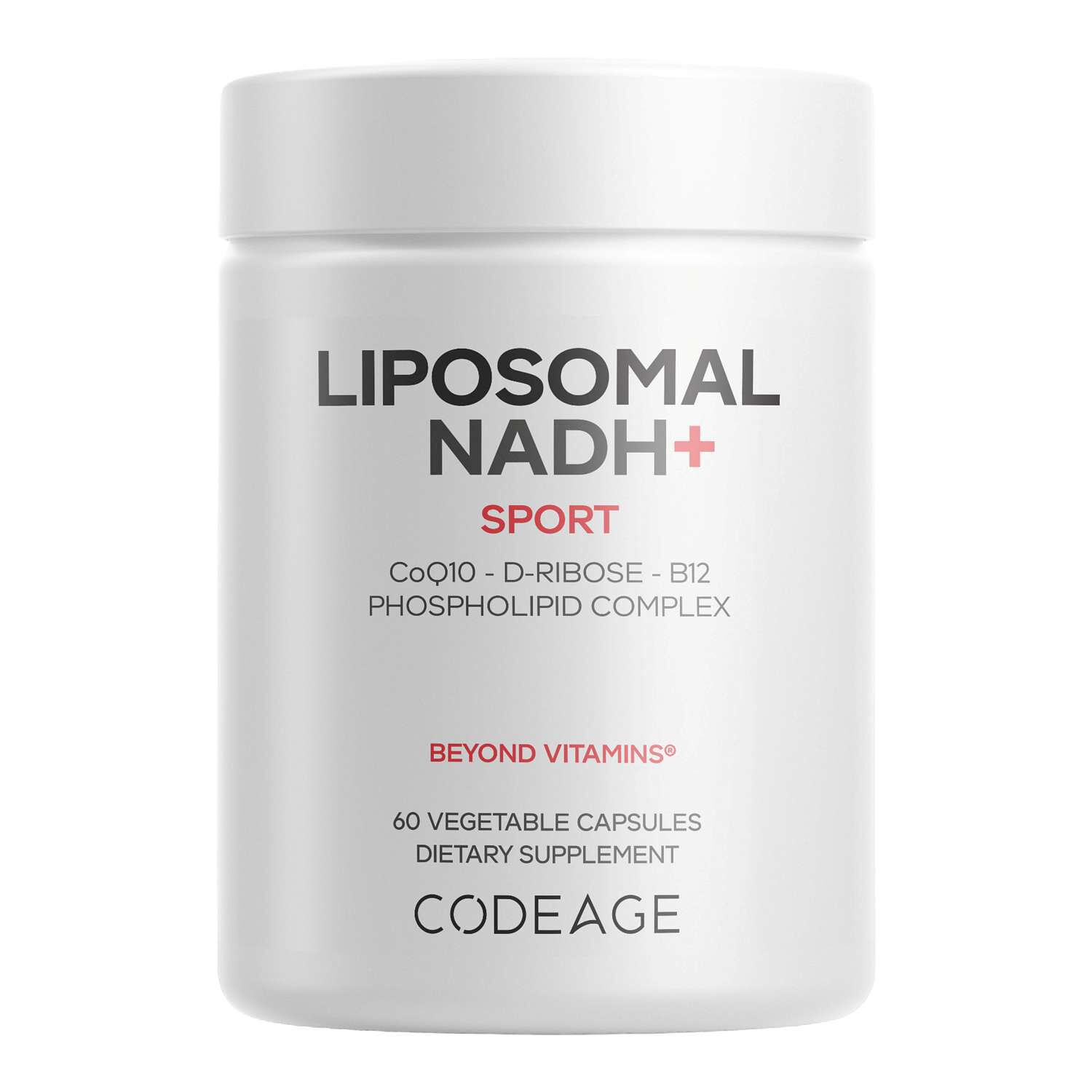
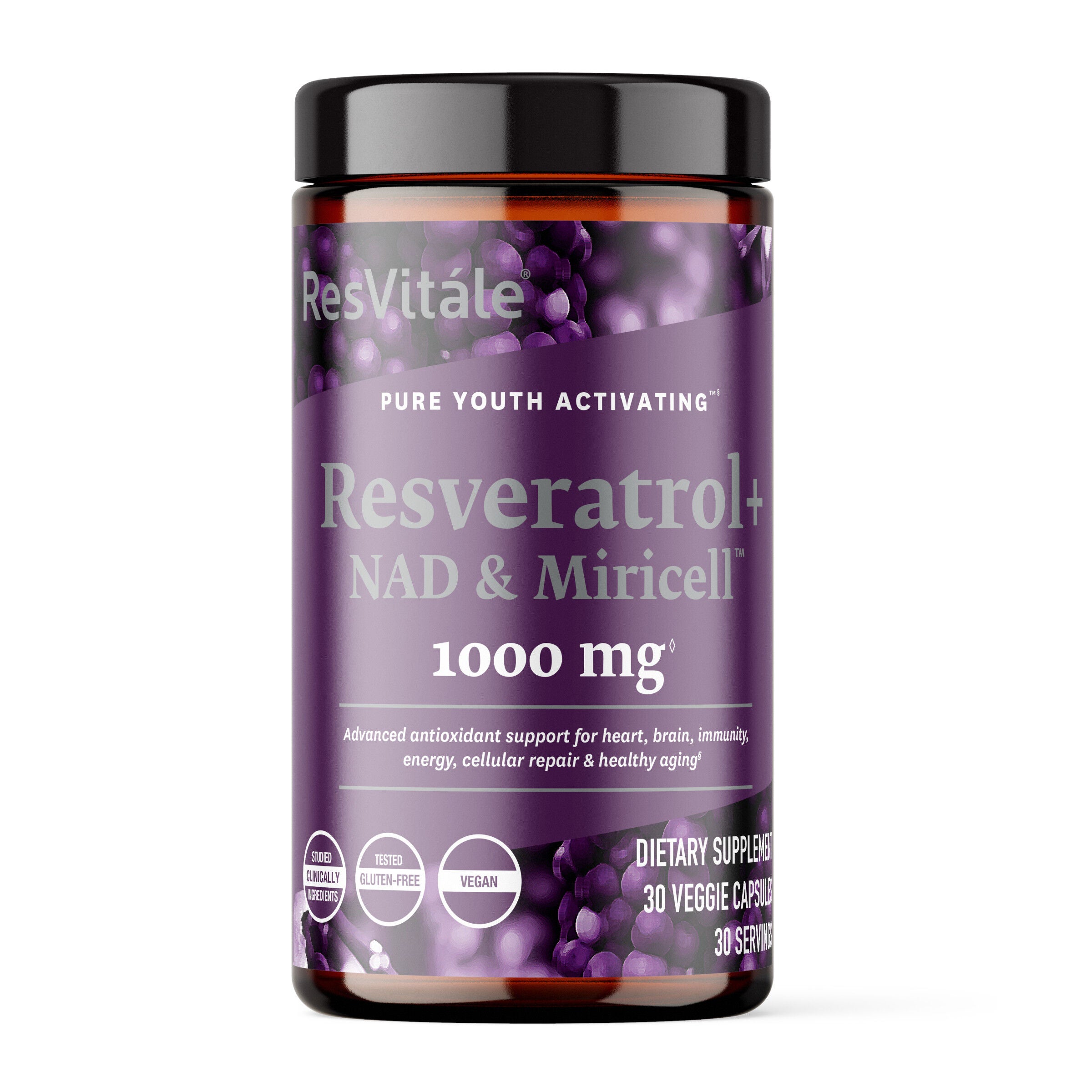
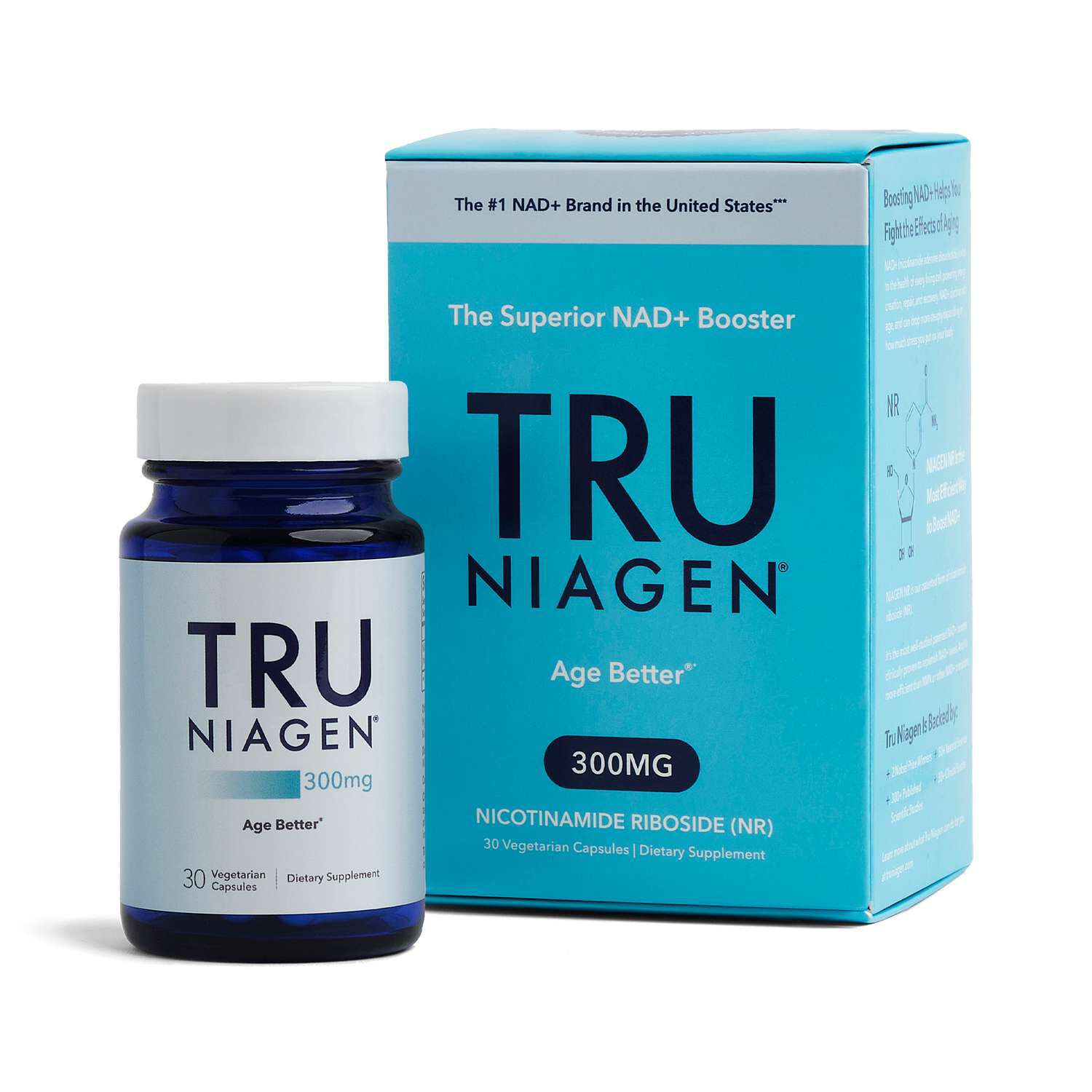
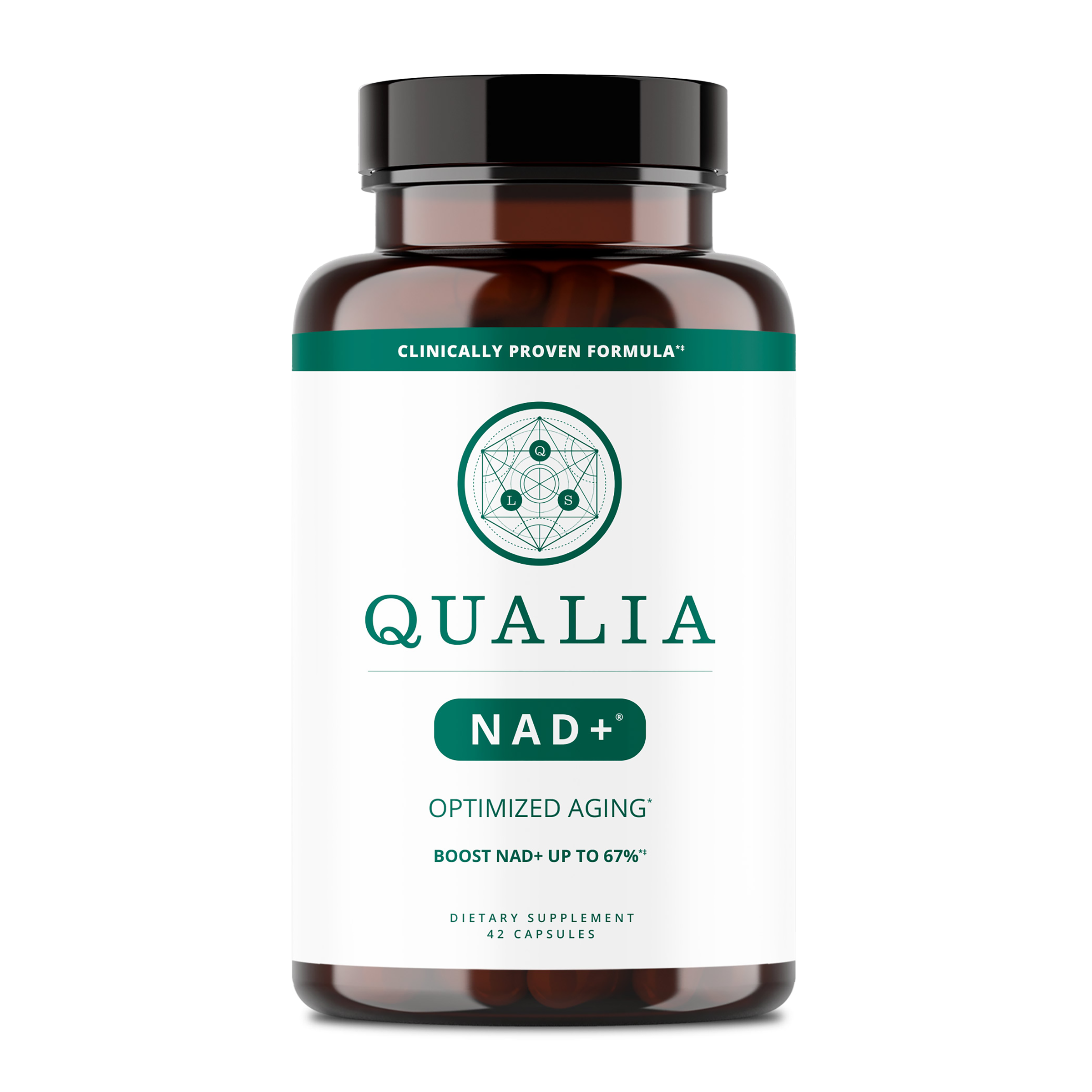
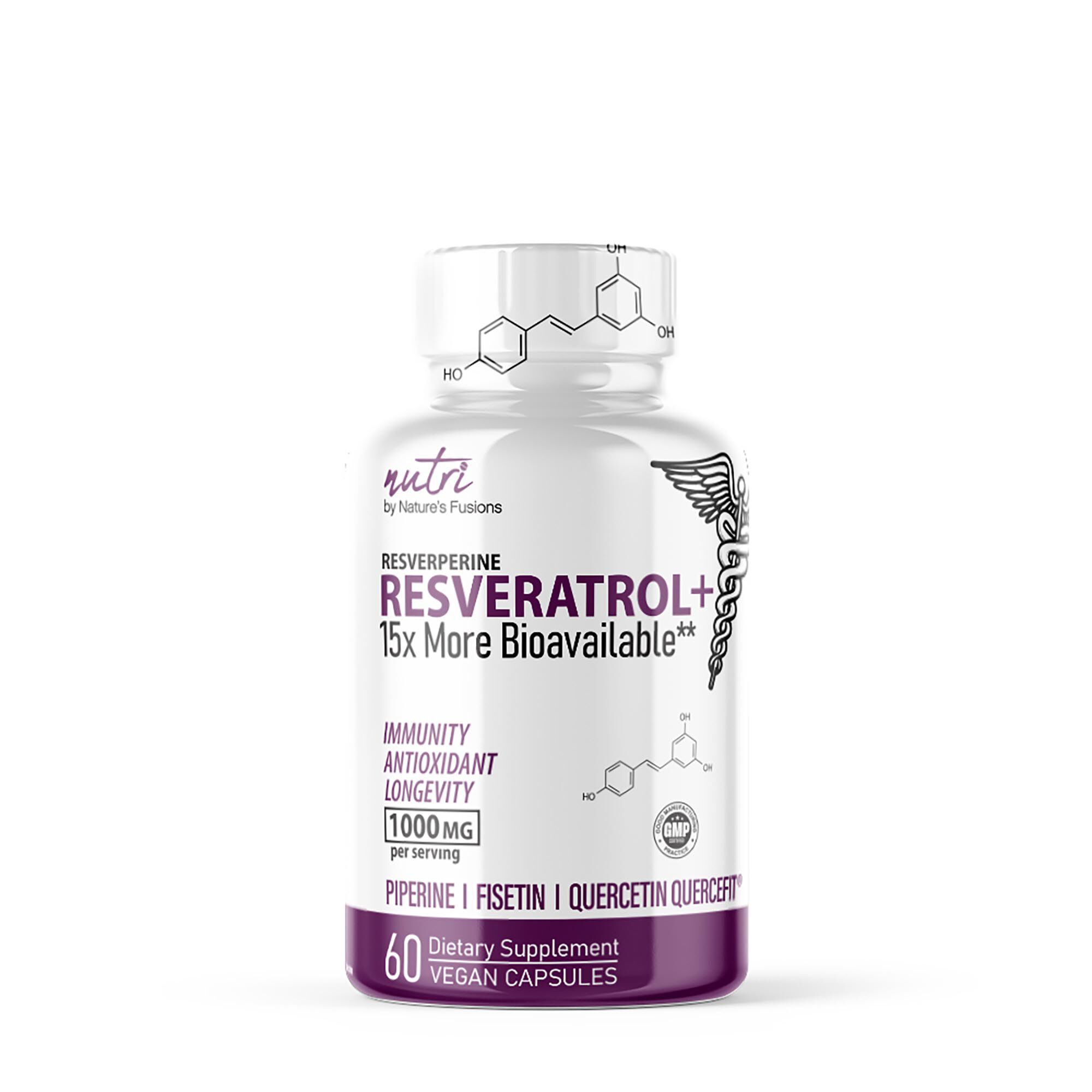
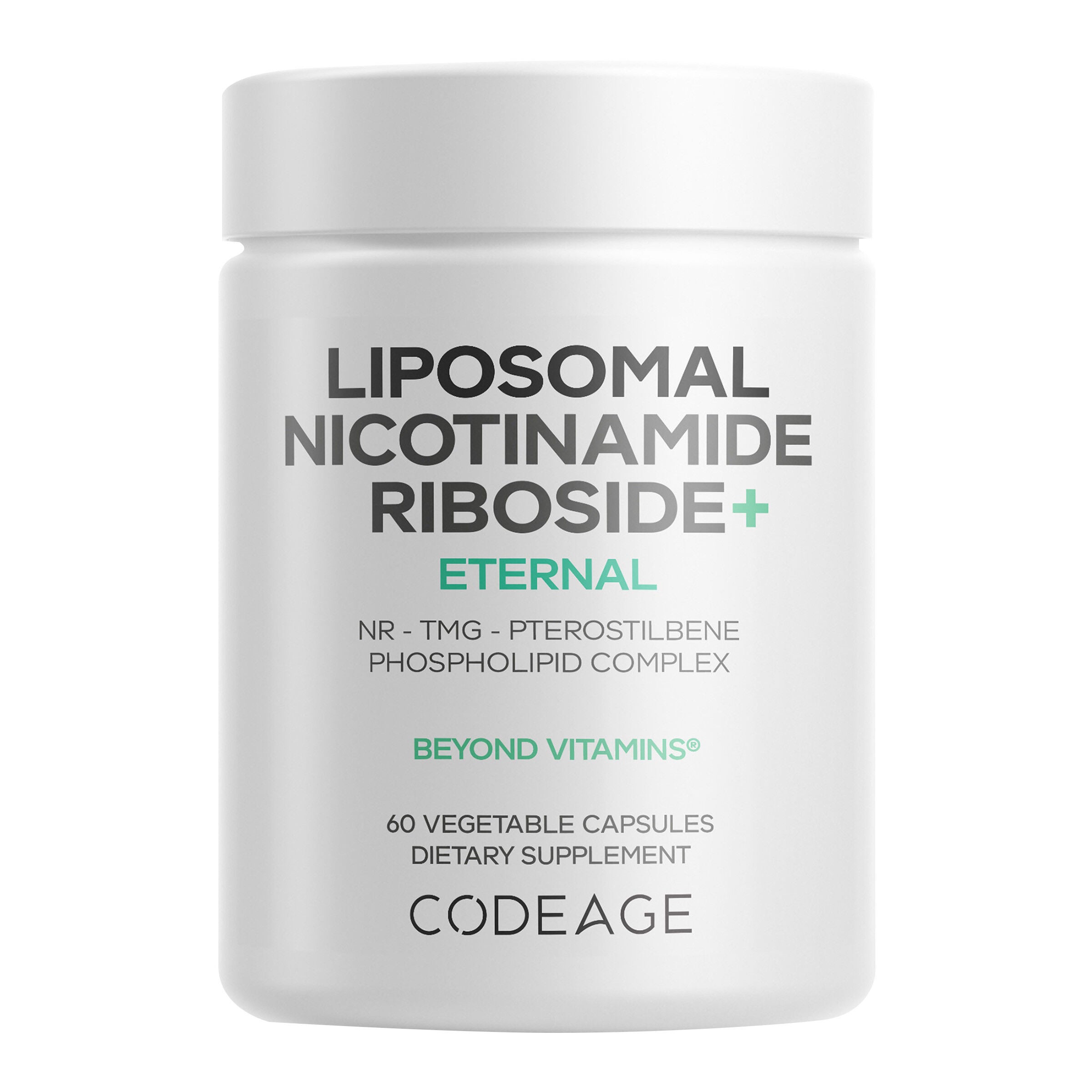
NAD supplements for energy production support center on a coenzyme involved in the way cells use nutrients. NAD stands for nicotinamide adenine dinucleotide, a naturally occurring molecule that participates in normal cellular metabolism. Its oxidized form, NAD+, and reduced form, NADH, work together in the transfer of electrons during metabolic processes. Those processes contribute to the production of adenosine triphosphate, or ATP, the molecule cells use to carry energy for everyday functions. This cellular meaning of energy is different from the alert feeling associated with a cup of coffee. An NAD-focused supplement may support normal energy metabolism, but that does not mean it will create an immediate, noticeable sensation. The category includes different approaches: some formulas feature NAD+ or NADH, while others contain a precursor, a substance the body can use in making NAD. Nicotinamide riboside, often shortened to NR, is one example of a precursor associated with this category. These ingredient names are related, but they are not interchangeable descriptions of the same substance. A label that highlights NAD on the front deserves a closer look at the Supplement Facts panel to identify the actual ingredient, its form, and the amount per serving. For adults interested in everyday nutrition and the processes behind cellular energy, those distinctions make comparison more meaningful than a prominent number on a bottle. Someone whose day moves from an early commute to a desk and then an evening walk may be drawn to energy-related language, yet the intended use remains nutritional support rather than a substitute for meals, sleep, or physical activity. Understanding that distinction gives this collection a practical context: the focus is on formulas that may support the body's normal energy-producing processes, not on an instant change in how a busy afternoon feels. Ingredient identity, serving size, and the purpose stated on the label are useful starting points for evaluating that fit.
Comparing NAD supplements involves more than reading the amount printed beside the main ingredient. The serving size establishes what that amount represents: a serving of two capsules is different from a serving of one, even when the front labels show similar numbers. A larger milligram amount also does not establish that one ingredient form may offer more support than another. Different compounds have different compositions, so comparisons are most straightforward when the ingredient identity and serving basis match. Some formulas focus on a single ingredient, while combination formulas pair an NAD-related ingredient with vitamins or other nutrients. For someone who already uses a multivitamin or another nutritional supplement, reviewing each label side by side can reveal repeated ingredients and make the contents of the routine easier to understand. Vitamin B3 has a connection to NAD because the body uses forms of this vitamin in pathways involved in NAD production. Shoppers interested in that related category can explore Niacin Supplements for Energy Production while keeping the distinctions among niacin, other B3 forms, and NAD-focused ingredients in view. The presence of a related nutrient does not make two formulas equivalent. Beyond the featured ingredients, the Other Ingredients section describes materials used to create the finished supplement. Depending on the format, these may include a capsule shell, binders, coatings, flavorings, or sweeteners. Plant-derived capsule materials may matter to someone with a vegetarian preference, while another shopper may prioritize an unflavored format or a shorter ingredient list. Allergen statements and clearly described dietary attributes offer more useful detail than assumptions based on packaging color or imagery. If a blend lists a combined amount without individual quantities, that presentation provides a different degree of ingredient detail than a panel that lists each component separately. Reading these details together creates a clearer picture of what a serving contains, how the formula is organized, and whether its composition aligns with personal preferences.
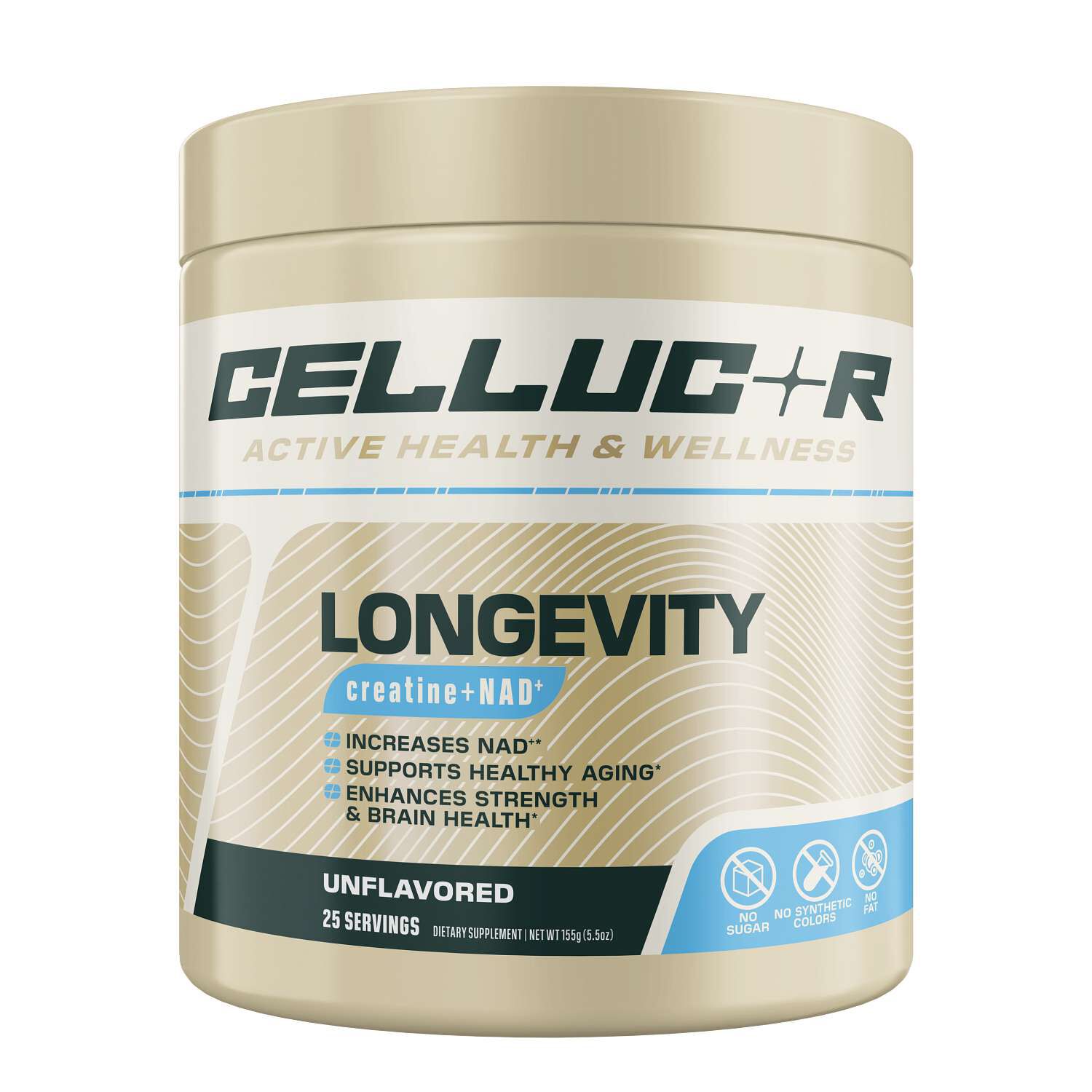
Format, packaging, and storage instructions bring NAD supplements into the practical setting of an everyday routine. Capsules and tablets have different sizes and textures, and their convenience depends on the serving directions as well as personal preference. A bottle requiring several units per serving may feel different to manage than one with a smaller serving count. When a powder or another measured format is involved, the measuring instructions and preparation steps become part of the comparison. Someone who packs breakfast before leaving home may prefer a format with fewer preparation steps, while someone with an established at-home routine may be comfortable measuring and mixing as directed. Neither approach establishes a difference in the support a formula may provide; it simply reflects how the format fits into the day. Package count is another useful detail. The number of capsules or tablets in a container is not necessarily the number of servings, so the servings-per-container line offers a more accurate picture of how the package relates to the labeled routine. Care matters, too. The label's storage directions specify how to handle the formula, and the original container keeps those directions, ingredient information, lot identification, and date markings together. A tightly closed lid and storage consistent with the package directions may help preserve product quality. A desk drawer, kitchen shelf, or travel bag should be considered against those instructions rather than chosen only for convenience. Packaging that looks sturdy is not, by itself, evidence of ingredient stability or performance. For adults comparing NAD supplements for energy production support, the most useful product details are concrete ones: the named ingredient, amount per serving, format, additional nutrients, dietary attributes, and handling requirements. A straightforward label makes those details easier to evaluate without relying on dramatic descriptions. Personal preferences can then shape the choice, whether that means a capsule material that aligns with a dietary pattern, a serving format suited to a daily schedule, or a formula with individually listed ingredient amounts. With those distinctions in view, this category becomes less about a vague expectation of “more energy” and more about understanding supplements that may support normal cellular energy metabolism as part of an everyday nutrition routine.
Best Sellers
-
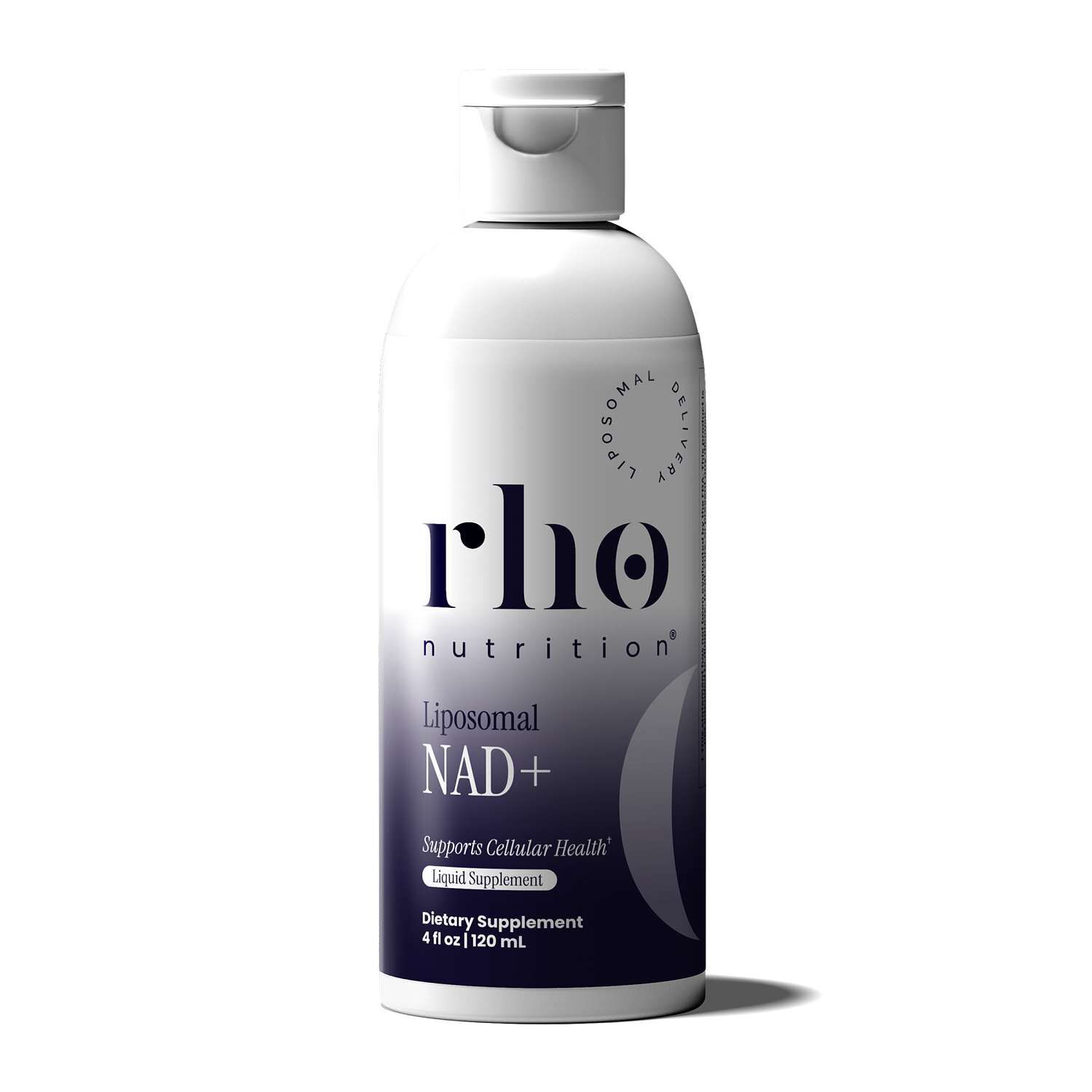 Rho Nutrition
 -
 Rho Nutrition
 -
 Doctors' Preferred
