Niacin Supplements For Energy Production
(0 Results)
Niacin supplements for energy production may offer support for those looking to maintain their daily vitality. As a key member of the B-vitamin family, niacin is involved in various bodily processes that could play a role in overall wellness. Whether you’re seeking to complement your balanced lifestyle or simply exploring new ways to support your nutritional goals, niacin supplements for energy production might be a helpful addition to your routine. Discover options that fit your needs and find out how adding niacin to your supplement lineup could help you feel your best.






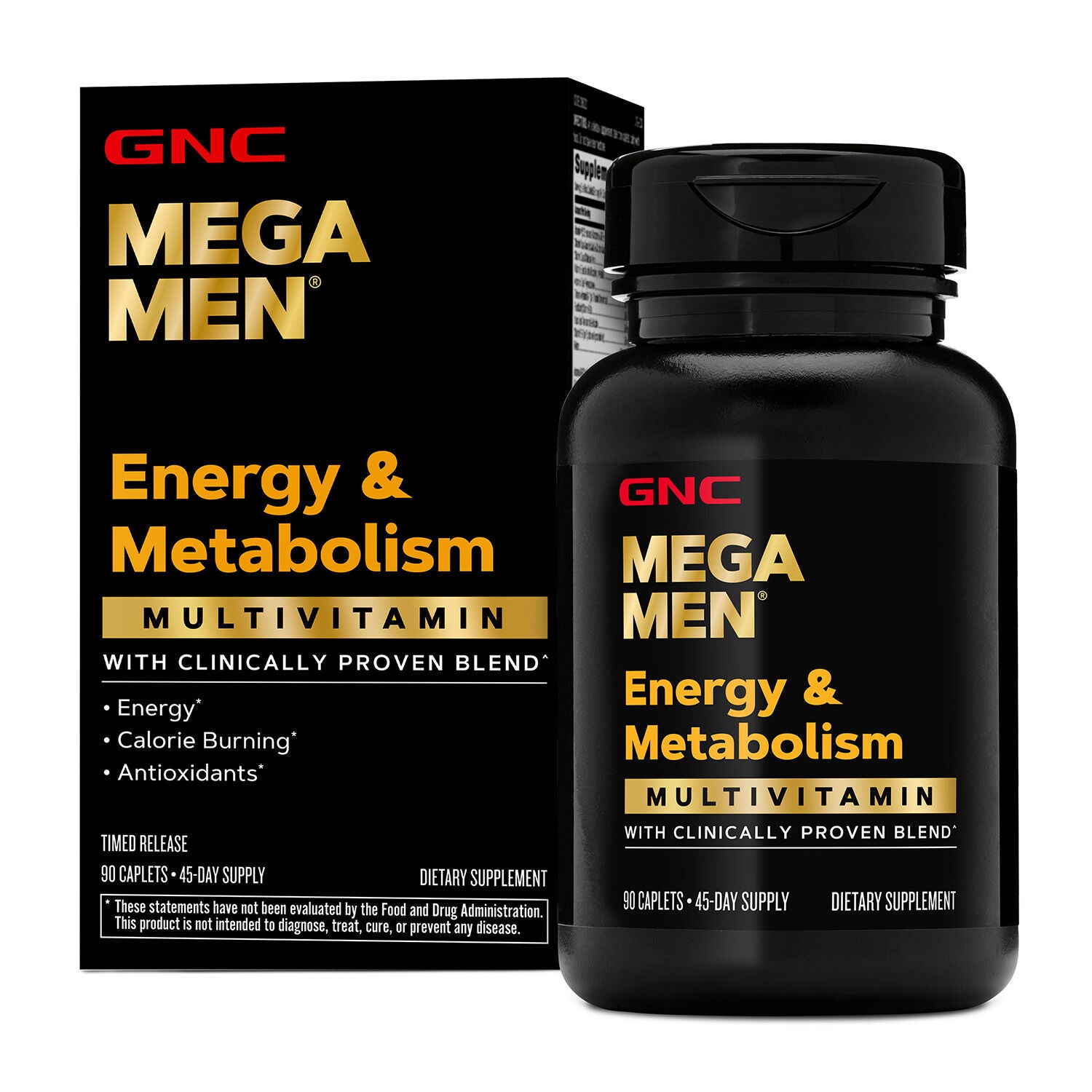
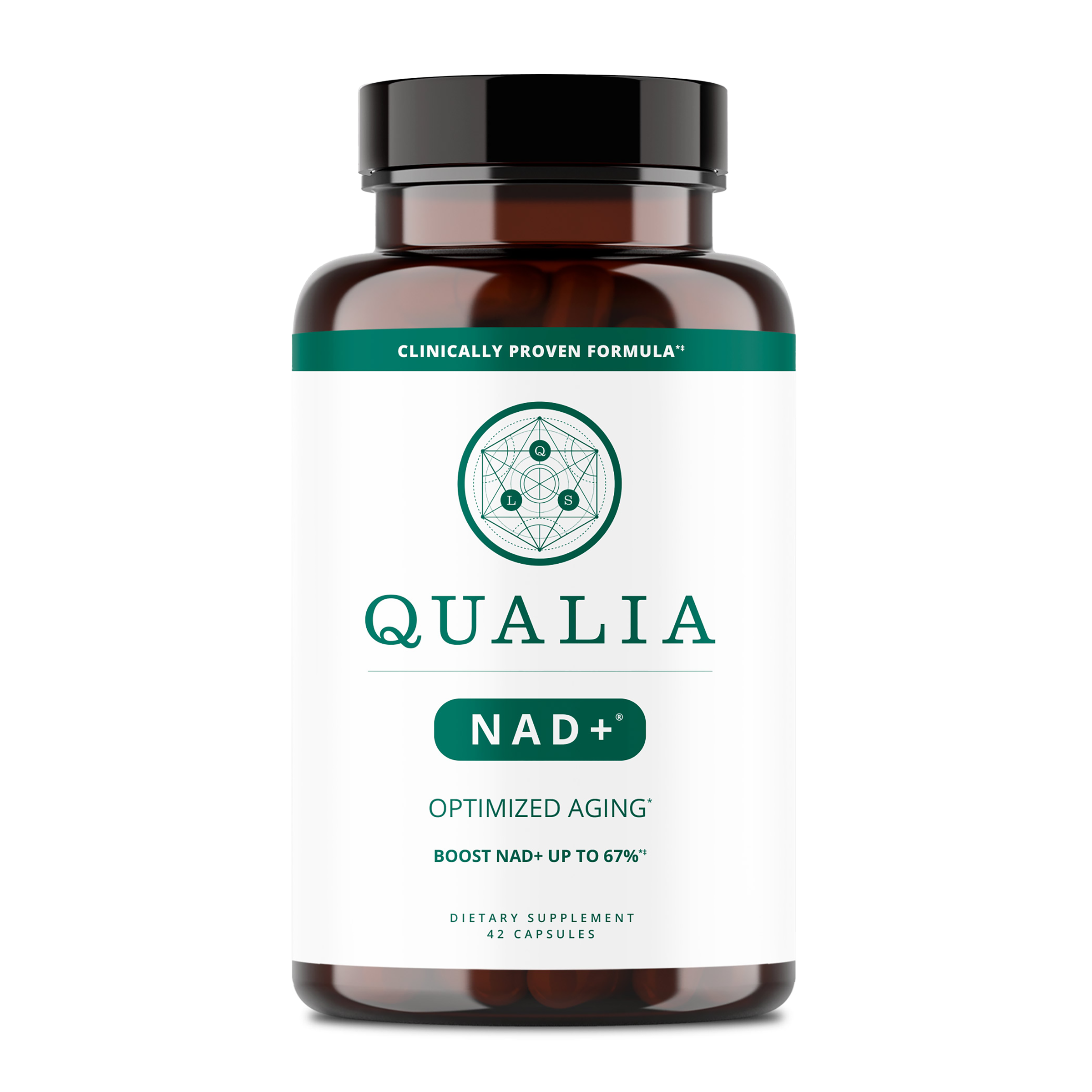

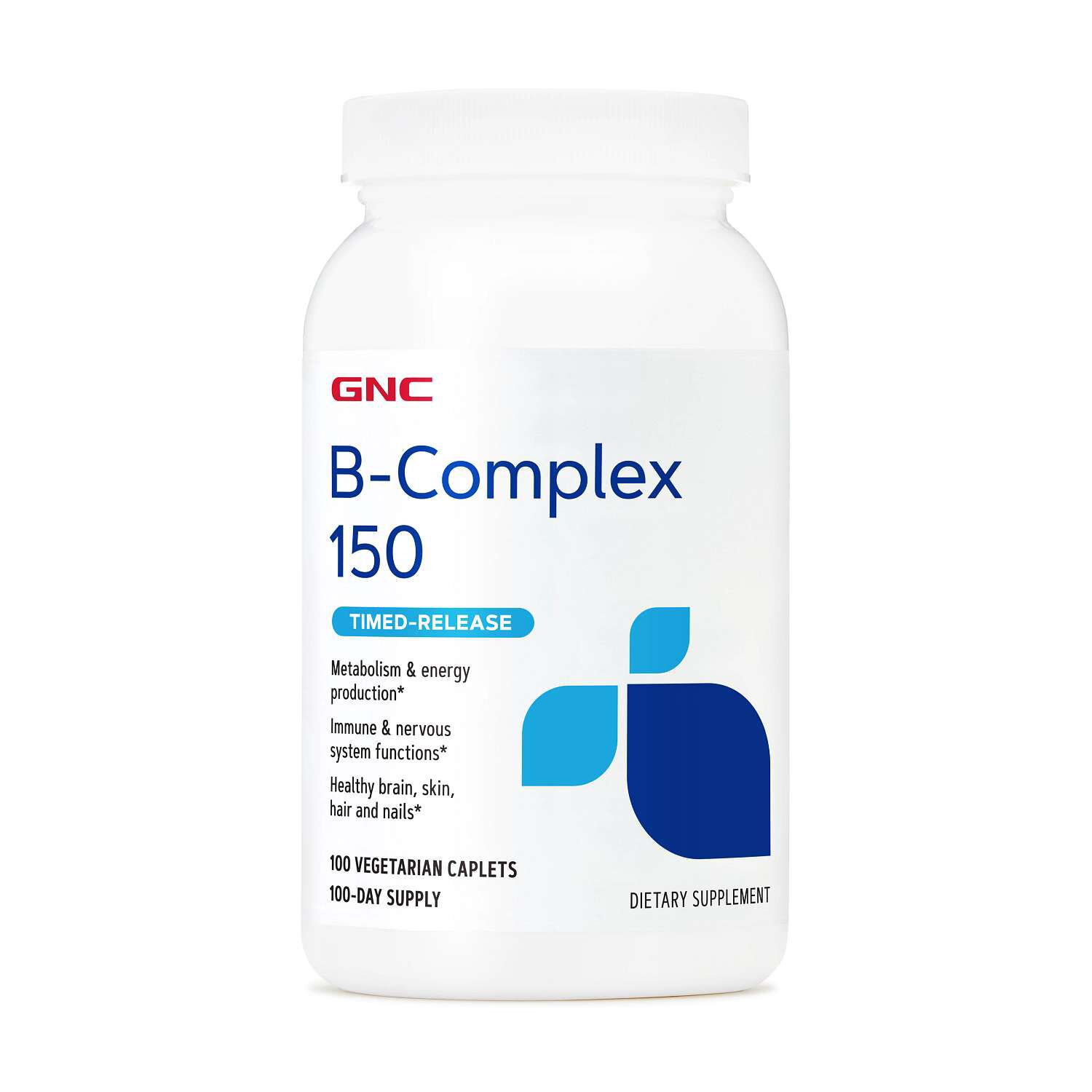
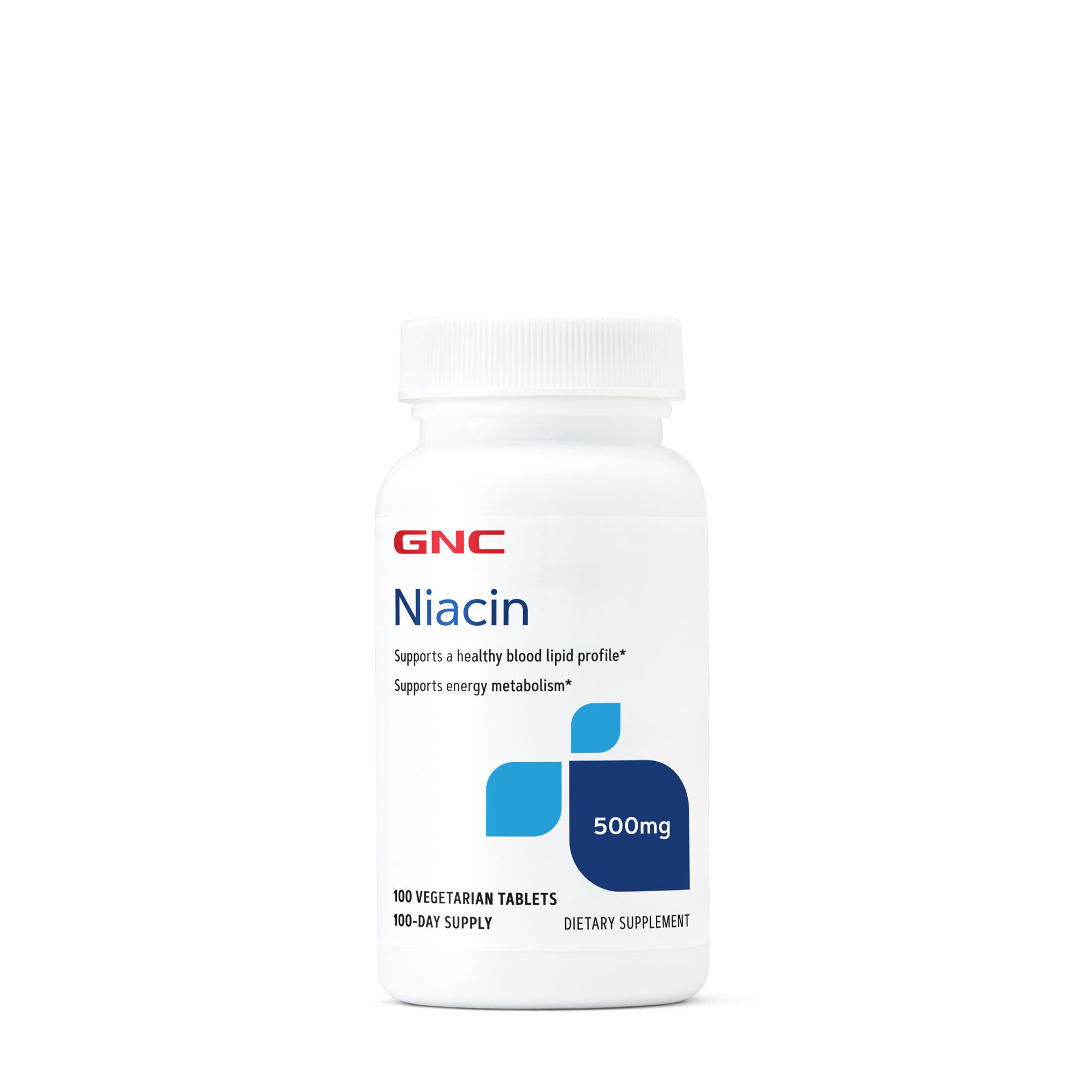

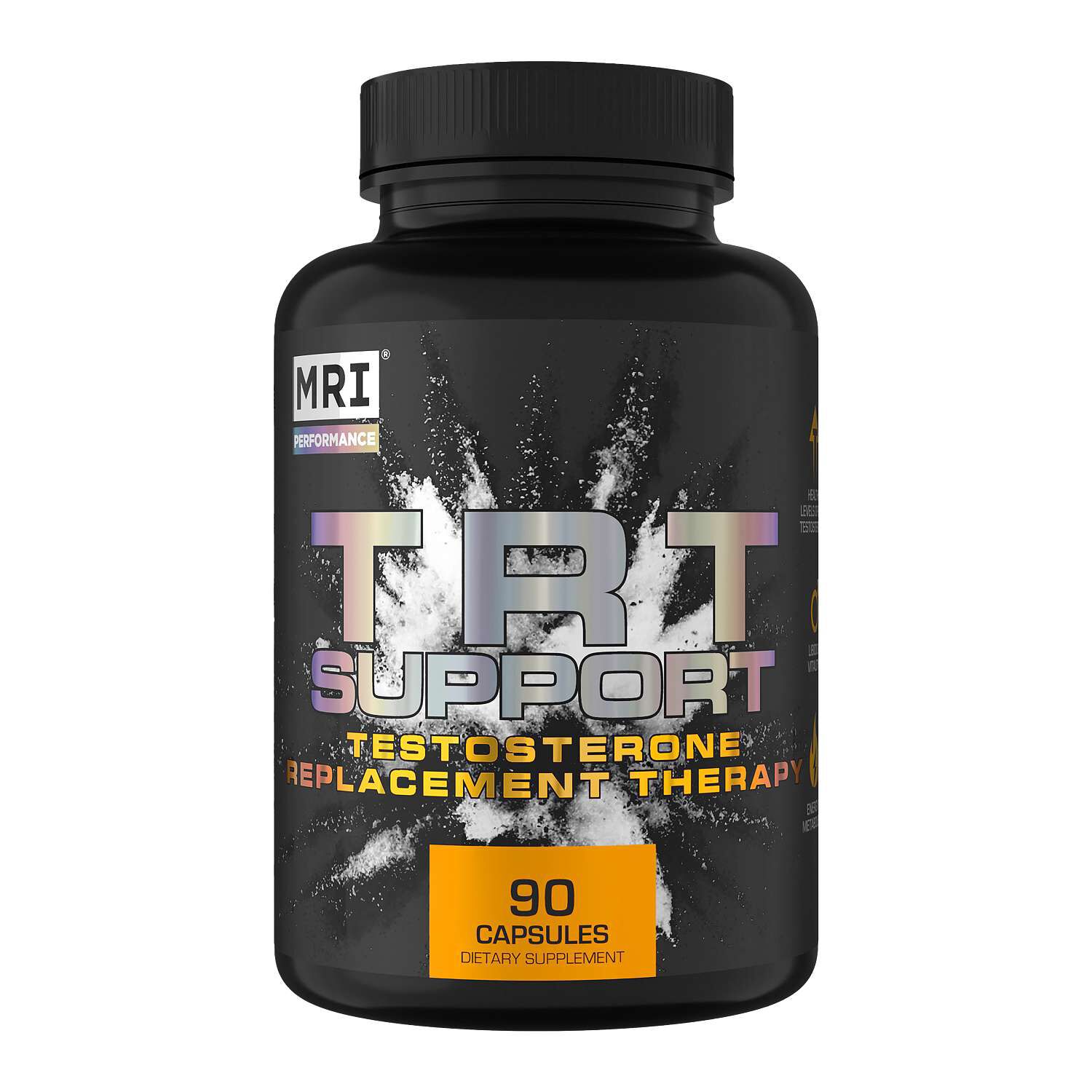
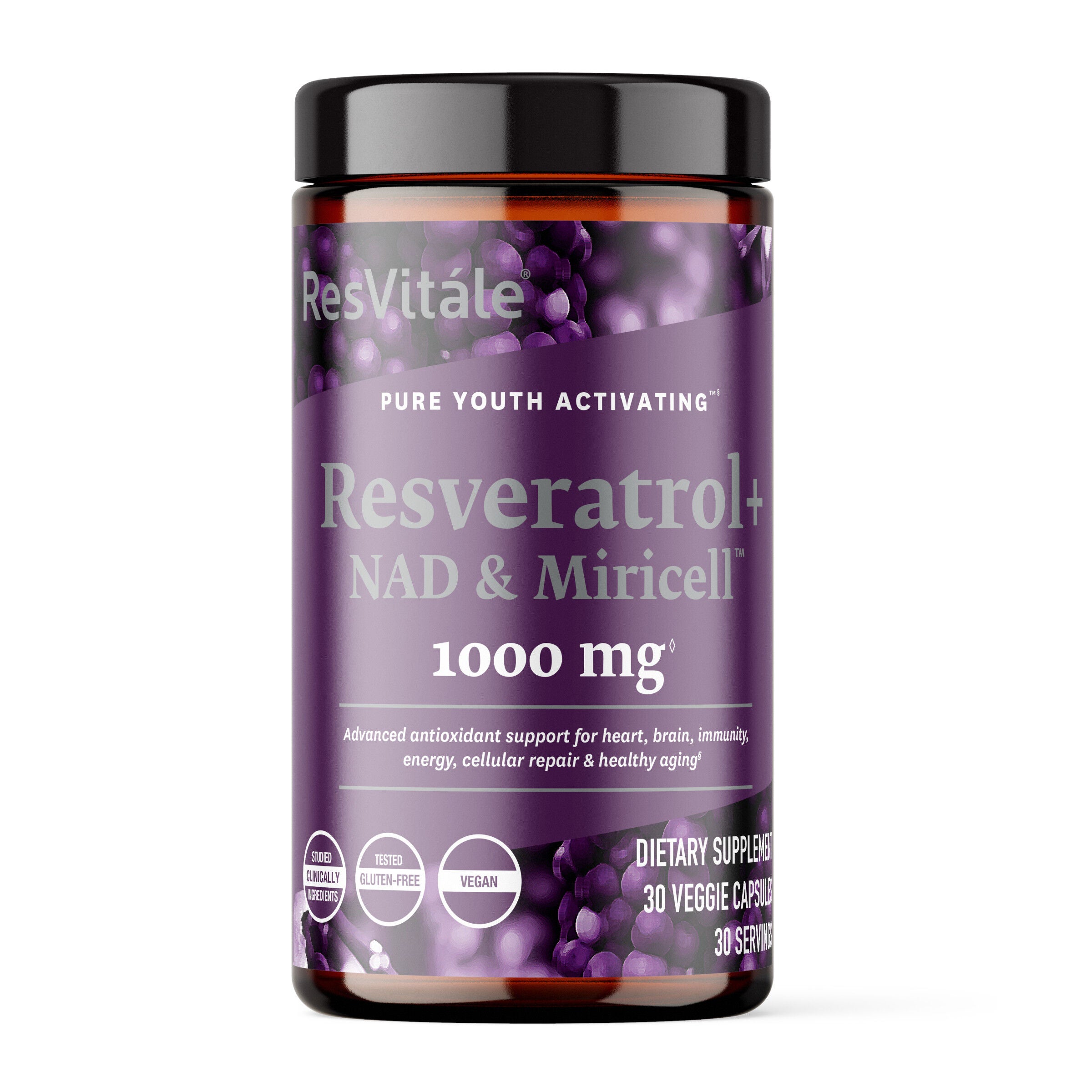
Niacin supplements, also known as vitamin B3 supplements, are often selected by shoppers who want to add a focused B vitamin to an everyday nutrition routine. Niacin plays a role in the body’s process of turning carbohydrates, fats, and proteins from food into usable energy. It helps form coenzymes such as NAD and NADP, which participate in many routine metabolic processes throughout the body. Because of this connection to food-to-energy conversion, niacin is commonly included in formulas designed for energy production, daily wellness, and broader B vitamin support. A balanced eating pattern that includes poultry, fish, meat, dairy foods, nuts, legumes, and fortified grains may already provide niacin, so a supplement may be most appealing to people who prefer a convenient, measured addition to their routine or who are reviewing their overall nutrient intake with a qualified health professional. Niacin products come in several forms, with nicotinic acid and niacinamide among the most familiar. Nicotinic acid may cause a temporary sensation of warmth or visible flushing for some people, while niacinamide is commonly chosen by shoppers who prefer a form that may be less associated with that experience. Formulas may also vary in serving size, ingredient combinations, tablet or capsule count, and whether niacin is offered on its own or alongside other B vitamins. Reading the Supplement Facts panel can make it easier to compare these details without relying on the front label alone. The amount per serving, serving instructions, additional ingredients, and suggested use can all help determine which option fits an established routine. Shoppers who are new to niacin may appreciate starting with a straightforward formula so they can understand how it fits into their day, while experienced supplement users may look for a particular form or a product that complements a multivitamin already in their cabinet. For a broader look at options, browse the Best Niacin Supplement selection and compare product details side by side.
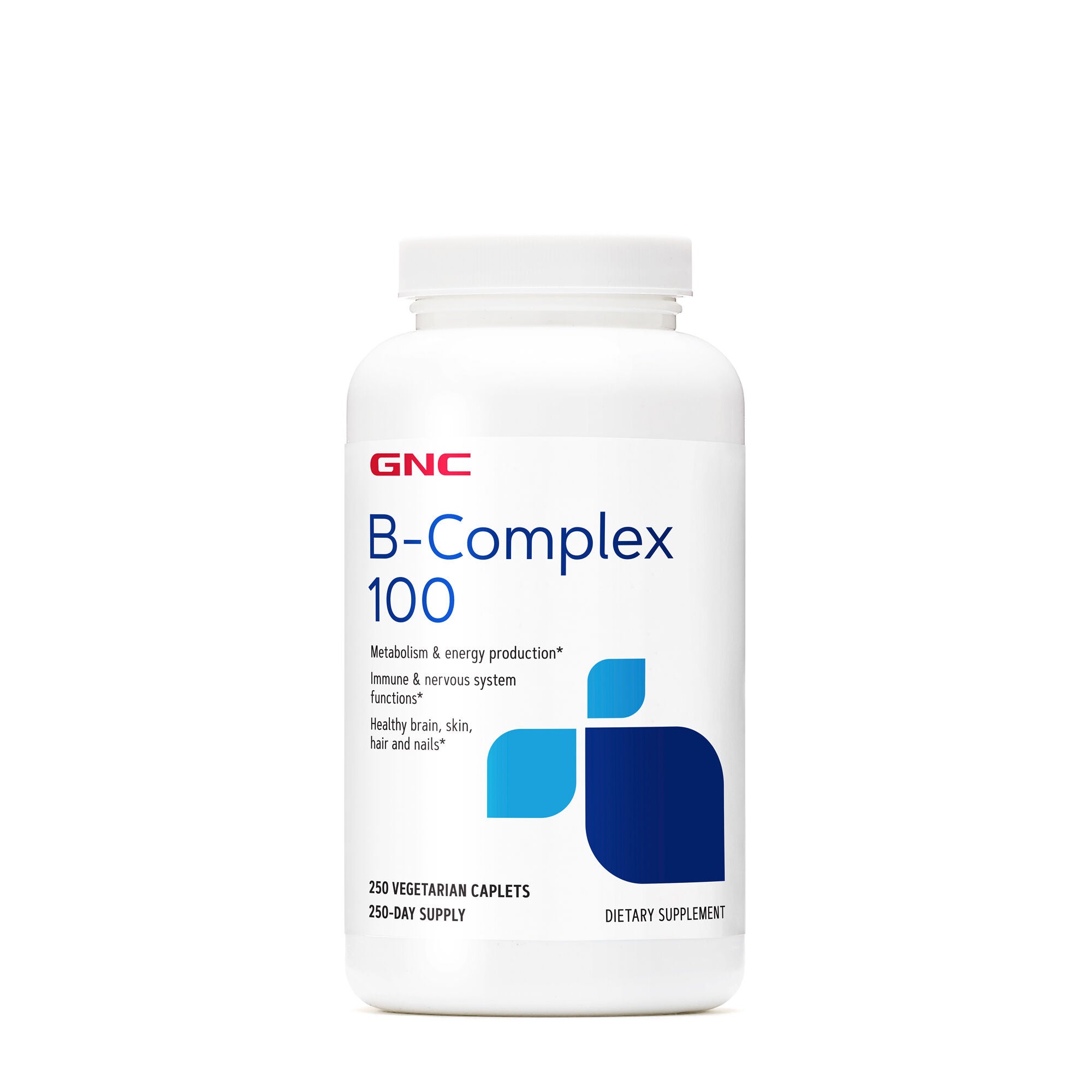
Niacin supplements could suit adults who value simple routines, people organizing a morning wellness station, or anyone looking for a practical gift for a friend who enjoys thoughtfully chosen nutrition products. A bottle may fit naturally alongside a breakfast routine, workday preparations, or a travel toiletry bag, although label directions should guide how and when it is used. Some shoppers prefer taking B vitamins earlier in the day as part of a consistent schedule, while others choose a time that works best with their meals and existing habits. Since niacin products can differ considerably, the best choice may depend on the form, serving size, number of added ingredients, and personal preference around nicotinic acid or niacinamide. A shopper who wants a single-nutrient option may prefer a focused niacin product, whereas someone building a wider nutritional routine might look for a B-complex formula that includes several B vitamins. It is also worth checking for duplicate ingredients when using a multivitamin, pre-workout formula, or other fortified product, since combining several sources may raise the overall amount consumed. More is not automatically better, and taking amounts above the label directions may not provide additional energy for someone whose diet already supplies sufficient niacin. Higher amounts may also be unsuitable for some individuals, particularly those managing an ongoing health concern or using prescription products, so a physician or qualified pharmacist can help with personal questions about compatibility and appropriate use. Product labels may include cautions, storage instructions, and serving guidance, making them a useful starting point before adding a new supplement. During the cooler months, when busy schedules and indoor routines can make meal planning feel less consistent, a clearly organized supplement shelf may make daily habits easier to remember. Niacin is not a substitute for nourishing meals, restful sleep, hydration, or regular movement, and supplements may work best as one part of a well-rounded routine rather than as a replacement for those foundations. Whether selected for personal use or given as a considerate gift, niacin supplements offer a convenient way to explore vitamin B3 in a format that can be compared by ingredient form, serving information, and everyday fit.