Natural Anxiety Reducers
(0 Results)
Discover a range of natural anxiety reducers that could help support your journey towards relaxation and calmness. These supplements may harness nature's potential to promote a sense of tranquility and balance in your daily life. From herbal remedies to essential nutrients, each option might offer unique benefits that align perfectly within a holistic wellness routine. Explore how these natural solutions could assist in managing stress and enhancing overall well-being, allowing you to embrace more peaceful moments.
-
 Sprayology$38.99
 -
 Portions Master$24.99
 -
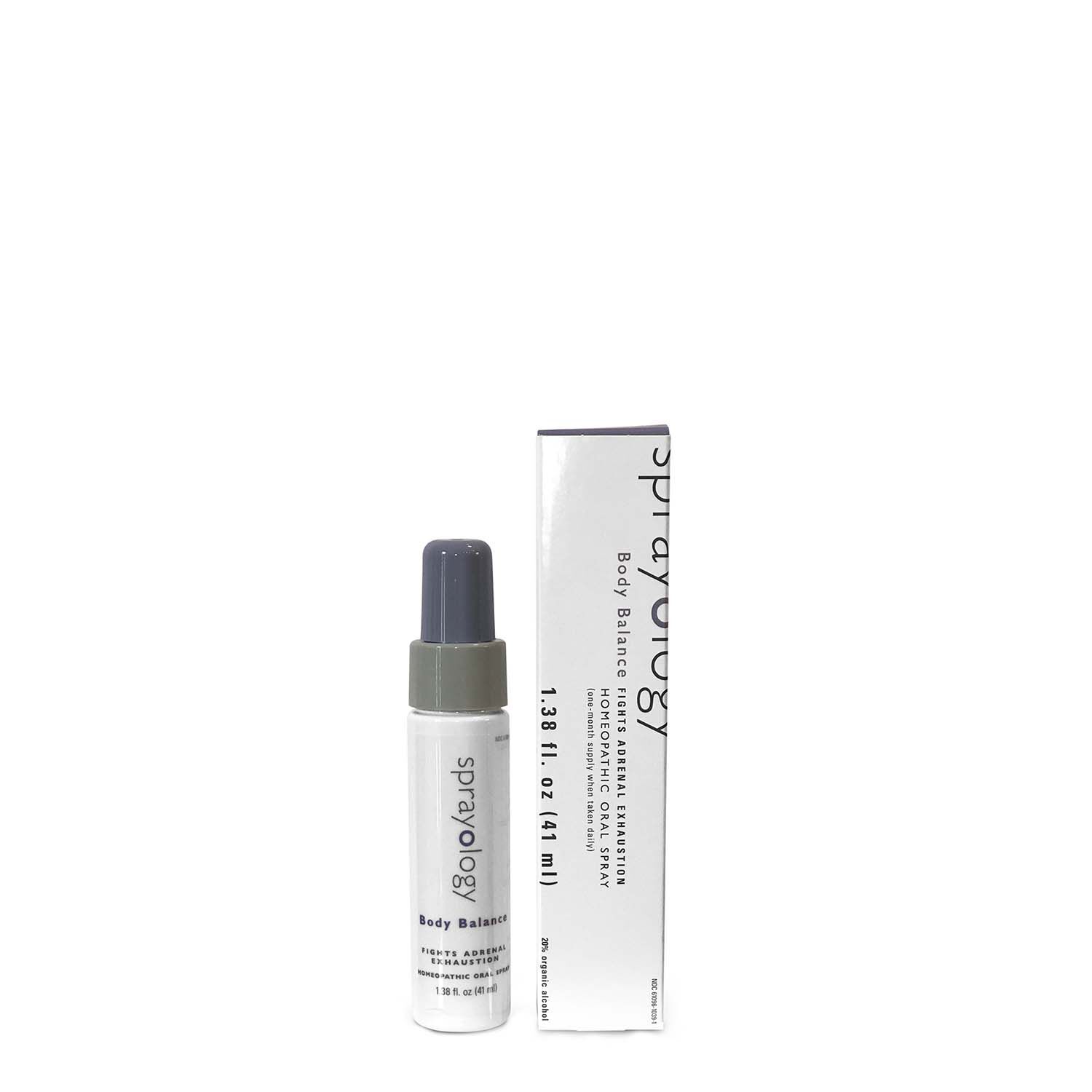 Sprayology$38.99
Shopping for natural anxiety reducers often begins with an interest in everyday calm: a quieter transition after a crowded commute, a moment to settle after back-to-back meetings, or a more intentional evening routine. In a supplement collection, that interest translates into products intended for relaxation and general wellness, with options that differ in ingredients, serving formats, flavors, and preparation. “Natural” is a broad description rather than a precise measure of composition or suitability. A botanical ingredient, a mineral, and an amino acid have different origins, and a plant-based ingredient does not necessarily mean that every component of a formula comes from plants. Familiar ingredients in this category include magnesium, L-theanine, chamomile, and ashwagandha. Magnesium is a mineral found in foods such as nuts, seeds, and leafy vegetables; L-theanine is an amino acid found in tea; chamomile is a flowering botanical; and ashwagandha is a botanical used in supplement formulations. Depending on their ingredients and intended use, some formulas may support relaxation or a sense of calm. These descriptions are distinct from claims about addressing an anxiety condition, and the word “natural” alone does not establish a product’s effects. For shoppers, the most useful distinctions are often visible on the label: whether a formula centers on one ingredient or combines several, how much of each ingredient appears per serving, and whether the product is intended for a daytime or evening routine. An adult looking for a straightforward addition to an existing wellness routine may prefer a short ingredient list, while someone who enjoys a deliberate preparation ritual may be drawn to a drinkable format. Neither preference determines the experience a formula might provide. Clear ingredient information and a format that fits the intended setting offer a more practical basis for comparison than broad language on the front of a package. The details matter, particularly when two similarly named formulas have different serving sizes or supporting ingredients.
The format of a relaxation supplement shapes the practical experience of using it, from the space it occupies in a cabinet to the preparation involved. Capsules and tablets typically require little setup, while powders involve measuring, mixing, and washing a glass or shaker. Gummies offer a chewable format, with texture and flavor playing a larger role in the choice. Liquid formats can have their own measuring tools and storage requirements. For someone with a tightly organized morning, preparation time may be an important consideration; for someone who enjoys setting aside a few minutes in the evening, stirring a flavored powder into a beverage may suit the routine. Flavor descriptions are worth reading closely, especially for shoppers who prefer a mild taste rather than a pronounced fruit or botanical note. Sweeteners, colors, capsule materials, and other ingredients can also distinguish otherwise similar formulas. A botanical featured prominently on the label can appear alongside animal-derived gelatin, for example, so vegetarian preferences call for attention to the capsule or gummy ingredients as well as the featured ingredient. Allergen statements and dietary certifications provide additional context, although the exact wording differs by product. Serving information deserves equally close attention: one capsule, one gummy, or one scoop does not necessarily represent a labeled serving. Container size alone can therefore be misleading when comparing the amount of preparation or the number of servings involved. With botanical formulas, labels may identify the plant part used, such as the root or flower, and distinguish a powdered botanical from an extract. Those details describe composition, not an assured experience. A single-ingredient formula makes the featured component easier to identify, while a blend requires a closer look at how its ingredients are presented. If individual amounts are not listed within a blend, that limits the detail available for comparison. Ingredient names, amounts per serving, and preparation directions together provide a clearer picture than package imagery or a familiar botanical name by itself.
Intended use is another meaningful distinction within this category. Some formulas are positioned around daytime relaxation, while others are designed for an evening setting and may include ingredients associated with bedtime routines. These categories are not interchangeable simply because both use language about calm. The labeled purpose, directions, and warnings give context for the setting in which a supplement is intended to be used, without suggesting that everyone will have the same experience. A shopper comparing options for the pause between work and home life may prioritize different features than someone selecting a format for a bedside routine. For a related view of this category, Supplements For Anxiety Relief Support offers another way to explore formulations with attention to ingredients, format, and intended use. Packaging and care also deserve consideration before choosing a supplement. A sturdy container, a clearly printed expiration date, and readable storage directions are useful details for a product that may be opened regularly. Powders can have specific closure and moisture requirements, and liquids may have storage instructions that differ before and after opening. The original packaging keeps the ingredient list, serving information, and warnings together, which is particularly useful when several supplements share a cabinet. For travel or a busy household, container dimensions and closure design can matter as much as the appearance of the bottle. Supplements are also personal purchases rather than universally suitable gifts: dietary preferences, ingredient choices, and intended use can be difficult to judge for someone else. Choosing for a known preference is different from assuming that a relaxation formula will suit any recipient. Across the category, a thoughtful comparison comes back to concrete details rather than dramatic expectations. A readable label, transparent composition, manageable preparation, and appropriate storage requirements help distinguish options that might otherwise look alike. The result is a selection process centered on the actual product and the routine it is intended to accompany, with room for individual preferences and different experiences.
Best Sellers
-
 GNC Herbal Plus