Natural Fish Oil Supplements
(0 Results)
Discover nature's powerhouse of Omega-3 fatty acids with our selection of natural fish oils. Packed with essential nutrients like EPA and DHA, these supplements are sourced from high-quality fish to support heart health, brain function, and overall well-being. Whether you're looking to boost your daily intake of Omega-3s or seeking a convenient way to support your health goals, our range of natural fish oils offers a pure and potent solution for your nutritional needs.
-

-
-
-

-
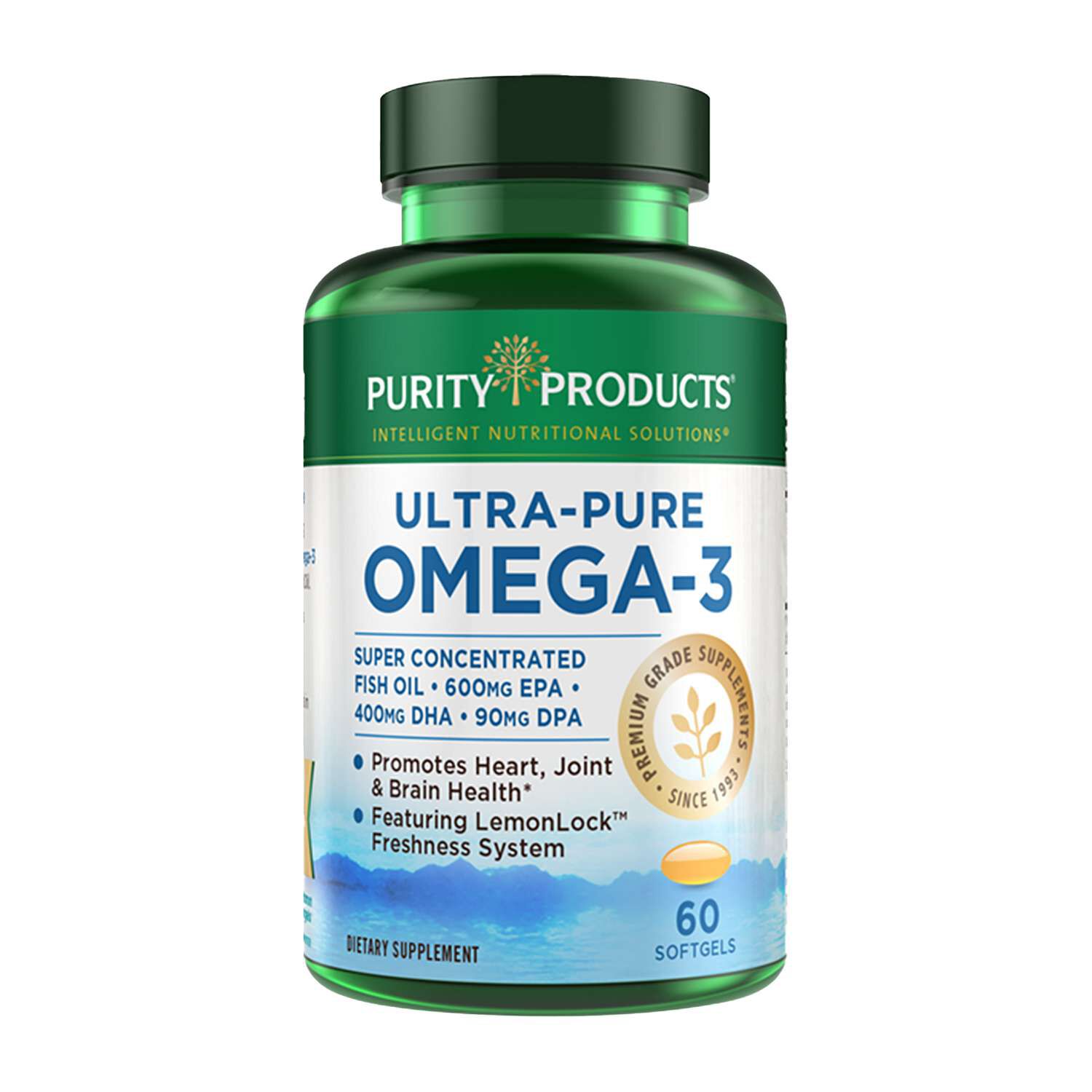 Purity Products$26.99
 -
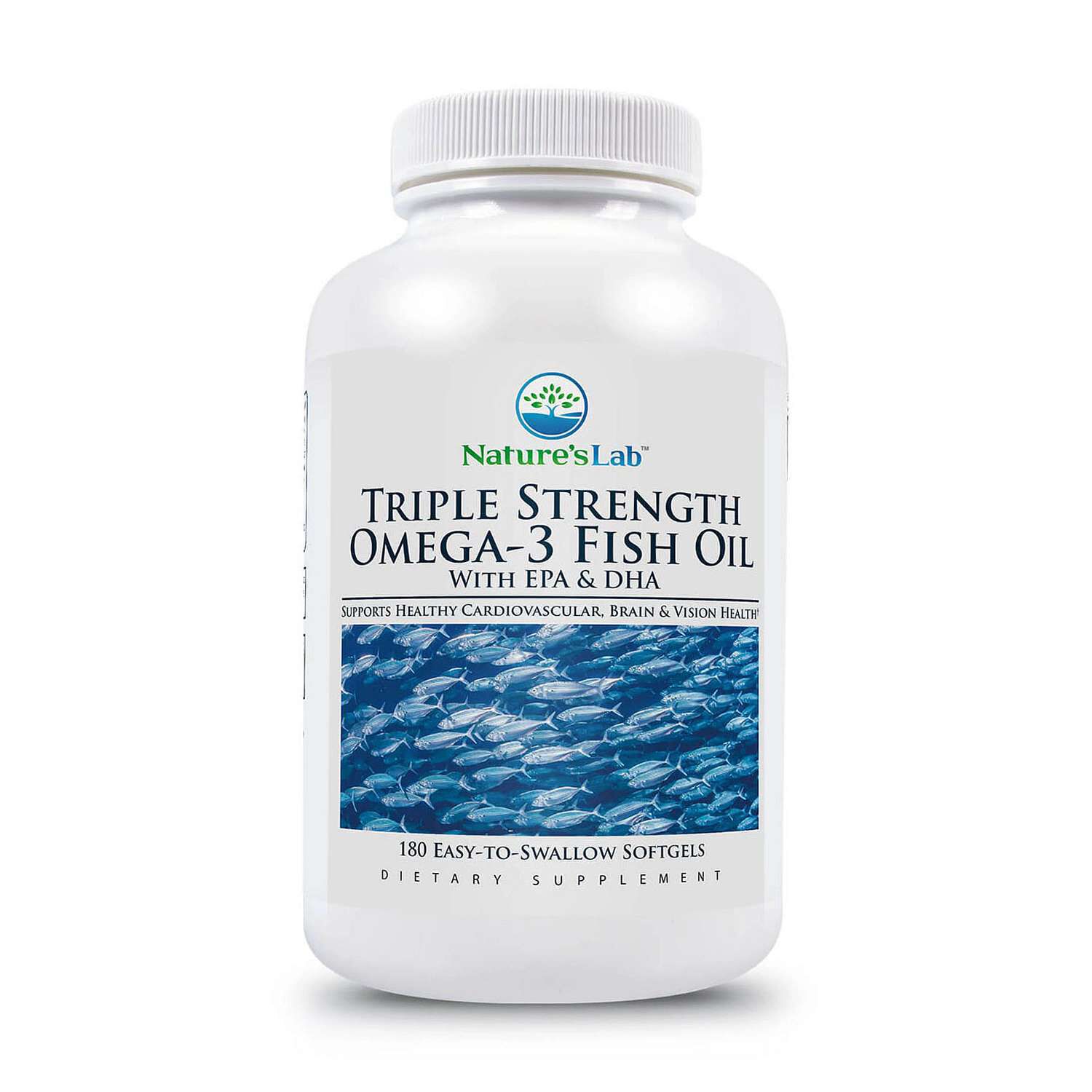 $24.99
 -

-

-

-
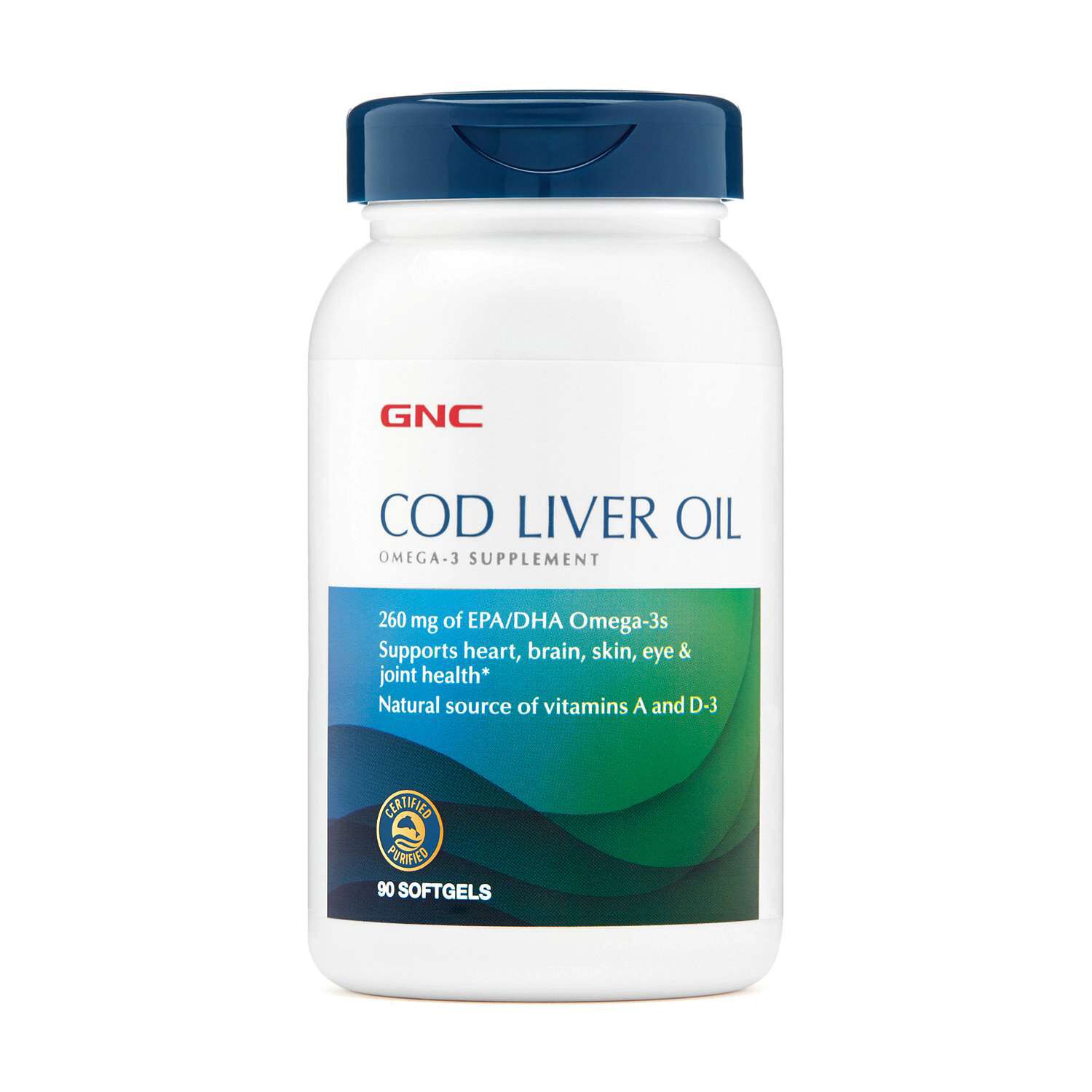
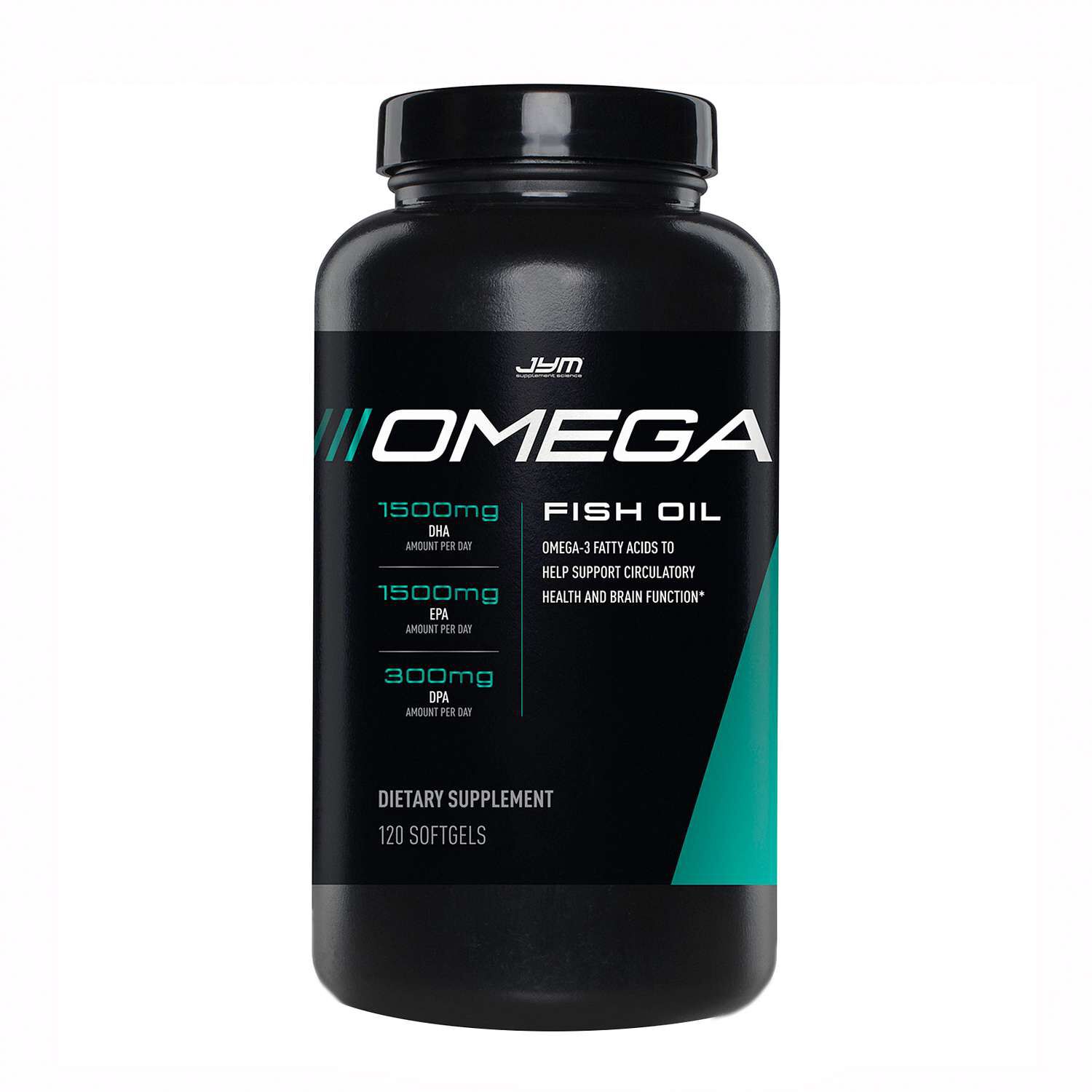
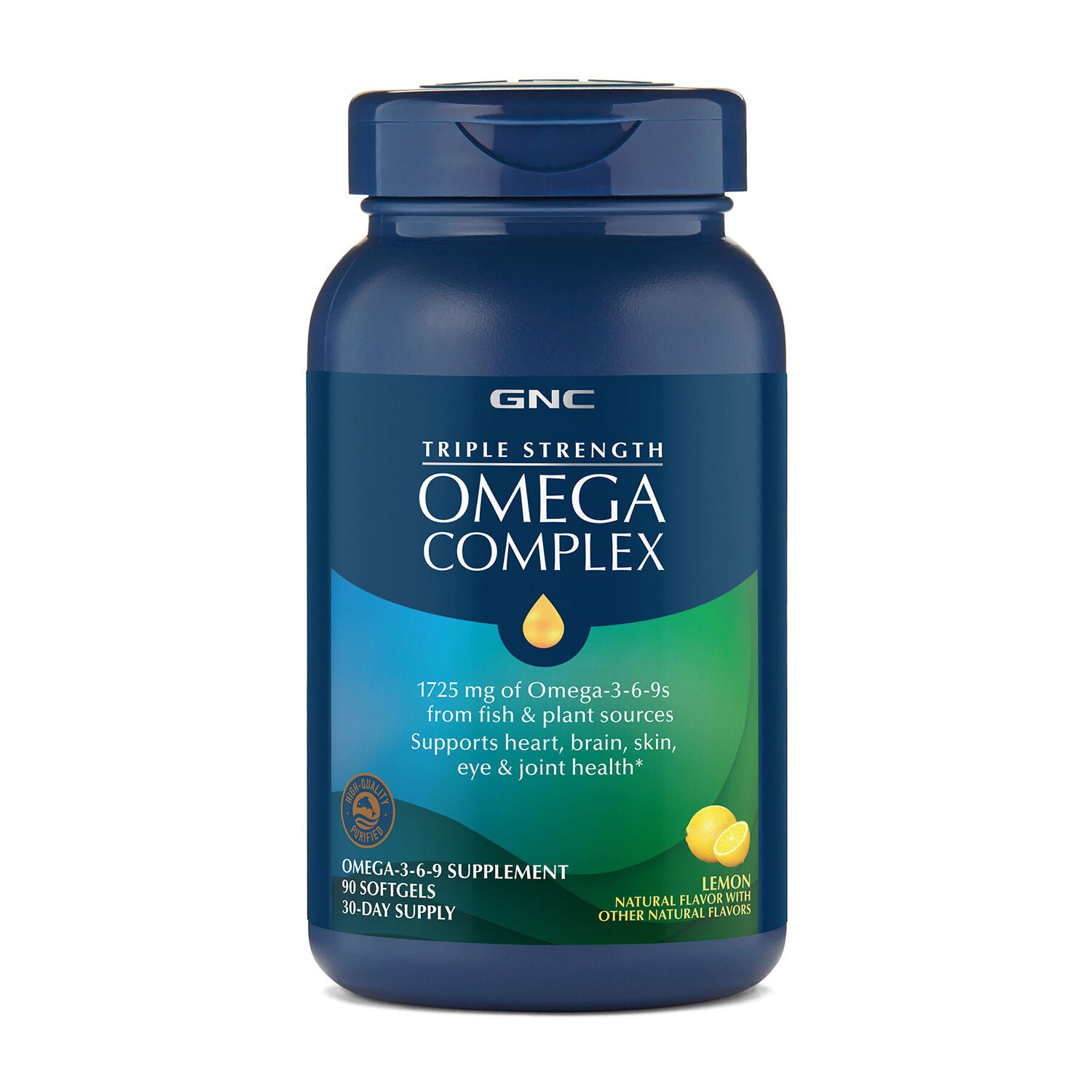
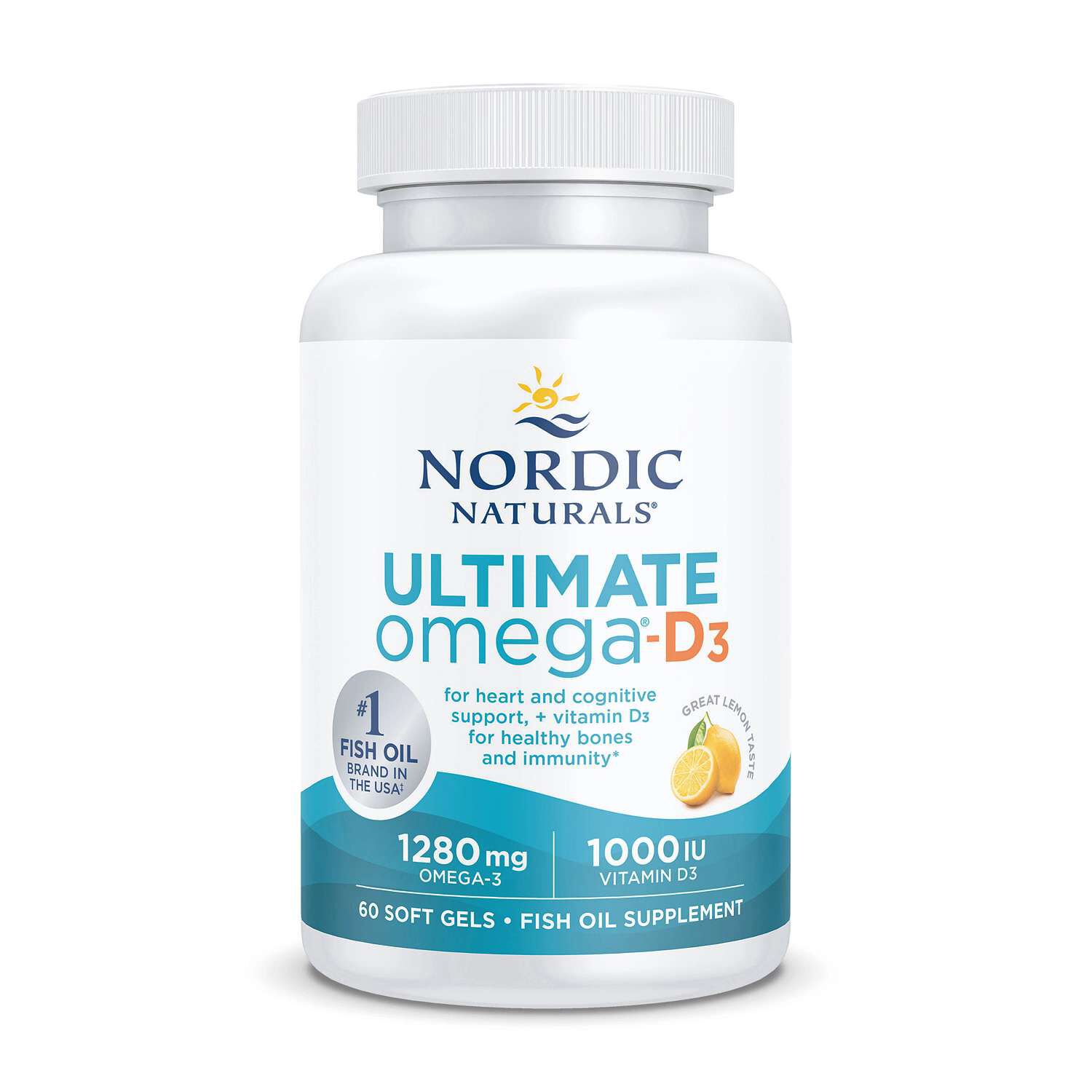
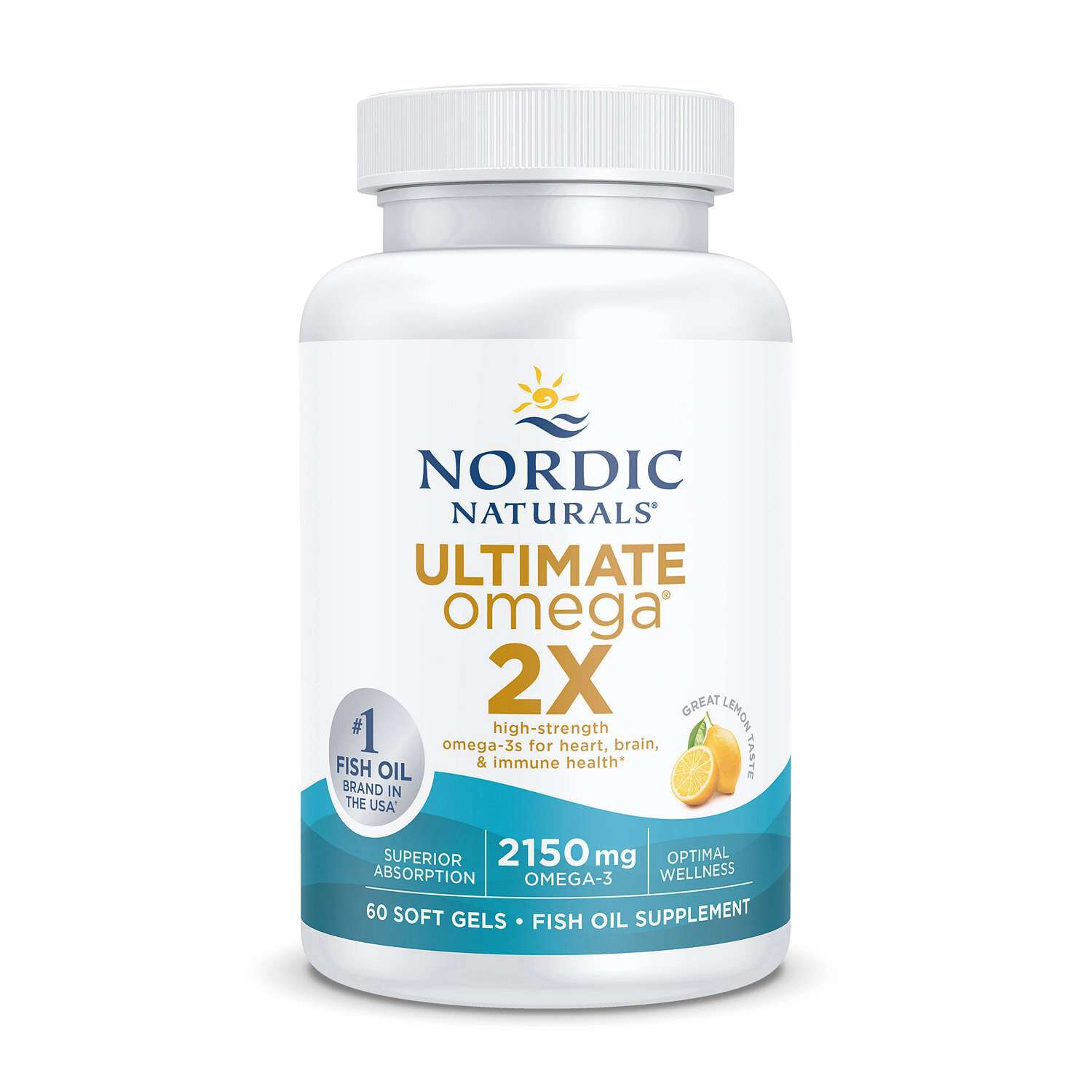
Natural fish oil supplements are dietary supplements made with oil from fish and commonly chosen for their omega-3 fatty acid content. Two omega-3s featured on fish oil labels are EPA, short for eicosapentaenoic acid, and DHA, short for docosahexaenoic acid. These are distinct nutrients, and their amounts are worth comparing rather than treating every bottle of fish oil as interchangeable. Fish such as anchovies, sardines, and mackerel are common sources, although the species used vary by formula. For shoppers who do not often include seafood in their meals, fish oil may offer a convenient way to add EPA and DHA to an everyday nutrition routine. Others may simply prefer a measured serving in a format that fits alongside their usual supplements. The word “natural” alone does not tell you the fish source, the amount of EPA and DHA, or how the oil was processed. Those details belong on the label or in the accompanying product information. A useful starting point is the Supplement Facts panel: check the serving size, the fish oil amount per serving, and the separately listed amounts of EPA and DHA. A larger fish oil amount does not necessarily mean a larger amount of these two omega-3s. Some formulas also list other omega-3 fatty acids, so the front label is only part of the picture. Think of the comparison as looking past the size of the bottle to understand what each serving contains. Someone choosing a first bottle may value a straightforward formula with clearly stated sourcing, while a returning shopper may be looking for a familiar EPA-to-DHA proportion or a different serving format. During the cooler months, when schedules often shift between busy workdays, indoor meals, and travel, practical details such as serving size and storage requirements may matter just as much as the ingredient list.
Choosing between natural fish oil softgels, liquids, and chewable formats is largely about matching the product to personal preferences and the labeled directions. Softgels contain measured portions of oil inside a capsule shell; the number needed for a serving varies by formula. Capsule dimensions can differ, too, so a bottle with a smaller serving count is not automatically the more convenient choice. For a closer look at this format, browse Wild Fish Oil Omega 3 Softgels and compare the available label details with the preferences that matter to you. Liquid fish oil uses a measured pour rather than a capsule, and some versions include citrus or other flavoring. That format may appeal to someone who prefers a liquid supplement, though the measuring instructions and storage directions deserve attention before purchase. Chewable options have their own serving sizes, textures, and added ingredients, making it especially important to compare EPA and DHA amounts rather than assuming equal portions across formats. Flavor is personal: one shopper may prefer an unflavored formula, while another may appreciate a lemon note. Read the full ingredient list for capsule materials, flavorings, sweeteners, and other additions, particularly when shopping around dietary preferences or sensitivities. Fish oil is fish-derived, and capsule shells may contain gelatin from a separate animal source. A product’s fish source therefore does not explain every ingredient in the bottle. Cost comparisons are more useful when based on labeled servings rather than capsule count alone. A bottle containing more softgels could still provide fewer servings if the directions call for a larger portion. For a realistic value comparison, consider price per serving alongside the EPA and DHA amounts in that serving. There is also a simple everyday consideration: a format that looks convenient online may involve a measuring spoon, refrigeration after opening, or more capsules than expected. Checking those details before ordering may help you choose a bottle that better suits your routine.
Sourcing, processing, and packaging add another layer to the decision when shopping for natural fish oil supplements. Look for information that identifies the fish species, explains where the oil comes from, and describes any sourcing standards associated with the product. If responsible fishing practices matter to you, a documented sourcing claim offers more to evaluate than ocean imagery on a label. The same careful approach applies to quality testing. Some products include information about independent testing for identity, stated omega-3 content, oxidation, or selected contaminants. Check what a testing statement actually covers and whether supporting documentation is available; a broad quality description is not the same as a clearly described testing program. Processing terms also deserve context. A label may describe filtration, purification, or the form of the oil, but no single term replaces a review of the full formula and its supporting information. Packaging and freshness are practical purchase considerations as well. Before choosing a larger bottle, compare the expiration date, the number of labeled servings, and any directions that apply after opening. Follow the product’s storage instructions, including any refrigeration requirements, and consider whether the package size suits how it will be used. A compact bottle may be more practical for a small cabinet, while a larger container may suit someone who already knows the formula and format they prefer. For travel, check the package closure and storage needs instead of assuming every fish oil product belongs in the same overnight bag. As a gift, fish oil is best approached as a requested addition to an established routine rather than a surprise chosen around someone else’s health. Confirm the recipient’s preferred format and dietary requirements before selecting it. Whether you are replacing a familiar bottle or comparing natural fish oil supplements for the first time, prioritize clearly listed EPA and DHA, an understandable ingredient list, transparent sourcing, and a serving format that fits your day. Those concrete details make the selection more personal—and more useful—than choosing by bottle size or front-label language alone.
Best Sellers
-
Nordic Naturals
-
Nordic Naturals
-
Nordic Naturals