

Natural Health Remedies
(0 Results)
Explore a world of wellness with our selection of natural health remedies designed to support your overall well-being. From herbal supplements to essential oils, we offer a range of products to help you feel your best every day. Discover nature's healing powers and incorporate these gentle yet effective remedies into your daily routine. Prioritize your health with our carefully curated collection of natural solutions that are as good for you as they are for our planet.
-

-

-
-
-

-

-

-

-

-

-

-
-

-

-

-

-
-

-
 $24.99
 -
-

-

-
-

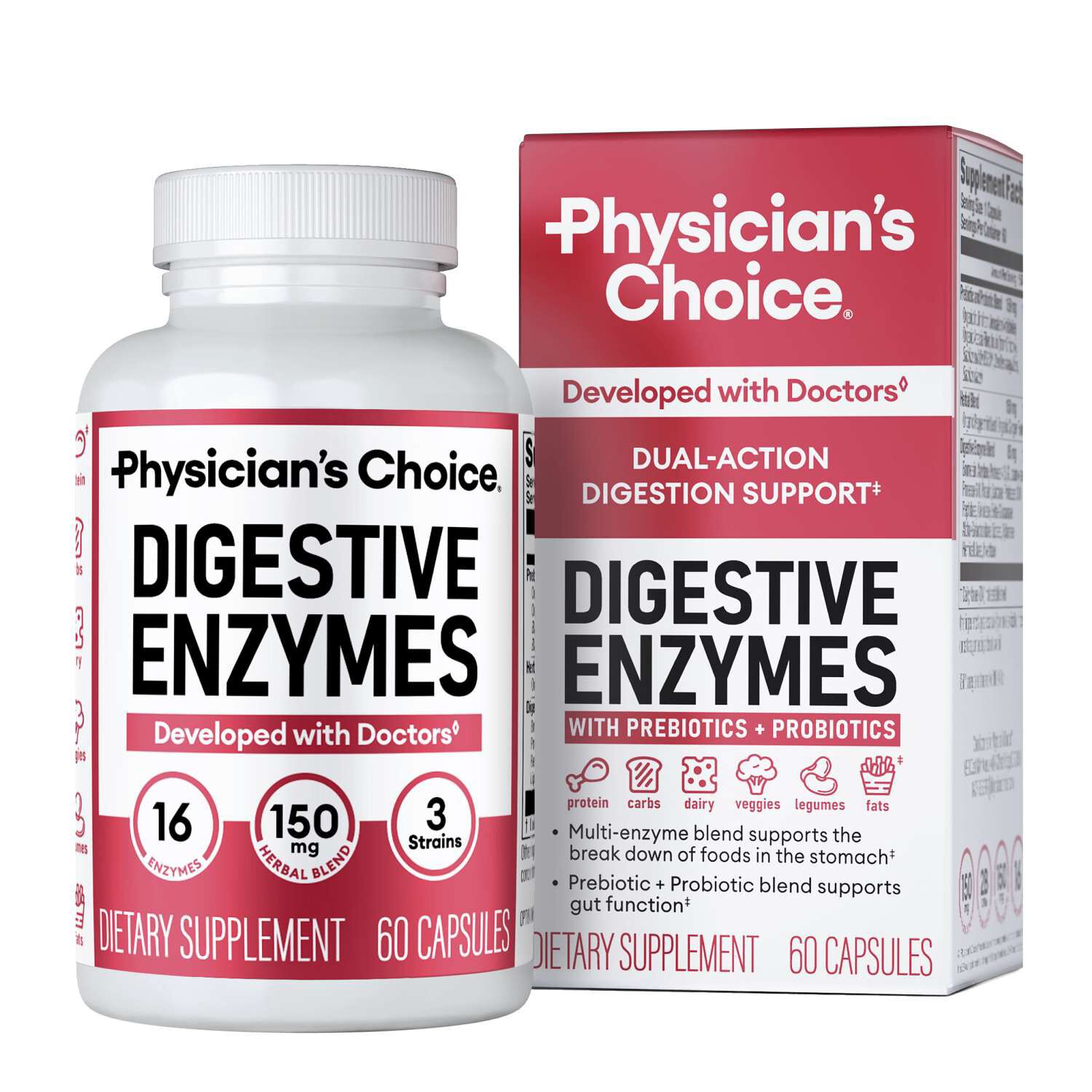
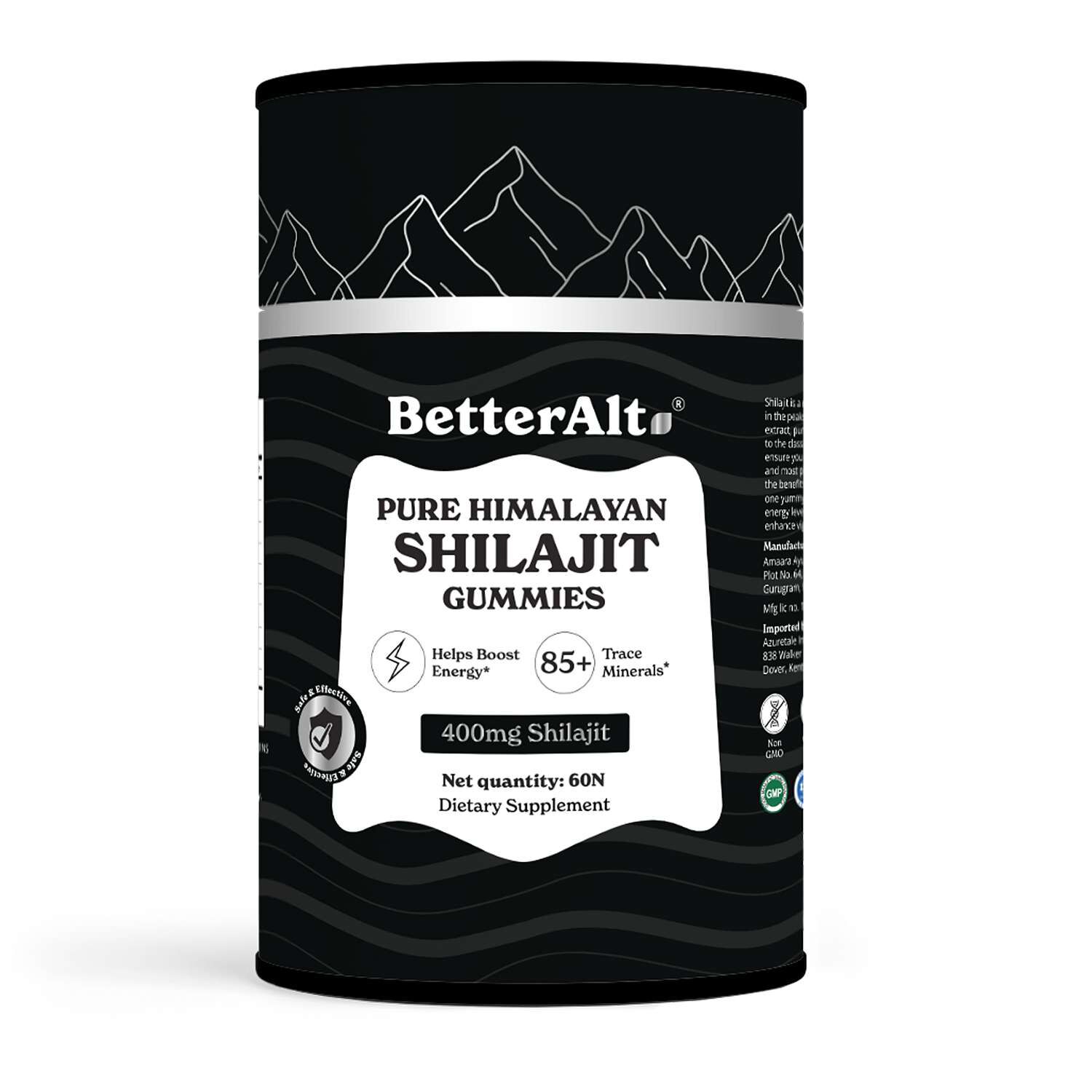
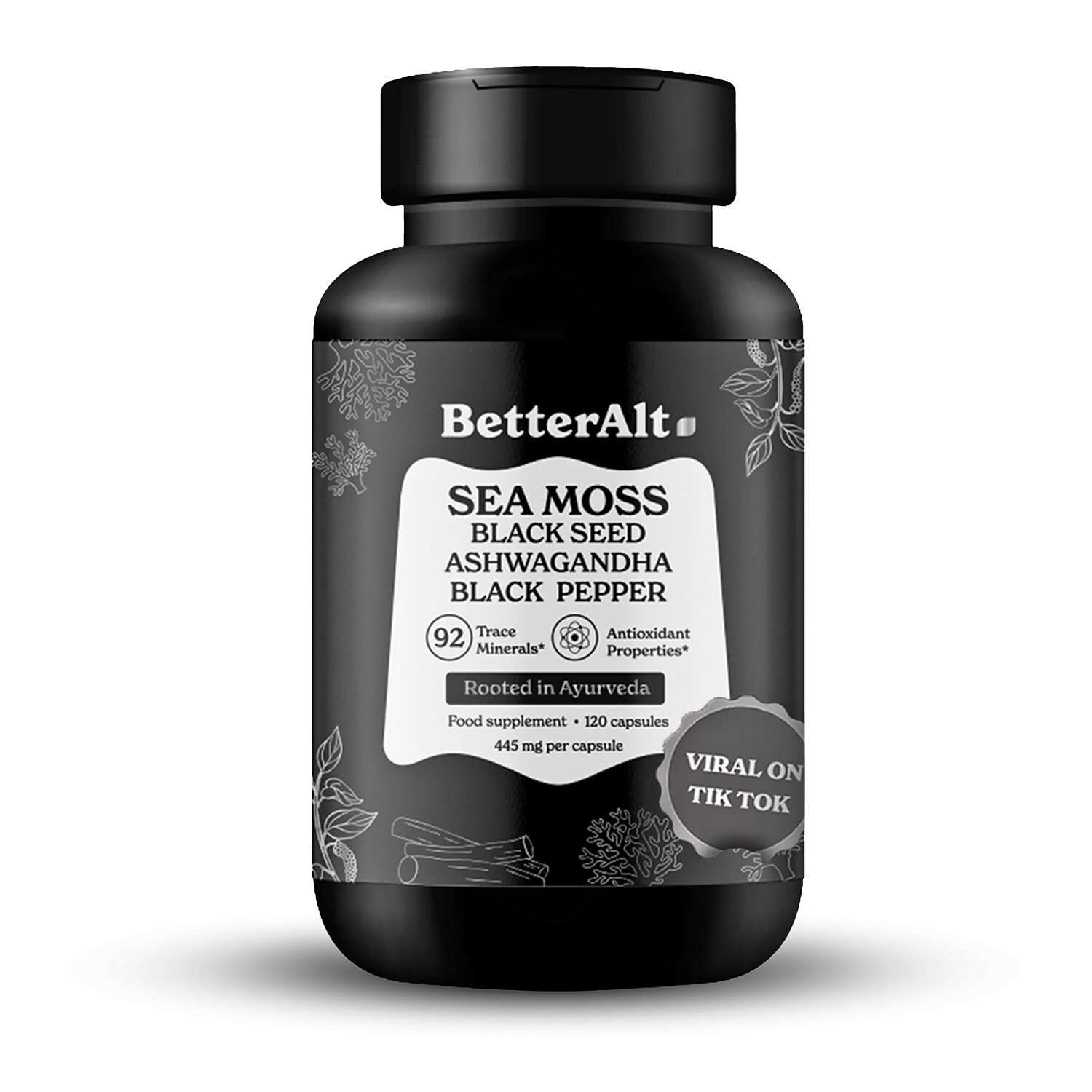
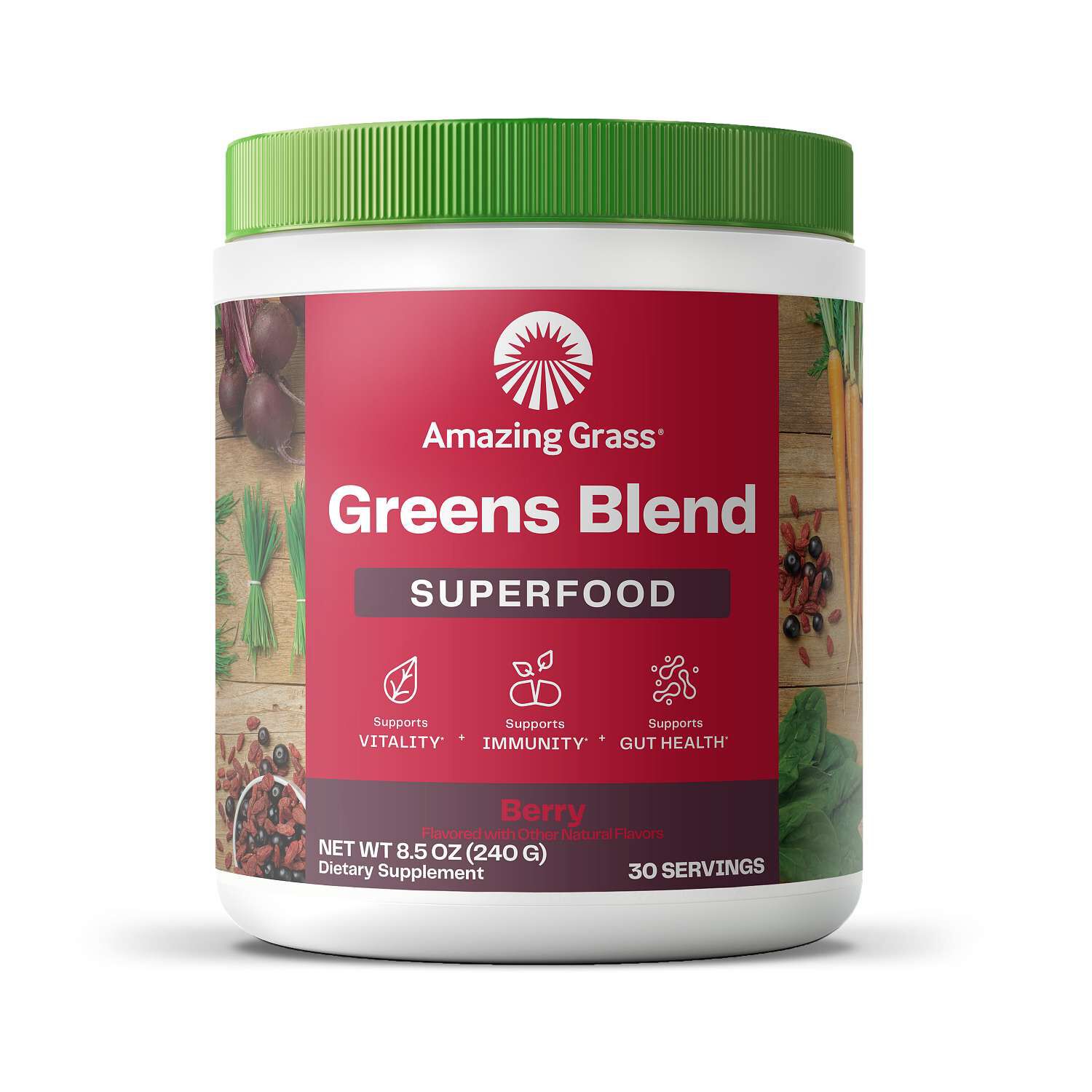
Natural health remedies is a broad shopping term often used for botanical supplements, plant-based preparations, and other products associated with everyday wellness routines. In a retail setting, the phrase describes a collection of products rather than a single ingredient, preparation method, or purpose. Some formulas feature one botanical, while others combine several ingredients in capsules, tablets, gummies, liquids, or powders. Their connection to nature may come from leaves, roots, flowers, seeds, or other plant parts, but the finished products can differ considerably in composition and intended use. A powdered whole plant is not the same preparation as an extract, and two formulas with a similar name may contain different amounts per serving. That distinction matters when comparing labels: the ingredient identity, plant part, preparation, and serving size provide more useful context than a familiar name alone. Botanical ingredients have long histories in food and personal wellness traditions, although that history does not establish what a particular finished formula will do. Likewise, “natural” describes an ingredient’s origin or a product’s positioning; it is not, by itself, a certification of quality or suitability. These products are best understood through their individual labeling rather than assumptions about the category. Someone browsing for a straightforward addition to an established routine may prefer a short ingredient list, while another shopper may be comparing formats that fit a busy morning or frequent travel. Neither preference makes one format universally better. The useful differences are practical and specific: what the formula contains, how it is prepared, how a serving is measured, and whether its intended use matches the shopper’s expectations. For broader context across related product categories, Natural Wellness offers another way to explore this approach to everyday shopping. The emphasis remains on understanding the product in the container, not treating a broad category name as a description of every formula within it.
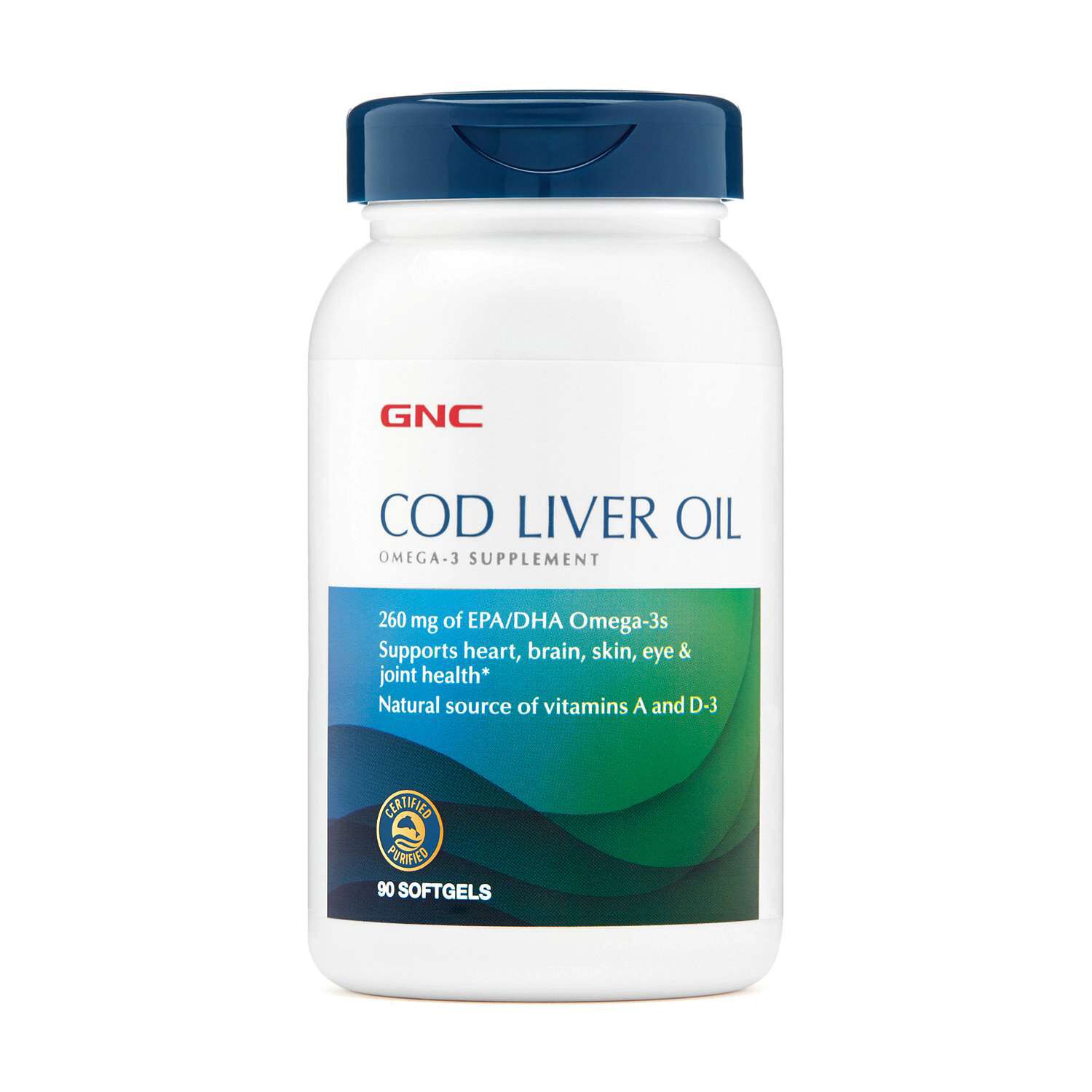
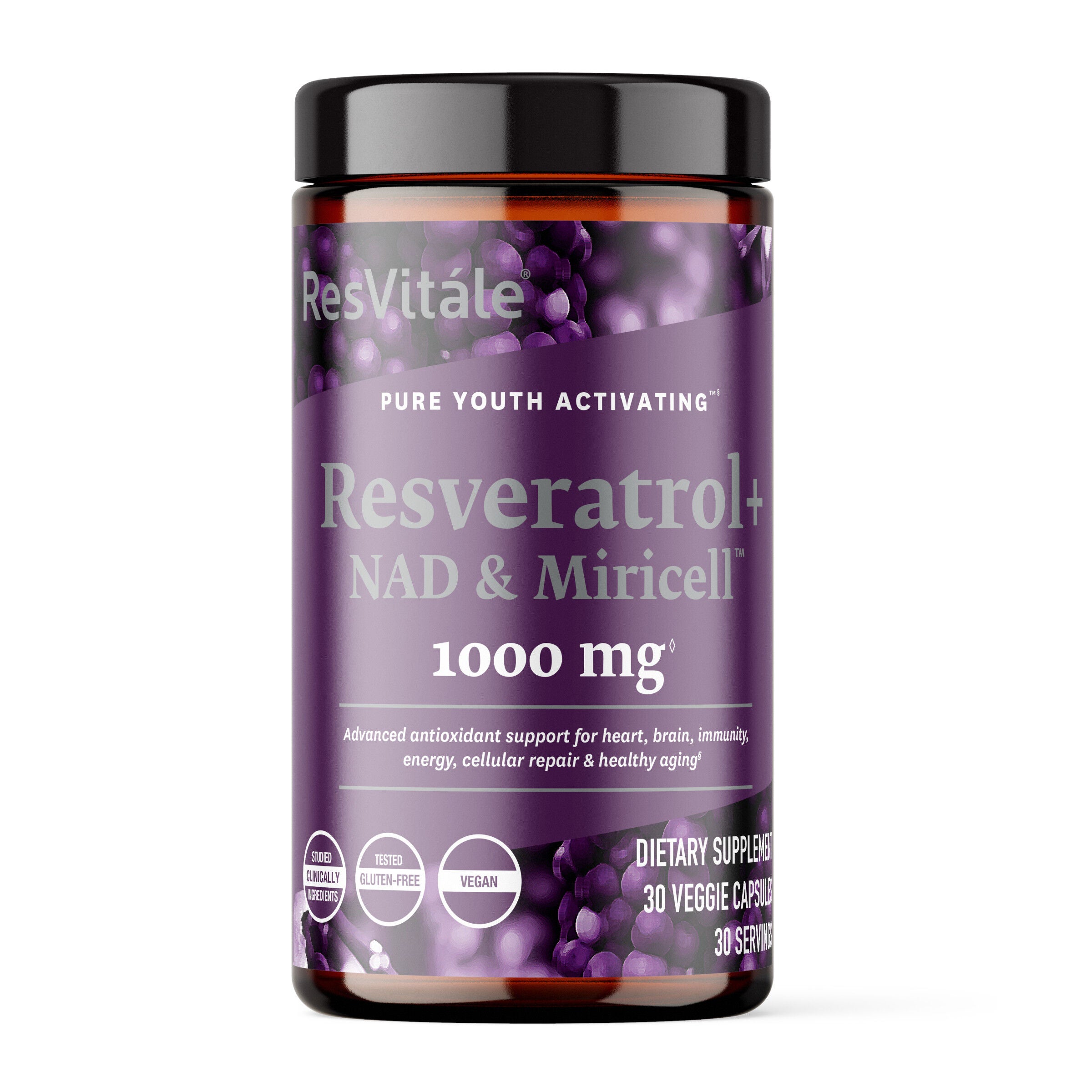
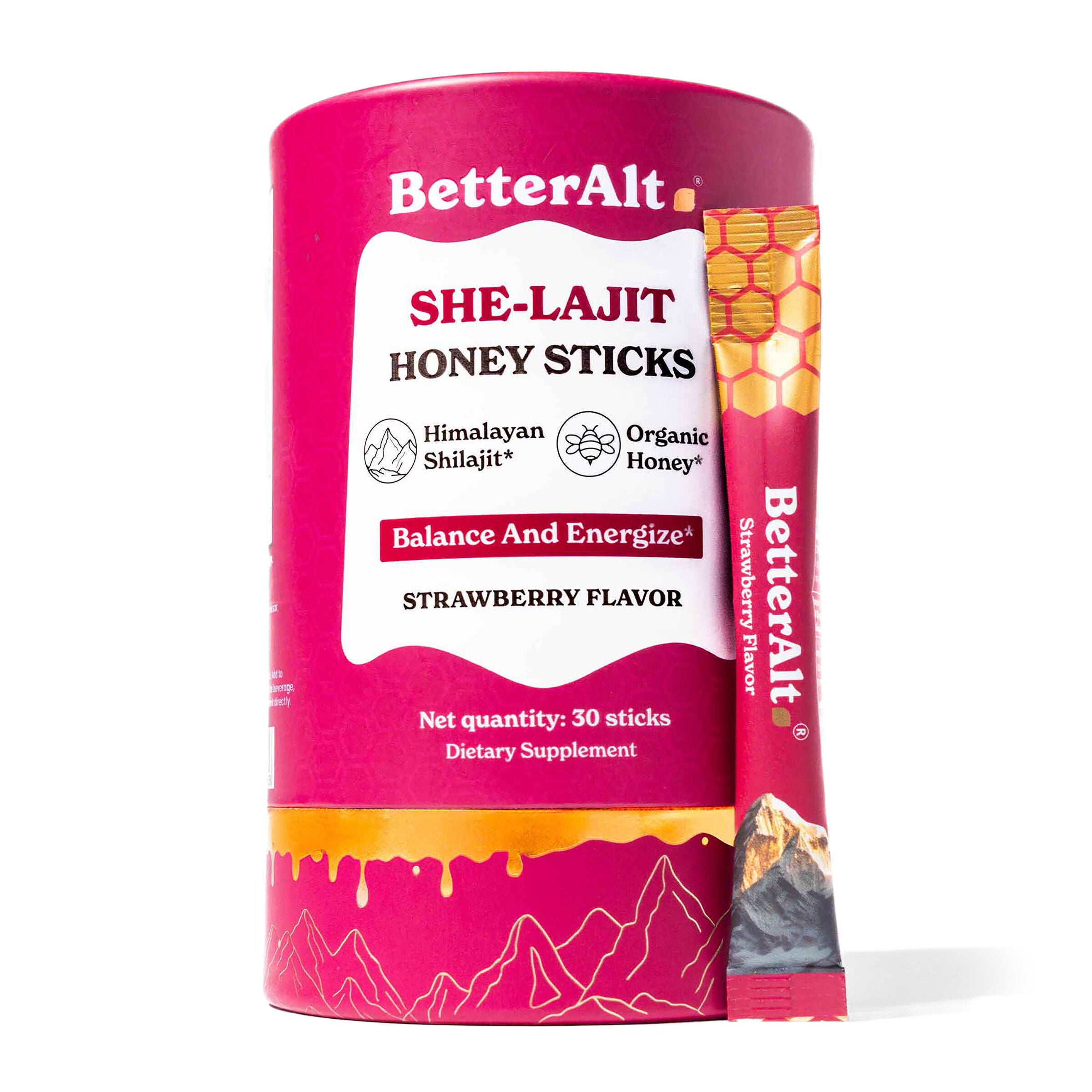
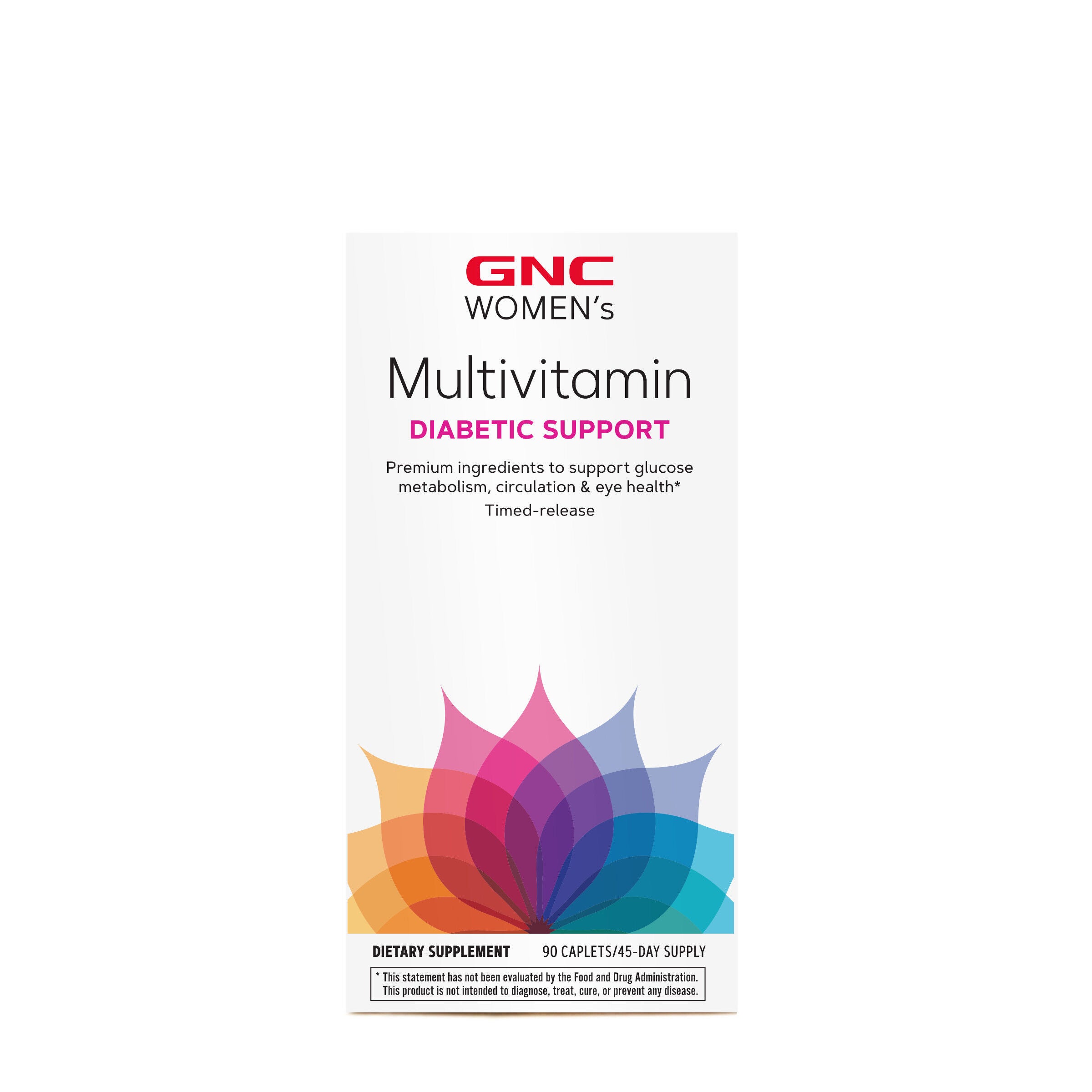
Format often makes the biggest difference in how naturally a product fits into daily life. Capsules and tablets offer a measured format without the mixing required by many powders, although their dimensions and the number listed per serving vary. A bottle containing many capsules may represent fewer servings than its front label initially suggests, making the Supplement Facts panel an important point of comparison. Powders bring a different set of considerations, including scoop size, texture, flavor, and the preparation directions. An unflavored powder can still have a noticeable earthy or botanical taste; “unflavored” does not necessarily mean tasteless. Liquids may come with a marked measuring device, while gummies have their own texture, sweeteners, and serving instructions. The distinction between a piece, a scoop, a dropper, and a serving deserves attention because those terms are not interchangeable. Someone who carries a small work bag may value compact packaging, whereas a person with a regular breakfast routine may prefer a format prepared at home. Ingredient preferences also extend beyond the featured botanical. Capsule shells can differ in their source materials, and formulas may contain flavorings, colors, sweeteners, or ingredients used to maintain consistency. Dietary designations are most useful when supported by clear package information rather than inferred from green imagery or plant illustrations. Botanical origin alone does not establish that every component meets a particular dietary preference. The same care applies to blended formulas: the number of ingredients is less informative than their identities and the amounts disclosed on the label. A clearly organized panel makes it easier to distinguish featured ingredients from other components and to understand the stated serving. Personal fit, in this category, is less about choosing the most elaborate formula and more about comparing its characteristics with the routine in which it will be used. Taste preferences, preparation time, storage space, and comfort with a particular format all belong in that comparison.
Quality and care are equally relevant when browsing natural health remedies, particularly because similar-looking containers can hold very different preparations. Useful product information includes the botanical’s common and scientific names, the plant part used, the amount per serving, and details about any extract. Where an extract ratio or a measured constituent is listed, that information describes the preparation; it does not automatically establish that the formula is a better choice than another. Quality testing information, when provided, can add context about ingredient identity and manufacturing practices. A testing statement is most informative when it explains what was examined, rather than relying on a vague badge or an impressive-sounding phrase. Packaging has practical value as well. A readable label, a securely closing lid, and a measuring device suited to the stated serving can make a container easier to use as directed. For these consumable products, care centers on storage instructions, package condition, and the printed date rather than the kind of durability expected from a reusable accessory. Product-specific directions determine where a container belongs and how it should be handled after opening. A travel pouch or kitchen organizer may be convenient, but the original packaging keeps ingredient information, directions, and cautions together. Labels also identify intended users and may include age restrictions or other warnings; a plant-based origin does not mean a formula is suitable for everyone. Personal wellness products can be thoughtful gifts when the recipient has already expressed a clear preference, though familiarity with someone’s routine is more useful than guessing from a general interest in natural living. Across this category, a considered comparison rests on clear details: ingredient source, preparation, serving information, format, packaging, and intended use. Those details give shoppers a grounded way to distinguish between products without relying on sweeping language about nature. A well-matched selection is one whose composition and practical requirements are understood, with labeling that remains useful from the first look at the package through everyday use.