Natural Memory And Focus Supplements
(0 Results)
Natural memory and focus supplements could offer support for those looking to maintain cognitive performance throughout their busy day. Whether you’re preparing for exams, tackling a demanding project, or simply aiming to stay sharp, these supplements may help you stay on track. Explore a variety of natural memory and focus supplements that might fit seamlessly into your wellness routine and support your daily mental clarity.
-
-
-
-

-
-

-
 $34.99
-
-
-

-

-
-
-
-

-
-
-

-

-
-
-
-
-

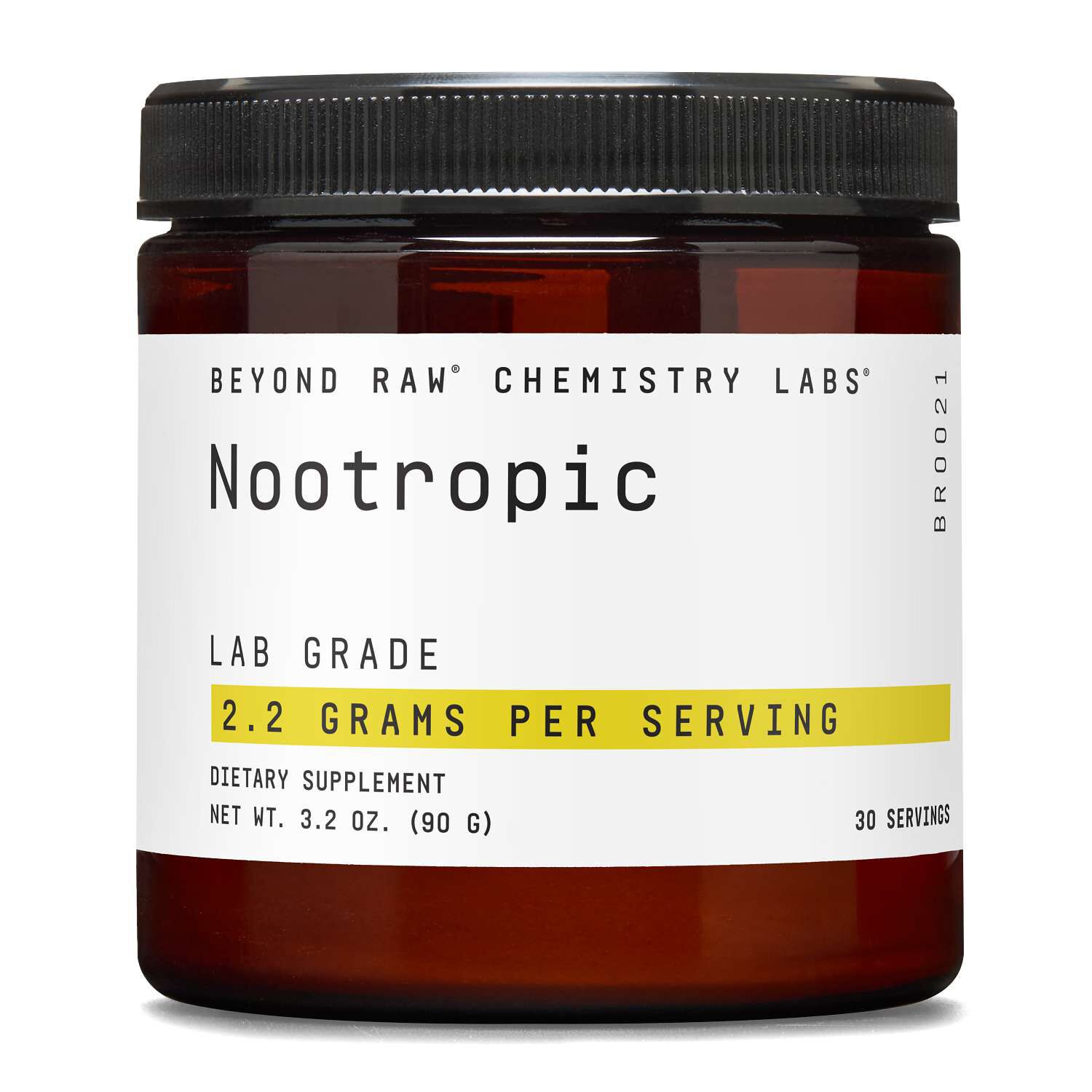
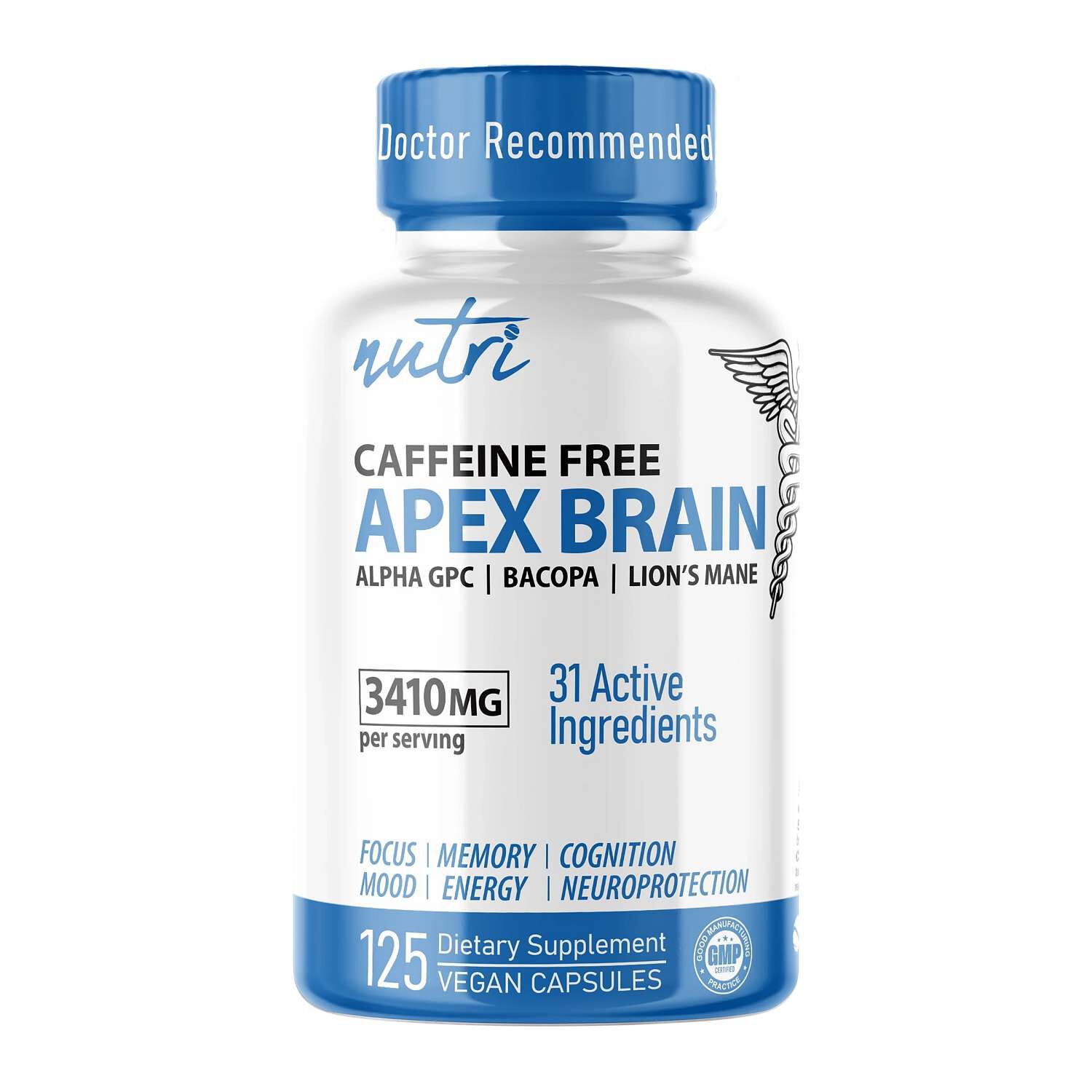
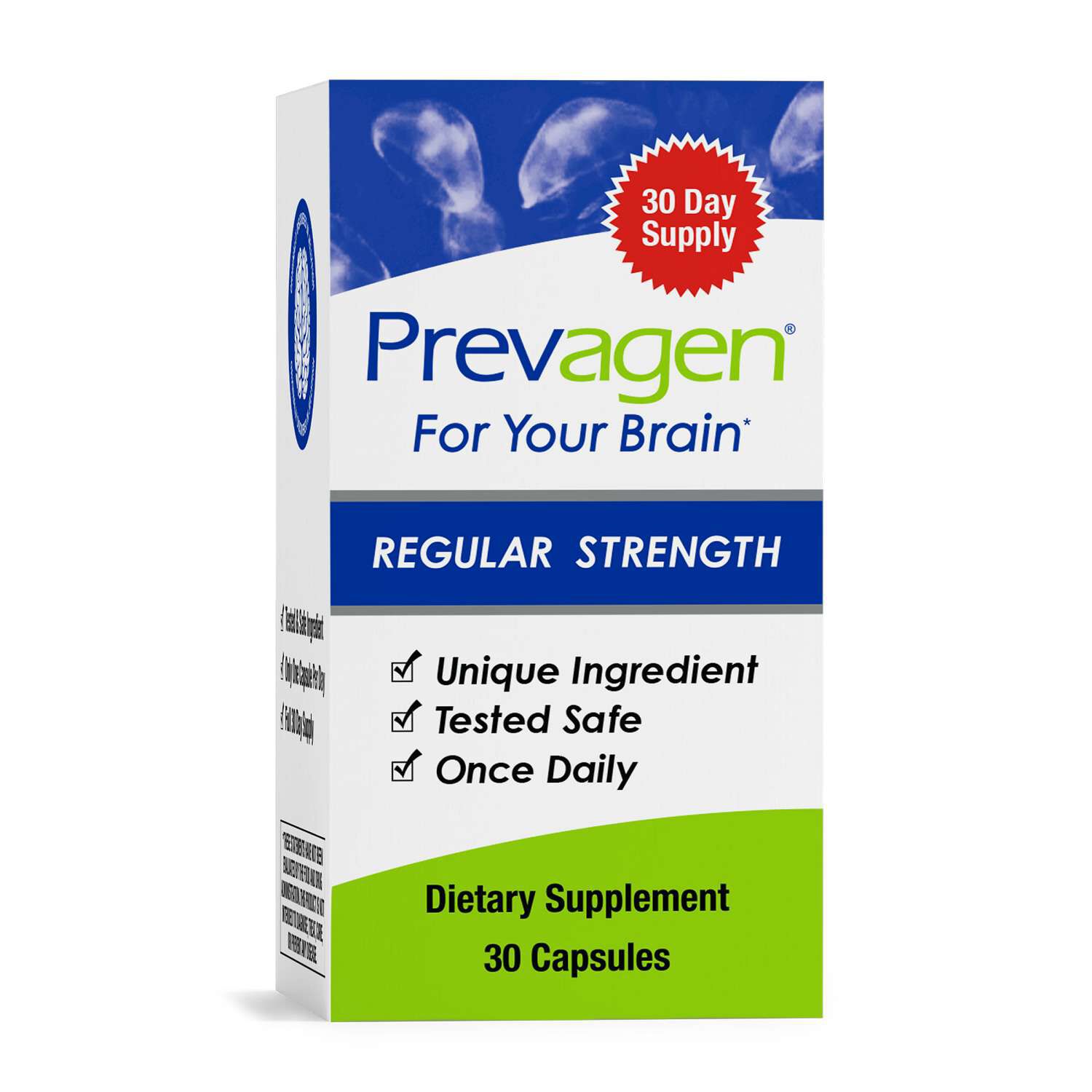
Natural memory and focus supplements encompass a broad category of dietary supplements marketed around everyday attention, recall, and mental performance. Formulas range from single-ingredient options to blends of vitamins, plant extracts, fatty acids, and other compounds, with capsules, tablets, softgels, powders, and chewables offering different ways to fit a routine. For an adult moving between meetings, reviewing a lengthy project brief, or returning to an evening hobby, the appeal may be a format and ingredient profile that align with an established schedule. Memory and focus are related interests, but they are not interchangeable: remembering information and maintaining attention during a task involve different experiences. Product descriptions often group them together, so a formula’s stated purpose provides useful context for comparison. Research on many ingredients marketed for memory and concentration remains limited or mixed, particularly for healthy adults without a documented nutritional shortfall. Evidence about one ingredient does not establish that every blend containing it may produce the same result. Study participants, ingredient amounts, preparation methods, and study duration can differ substantially, making broad comparisons difficult. A finding involving a particular extract also does not automatically apply to another version of the same plant. Dietary supplements are not approved by the FDA for effectiveness before they are sold. The word “natural” generally refers to ingredient origins or positioning; it is not a uniform measure of quality, suitability, or scientific support. A natural origin alone does not establish safety or effectiveness. These distinctions matter when comparing a straightforward nutrient formula with a botanical blend featuring several ingredients. Natural memory and focus supplements belong within a broader everyday context that includes meals, sleep, movement, and manageable routines, rather than serving as a substitute for those habits. Their potential usefulness may differ from person to person, and the language on a label cannot predict an individual experience.
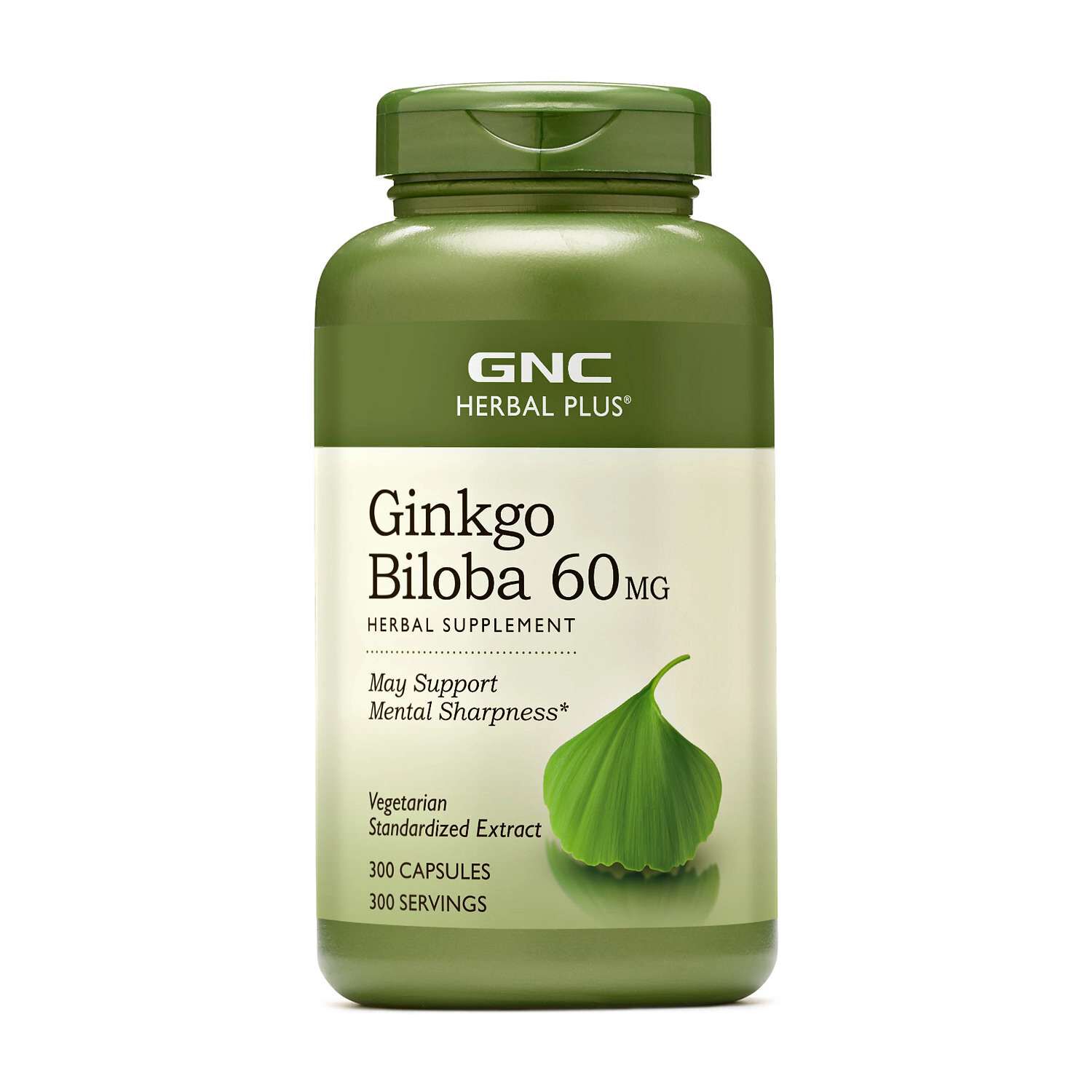
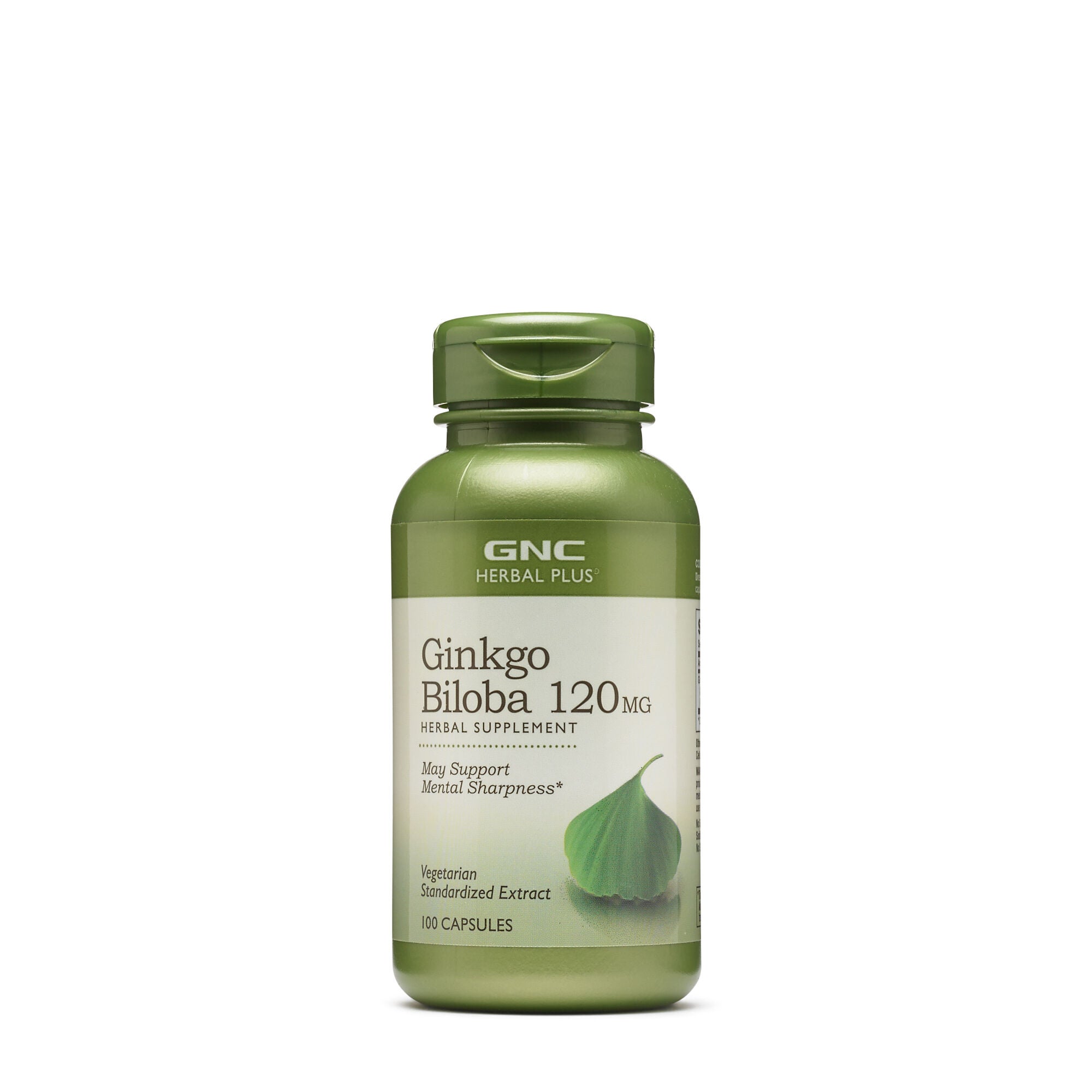
Ingredient details give this category much of its variety. Omega-3 formulas may feature DHA, an omega-3 fatty acid sourced from fish oil or algae, while vitamin-based options often feature individual B vitamins or combinations of them. Botanical formulas may include ginkgo biloba or bacopa monnieri, and other blends may feature compounds such as L-theanine or phosphatidylserine. These ingredients are not interchangeable, and their presence alone says little about the research behind a finished formula. A plant name on the front of a bottle provides only part of the description: the plant part, preparation, extract amount, and any stated standardization add context. For example, a whole-herb powder and an extract from the same plant are different preparations, even when their names look similar at a glance. Milligram amounts are most meaningful alongside those details, rather than as a contest to find the largest number. With omega-3 formulas, the listed amount of DHA or EPA is a separate detail from the amount of oil in a serving. With blends, individually listed ingredient amounts offer a different degree of transparency than a single amount assigned to a mixture. Caffeine is another distinction among focus-oriented formulas, whether it appears as a separate ingredient or comes from tea, coffee, or another botanical source. Its presence may influence whether a formula fits a particular routine, especially when coffee or other caffeinated beverages are already part of the day. A formula without added caffeine is not necessarily without caffeine from botanical ingredients, so the full ingredient list remains relevant. Capsule shells, oils, flavorings, sweeteners, and other supporting ingredients also distinguish formats. Gelatin and plant-derived capsule materials may appeal to different dietary preferences, while fish, soy, and other allergen declarations provide additional context. “Natural” does not establish that a supplement is vegetarian, vegan, or suitable for every dietary pattern. Other supplements, medications, and personal sensitivities can also affect individual suitability, which a category description cannot determine. The most informative comparisons account for both the featured ingredients and the supporting materials that make up each serving.
Format and everyday handling can matter as much to the shopping experience as a formula’s ingredient story. A softgel has a different texture and size from a compressed tablet, while a powder involves measuring and mixing rather than taking a capsule. Chewables bring flavor and texture into the decision, along with any listed sugars, sweeteners, or coloring ingredients. Serving size adds another practical distinction: a bottle’s capsule count is not necessarily the number of servings, and one serving may involve more than one piece. That difference can be noticeable in a routine built around breakfast at home compared with one that includes frequent overnight travel. Label directions describe the intended use of an individual formula; a shared category name does not mean two supplements have matching instructions. Packaging also has a practical role. Secure closures, readable labels, and clearly printed dates make a container easier to manage over time. Storage information addresses the conditions intended for that formula, including any stated limits involving moisture, light, or heat. A bottle kept near a steamy sink presents a different storage setting from a dry cabinet, making the package’s own directions relevant to product care. Quality information deserves similarly careful interpretation. Third-party testing may address ingredient identity, listed amounts, or selected contaminants, depending on the program; it does not establish that a formula may improve memory or concentration. Detailed labeling and accessible sourcing information offer useful points of comparison without predicting results. For shoppers whose primary interest is everyday attention, the related Natural Focus Support Supplements category offers another way to browse by stated purpose. Across both categories, a shorter ingredient list is not automatically less useful, and a longer blend is not automatically a better match. Clear ingredient amounts, an appropriate format, understandable directions, and realistic expectations provide a more grounded basis for comparison than ambitious front-label language. The distinction is between what a formula contains, how it is intended to be used, and what the available evidence actually supports.