Natural Prebiotic Probiotic Powders
(0 Results)
Natural prebiotic probiotic powders offer a convenient way to support your daily wellness routine. Blending easily into smoothies, shakes, or your favorite recipes, these versatile powders may help you maintain a balanced approach to digestive health. Explore a range of natural prebiotic probiotic powders designed to fit seamlessly into your lifestyle and help you feel your best every day.
-
-

-

-
 209$34.99
 -
-

-

-
-

-
 Divine Health$44.99
 -
-

-
-
-
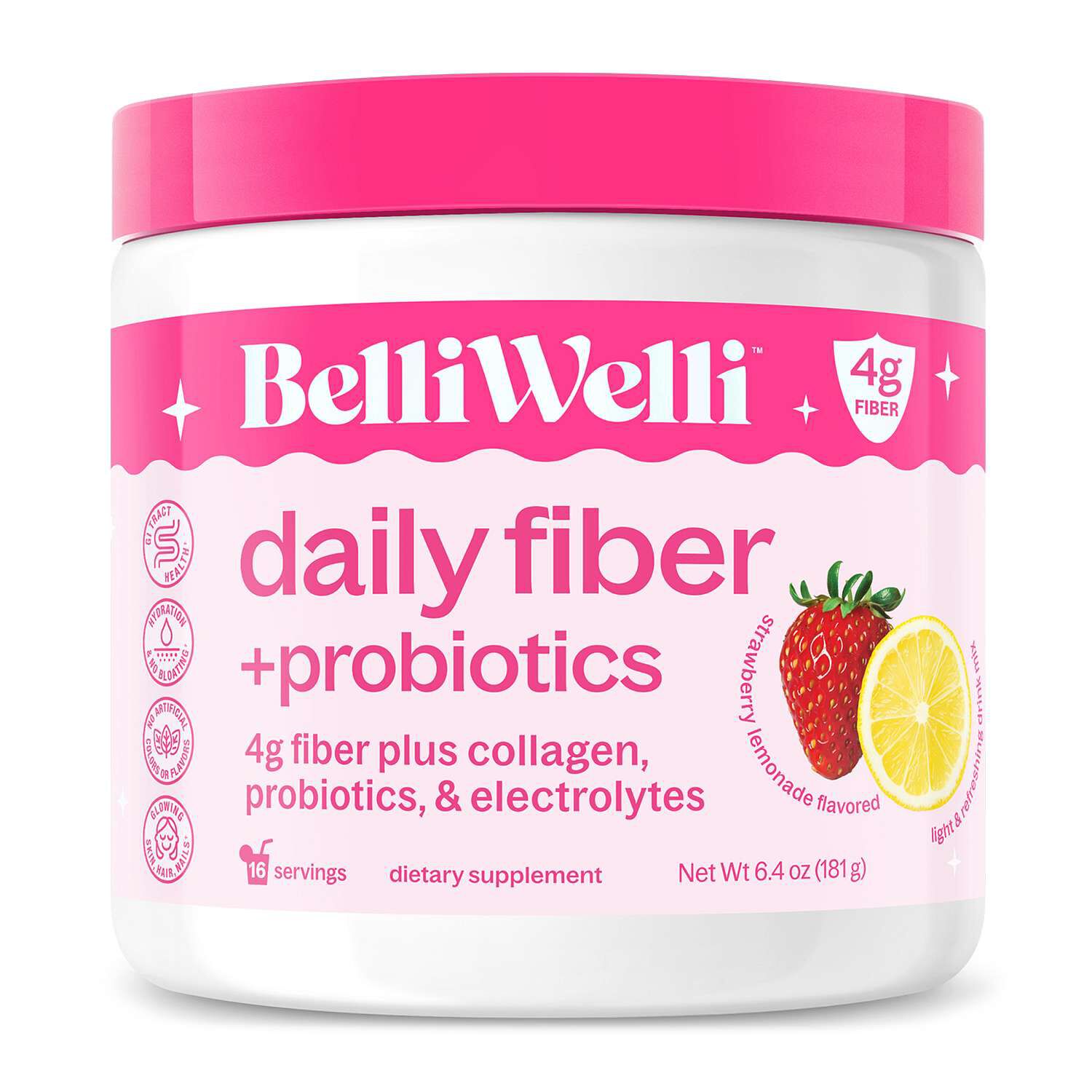 $26.99
Natural prebiotic probiotic powders bring together prebiotic ingredients and live microorganisms in a format designed for mixing into foods or beverages. They are often chosen by adults who prefer a scoopable supplement over a capsule and want a format that fits alongside everyday meals. Prebiotics and probiotics have different roles: prebiotic ingredients may provide nourishment for beneficial microorganisms already present in the digestive tract, while probiotics supply live microorganisms identified on the label by genus, species, and sometimes a specific strain designation. A powder containing both is sometimes described as a synbiotic blend, although that term alone does not explain how the ingredients were selected or evaluated together. Common prebiotic ingredients include chicory root inulin, acacia fiber, and certain other plant-derived fibers. Probiotic labels may list organisms from groups such as Lactobacillus and Bifidobacterium. These names describe different microorganisms rather than interchangeable ingredients, so two powders with similar packaging can have quite different compositions. The word “natural” also does not, by itself, establish the source of every ingredient, an organic certification, or a particular manufacturing method. The ingredient list provides a more useful picture of what is inside, including fibers, cultures, flavorings, sweeteners, and ingredients used to carry or distribute the cultures throughout the powder. For shoppers interested in digestive wellness, those details offer context without suggesting that every blend will suit every person in the same way. Some formulas focus on a short ingredient list and a neutral flavor profile; others combine cultures and fiber with fruit powders or botanical ingredients. Plant-derived ingredients do not automatically make the entire formula vegan, since other components and manufacturing details can differ. An organic designation likewise addresses a different set of characteristics than the identity or quantity of probiotic cultures. Natural prebiotic probiotic powders are best understood as a varied supplement category, with meaningful differences in composition, serving size, taste, and preparation rather than one uniform type of powder.
Label details make those differences easier to compare. Probiotic quantity is commonly expressed in colony-forming units, abbreviated CFU, which indicate the number of viable microorganisms under specified testing conditions. That count is most informative when read alongside the serving size, the listed organisms, and whether the stated amount applies at manufacture or through the expiration date under the specified storage conditions. A larger CFU count does not establish that a powder is a better match for a particular shopper. Similarly, a longer list of cultures does not explain the purpose of each strain or how the finished blend was evaluated. Where strain designations are provided, they allow a more precise comparison than genus and species names alone. Prebiotic content deserves its own attention because the weight of a scoop, the amount of a prebiotic ingredient, and the grams of dietary fiber are not necessarily the same number. Some of the serving may consist of flavoring ingredients or other components, and not every formula contributes the same amount of fiber. The Supplement Facts panel and ingredient list clarify these distinctions more reliably than a broad description on the front of the container. Serving counts are also tied to the labeled portion: a compact container and a larger tub may have different scoop sizes, even when both contain a similar number of servings. For households with dietary preferences or ingredient restrictions, clearly stated allergen information and certifications can be important parts of the comparison. A plant-based description is not a substitute for reviewing the full ingredient list. When independent testing is documented, the scope matters, too; testing for ingredient identity, culture quantity, or unwanted substances addresses different questions. Clear labeling, readable storage directions, and an accessible expiration date offer practical information for evaluating a powder without relying on broad claims. Together, these details help distinguish formulas that otherwise look similar on a category page.
Taste, texture, and daily handling often determine how naturally a powder fits into an established routine. An unflavored blend is not necessarily tasteless: plant fibers can bring a faint earthy note, subtle sweetness, or a texture that remains noticeable in a glass of water. A fruit-flavored powder may be a closer match for someone who prefers a separate beverage, while a less pronounced flavor may suit a smoothie or spoonable food when the preparation directions permit that use. Certain fibers may thicken a mixture as it stands, and some powders disperse differently depending on the liquid, mixing method, and time between preparation and drinking. A smooth breakfast shake and a small glass stirred with a spoon create different expectations, making the labeled preparation instructions worth considering before choosing a format. The suggested liquid amount also matters when comparing a lightly flavored drink with a more concentrated mixture. Powders are not automatically suitable for every recipe; directions may specify how to handle the live cultures and whether a prepared serving should be consumed promptly. Storage and packaging deserve similar attention. Some formulas require refrigeration, while others are labeled for storage in a cupboard under specified conditions. Moisture, exposure to heat, and an improperly closed container may affect product quality or culture viability. A dry measuring scoop, a securely fastened lid, and storage in the original labeled package are practical considerations for a tub used regularly. Individual packets offer a different format for someone who carries a serving to work or travels, though their storage requirements still apply. A powder intended for adults is not automatically appropriate for every member of a household, and its labeled audience and directions remain relevant even when the ingredients sound familiar. For shoppers comparing botanical ingredients alongside prebiotic fibers and cultures, Herbal Probiotic Powders offers a related category to explore. Whether the preference is a simple blend or a formula with additional plant ingredients, the most useful distinctions remain concrete: what the powder contains, how each serving is measured, how it is prepared, and what its storage requirements involve.