Natural Prebiotic Probiotic Blends
(0 Results)
Natural prebiotic probiotic blends offer a convenient way to support your wellness routine with ingredients that may encourage a balanced approach to digestive health. These thoughtfully crafted formulas combine naturally sourced prebiotics and probiotics, designed for those seeking options that fit seamlessly into a busy lifestyle. Explore a range of natural prebiotic probiotic blends that could complement your daily nutrition and help you feel your best from the inside out.
-

-
-

-
 209$34.99
-

-

-
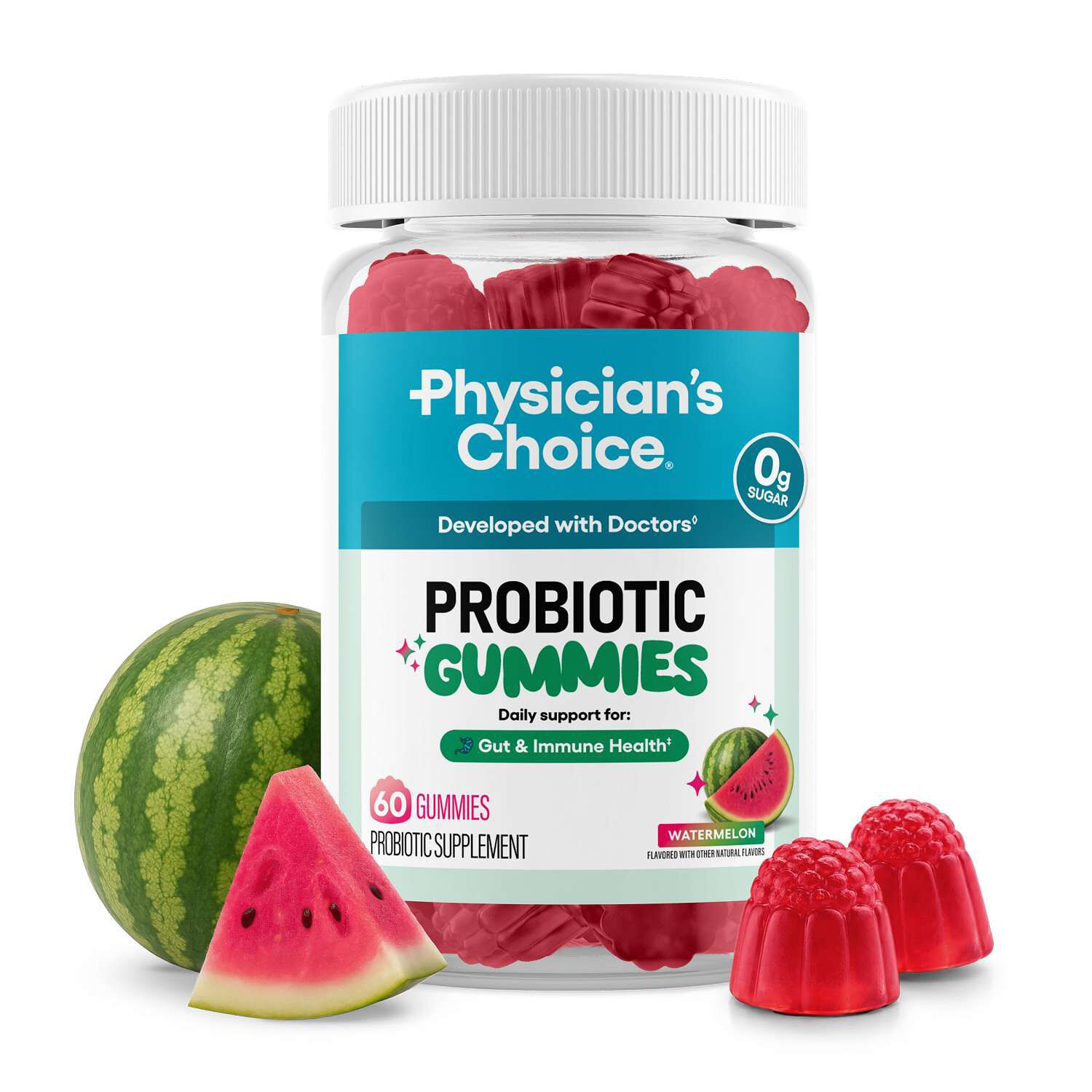
-
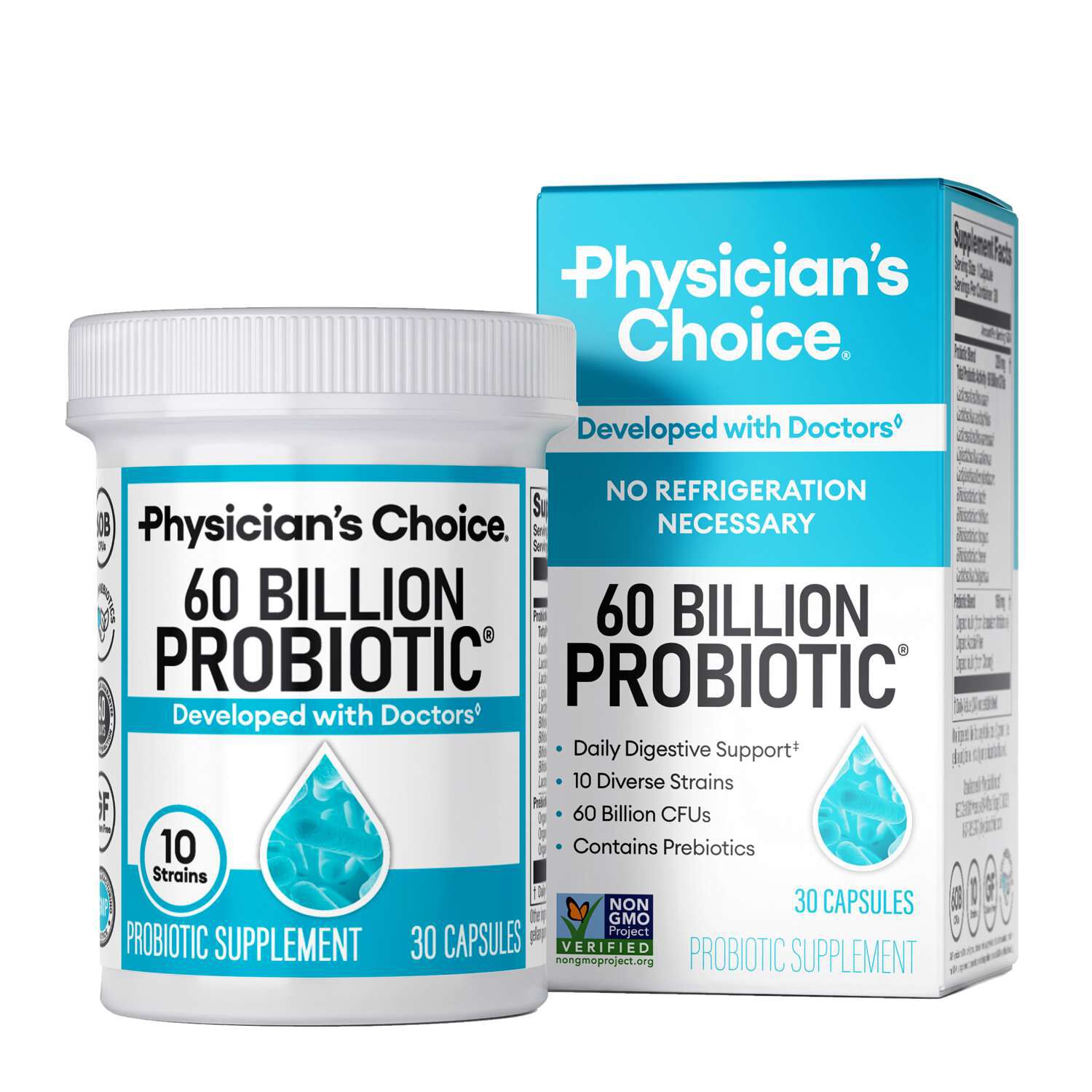
-
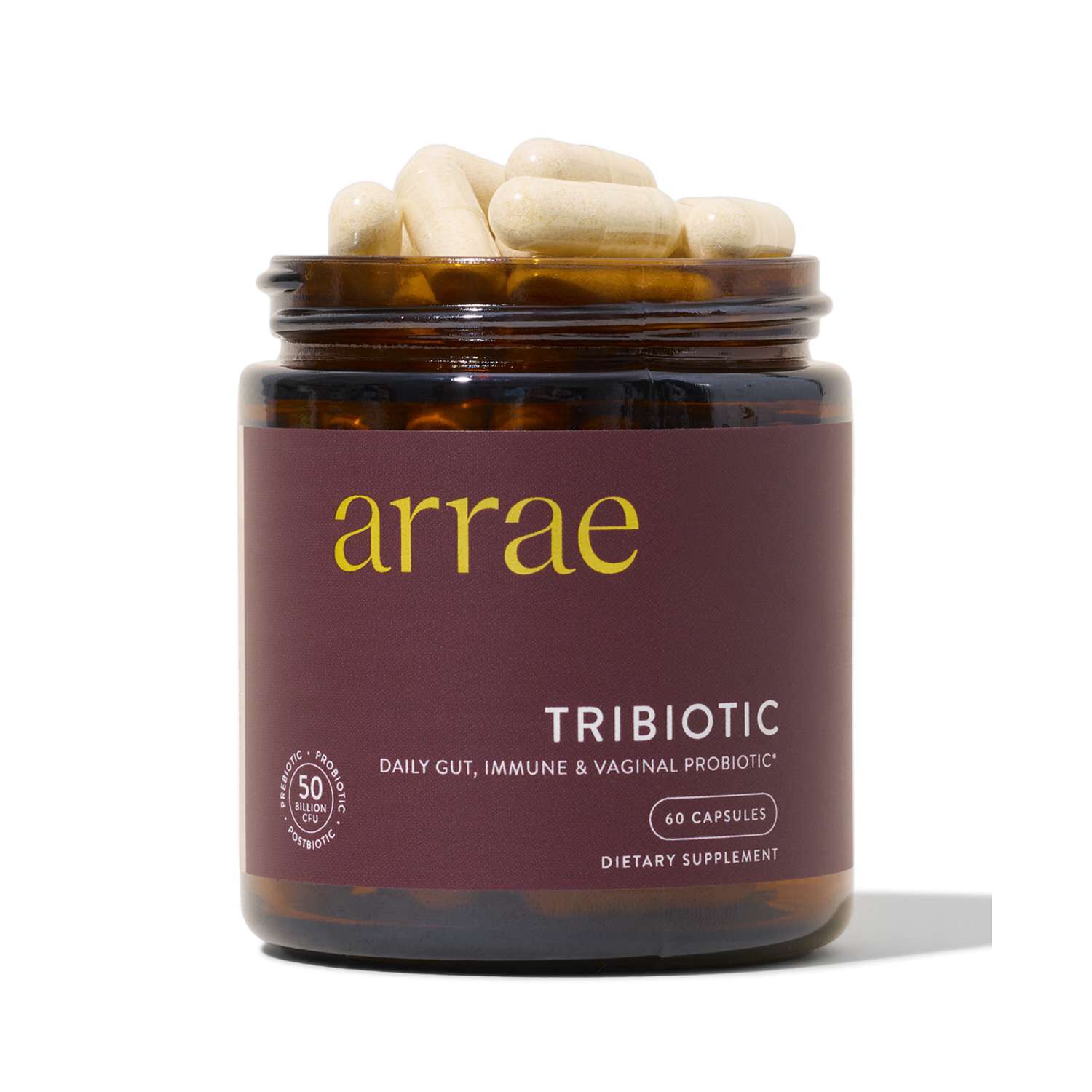
-
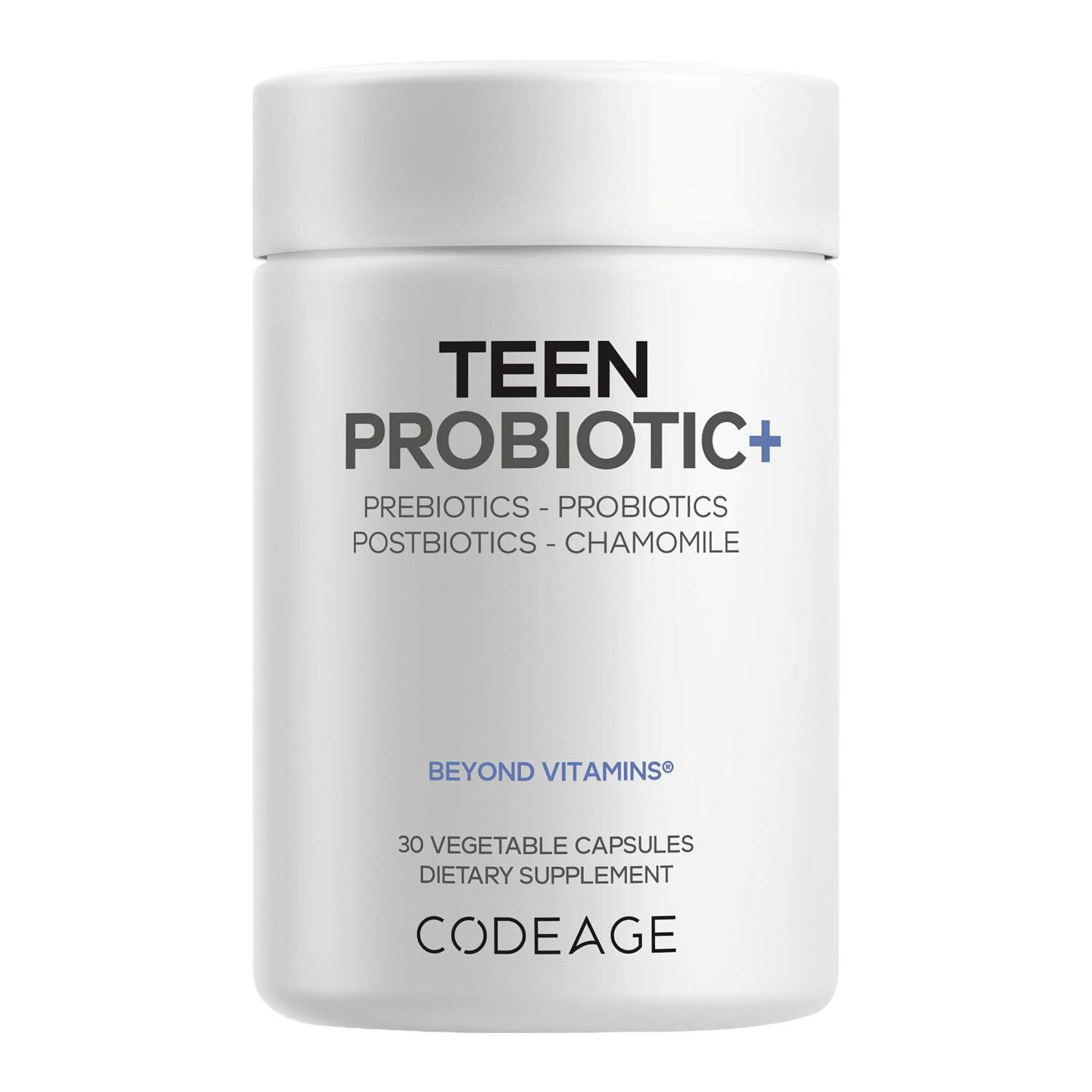 $29.99
-
 $29.99
-
-
_Front.jpg?sw=305&sh=305&sm=fit "BioDophilus60 - 60 Capsules (60 Servings) | GNC")
-
-
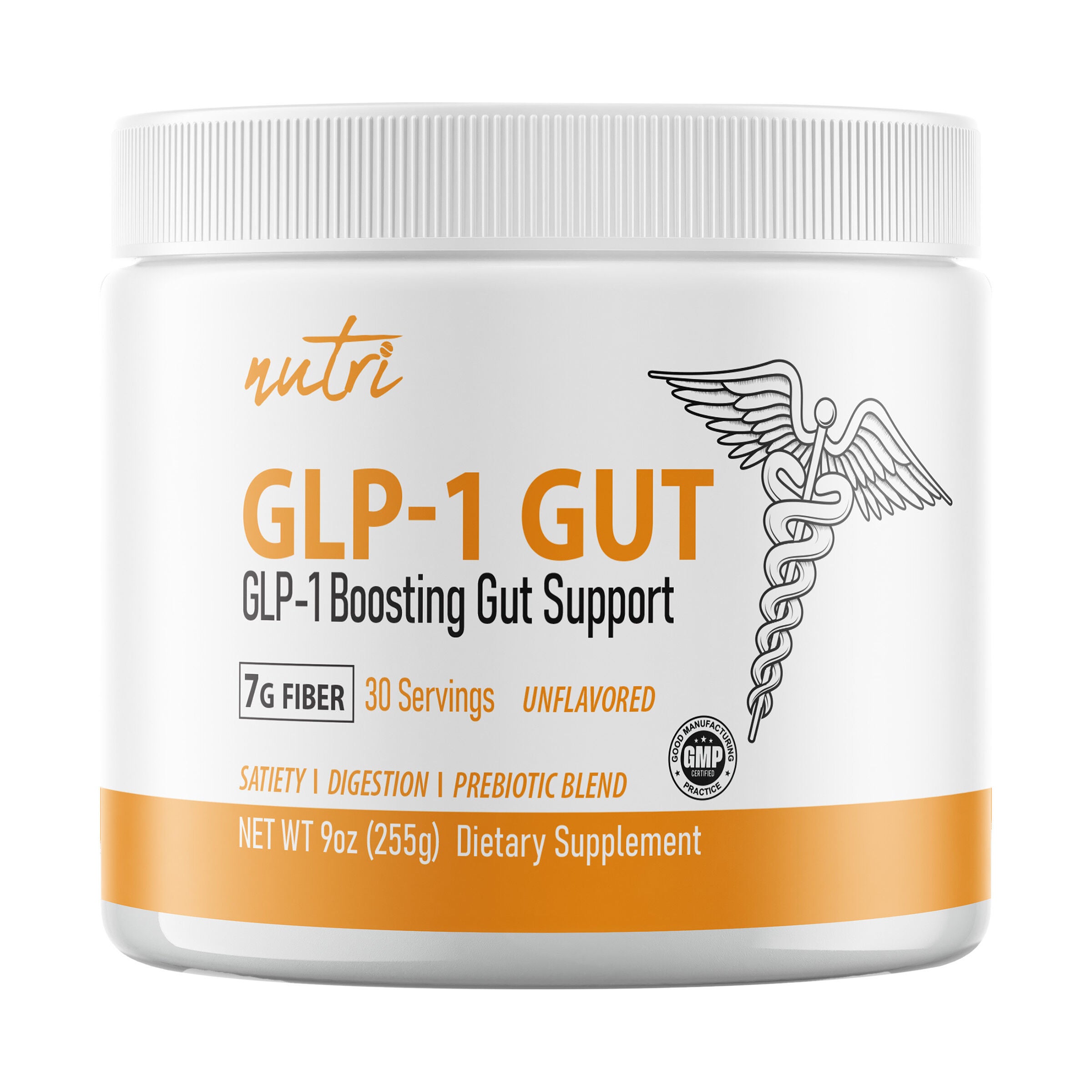

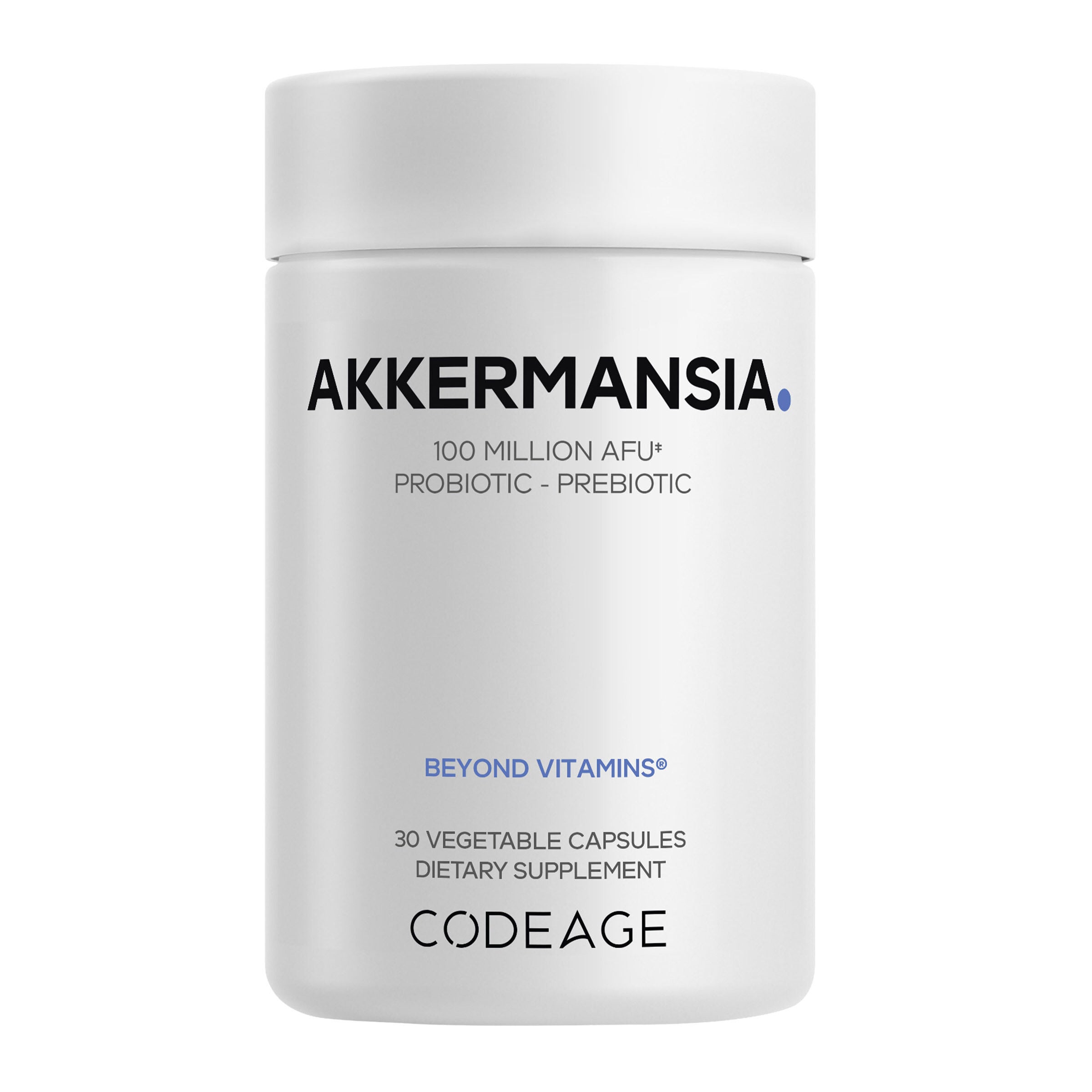
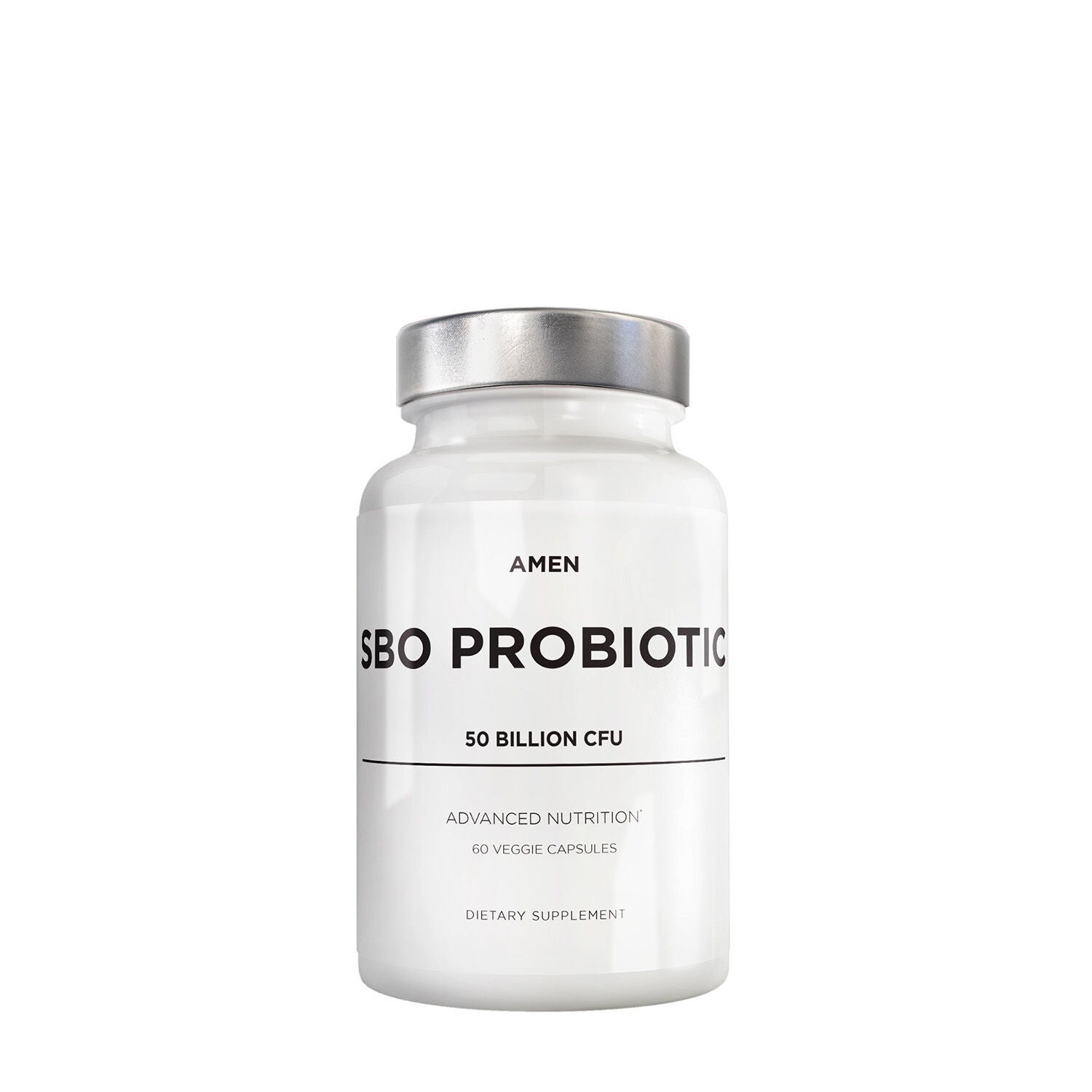
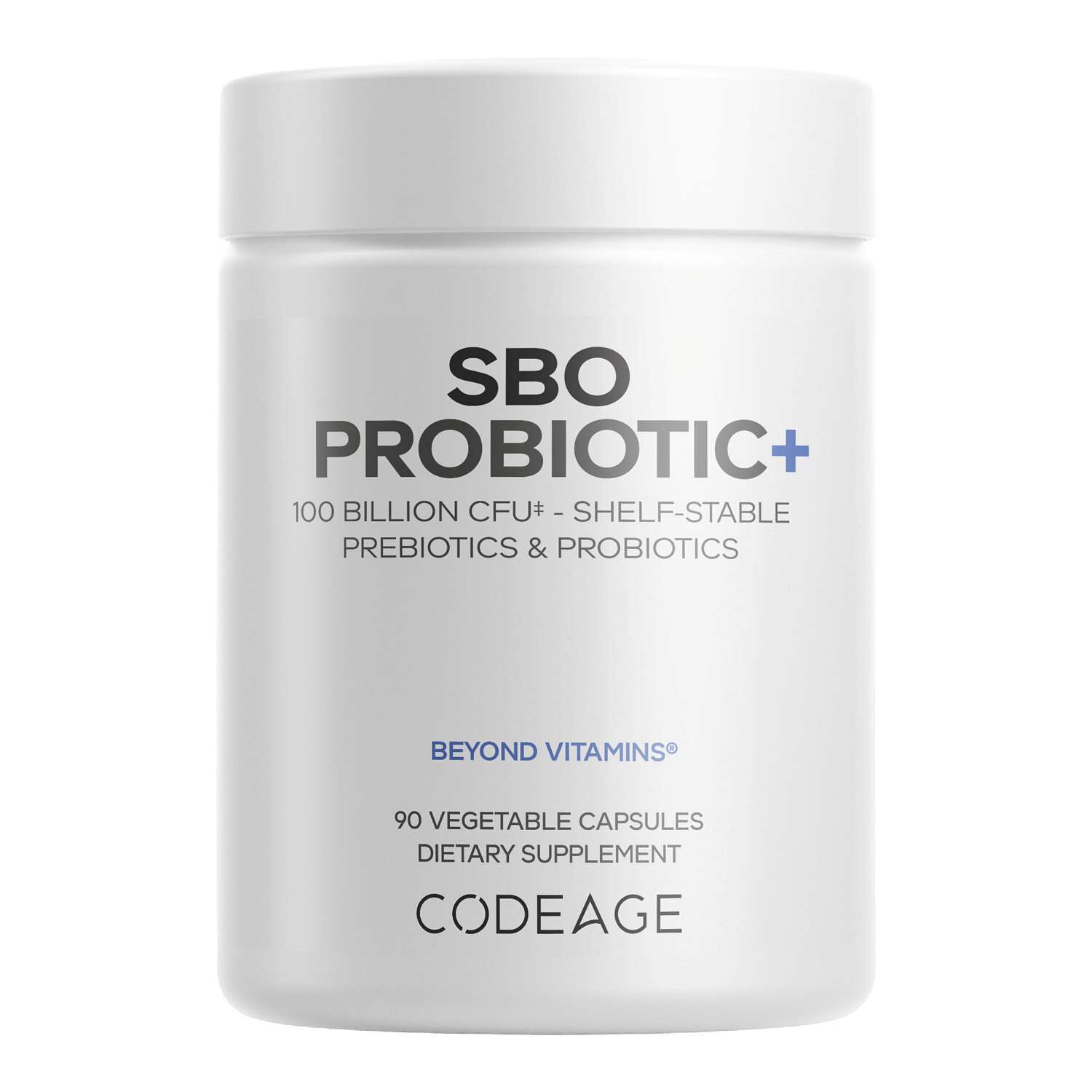
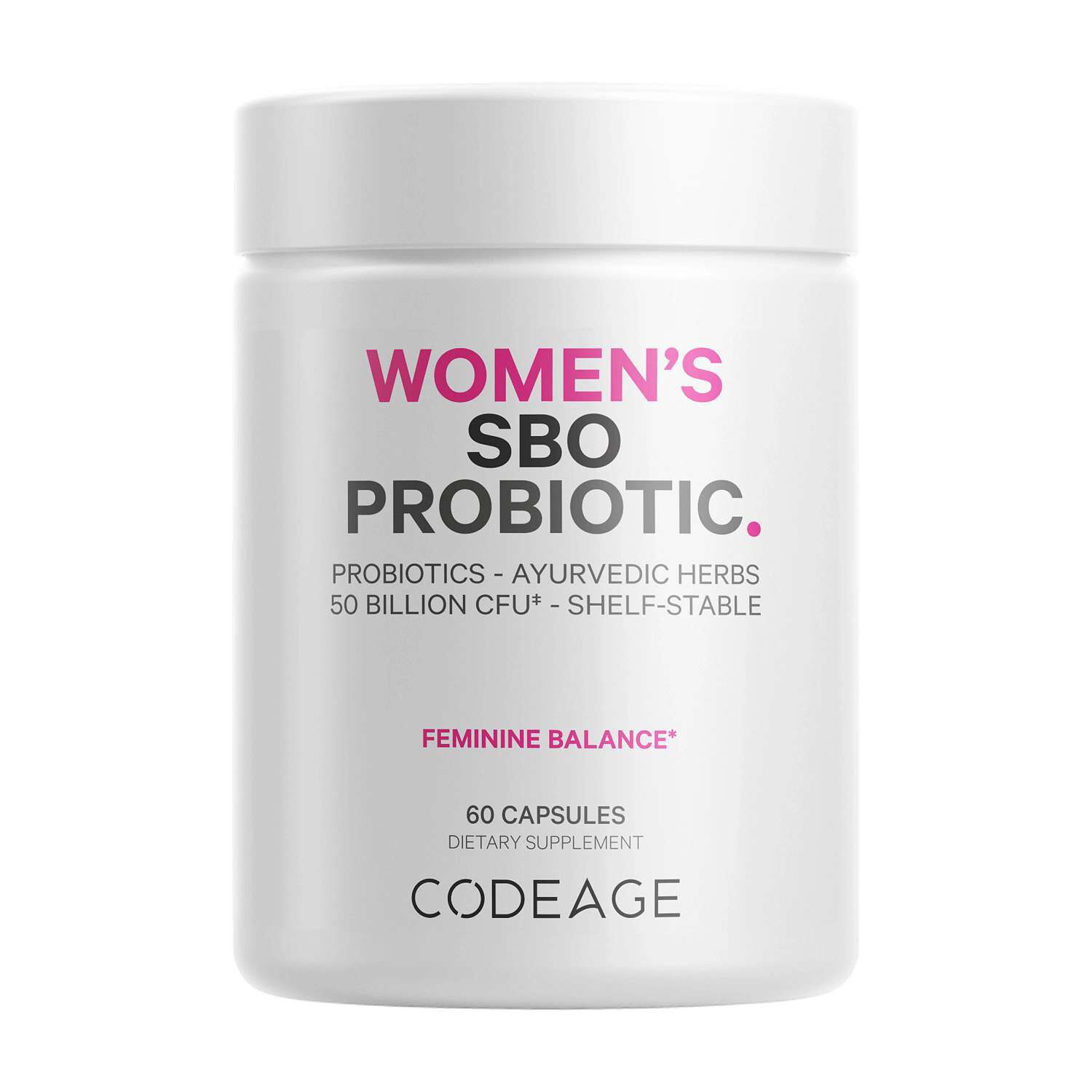

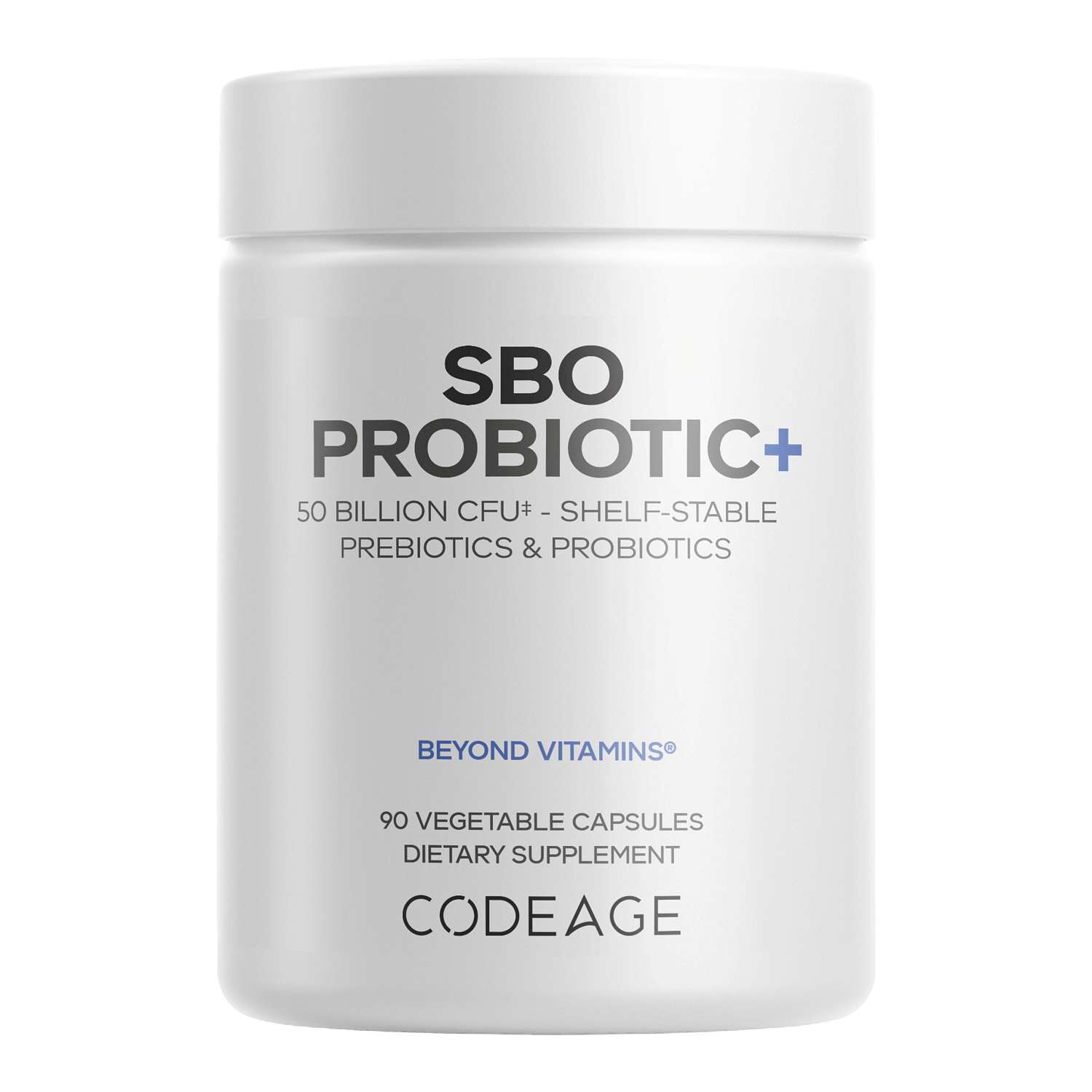
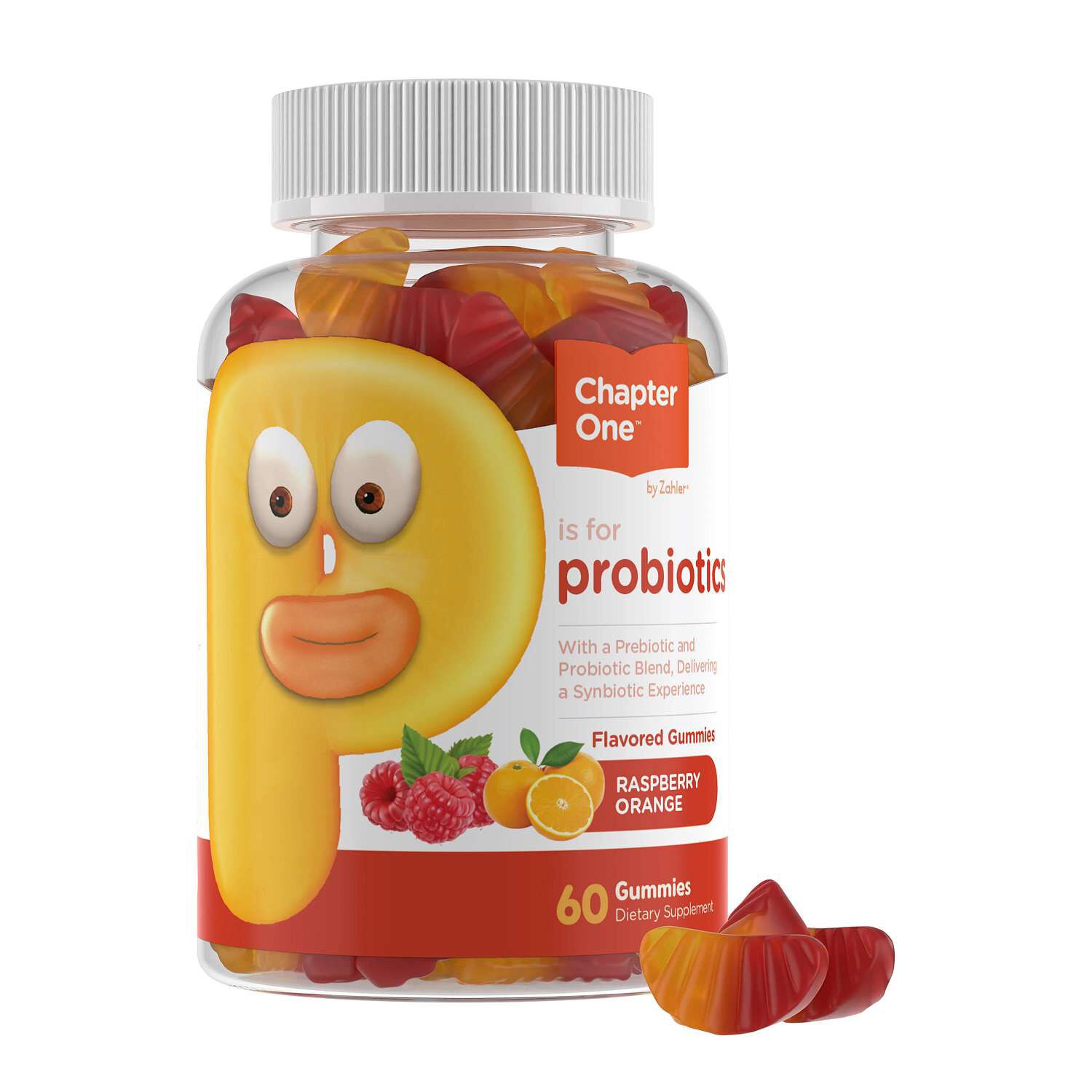

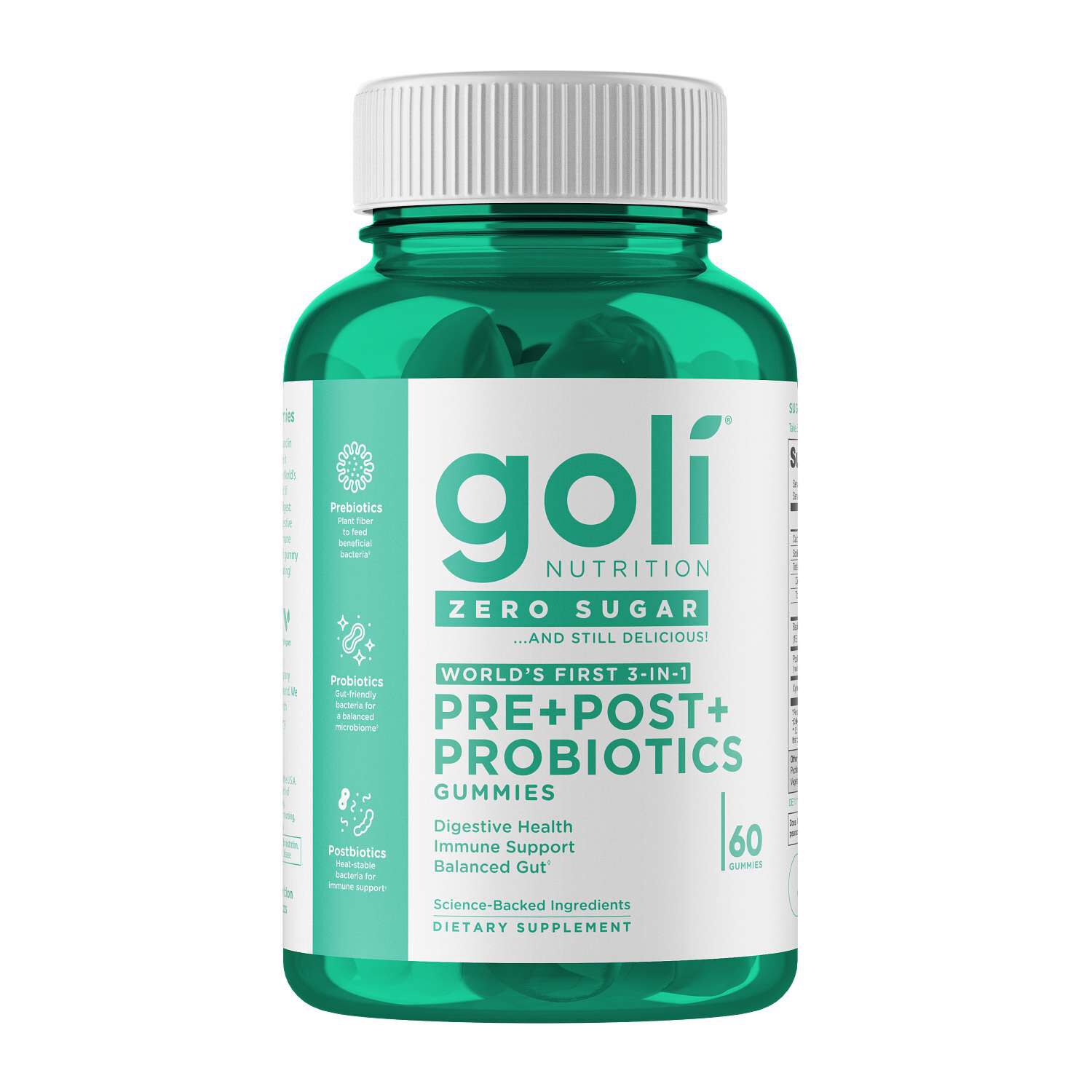
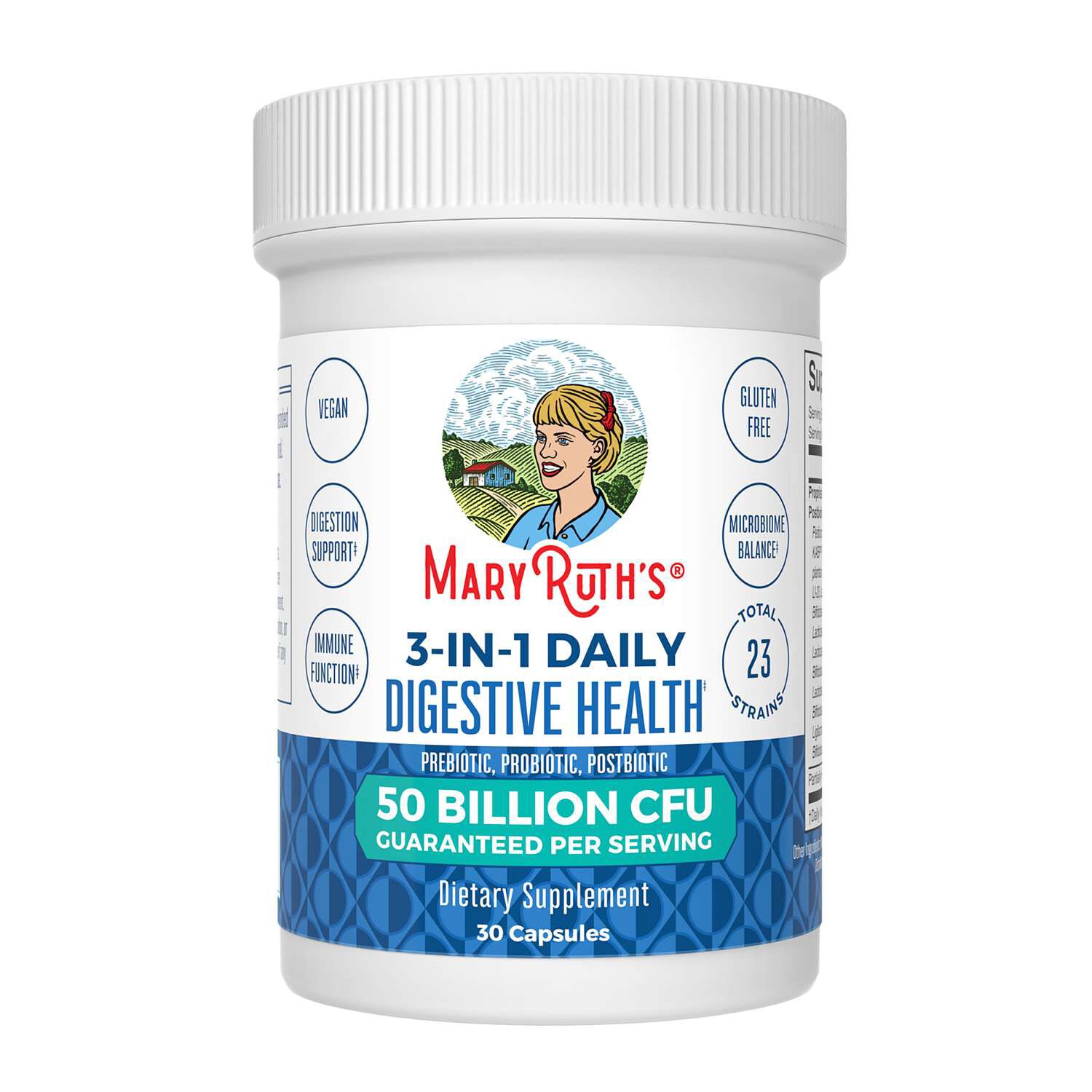
Natural prebiotic probiotic blends are dietary supplements that combine live microorganisms with ingredients that certain beneficial microbes can use as nourishment. Probiotics and prebiotics have different roles: probiotics are the microorganisms themselves, while prebiotics are substances, often particular types of plant-derived fiber, that may nourish beneficial microorganisms in the gut. Bringing both into one formula offers a way to include these ingredients in the same supplement routine. These blends may support everyday digestive wellness, but their composition varies considerably. The term synbiotic is often associated with combinations of probiotics and prebiotics, though that description alone does not explain which organisms or fibers a formula contains. Common probiotic groups include Lactobacillus and Bifidobacterium, and labels may identify individual organisms by genus, species, and a strain designation. Those details distinguish one culture from another rather than simply presenting every probiotic as interchangeable. Prebiotic ingredients may include inulin from chicory root, fructooligosaccharides, or other identified fiber sources. Not every plant ingredient is a prebiotic, so a named fiber source provides more useful context than a general reference to plants. Probiotic quantities are often expressed in colony-forming units, or CFUs, which describe viable microorganisms rather than the weight of the supplement. A higher CFU number does not, on its own, explain the composition or suitability of a blend. The amount of prebiotic material may appear separately, typically by weight. Together, the ingredient list, serving information, strain names, and storage directions offer a clearer picture of what is inside. The word natural also needs context: it does not establish a uniform ingredient profile, capsule material, manufacturing method, or dietary designation. A formula described as natural may still contain flavoring, sweeteners, capsule ingredients, or other components used to create its finished form. For adults considering a prebiotic probiotic blend, those details can make the difference between a format that suits an established routine and one that requires an extra step.
Format is another meaningful distinction among natural prebiotic probiotic blends. Capsules place the ingredients in a measured serving without requiring mixing, making them a practical consideration for someone whose morning already includes breakfast, a packed bag, and a commute. Capsule shells may be made from gelatin or plant-derived materials, and the shell composition is separate from the origin of the ingredients inside. Powders offer a different experience, with attention shifting to the serving measure, flavor, texture, and preparation directions. Shoppers comparing mixable formats can explore Natural Prebiotic Probiotic Powders alongside other blend formats. Some powders are portioned into individual packets, while others come in containers with a scoop or another measuring method. A packet offers a defined portion and a compact package; a larger container calls for attention to the stated serving measure and secure closure between uses. Preparation directions matter because suitable liquids, mixing methods, and storage requirements differ among formulas. A powder intended for a cool beverage may not have the same directions as another supplement, and heating should not be assumed to suit live cultures. Flavor is worth considering in the context of the drink or food described on the label. A fruity flavor may be noticeable in plain water, while an unflavored option can still contribute its own texture or taste. Gummies and chewable formats bring additional considerations, including serving count, sweeteners, texture, and ingredients used to create their shape. The amount of fiber or the number of cultures cannot be inferred from format alone. For someone who avoids dairy ingredients, follows a vegetarian eating pattern, or prefers particular sweeteners, ingredient and allergen statements provide useful distinctions. Organic certification, when present, addresses a defined production standard rather than describing every characteristic of the blend. A suitable format is therefore about more than the front label: it also involves how the supplement is measured, prepared, stored, and incorporated into an ordinary day.
Care and storage are especially relevant for supplements containing live microorganisms. Directions may call for refrigeration or for storage in a cool, dry location, depending on the formulation and packaging. Neither requirement should be assumed from the word probiotic alone. A bottle kept beside a steamy shower has a different storage environment from one kept in a dry cabinet, and a packet carried in a bag still needs handling consistent with its label. Keeping the original packaging preserves access to the ingredient information, serving directions, expiration date, and any handling instructions. Securely closing a container after use also helps limit exposure to moisture. For powders, a dry measuring utensil and the specified serving measure are practical details that affect everyday handling. Packaging designed to protect the contents does not remove the need to follow storage directions. When comparing labels, it is useful to distinguish culture counts stated at manufacture from counts stated through an expiration date, where that information is provided. Serving size deserves similar attention: a listed amount may refer to several capsules, multiple gummies, or a measured portion of powder rather than a single piece. Added vitamins, minerals, or botanical ingredients can also change the character of a blend, so two formulas with similar descriptions may have substantially different ingredient lists. Intended use should come from the label, including the designated age group and preparation instructions, rather than assumptions based on flavor or packaging. For adults who already enjoy foods such as yogurt, oats, or bananas, a blend represents a separate supplement choice, not an equivalent replacement for those foods and their broader nutritional composition. Food sources vary in their cultures and fibers, just as supplement formulas vary in their ingredients. A natural prebiotic probiotic blend may fit a daily wellness routine when its format, dietary characteristics, serving directions, and storage needs align with everyday habits. Clear labeling and a manageable preparation method make those practical differences easier to recognize.
Best Sellers
-
Physician's Choice