





Prebiotic Blends
(0 Results)
Prebiotic blends offer a convenient way to support your wellness routine by nourishing the beneficial bacteria in your gut. With a variety of options to choose from, prebiotic blends may complement your daily regimen and help you maintain digestive balance. Explore different formulations that could fit seamlessly into your lifestyle and discover how prebiotic blends might become a valuable addition to your overall health journey.
-
 $26.99
-

-

-
-
-

-

-
-
-

-

-
 209$34.99
-

-
 $17.99
-

-
 $15.99
-
 $17.97
-

-



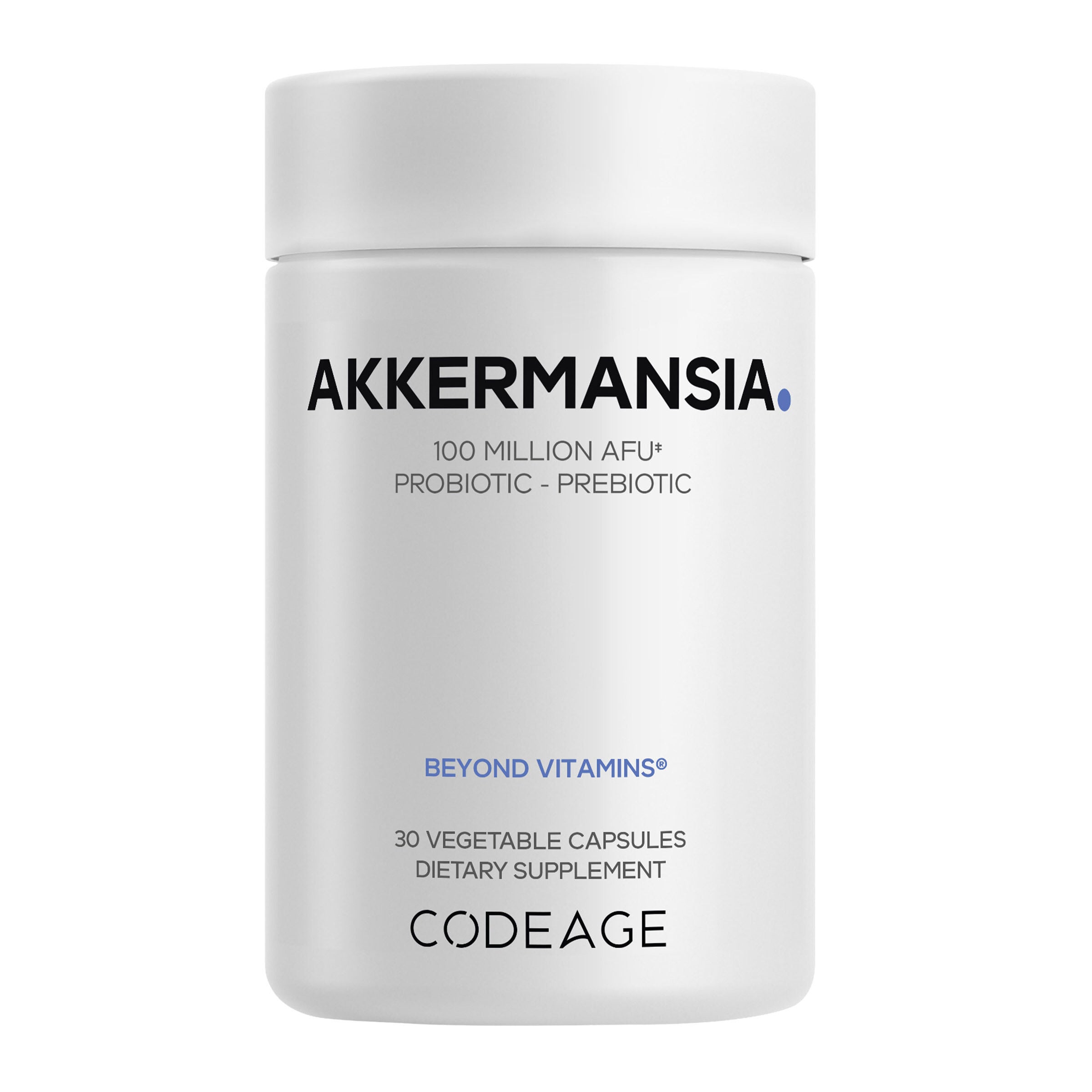


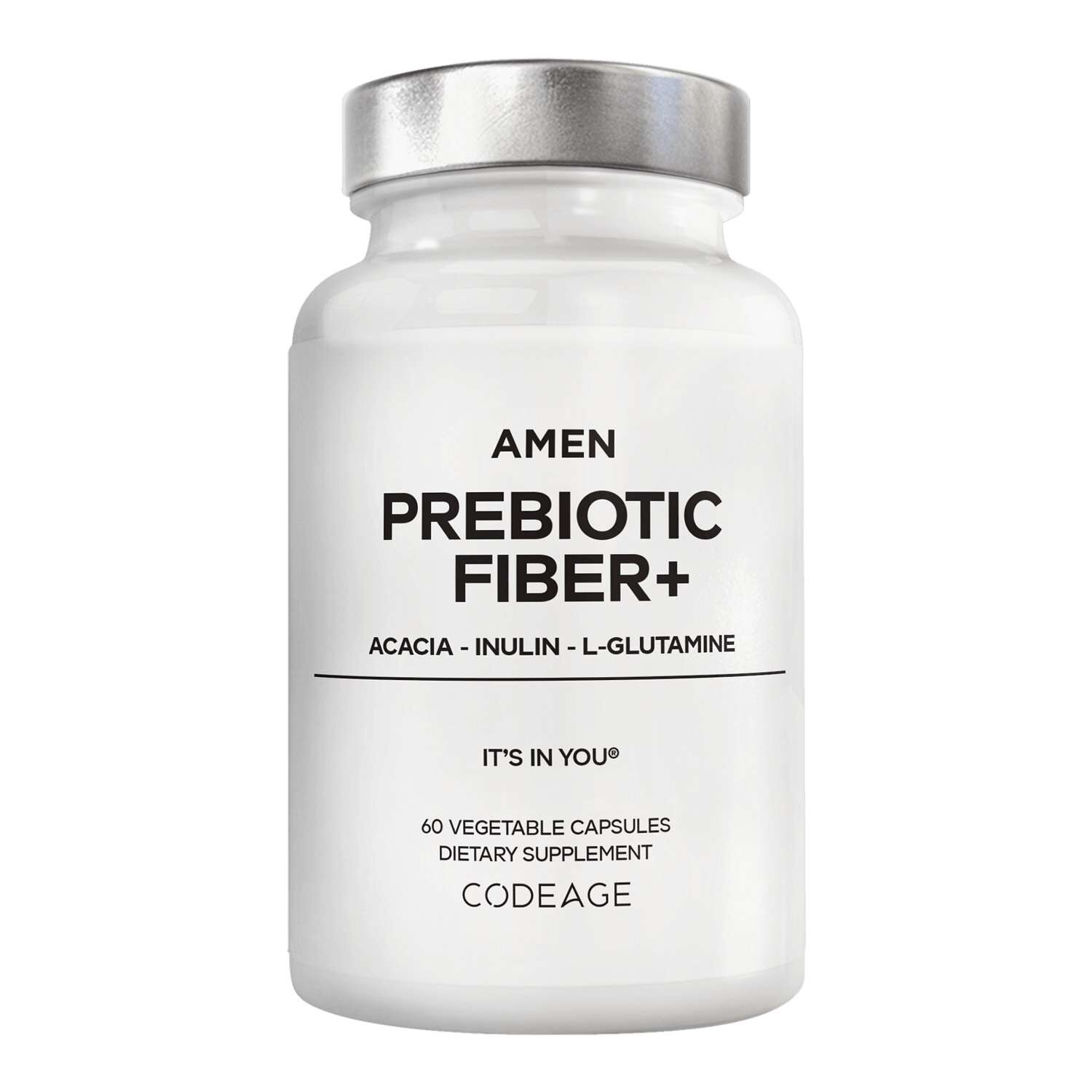
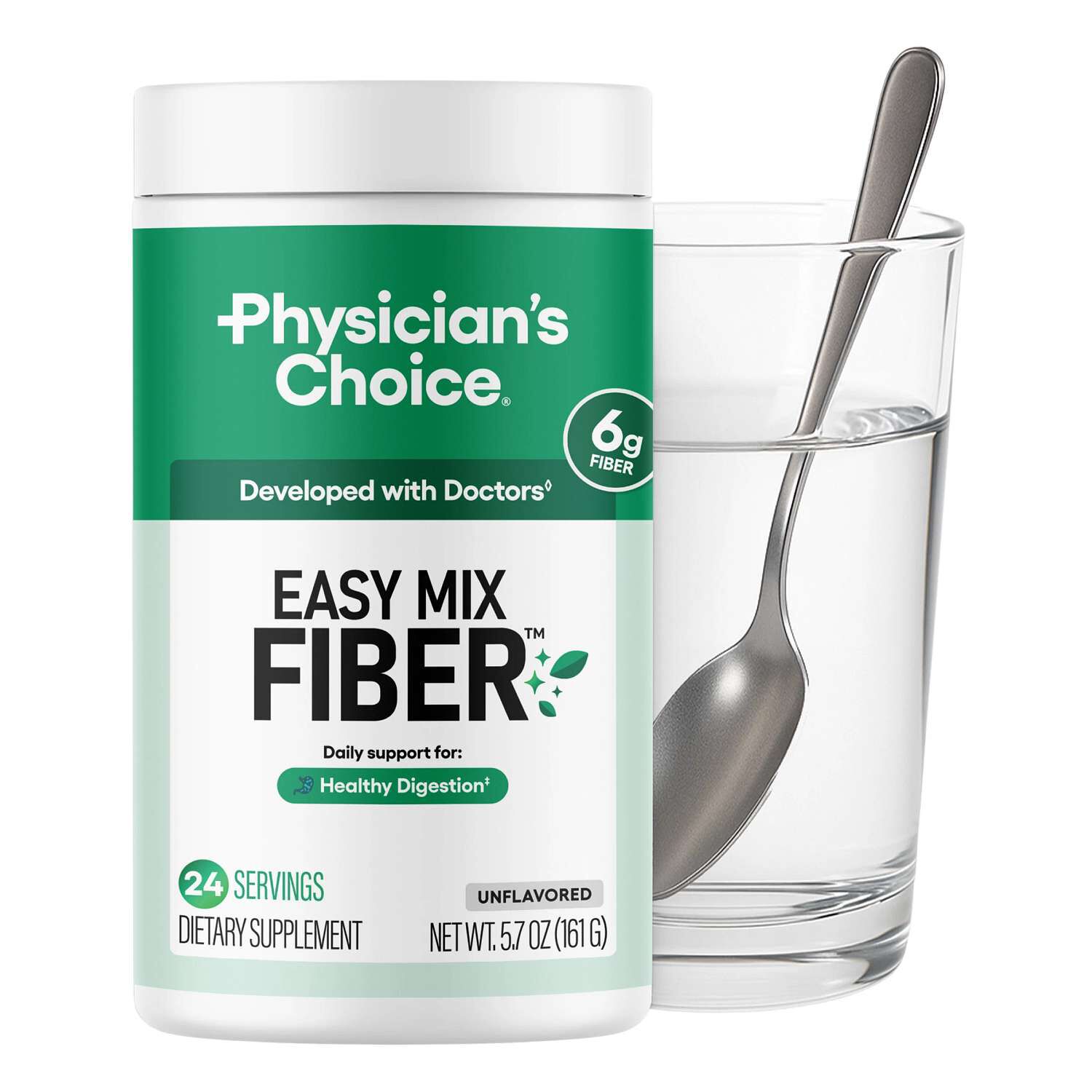
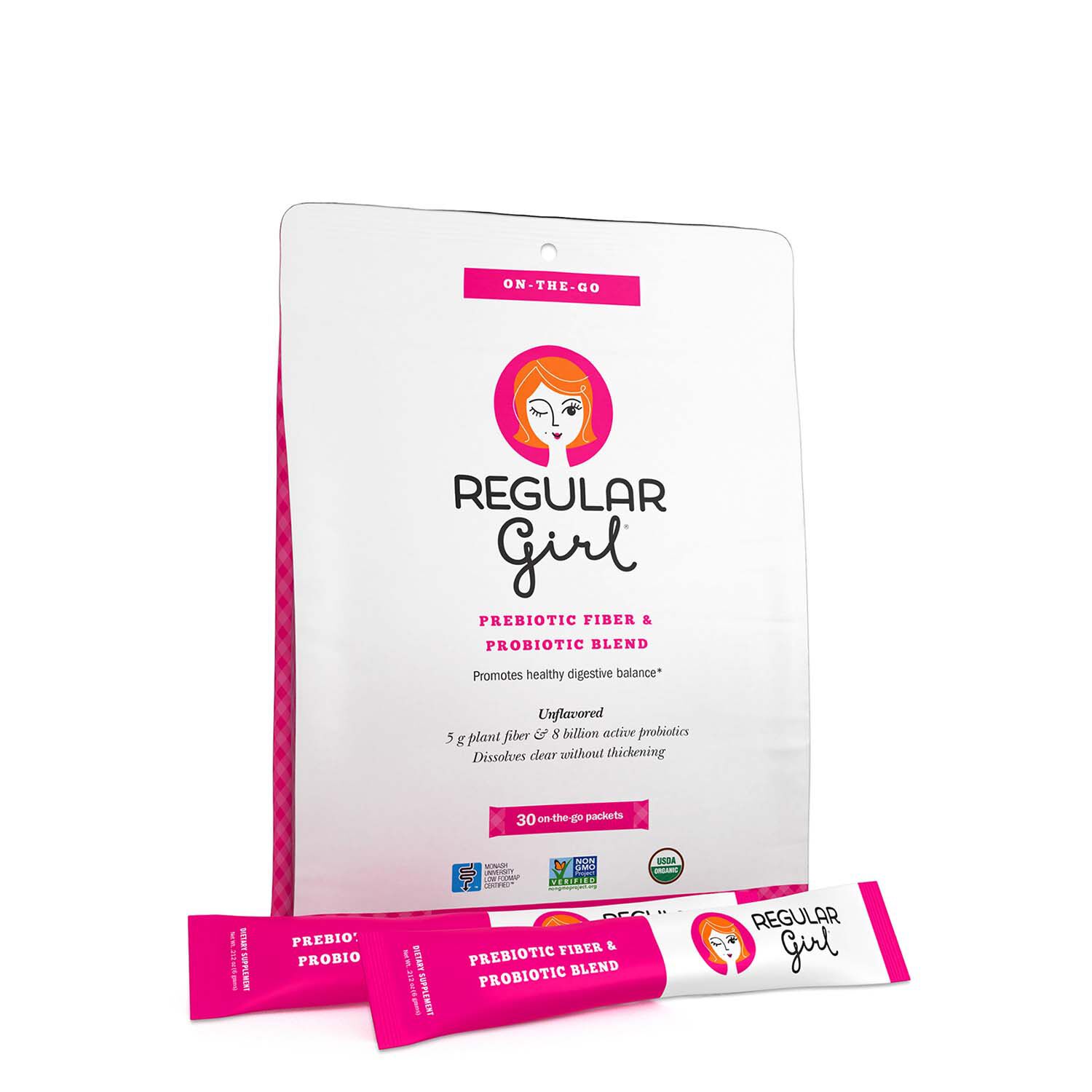
Prebiotic blends are dietary supplements made with fibers or other ingredients that may nourish beneficial bacteria in the digestive tract. Rather than describing a single ingredient, the word “blend” usually signals a combination of sources, sometimes alongside additional nutrients or plant ingredients. Common names on ingredient lists include inulin, fructooligosaccharides, galactooligosaccharides, and resistant starch. Chicory root is one familiar source of inulin, while other formulas feature fibers derived from plants such as acacia. These ingredients differ in their origin, composition, and texture, so two prebiotic blends can look quite different even when their labels use similar language. Prebiotics also differ from probiotics: probiotic supplements contain live microorganisms, while prebiotic formulas focus on ingredients those microorganisms may use as nourishment. Some supplements combine both categories, making the full ingredient list more informative than the name on the front of the container. Dietary fiber and prebiotics are related, but the terms are not interchangeable; not every dietary fiber has an established prebiotic role. For shoppers comparing blends, that distinction makes ingredient identity as relevant as the number of ingredients included. A short formula centered on a few named fibers offers a different composition from a broad mixture of fibers, fruit powders, vegetables, and added nutrients. Neither the longest ingredient list nor the largest scoop tells the whole story. The Supplement Facts panel, serving size, and ingredient list together provide a clearer picture of what each serving contains. These supplements may appeal to adults looking for a convenient way to include prebiotic ingredients in an existing food routine, whether that routine revolves around a morning smoothie, lunch at a desk, or meals prepared at home. Foods such as oats, beans, onions, and bananas also belong in the broader conversation about dietary variety. A supplement is a separate format for selected ingredients, not a substitute for the variety of foods that make up everyday meals.
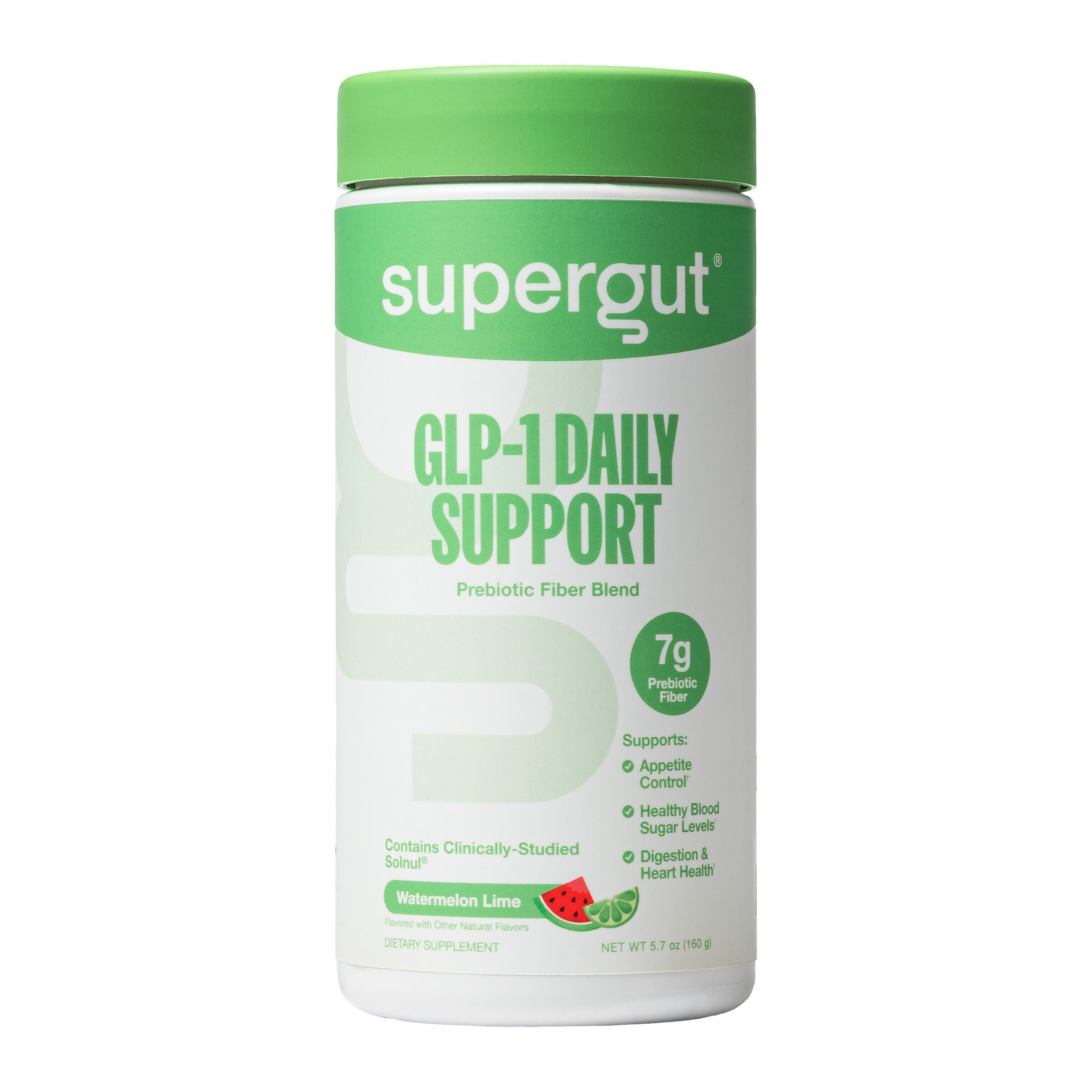
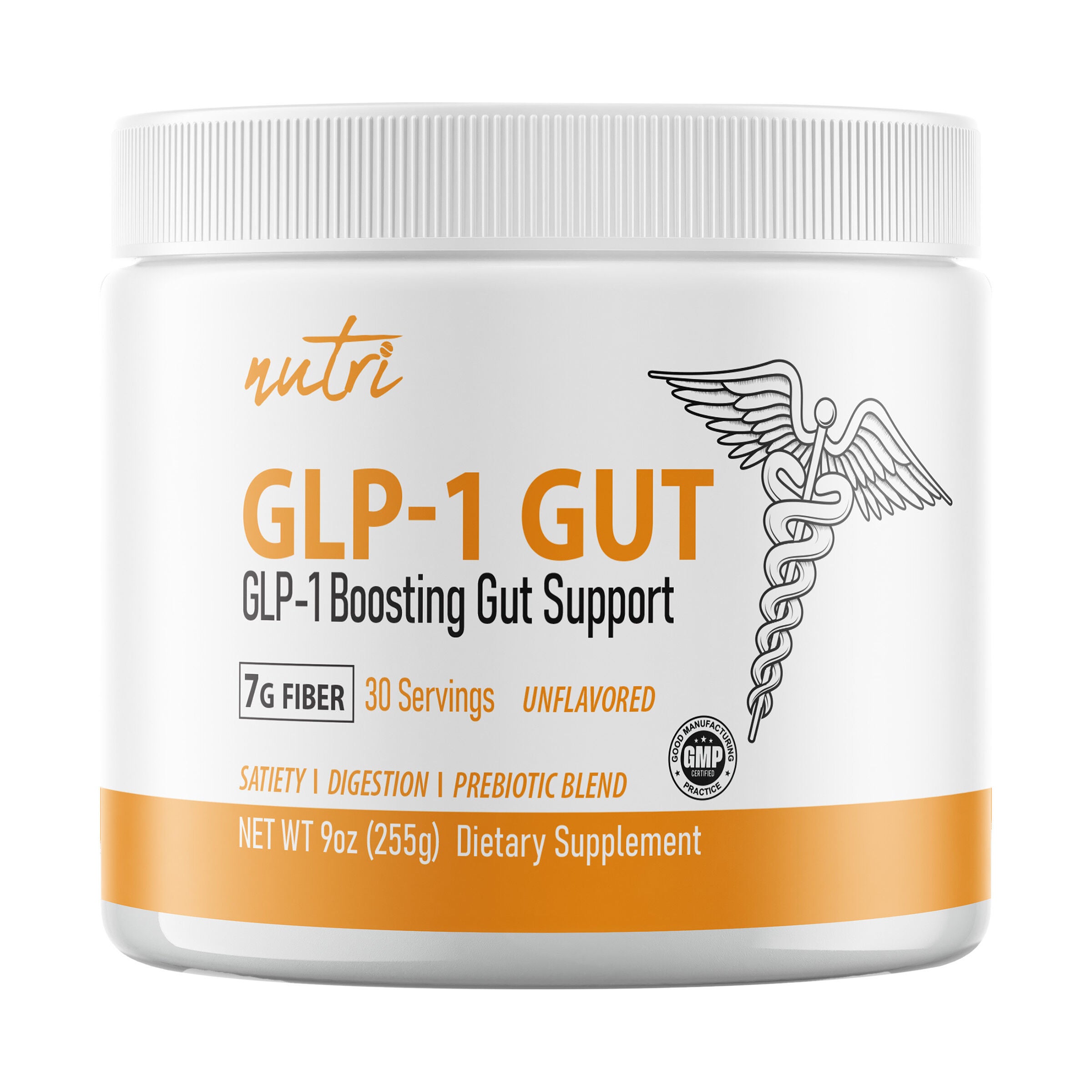
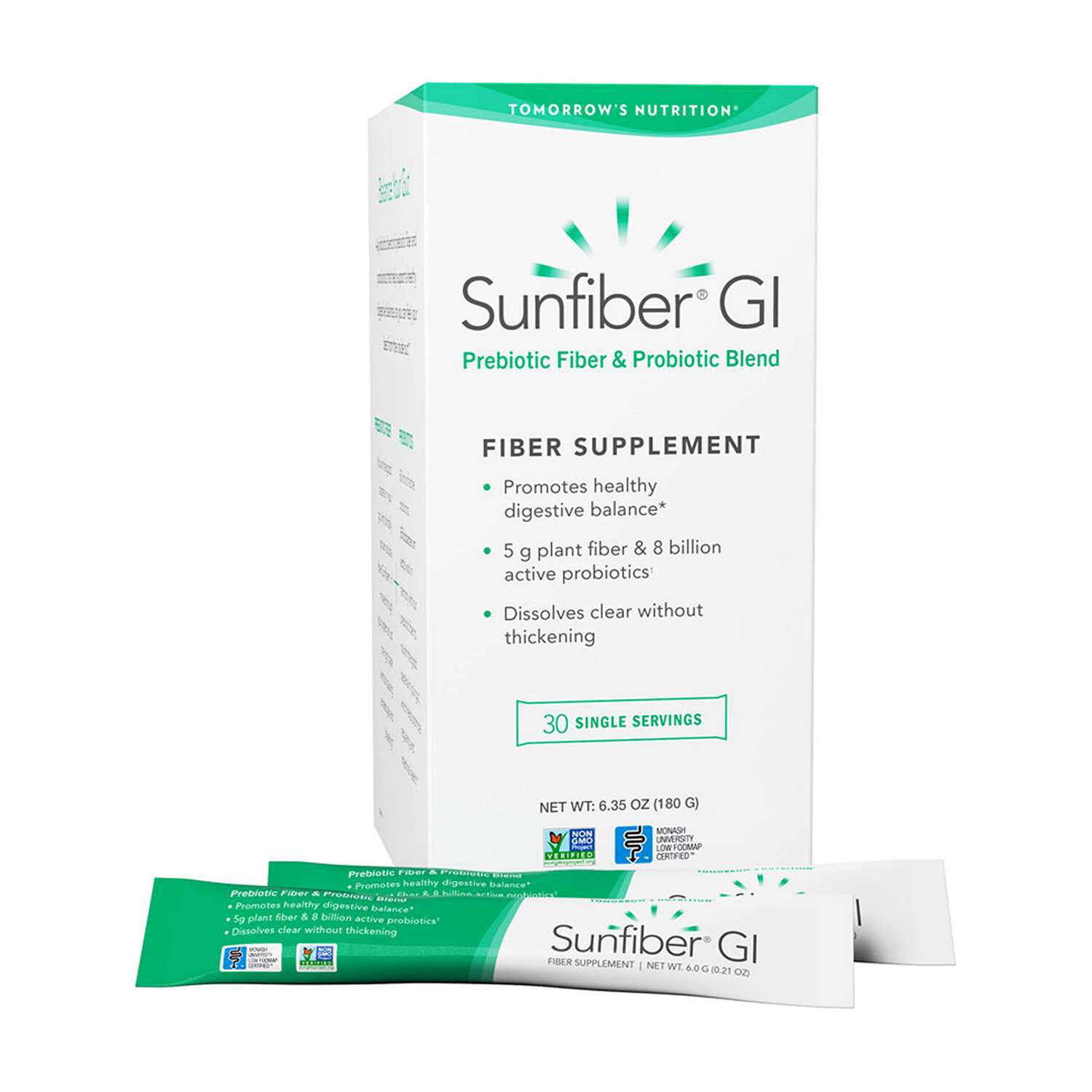
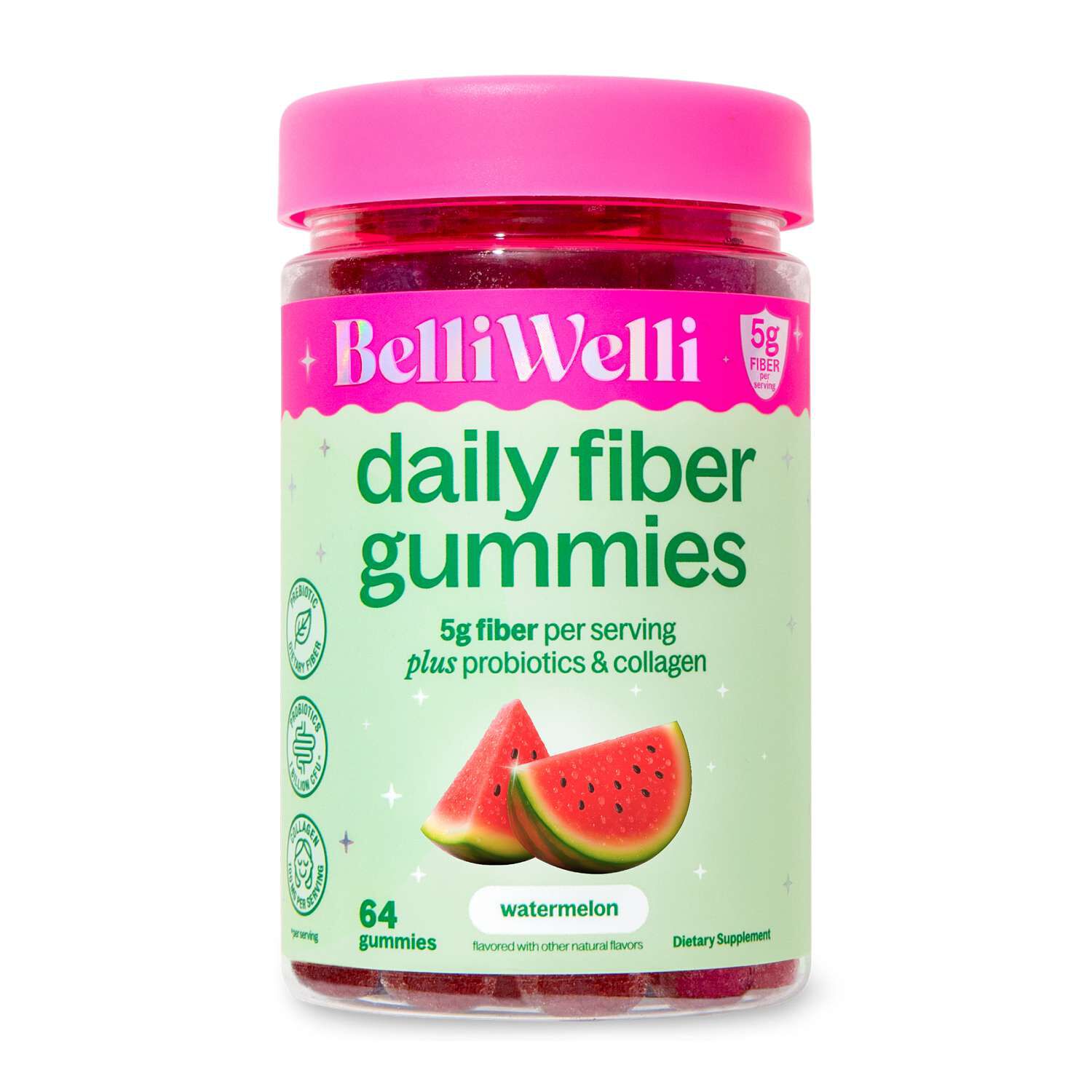
Format is often the most noticeable difference when comparing prebiotic blends. Powders offer flexibility in how they are prepared, subject to the directions on the label, and their flavor and texture deserve close attention. An unflavored powder is not necessarily without taste; ingredients can contribute a mild sweetness, an earthy note, or a noticeable mouthfeel. A flavored blend has a different role in a kitchen where the same cup might otherwise hold plain water, a fruit smoothie, or a protein shake. Picture the actual preparation: a shaker bottle on an office counter, a blender beside breakfast ingredients, or a spoon and glass in a small apartment kitchen. The amount of stirring, the suggested liquid volume, and whether the powder is intended for a particular preparation all matter to that moment. Some fibers may thicken a mixture or leave a different texture after standing, so preparation directions are worth reading before selecting a format. Capsules offer another approach, with no beverage preparation, although the labeled serving may consist of more than one capsule. Chewable formats bring their own considerations, including texture, flavor, added sugars, sweeteners, and the ingredients used to create their shape. A serving of powder, a serving of capsules, and a serving of chewables are not directly interchangeable simply because each carries a prebiotic description. Compare the stated serving size, declared dietary fiber where applicable, and disclosed amounts of individual ingredients. The weight of a blend is not necessarily the same as its dietary fiber amount, particularly when other ingredients are included. Some labels disclose each component separately, while others list a combined blend amount. That difference affects how precisely shoppers can compare formulas. The most practical format is one whose preparation, portion, and packaging fit an established routine rather than requiring a new set of kitchen habits.
Beyond the primary fibers, prebiotic blends can vary considerably in their supporting ingredients. Some keep the focus on a small group of fiber sources; others include fruit and vegetable powders, botanical ingredients, or additional nutrients. Those additions deserve the same attention as the prebiotic portion of the formula. A colorful powder or a long list of plant names does not reveal how much of each ingredient is present, and the word “superfood” alone does not describe a standardized nutritional composition. Shoppers interested in plant-focused formulas can explore Organic Prebiotic Superfood Blends while still comparing the ingredient details that distinguish one type of blend from another. An organic designation concerns production and handling standards; it does not, by itself, establish a particular fiber amount or ingredient combination. For dietary preferences and ingredient exclusions, look at the full label, including allergen statements, capsule materials, sweeteners, flavors, and other ingredients. A plant-based front-label description and the composition of the entire formula are separate details to verify. Packaging also has a practical role in everyday use. A wide-mouth container accommodates a scoop differently from a narrow opening, while individual packets involve a different preparation routine than a tub kept beside the blender. Check the labeled serving count rather than judging by container size, since powders vary in density and portion weight. Storage directions matter as well: a firmly closed lid, a dry measuring utensil, and storage away from moisture help keep the contents in the condition described by the manufacturer. The expiration date and any directions for use after opening provide further context for choosing a container that matches the intended pace of use. Prebiotic blends are best compared through these tangible details: named ingredients, clearly described portions, an appealing format, and preparation that fits everyday life. Together, those details offer a more useful basis for selection than broad wording on the front of a package.
Best Sellers
Related Pages

Top Collections
- Supplements For Yoga Joint Flexibility
- Chronic Fatigue Supplements
- Joint Mobility Supplement Packs
- Adult Mobility Supplements
- Active Supplements
- GLP 1 Support For Adults
- Zinc Supplements | Top Brands at Great Prices | GNC
- Supplements For Anxiety Relief Support
- Supplements For Balance
- Capsule Supplements For Energy And Stamina