Natural Vitality Boosting Tonics
(0 Results)
Natural vitality boosting tonics could offer a refreshing way to support your daily routine. With thoughtfully selected ingredients inspired by nature, these tonics may help you feel energized and ready to take on whatever the day brings. Whether you're looking for a gentle pick-me-up or simply seeking to enhance your wellness journey, natural vitality boosting tonics might be a great addition to your lifestyle. Explore options that fit your needs and discover how these blends may support your overall sense of well-being.

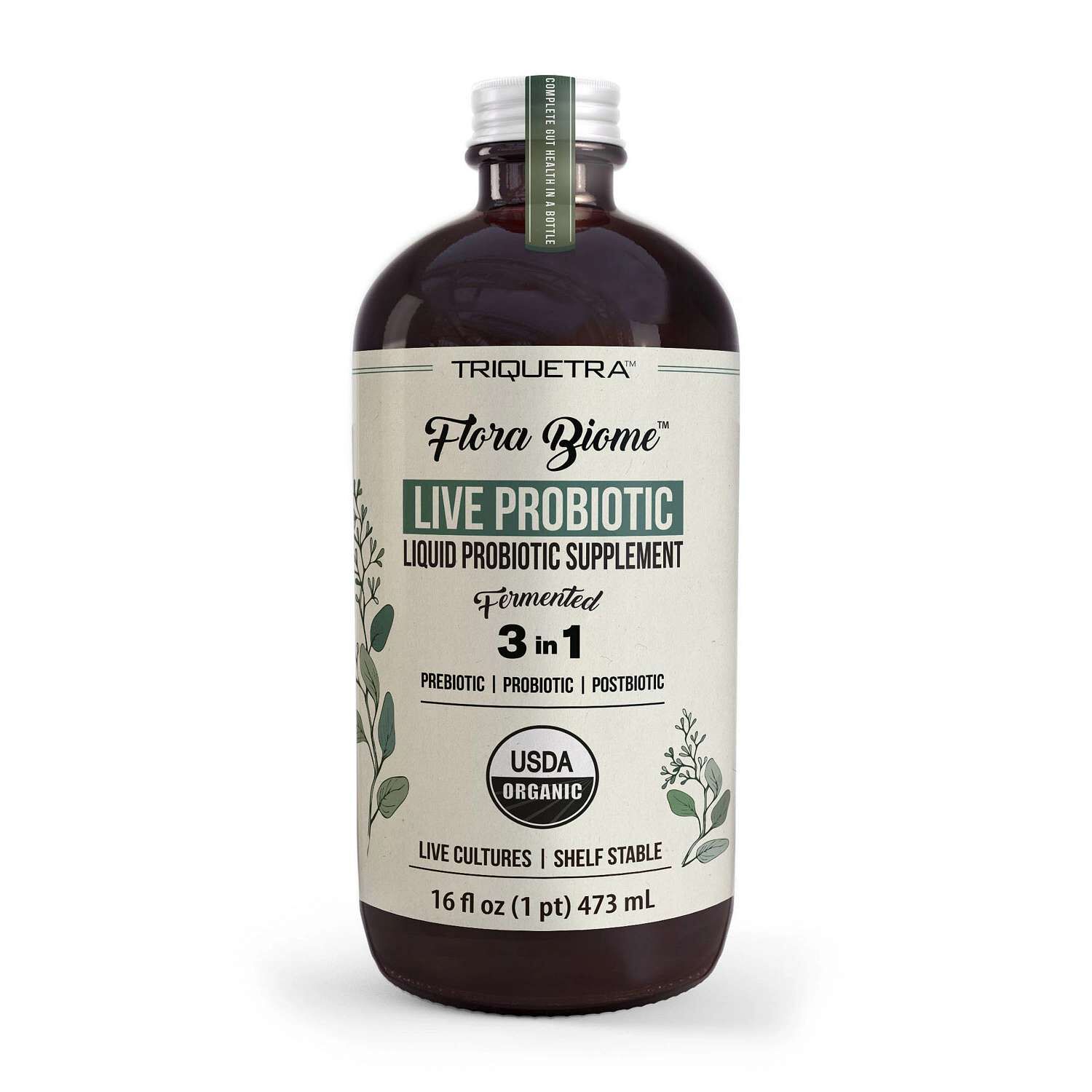





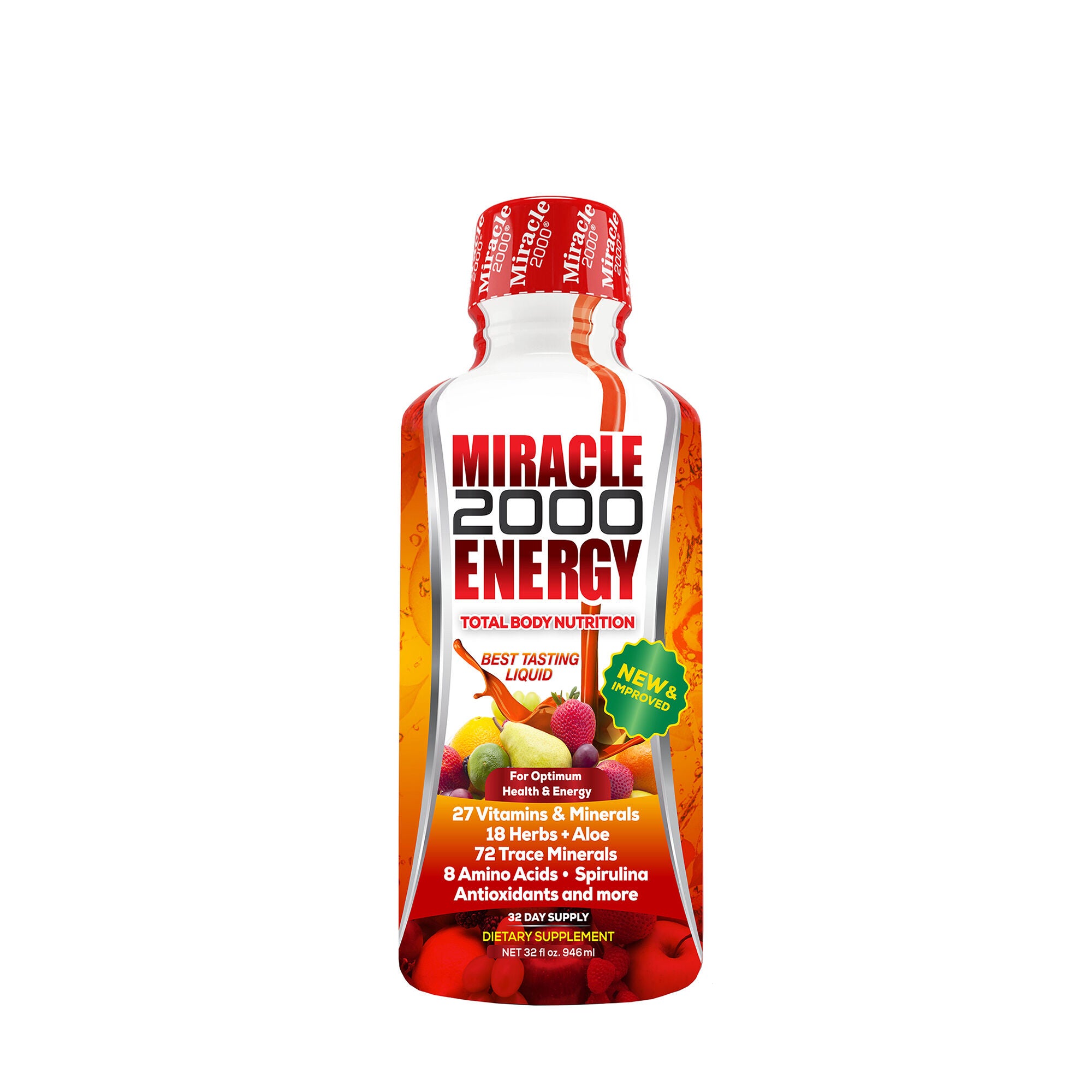


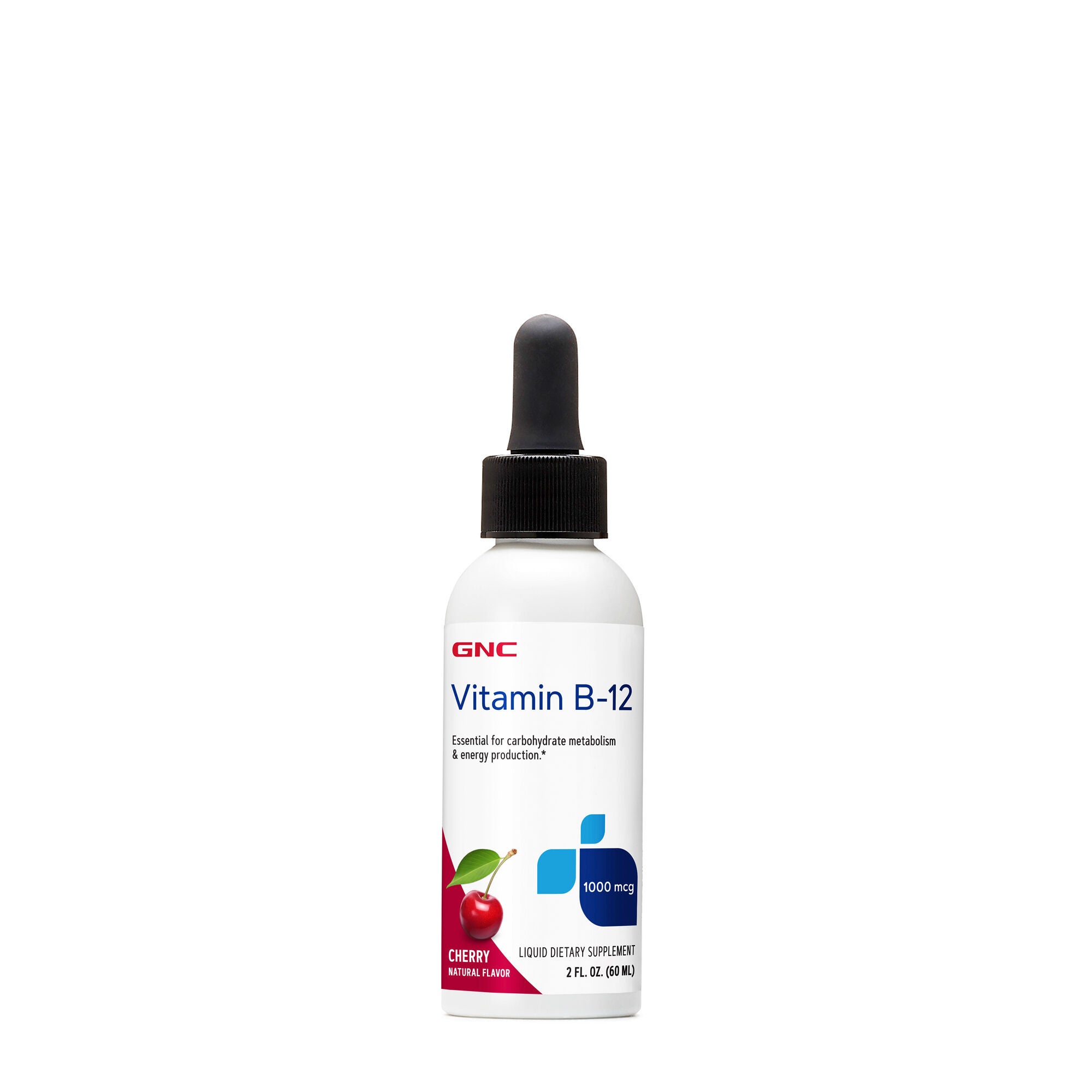

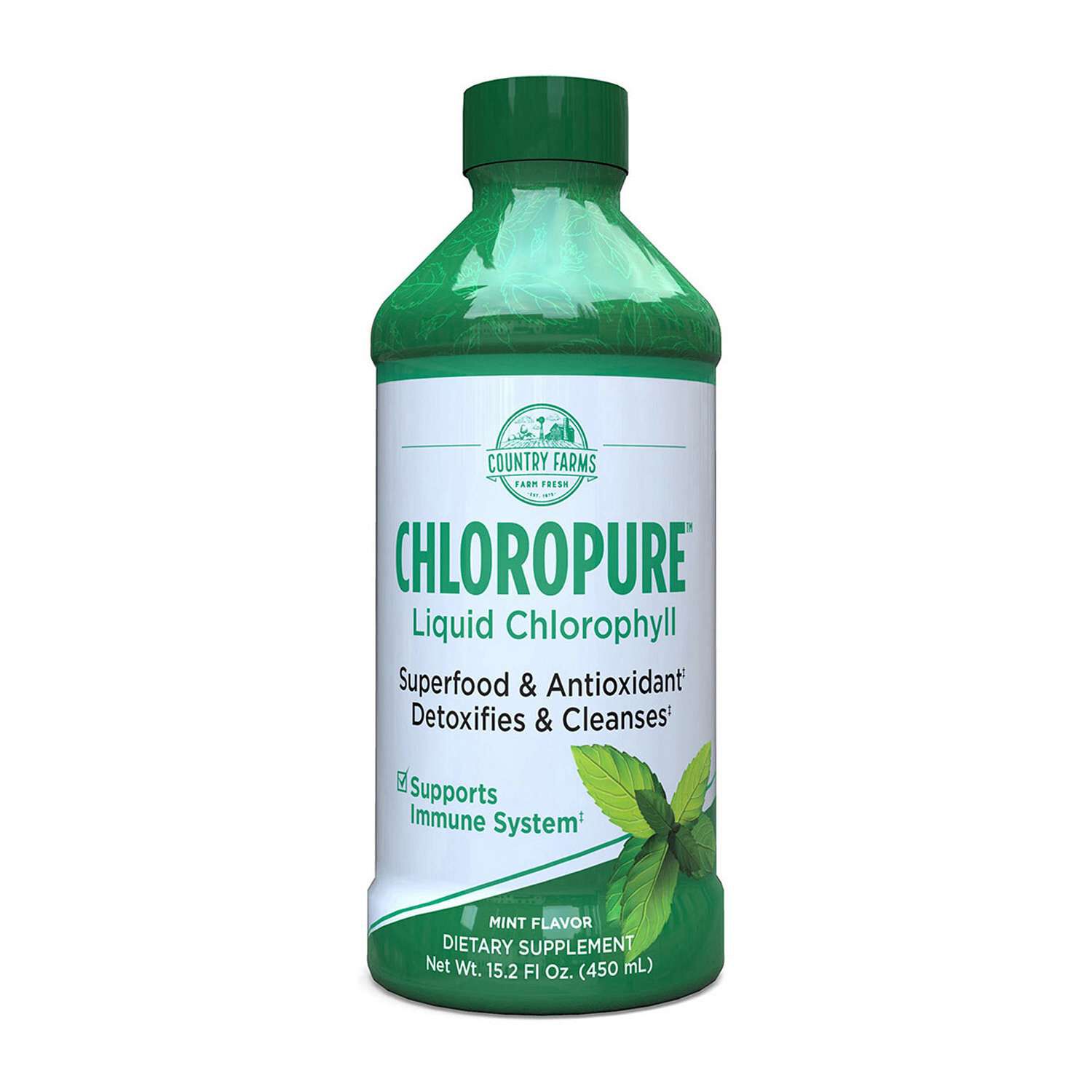


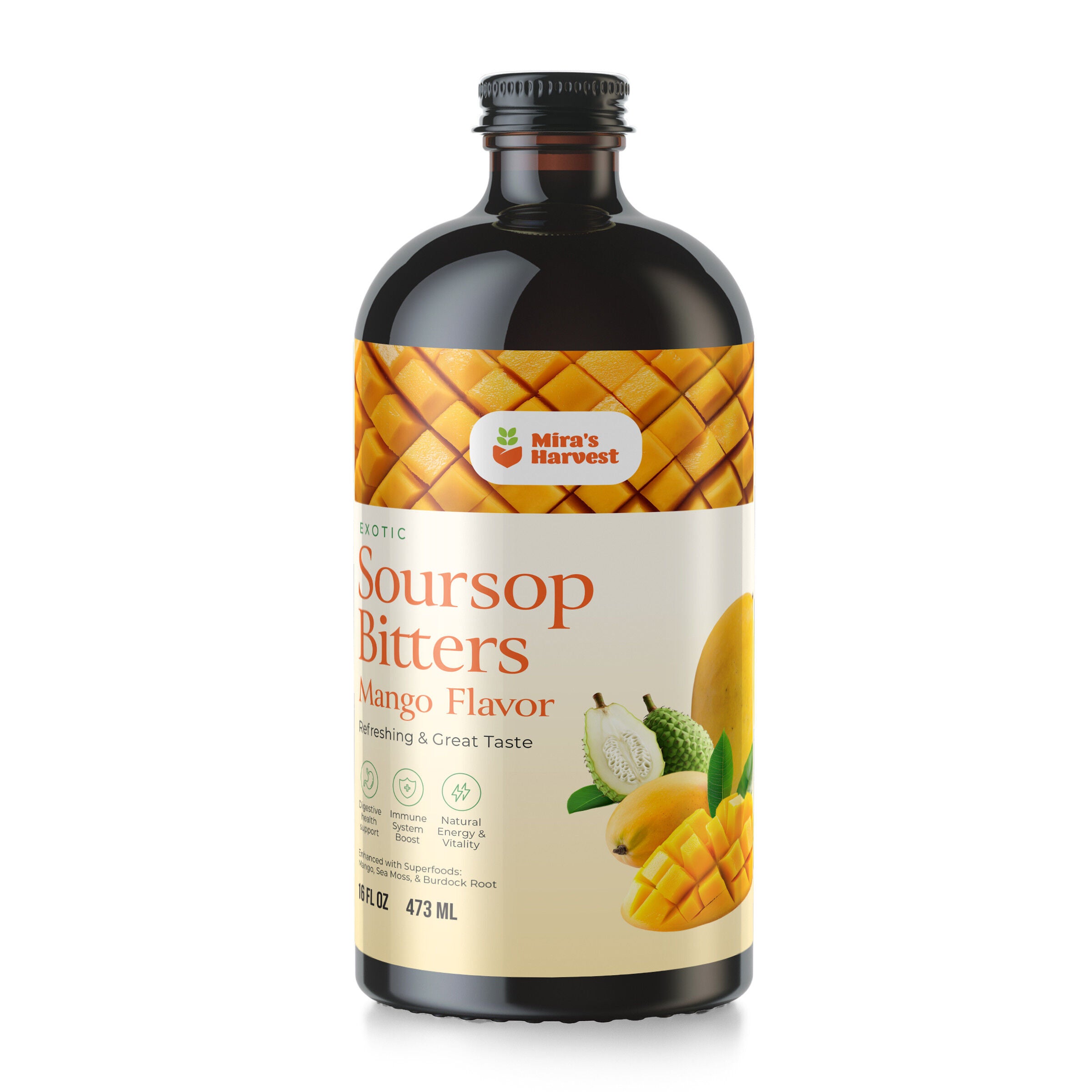
Natural vitality tonics are drinkable wellness supplements that may contain minerals, electrolytes, botanical ingredients, or a combination of these components. The term “tonic” describes a broad product category rather than one fixed formula: some options are liquids, while others are powders intended to be mixed with water. Their intended uses vary, with formulations centered on everyday hydration, energy support, or a simple addition to a personal wellness routine. A mineral-focused drink mix and a botanical liquid can look similar on a shelf yet have very different ingredient profiles, serving directions, and flavors. Magnesium, for example, may appear in mineral blends, while sodium and potassium are common components of electrolyte formulas. Other blends contain plant extracts, fruit powders, or tea-derived ingredients. These distinctions matter more than the word “natural,” which alone does not explain an ingredient’s source, amount, or purpose. The ingredient list and Supplement Facts panel provide a more useful picture of what a serving contains. For someone who prefers a beverage format to capsules or tablets, a tonic may fit into an established routine alongside breakfast, a packed lunch, or a planned exercise session, depending on its directions. A powder stirred into a glass of water offers a different experience from a concentrated liquid measured into a drink, and neither format is inherently the right choice for everyone. Flavor, preparation, ingredient preferences, and intended use all shape the fit. Citrus notes, berry flavors, earthy botanicals, and lightly sweetened blends create distinct drinking experiences, from a bright, tangy sip to a more pronounced herbal finish. A formula that sounds appealing on paper still needs to suit the way it will actually be prepared and enjoyed. Understanding the format and composition makes this category easier to compare without treating every tonic as interchangeable or assuming that a longer ingredient list means a better match.
The most meaningful differences among natural vitality tonics often become clear in the details of the formula. Mineral blends can contain different forms of the same mineral, so the exact name on the label matters when comparing two options. Magnesium citrate and magnesium glycinate, for instance, are distinct ingredients, and the amount of magnesium per serving is a separate detail from the size of the scoop or packet. Electrolyte blends also differ in their proportions of sodium, potassium, and other minerals. Some may support hydration as part of an active routine, but formulas are not identical simply because both use the word “electrolyte.” Botanical tonics bring another set of distinctions, including the plant used, the part of the plant included, and whether the ingredient is a powder or an extract. Certain herbs are described as adaptogens, although that category name by itself does not establish what someone will experience. Caffeine is another practical point of comparison. It can come from ingredients such as tea or coffee extracts, and its presence deserves attention even when the overall presentation emphasizes plants and natural sources. Caffeine-containing formulas may support alertness, while blends without caffeine represent a different formulation choice rather than an equivalent experience. For a related category with an energy-oriented focus, explore natural energy supplements. Sweeteners, added sugars, flavorings, and other ingredients also contribute to the character of a tonic. A fruit-forward name does not necessarily indicate fruit juice, just as a botanical name does not reveal the quantity of that ingredient. Declared ingredient amounts and clearly stated serving information offer concrete points of comparison. Personal food preferences matter here, too: dietary attributes are best confirmed on the label rather than inferred from the flavor, color, or plant imagery on the package. Together, these details describe the actual formula more accurately than broad wellness language.
Preparation and packaging determine how a tonic fits into everyday life just as much as its ingredient list. A resealable powder container can suit a home routine where a measuring scoop, glass, and water are close at hand. Individual packets offer a different format for a work bag or gym bag, although the package directions still determine the amount of water and the serving size. Liquid concentrates may require measuring, while ready-to-drink formats involve less preparation. For someone heading from a morning workout to the office, the difference between opening a bottle and measuring a powder is a tangible part of the choice. At home, another person may enjoy taking a moment to stir a drink and prefer a container that stays beside the usual drinkware. Texture deserves attention as well. Some powders dissolve into a relatively clear beverage; others produce cloudiness, sediment, or a fizzy texture, depending on their ingredients. Directions may call for stirring, shaking, or allowing the mixture to settle before drinking. The recommended water amount also affects how concentrated the flavor tastes, so package instructions are a useful starting point for understanding the intended beverage. Packaging care is straightforward but important: closures should remain secure, scoops should stay dry, and storage should follow the label. Any instructions for refrigeration after opening apply to the particular liquid formula, not automatically to every tonic. Container shape, closure design, and resistance to spills matter when a supplement travels beyond the kitchen, while a clearly printed serving panel makes repeated use easier to navigate. A familiar flavor and a format that matches the recipient’s habits may make a tonic a thoughtful addition to a wellness-themed gift, provided their ingredient preferences are already known. For personal use or gifting, the strongest match comes from the same grounded considerations: a clearly described formula, an appealing drinking experience, manageable preparation, and packaging suited to the intended routine. Natural vitality tonics are most usefully understood through those everyday details, rather than through expectations that one drink will suit every person or purpose.