





Liquid Tonics
(0 Results)
Explore the world of liquid tonics, a versatile category of wellness products that could offer a convenient and enjoyable way to support your daily health routine. Often crafted with a blend of herbs, vitamins, and minerals, these liquid supplements might provide an easy-to-digest alternative to traditional pills or capsules. Whether you're looking to potentially bolster your energy, support your immune system, or simply add a refreshing twist to your supplement regimen, liquid tonics could be a delightful addition to your wellness journey.
-
-

-

-
-

-

-
-

-

-

-

-

-

-
-

-
-

-

-

-
 $25.99
 -
-

-

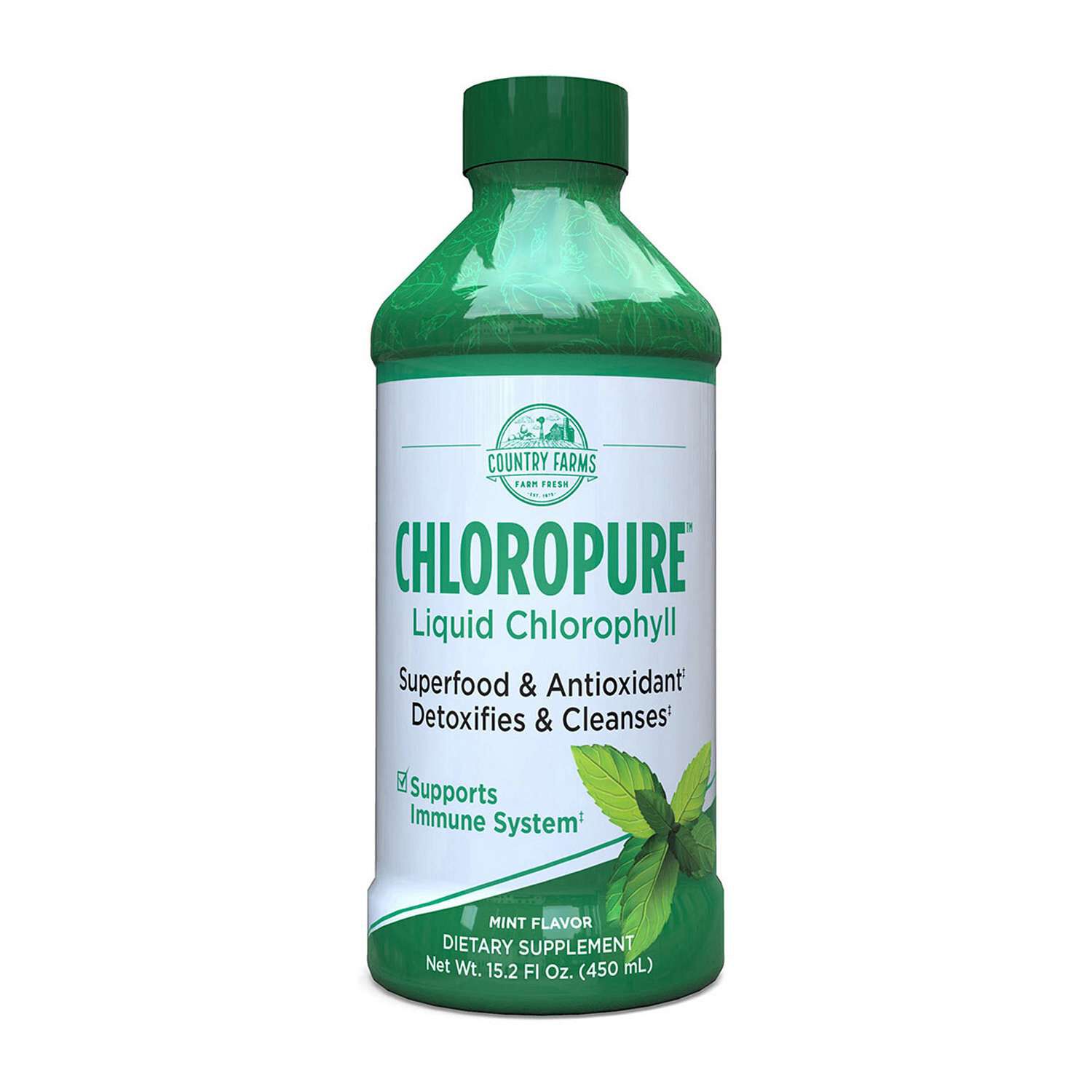
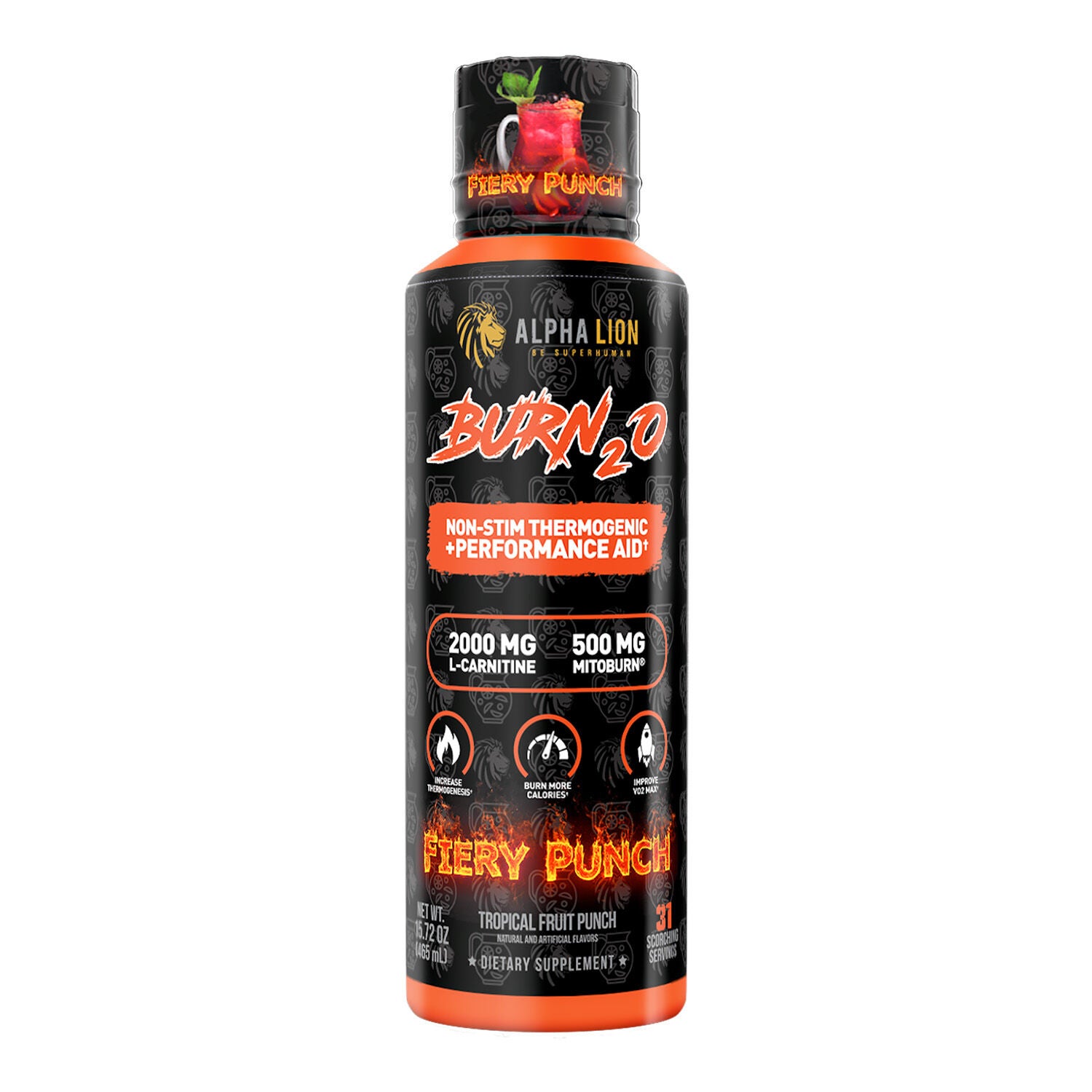
Liquid tonics are drinkable dietary supplements made with vitamins, minerals, botanical ingredients, or combinations of these components. The term describes a liquid format rather than one standard formula, so two tonics can have very different ingredient profiles and intended uses. Some focus on nutrients such as iron or B vitamins, while others feature plant extracts, fruit concentrates, or blended nutritional ingredients. These supplements are distinct from carbonated tonic water, the beverage commonly used in mixed drinks; a nutritional tonic typically has a measured serving and specific directions on its label. For adults who prefer a drinkable format to tablets or capsules, liquid tonics may fit comfortably into an established nutrition routine. Their character varies considerably, from thin, pourable liquids to thicker, syrup-like blends. Flavor can be fruity, earthy, tart, or noticeably herbal, depending on the ingredients and the liquid base. Water, glycerin, juice concentrates, and sweeteners can each contribute to the texture and taste, while some botanical preparations also contain alcohol. A fruit flavor does not necessarily mean the formula contains fruit juice, and an herbal description does not explain every ingredient in the bottle. The ingredient list provides that detail. Likewise, the liquid format alone is not a reason to assume a supplement works faster or has a different nutritional value than another format. The listed nutrients, amounts per serving, and stated purpose offer a more useful basis for comparison. Someone looking for a simple vitamin-and-mineral formula may have different preferences from someone interested in a botanical blend with a pronounced herbal taste. Liquid tonics can suit shoppers who value a measured, drinkable supplement, but their suitability depends on the individual formula rather than the category name. A clearly labeled bottle makes it easier to understand whether its contents match the intended use, dietary preferences, and everyday habits of the person choosing it.
Serving information is particularly important with liquid nutritional supplements because bottle size and serving size are separate details. A compact bottle may hold multiple small servings, while a larger bottle may call for a larger measured portion. The Supplement Facts panel identifies the serving size, nutrients, and amounts associated with that serving; the directions explain how the formula is intended to be used. Measurements may appear in milliliters, teaspoons, or tablespoons, and packaging may include a marked cup or dropper. Clear markings and a readable label matter more than the impression created by a tall bottle or a concentrated-looking liquid. A household spoon is not necessarily equivalent to a marked measuring utensil, so the method specified on the package deserves attention. Some tonics are intended to be taken as packaged, while others include directions for mixing with water or another beverage. That distinction can affect how naturally a formula fits into a morning meal, a lunch break, or another established part of the day. Taste preferences also deserve practical consideration: a tart botanical blend and a sweet fruit-flavored tonic offer different drinking experiences, even when both come in similar bottles. Beyond flavor, the full ingredient list helps shoppers compare sweeteners, colors, preservatives, and the substances used to carry botanical extracts. Dietary descriptions should be considered alongside those details rather than treated as a substitute for them. Someone choosing according to vegan preferences, for example, may want clear information about ingredient sources, while someone avoiding alcohol can look for a formula whose ingredient list matches that preference. Allergen statements provide another point of comparison. The number of servings per container, any instructions after opening, and the clarity of the measuring accessory can also shape the everyday experience. Together, these details distinguish a tonic that suits an existing routine from one that calls for unfamiliar preparation or storage.
Packaging and care influence how practical a liquid tonic is to keep and use. Bottles may be made from glass or plastic, with screw caps, pouring openings, or dropper closures that suit different serving methods. Glass has a substantial feel but requires careful handling, while plastic can be lighter to carry. A narrow opening may make a small portion easier to pour, and an included measuring cup needs a place where it can remain clean between uses. For a bottle kept beside breakfast supplies, a legible label and a closure that is easy to secure can matter as much as its shape. For a bottle carried between home and work, dimensions, weight, and the security of the cap become more noticeable. Original packaging keeps the directions and ingredient information with the contents, which is useful when similar-looking liquids share a cabinet. Storage requirements vary by formula: some labels specify refrigeration after opening, protection from direct light, or a particular period of use once opened. Those instructions, along with the expiration date, are part of the product’s practical care. Certain botanical liquids may have visible sediment or directions to shake before serving, but appearance alone is not a reliable way to judge a formula; the package explains what is expected. Keeping the bottle opening and measuring accessory clean also belongs to ordinary product handling. As a gift, a liquid tonic is a more personal choice than a general beverage, and may be appropriate for an adult who has already expressed a preference for that supplement format and ingredient profile. Flavor, dietary preferences, and storage needs are worth knowing before making that selection. Shoppers comparing drinkable supplements for an exercise routine can also explore Liquid Fitness Boosters, with attention to each formula’s stated purpose and directions. Within liquid tonics, the most meaningful distinctions remain the contents, serving method, taste, packaging, and intended use—details that make the category easier to compare without treating every bottle as interchangeable.
Best Sellers
-
Herbal Goodness
-
 Irwin Naturals
 -
 GNC Pro Performance
 -
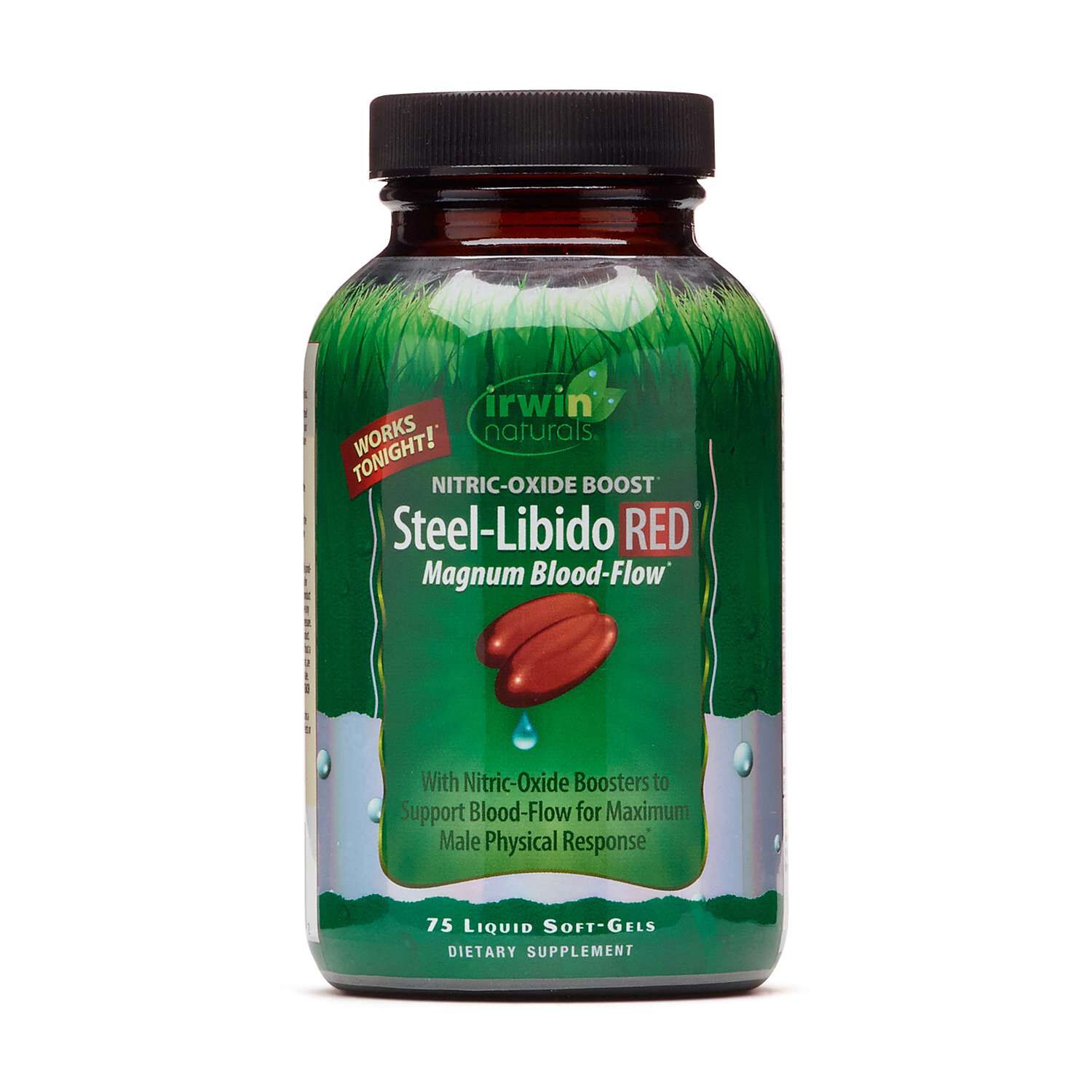 Irwin Naturals
