





Liquid Antioxidant Supplements
(0 Results)
Liquid antioxidant supplements offer a convenient option for those looking to support their wellness routines. These supplements are designed to fit easily into a variety of lifestyles, providing an alternative to traditional capsules or tablets. Explore a range of liquid antioxidant supplements that may complement your daily regimen and help you stay on track with your personal wellness goals.
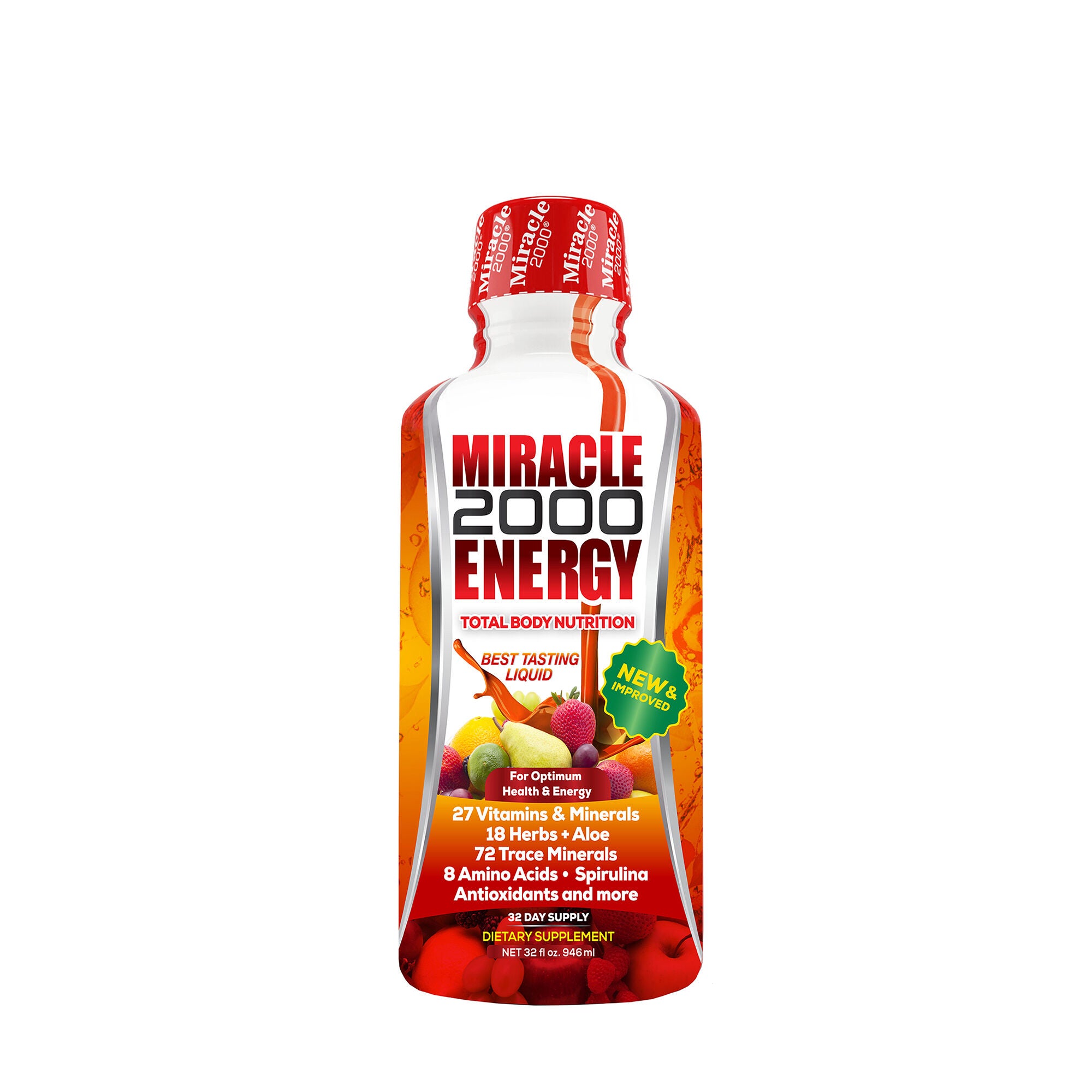

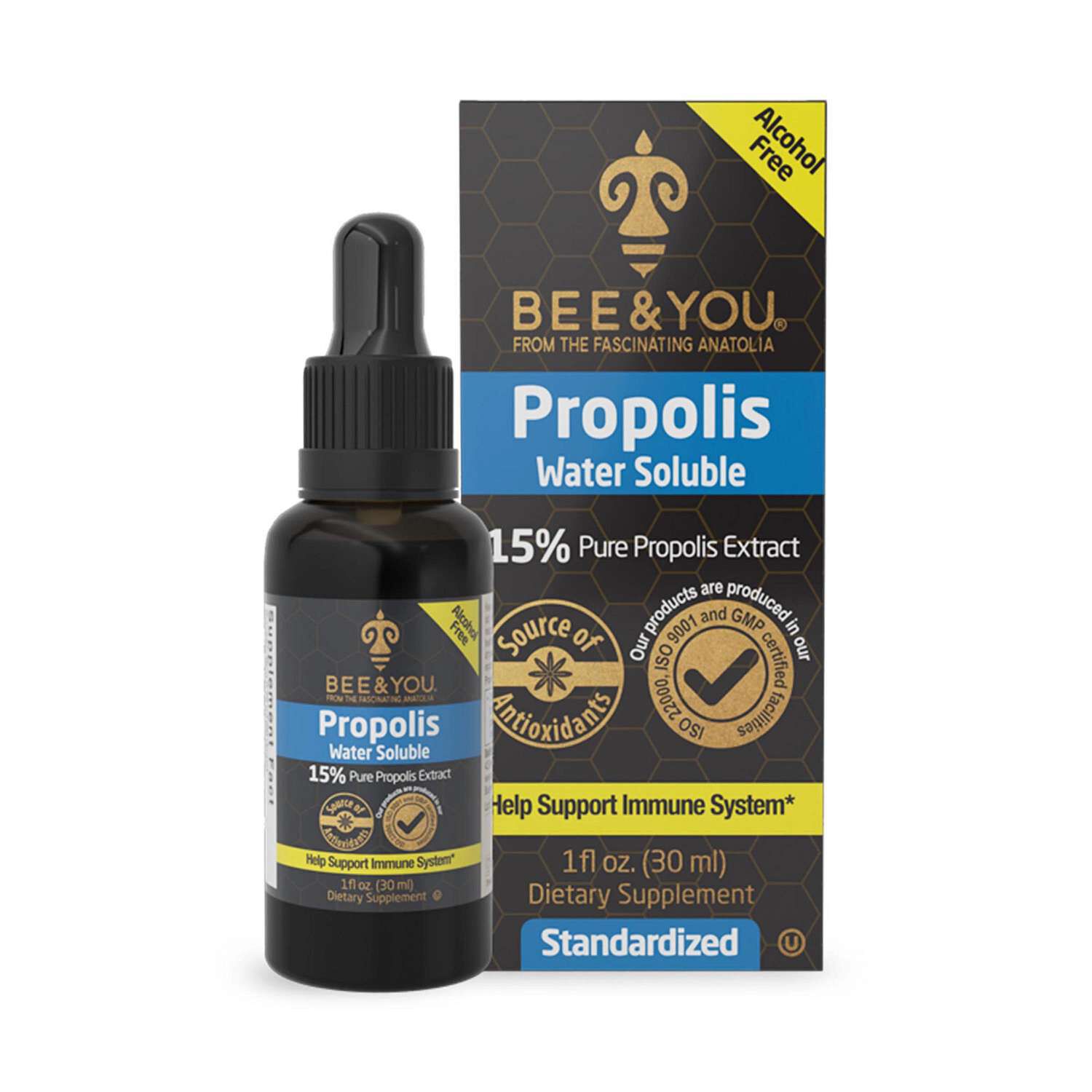
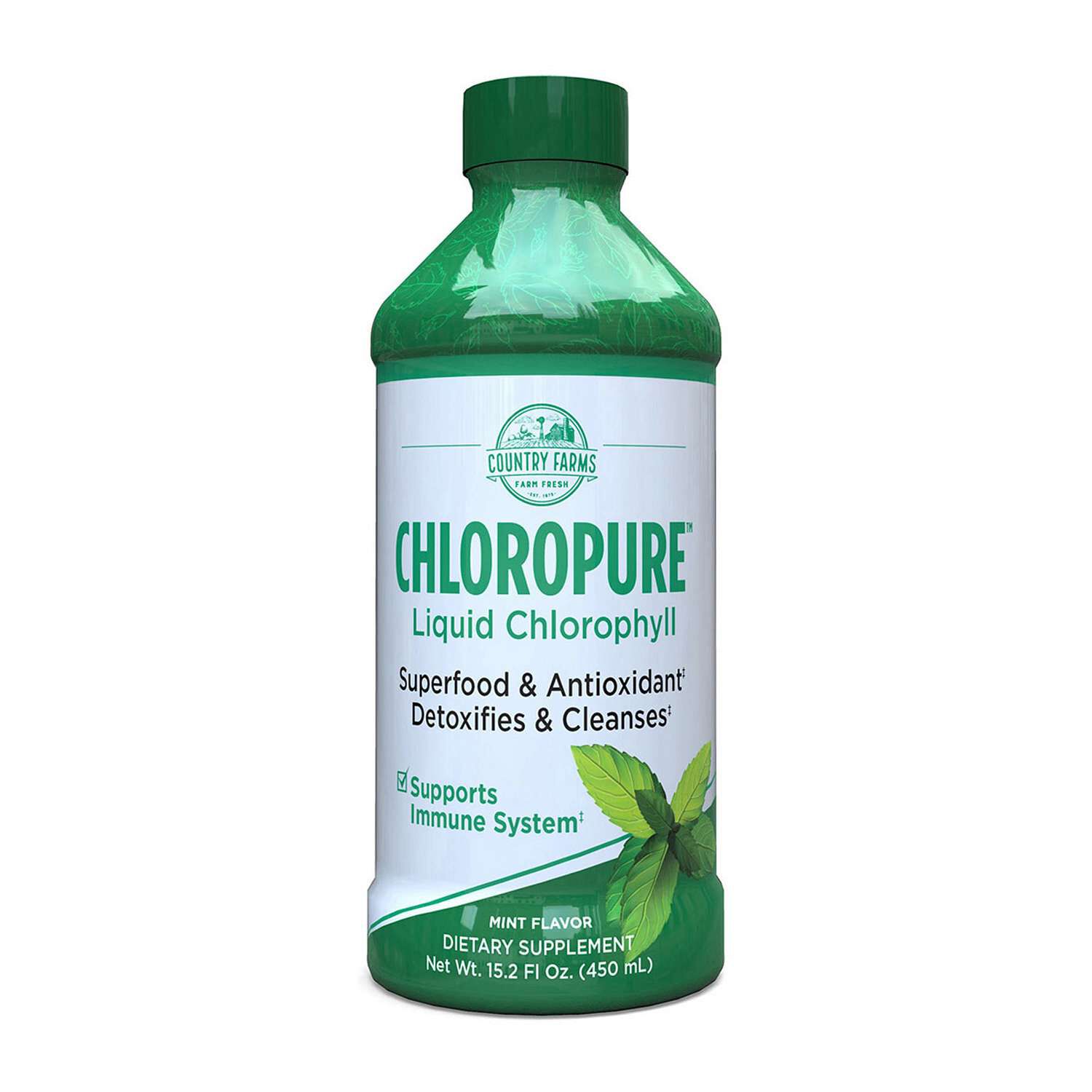
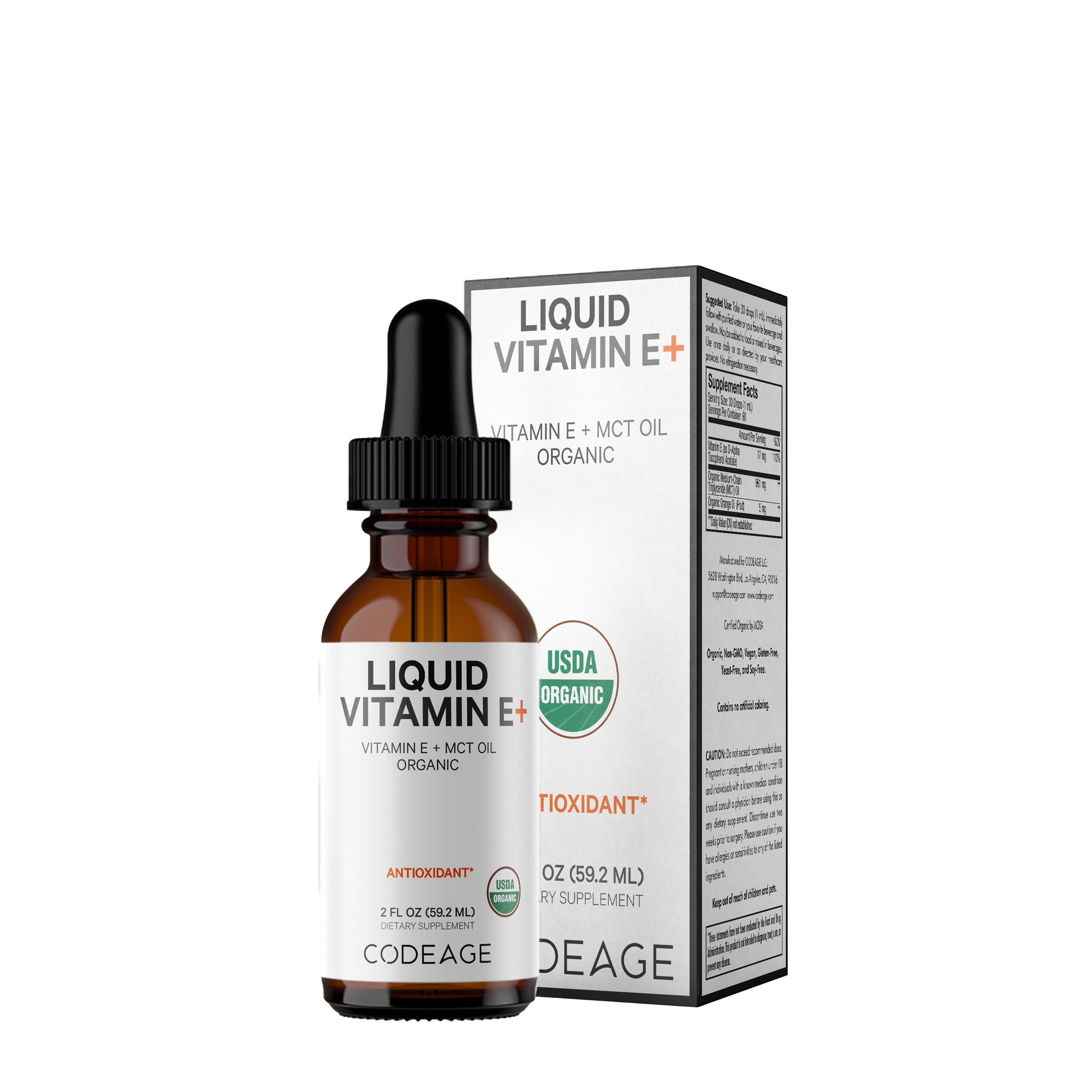

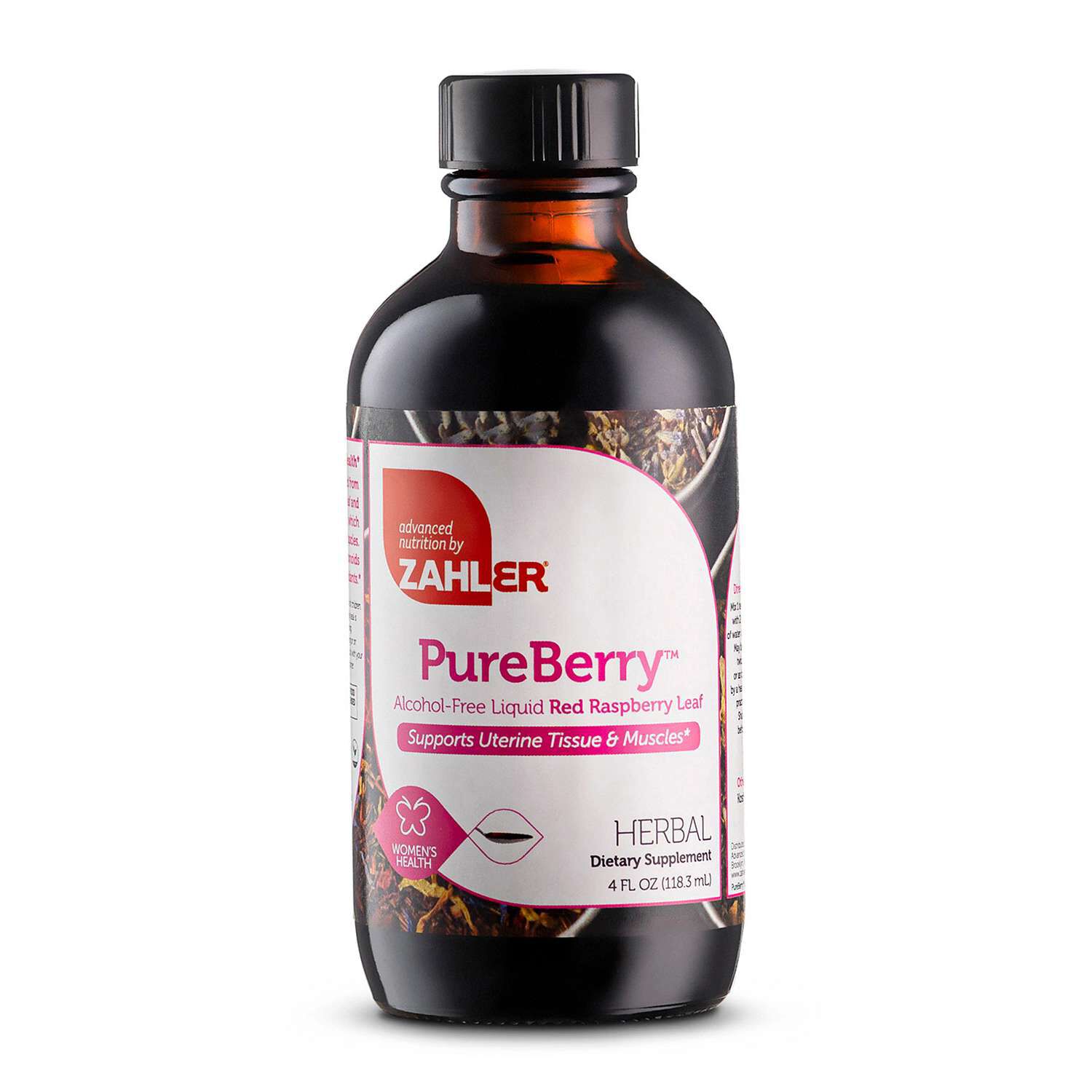

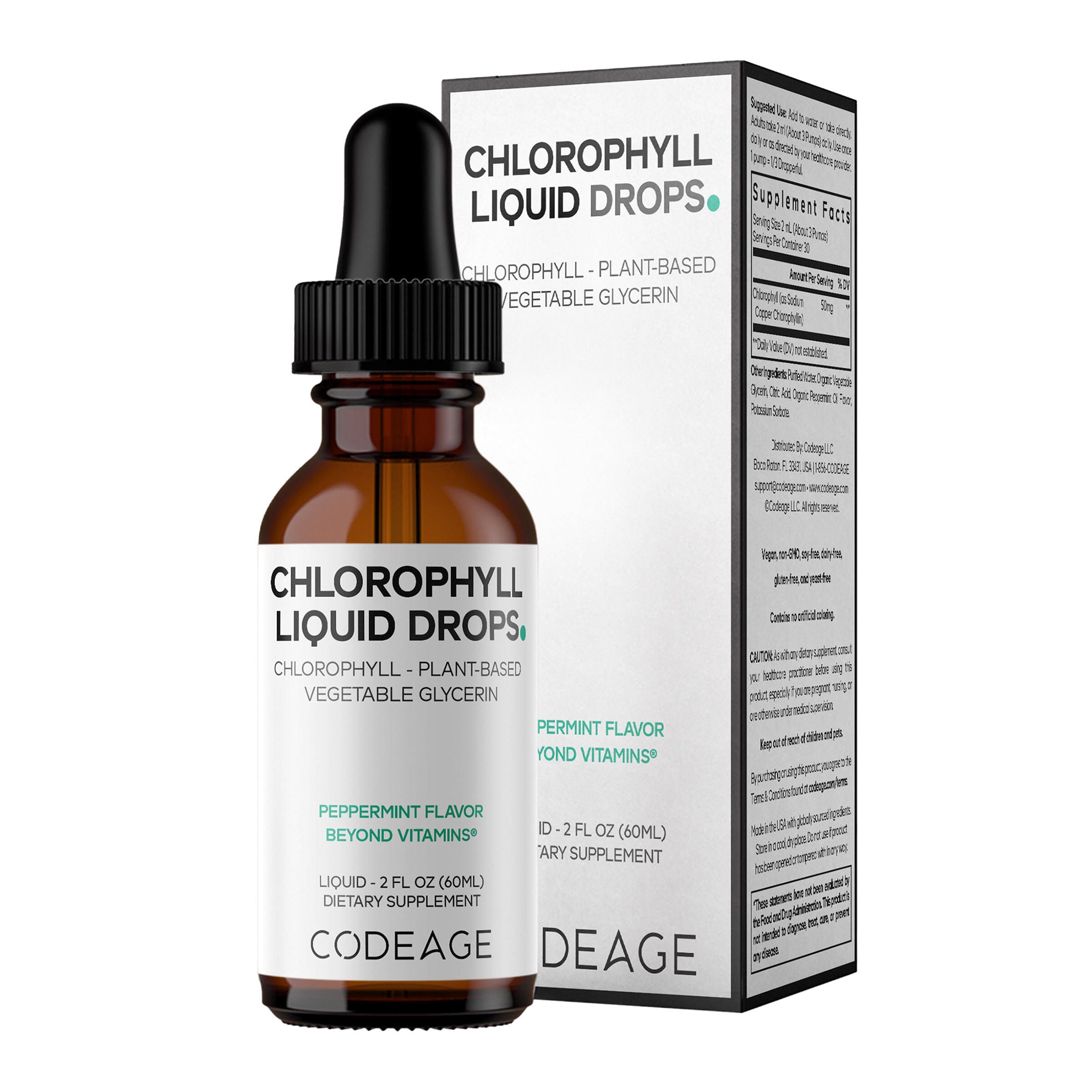

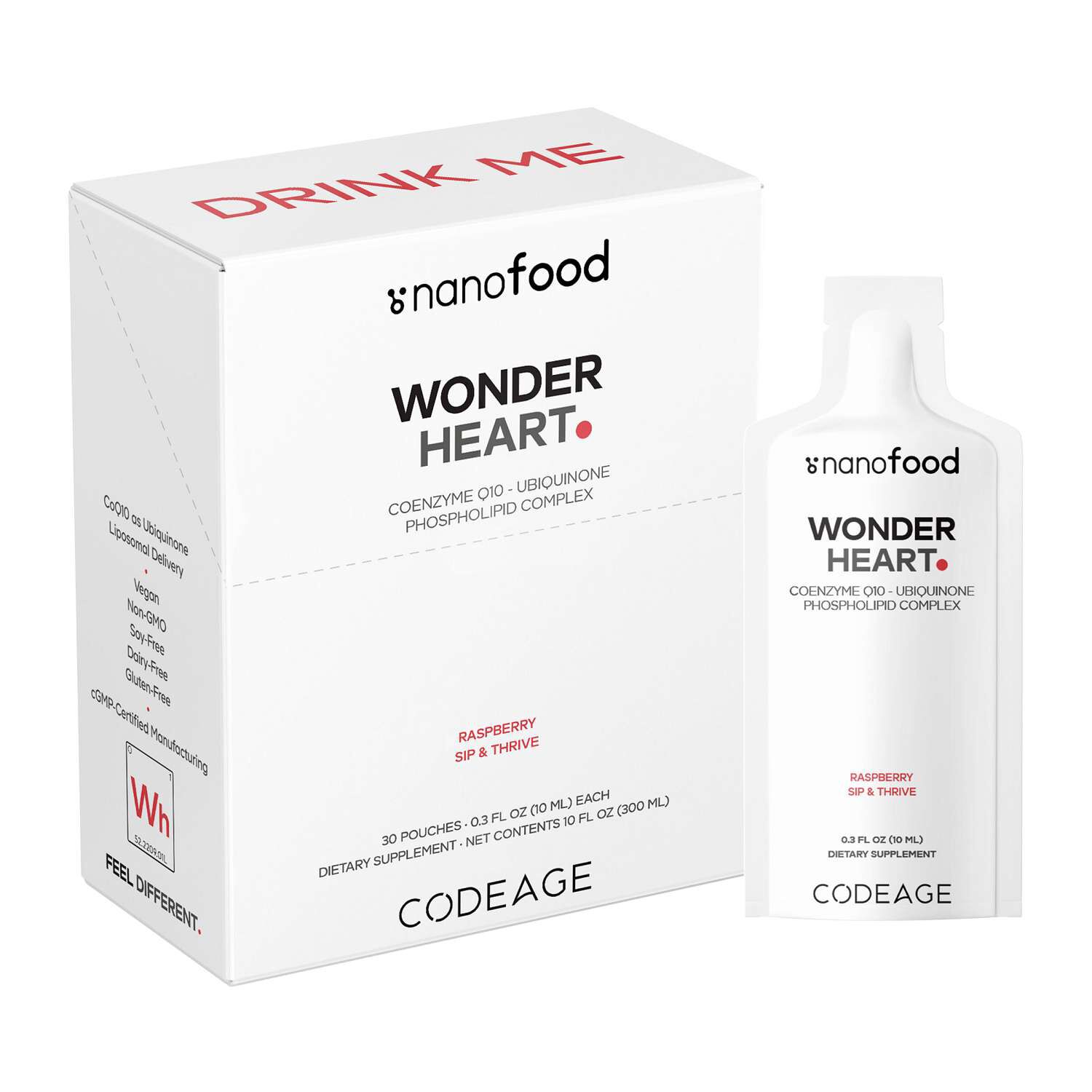


Liquid antioxidant supplements provide antioxidant ingredients in a fluid format rather than a tablet, capsule, or powder. The category includes formulas built around nutrients such as vitamin C or vitamin E, compounds such as glutathione or coenzyme Q10, and plant-derived ingredients with antioxidant activity. Some formulas feature one primary ingredient, while others combine several ingredients in a single serving. That distinction matters more than the liquid format alone: two bottles can look similar while offering quite different ingredient profiles and serving sizes. Common formats include concentrated drops, liquids measured by the teaspoon or milliliter, and individual serving containers. Depending on the directions, a formula may be taken on its own or mixed into a beverage. For adults who prefer an alternative to tablets and capsules, a liquid option may fit more comfortably into an established daily routine. Someone who prepares a breakfast smoothie, for example, might prefer a formula labeled for mixing, while someone who values a shorter preparation routine might favor a measured serving taken directly. Liposomal liquids are another format within this category. These formulations use small structures made from phospholipids to carry ingredients, but the term describes a delivery method, not a reason to assume that every formula performs the same way. A liquid format by itself also does not establish faster absorption or a better nutritional fit than another format. Ingredient identity, serving amount, formulation, and intended use remain important points of comparison. Liquid antioxidant supplements belong within the broader context of everyday nutrition, alongside varied meals and other dietary choices, rather than taking the place of food. Their appeal is often practical as much as nutritional: they offer another way to use supplemental ingredients, with choices in flavor, concentration, packaging, and preparation. Understanding those differences makes the category easier to navigate without treating every bottle as interchangeable.
The most useful comparison starts with the Supplement Facts panel and the amount provided in a labeled serving. Milliliters describe the volume of liquid, while milligrams or micrograms describe the amount of a particular ingredient; a larger spoonful does not necessarily contain more of the ingredient being compared. Likewise, the amount in one drop is not the same as the amount in a full dropper, and dropper markings can differ between containers. A concentrated formula may call for a small measured portion, while another liquid may use a larger serving. Reading the serving size alongside the ingredient amounts gives those numbers context. For a blend, the label can also show whether each ingredient has a stated amount or appears within a combined blend. Ingredient names deserve the same attention as the numbers. A vitamin-focused formula differs from one centered on botanical extracts, even when both are described as liquid antioxidants. Botanical labels may identify the plant, the part used, and details about the extract, making comparisons more meaningful than a front-label description alone. The other ingredients list adds another layer of information about the liquid itself, including water, oils, glycerin, flavorings, sweeteners, or ingredients used to maintain consistency. These details can matter to someone who prefers a lightly flavored liquid, avoids a particular ingredient, or wants a formula suited to mixing into a familiar drink. Sweetness, tartness, aroma, and texture can all influence whether a format feels practical for regular use. A citrus-flavored liquid stirred into juice presents a different experience from an oil-based formula taken directly, and neither approach suits every preference. Directions for mixing are worth checking before planning to add a serving to coffee, a smoothie, or another beverage. Labels may also carry dietary suitability statements, allergen information, or third-party testing marks. Each statement has a particular meaning, so looking at what it actually covers is more useful than assuming it applies to every aspect of the formula. Together, these details create a clearer picture of what is inside the container and how it is intended to be used.
Packaging and care are especially relevant for liquid supplements because the container and measuring method are part of the everyday experience. Bottles may use glass or plastic, with a dropper, measuring cup, or another dispensing closure. Amber or opaque packaging limits light exposure, but it does not replace the storage directions printed on the label. Some liquids require refrigeration after opening, and some specify a period for use once opened; those instructions are separate from the printed expiration date. Directions may also call for shaking before measuring, particularly when ingredients can settle between uses. A securely closed cap, a clean measuring accessory, and attention to the bottle opening are practical considerations for keeping the container ready for its next use. Glass deserves care when packed in a bag, while any liquid container benefits from a closure that stays secure during transport. Keeping the original packaging also preserves access to the serving directions, ingredient list, and storage information. For a shared household, a clearly marked measuring cup or dropper can make the labeled portion easier to distinguish from an ordinary kitchen spoon. These small details may make a liquid format more convenient for someone who already has a settled supplement routine, while others may prefer the simpler handling of a capsule. Liquid nutrition also extends beyond antioxidants. The Liquid Amino Acid Supplement page offers a related category to explore, although amino acid formulas and antioxidant formulas have different ingredient focuses. A shared delivery format does not make them substitutes for one another. Within liquid antioxidant supplements, the most relevant choice comes down to the formula’s stated purpose, its ingredient amounts, and the practical requirements of using and storing it. A clearly labeled serving, an acceptable flavor, and manageable preparation steps may matter more to everyday use than an elaborate bottle or a long ingredient list.
Best Sellers

Related Pages



Top Collections
- Joint Mobility Supplement Packs
- Zinc Supplements | Top Brands at Great Prices | GNC
- Supplements For Yoga Joint Flexibility
- Supplements For Balance
- Capsule Supplements For Energy And Stamina
- Iron Supplements
- Supplements For Anxiety Relief Support
- Vitamins For Hair Loss
- Cortisol Supplements
- Adult Mobility Supplements