Liquid Immune Support For Adults
(0 Results)
Liquid immune support for adults offers a convenient way to incorporate wellness-focused supplements into your daily routine. With easy-to-take formulas, these options may fit seamlessly into busy lifestyles. Whether you’re looking to complement your existing regimen or explore new ways to support your overall well-being, liquid immune support for adults could be a simple addition to consider. Discover a variety of choices that may align with your unique needs and preferences.
-
-

-
-

-

-
-

-

-
 Sprayology$38.99
-
 Nature's Fusions$19.99
-

-

-

-

-
-
-
-

-
 61$74.99
-
-
-

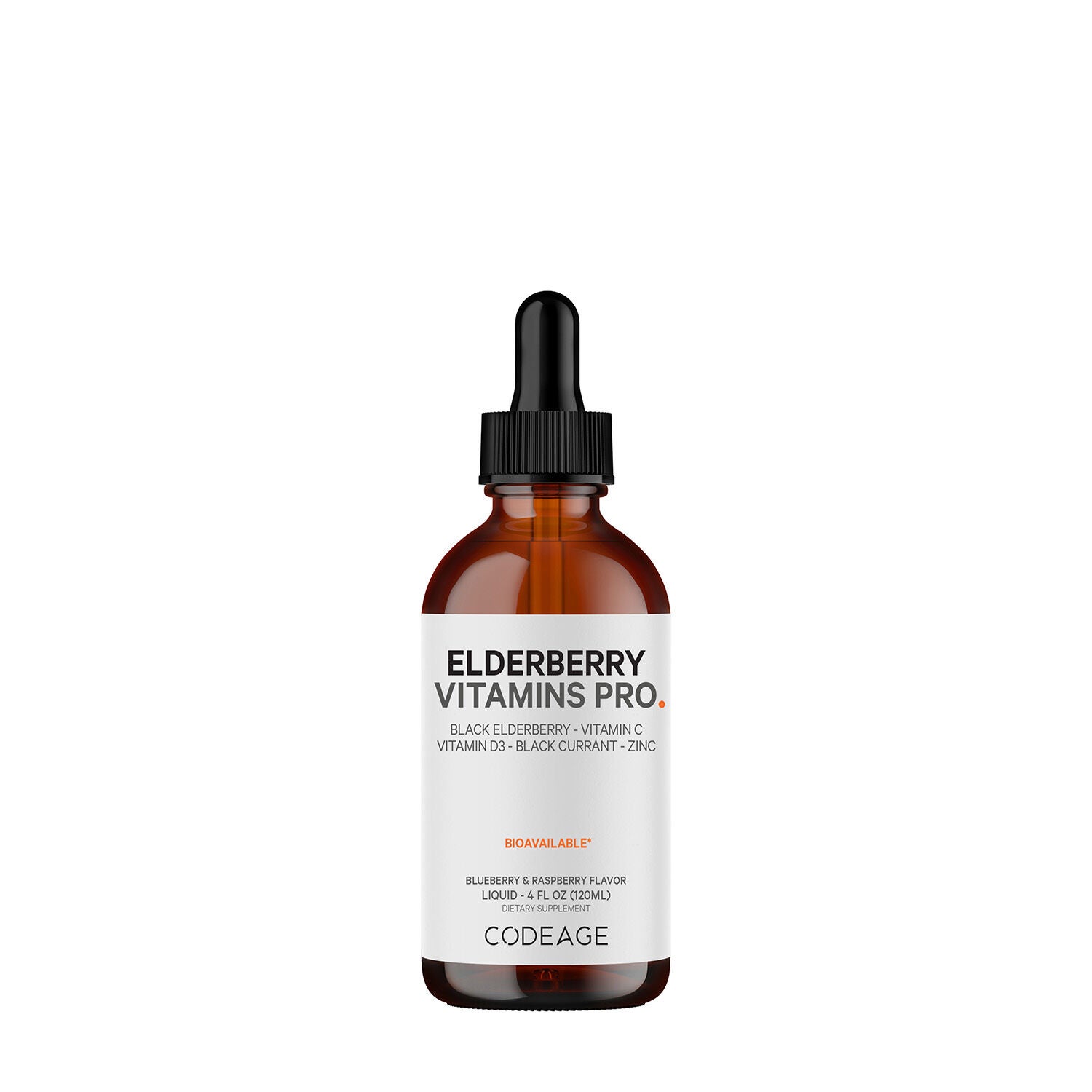

Liquid immune support for adults includes nutritional supplements in drinkable and dropper-style formats, with ingredient combinations intended to complement everyday nutrition. For adults who prefer a liquid to a capsule or tablet, this format may feel like a more natural fit alongside breakfast, a packed lunch, or another established part of the day. Formulas in this category may feature vitamin C, vitamin D, zinc, or combinations of nutrients, while other formulations include botanical ingredients. Those differences matter more than the shared liquid format: two bottles with similar sizes or flavors can have distinct ingredient amounts, serving directions, and intended uses. Some liquids are measured in small portions, while others have a larger serving volume, so the amount of liquid is not a reliable shorthand for the amount of a particular nutrient. The Supplement Facts panel puts that information in context by identifying the serving size and the amount of each listed nutrient per serving. Taste and texture are also practical parts of the experience. A bright citrus flavor, a mellow berry profile, or a less sweet formula may suit different preferences, especially when a supplement becomes part of a regular routine. Some liquids have a thin, juice-like consistency; others have a more concentrated texture that is noticeable when taken on its own. Mixing directions vary, and a formula intended for direct use is not necessarily handled the same way as one labeled for mixing into a beverage. For someone who already enjoys a small glass of water with breakfast, a measured liquid serving may suit that familiar setting. For someone who prefers a minimal countertop setup, the bottle shape, closure, and included measuring accessory may be equally relevant. These everyday details give liquid immune support its own character within adult nutrition, without making the format itself a substitute for thoughtful ingredient comparisons or varied meals. A preference for liquid is ultimately a preference about format; the label still defines what is inside and how the supplement is intended to be used.
Ingredient lists offer another way to distinguish liquid immune support formulas beyond flavor or bottle design. A nutrient-focused formula and a blend containing several botanical ingredients represent different approaches to formulation, even when both sit within the same category. The named nutrient sources, amounts per serving, and other ingredients provide a fuller picture than a front-label description alone. Sweeteners, flavorings, preservatives, and ingredients used to maintain consistency can all be part of that picture. Adults with particular dietary preferences may also compare vegetarian or vegan labeling, the source of certain ingredients, and any allergen statements on the package. A fruit flavor does not necessarily indicate that fruit juice is a primary ingredient, just as a darker color does not establish the amount of a nutrient. Serving information is especially useful when comparing a concentrated liquid with a larger-volume drink. A smaller serving is not automatically a gentler or stronger option, and the number of servings in a bottle depends on the labeled portion rather than the container’s appearance. The same attention to detail applies when a daily routine already includes a multivitamin, a fortified beverage, or another nutritional supplement: the ingredient names and amounts provide context for understanding overlap. Adults exploring neighboring categories such as Liquid Antioxidant Supplements may notice some similar nutrients, although each formulation has its own composition and stated purpose. Category names describe a focus, not a standardized recipe. Within liquid immune support, that leaves room for different preferences around ingredient variety, flavor intensity, and serving style. Someone who values a short ingredient list may approach the category differently from someone looking for several nutrients in one formula. Neither the length of an ingredient list nor the number of featured ingredients, by itself, describes how well a format may suit an individual’s preferences. Clear labeling and understandable serving information provide more useful points of comparison than elaborate packaging language. They also give shoppers concrete details to weigh alongside taste, texture, and the practical demands of an everyday routine.
Packaging and storage are important parts of living with a liquid supplement, particularly after the bottle has been opened. Storage directions vary by formula, including whether refrigeration is required and how the container should be handled between servings. The original label is the reference for those details, along with any instructions about shaking, measuring, or use after opening. A dropper, marked cup, or other included measuring accessory corresponds to a particular serving format; an ordinary kitchen spoon is not the same measuring tool. Small markings, the width of a bottle opening, and the shape of a cap are easy to overlook in a photo, yet they are tangible features during regular use. A clearly marked accessory may make a measured serving easier to read, while a securely closed container may be a practical consideration for someone carrying a supplement between home and another destination. Transport requirements still depend on the storage instructions, including any refrigeration requirements. At home, a bottle may share space with breakfast dishes or sit in a designated cabinet, but its storage location should reflect the label rather than convenience alone. Clean measuring accessories, a properly replaced closure, and the original packaging are straightforward considerations for keeping the routine organized. Flavor preferences deserve similar attention over time: a pronounced citrus taste that sounds appealing in a description may be a different experience from a lightly flavored liquid taken with a meal. Where the directions permit mixing, the taste and volume of the chosen beverage also become part of the serving experience. These details are especially relevant for adults who value familiar textures or have a strong preference about sweetness. Liquid immune support is not one uniform drinking experience, and bottle size alone says little about its suitability for a particular routine. Ingredient transparency, manageable serving directions, appropriate storage, and an agreeable taste profile are practical considerations when comparing adult liquid supplements for everyday use.