





Nutritional Tablets
(0 Results)
Looking to support your overall health and well-being? Nutritional tablets might be just what you need. These convenient supplements may offer a range of vitamins, minerals, and other nutrients to help fill potential gaps in your diet. Whether you're aiming to bolster your immune system, support energy production, or maintain general wellness, nutritional tablets could be a beneficial addition to your daily routine. Explore our selection and find the perfect fit for your health goals.
-
-

-

-
-
-
 Swolverine$22.99
 -
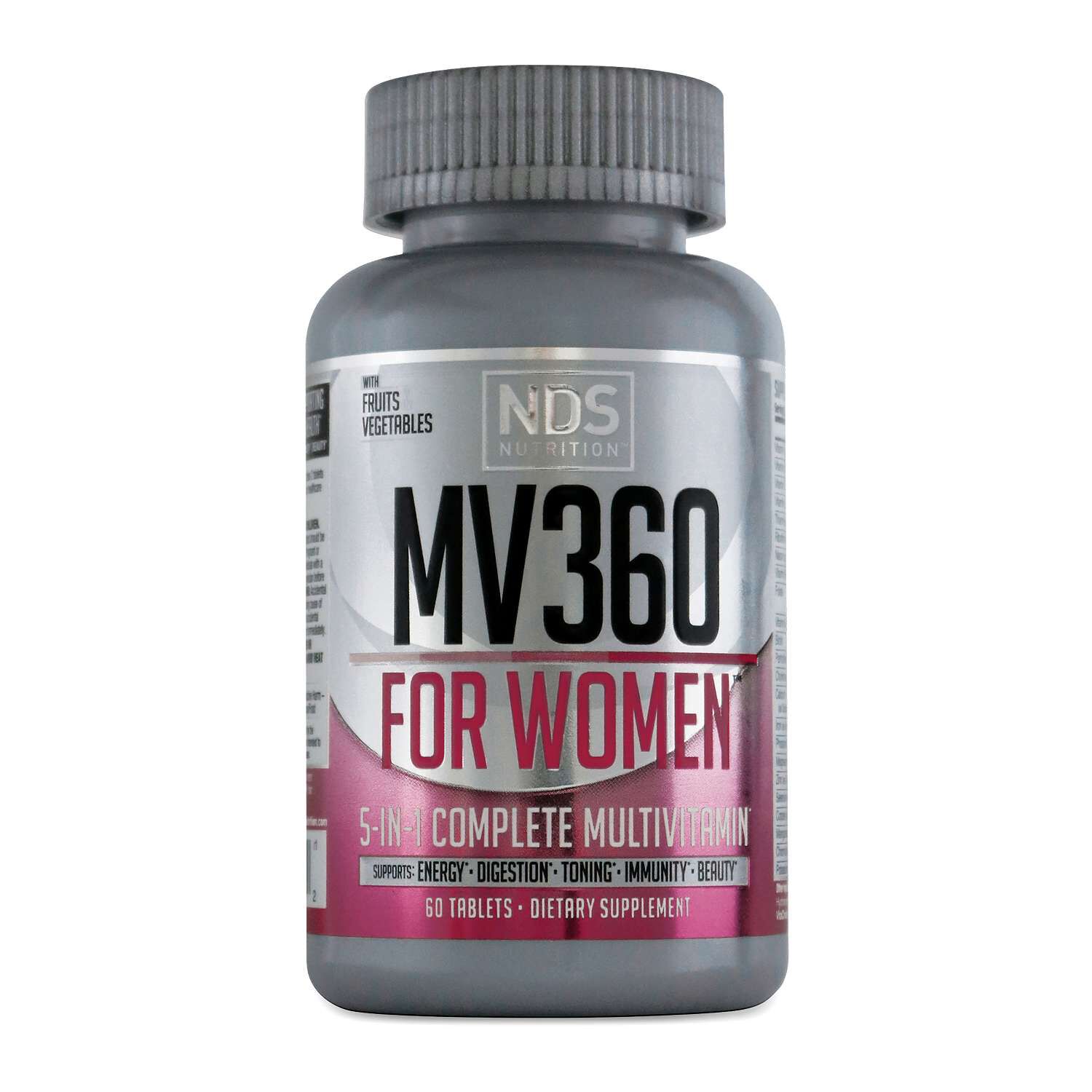 NDS Nutrition$49.99
 -
 Amazing Nutrition$13.99
 -
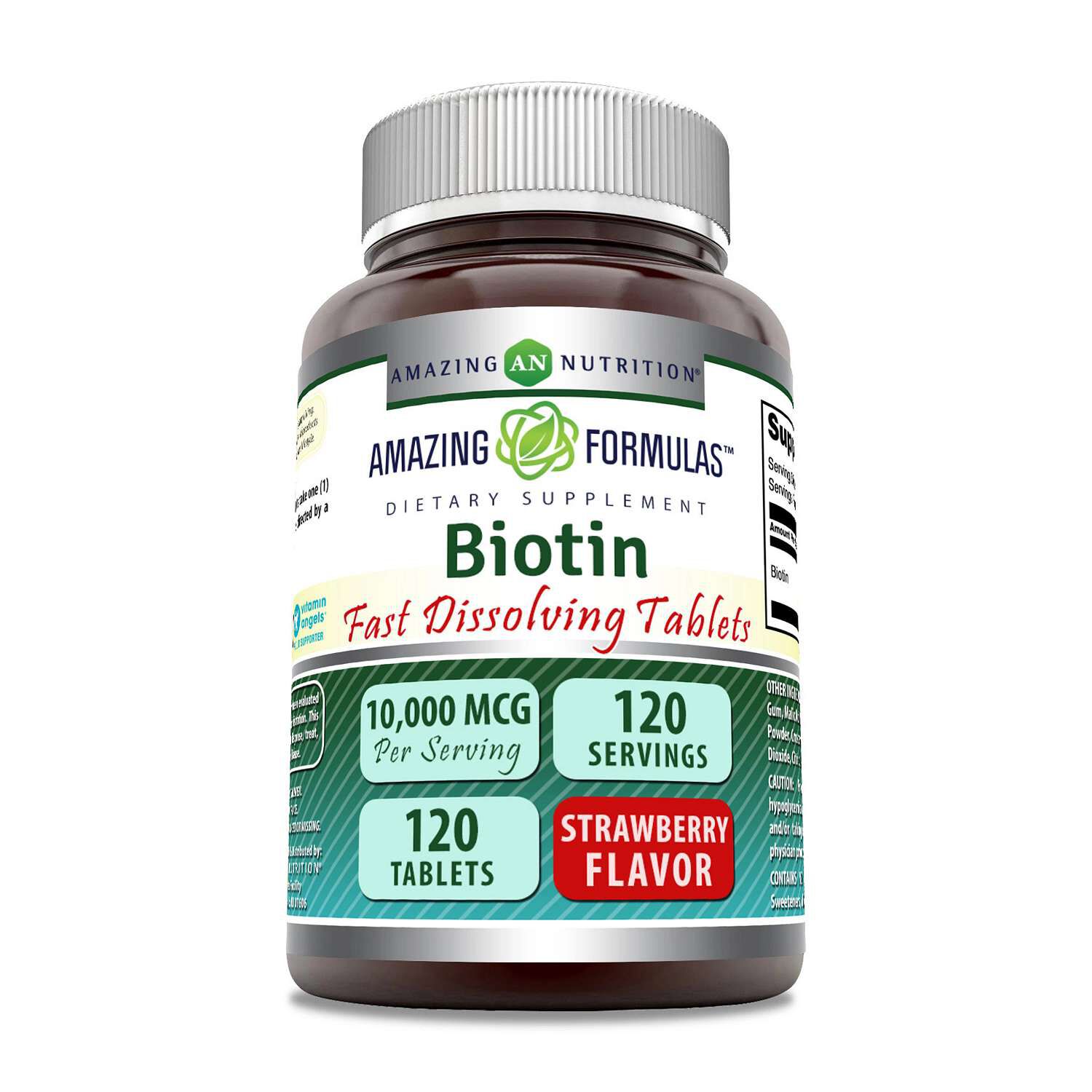 Amazing Nutrition$13.99
 -

-
_Front.jpg?sw=305&sh=305&sm=fit "Junior Multi - 180 Tablets - 180 Tablets (180 Servings) | GNC")
-
 Amazing Nutrition$13.99
 -
 Amazing Nutrition$13.99
 -

-
-

-

-

-

-


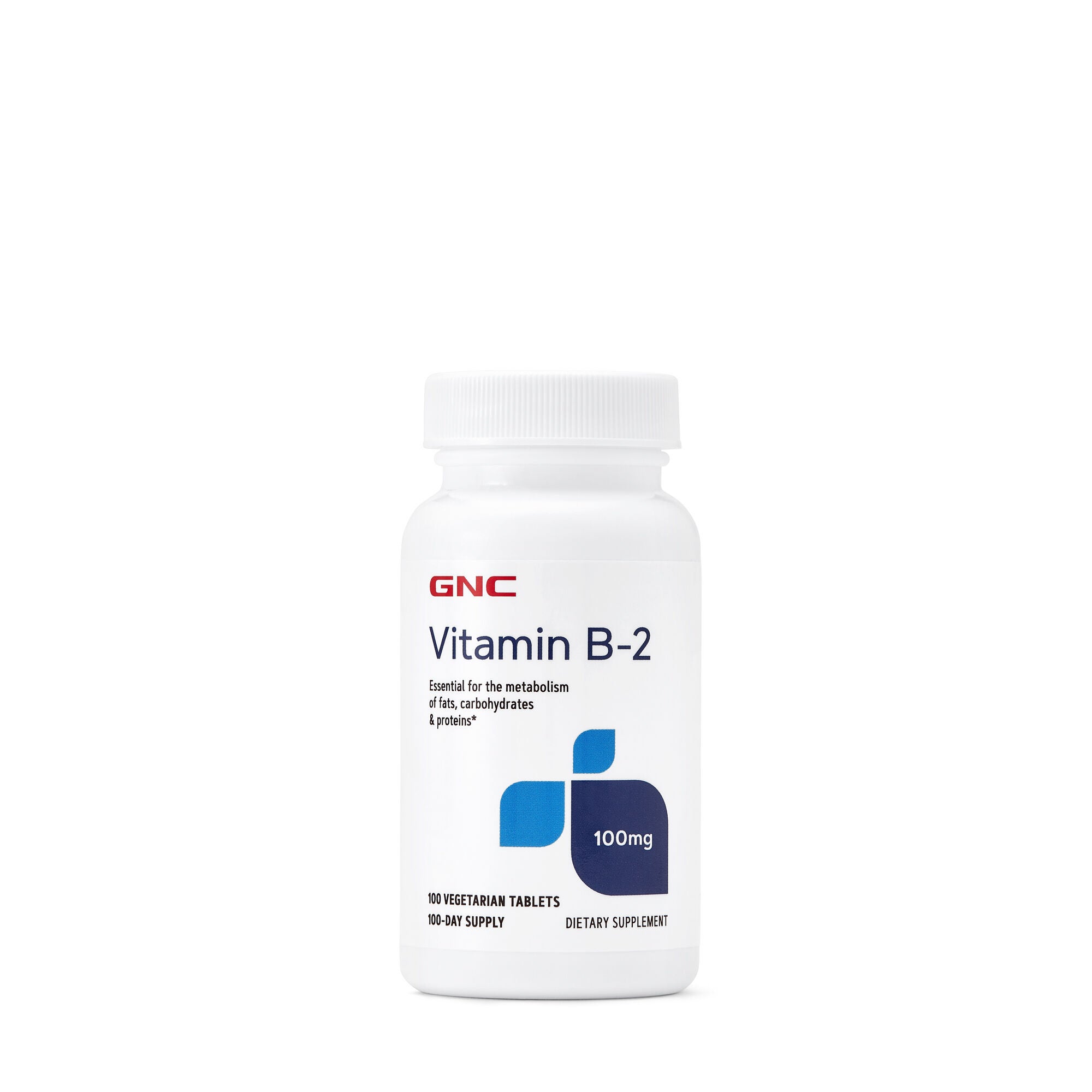

Nutritional tablets are dietary supplements made by compressing measured ingredients into a solid form. The category includes multivitamins, individual vitamins, mineral supplements, and combinations of nutrients in a single formula. Common ingredients include vitamins A, C, D, and E, B vitamins, and minerals such as calcium, magnesium, and zinc. Some formulas bring together a broad assortment of nutrients, while others focus on one vitamin or a smaller group of ingredients. Nutritional tablets may complement a varied eating pattern by adding nutrients beyond those present in everyday meals. They are not substitutes for the variety of foods that belong on the table, from vegetables and fruit to grains and protein sources. The distinction matters when comparing a broad multivitamin with a more narrowly focused formula: a longer ingredient list is not automatically a better match for every shopper. Tablets also have practical characteristics that set them apart from powders, liquids, gummies, and capsules. They do not require a scoop, mixing container, or flavor selection, and their solid shape suits shoppers who prefer a straightforward format. Some tablets have a smooth coating, some are chewable, and others are designed to dissolve in water, so the directions on the package matter as much as the category name. A bottle beside the breakfast dishes and a container packed for an overnight trip represent different routines, but both make packaging and serving information worth a closer look. Adults browsing nutritional tablets may be comparing options for an established supplement routine, a change in food preferences, or a preference for fewer preparation steps. Formulas labeled for different adult age groups or audiences add another point of comparison, although the intended audience alone does not describe every difference between them. Within the broader category of Nutritional Health Supplements, tablets offer a distinct format with their own ingredient, texture, serving, and storage considerations.
A useful comparison starts with the Supplement Facts panel rather than the front of the bottle. The panel identifies the serving size, listed nutrients, amounts per serving, and percent Daily Value where one has been established. Amounts may appear in milligrams or micrograms, depending on the ingredient, making the unit an important part of the number. Serving size deserves particular attention because one serving can consist of more than one tablet. A container holding ninety tablets, for example, does not necessarily represent ninety servings. Daily Value percentages offer a shared label reference; a larger percentage does not, by itself, establish that a formula is a better personal fit. Ingredient names also matter. Two mineral tablets may feature the same nutrient in different ingredient forms, and a vitamin blend may combine several nutrients that also appear in another supplement. Looking at the actual contents gives a clearer picture than relying on similar-looking package descriptions. Beyond the featured nutrients, tablets can contain binders, coatings, and other ingredients used in manufacturing. These components contribute to the tablet’s physical structure, surface, color, or flavor, depending on the formula. Shoppers with dietary preferences can look for clearly stated vegetarian or vegan suitability and review the full ingredient list rather than assuming that every tablet uses the same materials. Allergen statements are another separate label detail. Fit, in this category, is largely about the match between the formula, its labeled audience, and the physical format a person prefers. Tablet dimensions, shape, and coating can vary considerably even among supplements with similar nutrient lists. Someone who dislikes a large oval tablet may prefer a smaller format, while another shopper may be comfortable with a larger tablet but prefer fewer tablets per labeled serving. Chewable versions introduce additional considerations such as flavor, texture, and sweetening ingredients. Package images can help show the format, but written size information and directions offer more concrete detail when comparing similar options.
Intended use and everyday handling round out the comparison. A conventional tablet, a chewable tablet, and a water-dissolving tablet are not interchangeable in how they are used, even when their names mention the same vitamin. The package directions distinguish these formats and describe the intended serving and method of use. A label that specifies use with food also presents a different practical routine from a format with other directions. For someone whose mornings involve packing lunch and heading out the door, that detail may matter more than a decorative bottle or a lengthy front-label description. For someone who travels often, container dimensions, closure design, and readable labeling may be more relevant. Portability is not the same as resistance to every environment: tablets and their packaging can be affected by moisture, heat, and rough handling. Storage instructions, a securely closed container, and an intact package deserve attention, especially in places such as a steamy bathroom or a car that warms up during the day. Original packaging keeps the ingredient panel, directions, lot information, and date marking together, which is useful when a bottle moves between home and a travel bag. Tablet durability is about maintaining the intended condition during ordinary storage, not treating the contents as something that can tolerate any handling. A damaged seal, an unreadable label, or contents that differ from the package description are details worth resolving before use. Household storage also calls for keeping supplements out of children’s reach rather than leaving an open bottle on a shared counter. For a shared household, distinct labels and separate containers may make individual routines easier to organize. As a purchase for another adult, nutritional tablets are a personal choice, so a known preference is more useful than guessing from an age-range label or a general wellness interest. Across the category, the most meaningful distinctions are concrete: which nutrients are listed, how much appears in a serving, how many tablets make up that serving, what other ingredients are present, and how the format fits the intended routine. Those details give nutritional tablets context beyond the bottle’s front label.
Best Sellers
-
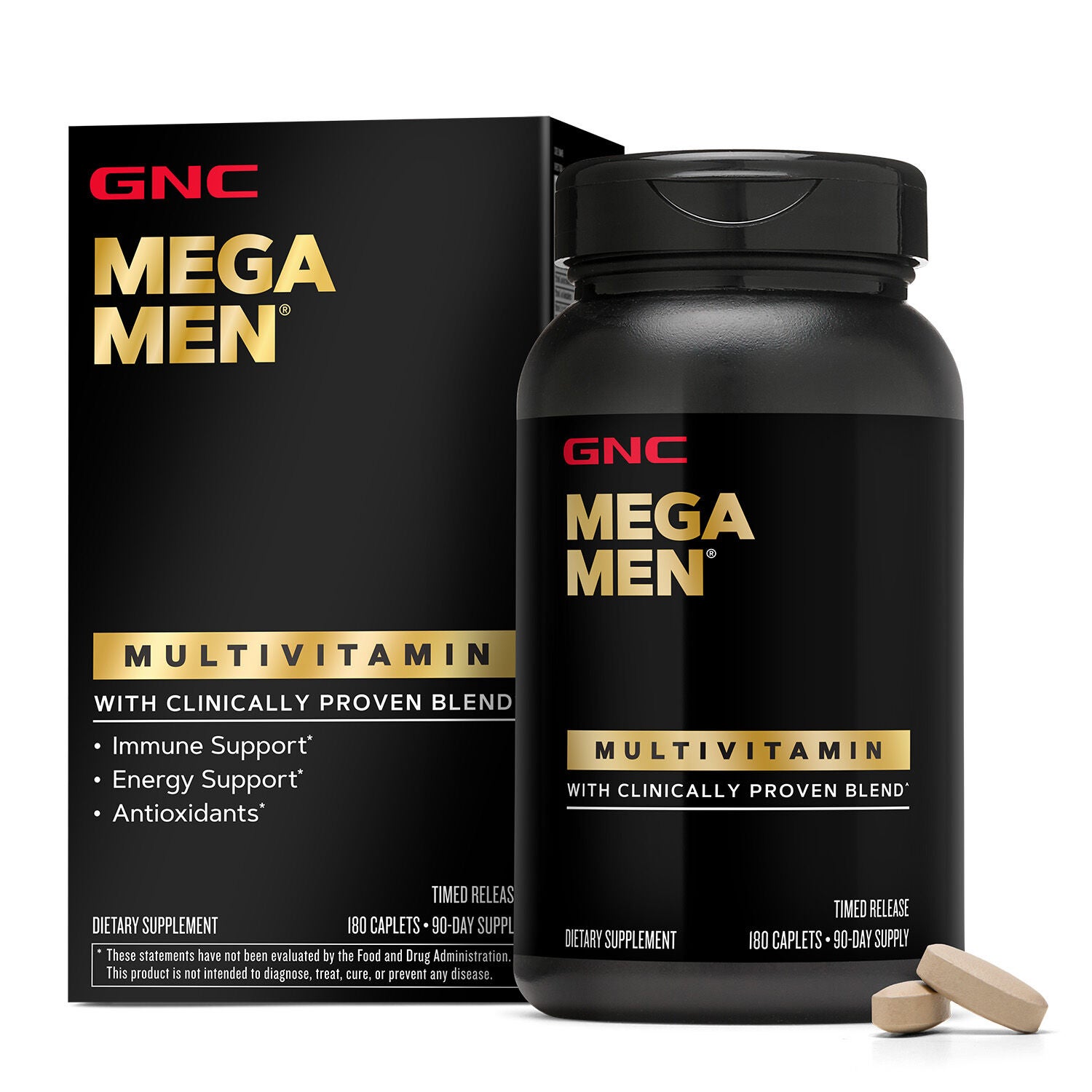 GNC Mega Men
 -
 GNC Mega Men
 -
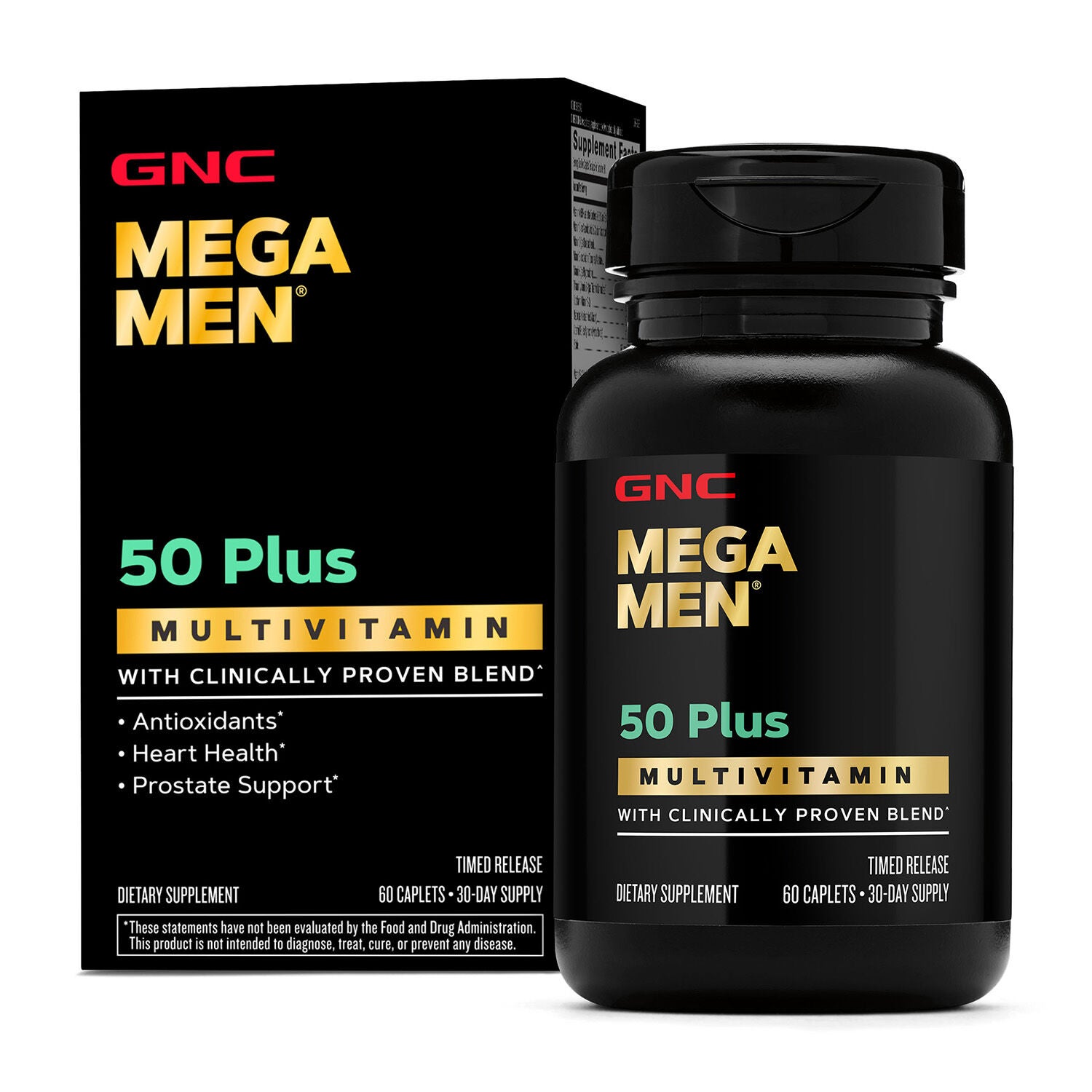 GNC Mega Men
 -
 GNC Mega Men
Related Pages


Top Collections
- Daily Collagen Supplements | Top Brands & Deals | GNC
- Natural Collagen Supplements | Top Brands & Deals | GNC
- Top Rated Collagen | Shop Customer Favorites | GNC
- Cortisol Supplements
- Vitamins For Hair Loss
- Spirulina Tablets
- NAD+ Supplement Tablets
- Peptide Supplements
- Best Brand of Magnesium Glycinate
- Vitamins That Help Support Weight Gain