





Organic Gut Health Products
(0 Results)
Discover a curated selection of organic gut health products designed to support your wellness journey. Choosing options made with organic ingredients may offer peace of mind for those seeking cleaner alternatives in their daily routine. Explore how organic gut health products could fit seamlessly into your lifestyle and help you prioritize digestive well-being with every choice.
-
-
-
 209$34.99
-
-

-

-
-
 $26.99
-

-

-

-
-

-

-

-
-
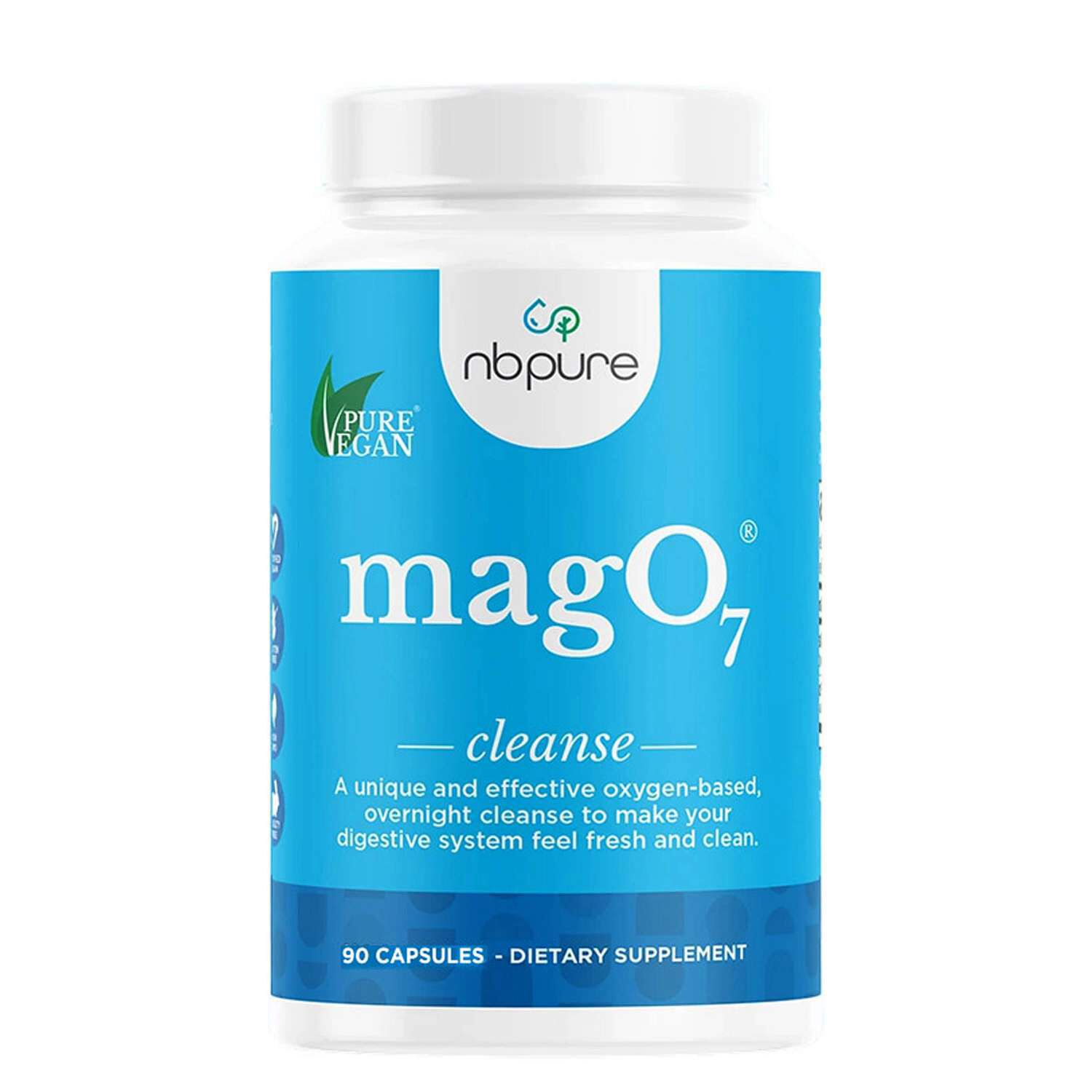
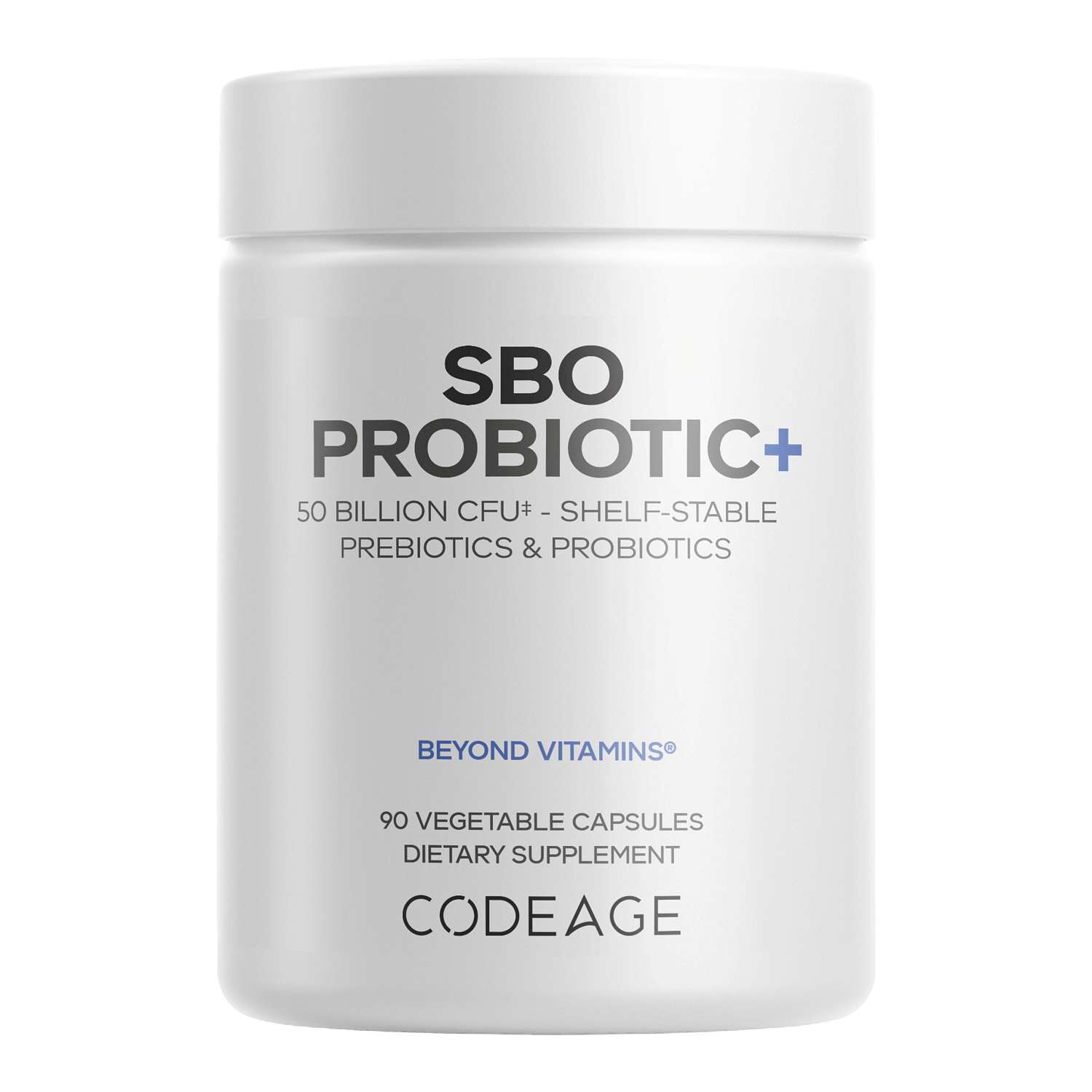
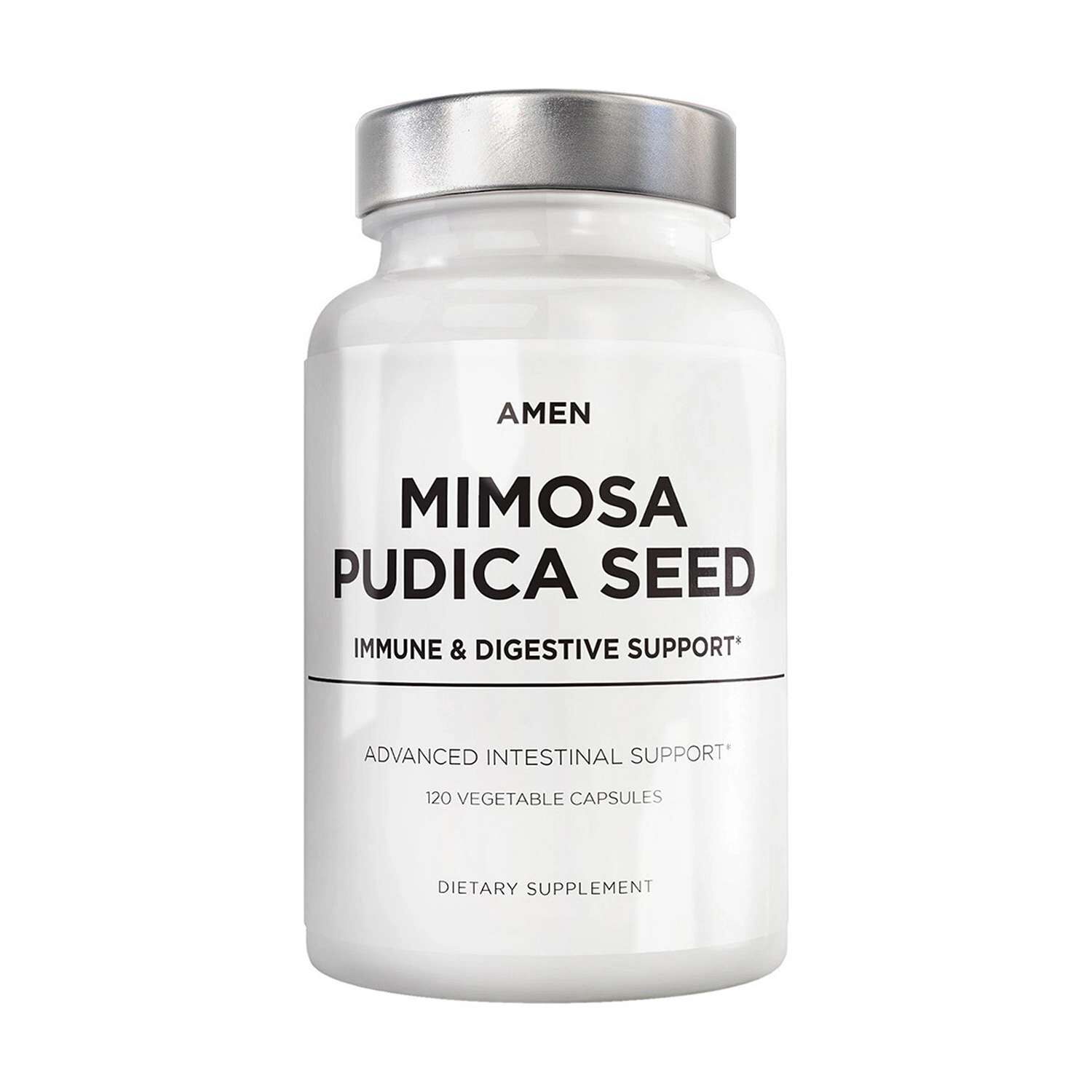


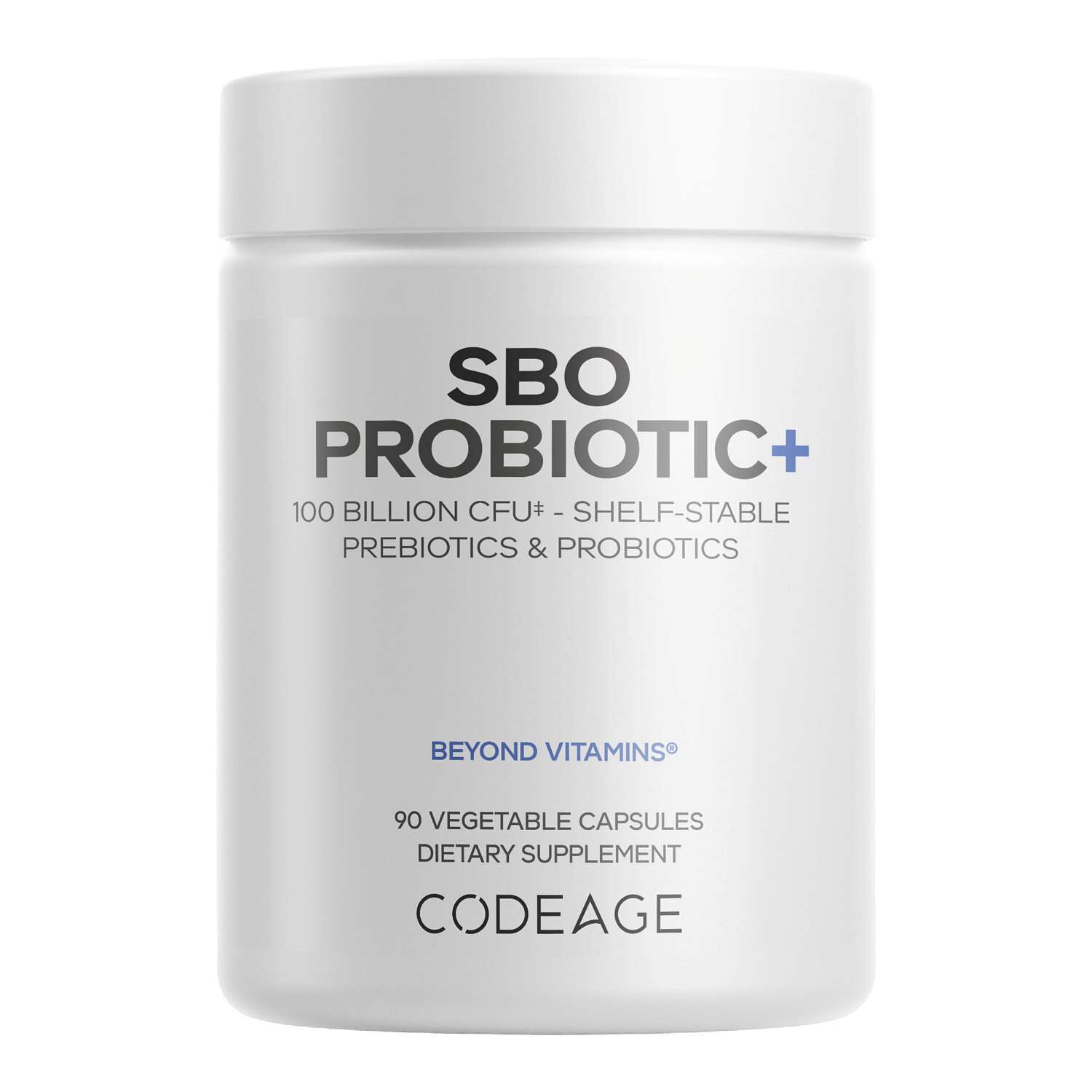
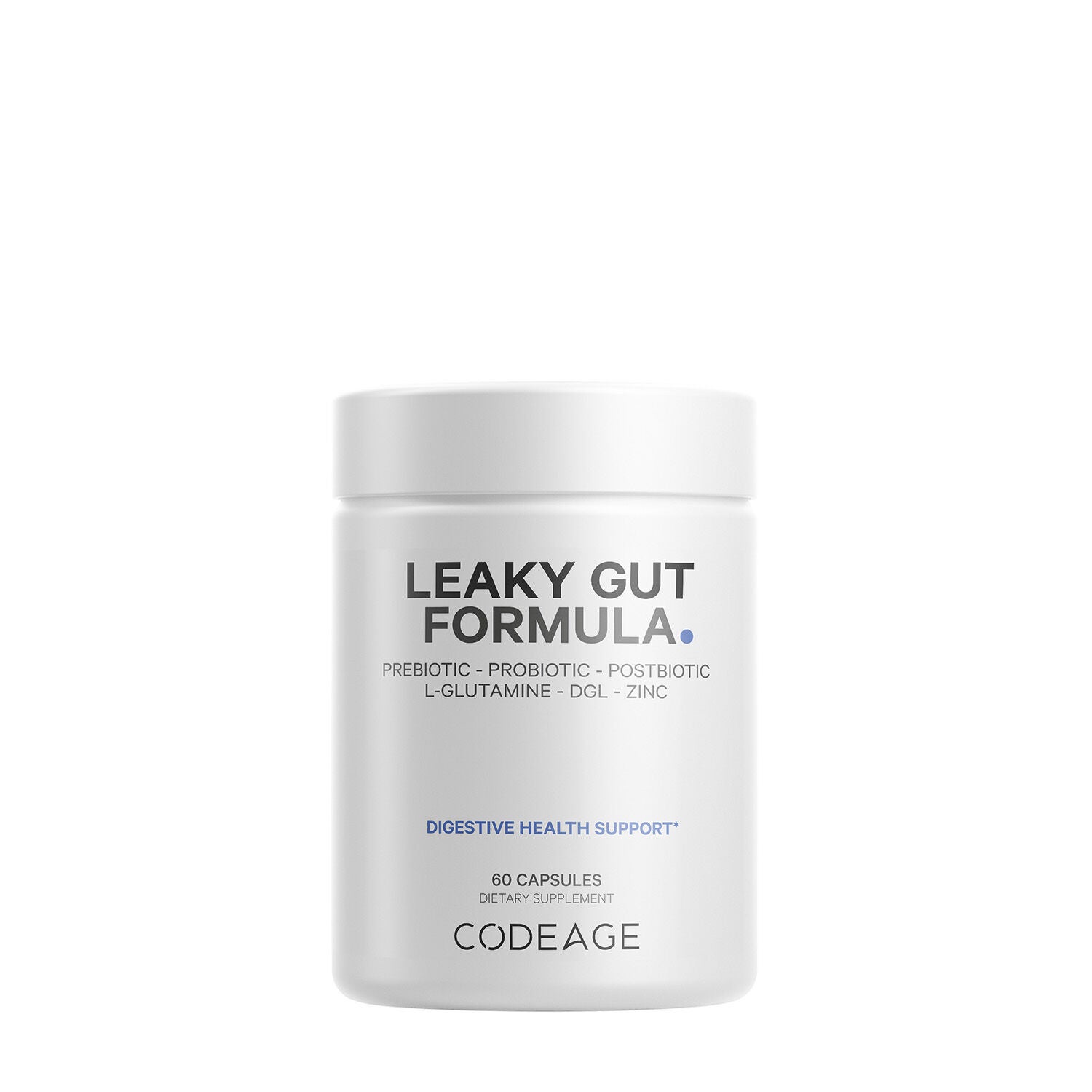
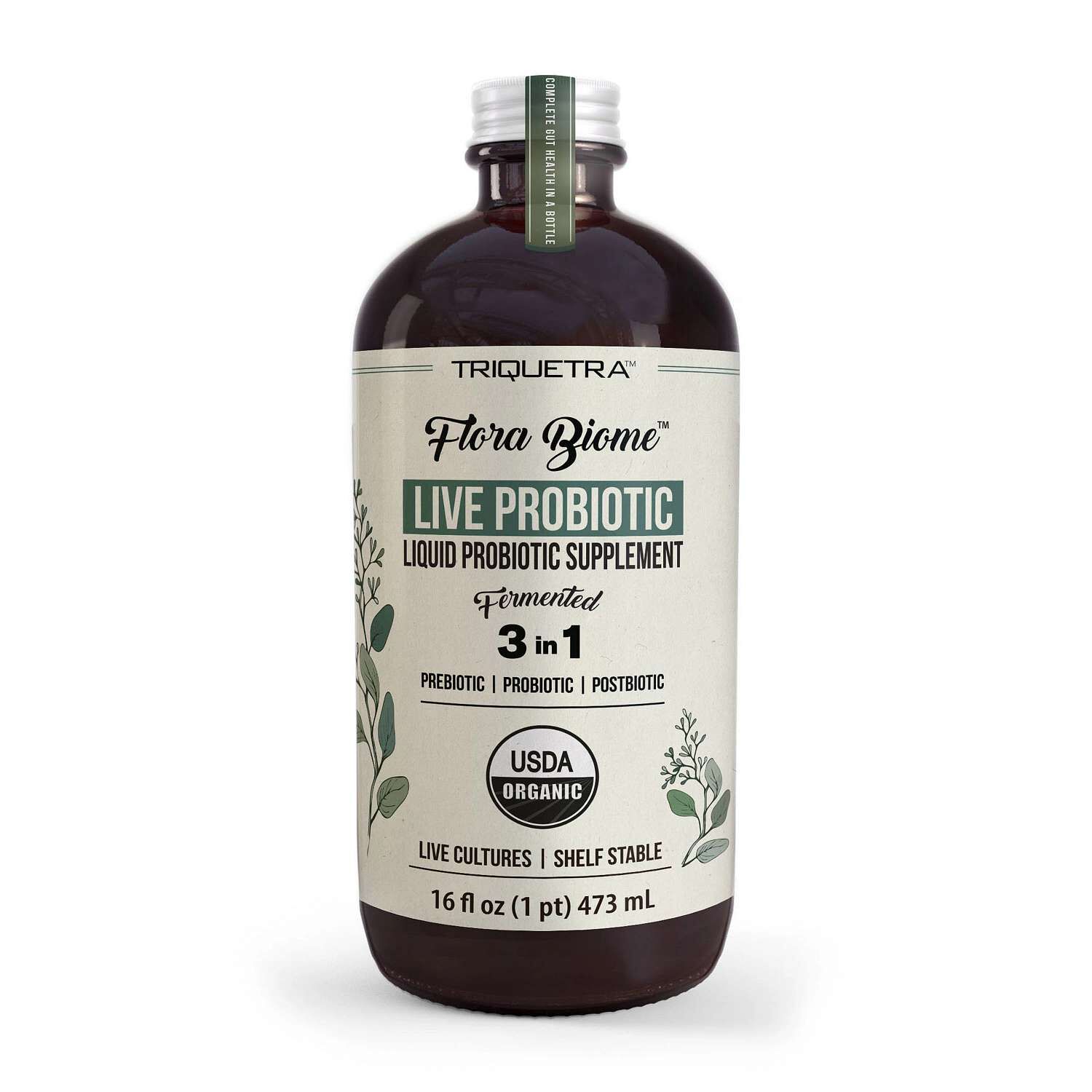
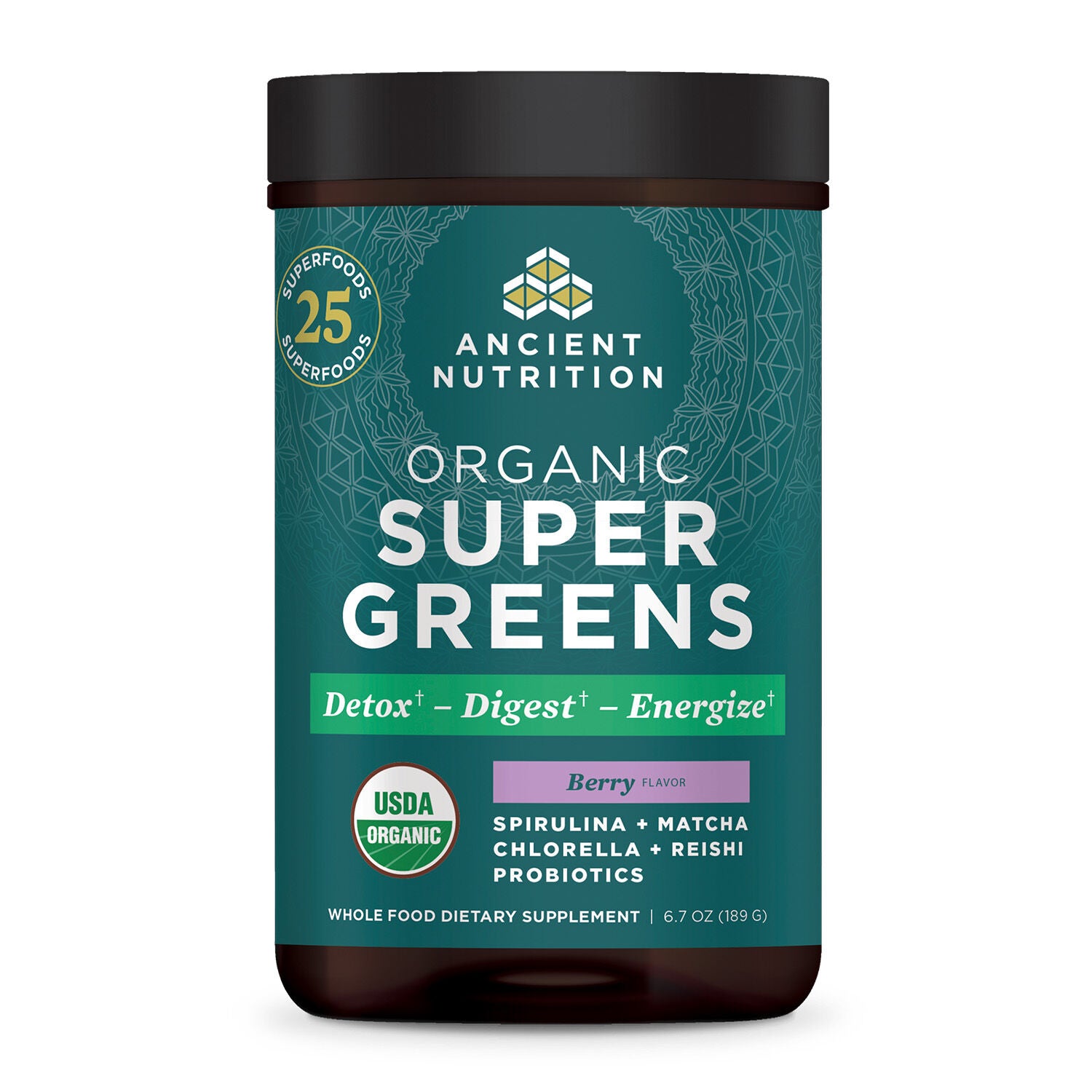
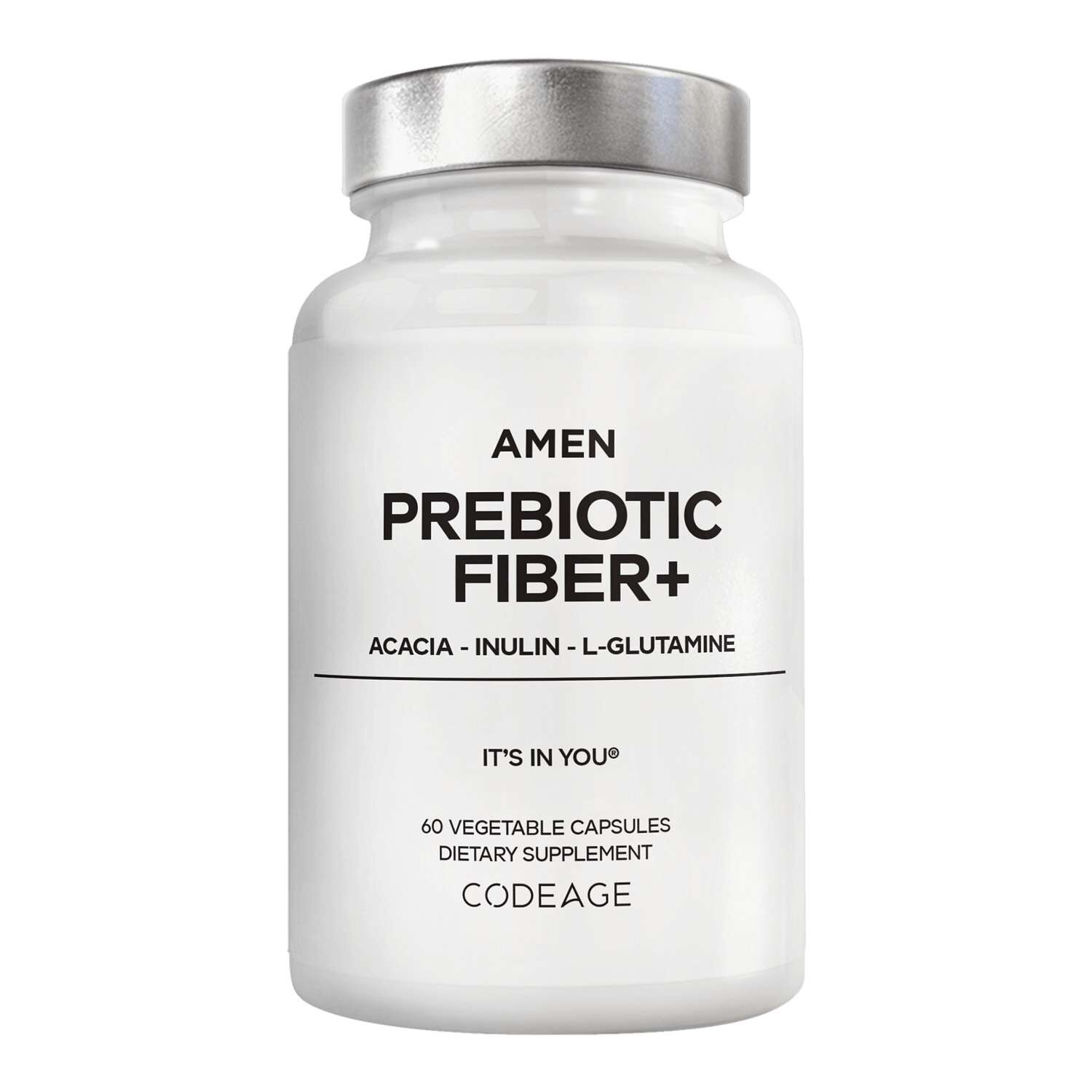
Organic gut health products bring together ingredient sourcing, everyday convenience, and formats designed for digestive wellness routines. The category includes probiotic supplements, prebiotic fiber, and digestive enzyme formulas, with different ingredients and intended uses within each group. Probiotics contain live microorganisms identified by genus, species, and sometimes a specific strain designation; they may support digestive well-being as part of an everyday routine. Prebiotic ingredients, including certain fibers derived from chicory root or acacia, may provide nourishment for beneficial gut bacteria. Digestive enzyme formulas contain enzymes associated with particular food components, such as carbohydrates, fats, or proteins, and may assist with their breakdown. These categories are related, but they are not interchangeable, and an organic designation does not make every formula suitable for the same purpose. Some supplements combine several ingredient types, while others focus on a narrower formulation. Organic labeling adds another consideration: how qualifying agricultural ingredients were grown and processed under established standards. A USDA Organic seal refers to certification requirements, not a prediction of how a supplement may perform for an individual. The word “natural” alone does not establish organic certification, and a formula featuring an organic botanical ingredient is not necessarily certified organic as a finished product. The distinction matters when comparing a front-label description with the ingredient list and certification statement. Organic and plant-based also describe different attributes, so capsule materials, cultures, flavorings, and other ingredients remain relevant to a shopper’s preferences. A plant-derived capsule shell, for example, does not establish that every ingredient inside it is vegan. For adults who already pay attention to the sourcing of their groceries, organic gut health supplements may fit into a similar approach to daily shopping. Their appeal may also be practical: a clearly described formula, a format that suits an established routine, and labeling that makes its contents understandable without relying on broad claims.
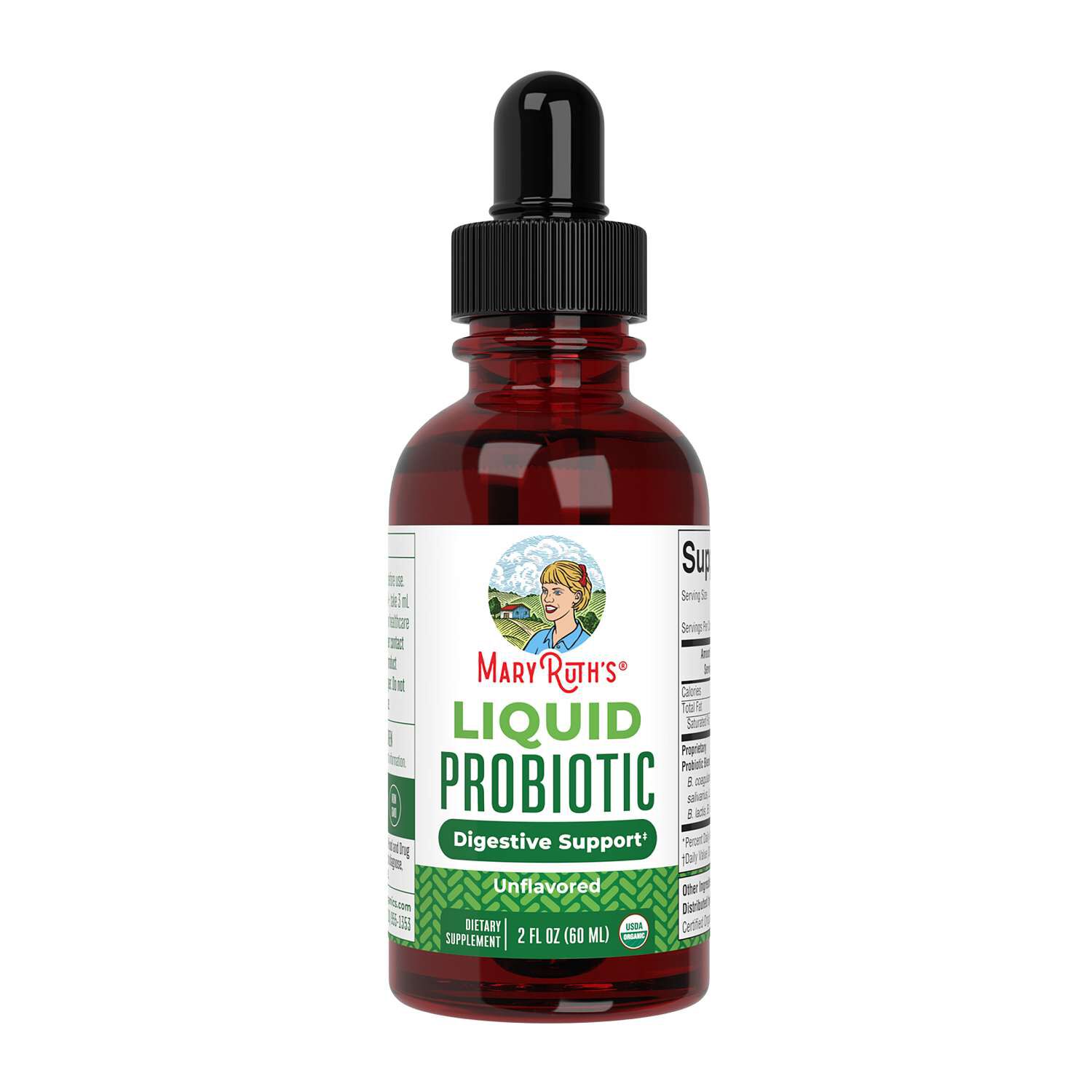
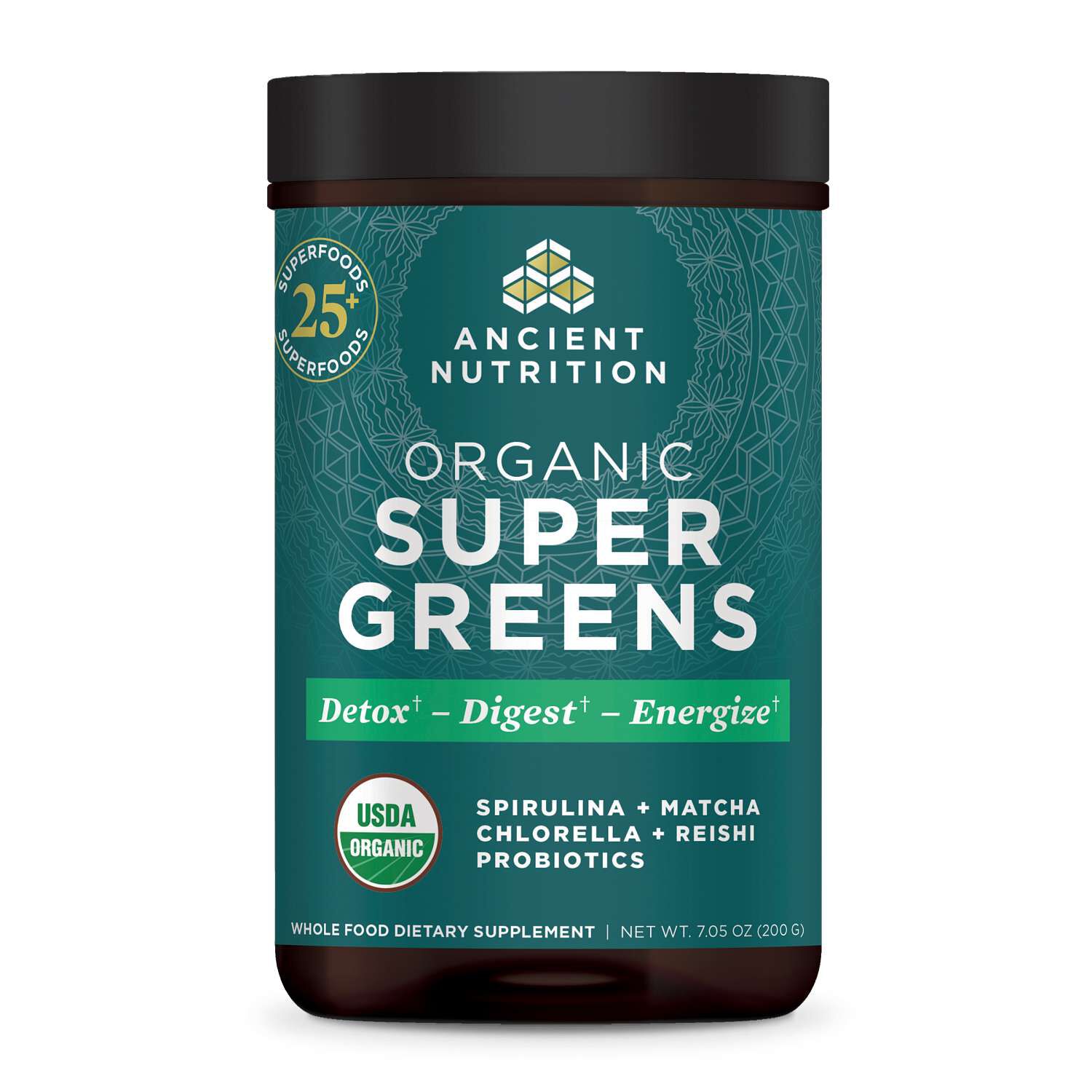
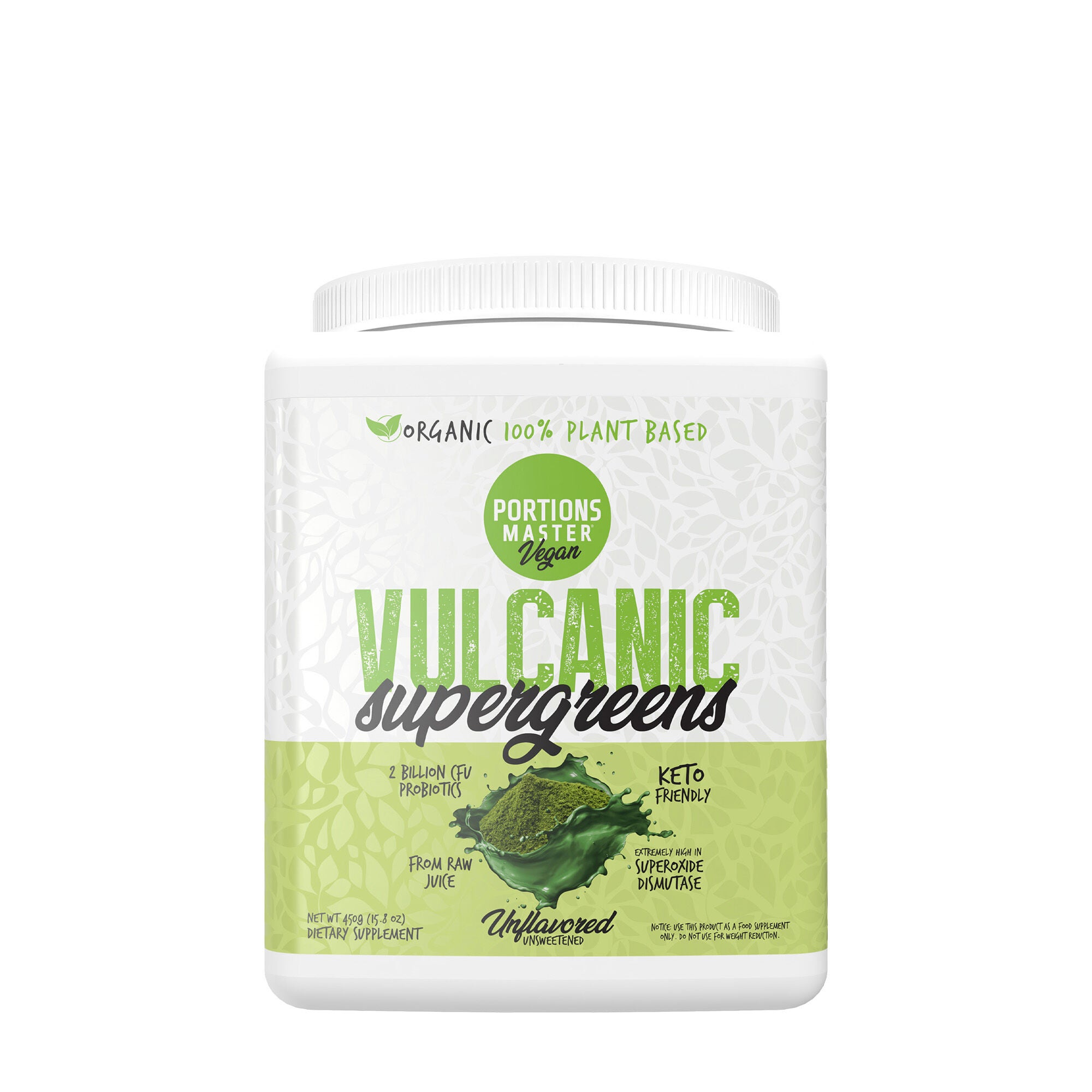
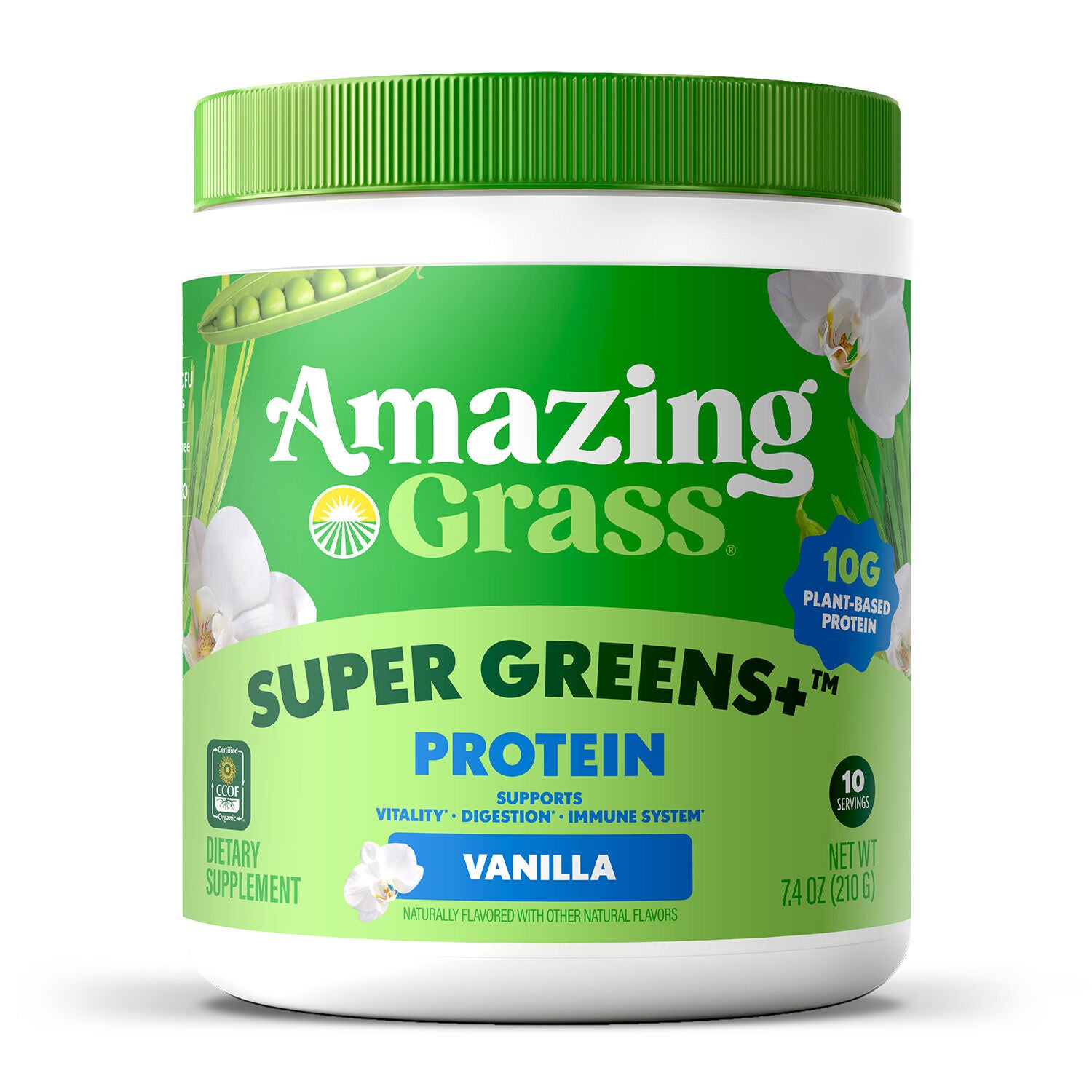
Format is often where an organic gut health product becomes a practical match for everyday life. Capsules offer a measured serving without a mixing step, although capsule size and the number required per serving can vary. Someone who prefers a short morning routine may value a format that does not involve preparing a drink, while another shopper may prefer a powder that can be measured into a food or beverage permitted by the label. Powders also differ in texture and flavor. A lightly flavored formula may suit a simple smoothie, while an unflavored option may be preferable when a shopper wants the surrounding food to remain the main flavor. Unflavored does not necessarily mean undetectable; botanical ingredients and fibers can contribute their own taste or mouthfeel. Mixing directions matter because one powder may disperse differently from another, and serving sizes are not interchangeable between containers. Liquid formats involve different considerations, including the measuring device, bottle closure, and any refrigeration instructions. Chewables introduce another set of preferences, such as texture, flavor, and the amount of added sugar listed per serving. None of these formats is inherently the best match for every adult, and convenience depends on the routine in which the product will be used. A bottle kept in a designated cabinet presents a different experience from a powder measured beside a breakfast bowl or a liquid stored according to its label. Packaging is part of that experience as well. A secure lid, readable serving directions, and a container that can be closed properly all matter during ordinary handling. Capsules and powders may have different storage requirements, so the package instructions take precedence over assumptions based on appearance. For someone with particular dietary preferences, the capsule shell, sweeteners, flavoring ingredients, and allergen information can be as relevant as the featured ingredient. Organic certification does not replace those details or establish suitability for every eating pattern. A useful comparison considers the entire formulation and its intended use rather than treating the most prominent wording on the package as the whole description.
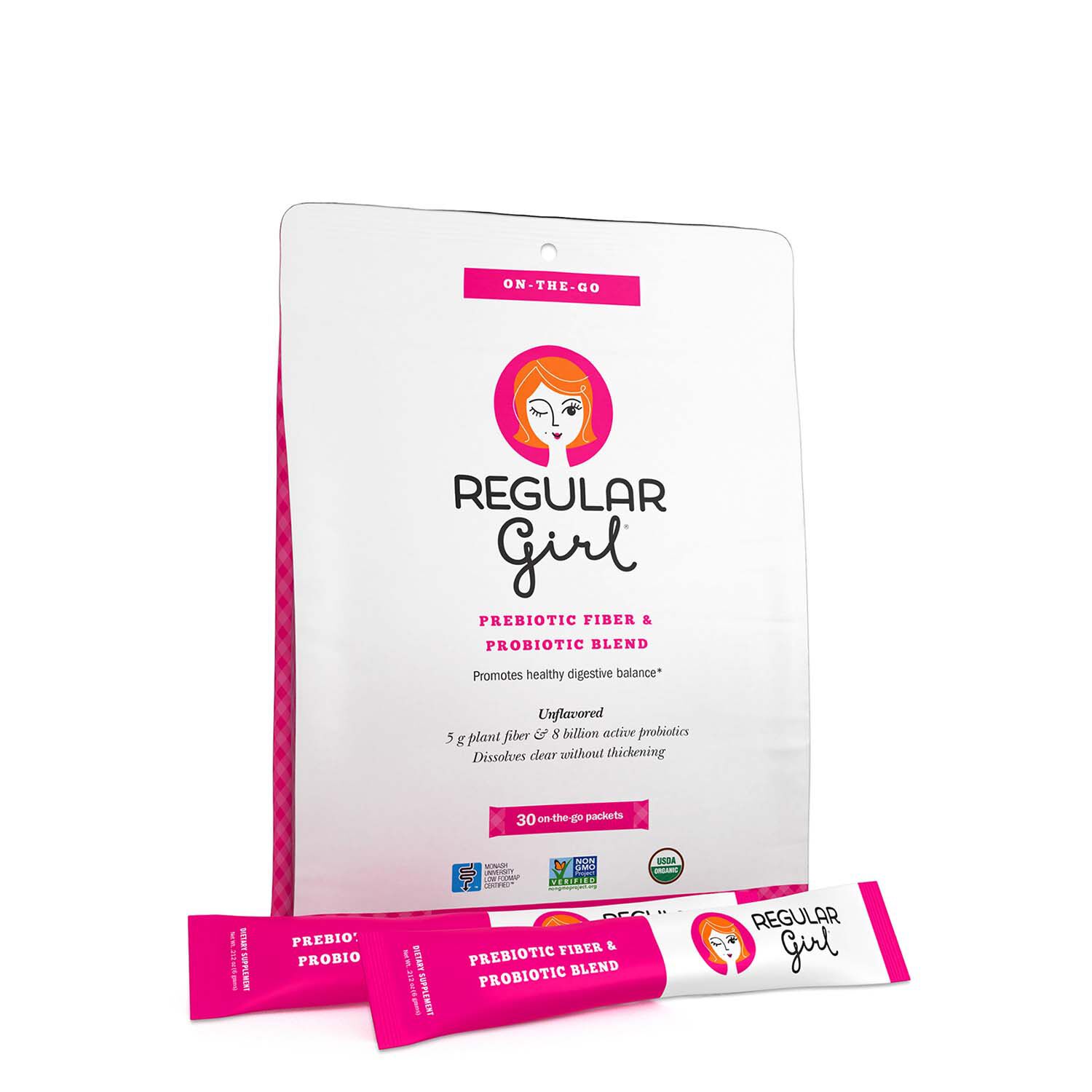
The details on an organic gut health supplement label can make similar-looking formulas easier to distinguish. For probiotics, the names of the microorganisms and any strain designations provide more information than a general reference to a probiotic blend. Colony-forming units, commonly abbreviated as CFU, describe the quantity of viable microorganisms, but a larger number alone does not establish a better match for an individual. Whether the stated count applies at manufacture or through the labeled expiration date is another meaningful distinction. For prebiotic fiber products, the source of the fiber and the amount per serving help clarify what the formula contains. A blend of several plant ingredients can look substantial on the front of a package while providing a different amount of fiber than a formula centered on one fiber source. Enzyme labels may identify individual enzymes and activity units, which are different from ingredient weight. Across these categories, the Supplement Facts panel and other ingredient information provide context that a short product description may not capture. Serving count also deserves attention: the number of capsules in a bottle is not necessarily the number of servings, and the scoop supplied with one powder is not a substitute for another product’s measuring instructions. Storage details are equally specific. Some formulas require refrigeration, while others have different labeled storage conditions; keeping the original packaging preserves access to those directions, the expiration date, and identifying information. Organic gut health products fit within a wider landscape of ingredient-focused wellness choices, and the Organic Supplements category provides a related place to explore that sourcing preference. Within digestive wellness, the most meaningful distinctions remain concrete: ingredient identity, certification scope, serving format, flavor, dietary suitability, and handling requirements. Those details give shoppers a clearer picture of how a formula may fit beside familiar daily habits, whether that means a measured powder at breakfast or a capsule format used according to its label. The result is a comparison grounded in what each product contains and how it is intended to be used, rather than an assumption that every organic formula serves the same purpose.
Best Sellers
-
 Physician's Choice

Related Pages

Top Collections
- Daily Collagen Supplements | Top Brands & Deals | GNC
- Cortisol Supplements
- Top Rated Collagen | Shop Customer Favorites | GNC
- Vitamins For Hair Loss
- NAD+ Supplement Tablets
- Peptide Supplements
- Best Brand of Magnesium Glycinate
- Protein Powders For Muscle Growth Support
- Vitamins That Help Support Weight Gain
- Peptide Supplements for Muscle Growth