





Organic Probiotic Supplements
(0 Results)
Organic probiotics are a powerhouse of beneficial bacteria that can support your digestive health and overall well-being. Packed with live cultures, these supplements can help restore balance in your gut flora, aiding in digestion and nutrient absorption. Whether you're looking to boost your immune system, alleviate bloating, or simply promote a healthier gut environment, organic probiotics offer a natural solution to enhance your daily wellness routine. Discover our range of organic probiotic products that are carefully crafted to provide you with high-quality strains for optimal gut health.
-
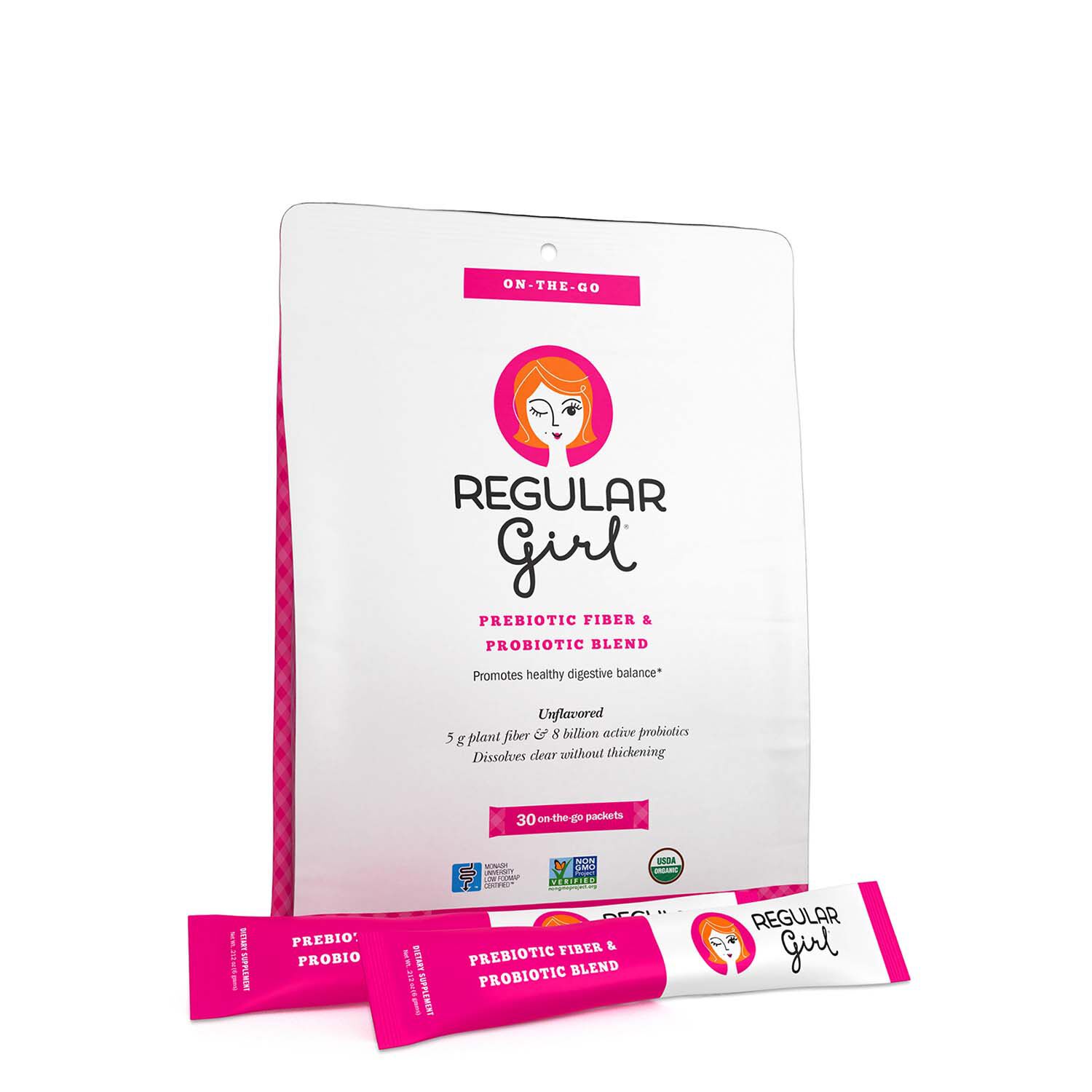 209$34.99
-

-

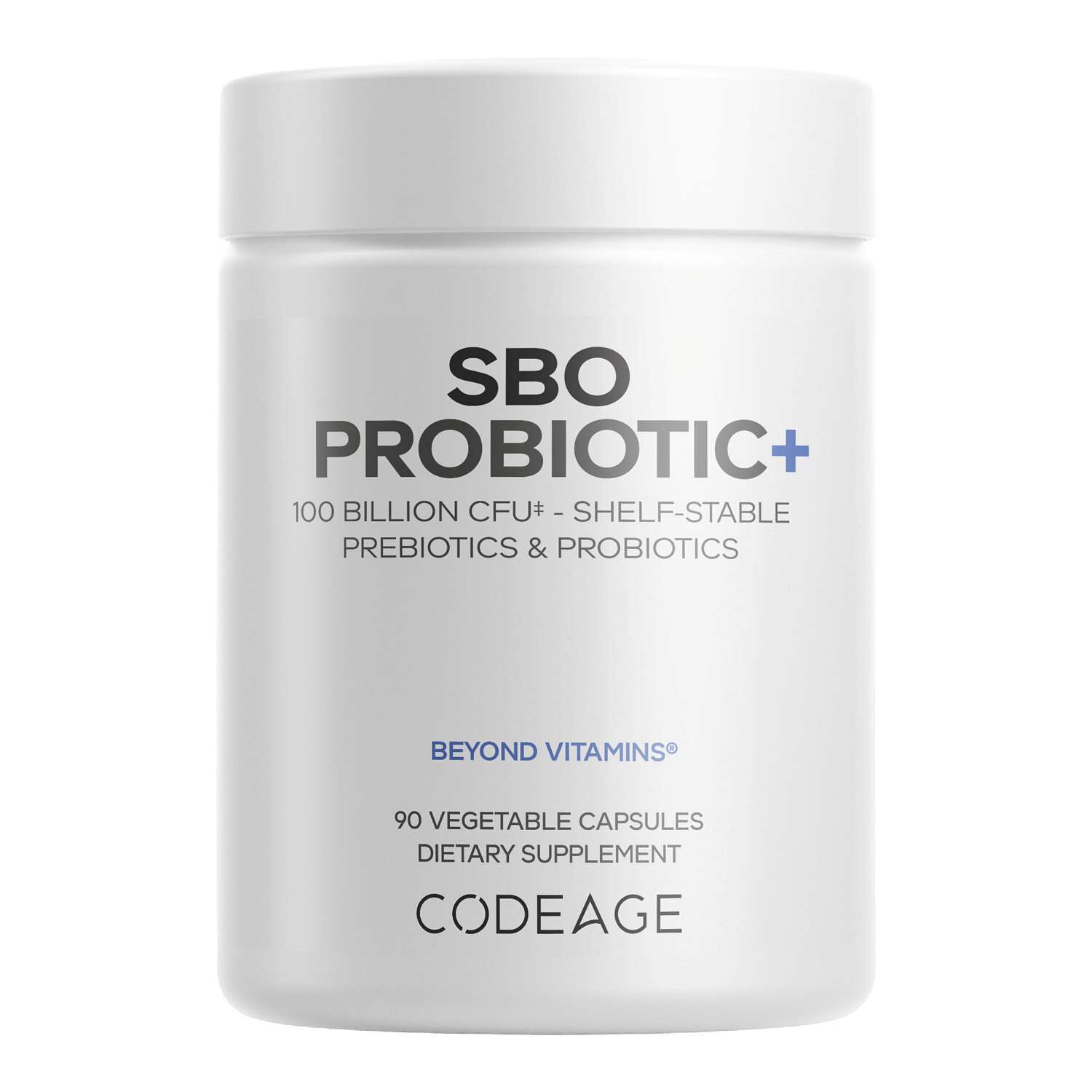
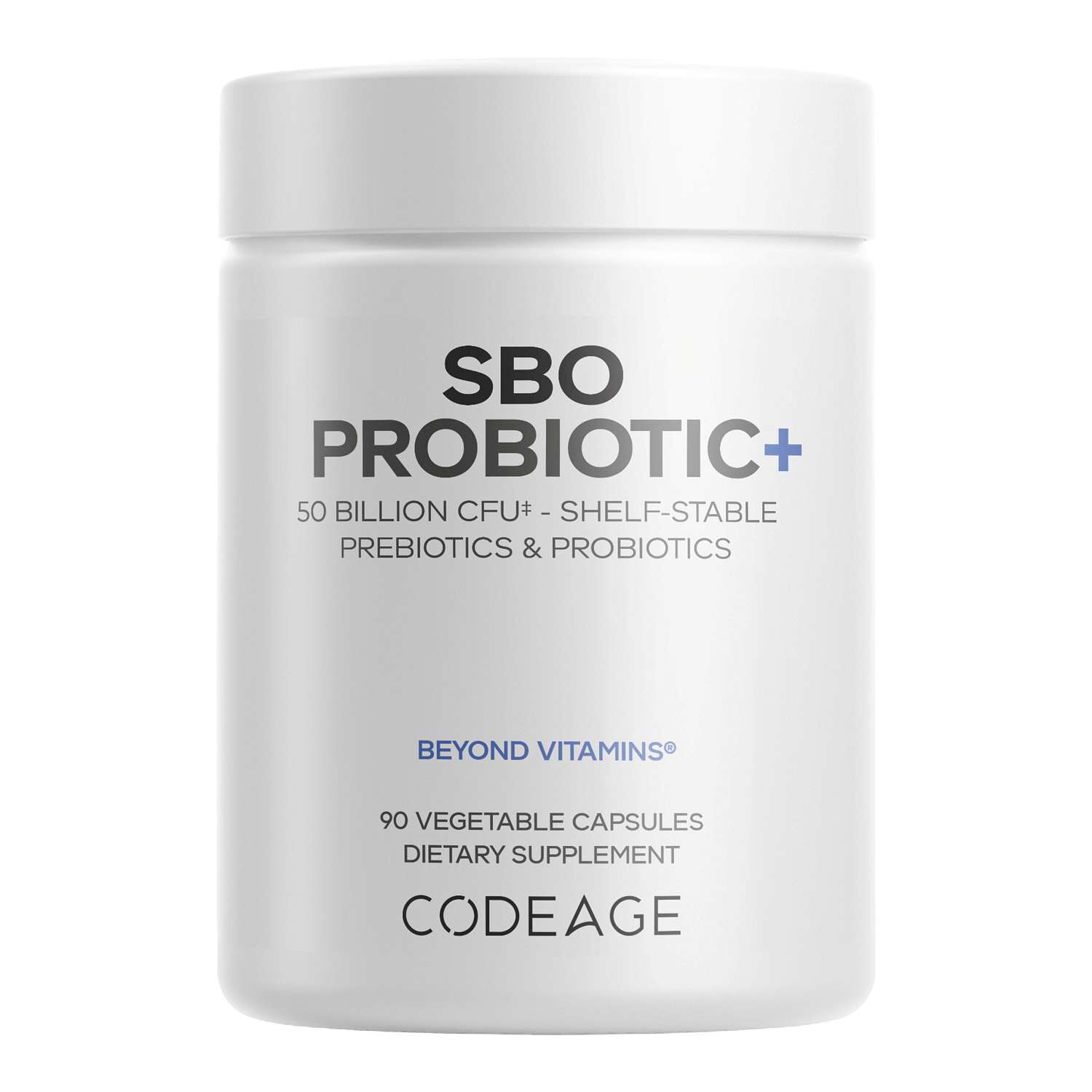

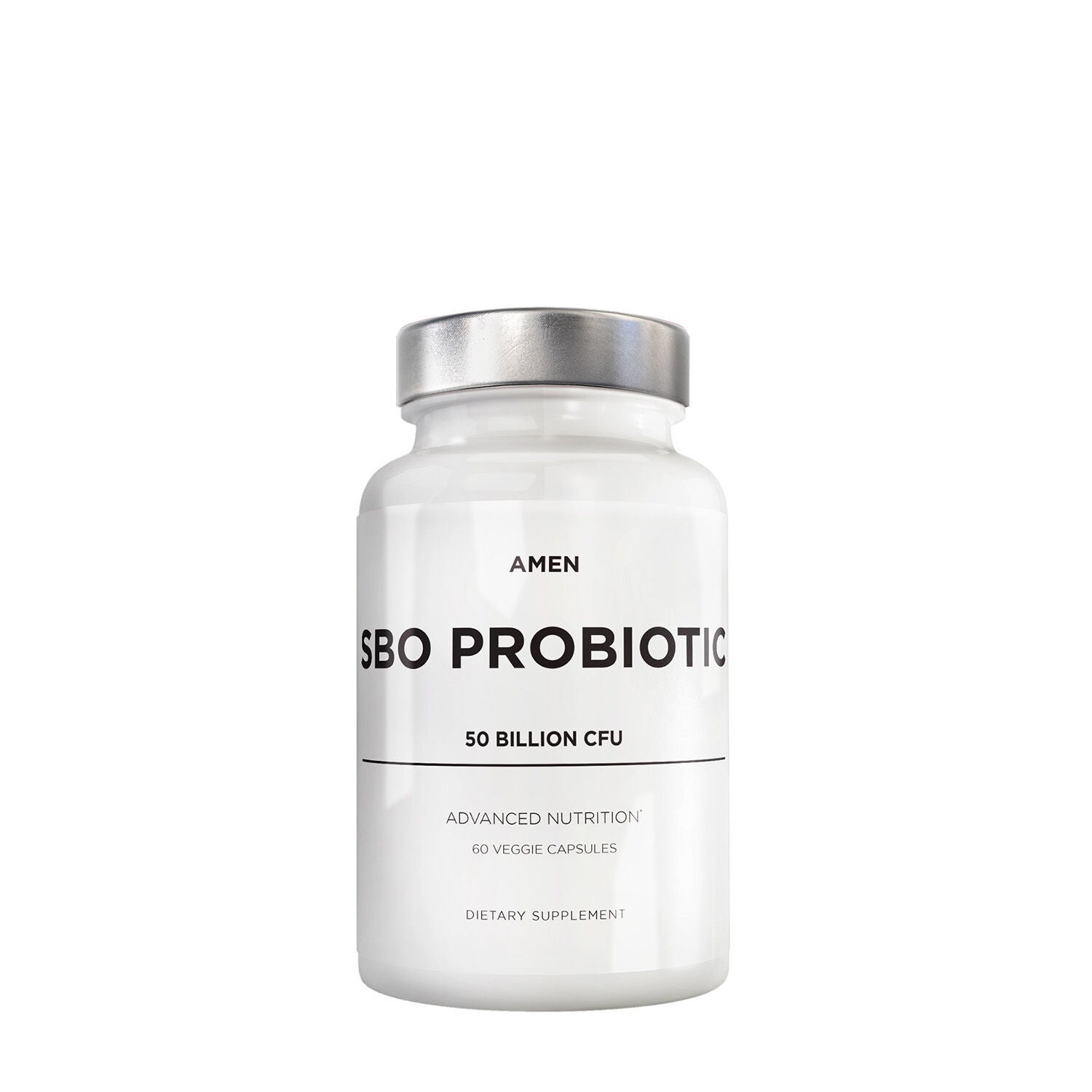
Organic probiotic supplements combine live microorganisms with organic ingredients, sometimes including plant fibers used as prebiotics. They may fit an everyday routine centered on digestive wellness, but the word organic describes sourcing and production standards rather than the identity or quantity of the microorganisms. Depending on the formula, organic certification may apply to the finished supplement or to particular agricultural ingredients, making the certification statement an important part of the label. A formula made with an organic plant ingredient is not necessarily the same as a certified organic finished supplement. Probiotics and prebiotics also serve different roles: probiotics supply live microorganisms, while prebiotics are substances that certain microorganisms can use. A supplement can include either one or both, so these terms are not interchangeable. For shoppers comparing organic probiotic supplements, the most useful details include the named microorganisms, the serving size, the ingredient list, and the storage directions. Microorganism names may include a genus, species, and strain designation; those details provide a more precise description than a broad reference to live cultures. Colony-forming units, usually abbreviated as CFU, express an estimate of viable microorganisms. Some labels state that count at manufacture, while others state it through the listed shelf life under the recommended storage conditions. That distinction gives context to the number on the package. A larger CFU count alone does not describe the strains, ingredient sourcing, or practical fit of a formula, and a longer list of strains is not a substitute for clearly identified cultures. Comparing these details side by side creates a clearer picture of what each serving includes. Organic sourcing, culture identity, and serving information are separate features worth considering together, rather than treating any single front-label statement as the whole story.
The rest of the formula matters just as much when matching an organic probiotic supplement to personal preferences. Capsules, powders, tablets, and chewable formats differ in serving size, texture, preparation, and portability. An adult who prefers a quick step before leaving home might favor a capsule, while someone who already prepares a daily smoothie might find a powder more convenient if its directions allow mixing. Capsule dimensions and the number required per serving are practical details, especially when a serving consists of more than one capsule. Powders call for attention to the measuring instructions and any directions about suitable foods or beverages. Chewable options may include sweeteners, flavors, and coloring ingredients, all of which belong in an ingredient comparison rather than being overlooked because the front of the package emphasizes organic sourcing. Capsule shells can also come from different materials, including gelatin or plant-derived cellulose. Organic and vegan describe different attributes: organic certification does not automatically mean that every ingredient is plant-derived, and a vegan designation does not establish organic certification. Shoppers can also explore related supplement options, while checking each formula’s individual labeling. Prebiotic ingredients may include fibers such as inulin from chicory root, but not every added plant ingredient serves a prebiotic purpose. Some formulas contain additional vitamins, minerals, or botanical ingredients, which makes the full Supplement Facts panel more informative than a short description alone. Dietary preferences can bring other details into focus, including milk-derived ingredients, soy ingredients, or the source of a capsule shell. Ingredient lists, allergen statements, and certification marks each answer a different question. Looking at them together is especially useful for a household in which several adults have different preferences, or for someone who wants a supplement routine that aligns with a plant-based eating pattern without assuming that one label term covers every requirement.
Storage and handling are practical parts of choosing probiotic supplements because these formulas contain living microorganisms. Some require refrigeration, while others are labeled for storage outside the refrigerator; the package directions determine the appropriate approach. Shelf storage does not mean that any location is suitable, and a windowsill, bathroom shelf, or bag left in a car may not match the stated conditions. The original container, its closure, and any included moisture-control packet are part of the packaging rather than incidental extras. Keeping the package closed as directed and using dry hands or a dry measuring utensil, where appropriate, are straightforward ways to follow common handling instructions. An expiration or best-by date also belongs in the comparison, particularly when considering a container that will take longer to use. Package size is most meaningful alongside the labeled serving size: the number of capsules in a bottle is not necessarily the number of daily servings. For a traveler, the relevant details may be refrigeration requirements, package dimensions, and whether the original label remains easy to reference. For someone building a routine at home, the deciding factors might instead be a manageable capsule size, a powder that fits an existing preparation habit, or a clearly marked serving measure. Any connection with meals, drinks, or a particular time of day should come from the individual directions rather than a general assumption about probiotics. Intended age ranges deserve the same attention, since an adult formula should not be treated as interchangeable with one labeled for children. Organic probiotic supplements vary in their cultures, supporting ingredients, formats, and care requirements, even when their names sound similar. A thoughtful comparison brings those concrete details together: what organic certification covers, which microorganisms are identified, how a serving is measured, and what the package requires after opening. Those distinctions may help shoppers find a format that fits their preferences and daily habits without relying on broad claims or an impressive-looking culture count alone.
Best Sellers
-
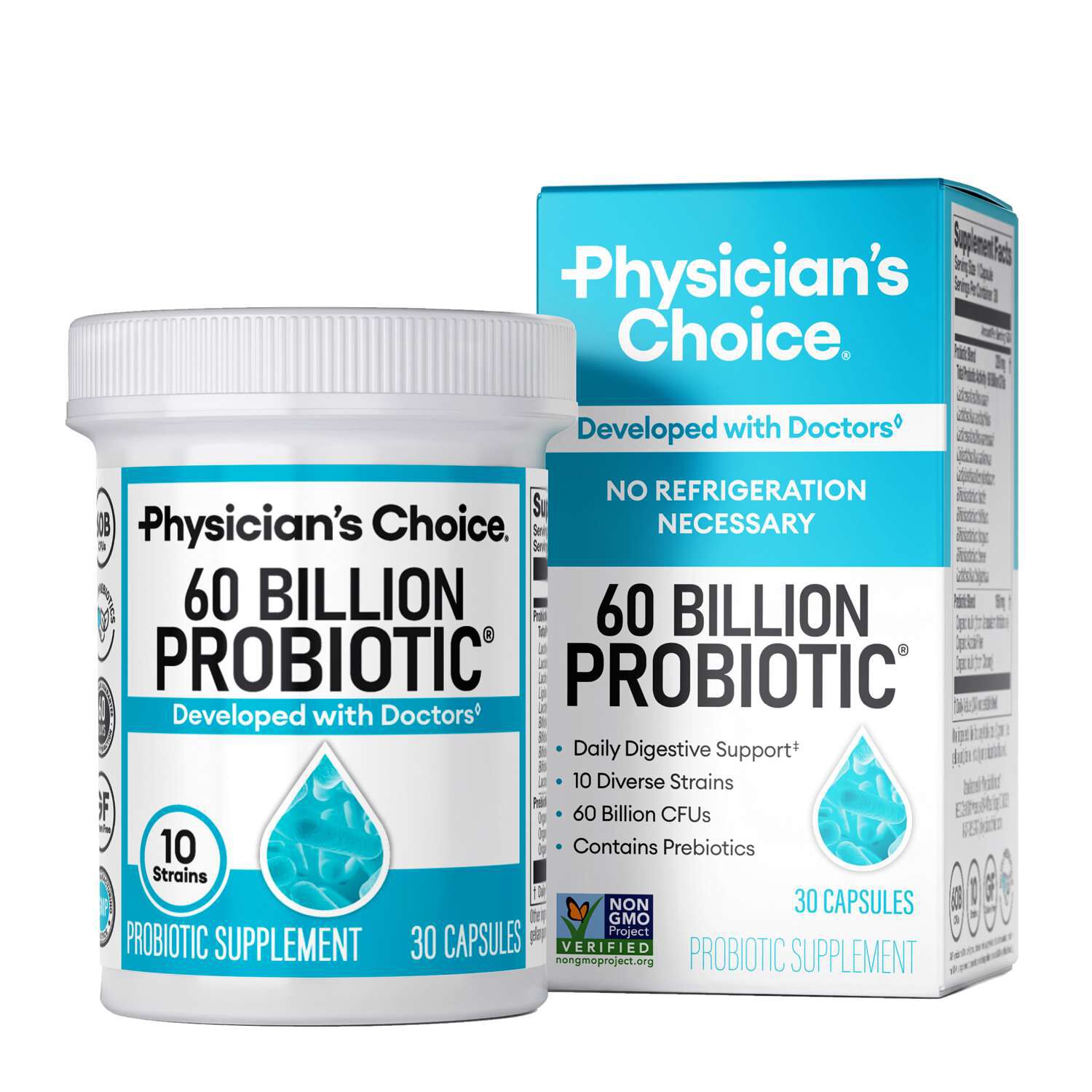 Physician's Choice

Related Pages



Top Collections
- Zinc Supplements For Men
- Chronic Fatigue Supplements
- Metabolism Boost For Weight Loss
- Daily Collagen Supplements | Top Brands & Deals | GNC
- Supplements For Yoga Joint Flexibility
- Capsule Supplements For Energy And Stamina
- Adult Vitamins
- Vitamins For Hair Loss
- Burnout Support Supplements
- Best Brand of Magnesium Glycinate