





Over The Counter Estrogen Blocker
(0 Results)
Exploring options for an over the counter estrogen blocker may be a consideration for those looking to support their wellness journey. These supplements are often chosen by individuals who are interested in maintaining a balanced approach to their health and fitness routines. With a variety of formulations available, finding an over the counter estrogen blocker that aligns with your lifestyle and goals could be a helpful addition to your daily regimen. Always consider consulting with a healthcare professional before adding new supplements to your routine.
-

-

-
-
-
-

-
 BioXgenic$35.99
 -

-
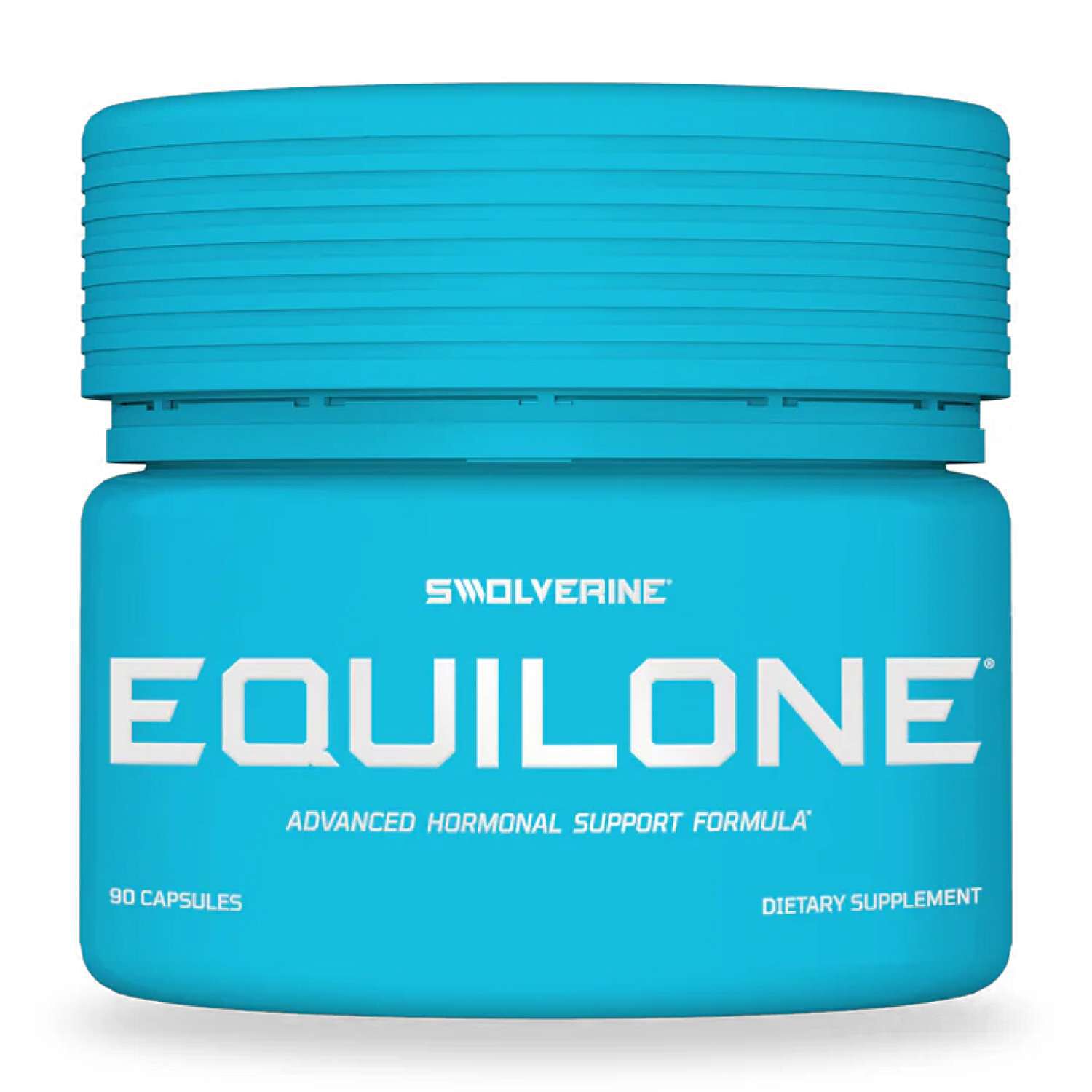 Swolverine$64.99
Over-the-counter estrogen blocker is a shopping term commonly used for dietary supplements marketed around estrogen-related wellness interests. It is not a standardized description of an ingredient, a formulation, or a demonstrated result. Products grouped under this term can differ substantially, so the category name alone does not explain what is inside a bottle or establish how it will perform. In the United States, dietary supplements are regulated by the FDA, but the FDA does not approve them for safety and effectiveness before they are sold. That distinction matters when comparing a prominent front-label description with the more specific information on the back. Ingredients associated with this category include diindolylmethane, usually abbreviated as DIM, and indole-3-carbinol, sometimes shortened to I3C. These compounds are related to substances found in cruciferous vegetables such as broccoli, cabbage, and Brussels sprouts. Their connection to familiar foods provides background about the ingredients; it does not make a concentrated supplement interchangeable with a serving of vegetables. DIM and I3C are also distinct ingredients, not two names for the same substance. Some formulations feature one highlighted ingredient, while others combine several compounds, botanical extracts, vitamins, or minerals. Research on an individual ingredient does not automatically establish the performance of every finished formula containing it. Evidence supporting supplements sold as estrogen blockers is limited, and the category name should not be read as proof of an estrogen-blocking effect. For shoppers, the most useful comparison starts with the ingredient identity, the amount listed per serving, the serving size, and the intended use described on the label. This makes the category easier to evaluate as a collection of different supplements rather than a group of interchangeable products. A bottle with a familiar abbreviation on the front may have a very different composition from another bottle using similar language.
The Supplement Facts panel provides a practical starting point for understanding those differences. Serving size is especially important because the listed ingredient amounts generally refer to a serving, not necessarily to a single capsule or tablet. For example, a bottle containing 60 capsules with a two-capsule serving represents 30 servings, while a 60-capsule bottle with a one-capsule serving represents 60 servings. That arithmetic describes the package, not which formulation is appropriate for a particular person. Milligram amounts are also meaningful only alongside ingredient identity: the same number next to two different compounds does not make them equivalent. In multi-ingredient formulas, individually listed amounts offer a different degree of detail than a proprietary blend that gives one combined amount without specifying the quantity of each component. Botanical labeling can add another layer of information, including the plant name, the part used, and whether the ingredient is an extract. Those details help distinguish a broadly described plant ingredient from a more precisely identified preparation. The Other Ingredients section addresses a different part of the formulation, such as capsule-shell materials, tablet coatings, fillers, or ingredients used during manufacturing. Gelatin and plant-derived capsule materials may matter to shoppers with particular dietary preferences, while allergen statements provide information that is not always apparent from the main ingredient name. A capsule shell described as plant-derived does not, by itself, describe every ingredient inside it. Likewise, a short ingredient list is a description of composition, not evidence of greater effectiveness. Clear labeling allows shoppers to compare what is actually disclosed instead of relying on package color, a large milligram number, or technical-sounding language. When independent testing or certification is identified, the scope of that assessment matters as well. Verification of identity or manufacturing quality is different from evidence that a supplement produces a particular result. These distinctions make a side-by-side comparison more informative without treating any single label feature as a reason to expect a specific outcome.
Format, packaging, and intended use provide another useful way to distinguish supplements within this category. Capsules and tablets differ in shape, dimensions, shell materials, and coatings, although online photographs do not always communicate their actual size. A front-facing bottle image may show the main ingredient clearly while leaving the serving instructions or Other Ingredients section unreadable; a legible back-label image provides much more context. For an adult comparing supplements for personal use, that information can matter more than the overall look of the package. Intended-user statements, directions, and caution language also belong to the product description rather than being incidental fine print. A broad category label does not establish suitability for every age group, personal circumstance, or wellness goal. These are personal-use supplements rather than an obvious choice for a surprise gift, particularly when the recipient’s preferences and intended use are unknown. Packaging deserves attention for practical reasons, too. A secure closure, an intact seal, readable lot information, and a clearly printed date make the container easier to assess and maintain. With supplements, durability is less about resistance to everyday wear than about the package’s ability to protect its contents during the labeled storage period. Storage instructions on the container describe the conditions specified for that formulation. Keeping the original label with the contents preserves access to the ingredient list, directions, and identifying information, whether the bottle stays in a cabinet or is packed for travel. Shoppers browsing several wellness categories may also encounter Best Appetite Suppressant Pills Over the Counter, a separate collection with a different shopping focus; appearing within the wider supplement assortment does not make the categories interchangeable or establish that their products belong together. Within the over-the-counter estrogen blocker category, the clearest comparisons remain grounded in the same concrete details: named ingredients, disclosed amounts, serving format, dietary characteristics, packaging, and labeled intended use. Those details provide a more useful picture of a supplement than the category phrase alone, while leaving a clear distinction between what a product contains and what has actually been established about its performance.
Best Sellers
-
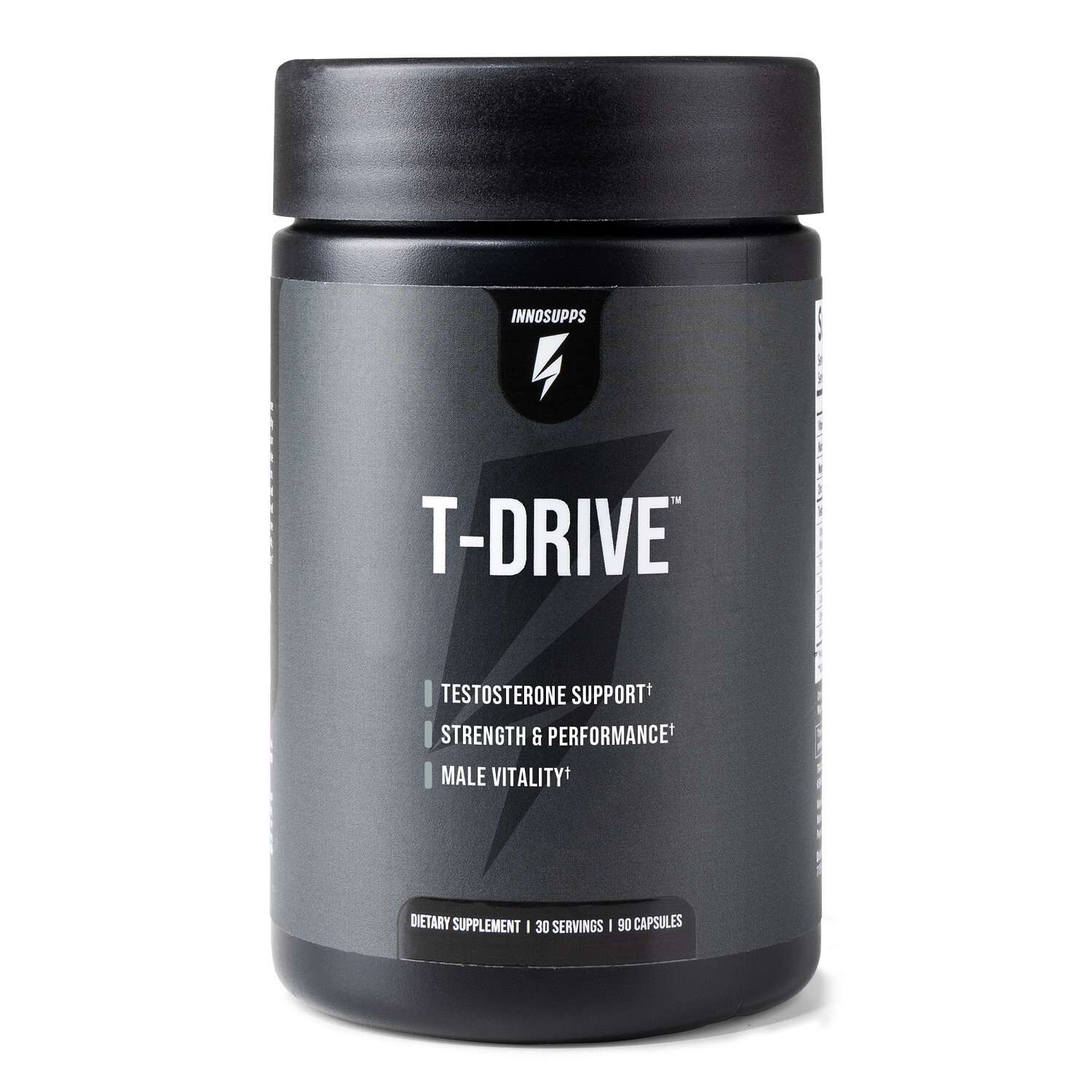 Inno Supps
 -
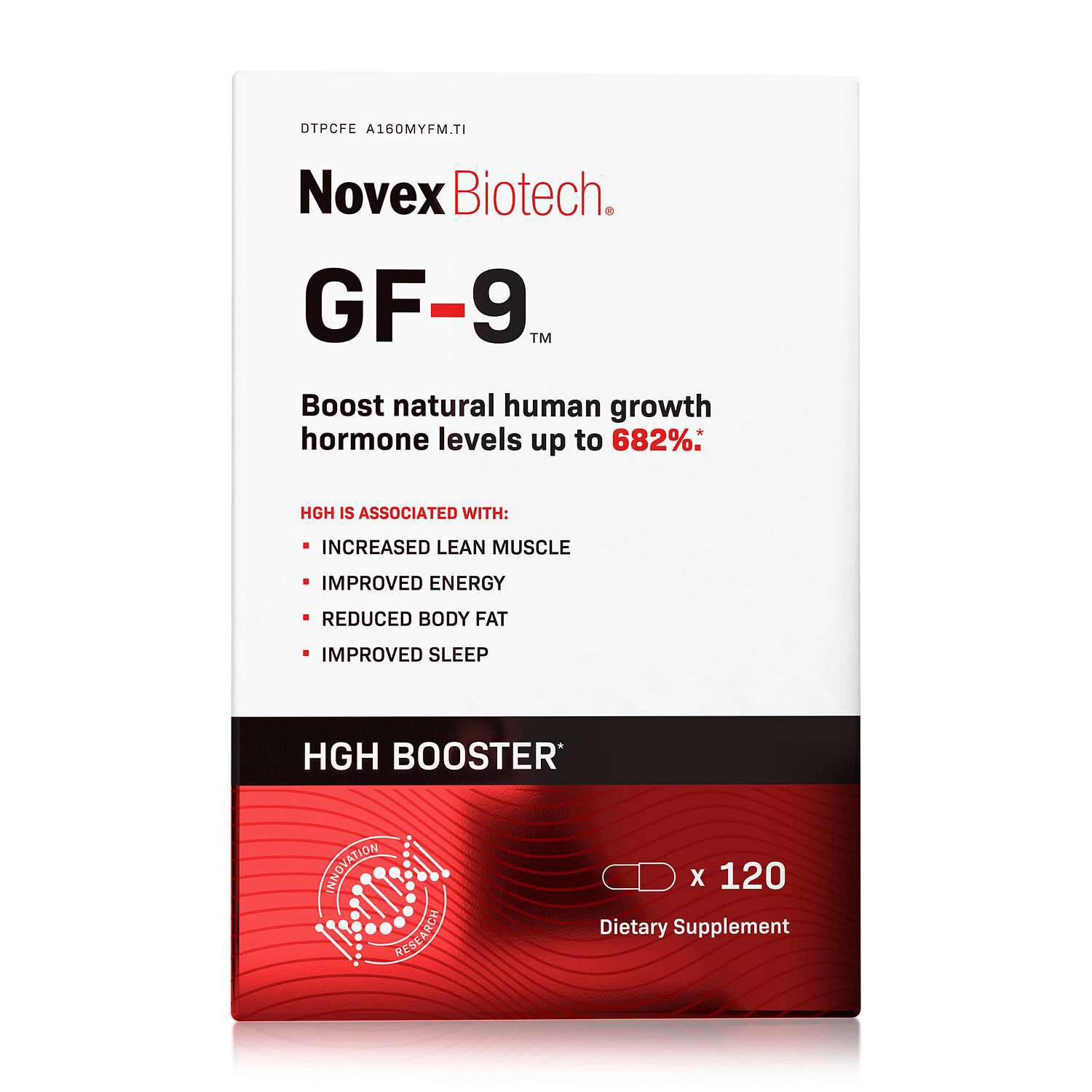 Novex Biotech
 -
 SNAP Supplements
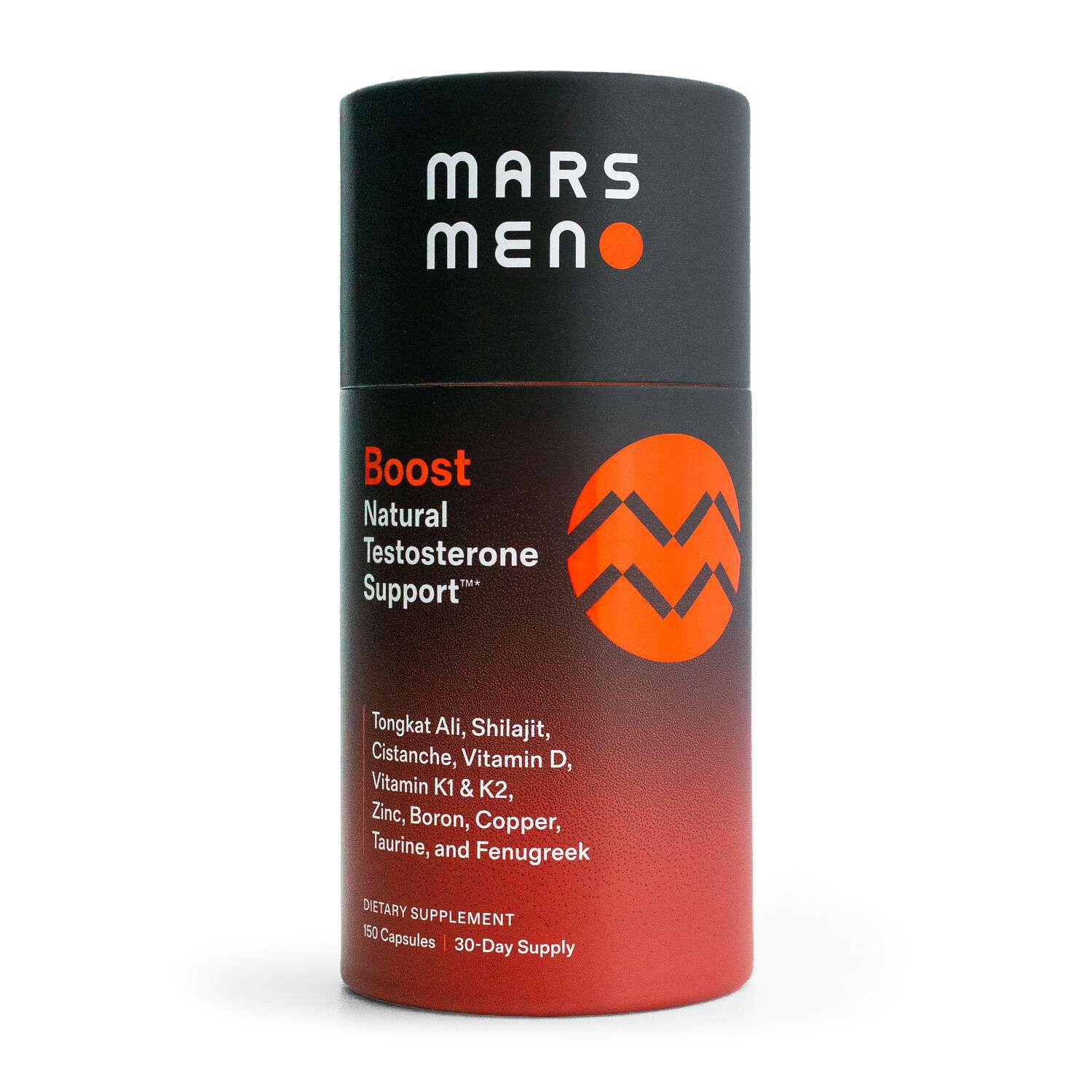
Related Pages


Top Collections
- Top Rated Collagen | Shop Customer Favorites | GNC
- Cortisol Supplements
- Vitamins For Hair Loss
- NAD+ Supplement Tablets
- Peptide Supplements
- Best Brand of Magnesium Glycinate
- Vitamins That Help Support Weight Gain
- Protein Powders For Muscle Growth Support
- Spirulina Tablets
- Peptide Supplements for Muscle Growth