Paleo Mushroom Powders For Healthy Aging
(0 Results)
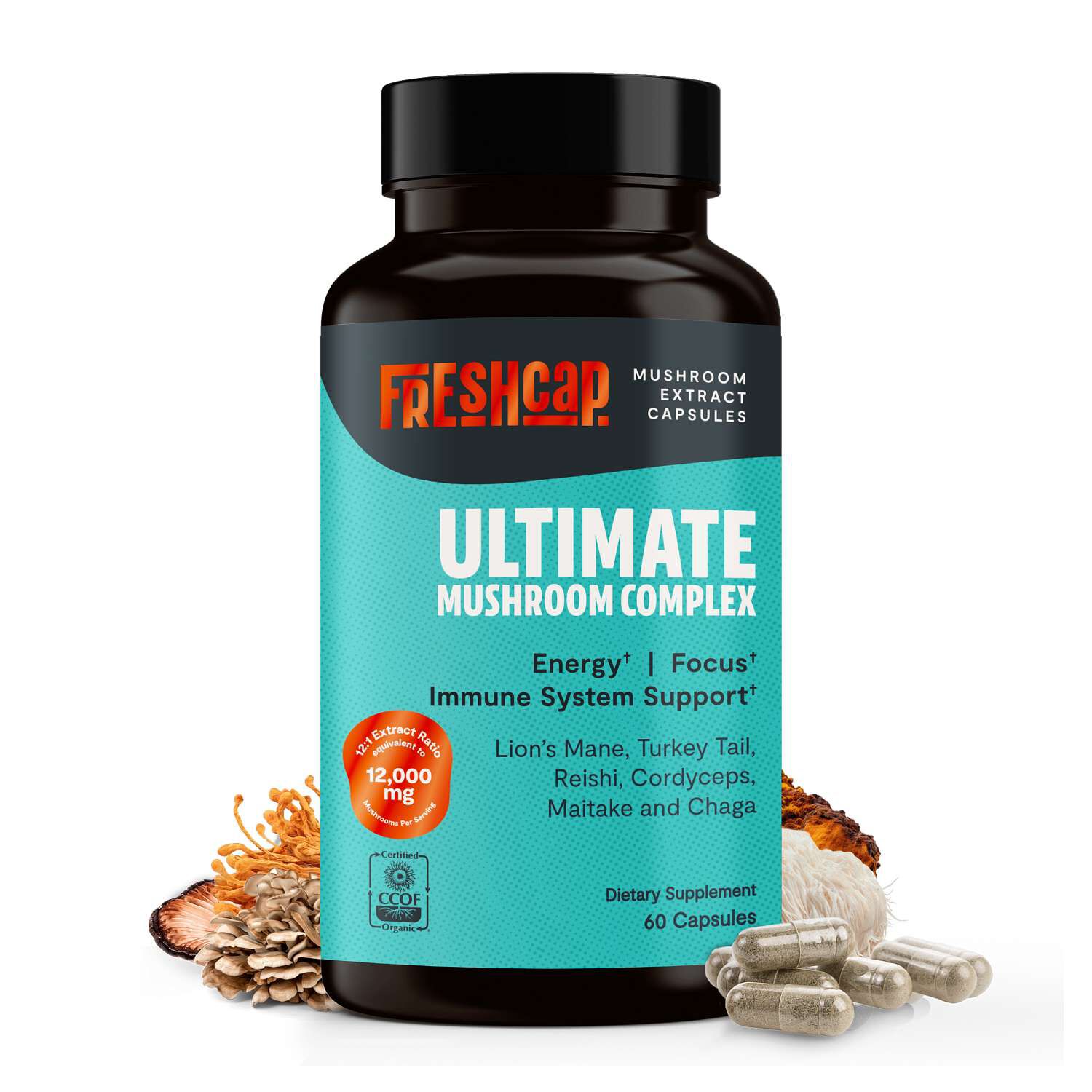
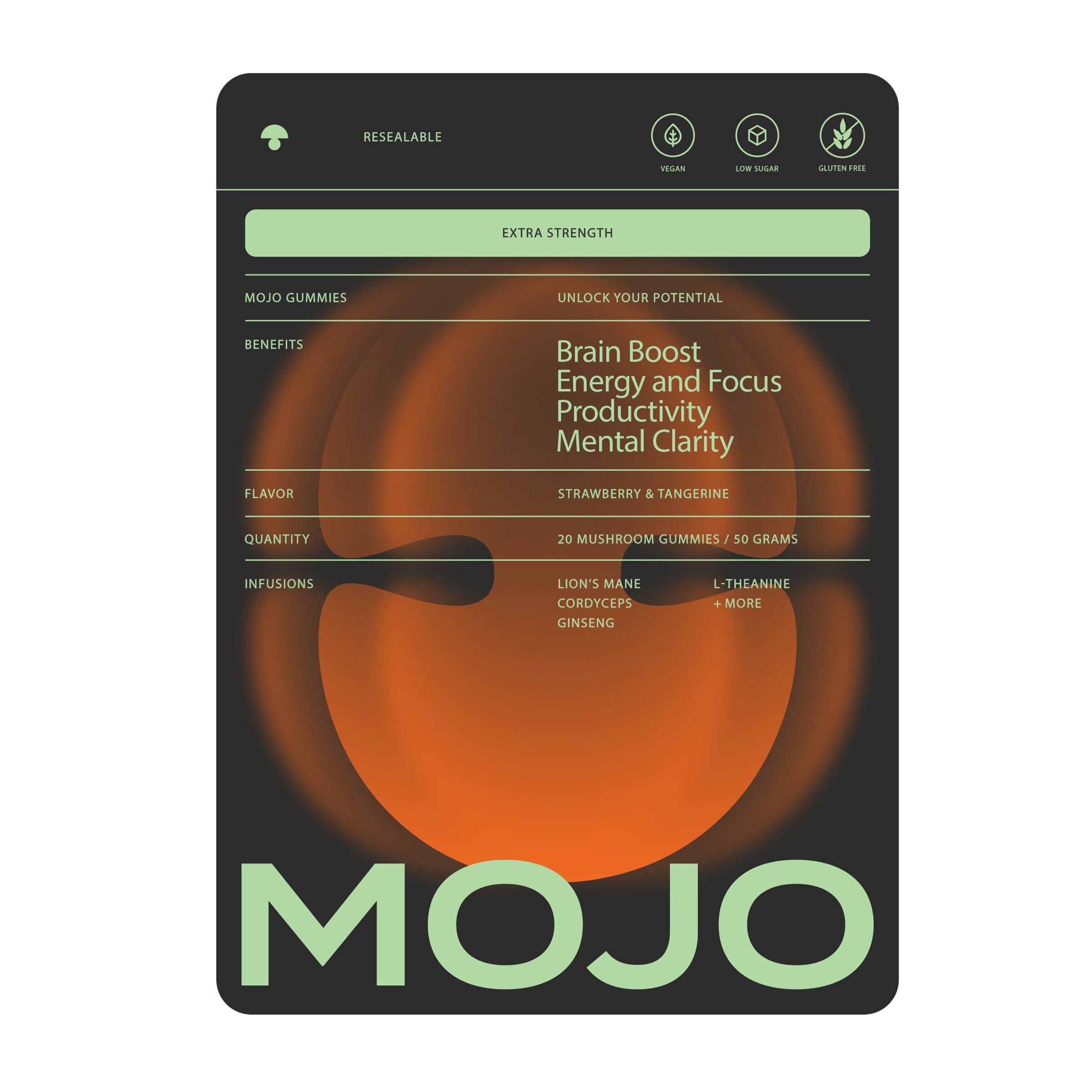
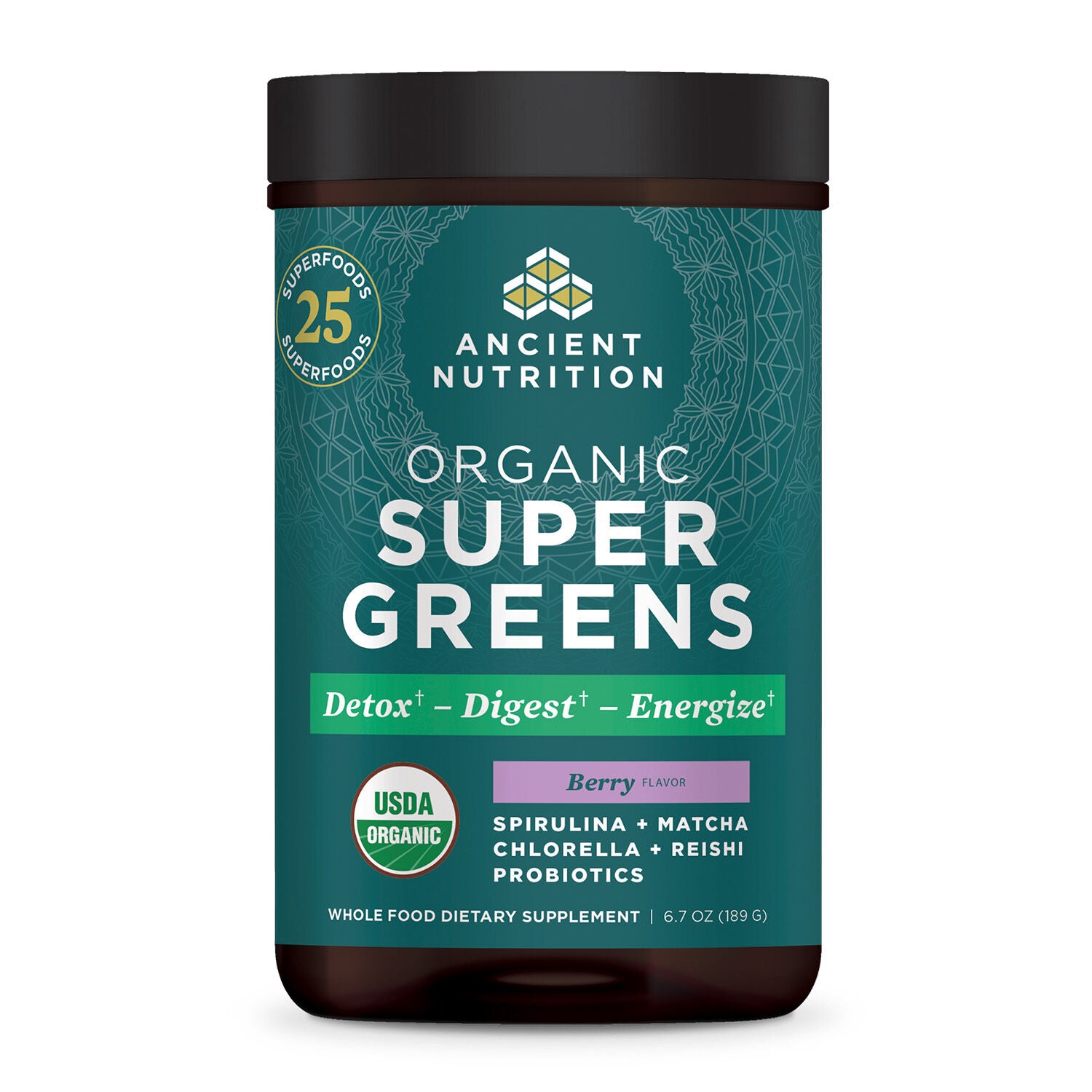
Paleo mushroom powders for healthy aging offer a convenient way to incorporate ancient fungi into your daily routine. These powders are inspired by traditional practices and align with paleo-friendly lifestyles, making them a popular choice for those seeking natural options. With a variety of mushroom types available, paleo mushroom powders for healthy aging may fit seamlessly into smoothies, coffee, or recipes, providing a simple addition to your wellness journey. Explore the possibilities that these versatile powders could bring to your routine.

Paleo mushroom powders for healthy aging bring mushroom-based ingredients into a format that fits a variety of everyday food and beverage routines. The category includes powders made from a single mushroom variety as well as blends featuring several varieties, with differences in sourcing, processing, taste, and serving size. For shoppers who connect healthy aging with thoughtful daily habits, the appeal may be as practical as finding a supplement format that works alongside breakfast or a familiar afternoon drink. Paleo eating generally emphasizes foods such as vegetables, fruit, nuts, seeds, eggs, fish, and meat while excluding grains, legumes, and dairy. Mushrooms can fit that approach, but a mushroom powder is not automatically a match for every paleo preference. Added sweeteners, flavorings, carriers, and other ingredients deserve the same attention as the mushroom named on the front of the package. A short ingredient list can make those details easier to evaluate, although ingredient count alone does not establish quality. Some shoppers prefer an unflavored powder with only mushroom ingredients; others value a blend formulated for a particular beverage or preparation. Lion’s mane, reishi, chaga, and cordyceps are among the names shoppers may encounter in this category. Each represents a different ingredient, and the presence of one name does not make two formulas interchangeable. Mushroom powders also differ from ordinary culinary mushrooms in how they are prepared, concentrated, and portioned. Their place in a healthy-aging routine is best understood through those concrete characteristics rather than expectations tied to the category name. A powder’s label can describe its composition and intended use, but it cannot establish how an individual will experience it. For someone who already enjoys mushroom flavors or prefers measuring a powder to swallowing a capsule, this format may offer a suitable way to incorporate a mushroom supplement into an established routine. The most useful comparison starts with the actual formula, not just the words printed prominently on its packaging.
Ingredient transparency is a meaningful consideration when comparing paleo mushroom powders. Labels may identify fruiting bodies, mycelium, extracts, or a combination of mushroom materials. The fruiting body is the reproductive structure commonly recognized as a mushroom, while mycelium is the branching network through which a fungus grows. These terms describe different source materials, not a universal ranking of finished products. Where a formula uses mycelium, information about its growing substrate and what remains in the finished powder can be relevant to shoppers avoiding grains. A paleo designation is useful context, but the ingredient list and any clearly stated dietary certifications provide more specific information about the formula. Processing matters as well: a dried mushroom powder and a mushroom extract are not the same preparation. Extraction uses a solvent, such as water, to separate certain constituents from the starting material, and the finished ingredient may then be dried into powder. An extraction ratio describes an aspect of that processing; it is not, by itself, a measure of how a product will suit someone’s routine. Mushrooms naturally contain compounds such as beta-glucans, a type of polysaccharide found in fungal cell walls. Some labels disclose an amount or percentage for these constituents, while others provide only the weight of the mushroom ingredient or blend. Those are different kinds of information and should not be treated as equivalent. Likewise, a blend’s listed weight does not necessarily reveal the quantity of each mushroom unless the label provides individual amounts. Serving sizes deserve a close look because a scoop is a measuring tool, not a standardized quantity across every container. The labeled serving weight offers a clearer basis for comparing powders than scoop size or package dimensions alone. For shoppers with particular dietary preferences, it also helps to distinguish an ingredient statement from information about shared manufacturing equipment. A clearly identified formula, readable serving directions, and accessible sourcing or testing information provide a more useful picture than broad language about wellness. None of these details needs to make shopping complicated; they simply help narrow the category to powders whose ingredients and intended use match personal preferences.
Daily fit often comes down to flavor, texture, preparation, and storage. Mushroom powders can have earthy, woody, or bitter notes, and an unflavored label does not necessarily mean a neutral taste. A coffee drinker may prefer a powder whose flavor sits comfortably alongside roasted notes, while someone who regularly prepares savory foods may find a mushroom profile more compatible with broth or a sauce. Any food or beverage use should match the package directions, since not every supplement powder is intended for cooking. For a smoothie routine, the relevant details include the serving size, suggested mixing method, and how the flavor pairs with ingredients already in the blender. A powder may disperse without dissolving entirely, so a little visible sediment does not necessarily indicate a preparation mistake. Stirring a measured serving into a small amount of liquid before adding the remainder may help create a more even mixture when that method is consistent with the label. A shaker or handheld frother may also help with mixing, depending on the formula. The practical distinction is between a routine that sounds appealing and one that fits the way someone actually prepares breakfast, packs lunch, or cleans up afterward. Powders require measuring and mixing; shoppers who prefer a different format can also explore Mushroom Capsules For Healthy Aging. For powder storage, a securely closed container and a clean, dry measuring utensil may help limit moisture exposure. Following the package’s storage directions and checking its best-by date are more useful than assuming every powder keeps the same way. Container design matters, too: a pouch needs a dependable closure, while a tub needs enough room to reach the scoop without spilling powder across the counter. Adults shopping for themselves may value those small conveniences as much as a particular mushroom combination. For a gift recipient, an established preference for mushroom supplements and clear dietary preferences are better starting points than assumptions about age. Across the category, the most relevant distinctions remain straightforward: identifiable ingredients, a compatible formula, understandable directions, and a format that fits everyday use.
- Q: What are paleo mushroom powders?
A: Paleo mushroom powders are finely ground supplements made from various mushrooms, designed to fit within the guidelines of a paleo diet. They typically contain no artificial additives or grains and are used to support overall wellness. - Q: Which mushrooms are commonly found in paleo mushroom powders for healthy aging?
A: Common mushrooms in these powders include reishi, chaga, lion’s mane, cordyceps, and shiitake. These varieties are popular for their traditional use in supporting vitality and well-being. - Q: How can I incorporate paleo mushroom powders into my daily routine?
A: Paleo mushroom powders can be mixed into smoothies, coffee, tea, or sprinkled over foods like oatmeal or yogurt. They blend easily with both hot and cold beverages. - Q: Are paleo mushroom powders suitable for people following a strict paleo diet?
A: Yes, most paleo mushroom powders are formulated without grains, dairy, or artificial ingredients, making them suitable for those adhering to a strict paleo lifestyle. Always check the ingredient list to ensure compliance with your dietary preferences. - Q: What makes mushroom powders a popular choice for healthy aging?
A: Mushroom powders are valued for their natural nutrient content and traditional use in supporting energy and overall wellness as part of a balanced lifestyle focused on healthy aging.