Plant Based Greens Supplements For Fitness
(0 Results)
Plant based greens supplements for fitness offer a convenient way to support your active lifestyle with nutrient-rich ingredients derived from plants. Whether you’re looking to complement your workout routine or simply add more greens to your daily regimen, these supplements may help you reach your wellness goals. Explore a variety of options that could fit seamlessly into your fitness journey and discover how plant-based nutrition might enhance your overall well-being.
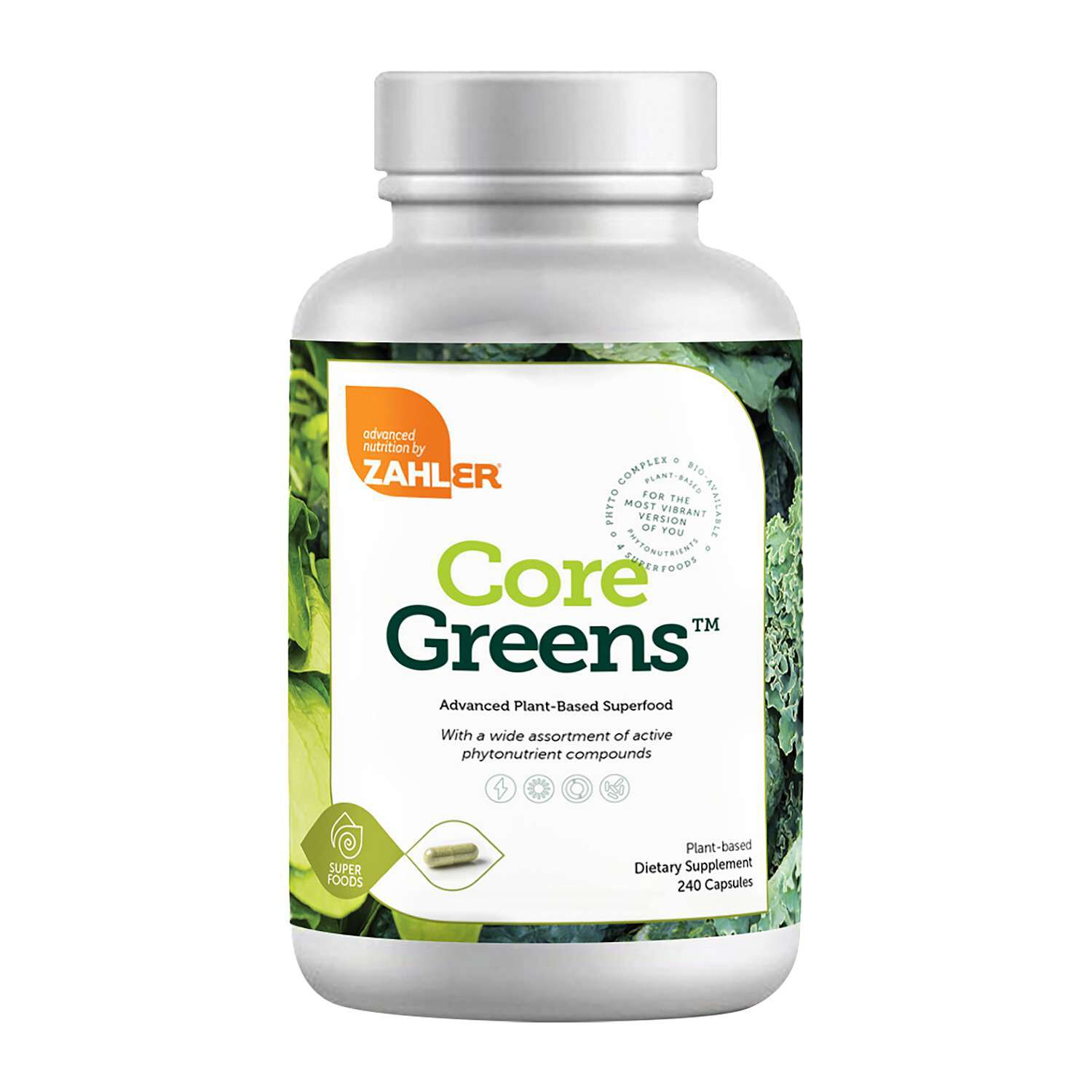

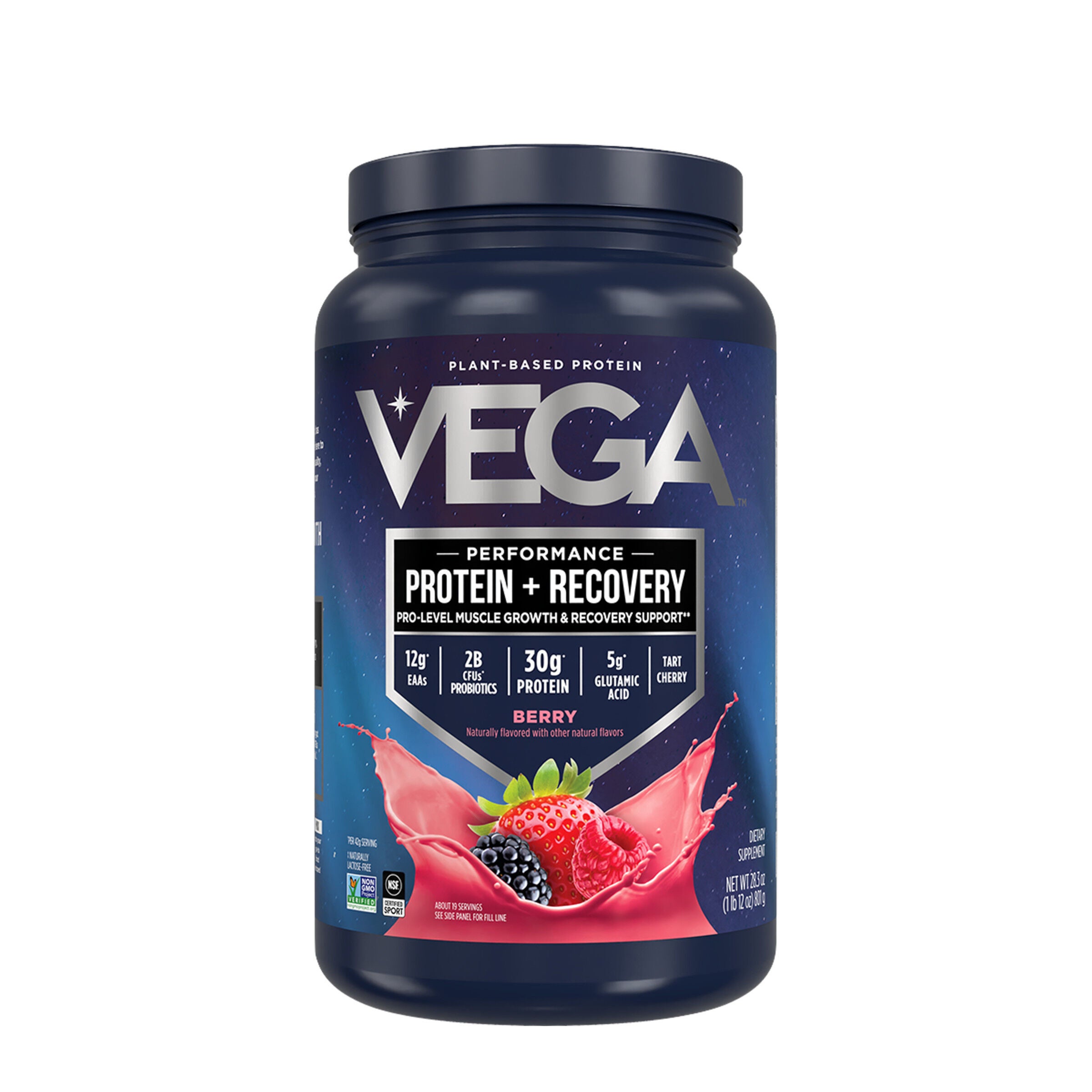
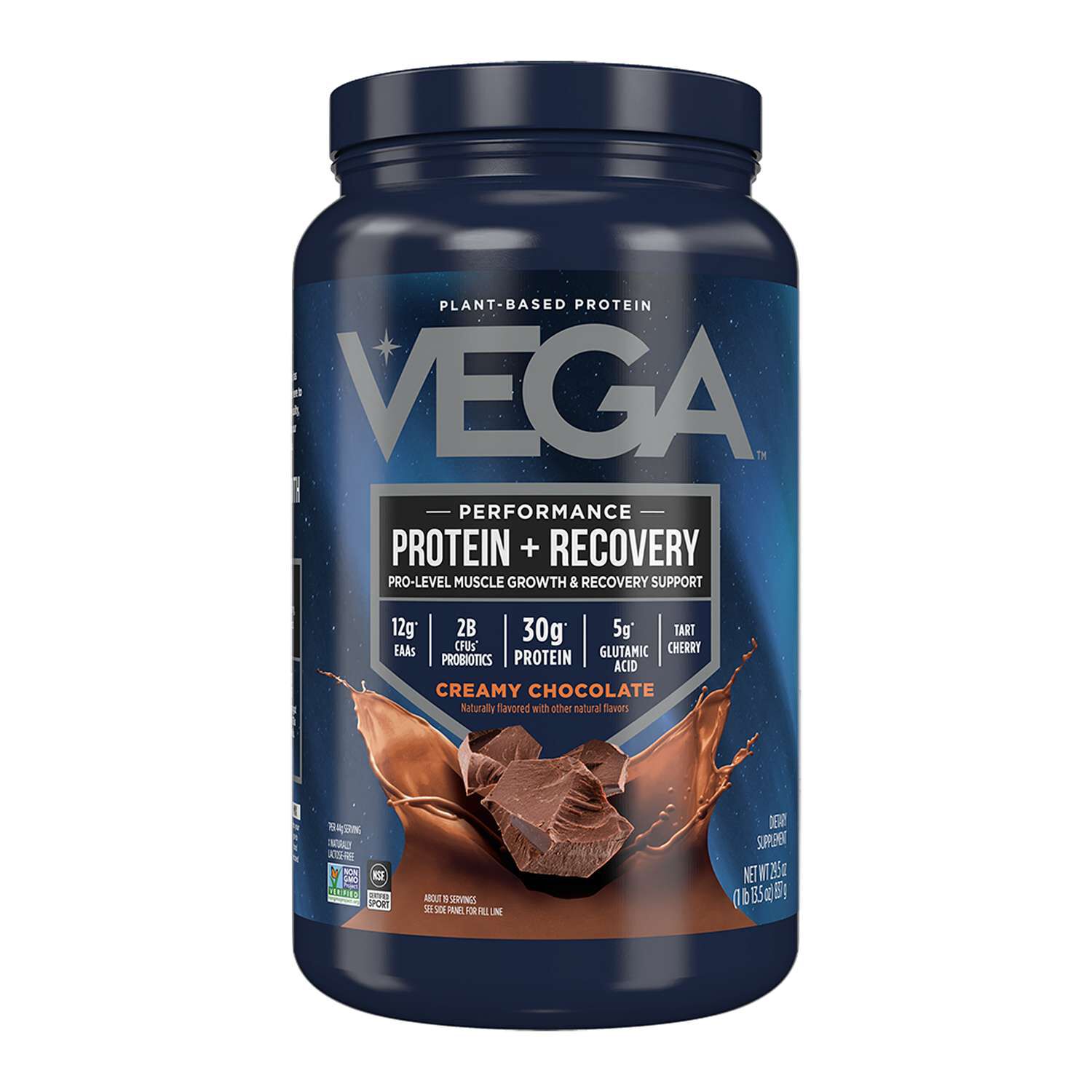

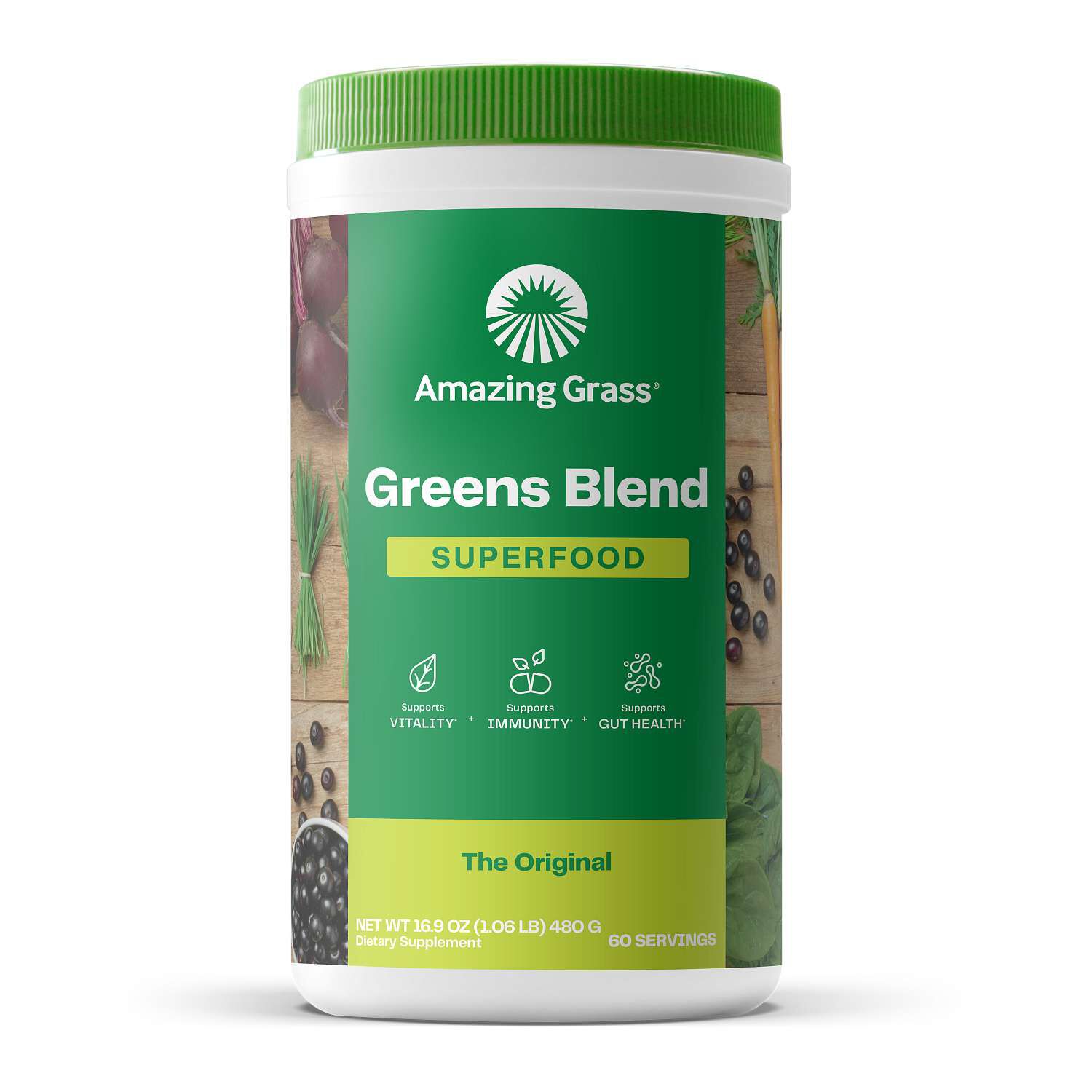
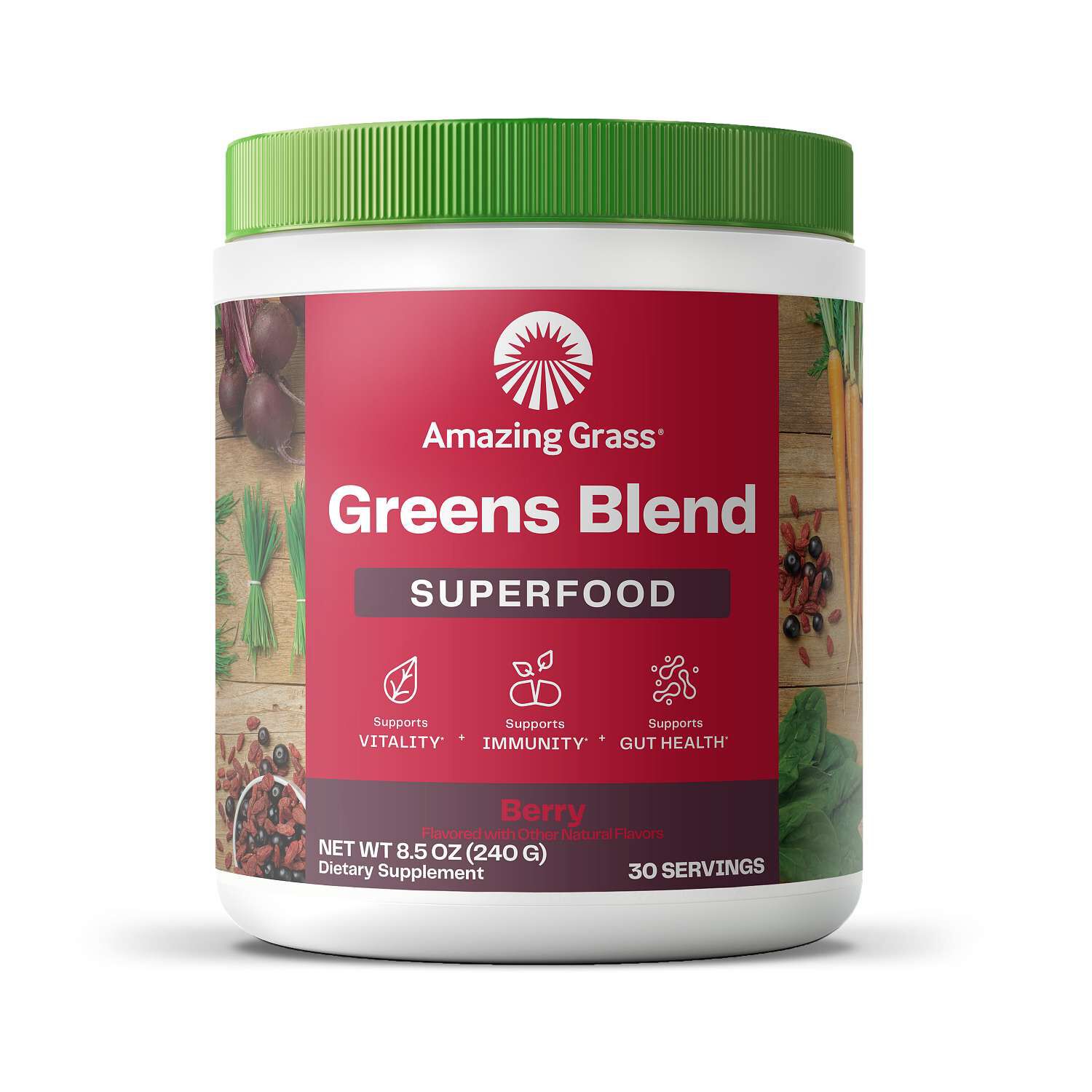

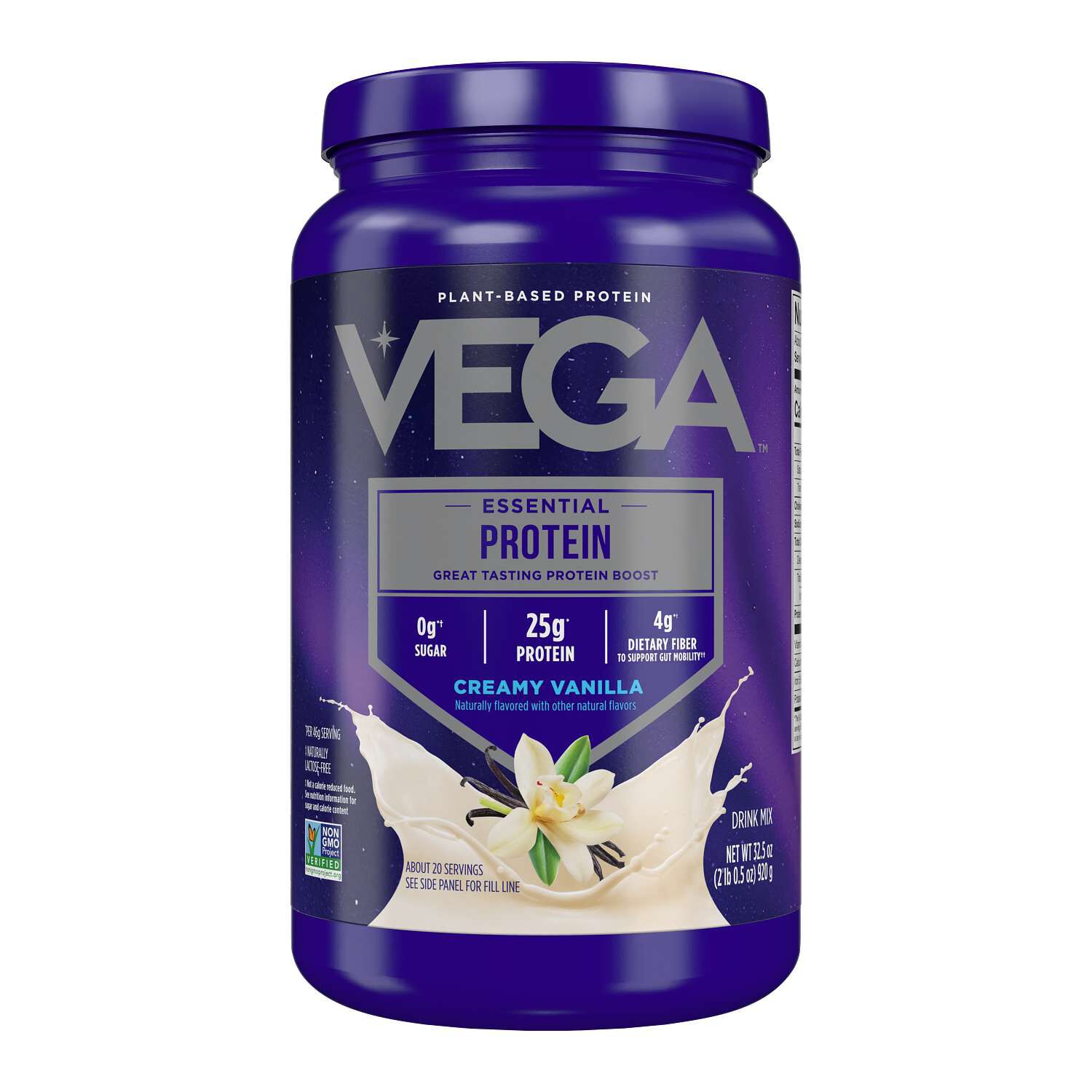


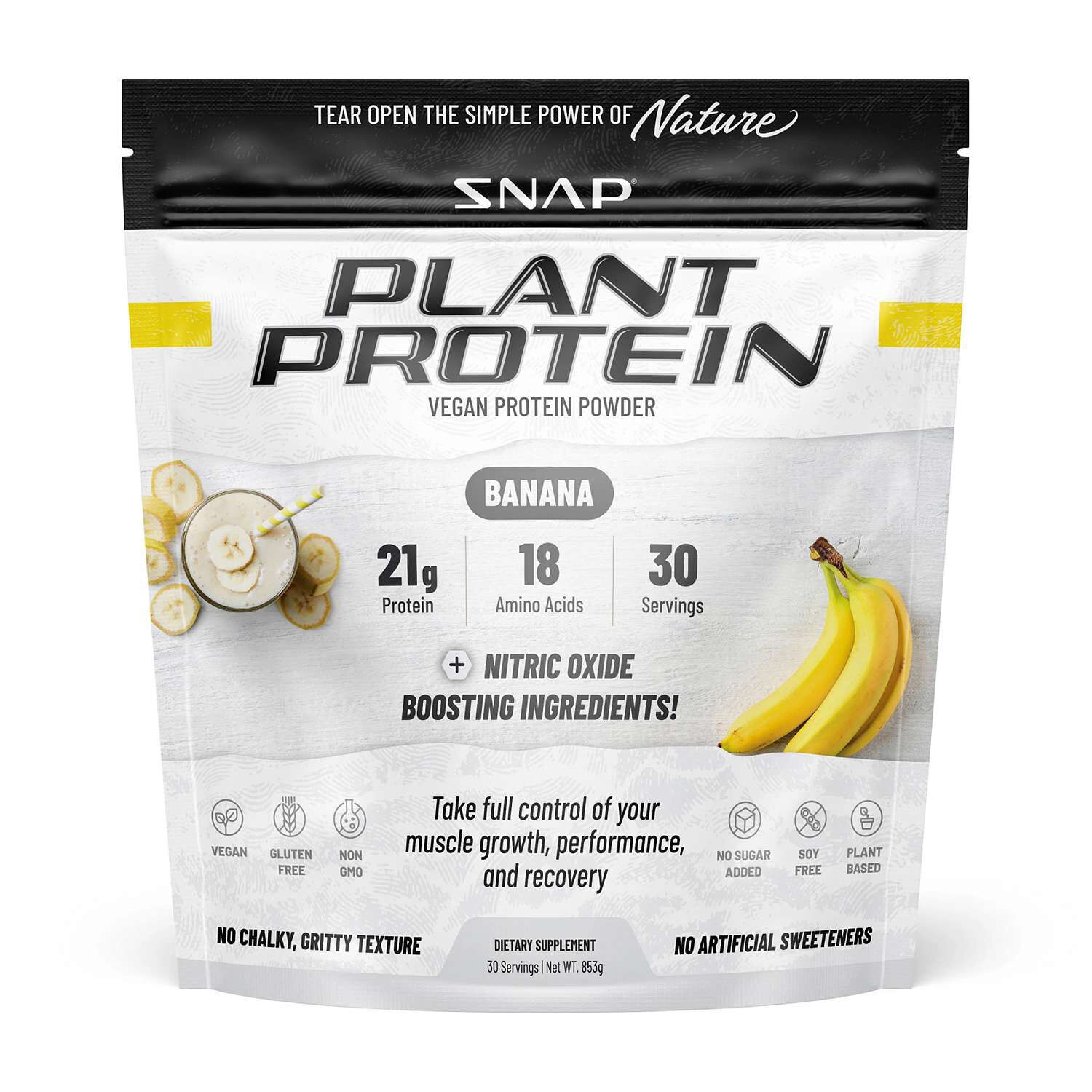
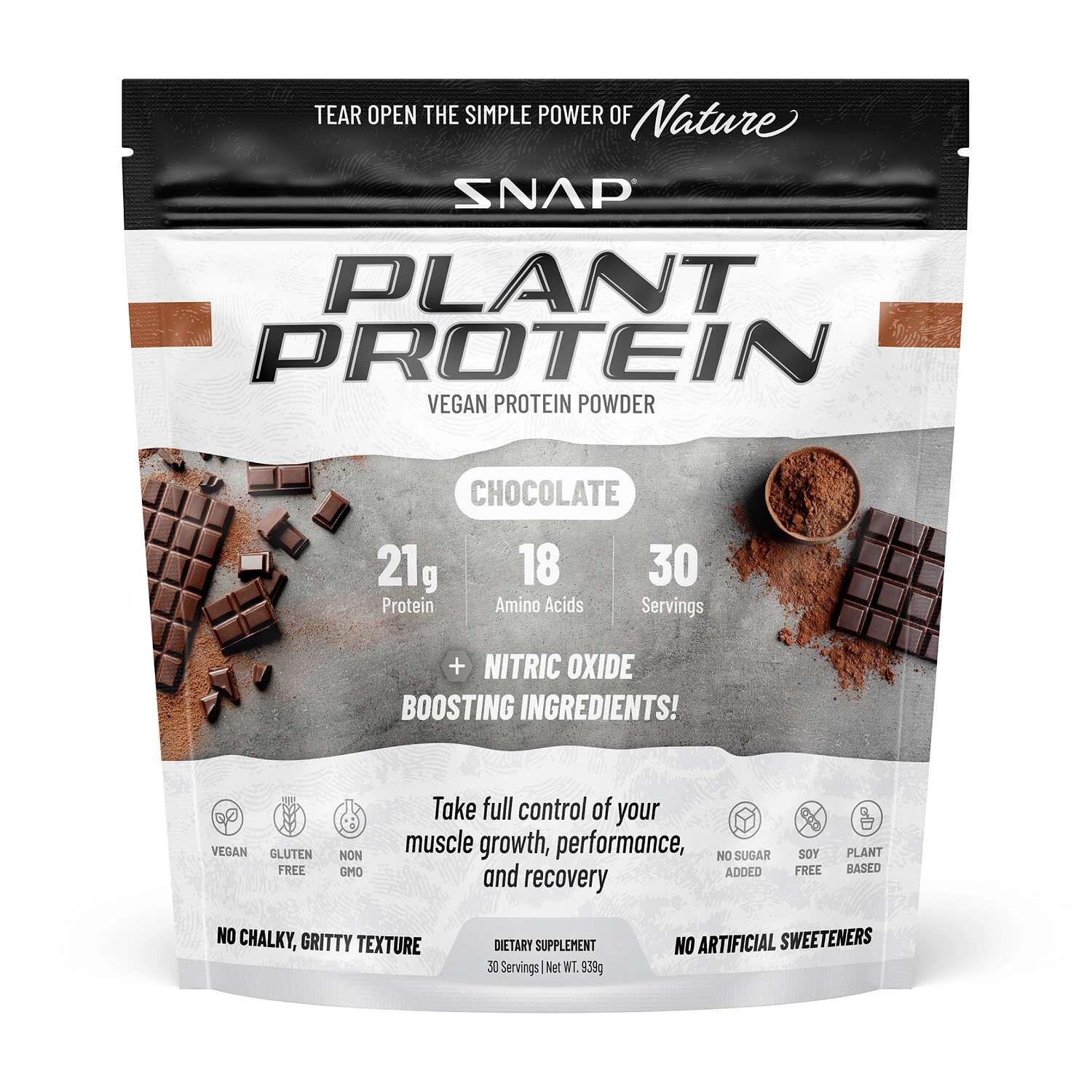
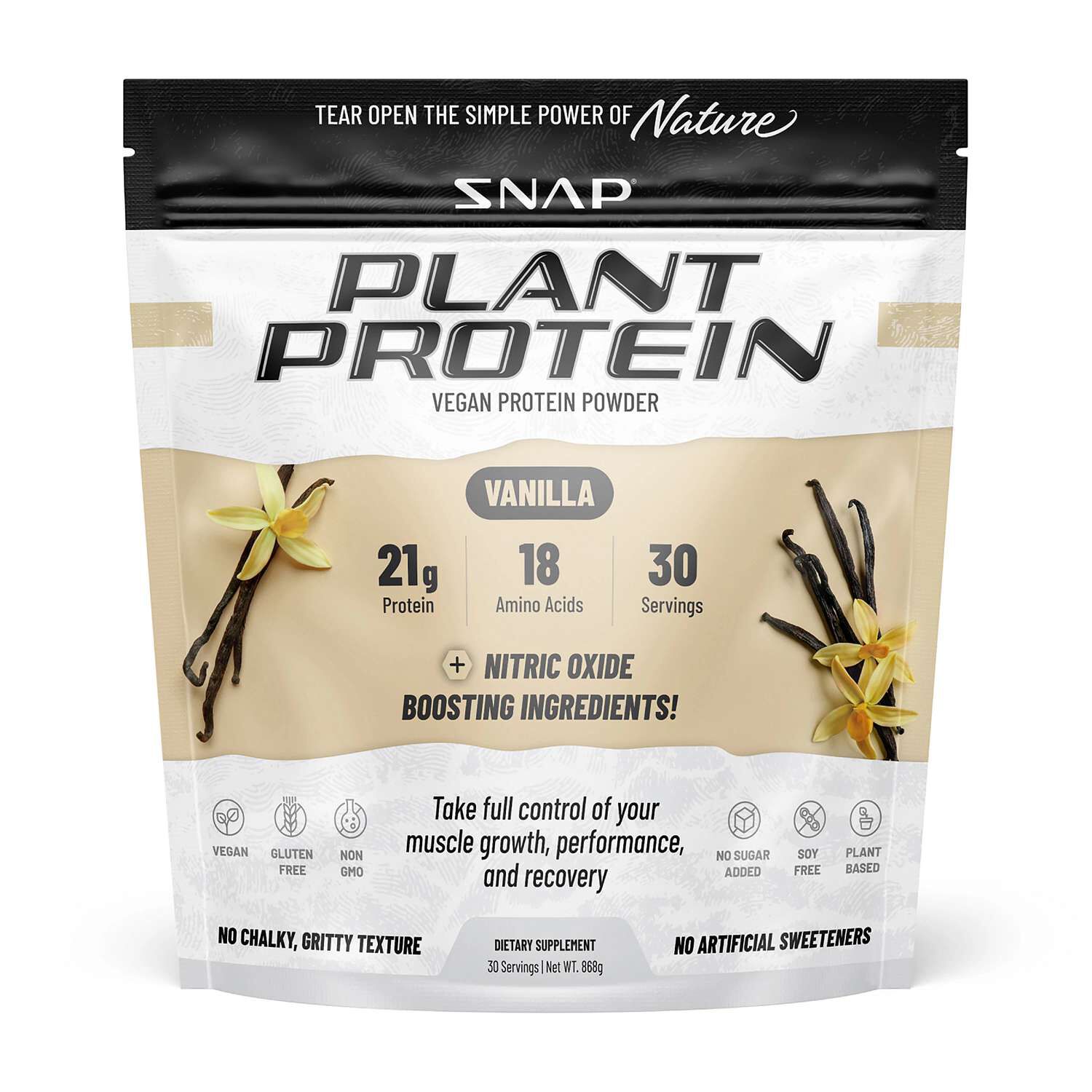

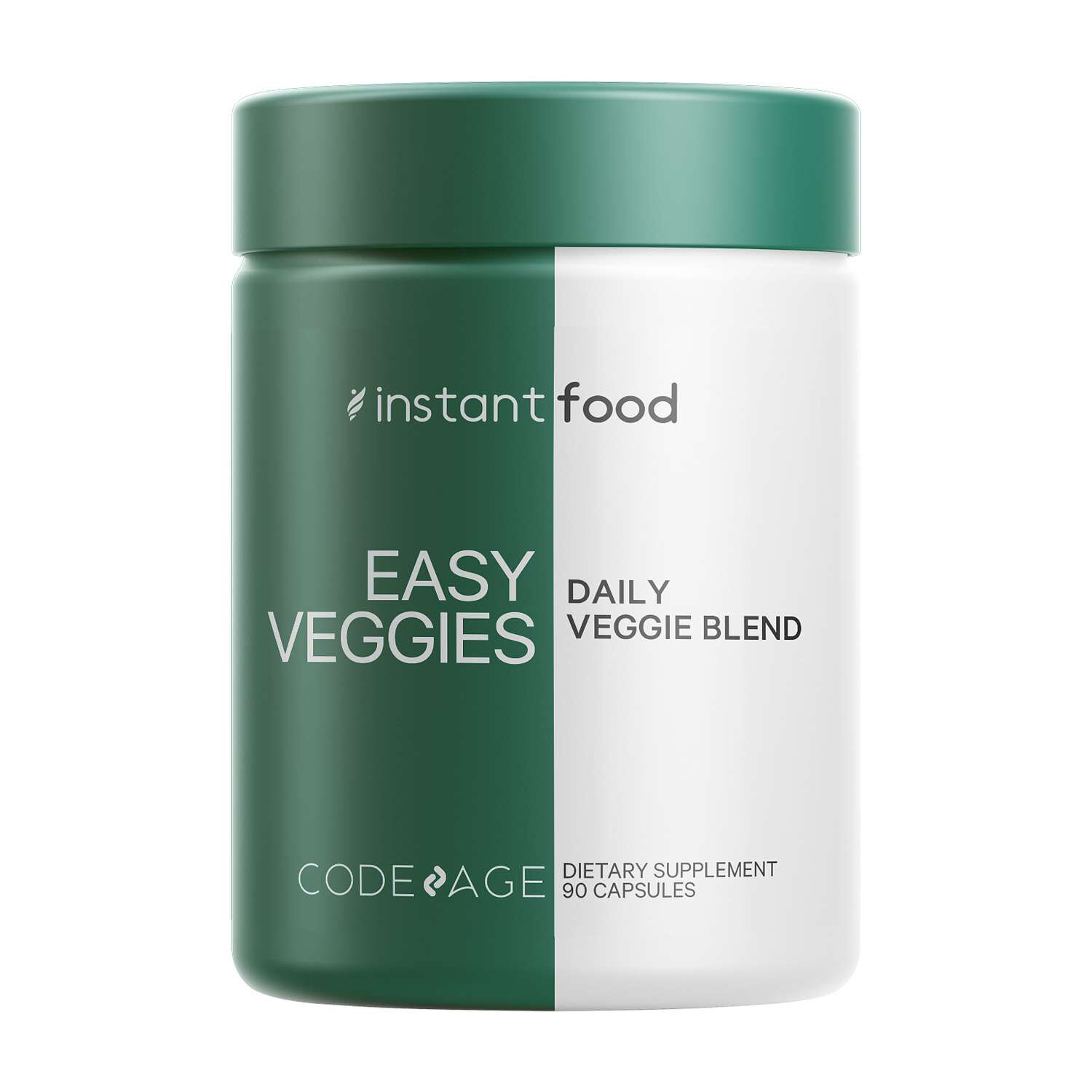


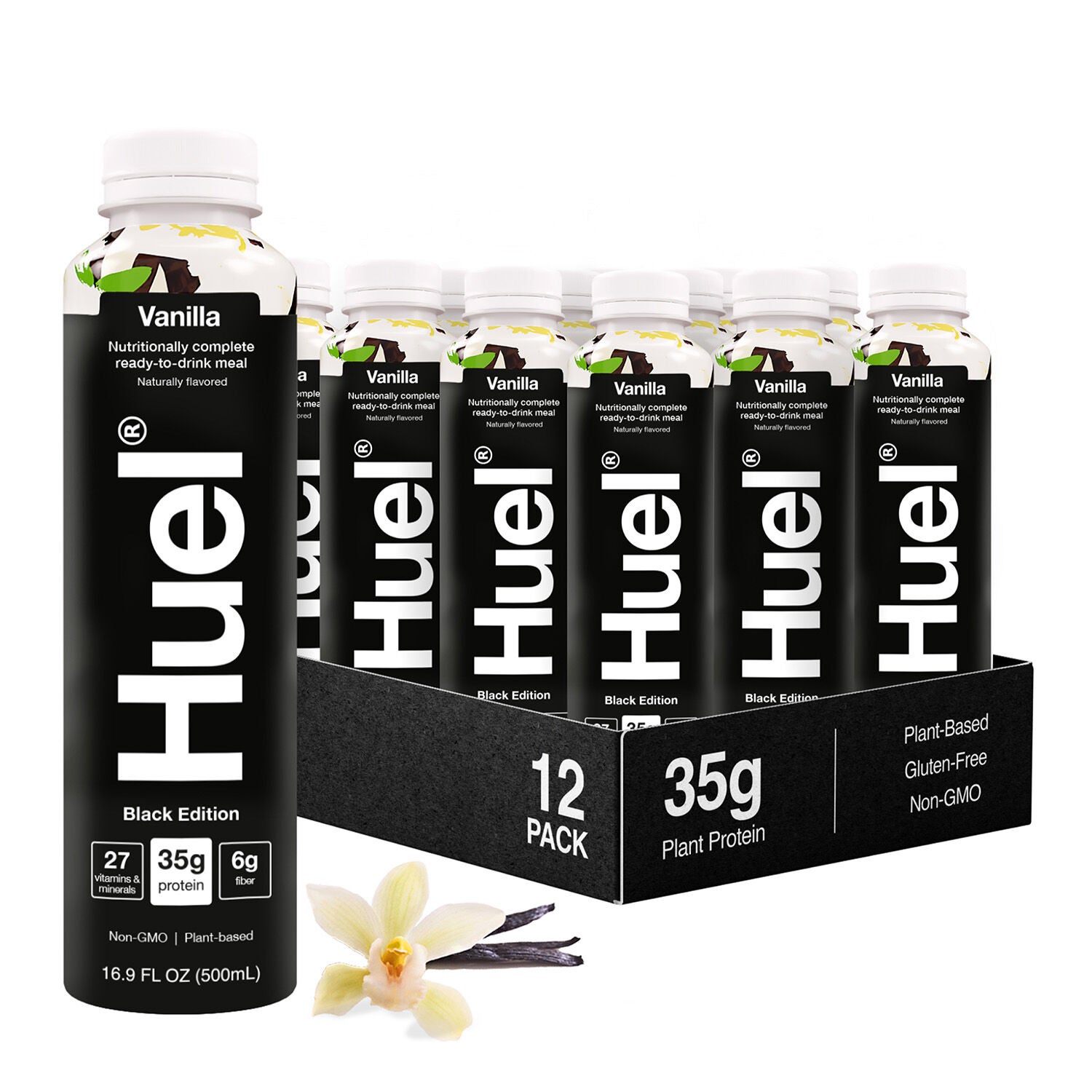
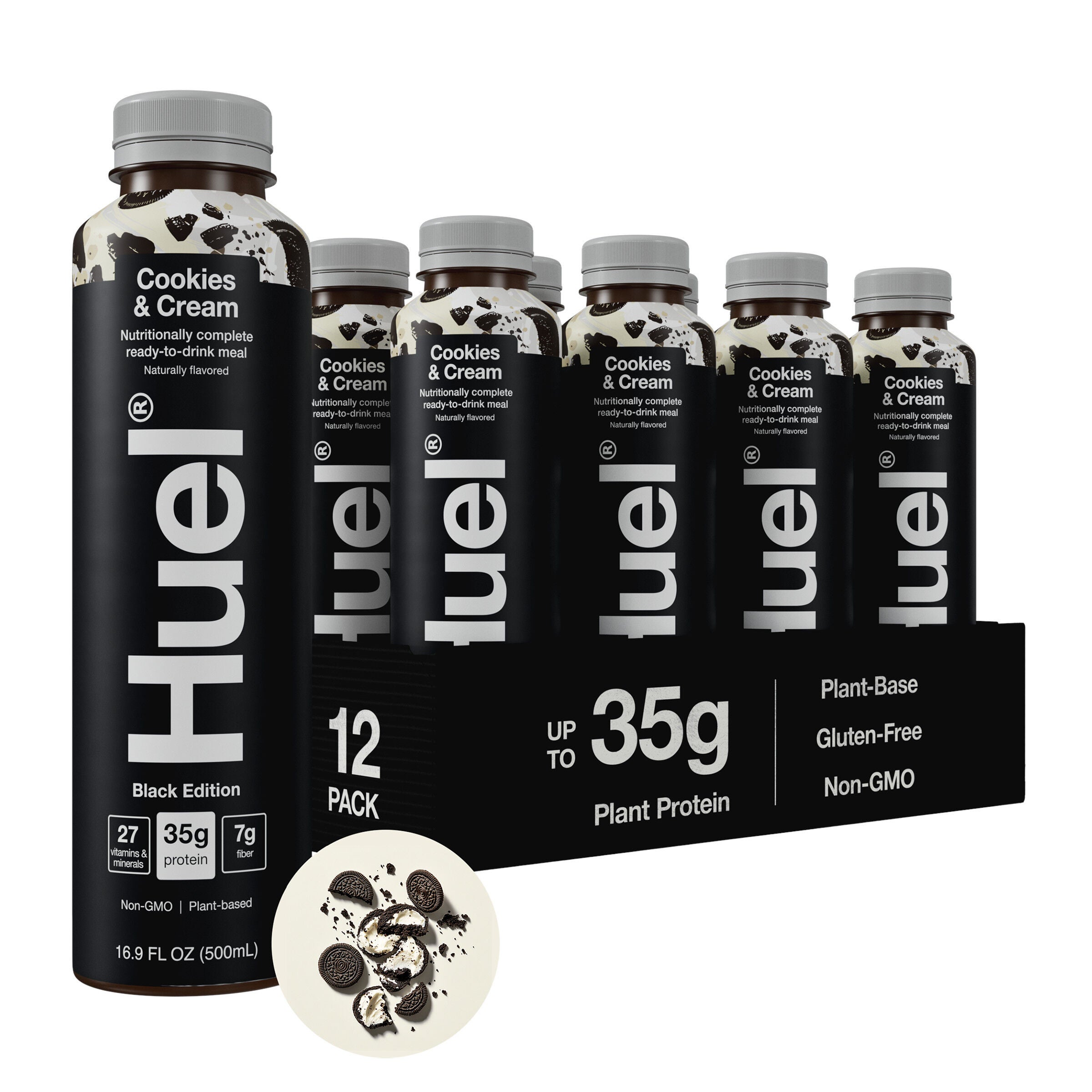

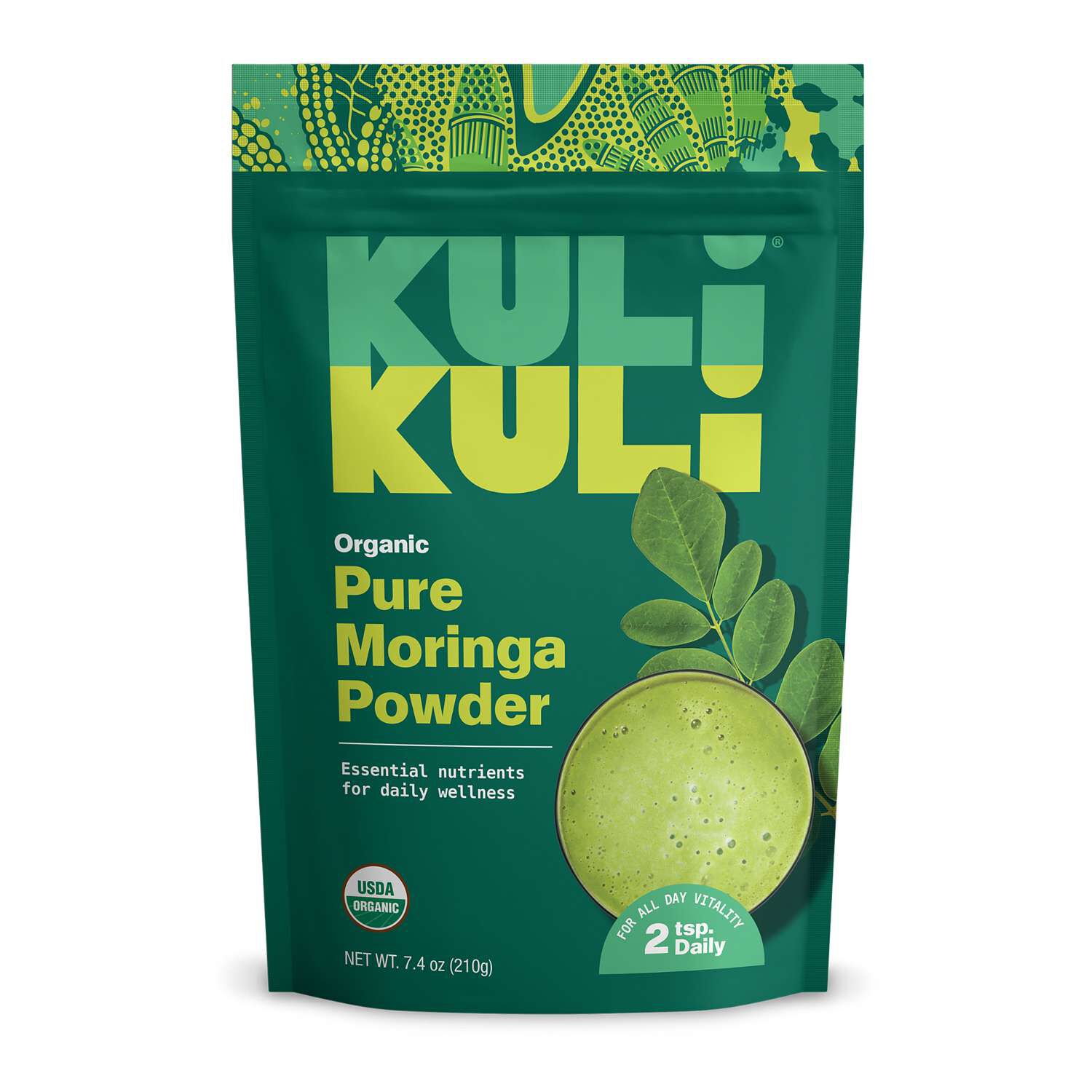
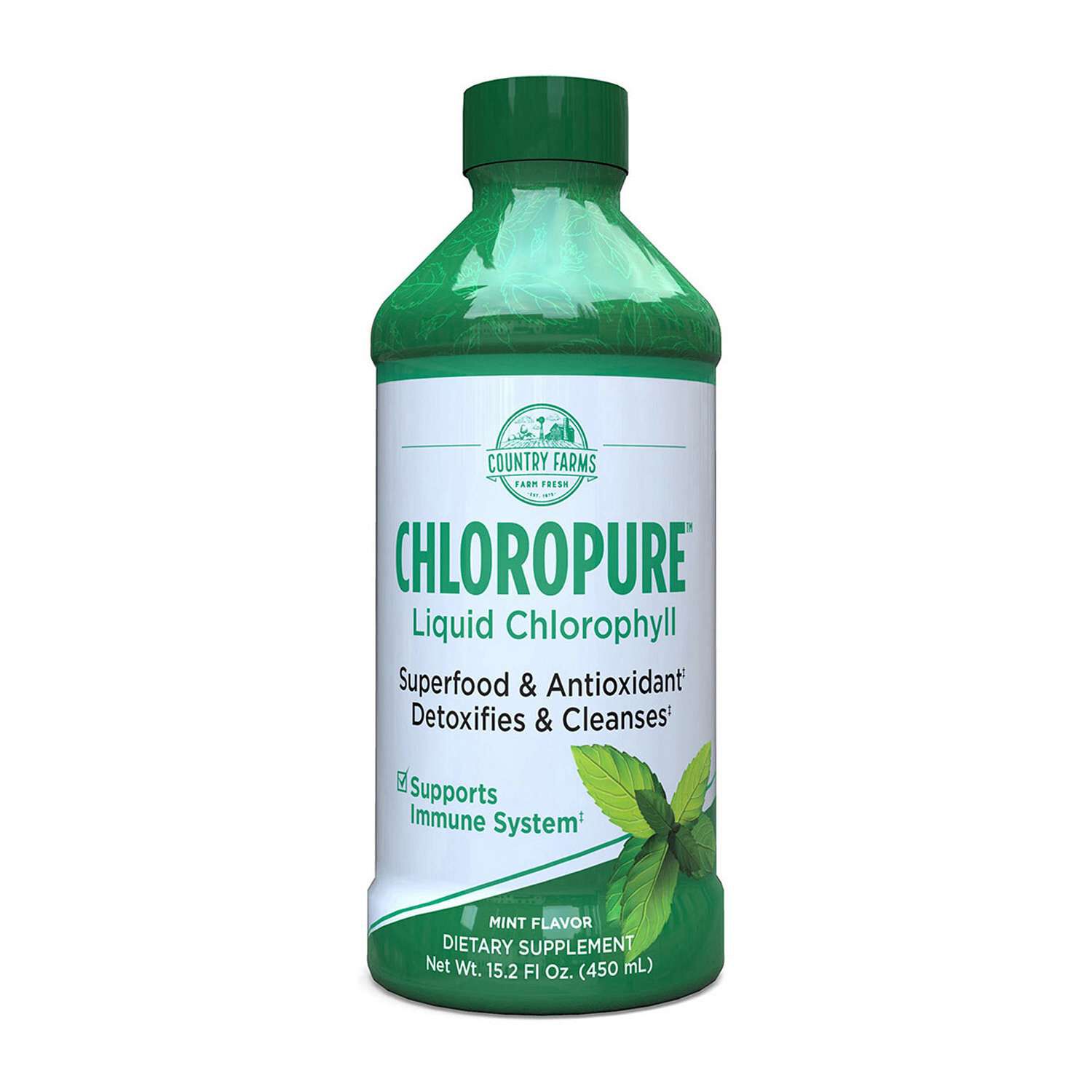
Plant-based greens supplements for fitness bring ingredients such as leafy vegetables, grasses, algae, and other plant foods into powders or capsules intended to complement everyday eating. Depending on the formula, they may add nutritional variety to an active routine, but their composition varies considerably. Some center on vegetables such as spinach and kale, while others combine greens with fruit powders, botanical ingredients, or added vitamins and minerals. The ingredient list and Supplement Facts panel offer a clearer picture than the color of the powder or the size of the container. A deep green drink does not necessarily contain more of a particular nutrient than a lighter blend, and a long ingredient list does not reveal how much of each ingredient appears in a serving. For someone who lifts weights before work, attends evening cycling classes, or spends weekends on walking trails, the appeal often comes down to format and routine: a measured serving alongside breakfast, a scoop mixed into a familiar smoothie, or a capsule format used according to its label. Greens supplements are not substitutes for vegetables, balanced meals, or the protein and carbohydrates found in everyday foods. They also should not be assumed to serve the same purpose as a protein powder or an electrolyte drink simply because they appear in a fitness assortment. Each category has a different composition and intended use. A vegetable-forward formula may suit someone looking for a straightforward addition to meals, while a blend with added nutrients calls for closer comparison with any other supplements already in the routine. People who eat plant-based diets may also look beyond the greens themselves to capsule materials, flavorings, and other ingredients. A product described as containing plant ingredients is not automatically vegan, so an explicit dietary designation matters when that distinction is important. This category is best understood through its ingredients, serving format, and place within a varied eating pattern rather than through assumptions about workout results.
Flavor, texture, and preparation are practical differences among plant-based greens powders, especially when a serving becomes part of a regular morning ritual. Unflavored blends often have earthy, grassy, or slightly bitter notes, with the character of the plants coming through more clearly in plain water. Fruit-flavored options may bring citrus, berry, or tropical notes, although sweeteners and flavor intensity differ by formula. Someone who enjoys a tart drink after an early walk may prefer a different flavor profile from someone who mixes greens into oatmeal or a thick banana smoothie. Preparation should follow the package directions, including the serving amount and any specified mixing method. A shaker bottle can be convenient for a water-based drink, while a blender offers another approach when a recipe includes fruit, yogurt, or a plant-based beverage. Some powders remain lightly textured or settle after mixing; a perfectly clear drink is not the expected result for every blend made with powdered plant ingredients. The amount of liquid also changes the drinking experience, with a smaller volume creating a more concentrated flavor and a larger volume making a longer drink. Serving directions remain the reference point even when the liquid amount allows some flexibility. For shoppers comparing drinkable formats, Daily Greens Powder Supplements offers a related category to explore alongside broader plant-based greens options. Beyond flavor, useful points of comparison include the stated serving size, servings per container, listed nutrient amounts, and whether the formula identifies individual ingredient quantities or groups them into a blend. The presence of a familiar vegetable on the label does not establish that the serving provides the same nutrition as a serving of that whole food. Fiber content, for example, should be checked on the nutrition information rather than inferred from the plant imagery on the package. These distinctions matter when choosing between a simple greens blend and a more elaborate formula with a wider assortment of ingredients.
Fit within a fitness routine is largely a matter of habits, storage, and intended use rather than a particular time on the clock. Unless a label specifies timing, there is no reason to assume every greens supplement belongs immediately before or after exercise. A breakfast counter, a lunch bag, or a kitchen shelf near the smoothie ingredients may be a more natural setting than the gym floor. During the cooler months, when outdoor walks share the calendar with indoor workouts, an established meal routine can provide a consistent place for preparation without tying the supplement to a particular activity. Packaging matters here: a tub usually calls for measuring and resealing, while individual serving packets offer a compact format for carrying to work or packing for a weekend away. Capsules avoid the flavor and mixing considerations of a drink, though their serving count and directions may differ substantially from those of a powder. Care is primarily about following the storage instructions and keeping the contents in suitable conditions. A dry scoop, a firmly closed lid, and storage away from steam or a damp gym bag are sensible handling details for powders when consistent with the label. The printed date and package condition also deserve attention; a large container only fits a routine if its serving count makes sense for the intended use. For households with dietary preferences or ingredient restrictions, clearly stated allergen information and dietary designations are more useful than broad descriptions on the front of the package. Tea extracts, added minerals, and other ingredients can distinguish two greens formulas that initially look similar, so the full label remains important. These supplements may interest recreational runners, strength-training enthusiasts, regular studio attendees, and adults who enjoy an active schedule, without being limited to any one style of exercise. As a gift, they are most appropriate when the recipient’s flavor preferences and usual supplement choices are already known. The most practical match is a format with understandable ingredients, manageable preparation, and a taste and texture that fit comfortably alongside ordinary meals.