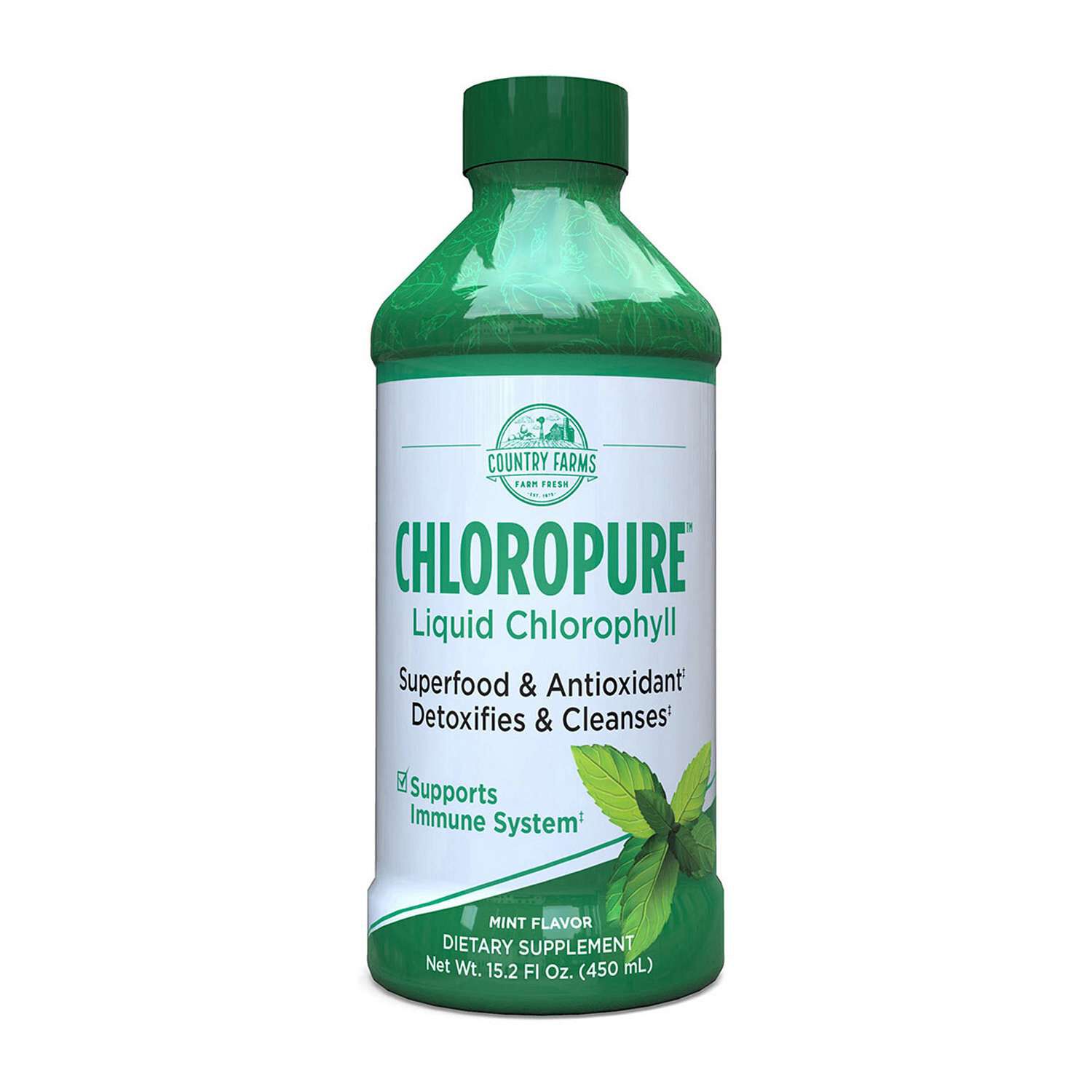


Whole Food Greens Supplements
(0 Results)
Whole food greens supplements offer a convenient way to incorporate more plant-based ingredients into your daily routine. Packed with a variety of greens, these supplements may support your wellness goals by helping you bridge nutritional gaps. Whether you’re looking to complement an active lifestyle or simply add more greens to your day, whole food greens supplements could be a versatile addition to your regimen. Explore options that fit your preferences and discover how easy it might be to prioritize greens every day.


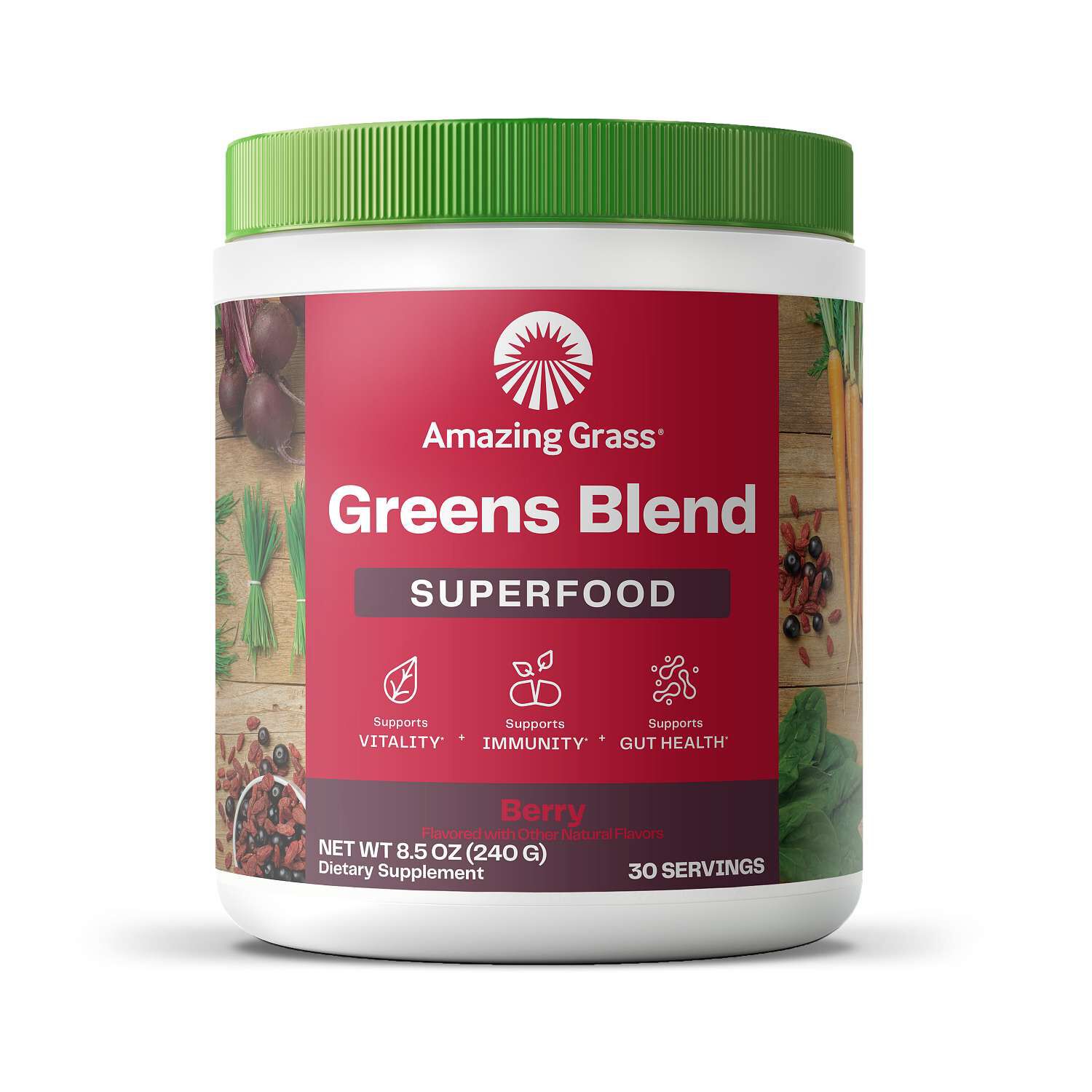

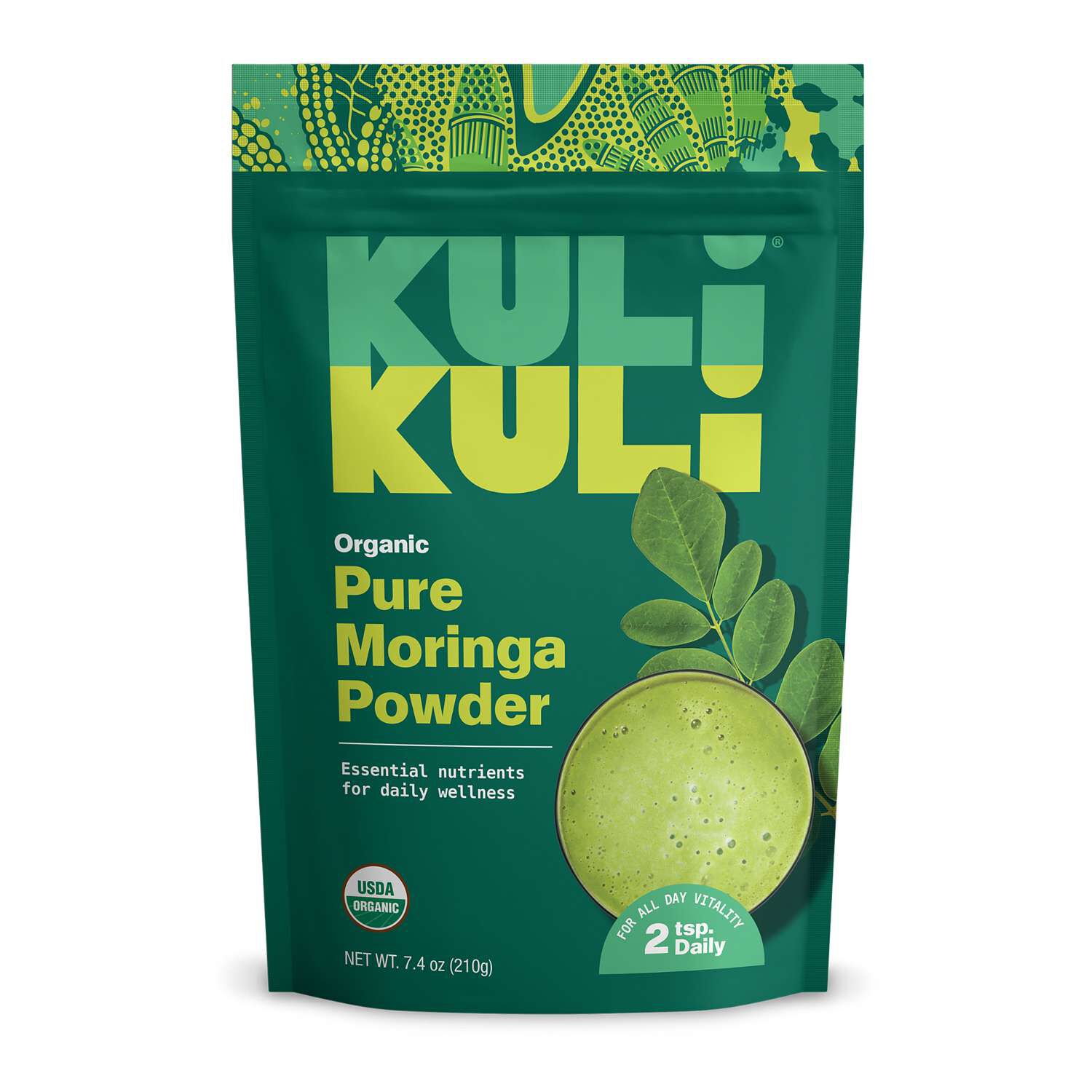


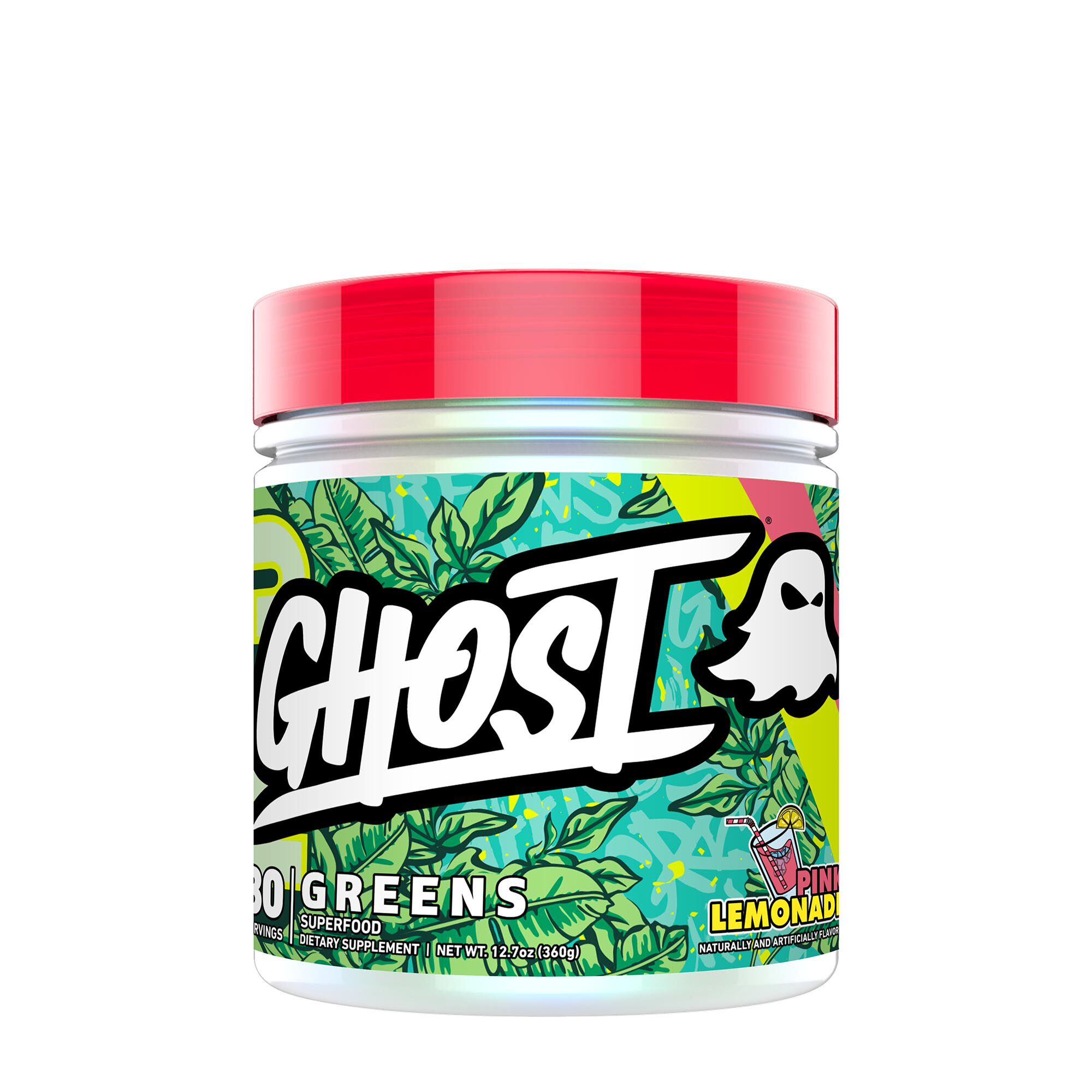
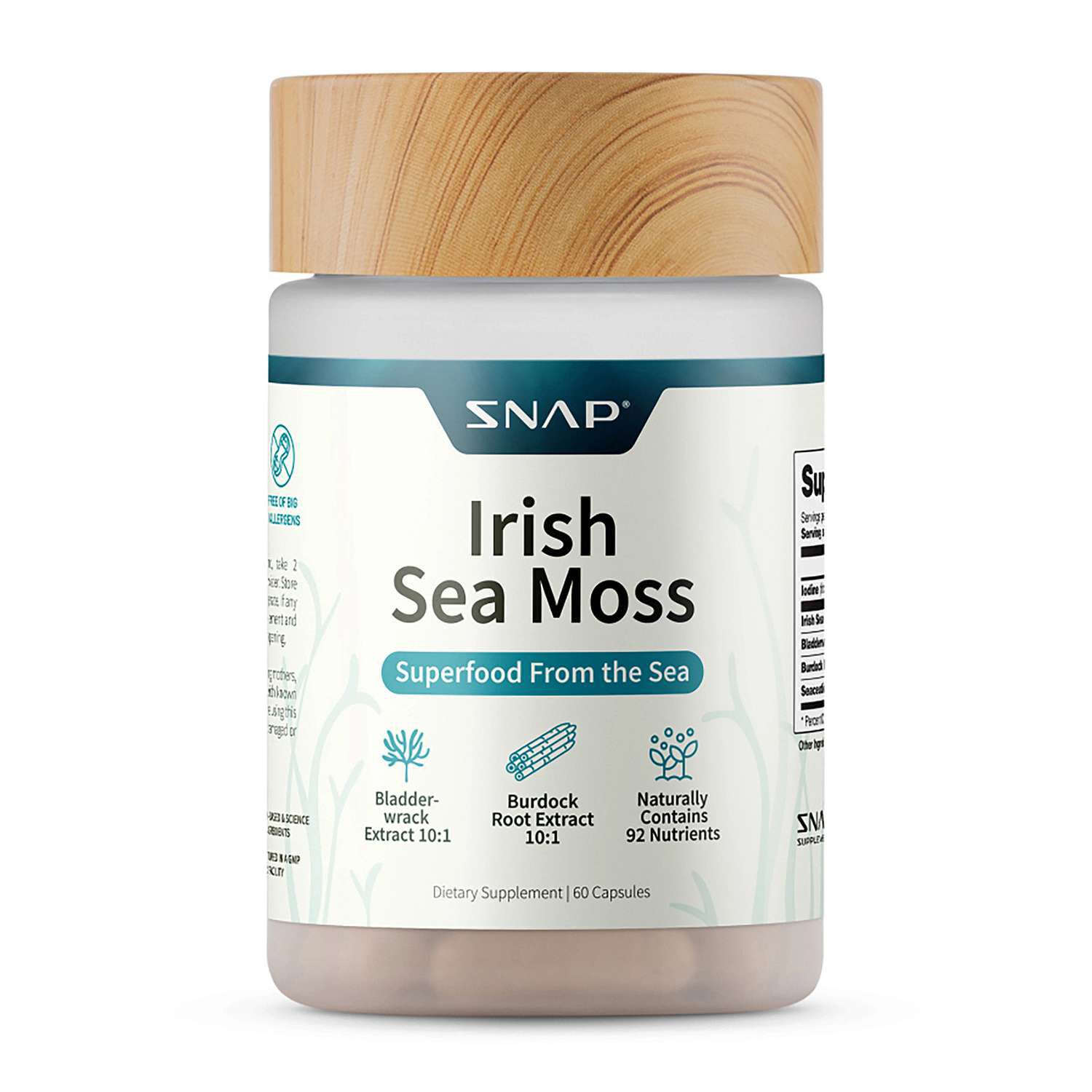

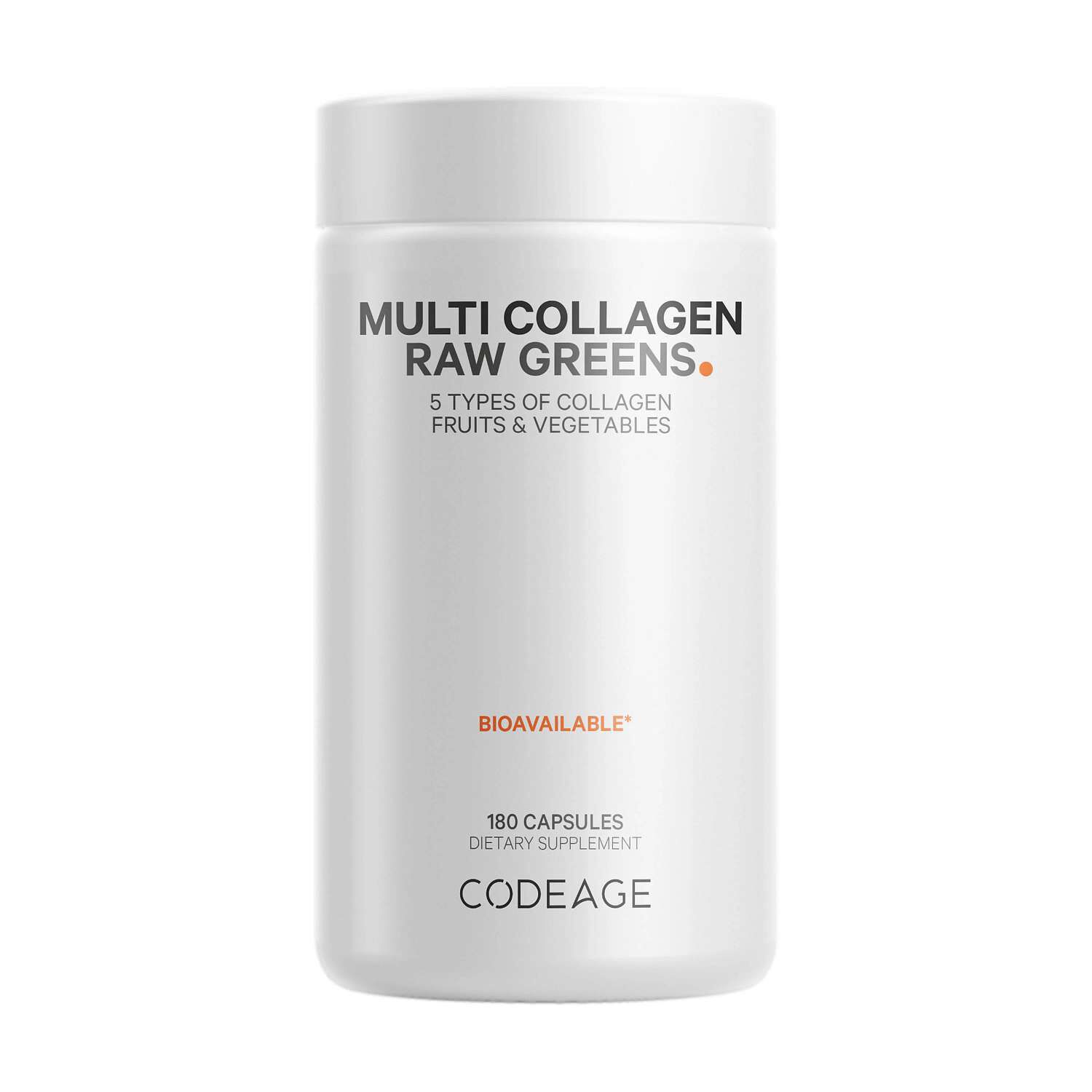

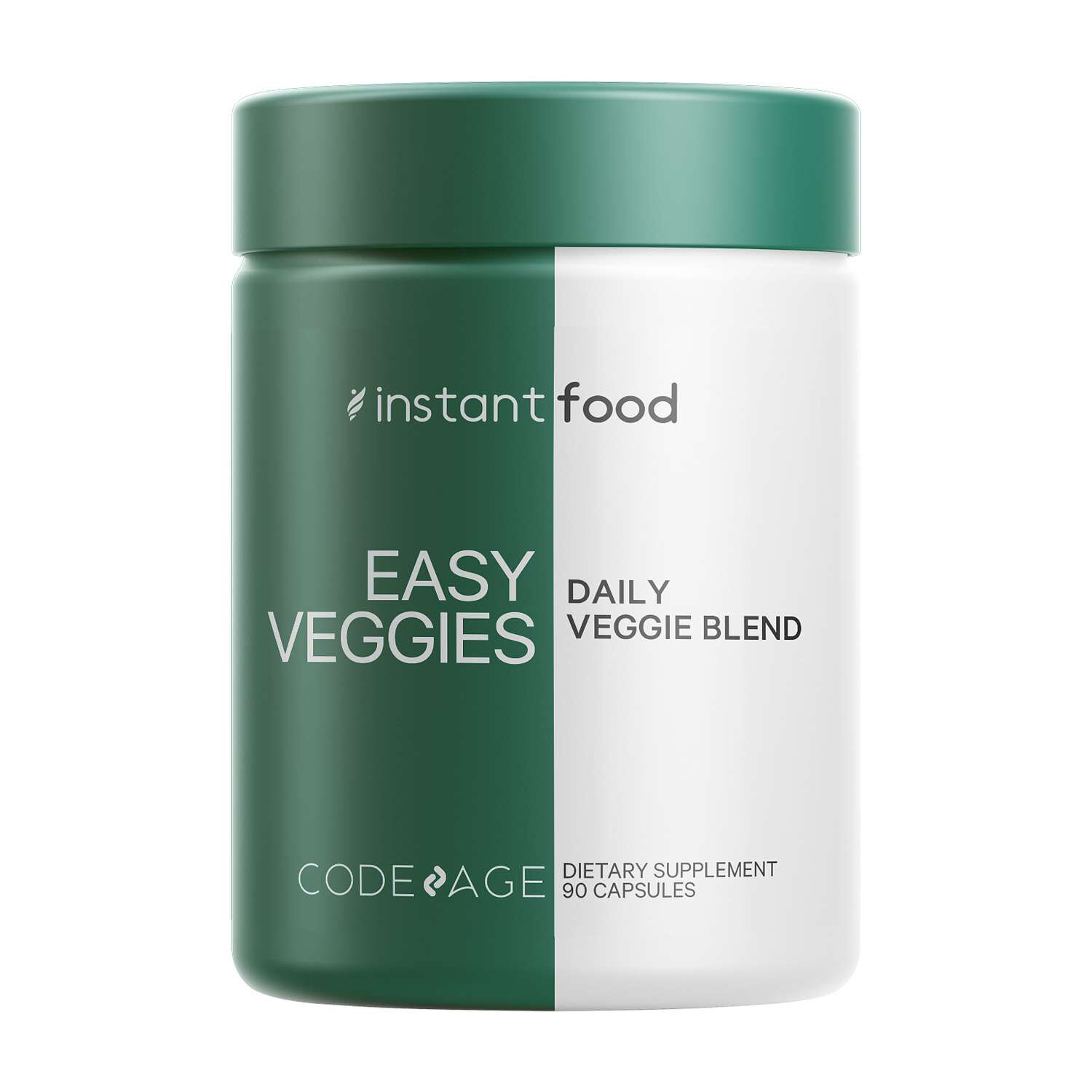
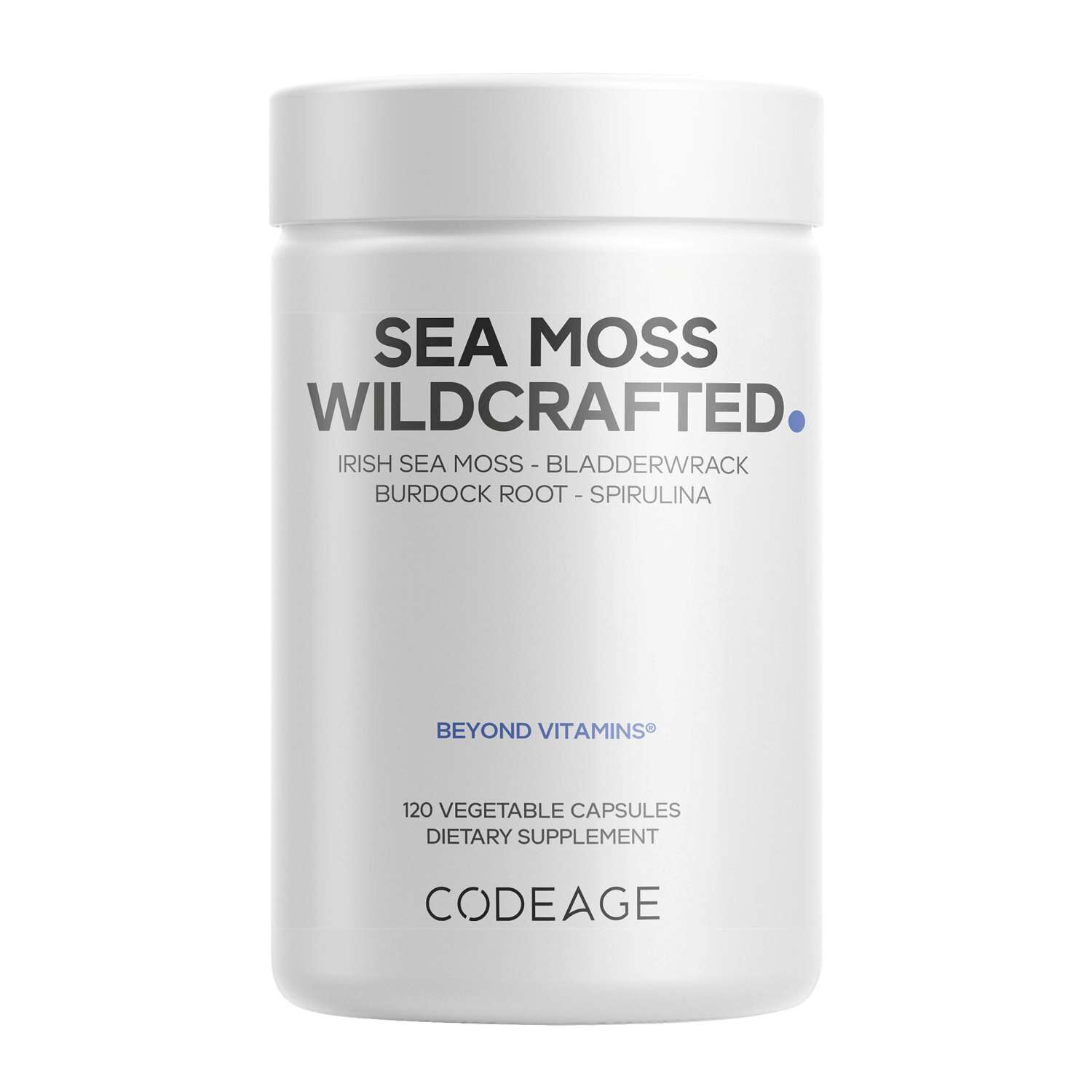


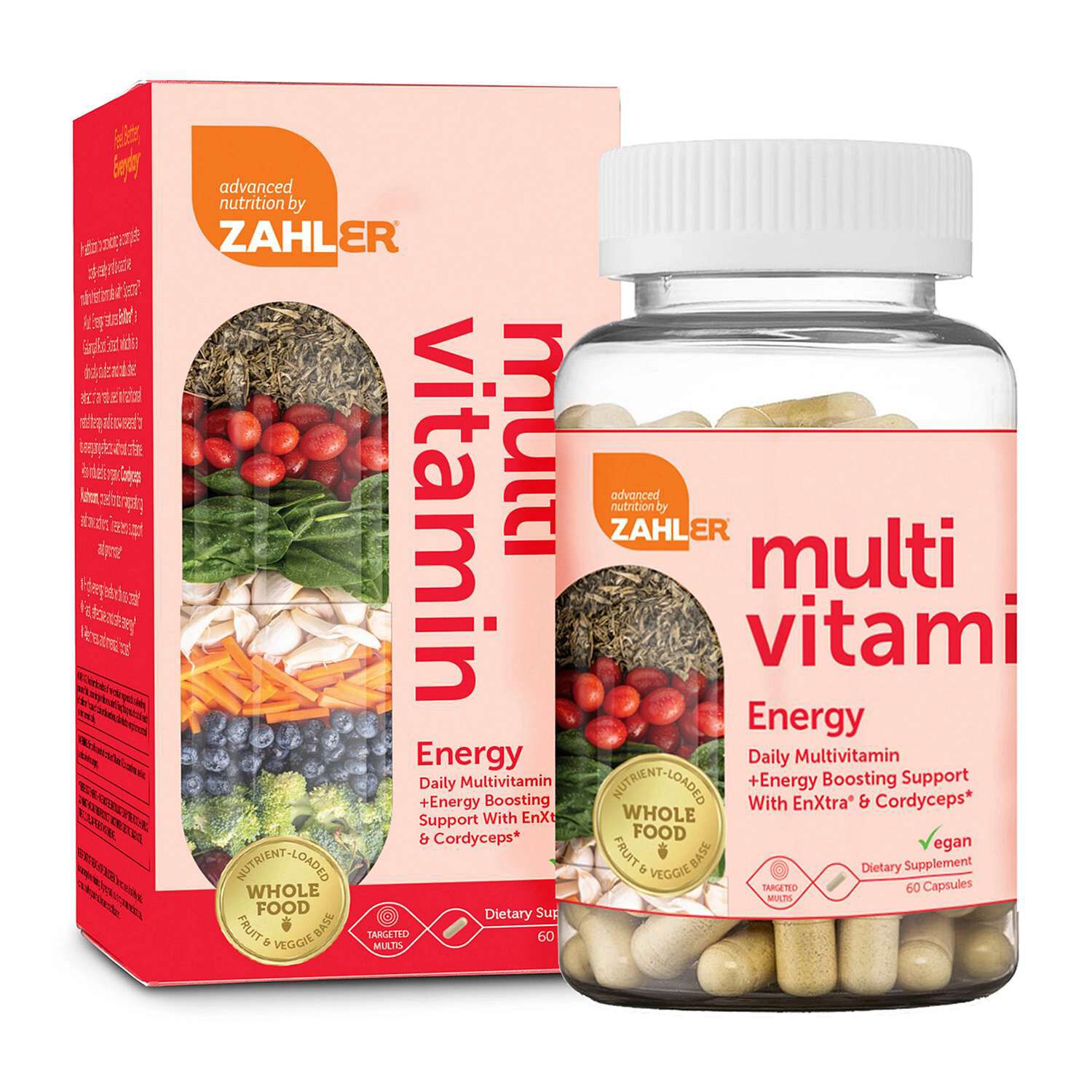


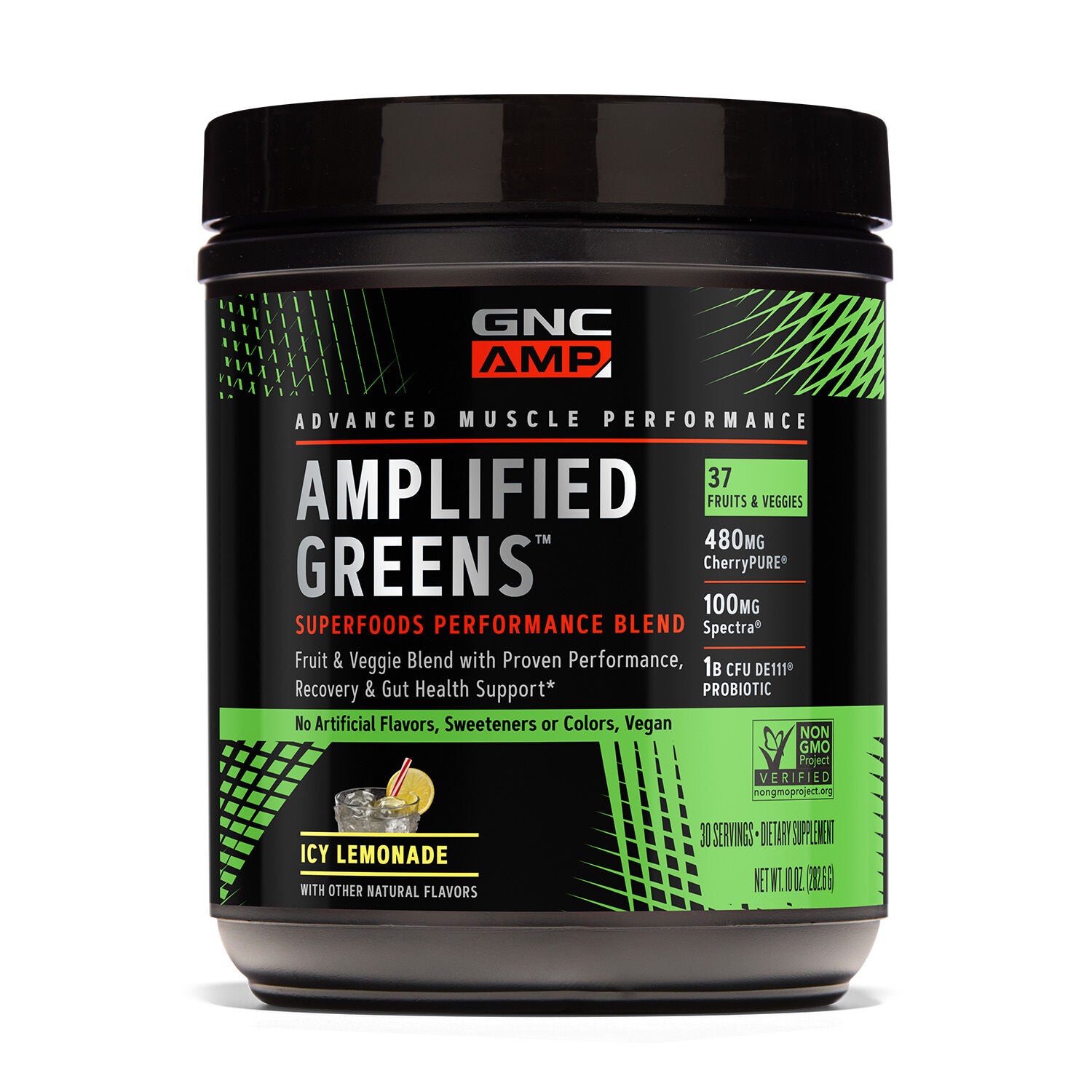
Whole food greens supplements bring plant ingredients into formats such as drink powders, capsules, and tablets, with blends that can include leafy vegetables, cereal grasses, algae, fruits, and herbs. The phrase “whole food” generally points to food-derived ingredients, but it does not describe one uniform recipe or processing method. Some formulas center on spinach, kale, broccoli, and parsley; others feature wheatgrass, barley grass, spirulina, or chlorella. Fruit ingredients such as apple, blueberry, or acerola may also appear alongside the greens. A powder made from dried plant material can differ from one made with juice powders or extracts, so the ingredient list offers more useful detail than the name alone. These supplements are intended to complement everyday eating rather than replace vegetables, fruit, or balanced meals. Their fiber content varies, and a serving of greens powder should not be treated as equivalent to a serving of produce. Likewise, a long list of plant ingredients does not establish how much of each ingredient appears in a serving. For shoppers comparing whole food greens powders, the Supplement Facts panel and ingredient list provide the clearest starting point: serving size, listed nutrient amounts, blend weights, and added ingredients all help describe what is inside. Some formulas contain added vitamins and minerals, while others focus primarily on powdered plants. Probiotics, enzymes, mushrooms, and botanical ingredients can also be part of a blend, but their inclusion does not make every formula interchangeable. Someone looking for a straightforward vegetable-based powder may prefer a shorter ingredient list, while another shopper may be interested in a broader combination of plant sources. Neither approach makes the number of ingredients a reliable measure of suitability. The more meaningful distinction is whether the formula matches the shopper’s preferences, dietary requirements, and intended use. Whole food greens supplements occupy their own place within a varied eating routine, separate from protein powders, meal replacements, and the foods on a dinner plate.
Format makes a practical difference in how whole food greens supplements fit into the day. Powdered greens are designed for preparation according to package directions, often with water or another beverage. A tub suits someone who prefers measuring a serving at home, while individual packets offer a premeasured format for a desk drawer or travel bag. Capsules and tablets avoid the need to prepare a drink, although the labeled serving may include several capsules or tablets rather than just one. Comparing formats therefore means looking beyond the package size to the serving directions and ingredient amounts. Flavor deserves the same attention. Greens powders can have grassy, earthy, or vegetal notes, especially when algae and cereal grasses are prominent. Unflavored does not necessarily mean tasteless: a plain blend can still bring a noticeable green character to a beverage. Fruit-flavored versions may include sweeteners, flavoring ingredients, or acids that create a different drinking experience. Someone who enjoys the tartness of berries may lean toward a fruit-forward blend, while a shopper who prefers a less sweet drink may look more closely at unflavored options and their ingredient lists. Texture also varies with the raw materials and processing. Some plant powders leave fine particles suspended in the glass or settle after standing, so the mixing instructions matter. Where the label permits, a shaker bottle or blender may produce a more uniform mixture than a quick stir with a spoon. A smoothie with banana, berries, or yogurt offers a different flavor setting from a glass of plain water, but the serving amount should still follow the package directions. A scoop from another container is not necessarily the same size as the scoop supplied with a greens powder. For a breakfast routine, an afternoon beverage, or a supplement taken without a drink mixture, the most useful format is one that matches the intended setting without requiring a complicated preparation process. Ease of measuring, portability, and personal taste are tangible differences worth weighing alongside the formula itself.
Ingredient transparency helps make comparisons more precise, particularly when several whole food greens supplements use similar descriptions on the front of the package. A named blend may list its combined weight without disclosing the separate amount of every plant ingredient. Individually listed quantities offer a different degree of detail, though quantity alone does not establish a product’s effects. Serving sizes also vary, so two containers with similar net weights may provide different numbers of servings. Dietary preferences call for a closer look at the entire formula, including capsule materials, sweeteners, flavorings, and allergen statements. A plant-focused name does not, by itself, establish vegan suitability or address every dietary restriction. Organic certification concerns defined production and handling standards; it does not mean that two certified formulas contain the same ingredients or nutrient amounts. Similarly, third-party testing is most informative when the label or supporting documentation explains what was tested and which standards apply. Testing for ingredient identity or specified contaminants is different from evidence about a finished formula’s effects. Storage and packaging deserve attention as well, especially for a powder that will be opened repeatedly. A tightly closed lid, a dry measuring scoop, and storage consistent with the label may help preserve the powder’s condition during use. Leaving a container open beside a steaming kettle or dipping a damp spoon into it introduces moisture that does not belong in the package. Individual packets have different handling needs from a large tub, and capsules or tablets should remain in packaging appropriate to their labeled storage requirements. The expiration date and any instructions for use after opening provide more relevant information than assumptions about how long a plant-based supplement should last. For another collection of options, Best Green Supplements offers a related place to browse. Across formats, careful attention to plant sources, serving details, flavor, dietary labeling, and preparation makes it easier to distinguish formulas that otherwise sound alike. Those concrete details keep the focus on what the supplement contains and how it fits into an everyday routine.
Best Sellers
-
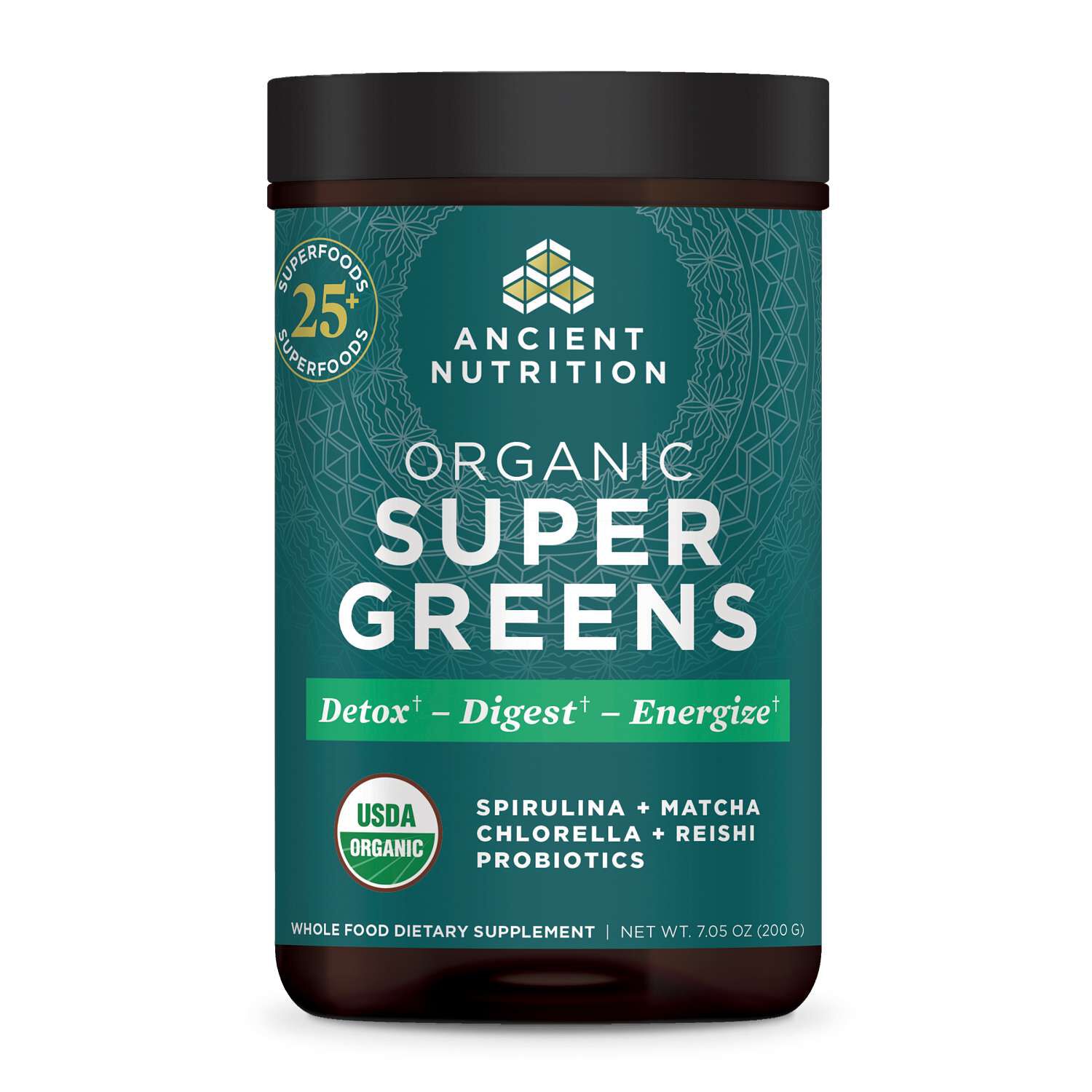 Ancient Nutrition
 -
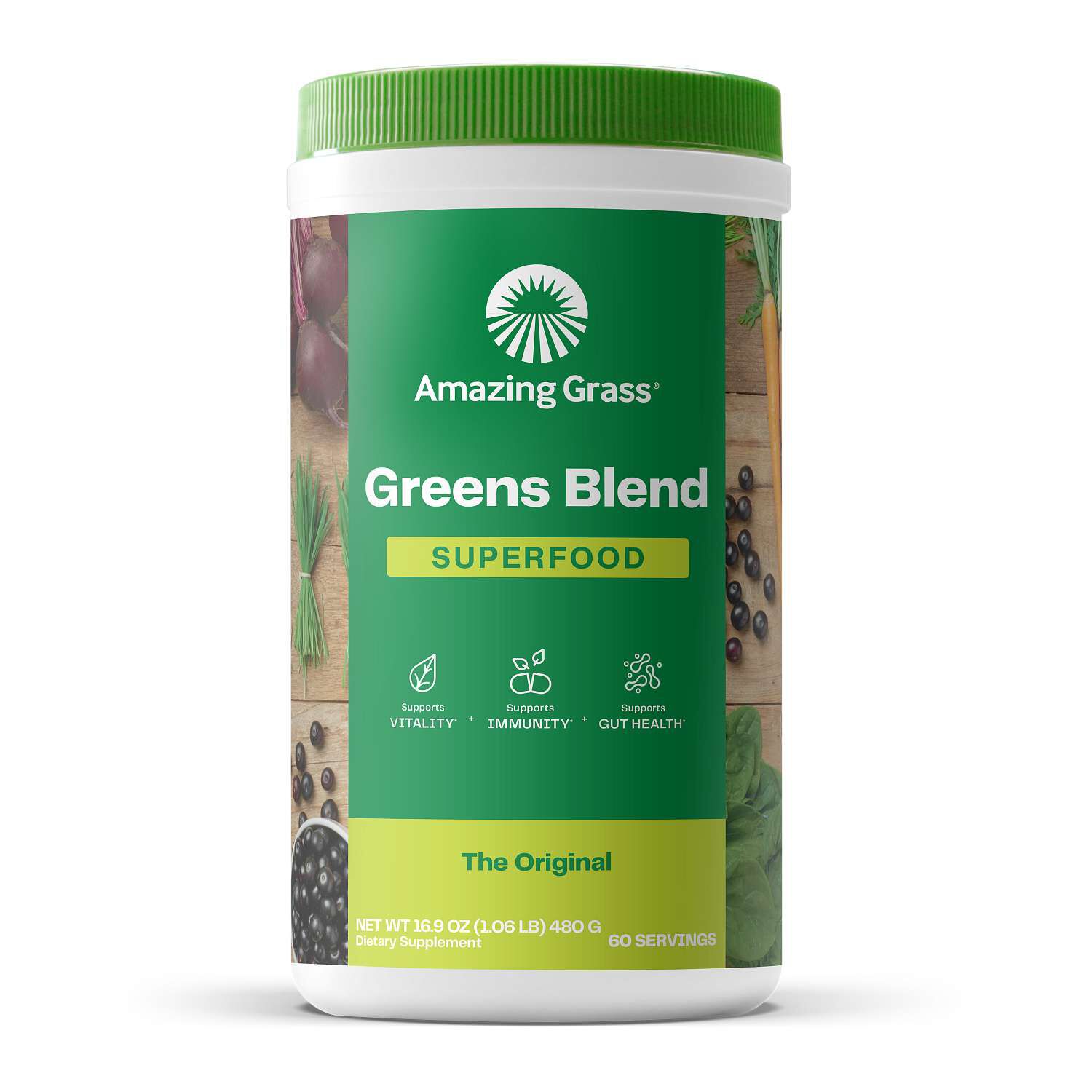 Amazing Grass