Powder Mixing Bottles Made Without BPA
(0 Results)
Browse powder mixing bottles made without BPA for your marathon training and race-day drink preparation. Compare shaker cups by capacity, mixing design, lid style, and care instructions to choose an option for preparing your own carbohydrate drinks.
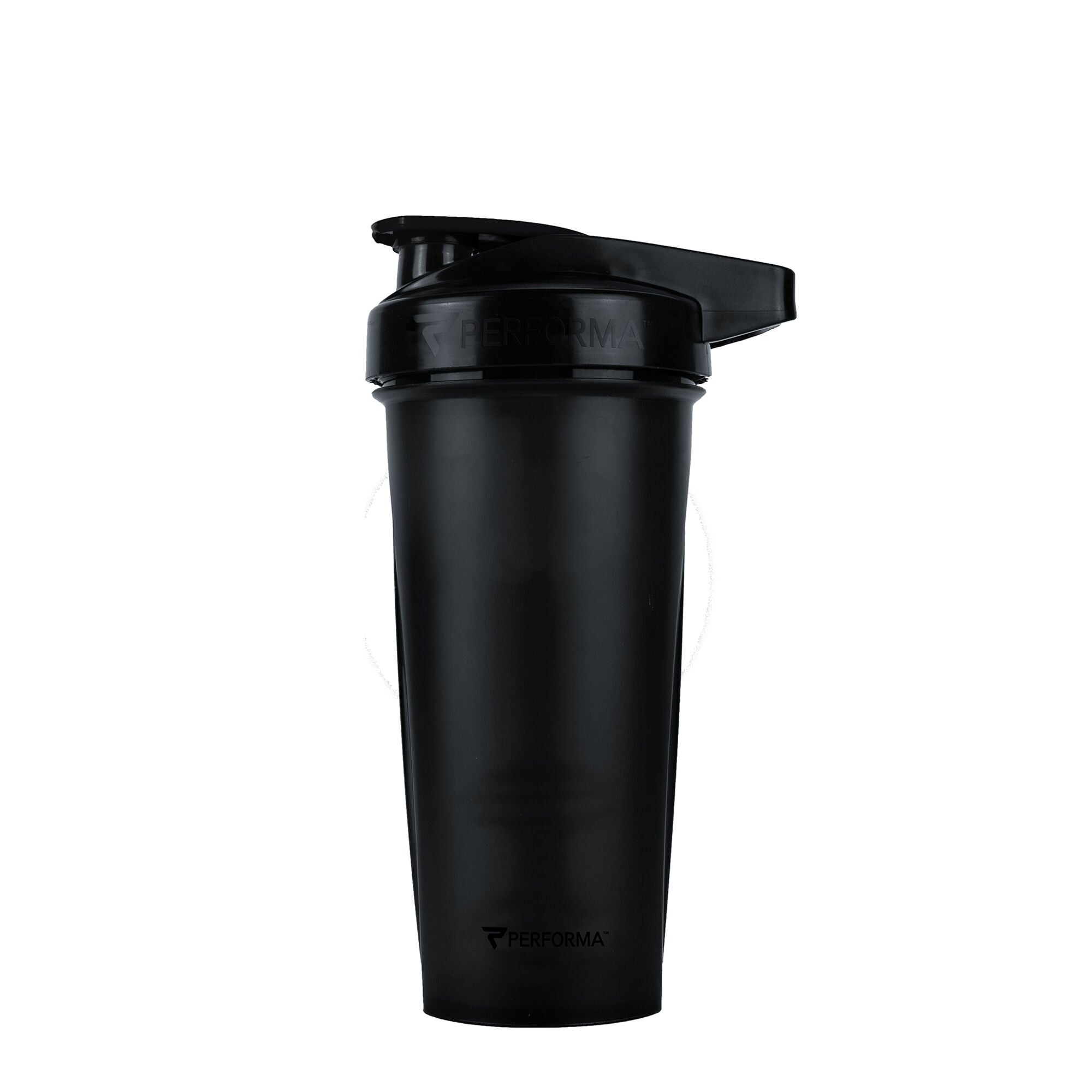


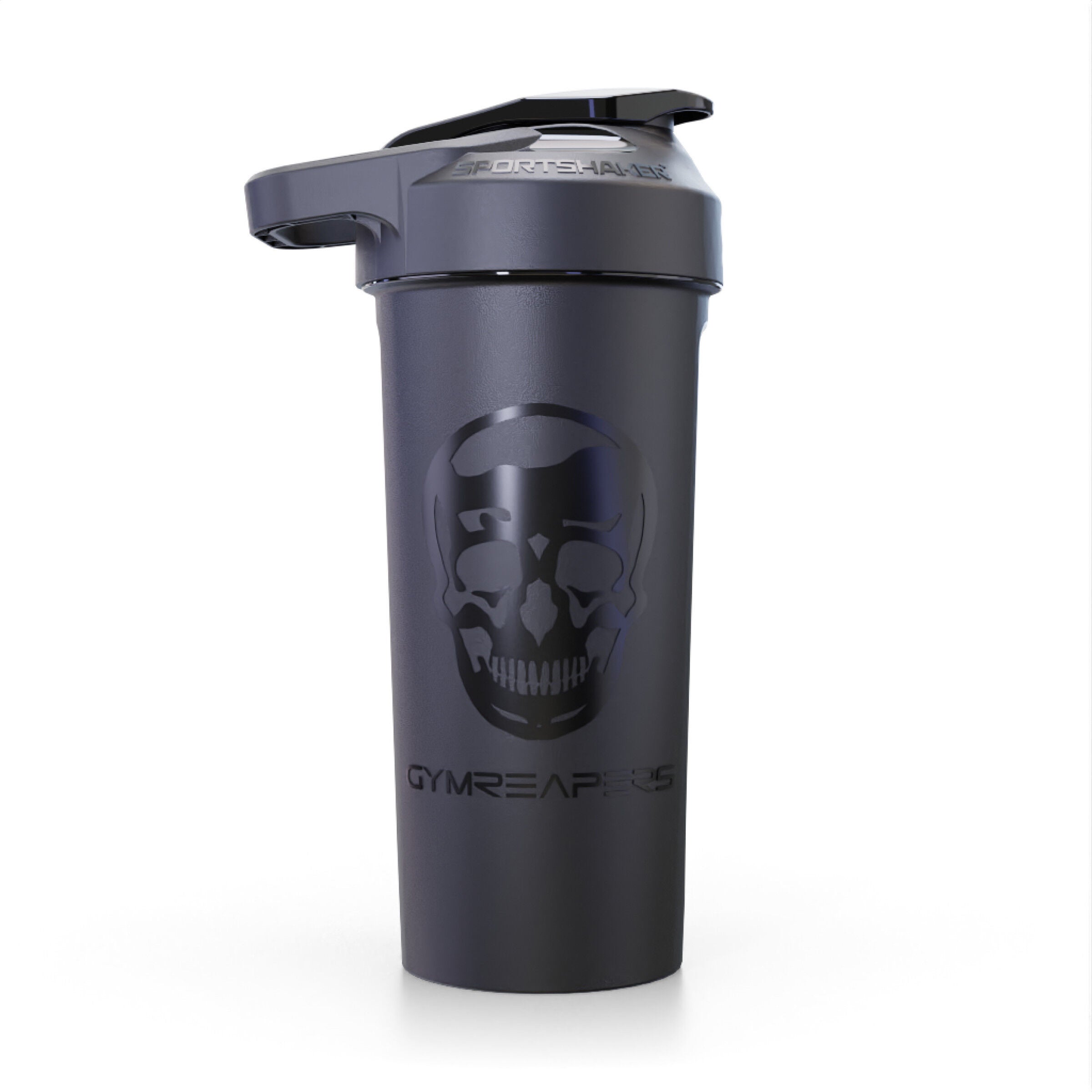

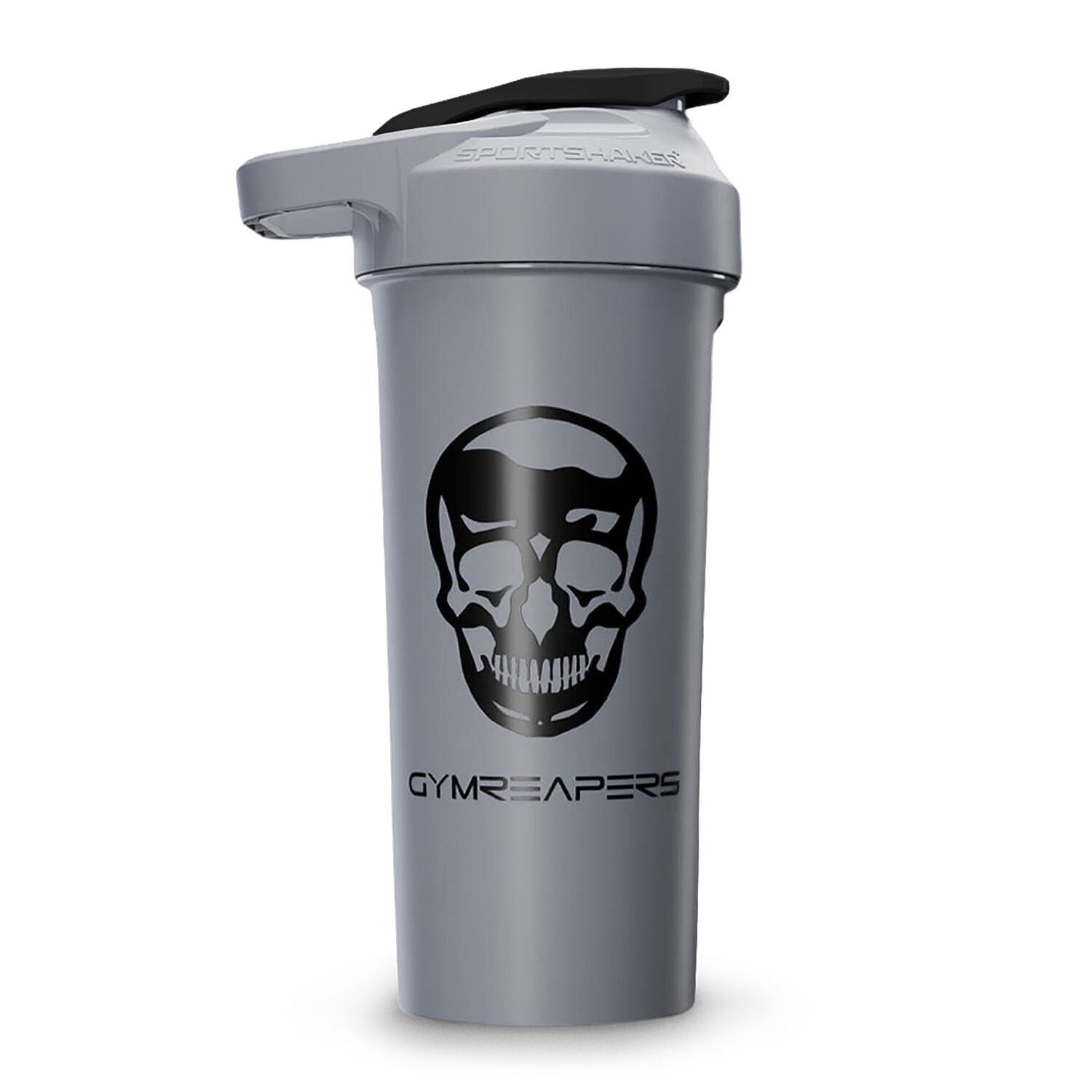


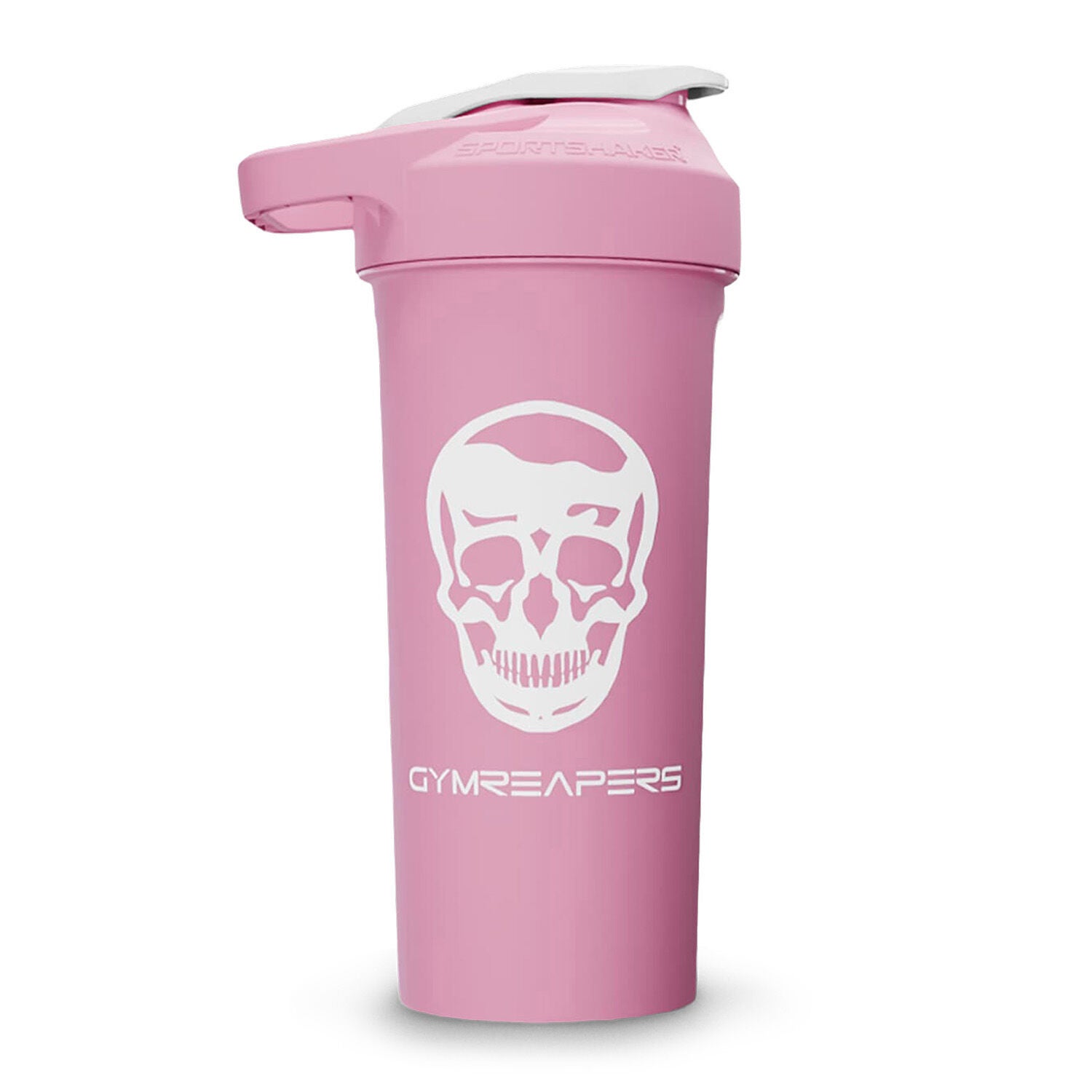


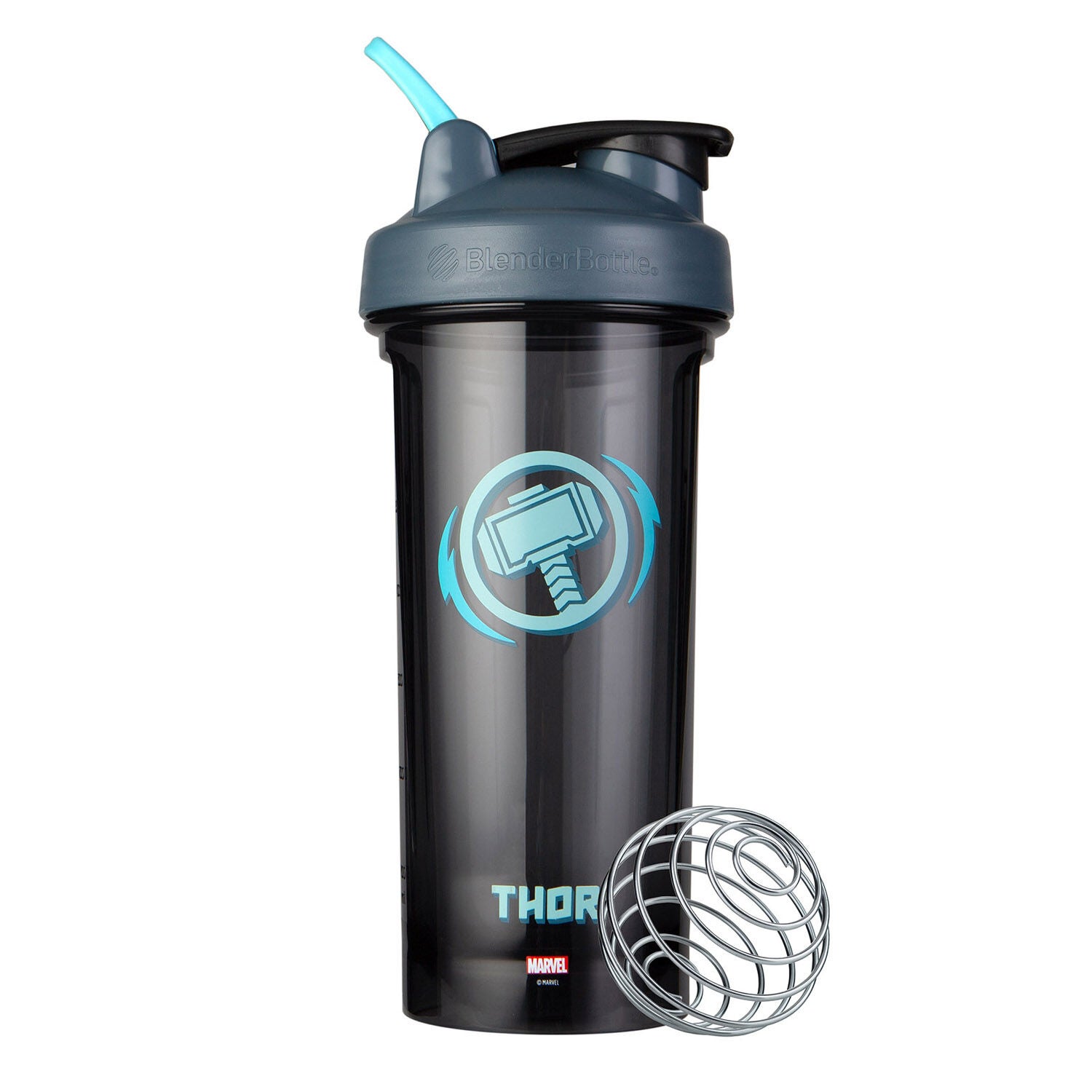


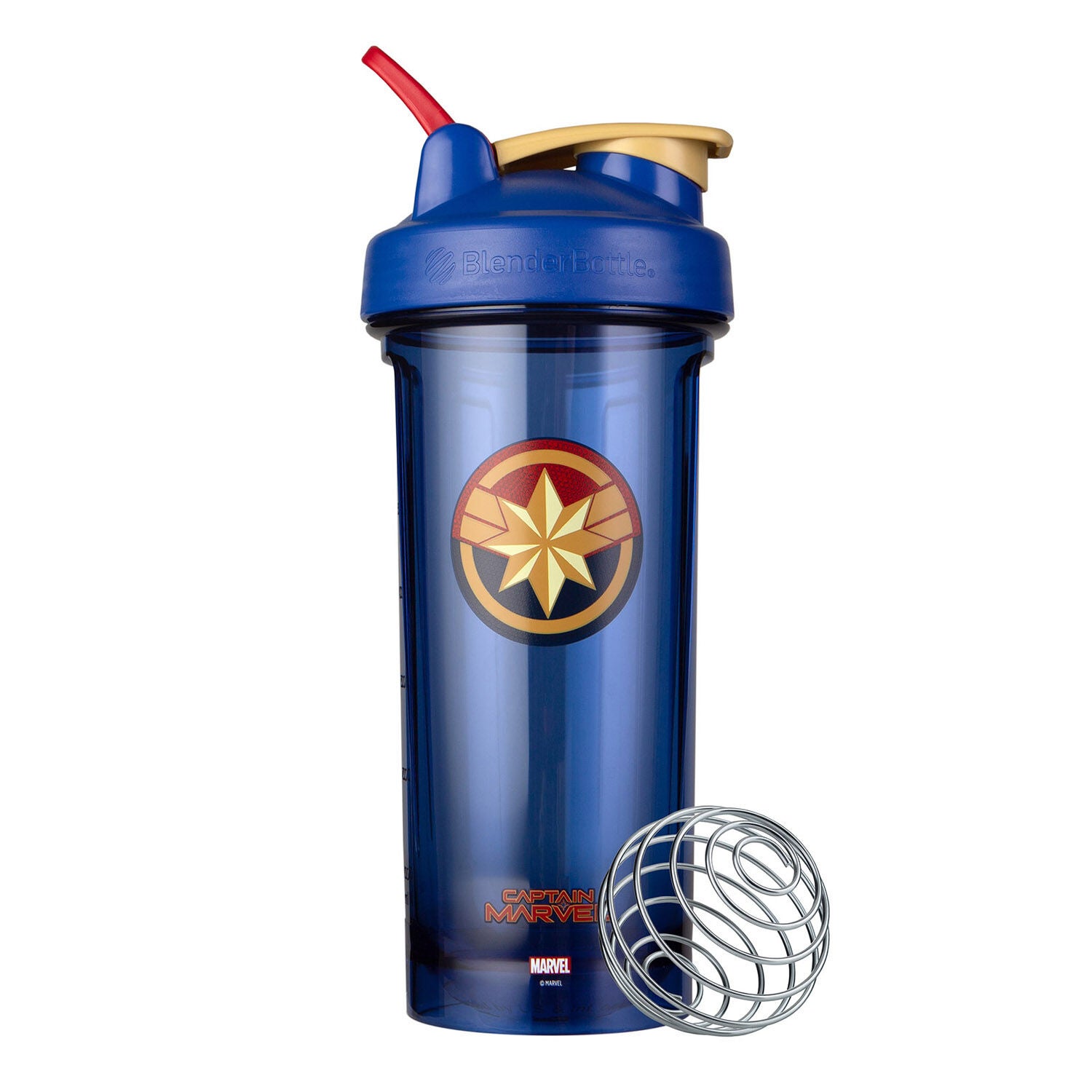

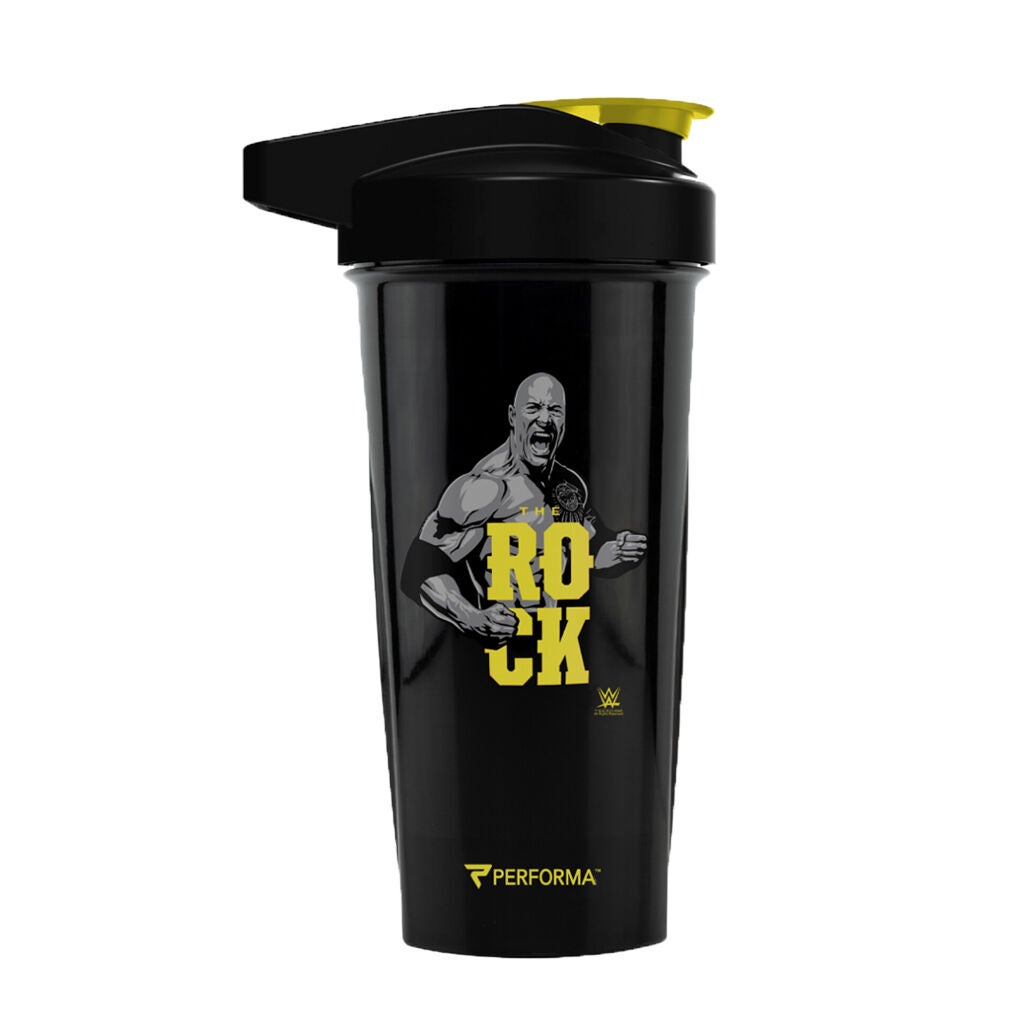
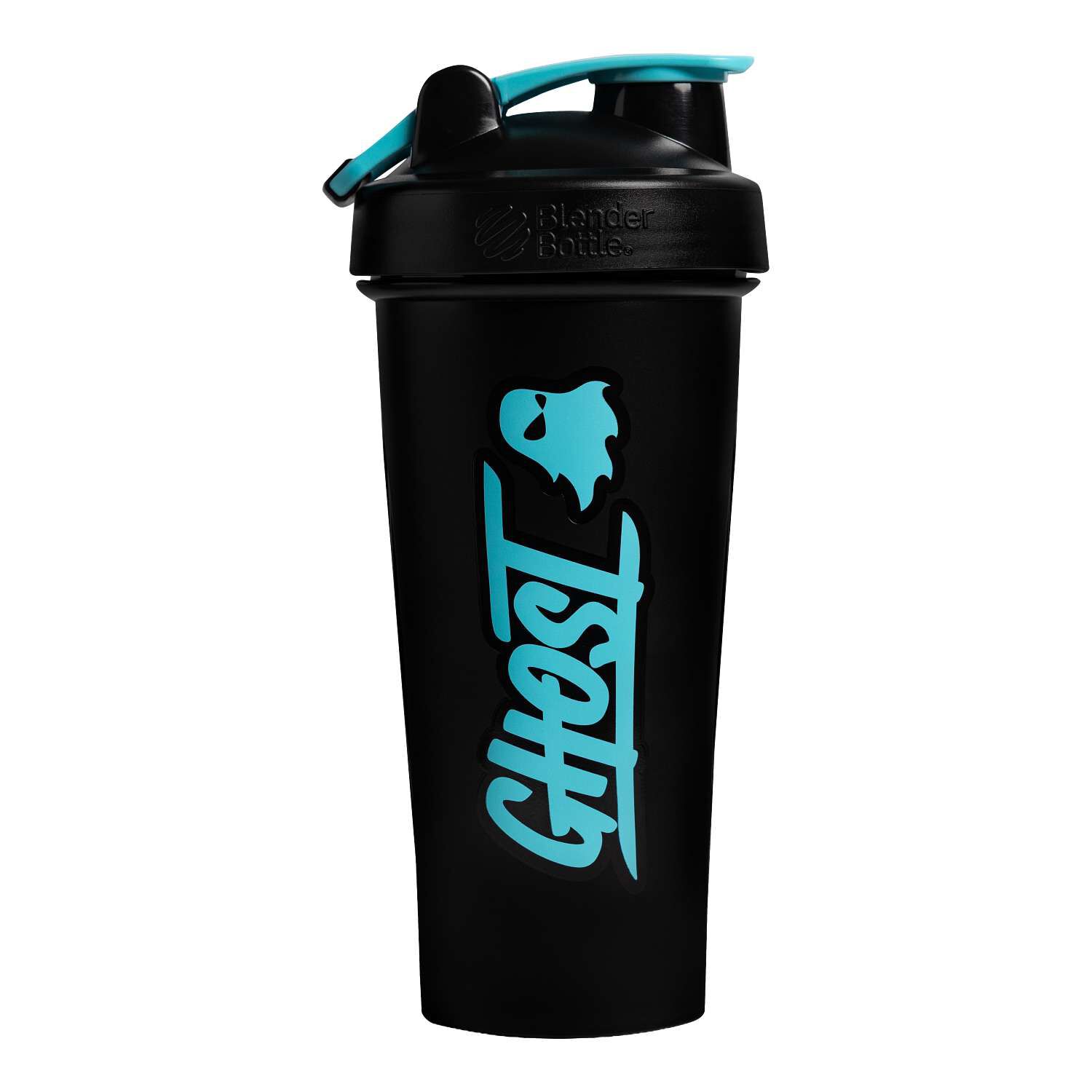
Powder mixing bottles made without BPA are designed for drinks that start with a scoop of powder and a measured amount of liquid. A screw-on lid and some form of mixing insert are common features, but the details vary. Some bottles have a wire ball that moves through the drink as the bottle is shaken. Others have a grid near the opening that the liquid passes through. Either design may help break up clumps, though the texture also depends on the powder and how it’s meant to be mixed. When the powder directions allow it, pouring the liquid in first may keep dry powder from collecting in the bottom corners. A wide opening gives a scoop room to clear the rim, which is useful when filling the bottle at a crowded kitchen counter or between stops. BPA stands for bisphenol A, a compound used in some plastics and resins. The phrase “made without BPA” doesn’t mean a bottle has no plastic parts. For a closer look at construction, check the materials listed for the body, lid, mixing insert, and seal. A clear or translucent plastic body lets the fill line and the drink stay in view, while a stainless steel body is opaque and may feel heavier in the hand. Ounce marks are useful for measuring liquid directly in the bottle, especially if the marks are easy to read from the outside. The top measurement line and the space all the way to the rim aren’t necessarily the same. Leaving room above the liquid may let it move more readily when shaken, so the best fit for a regular drink isn’t always the bottle that holds just enough to reach the brim.
Capacity is only one part of how a shaker fits into the day. A taller bottle with a narrow base may fit neatly in a car cup holder, yet be awkward under a shallow sink faucet. A shorter bottle might sit more comfortably beside a lunch container, but a wide base could be snug in a backpack sleeve. The dimensions at the base and around the lid are worth comparing with the space the bottle will actually occupy. For a gym bag, a loop on the lid may give the bottle a convenient spot to hang while packing up. For a desk, a broad base may feel steadier next to a keyboard, and a low-profile lid may be easier to tuck into a work bag. Drinking openings vary, too: a small spout offers a different feel from a wider opening, especially with thicker blends. A lid that screws onto the bottle and a cap that snaps over the spout have separate closure points, so it’s worth checking both before shaking or packing the bottle beside a change of clothes. A new bottle’s grip is also easier to judge by imagining it full rather than empty. An indented side or textured band may feel more comfortable to hold if the bottle is wide relative to the hand. Someone mixing a drink in the kitchen may care more about a roomy opening and visible measurements than about a carry loop or a slim base. For a broader look at bottle shapes and lid styles, browse Health Conscious Shaker Bottles.
Care often comes down to what happens in the few minutes after the last sip. A quick rinse may lift leftover powder before it dries around the spout or settles into the grooves under the lid. At home, a wide mouth may make it easier to reach the bottom with a soft bottle brush, while a removable grid or mixing ball can be washed separately. A seal may be removable as well, but the bottle’s care directions are the place to confirm which parts lift out and how they sit when put back. Dishwasher directions can differ for the body, lid, and insert, so a dishwasher-safe body doesn’t necessarily mean every part belongs on the same rack. Letting the pieces dry apart may help keep moisture from collecting beneath the lid between uses. For a bottle that gets packed and unpacked most days, the rim, cap hinge, and lid threads are worth looking at as it ages. A lid that no longer sits evenly or a seal that has lost its shape may not close the way it once did. Those practical details matter for gifts, too. A powder mixing bottle can be a fitting birthday gift for someone who brings a protein shake to the gym or packs a powdered drink with lunch. For someone who mostly mixes drinks at home, readable measurements and a lid with fewer pieces may matter more than a shape made to slip into a narrow bag pocket. For a commuter who carries a bottle upright, the width of the base and the way the spout closes may matter more than extra capacity. The most useful choice often comes down to small details the recipient will notice each time they reach for it: whether the scoop clears the rim, whether the bottle sits well where they put it down, and whether the lid is easy to rinse before the next use.
- Q: What is a powder mixing bottle?
A: A powder mixing bottle is a shaker-style container intended for preparing powdered drinks by hand. Designs vary in their mixing components, lid styles, drinking openings, and care requirements. - Q: What should I compare in a shaker bottle lid?
A: Compare the closure type, drinking or pouring opening, and any carry loop or handle. Check the manufacturer's instructions for assembling and securing the lid, and consider whether you plan to drink directly from the shaker or pour into another container. - Q: How does a shaker bottle fit into marathon drink preparation?
A: Consider the shaker as the preparation part of your bring-your-own drink setup. Review your carbohydrate powder's mixing directions alongside the bottle's use instructions, and decide whether you will use the same container or a separate running bottle. - Q: Is a shaker bottle the same as an on-run bottle?
A: Not necessarily. Shaker bottles focus on drink preparation, while on-run containers have their own carrying designs. Check intended use and compatibility with your running gear rather than assuming a shaker's carry loop makes it suitable for running. - Q: How do I clean a powder mixing bottle?
A: Follow the manufacturer's care instructions for the cup, lid, and mixing components. Check which parts are removable and whether each part is suitable for the dishwasher rather than assuming the same cleaning method applies to every piece.