Prebiotic Greens Drinks
(0 Results)
Discover a refreshing way to support your wellness routine with prebiotic greens drinks. Packed with nutrient-rich greens and prebiotics, these blends offer a convenient option for those looking to incorporate more plant-based ingredients into their daily regimen. Whether you’re starting your morning or fueling up after a workout, prebiotic greens drinks could be a simple addition to your lifestyle. Explore a variety of flavors and formulations designed to fit your unique preferences and goals.
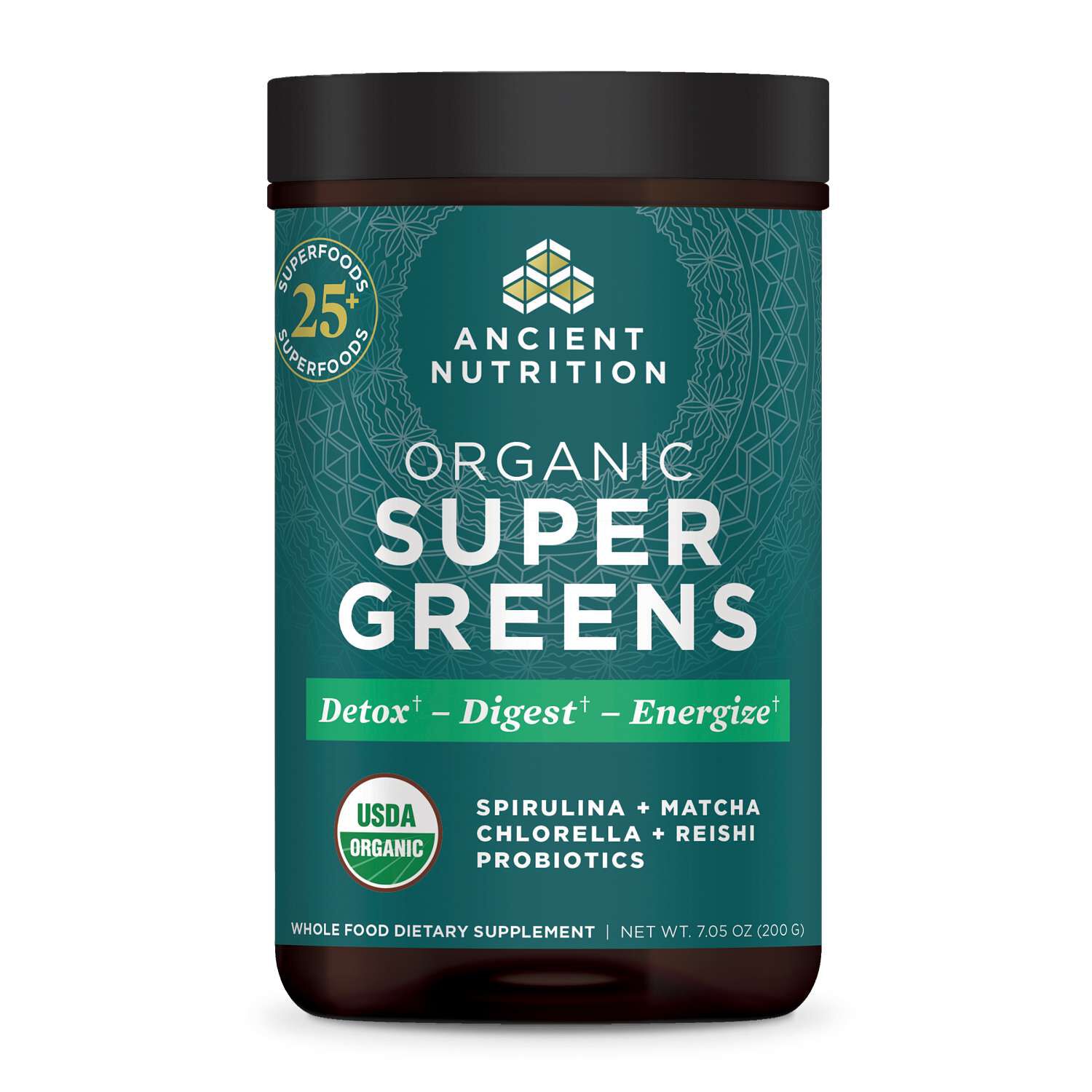
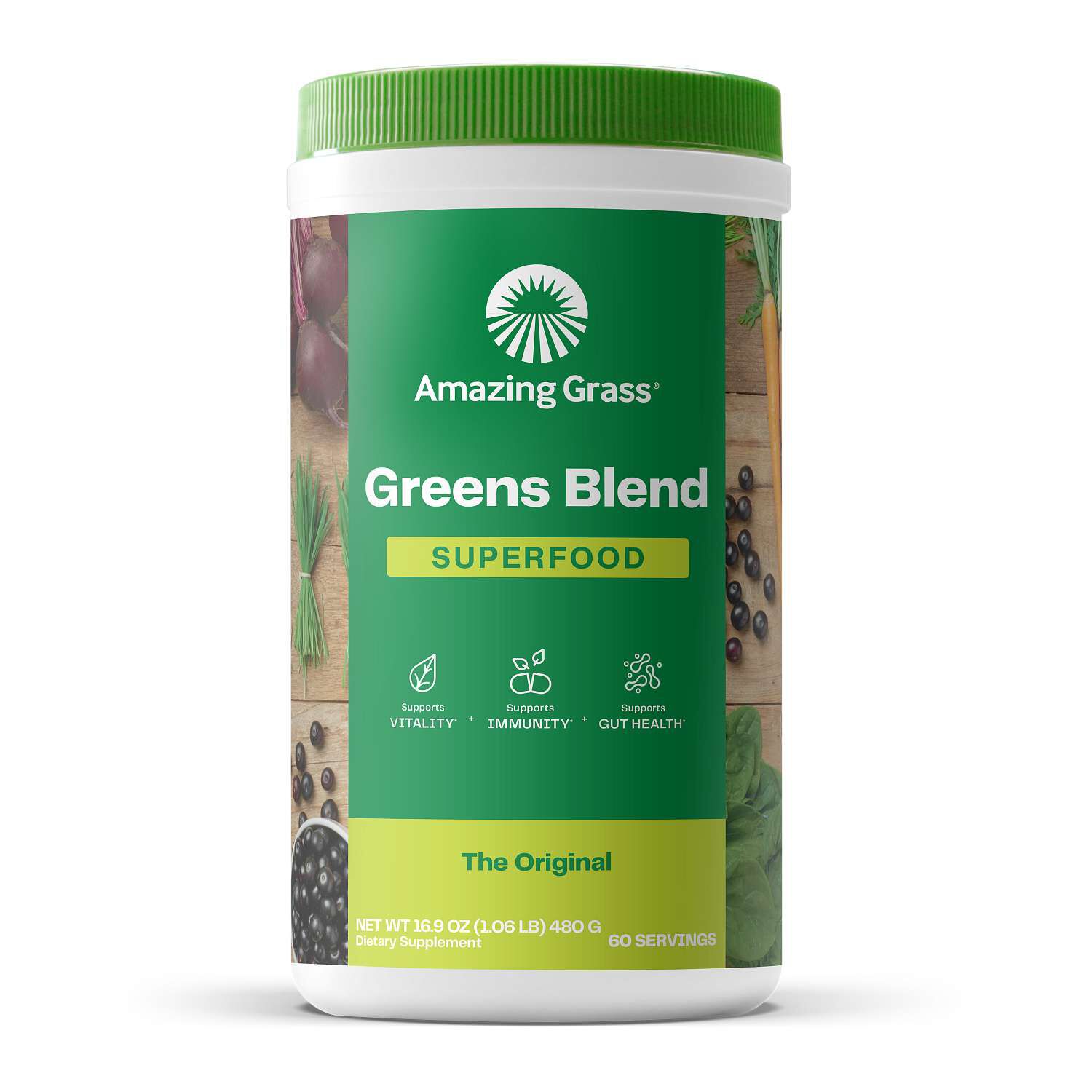

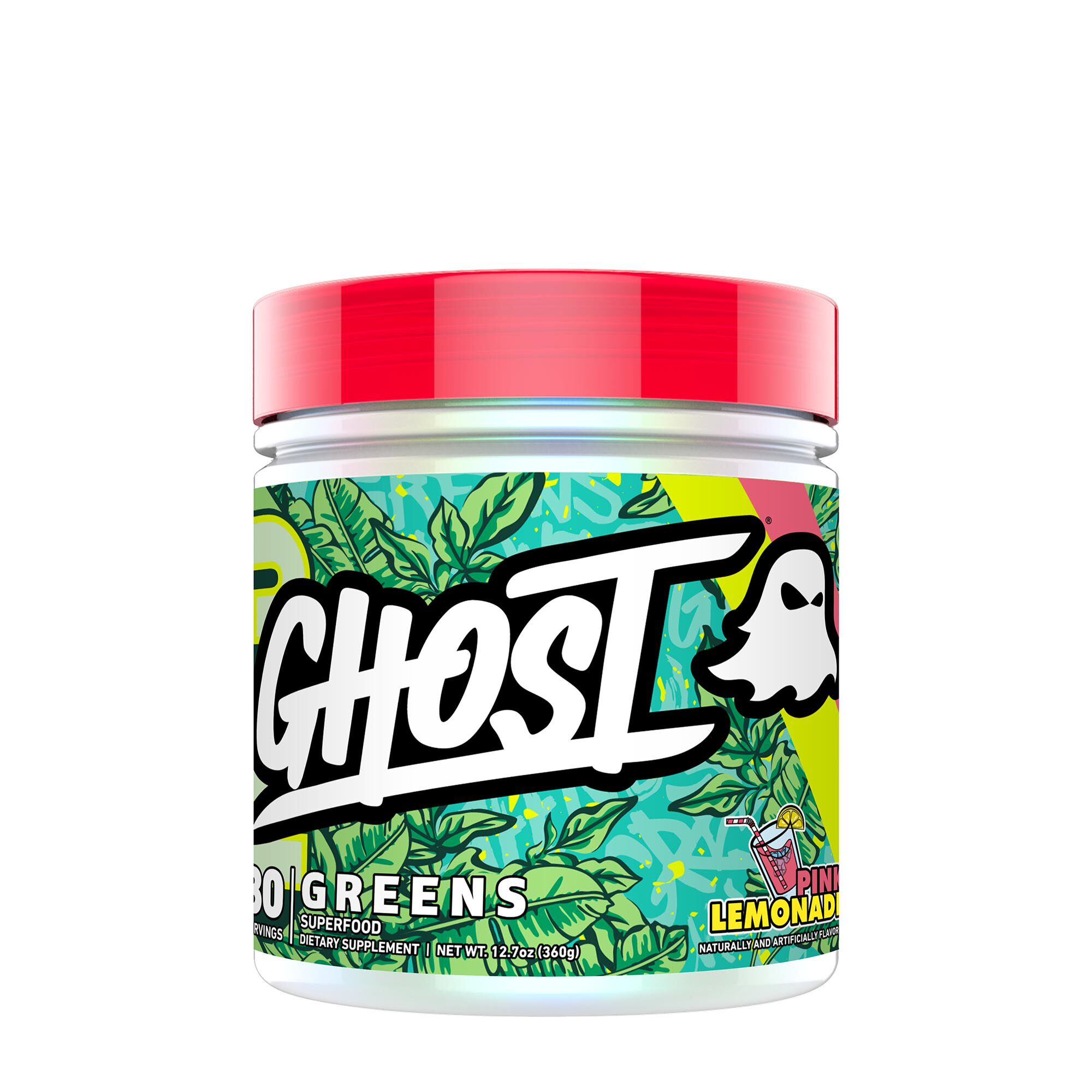
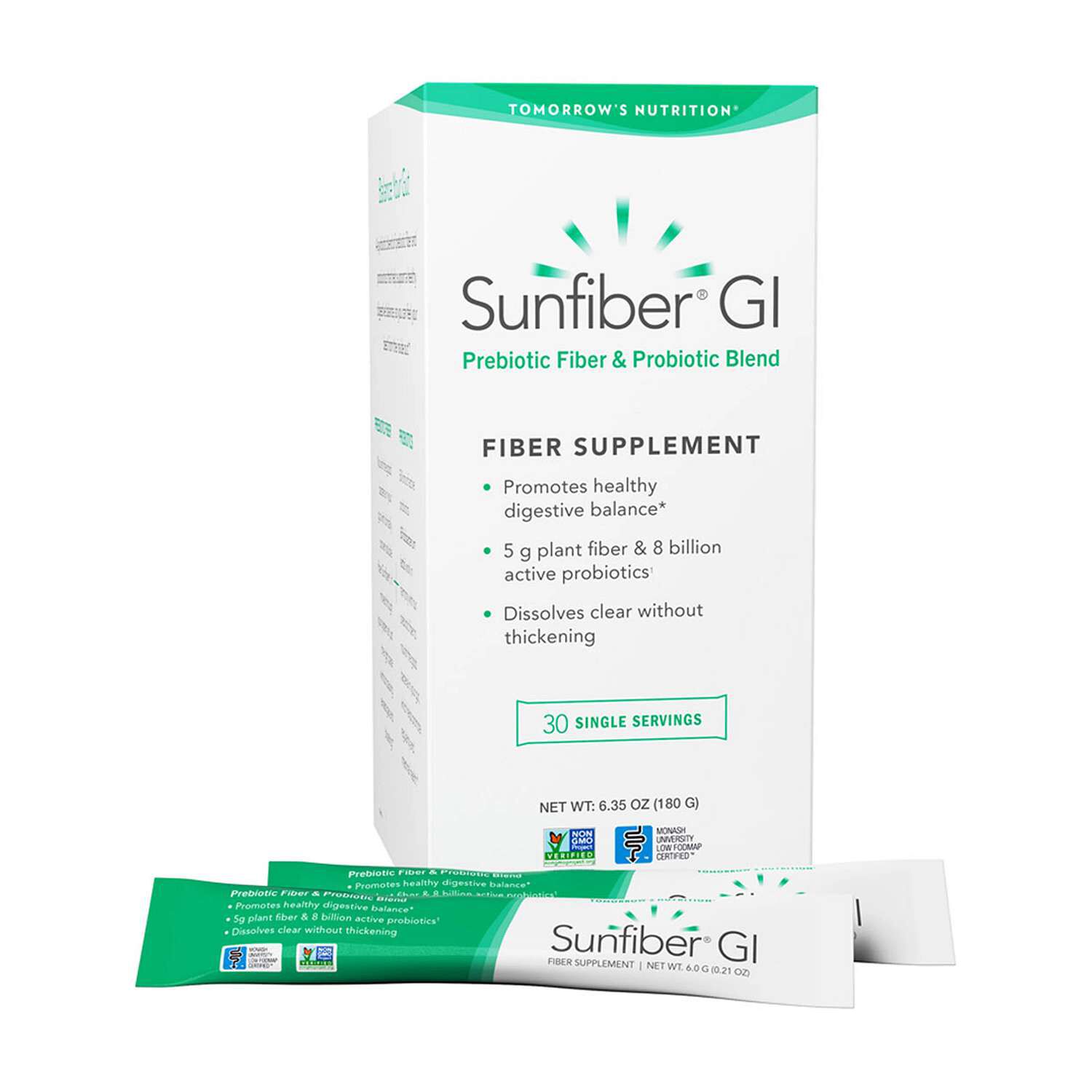
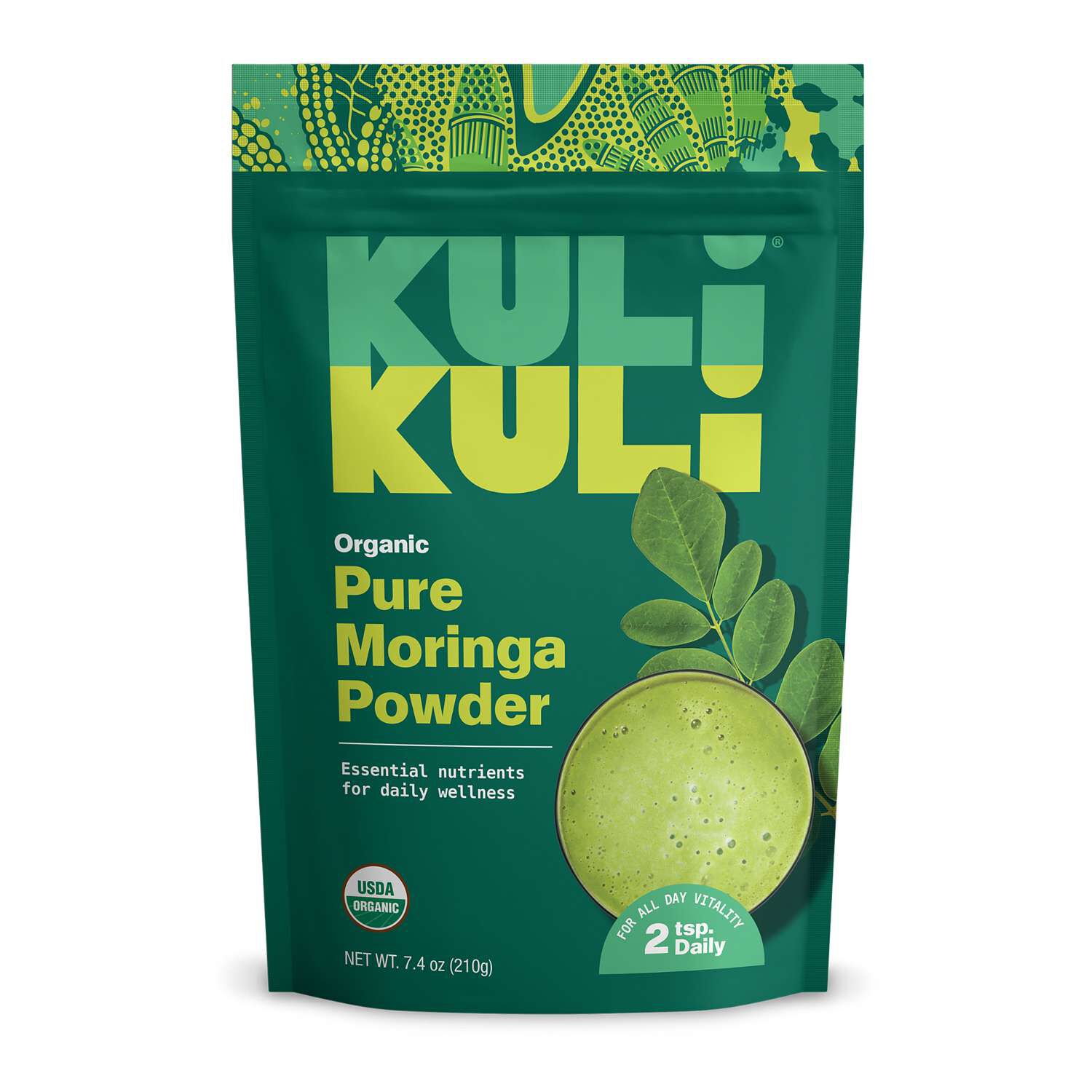
Prebiotic greens drinks combine greens ingredients with prebiotic fiber in a beverage format, most often as a powder mixed with liquid or a prepared drink. The greens portion can include spinach, kale, broccoli, spirulina, and cereal grass ingredients, while the fiber portion may feature chicory root inulin, acacia fiber, Jerusalem artichoke inulin, or green banana flour. Recipes vary considerably: some emphasize leafy vegetables and grasses, while others include fruit powders, botanical ingredients, vitamins, or minerals. That variety makes the ingredient list more informative than the color of the drink or the number of plants pictured on the container. A deep green powder does not, by itself, establish how much fiber a serving contains, and a fruit-flavored blend can still have a vegetable-forward ingredient list. The defining distinction is the inclusion of prebiotic ingredients alongside the greens blend, rather than greens alone. Prebiotic and probiotic also describe different components: prebiotic ingredients are not live microorganisms, while probiotic ingredients are live microorganisms included in certain formulations. Some drinks contain both, but the terms are not interchangeable. For shoppers comparing prebiotic greens drinks, useful details include the named fiber sources, the grams of dietary fiber per serving, the serving size, and whether individual ingredient amounts are disclosed. A blend’s combined weight does not necessarily reveal the amount of each ingredient within it. Greens powders are also distinct from protein powders and meal replacement beverages, even when they share a similar tub or scoop format. Their ingredient profiles and intended uses differ, so a greens drink should not be assumed to supply the protein, calories, or other nutrients associated with those categories. For everyday shopping, the clearest comparison starts with what the label actually lists, how the beverage is prepared, and where it might fit alongside meals and other foods. A shorter ingredient list and a longer one simply represent different approaches; the details matter more than the ingredient count.
Format shapes much of the experience of using a prebiotic greens drink. Powdered blends require measuring and mixing, with preparation directions specifying the serving amount and recommended liquid volume. Prepared beverages skip that step, although their storage and serving instructions still deserve attention. A tub might suit someone who usually mixes a drink at the kitchen counter, while individual powder packets could be convenient for a desk drawer or an overnight bag. Packet size does not always match the scoop size of another formula, making labeled servings a better reference than package appearance. Shoppers interested specifically in mixable formats can compare Prebiotic Fiber Greens Powders with attention to fiber sources, flavor descriptions, and preparation requirements. Taste can range from grassy and earthy to tart, citrusy, or berry-forward, depending on the plant ingredients, flavoring, and sweeteners. An unflavored label does not mean a powder has no taste; greens and fibers bring their own character to the glass. Sweetened formulas differ as well, with ingredients such as cane sugar, stevia, or monk fruit appearing in some recipes. Checking both the ingredient list and the nutrition information offers a clearer picture than relying on a flavor name alone. Texture is another practical consideration. Finely milled powders, vegetable particles, and different fibers can produce distinct mouthfeels, and some mixtures may settle between sips. Following the mixing directions, including the suggested liquid amount, is a useful starting point for assessing consistency. Where the label permits different serving methods, water offers a straightforward way to taste the blend, while a smoothie introduces the flavors and texture of its other ingredients. A berry blend stirred into water and the same blend incorporated into a banana smoothie can feel like different beverages. For someone carrying a drink between home and work, a secure lid and a container that is easy to wash are worth considering alongside the powder itself.
Choosing among prebiotic greens drinks also involves matching the formula and packaging to ordinary routines rather than choosing by the longest list of ingredients. Someone who enjoys preparing breakfast at home might prefer a powder measured into a familiar glass, while someone heading out early could favor a format with fewer preparation steps. During the cooler months, when mornings often move from a dim kitchen to a busy commute, storage space, mixing equipment, and cleanup can matter as much as flavor. The labeled number of servings helps describe how a container fits that routine, but it should be read together with the stated serving size. Dietary preferences deserve the same careful attention. Plant imagery does not establish that every ingredient meets a particular preference, and fruit or vegetable content does not establish a formula’s sugar content. Ingredient statements, allergen information, and any relevant certification marks provide more specific information. Added vitamins and minerals also vary, so two greens drinks with similar flavor descriptions may have substantially different nutrition panels. For a straightforward comparison, consider fiber content, sweetener choice, other added ingredients, and whether the directions suit the way the drink will actually be used. Packaging care matters, too. Powder containers should be stored according to their labels, closed securely after use, and handled with a clean, dry scoop. Moisture introduced by a wet utensil can change the powder’s texture, making a spot beside a steaming kettle or a damp sink less practical than a suitable cupboard. Prepared drinks may have different instructions before and after opening, including refrigeration requirements; those details should come from the package rather than assumptions about similar beverages. Check the date marking and keep preparation directions accessible, especially when moving packets into a travel pouch or organizing a shared pantry. Whether the preference is a simple greens-and-fiber blend or a recipe with additional fruit and nutrients, a thoughtful choice centers on transparent labeling, an appealing flavor profile, manageable preparation, and an intended use that fits naturally into daily life.
Best Sellers
-
 EHP Labs
 -
 EHP Labs