





Prebiotic Fiber Greens Powders
(0 Results)
Discover a convenient way to support your wellness routine with prebiotic fiber greens powders. These versatile blends may offer an easy addition to your favorite drinks or smoothies, helping you incorporate more plant-based ingredients into your day. Whether you’re looking to enhance your daily nutrition or simply explore new options for greens and fiber intake, prebiotic fiber greens powders could be a great choice for those seeking a simple and efficient supplement solution.
-

-

-

-

-
-
-
-

-
 205$34.99
 -
-

-
-
-

-

-

-
-

-

-
-

-


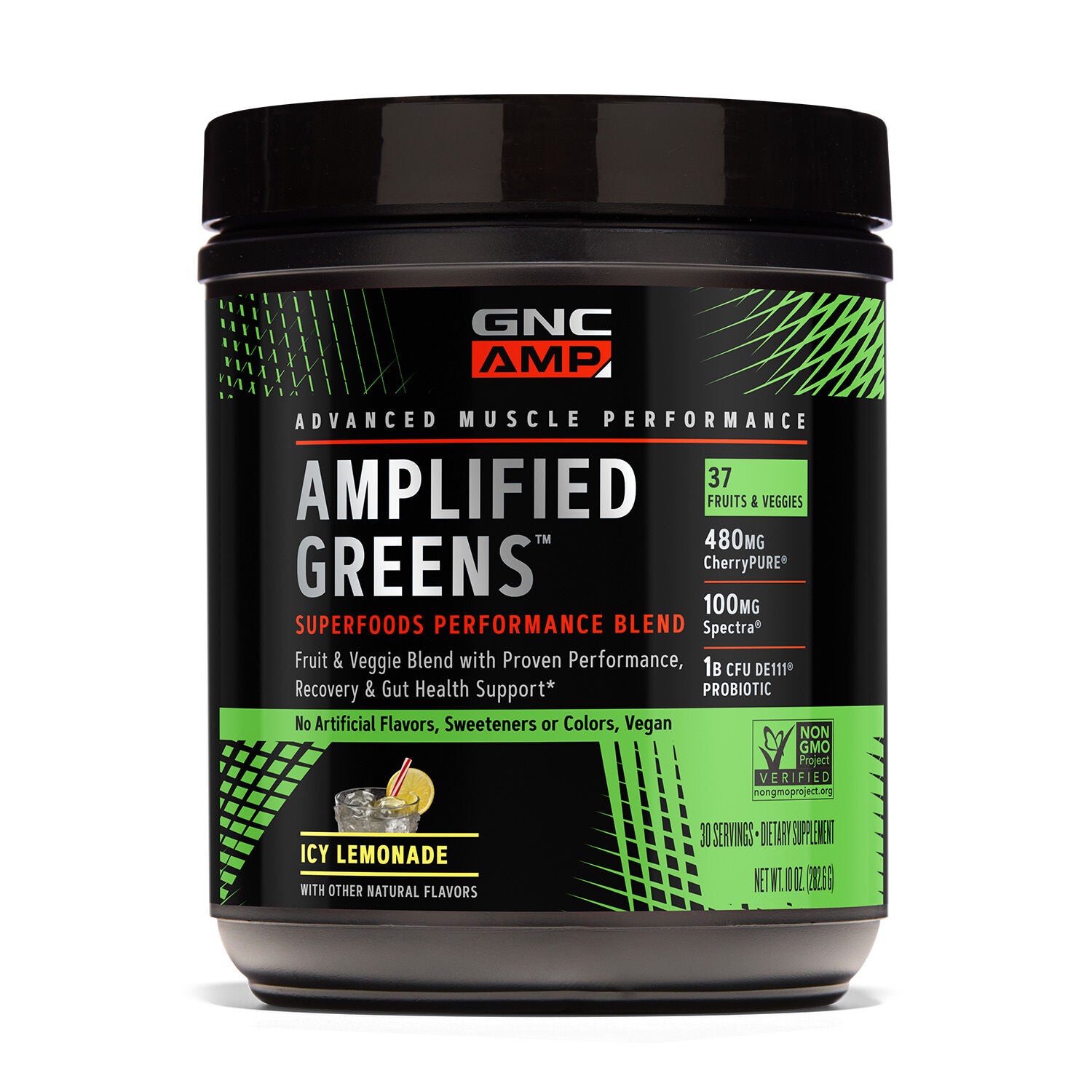
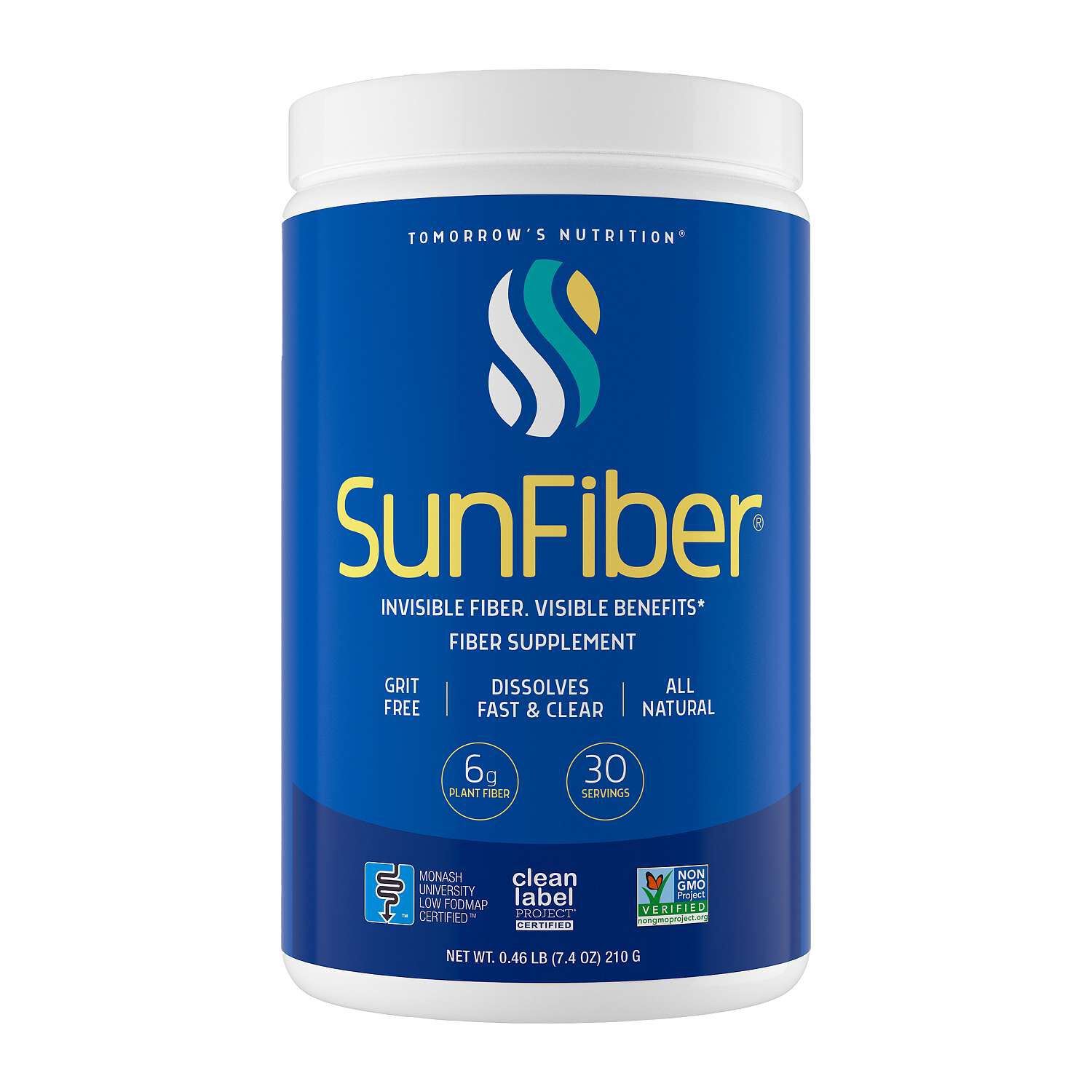
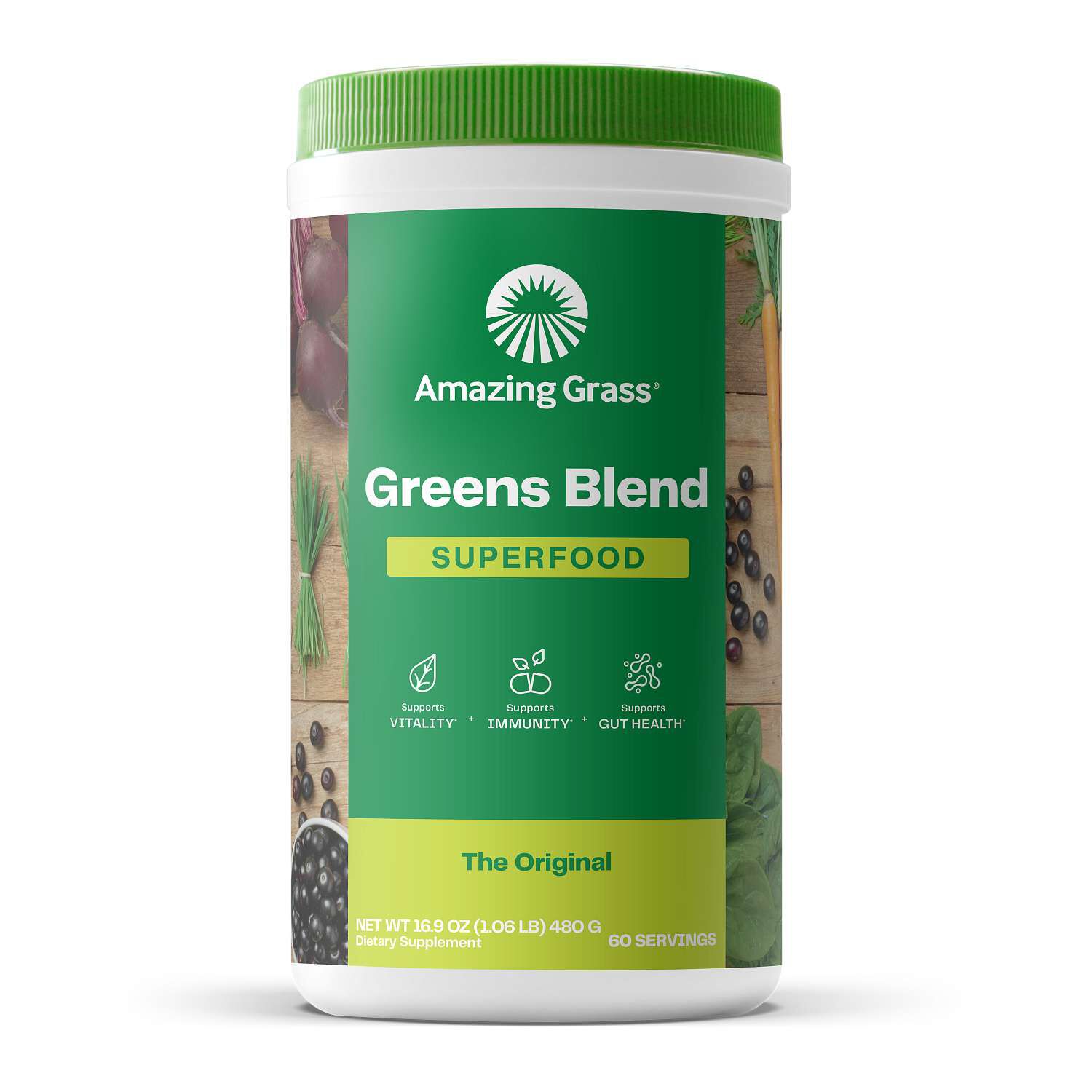
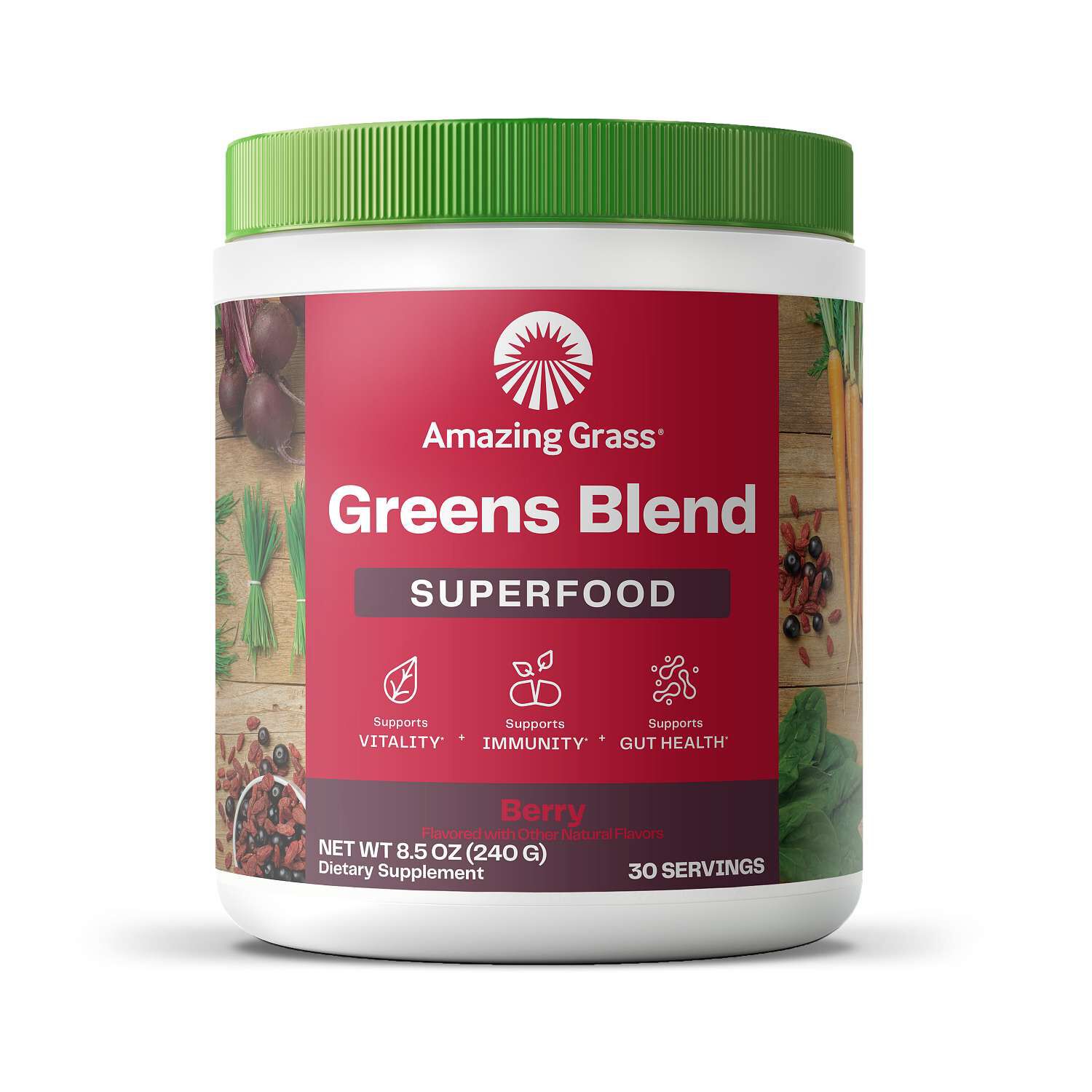
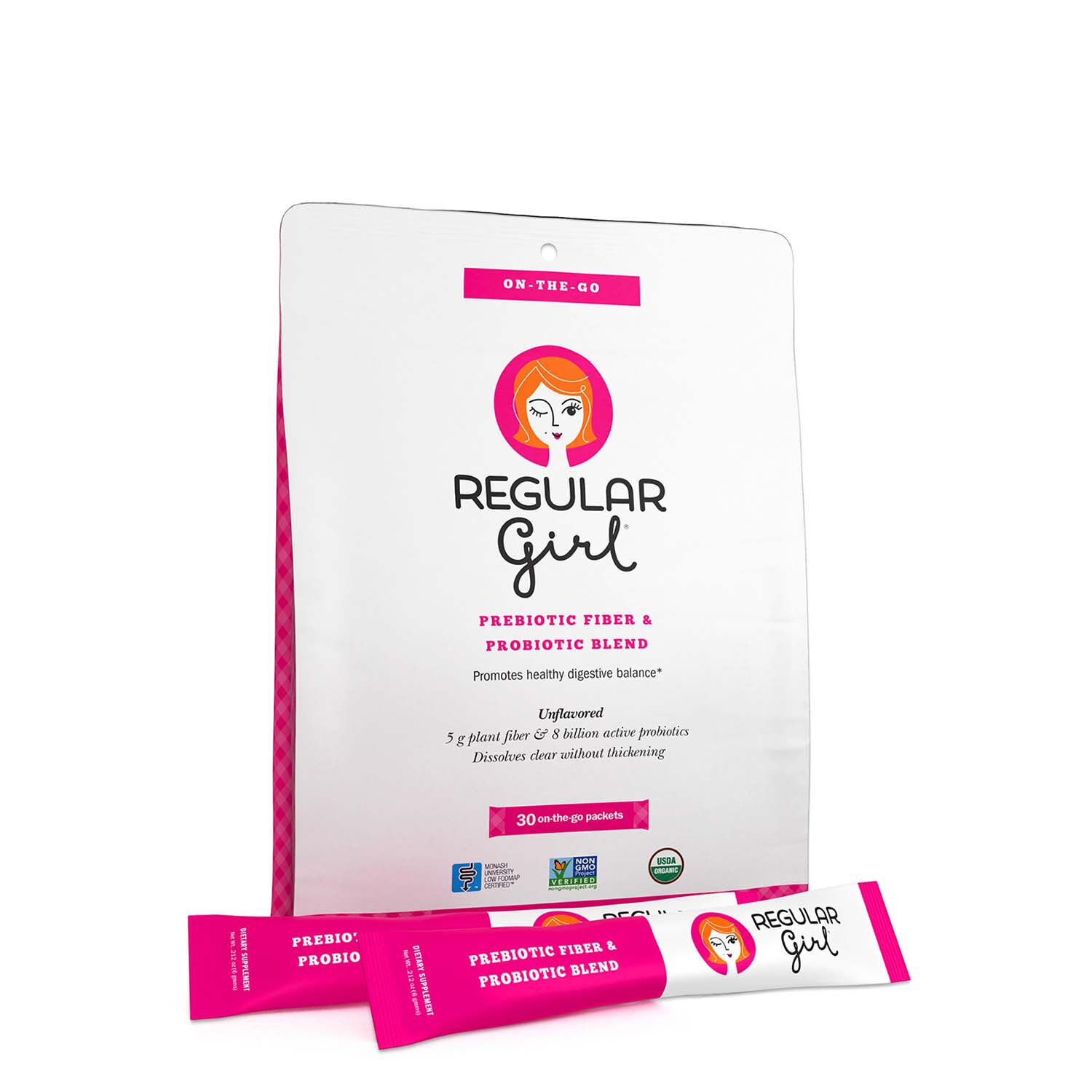
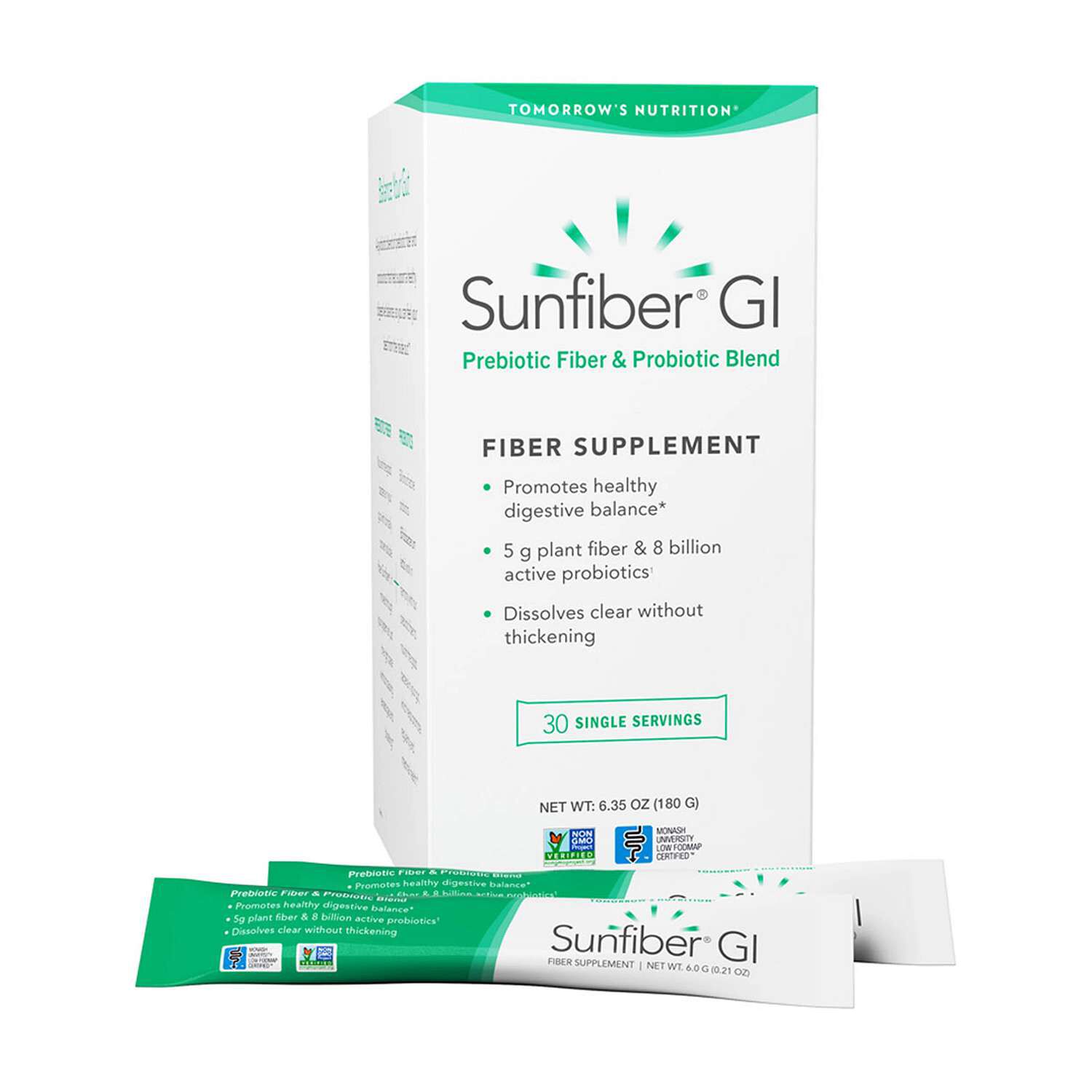
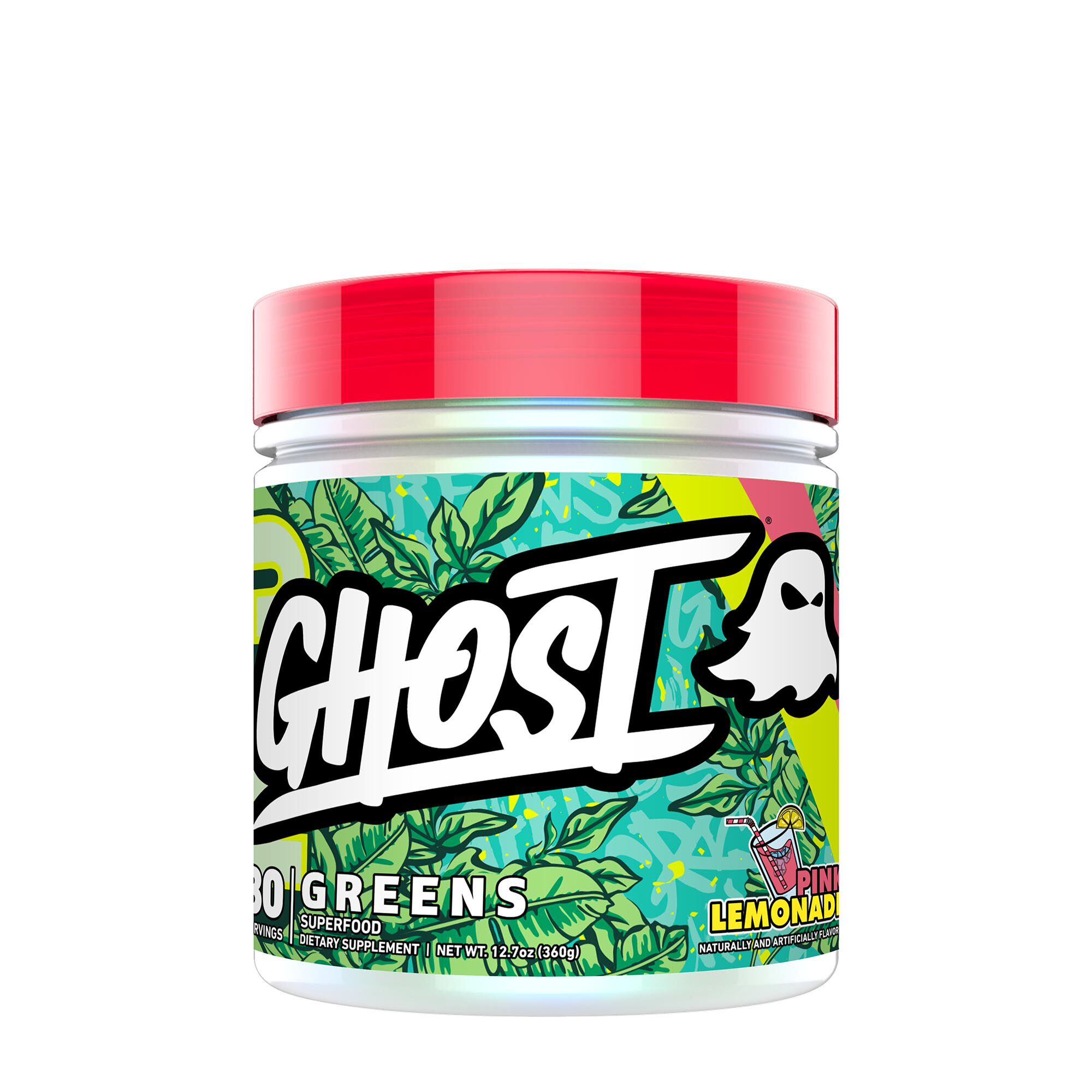
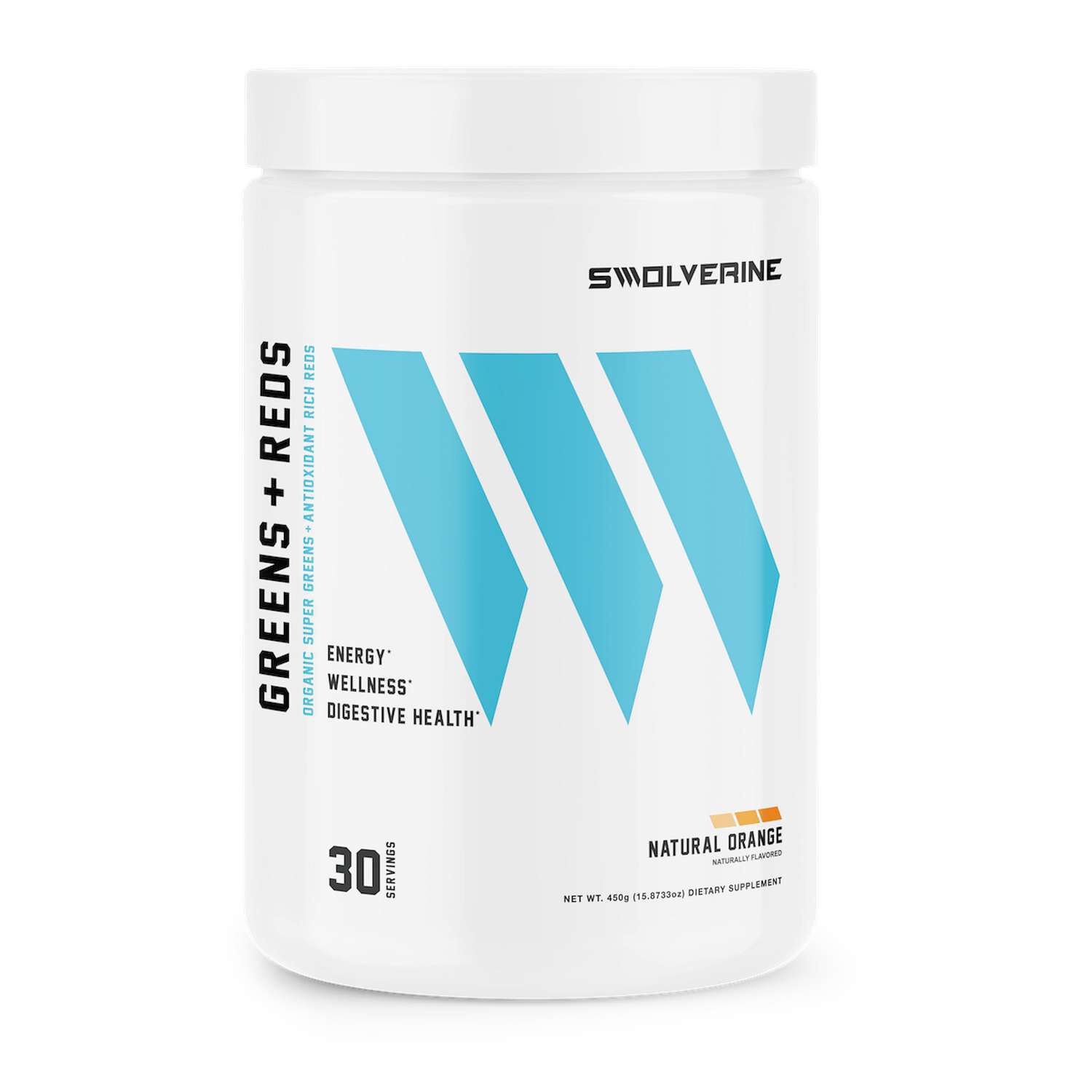
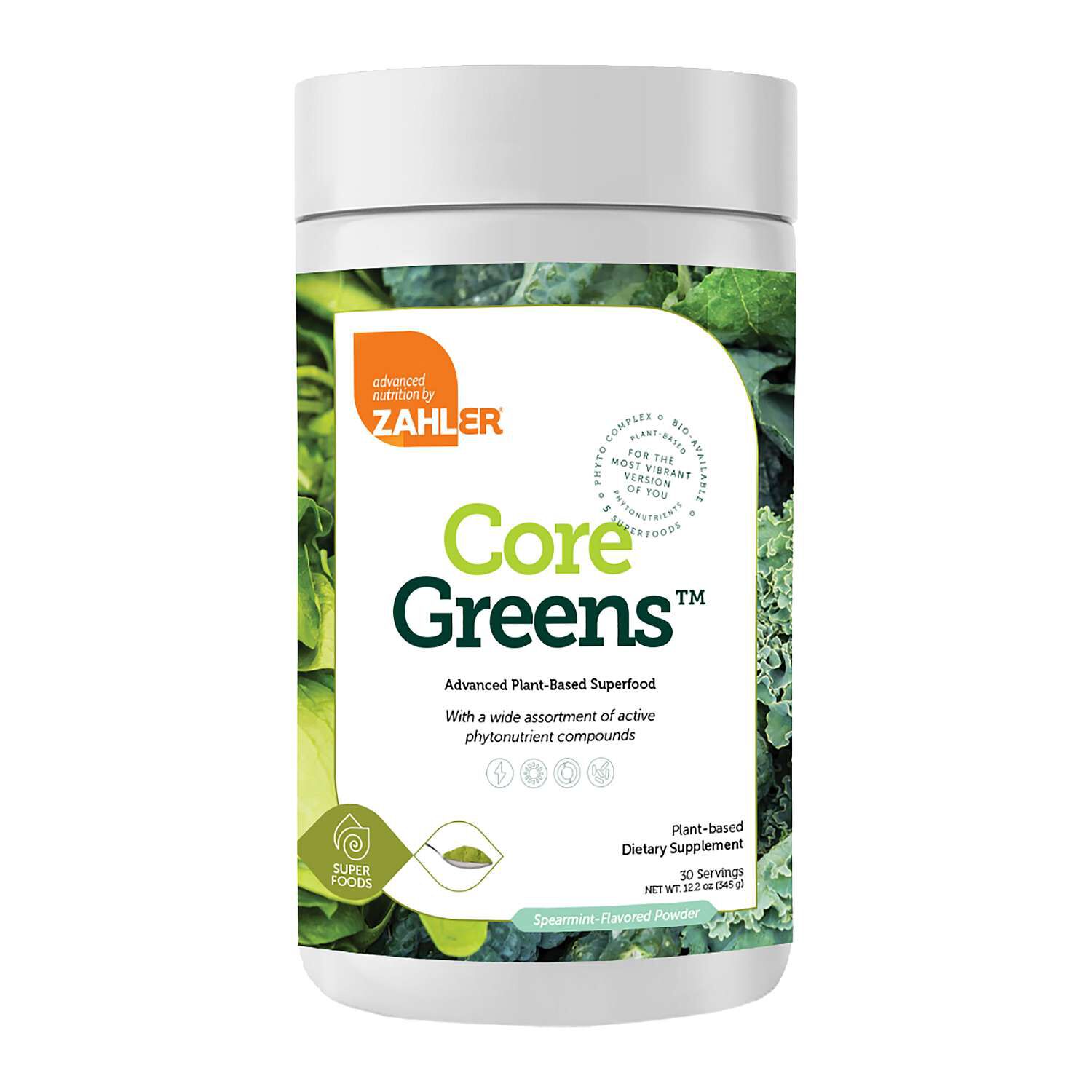
Prebiotic fiber greens powders bring powdered plant ingredients and selected dietary fibers together in a scoopable drink mix. The greens portion often includes leafy vegetables such as spinach and kale, grasses such as wheatgrass and barley grass, or algae such as spirulina and chlorella. The fiber portion may come from chicory root, inulin, acacia, or other plant sources, depending on the formula. Prebiotic fibers are carbohydrates that certain bacteria in the digestive tract can use as nourishment; they are different from probiotics, which are live microorganisms. Some blends contain both, while others focus on greens and fiber alone. That distinction matters when browsing, since two containers with similar names can have very different ingredient lists and serving sizes. The term “greens” does not describe a standardized recipe, and a long list of plants does not tell you how much dietary fiber a serving contains. For a clearer comparison, look at the grams of dietary fiber per serving alongside the named fiber sources and the amount of powder in each scoop. Shoppers exploring Prebiotic Greens will find that flavor, ingredient transparency, and preparation style are just as useful for narrowing the selection as the front label. These powders might appeal to someone who enjoys a morning smoothie, prefers a drink mix to another capsule, or wants an additional way to include plant-based ingredients in an everyday routine. Picture a jar beside the blender, a glass of cold water on the counter, and breakfast coming together before a busy day: the appeal is often as much about the format as the formula. A powdered blend is still distinct from a plate of vegetables, a piece of fruit, or a bowl of beans. Those foods bring their own textures, water content, and variety to meals. Greens powders are supplements, not substitutes for varied meals, and the most useful purchase comparison keeps that role in perspective rather than treating a scoop as a stand-in for the produce drawer.
Choosing among prebiotic fiber greens powders starts with reading beyond the ingredient names that sound familiar. Check whether the label lists individual ingredient amounts or groups several ingredients into a blend with one combined weight. A blend weight alone does not reveal the amount of every component, and the weight of the greens mixture is not the same measurement as the grams of dietary fiber. Compare products using their labeled serving sizes rather than assuming one scoop is equivalent across containers. Also look at the number of servings, the cost per serving, and whether the suggested preparation calls for water, another beverage, or blending into food. These details give a more practical picture of the purchase than container size alone. Some formulas include added vitamins and minerals, probiotics, enzymes, botanical extracts, or caffeine-containing ingredients. More additions do not automatically make a product a better fit; a shorter ingredient list may be closer to what you want. If dietary preferences matter to your household, look for clearly stated vegan or vegetarian labeling and review ingredient and allergen information directly. Organic certification and independent testing information, when provided, offer additional points of comparison, though neither describes the flavor or how a powder will feel in a glass. Sweeteners deserve their own look, too. Some blends use sugar, others use ingredients such as stevia or monk fruit, and some have no added sweeteners. An unflavored powder is not necessarily without taste: leafy vegetables, grasses, and algae may contribute earthy, grassy, or savory notes. Fruit-flavored versions may taste brighter, but the sweetness and finish depend on the recipe. For someone who dislikes a lingering sweet taste, that detail may matter more than a lengthy botanical list. Packaging also shapes the experience. A resealable pouch may fit neatly into a crowded pantry, while a tub offers a wider opening for measuring. Individually portioned packets, where available, might suit a desk drawer or an overnight bag. Whichever format you choose, the labeled storage directions and serving information belong in the buying decision.
The best match for an everyday routine is often a powder whose flavor and preparation feel familiar rather than like an extra project. Someone who already blends berries, yogurt, and oats might prefer a greens powder that fits that combination, while a shopper who wants a simple drink may prioritize a formula intended for mixing with water. Follow the package directions for the amount of powder and liquid, since recipes vary. A shaker bottle, spoon, or blender may produce a different texture with the same mix, and plant particles may remain visible or settle after preparation. A grassy blend may taste less prominent alongside banana or mango; a citrus-style flavor might pair more naturally with a cold, water-based drink. Neither choice is universally better—the right fit depends on what you actually enjoy drinking. During the cooler months, when mornings can mean coats piled by the door and a hurried breakfast before heading out, a familiar preparation can be more appealing than an elaborate recipe. Storage is worth considering before choosing a larger container. Check the best-by date, keep the package closed as directed, and use a dry measuring utensil so moisture does not enter the powder. A smaller package may make sense when trying an unfamiliar flavor, while a larger format might suit someone who already knows their preferences and uses that product according to its directions. As a gift, a greens powder is most thoughtful for an adult who has specifically expressed interest in the category or already enjoys it. Food preferences, ingredient restrictions, and flavor preferences are personal, so a familiar choice is usually more considerate than a surprise assortment. For your own pantry, focus on the particulars that will matter after the first serving: a clearly identified fiber source, understandable serving information, a flavor you like, and packaging that suits your space. Together, those details make browsing prebiotic fiber greens powders a matter of finding a practical addition to your routine, rather than simply choosing the container with the longest ingredient list.
Best Sellers
-
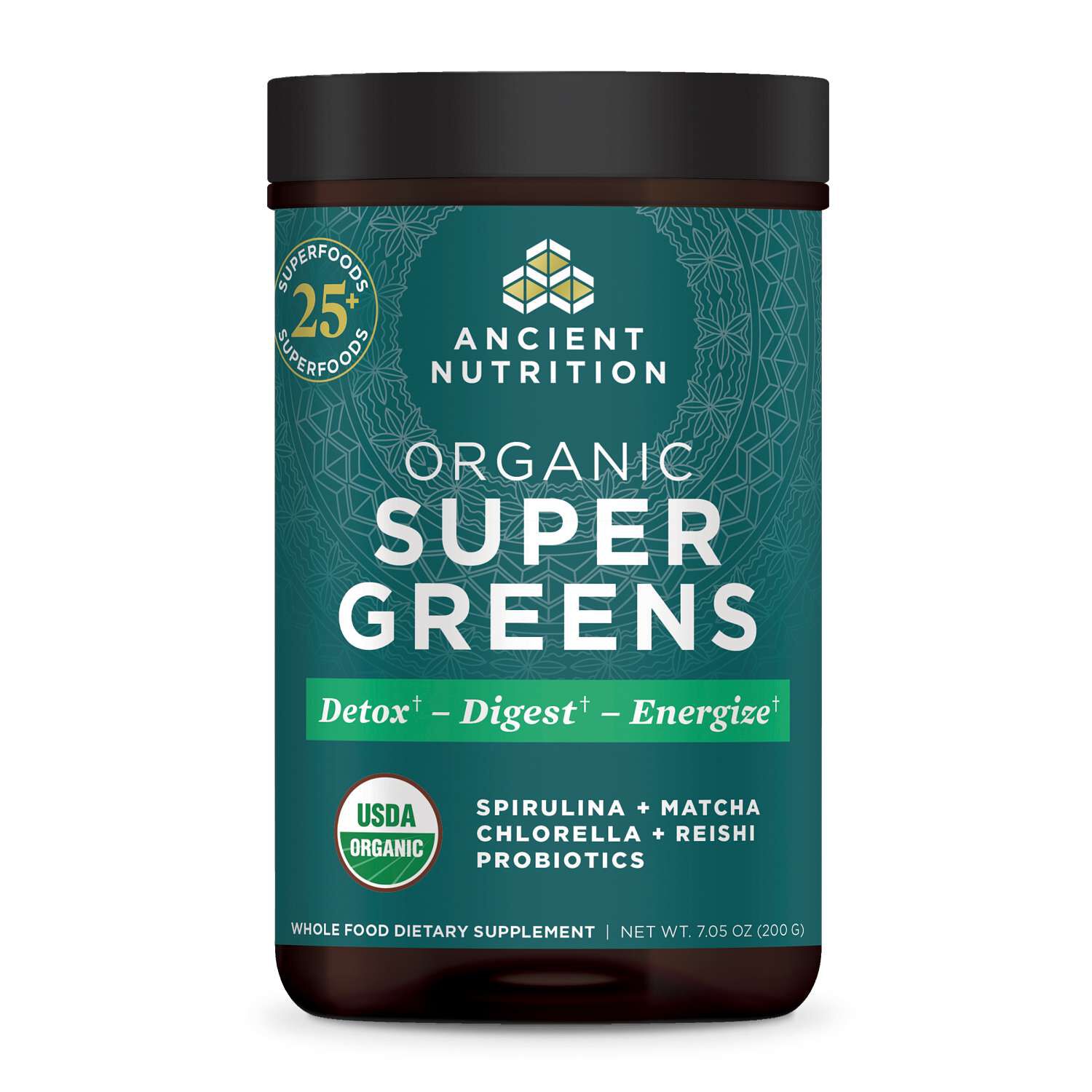 Ancient Nutrition
 -
Amazing Grass