





Vegan Prebiotic Fiber Powders
(0 Results)
Vegan prebiotic fiber powders offer a plant-based option for those looking to support their wellness journey. With a variety of blends and flavors, these convenient powders may fit easily into your daily routine. Whether added to smoothies or mixed with water, vegan prebiotic fiber powders could be a simple way to complement your lifestyle and dietary preferences. Explore options that align with your goals while maintaining your commitment to plant-based nutrition.
-
-
 209$34.99
-
-

-

-

-

-
-

-

-
-
-

-

-

-
-
 Divine Health$44.99
-
 $26.99
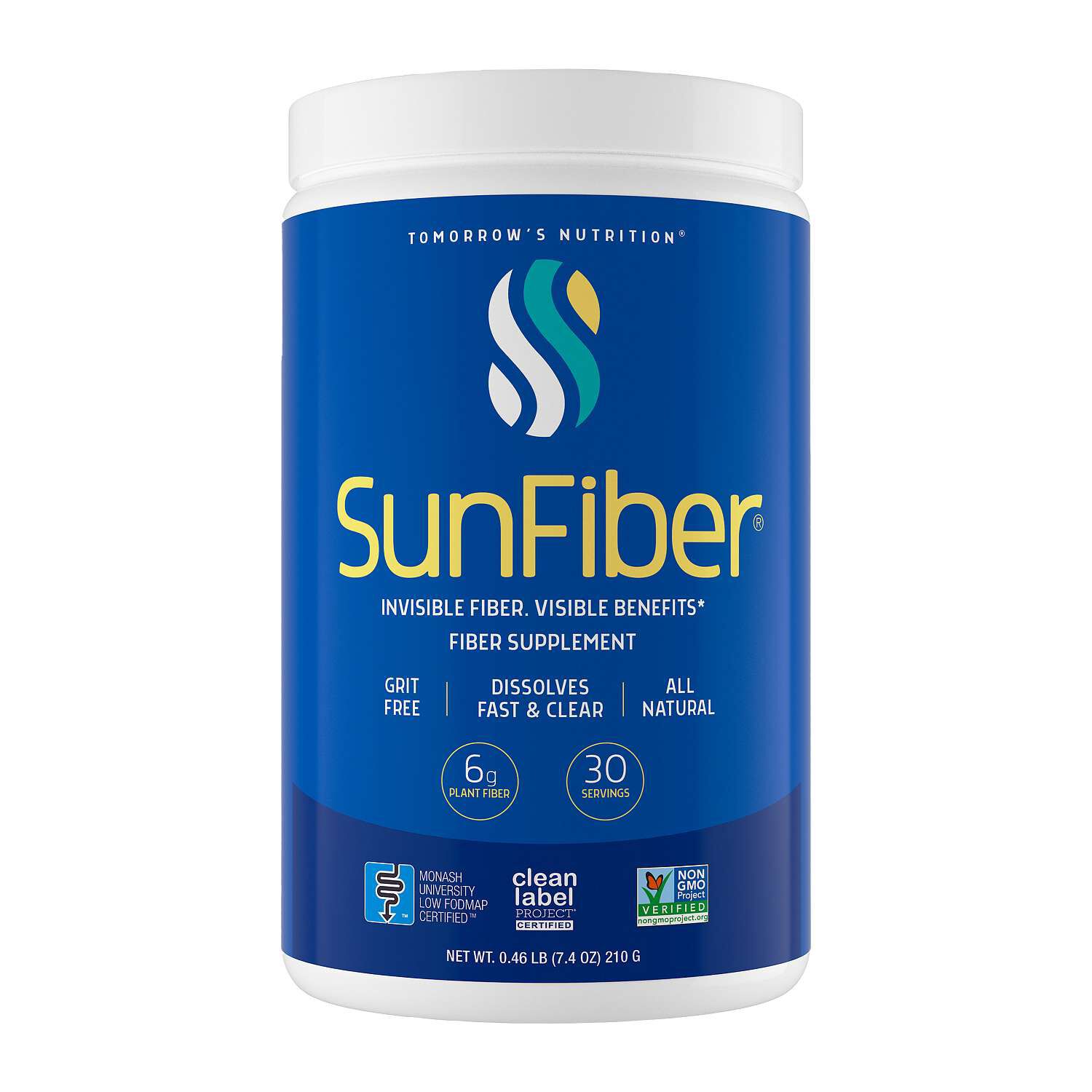
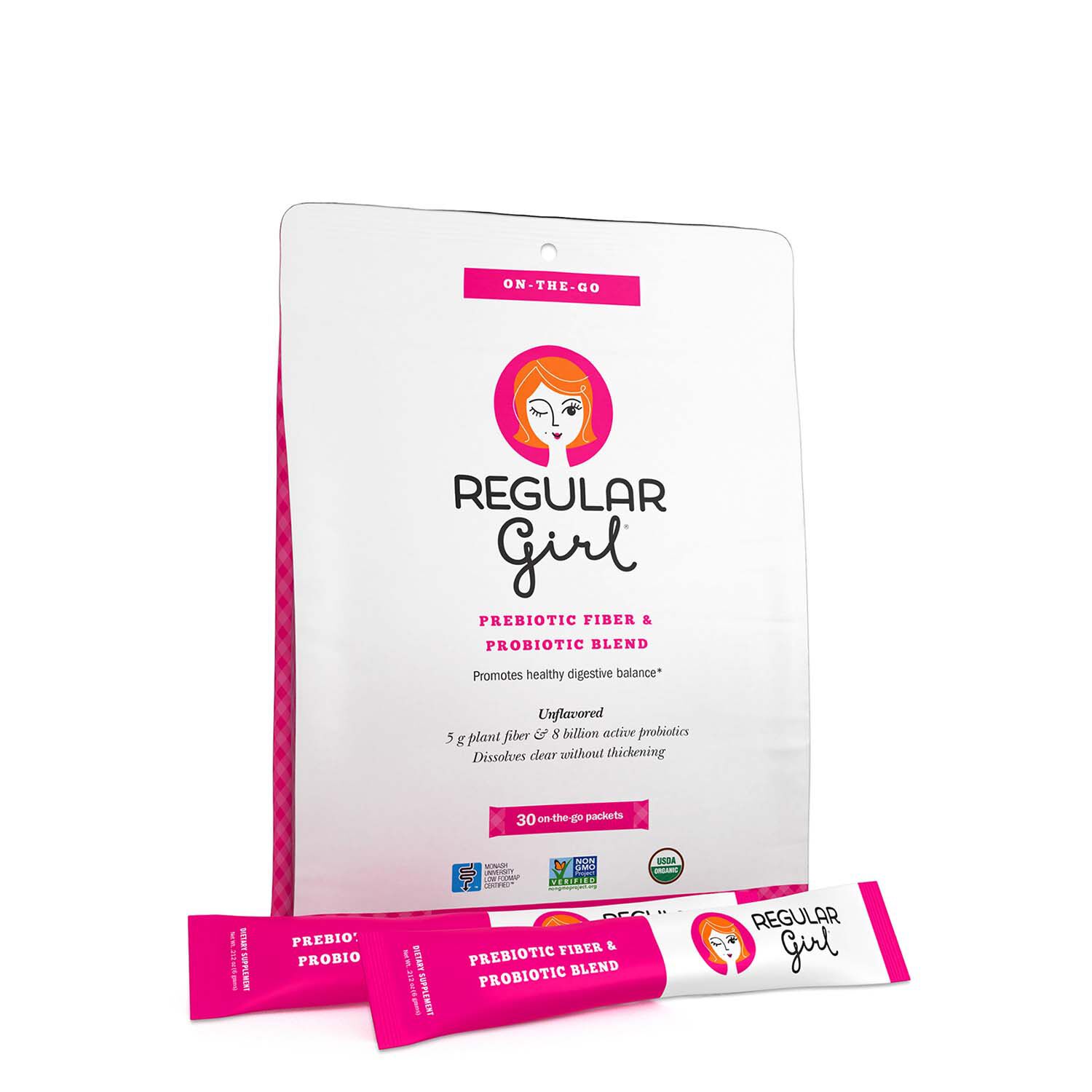
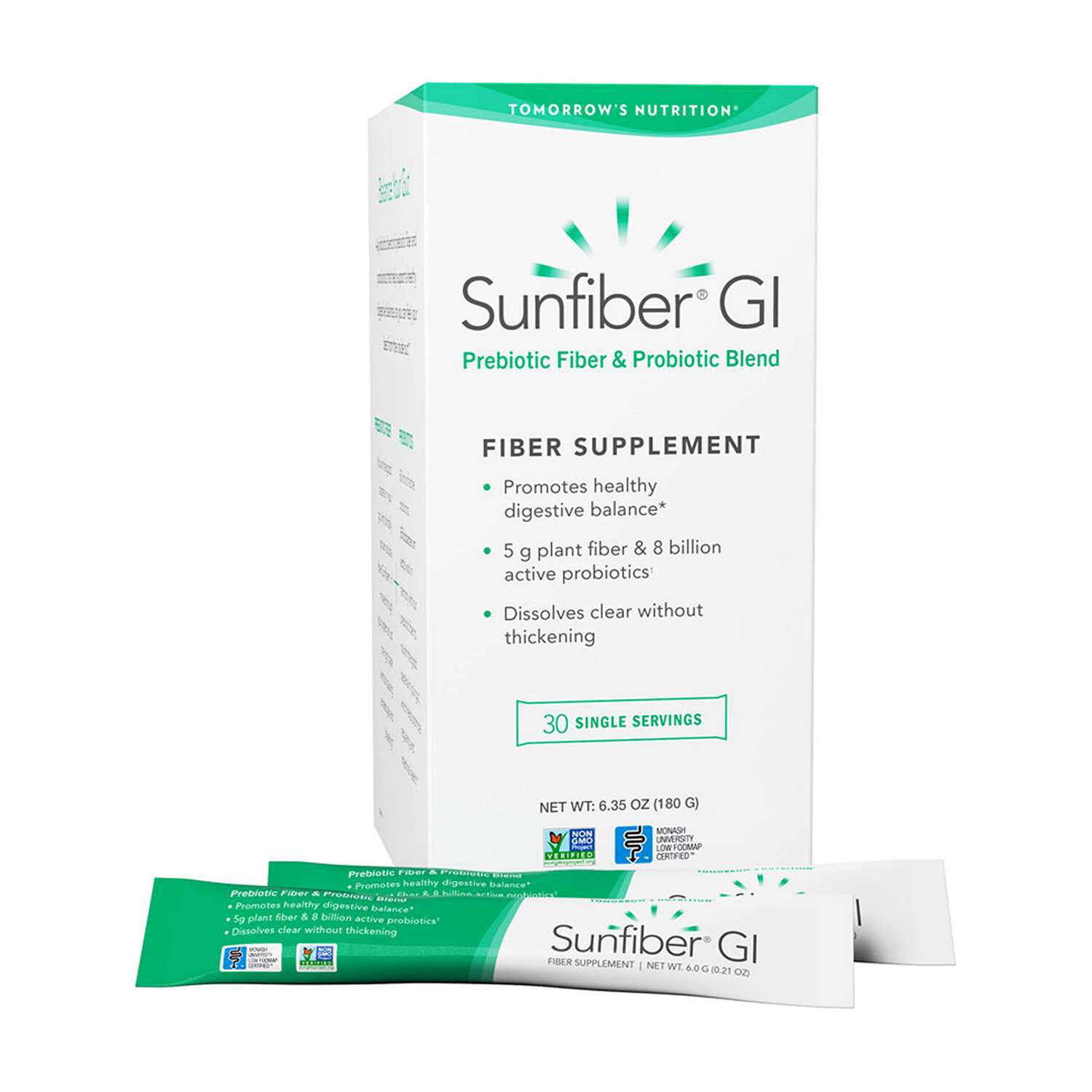
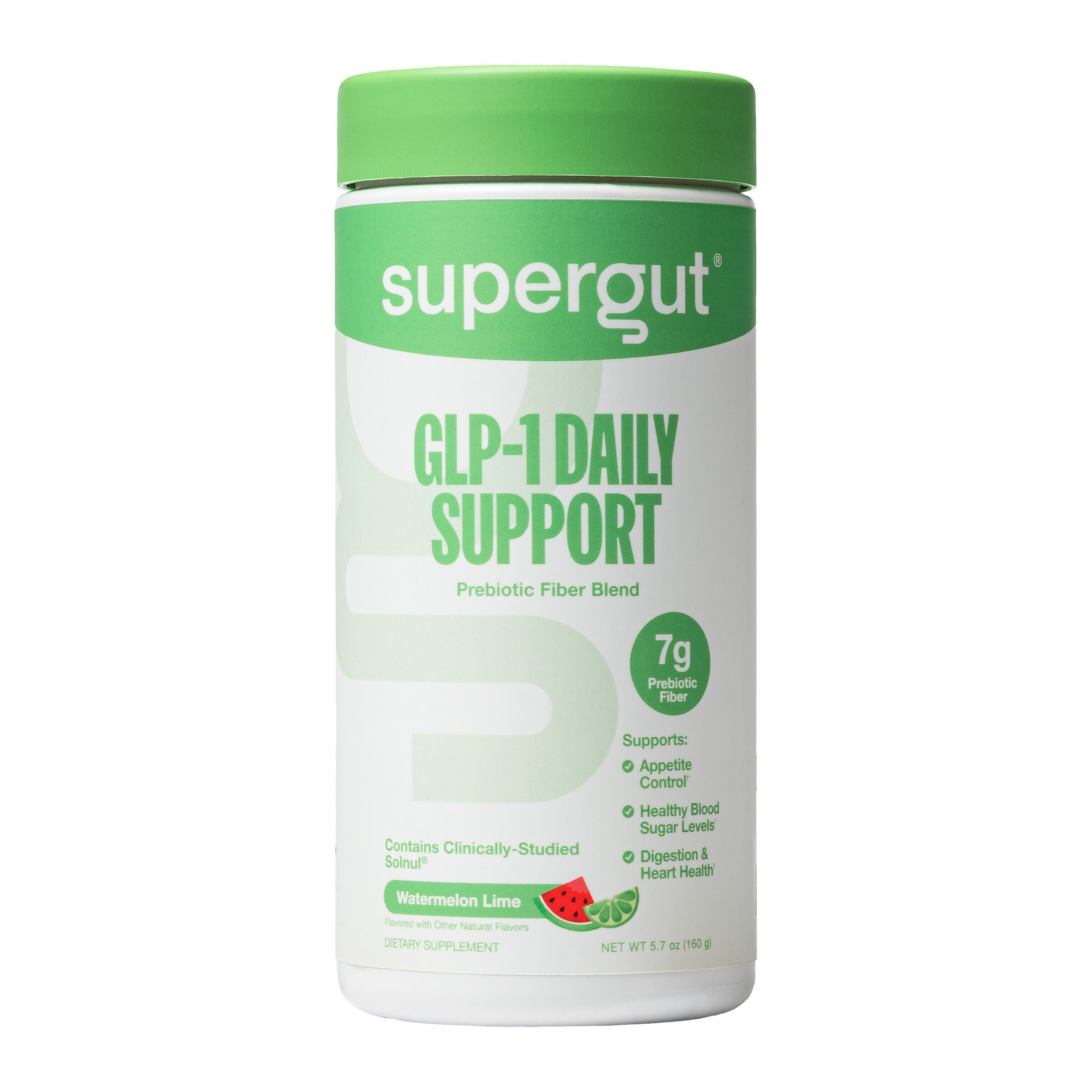
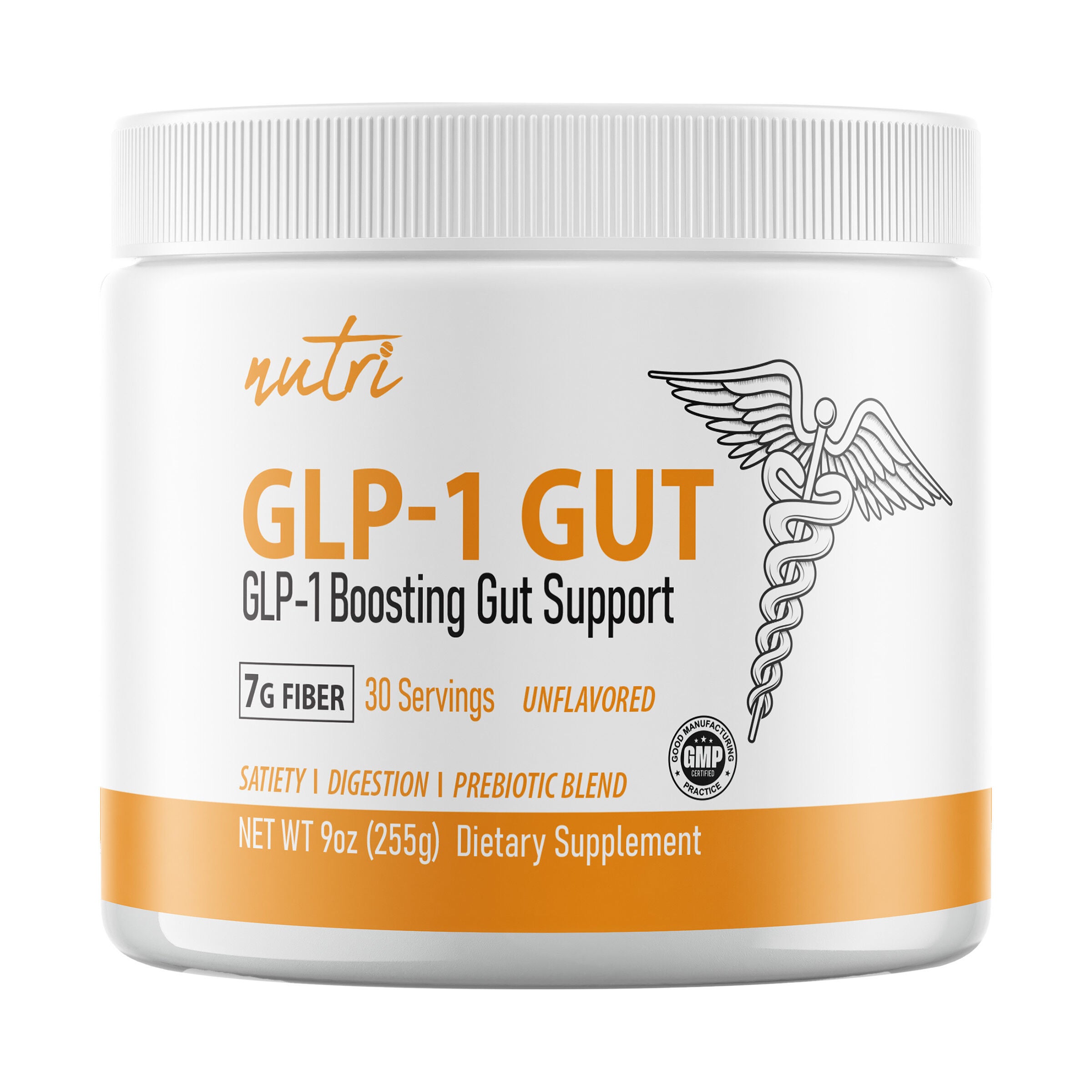
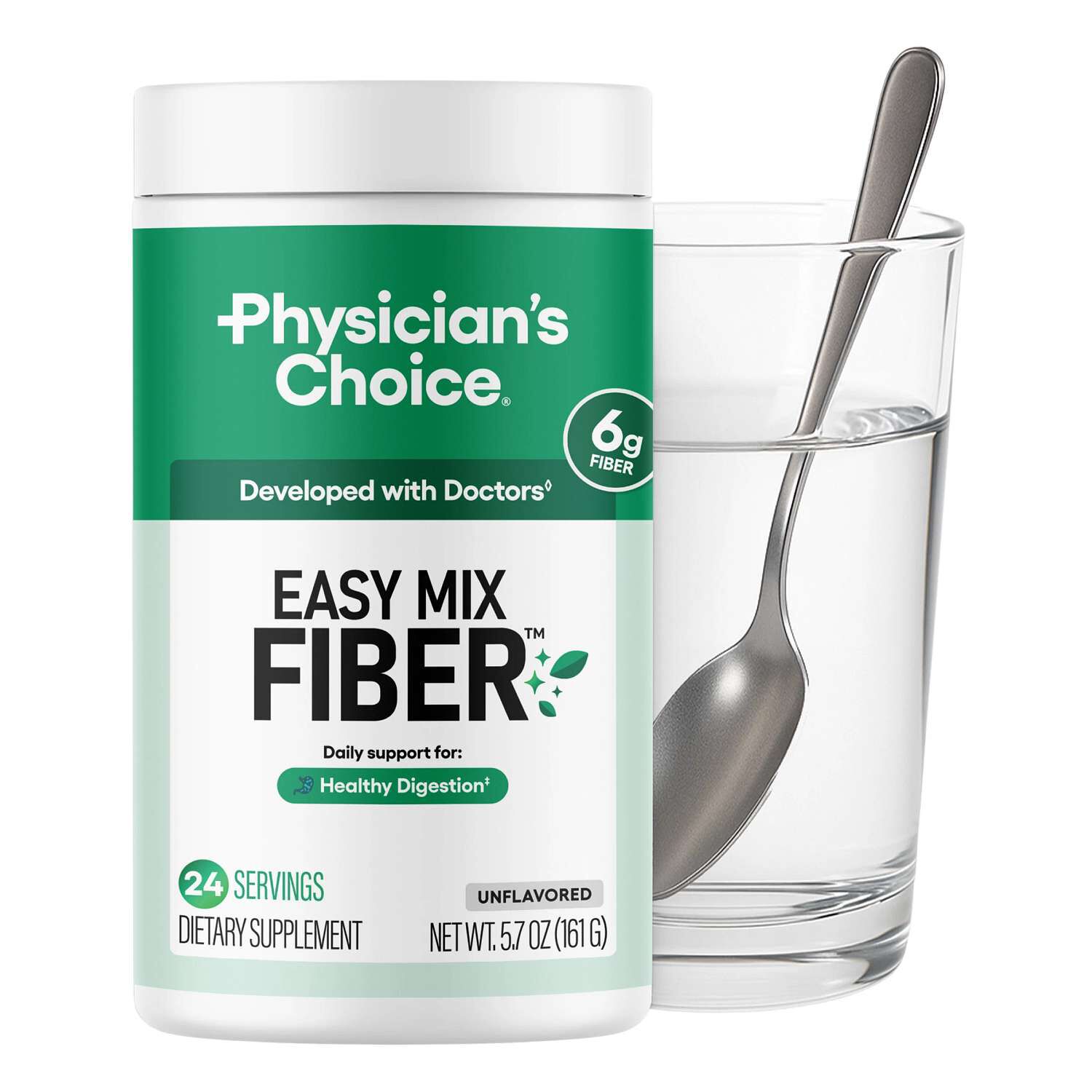
Vegan prebiotic fiber powders bring plant-derived fiber into a scoopable format for everyday food and drink routines. The category includes single-source fibers and blends, with differences in ingredient origin, serving size, flavor, and mixing characteristics. Prebiotic fiber refers to fiber that may serve as nourishment for beneficial microorganisms in the gut; probiotics, by contrast, are live microorganisms included in certain foods and supplements. Not every dietary fiber has the same prebiotic properties, so the ingredient list matters more than the word “fiber” alone. Common ingredients include acacia fiber, chicory root inulin, Jerusalem artichoke fiber, wheat dextrin, and partially hydrolyzed guar gum, often abbreviated PHGG. Acacia fiber comes from the gum of acacia trees, while inulin is sourced from plants such as chicory and Jerusalem artichoke. Wheat dextrin is a wheat-derived fiber ingredient, and PHGG is made by processing guar gum from guar beans into a form used in powdered supplements. Some blends also include green banana flour, a plant ingredient associated with resistant starch, though its composition depends on how it is prepared. These sources differ in flavor, consistency, and the amount of dietary fiber supplied per serving. A spoonful of one powder is not necessarily equivalent to a spoonful of another. Vegan labeling concerns the ingredients and their sourcing, while prebiotic labeling concerns the intended function of the fiber. Neither term alone establishes organic status, allergen suitability, or a particular taste. A single-ingredient formula offers a shorter ingredient list to review, while a blend brings several sources together in one serving. For shoppers following a plant-based eating pattern, the distinction also extends to flavorings and other added ingredients, not just the featured fiber. Reading the full label helps separate the plant source, the fiber amount, and any additional ingredients, making it easier to compare powders on the characteristics that matter to a particular routine.
Flavor and texture often determine how a vegan prebiotic fiber powder fits into daily use. An unflavored formula is different from a flavored one, but unflavored does not necessarily mean without any detectable taste. The plant source and other ingredients may contribute a subtle flavor or change the consistency of a beverage. Some soluble fiber powders may disperse with little visible change, while others may add body, cloudiness, or a slightly grainy texture. A glass of water, a berry smoothie, and a bowl of oatmeal each offer a different mixing environment, so directions for the intended preparation are worth checking. A powder intended for beverages is not automatically suitable for every recipe, and suitability for cooking or baking should come from the label rather than assumptions about the ingredient. For a breakfast routine built around blended fruit and a plant-based beverage, a neutral flavor may be a practical match. For someone who prefers a separate drink, a flavored powder may offer a more distinct taste without needing other ingredients. Sweeteners, fruit flavors, and added colors are separate considerations from the fiber source itself. The ingredient list identifies those additions, while the directions explain the amount of powder and liquid intended for a serving. Using the supplied measuring tool when specified avoids treating an ordinary kitchen spoon as an equivalent measure. Packaging format matters, too: a resealable pouch or tub suits a countertop routine, while individually portioned packets offer a different approach to carrying a measured serving. For a powder kept at the office or packed alongside lunch, preparation requirements deserve as much attention as flavor. A serving that calls for thorough stirring needs an appropriate cup and utensil; a formula intended for blending belongs in a routine with access to a blender. These practical differences help distinguish powders beyond similar wording on the front of the package, especially when the goal is a format that fits comfortably alongside familiar meals and snacks.
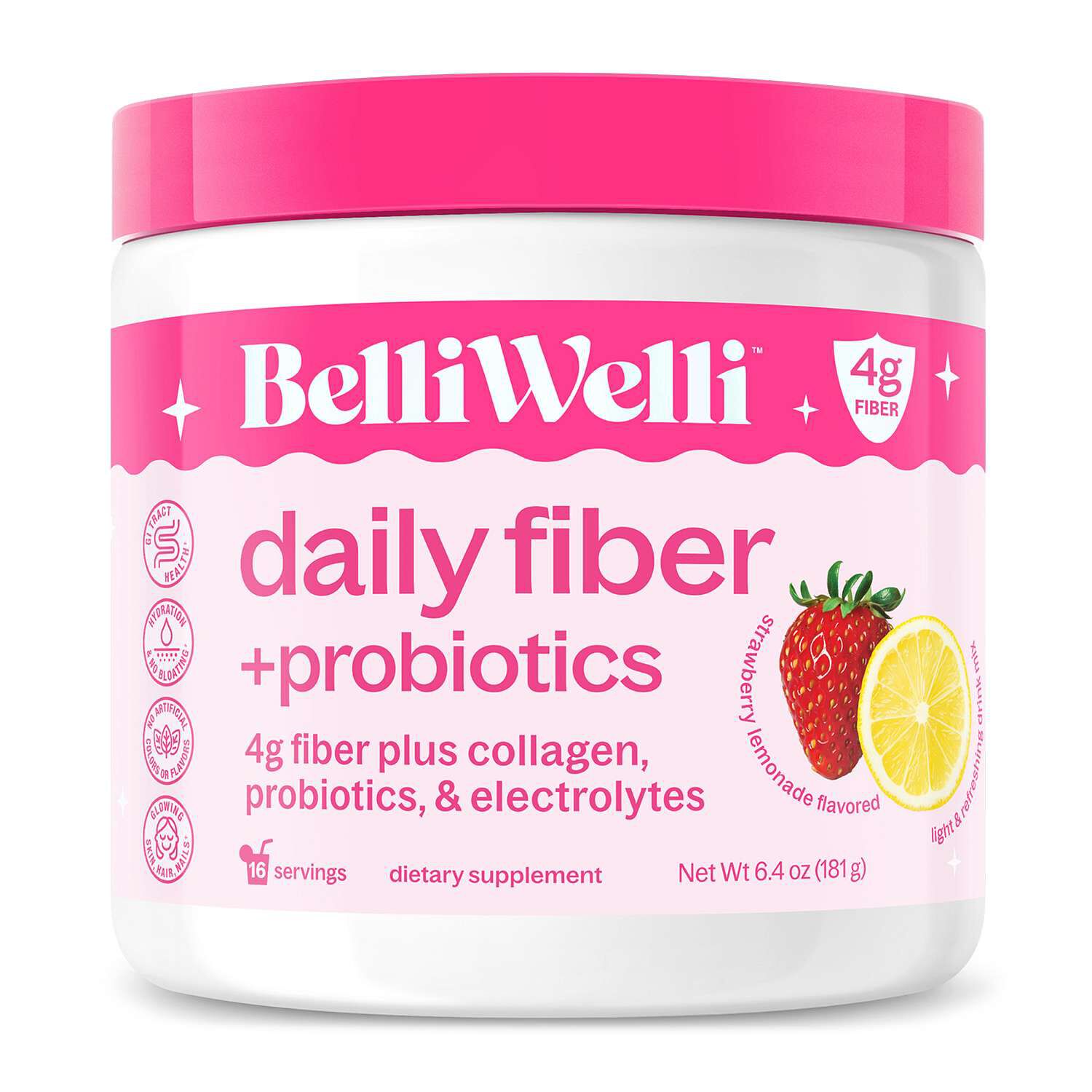
Comparing vegan prebiotic fiber powders also means distinguishing fiber-focused formulas from those containing additional supplement ingredients. A fiber powder may contain only one plant-derived fiber, several fiber sources, or a combination that includes probiotics. Shoppers interested in that combination can also explore Vegan Prebiotic Probiotic Supplements to compare the related category. Prebiotics and probiotics describe different components, and their presence together does not make every formula equivalent. The label should identify the fiber ingredients and any included probiotic cultures, along with the relevant serving information and storage directions. When comparing fiber amounts, use the labeled serving rather than the apparent size of a scoop or container. A blend’s overall serving weight is not necessarily its dietary fiber amount, since flavorings and other ingredients also contribute weight. Ingredient preferences can narrow the comparison further: some shoppers prioritize a single plant source, others prefer several sources, and others place more emphasis on an unflavored preparation. Vegan and organic designations address different attributes, and a plant-based formula still requires a separate review of allergen information, particularly when wheat-derived ingredients are present. Care after opening is another part of choosing a workable format. Follow the package’s storage instructions, keep the closure secured, and use a clean, dry measuring utensil. Moisture entering a pouch or tub may cause clumping and make powder harder to measure or mix. Keeping the original packaging also preserves access to preparation directions, ingredient details, and the best-by date. Someone who enjoys a consistent breakfast may value a powder intended for that familiar preparation, while a person with a varied schedule may place more weight on portability and straightforward mixing. The most useful comparison brings these details together: a clearly identified plant source, a labeled fiber amount, suitable flavor and texture, and preparation requirements that match how the powder will actually be used.
Best Sellers
-
Tomorrow's Nutrition
-
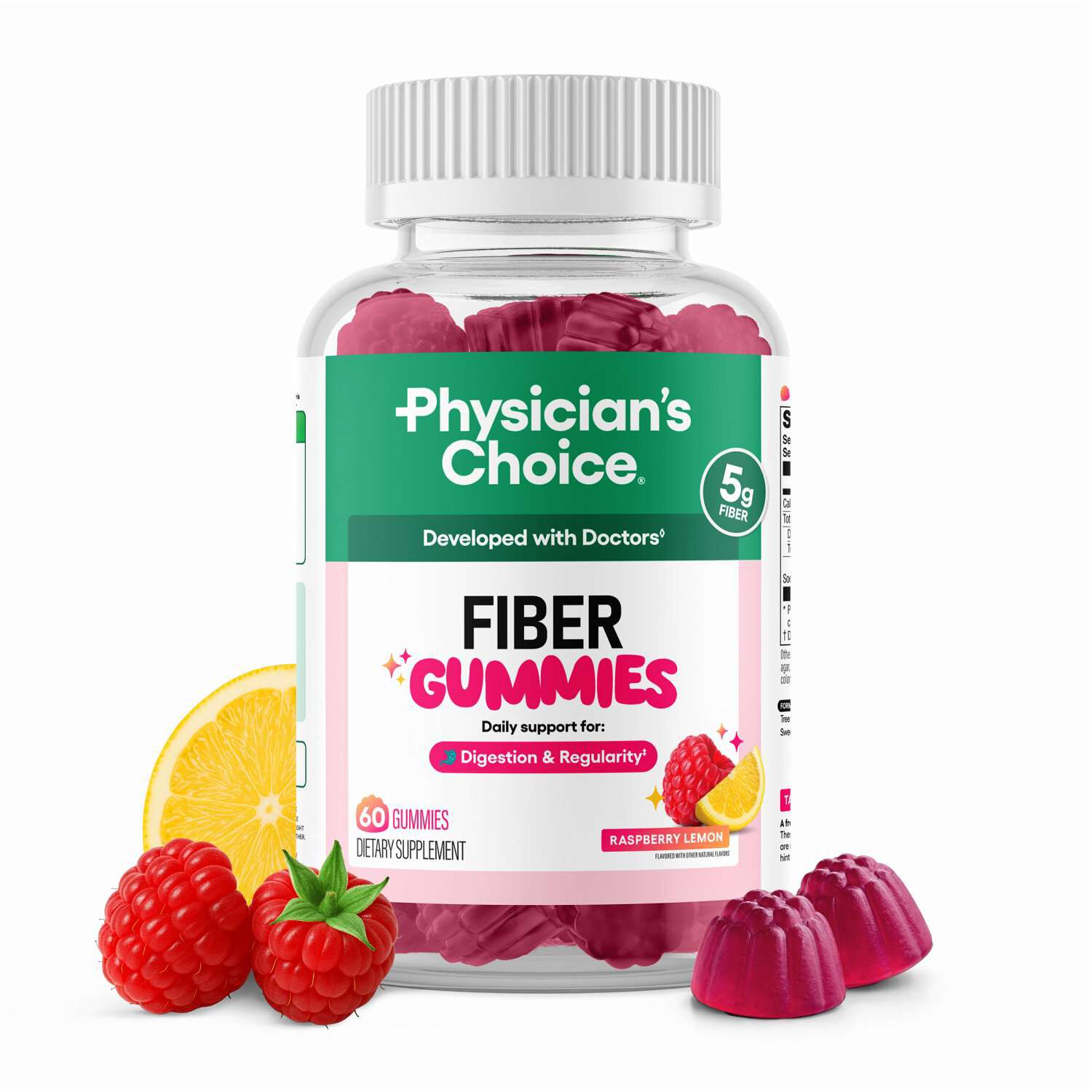 Physician's Choice
-
Tomorrow's Nutrition

Related Pages


Top Collections
- Daily Collagen Supplements | Top Brands & Deals | GNC
- Cortisol Supplements
- Top Rated Collagen | Shop Customer Favorites | GNC
- Vitamins For Hair Loss
- NAD+ Supplement Tablets
- Peptide Supplements
- Best Brand of Magnesium Glycinate
- Protein Powders For Muscle Growth Support
- Vitamins That Help Support Weight Gain
- Peptide Supplements for Muscle Growth