Prenatal DHA Supplements For Optimal Absorption
(0 Results)
Prenatal DHA supplements for optimal absorption may be a thoughtful addition to your wellness routine during pregnancy. These supplements are designed to support the unique nutritional needs of expectant mothers by providing a source of DHA, an omega-3 fatty acid that plays a role in overall health. With options that focus on optimal absorption, you can explore choices that fit your lifestyle and preferences as you navigate this important stage. Discover a variety of prenatal DHA supplements for optimal absorption to help you feel confident in your daily regimen.
-

-

-
-

-

-
 Portions Master$24.99
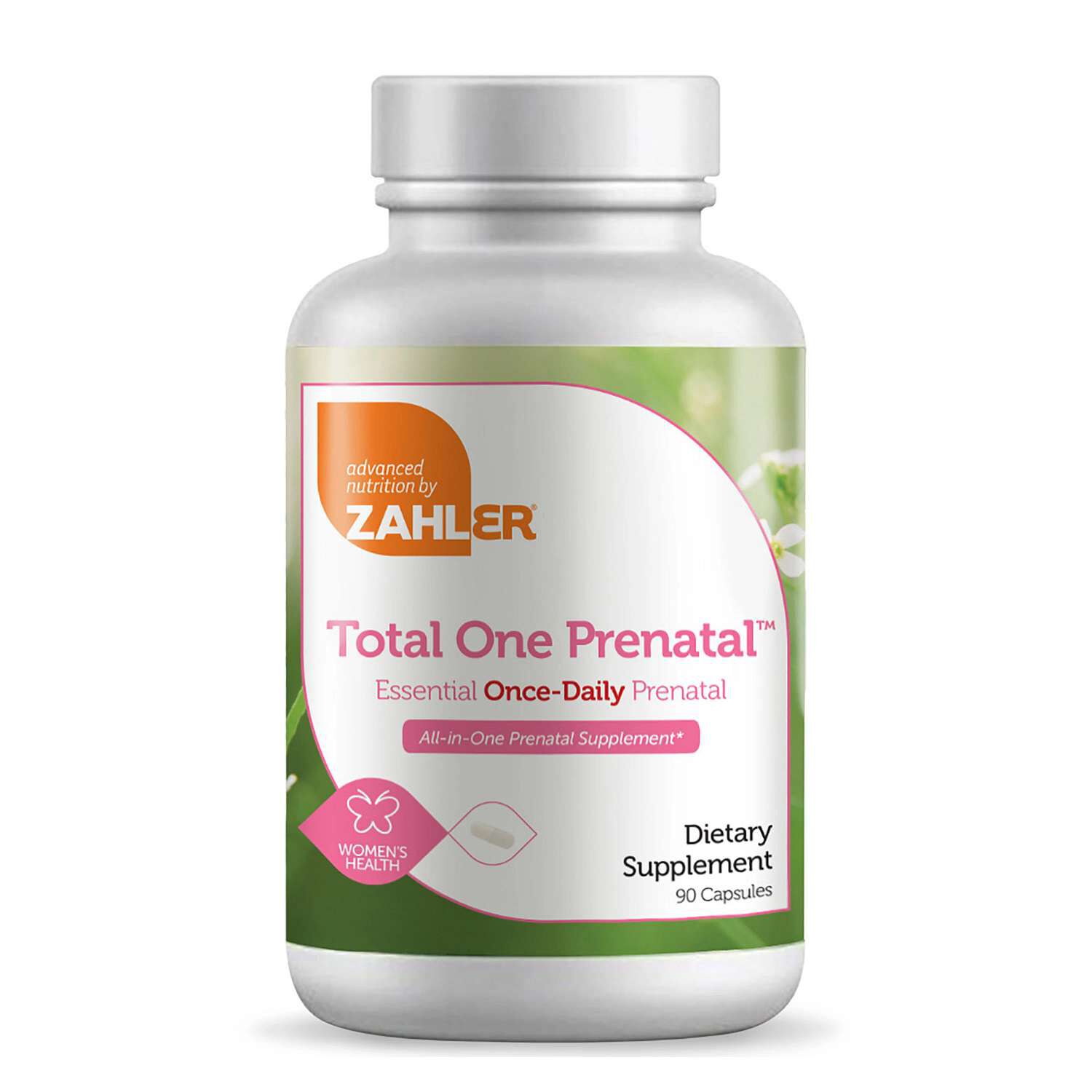
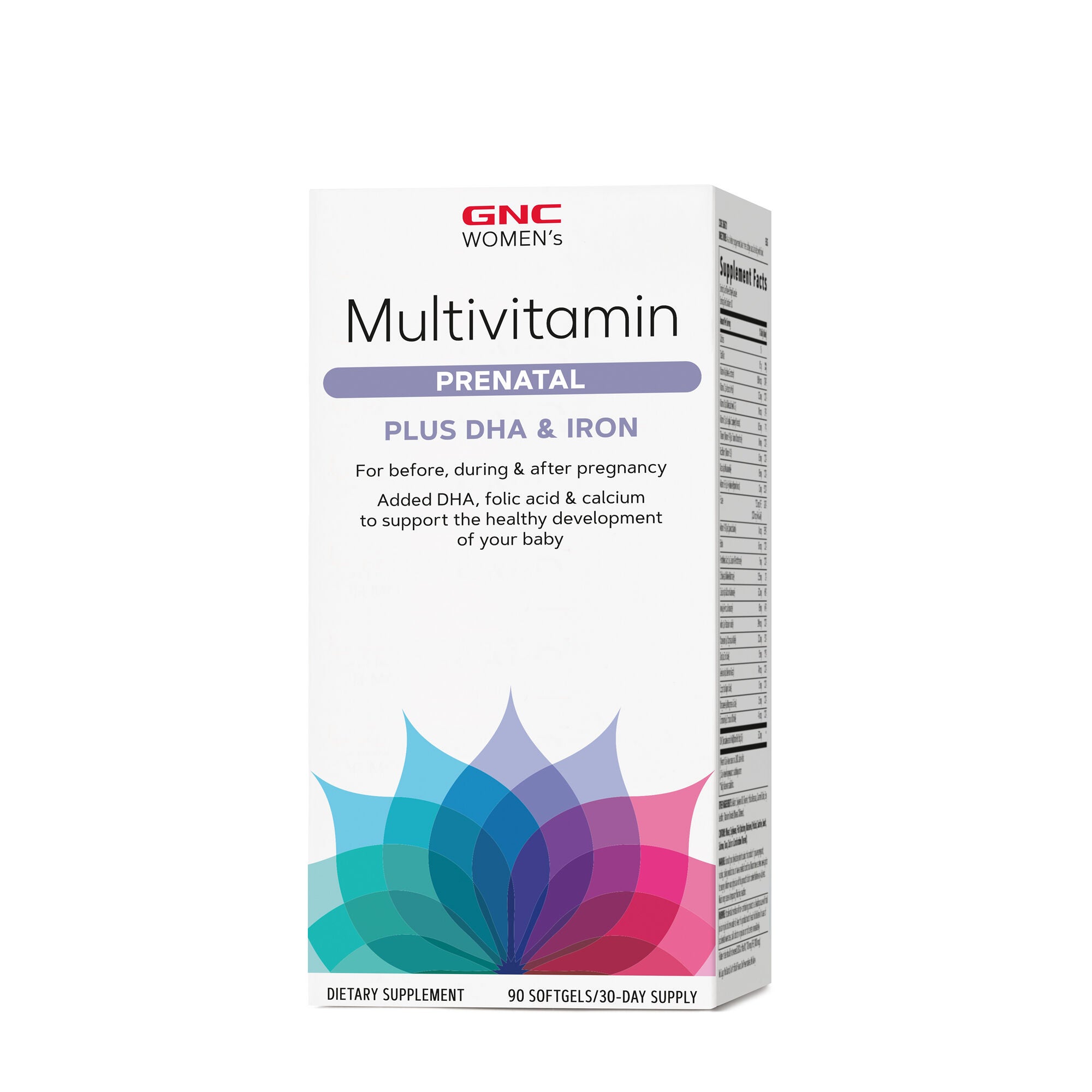
Prenatal DHA supplements are designed for shoppers who want to add docosahexaenoic acid, commonly called DHA, to a prenatal nutrition routine. DHA is an omega-3 fatty acid found in certain seafood and algae-based ingredients, and many people compare prenatal formulas based on the amount of DHA provided per serving, the source used, and the way the oil is prepared. These products may be chosen by people preparing for pregnancy, those already expecting, or anyone following guidance from a qualified healthcare professional. They may also make a thoughtful gift for a loved one building a prenatal wellness routine, especially when paired with practical items such as a reusable water bottle, a meal-planning notebook, or a small care package for busy mornings. Since formulas vary, shoppers may want to review the Supplement Facts panel rather than relying only on the front label. A prenatal multivitamin may include DHA, while another formula may be intended to be taken alongside a separate prenatal vitamin. Checking both labels could help shoppers understand how much DHA they are selecting and avoid unintentionally repeating the same ingredients. Many people compare products in the range of 200 to 300 milligrams of DHA per daily serving, while personal needs may differ; anyone who is pregnant, planning a pregnancy, nursing, managing dietary restrictions, or taking other supplements may wish to ask a healthcare professional for individualized guidance.
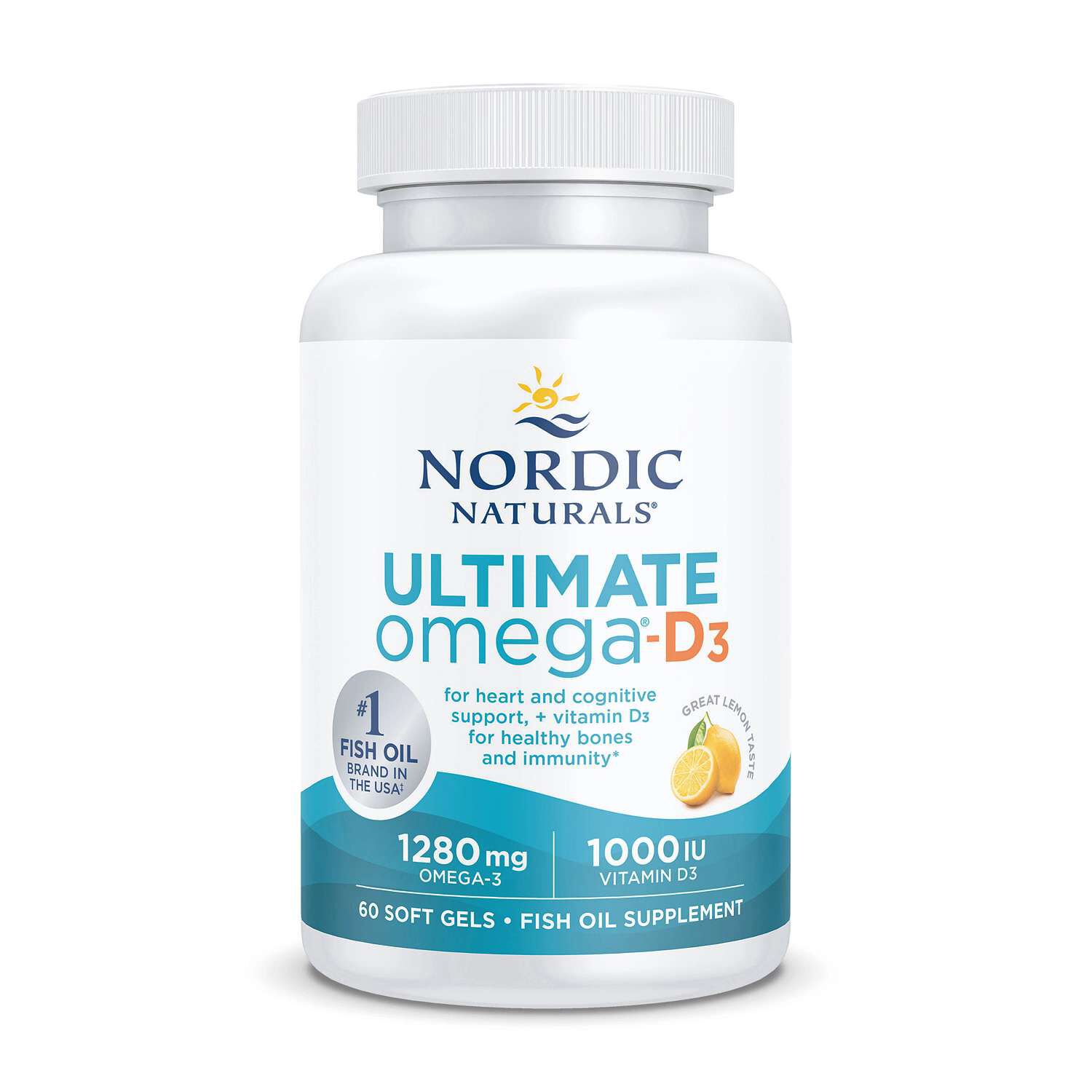
Absorption is an important consideration when comparing prenatal DHA products. Taking an omega-3 softgel with a meal that contains some dietary fat may help the body take in the oil more effectively than taking it on an empty stomach. Easy pairings might include eggs with avocado, yogurt with nuts, a grain bowl dressed with olive oil, or a dinner that includes salmon and vegetables. A simple routine can make this easier: some shoppers keep their prenatal supplements near the place where they eat breakfast, while others take them with the evening meal when their schedule feels less rushed. Labels may identify the oil as being in a natural triglyceride, or TG, form, or as an ethyl ester form. Shoppers who are comparing absorption characteristics may look for this information and follow the serving directions supplied by the manufacturer. Softgel size, suggested serving count, flavoring, coating, and storage instructions can also shape the experience of daily use. Some formulas include features intended to minimize an unpleasant aftertaste, while algal oil options may appeal to people seeking a plant-based source of DHA. Fish oil and algal oil each offer different sourcing considerations, so dietary preferences, taste preferences, and guidance from a healthcare professional may all be useful when narrowing the selection. For a broader look at products in this category, shoppers can browse DHA Supplements.
Quality information deserves attention, particularly when selecting an omega-3 product for a prenatal routine. Shoppers may look for details about sourcing, purification, lot testing, and independent verification. Third-party testing may provide additional information about identity, freshness, and the presence of unwanted environmental compounds such as heavy metals or PCBs. A clear label may also state the amount of DHA separately from the amount of total fish oil or total omega-3, since those figures are not always interchangeable. People who avoid fish or follow a vegan lifestyle may prefer algal oil, which is cultivated from algae and supplies DHA without a fish-derived ingredient. Others may prefer a marine oil formula and may compare the source, capsule design, and freshness guidance. During the warmer months and into cooler seasons, storage can matter: keeping softgels in a dry, room-temperature location away from direct sunlight may help preserve the product according to its label instructions, while some formulas may call for refrigeration after opening. Anyone with seafood or ingredient sensitivities, a prescribed nutrition plan, or questions about combining a prenatal vitamin with a separate DHA supplement may benefit from reviewing the label with a qualified healthcare professional. With attention to serving size, oil form, source, testing information, and meal timing, shoppers may find a prenatal DHA option that fits naturally into the daily rhythm of pregnancy preparation or prenatal care.