Prenatal DHA Supplements For Healthy Weight Gain
(0 Results)
Prenatal DHA supplements for healthy weight gain may offer important support during pregnancy, providing nutrients that could contribute to overall wellness for both mom and baby. Expecting mothers often look for ways to maintain a balanced diet, and adding prenatal DHA supplements to a daily routine might be a convenient option. Explore a variety of choices that are designed with the unique needs of pregnancy in mind, so you can find options that may help you feel your best throughout each stage.
-

-

-
-

-

-

-

-
 Portions Master$24.99
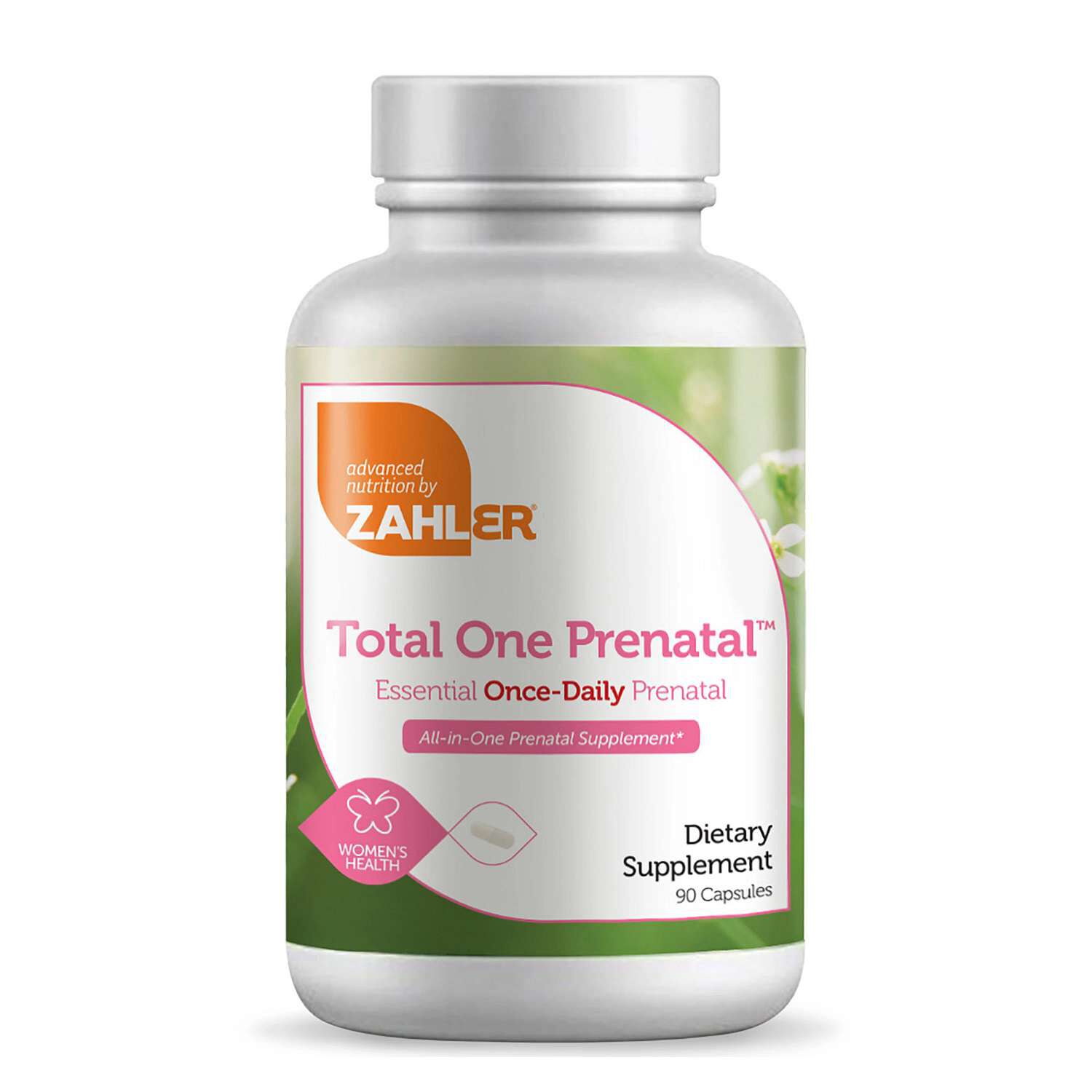
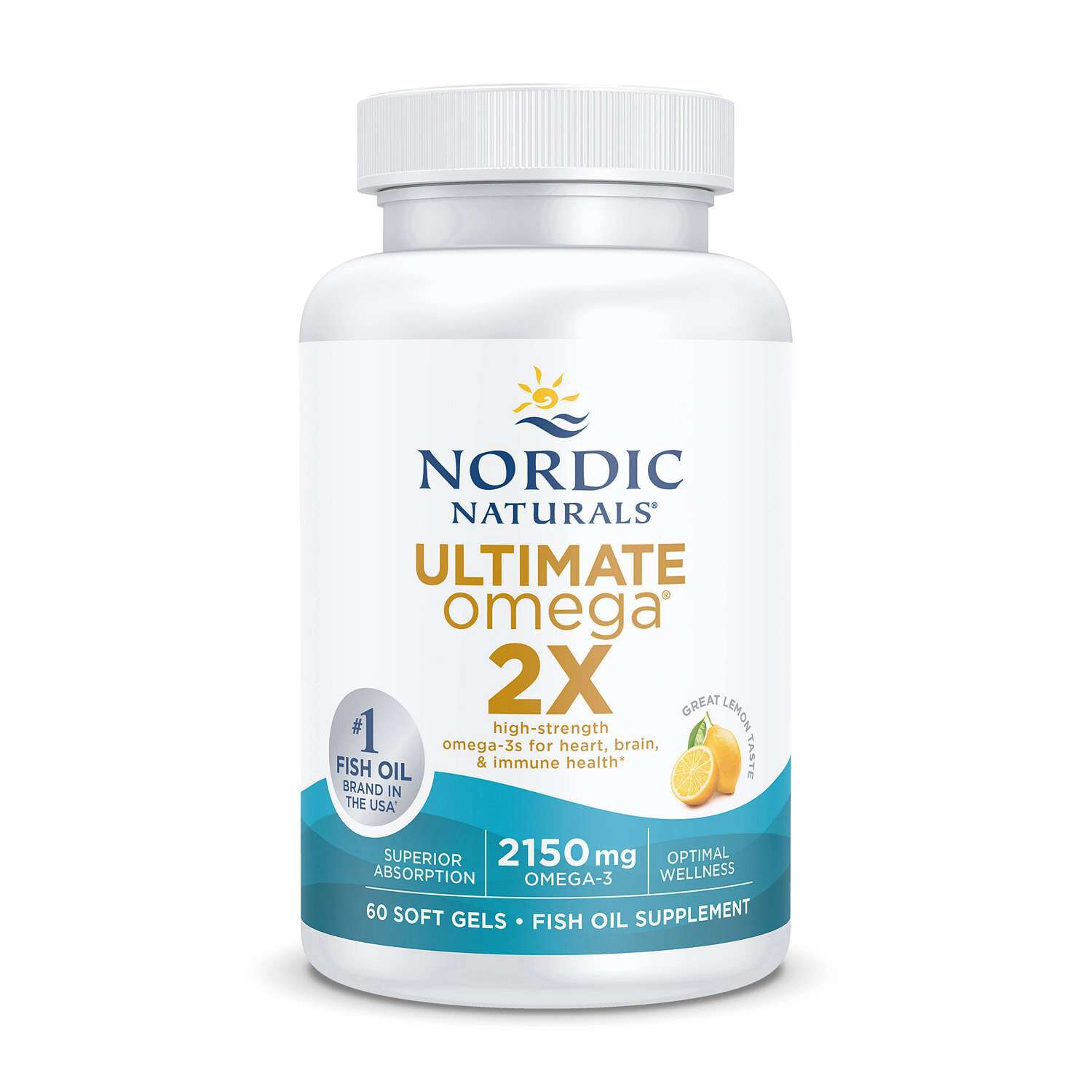
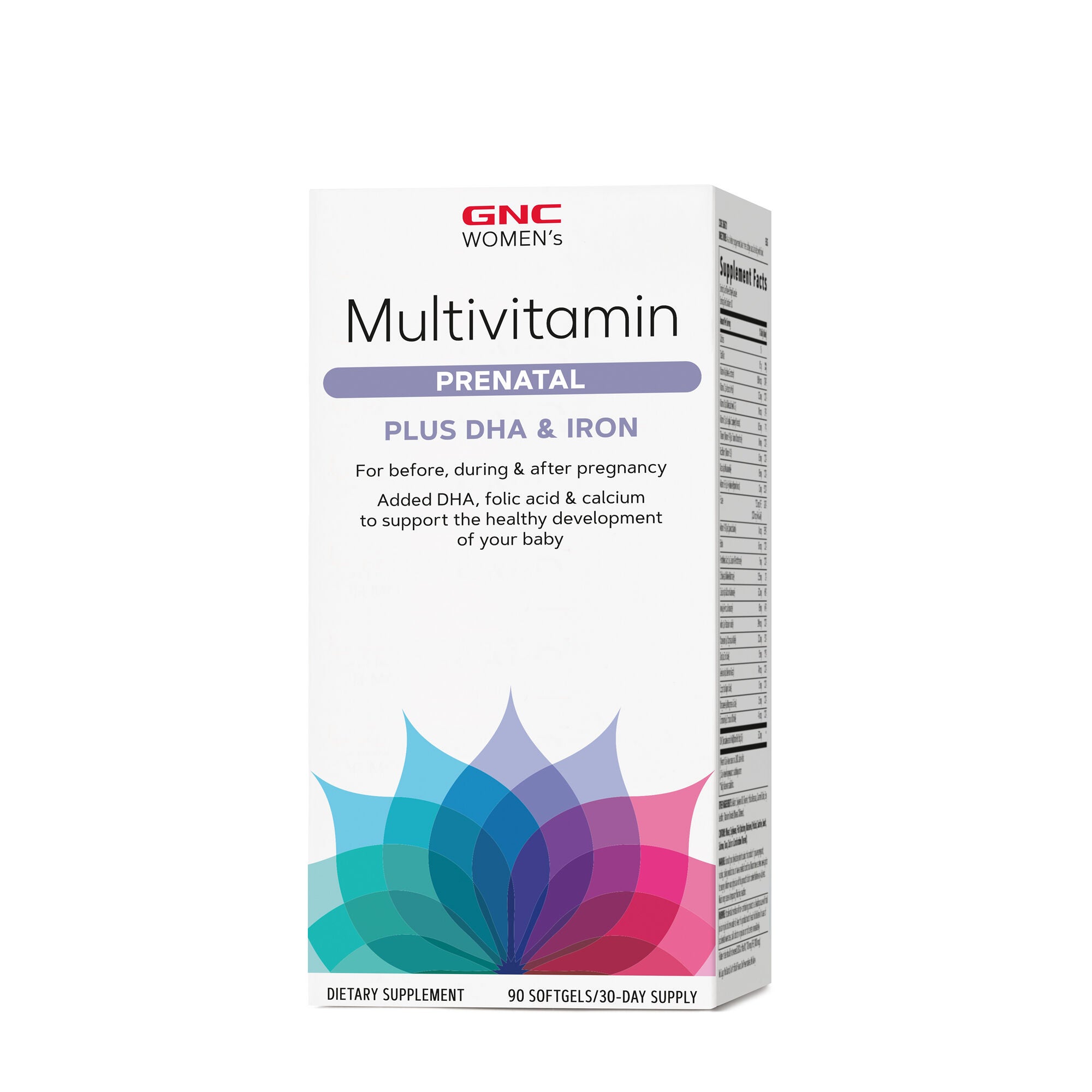
Prenatal DHA supplements are commonly chosen by people looking for a convenient source of omega-3 fatty acids during pregnancy, particularly when seafood is not a regular part of the menu. DHA, or docosahexaenoic acid, is found naturally in certain fish and algae-based oils, and many prenatal formulas provide it in a softgel or other easy-to-use format. These products are intended to add dietary DHA rather than calories, so they are not designed to cause weight gain or replace the meals, snacks, and hydration that contribute to a nourishing pregnancy routine. Changes in body weight during pregnancy can reflect many factors, including the growing baby, fluid shifts, and normal changes in appetite and activity. Anyone concerned about whether weight gain is appropriate for their stage of pregnancy could discuss personal nutrition goals with a qualified healthcare professional. For shoppers comparing prenatal DHA options, the amount of DHA per serving may be one of the first details to review. Many professional recommendations cite a daily intake of roughly 200 to 250 milligrams of DHA during pregnancy, although individual needs may differ. A product label may also list EPA, another omega-3 fatty acid, and the combined amount of EPA and DHA can be useful when comparing formulas. Guidance commonly advises staying below 3 grams per day of combined EPA and DHA unless a healthcare professional has provided different direction. Checking serving size, directions, expiration information, and storage instructions could make it easier to choose a product that fits naturally into an existing prenatal routine. Some shoppers prefer fish oil, while others may look for algae-derived DHA as a vegetarian option. Algae oil could offer a practical alternative for people who do not eat fish, while fish oil may suit those who already include seafood in their dietary pattern. Both options deserve a close look at the source, concentration, capsule size, and any flavoring or coating designed to make daily use more comfortable.
Quality and sourcing can matter just as much as the number printed on the front of the bottle. Third-party verification from organizations such as USP, NSF, or ConsumerLab may provide additional information about ingredient identity, manufacturing standards, and screening for unwanted contaminants, including heavy metals. Since fish can contain varying amounts of mercury depending on the type and source, shoppers may prefer supplements that clearly describe purification or testing practices. Dietary sources remain another consideration: lower-mercury fish such as salmon, trout, sardines, and shrimp may provide DHA along with protein and other nutrients, while a supplement could be useful when seafood is limited by preference, availability, preparation time, or dietary pattern. A prenatal DHA supplement may be used alongside a prenatal multivitamin, but the labels should be reviewed together so the daily intake of overlapping nutrients and omega-3 fats can be understood. A healthcare professional could also help evaluate the best timing, especially for anyone using other supplements or receiving personalized dietary guidance. For many households, a prenatal DHA product may be a thoughtful gift for an expectant parent, whether tucked into a care package with nourishing pantry staples, a reusable water bottle, or a soft blanket for cooler days. It may also be a practical addition to a registry for someone building a simple daily wellness routine before the arrival of a new baby. During late summer and the cooler months that follow, easy-to-store softgels or algae-based options could fit neatly beside a prenatal vitamin, making them simple to remember at breakfast or with an evening meal. Shoppers interested in comparing formulations with attention to DHA and EPA amounts can explore Prenatal DHA Supplements With Optimal Ratios. As with any dietary supplement used during pregnancy, product selection may be best approached with the advice of a qualified healthcare professional, especially when there are dietary restrictions, seafood allergies, concerns about body weight, or questions about combining multiple products.