

Preworkout Drinks For Camping Trips
(0 Results)
Preworkout drinks for camping trips could be a convenient way to support your outdoor adventure routine. Whether you’re gearing up for an early morning hike or preparing for a day full of activities, these options may offer the boost you need before hitting the trails. With a variety of flavors and formulas to choose from, finding preworkout drinks for camping trips might help you stay energized and ready for whatever nature has in store.

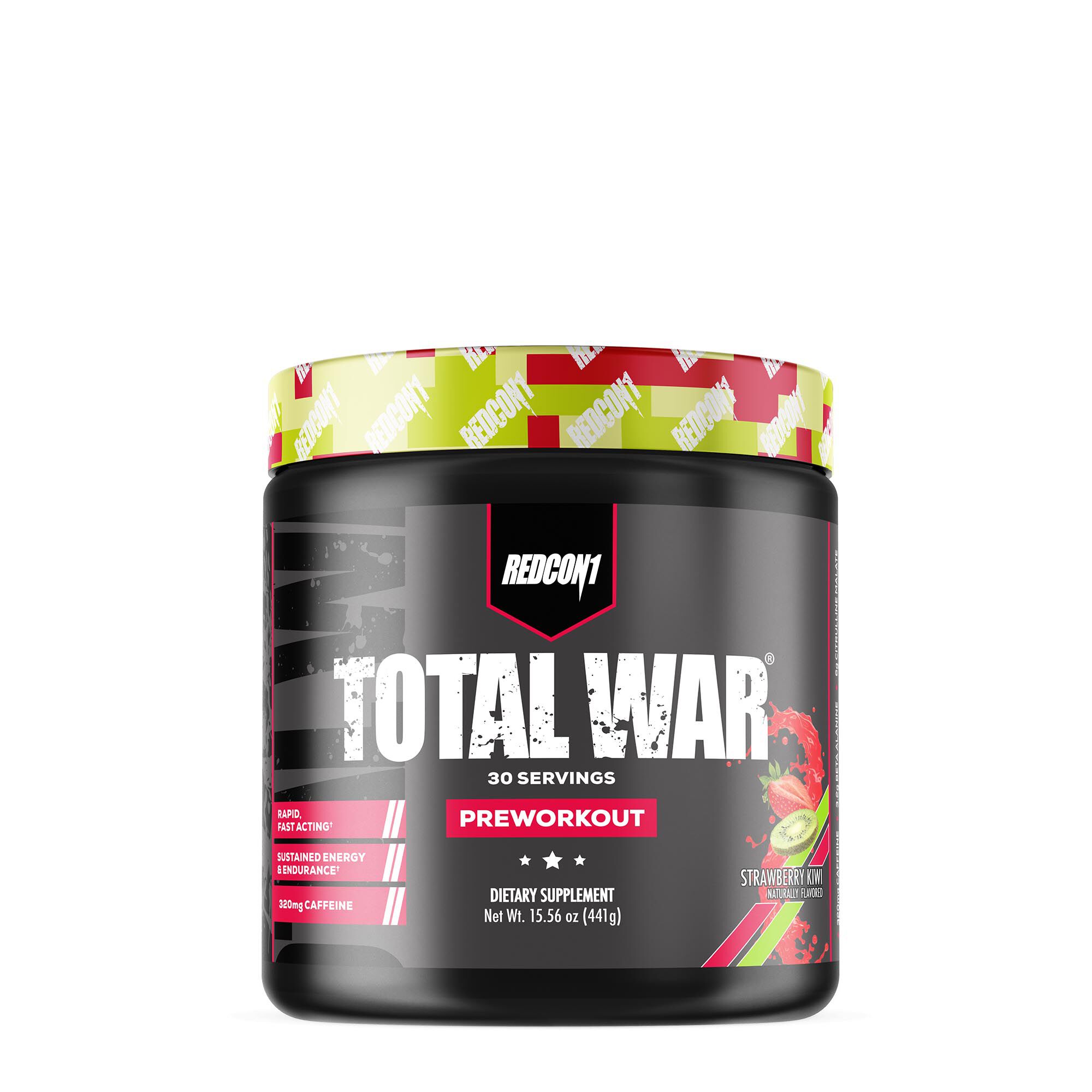

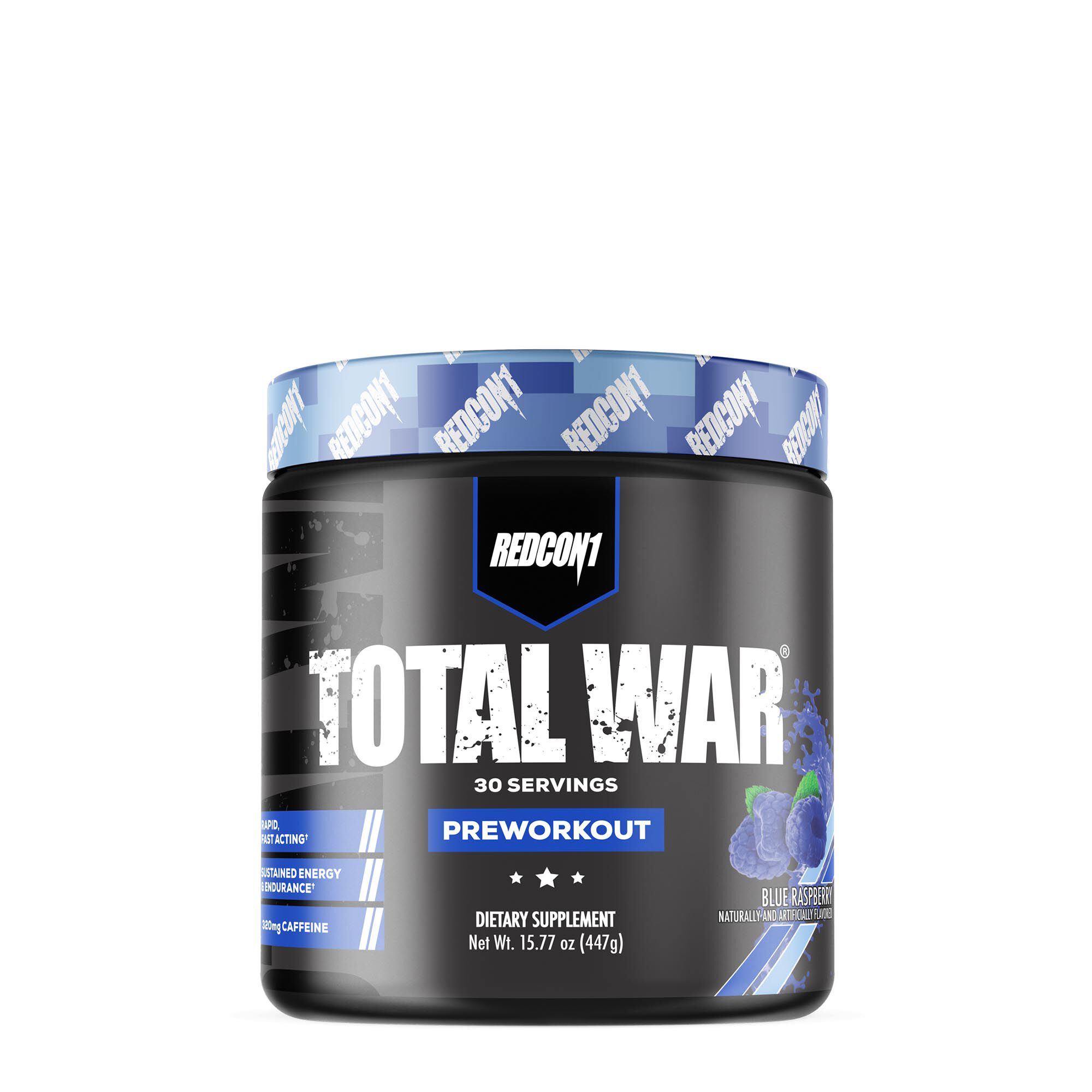

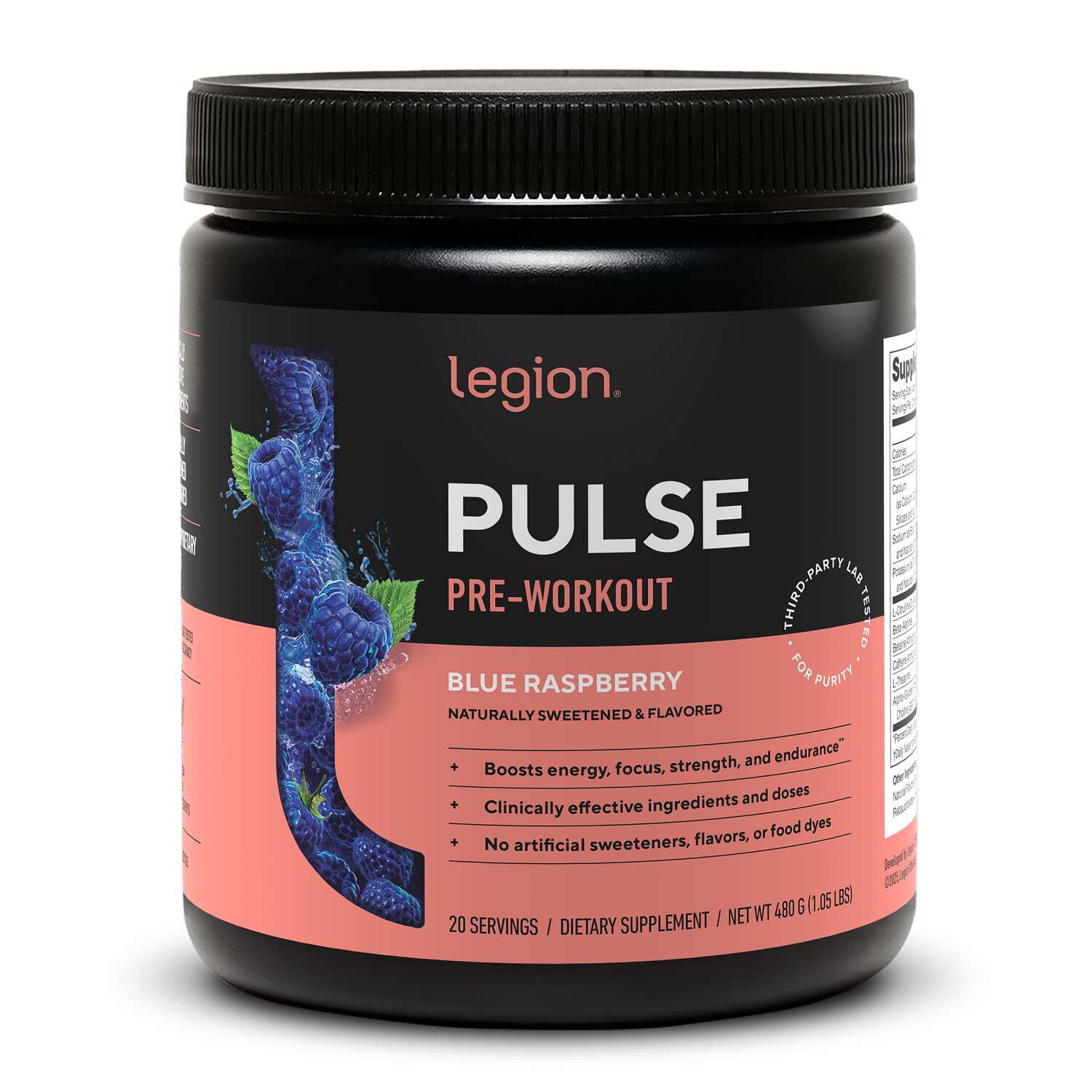
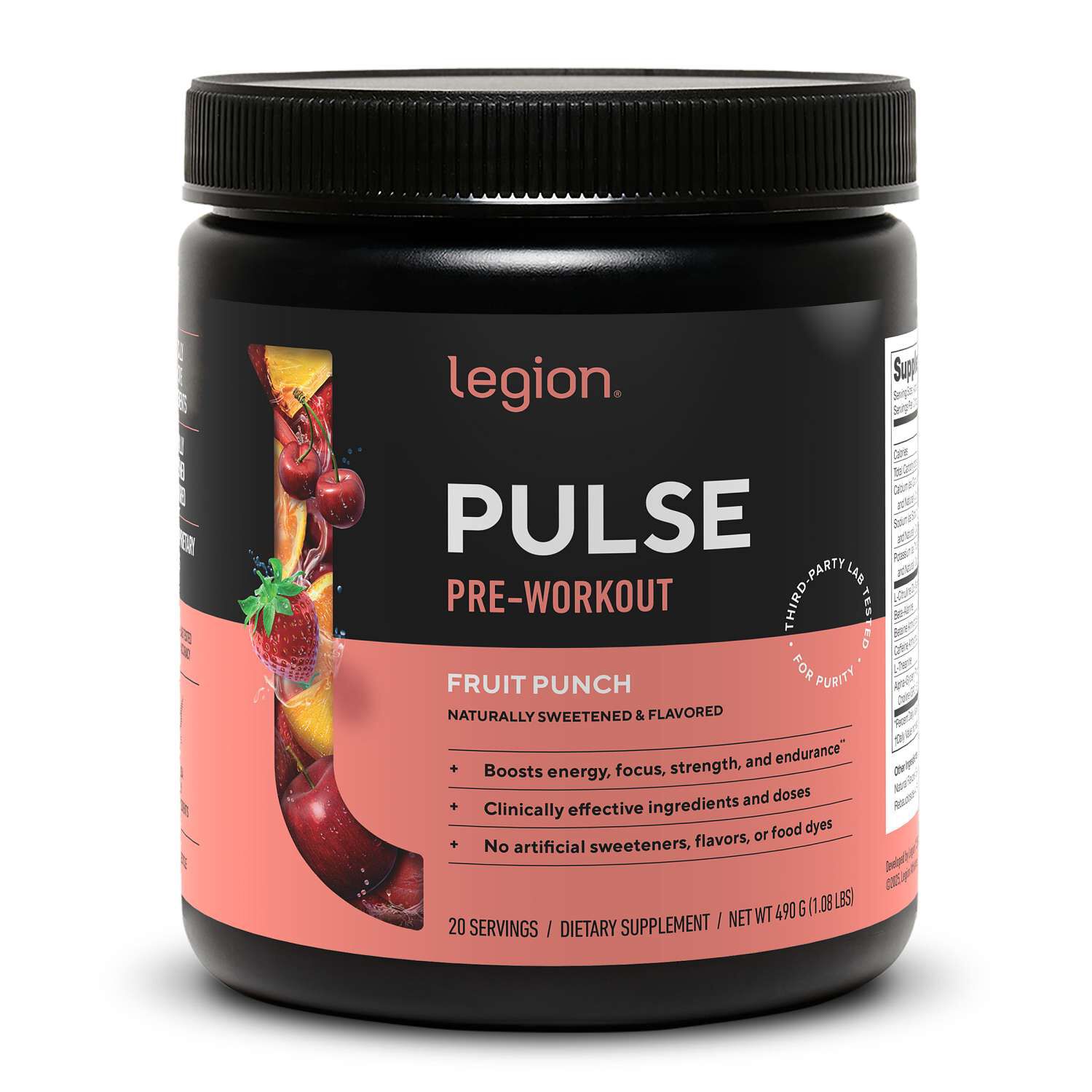
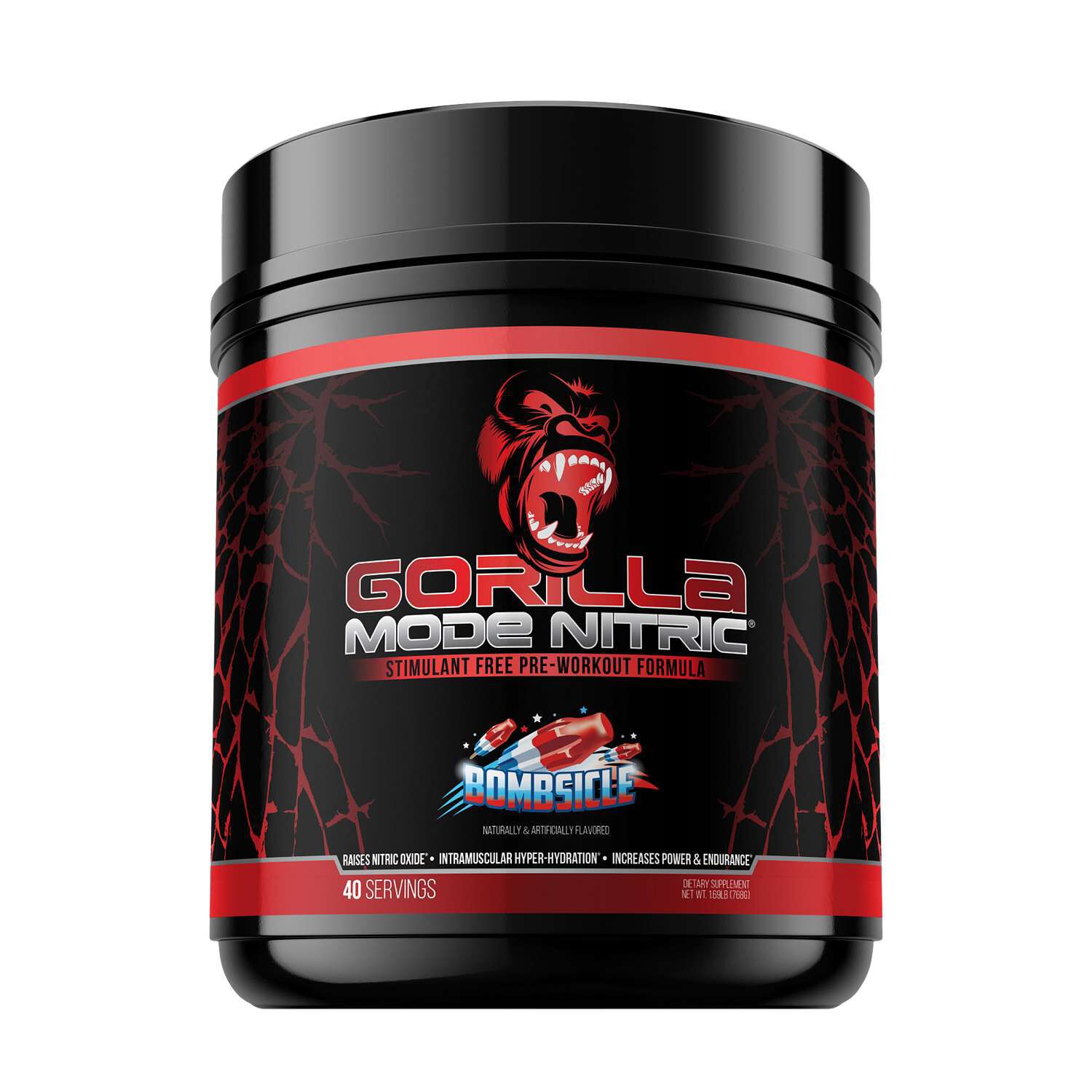


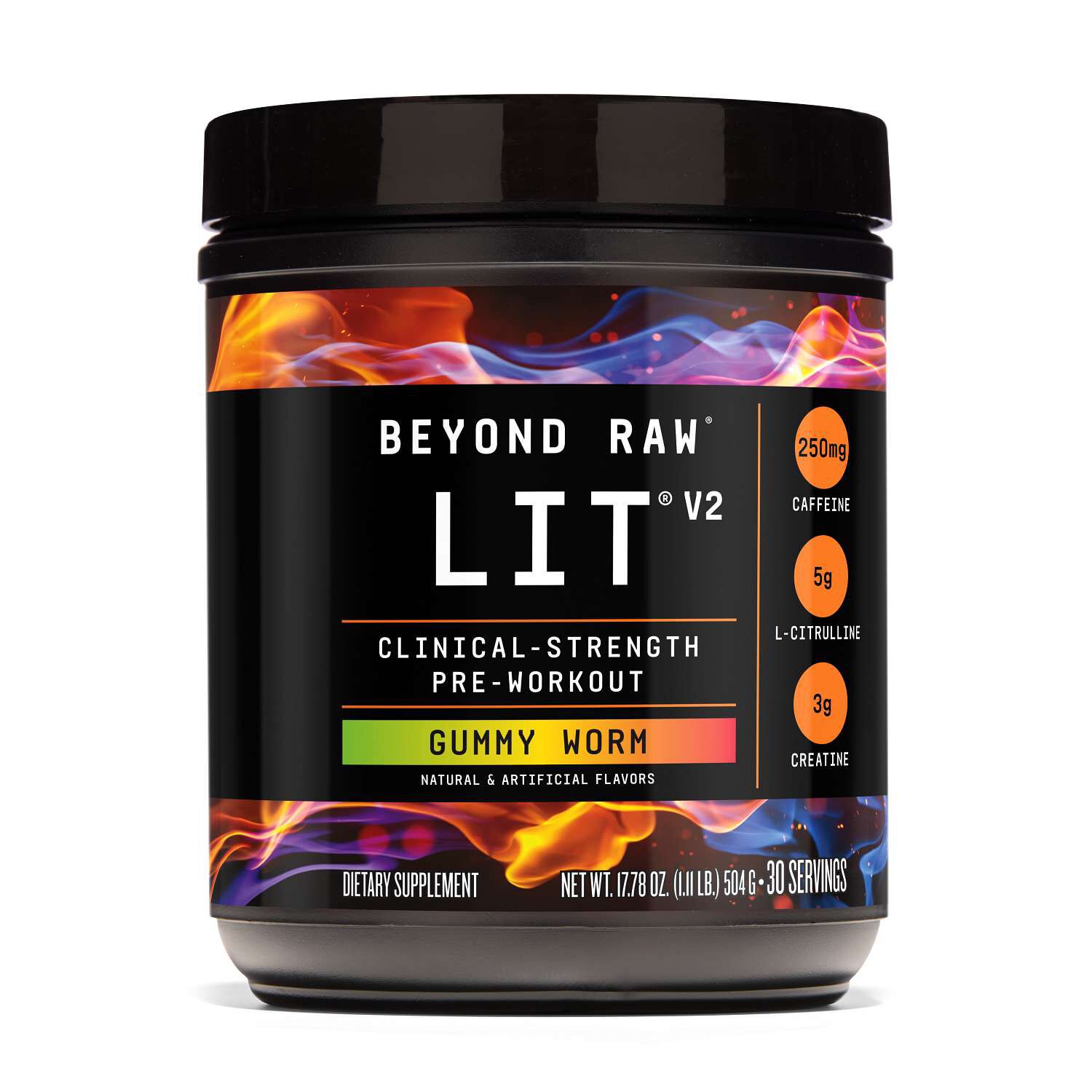


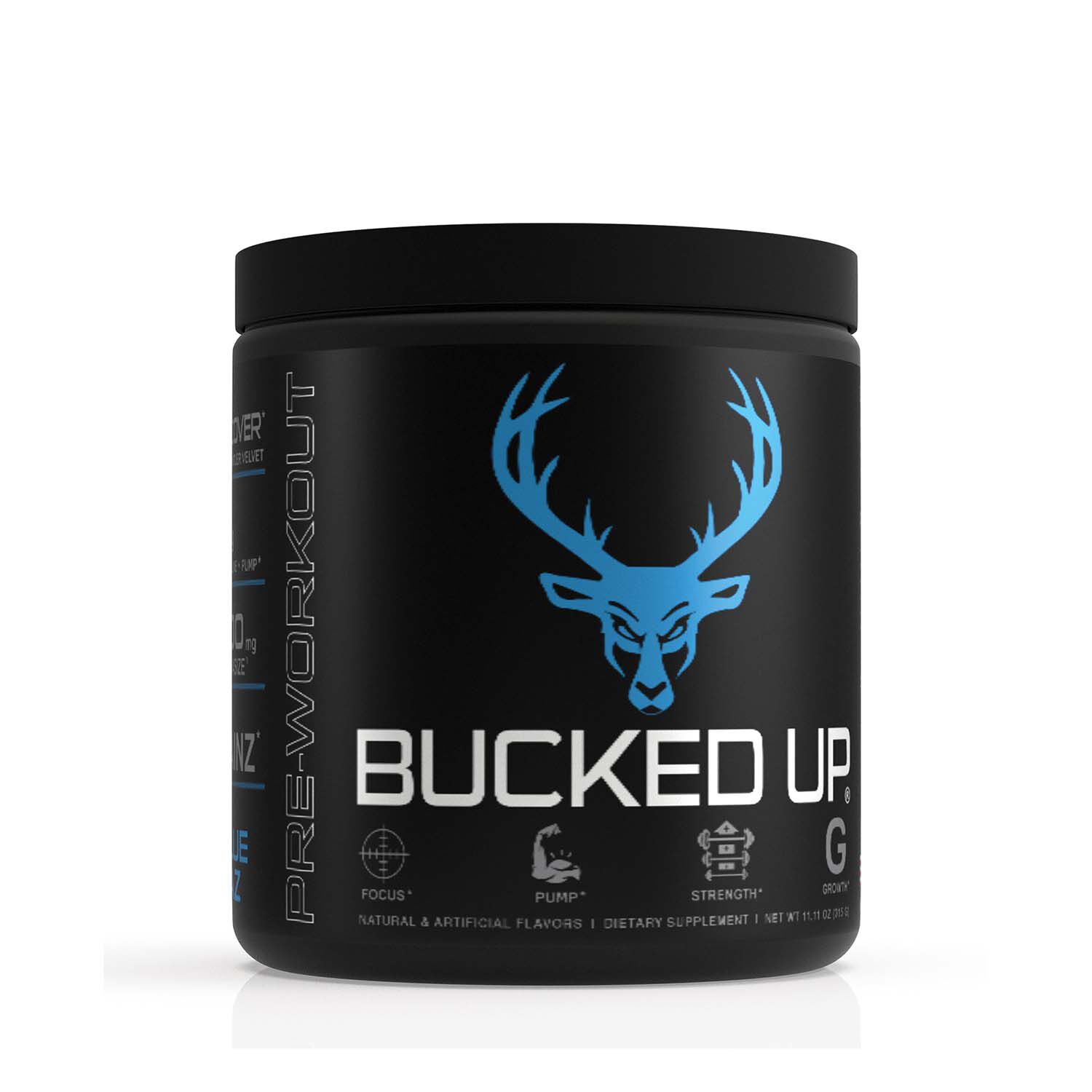


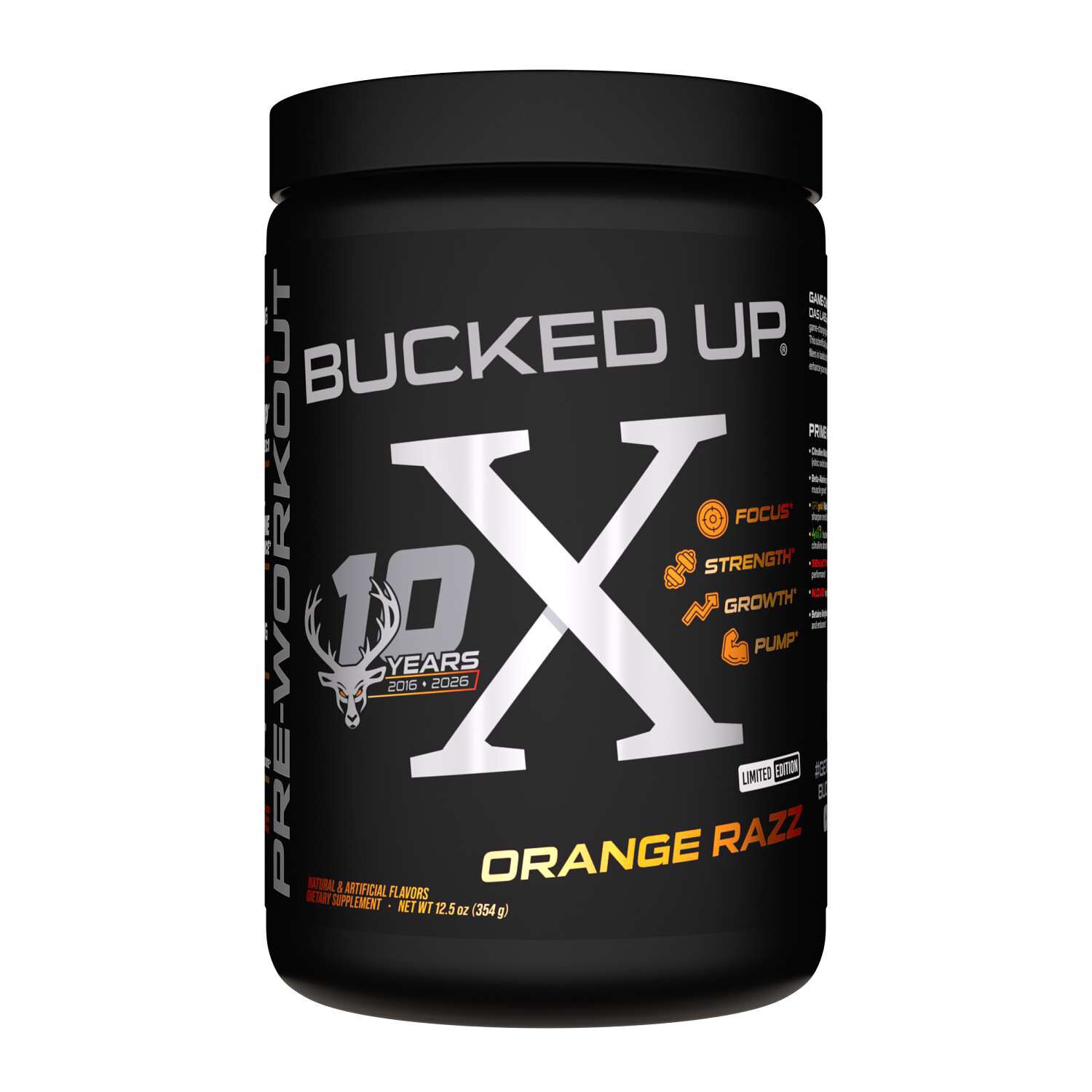
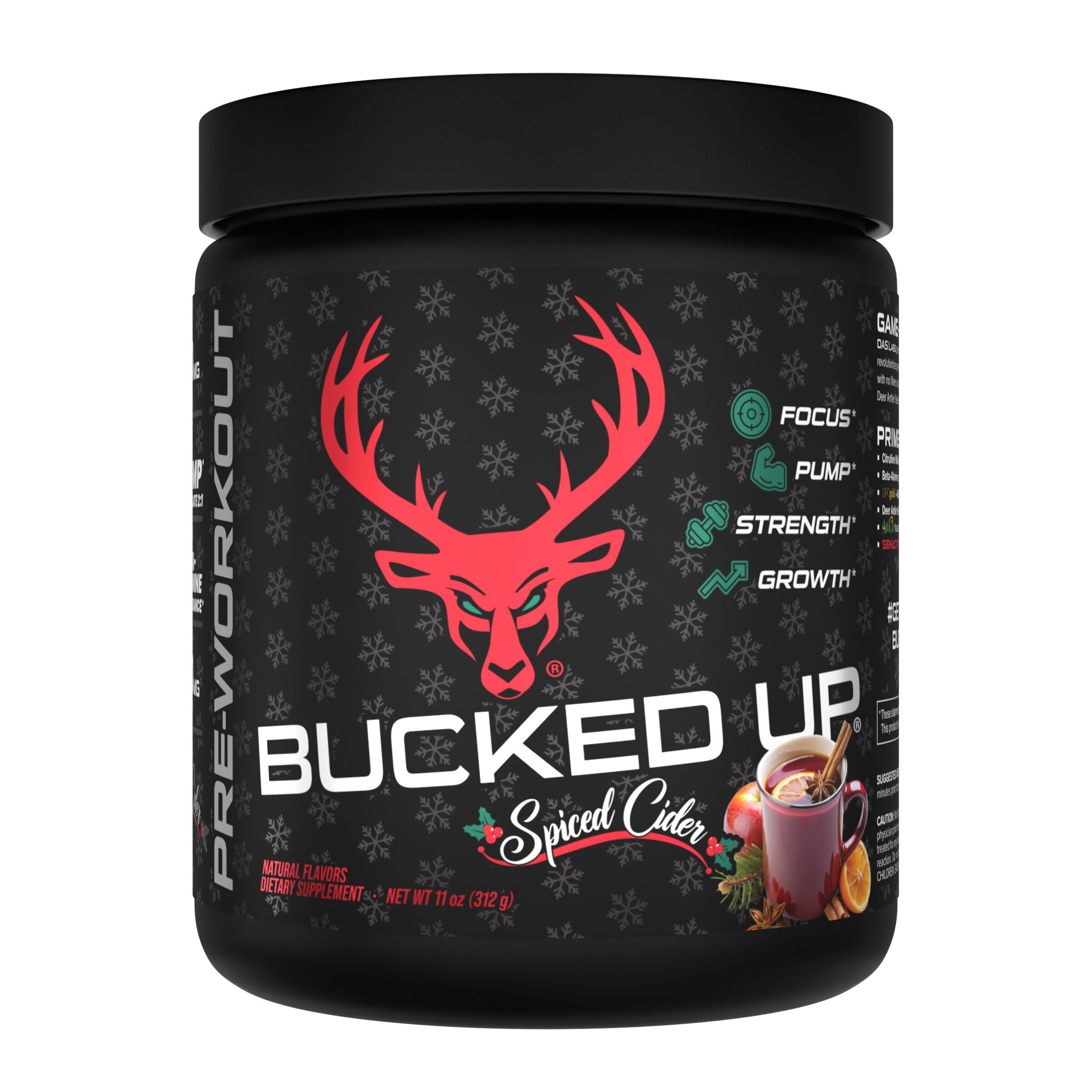
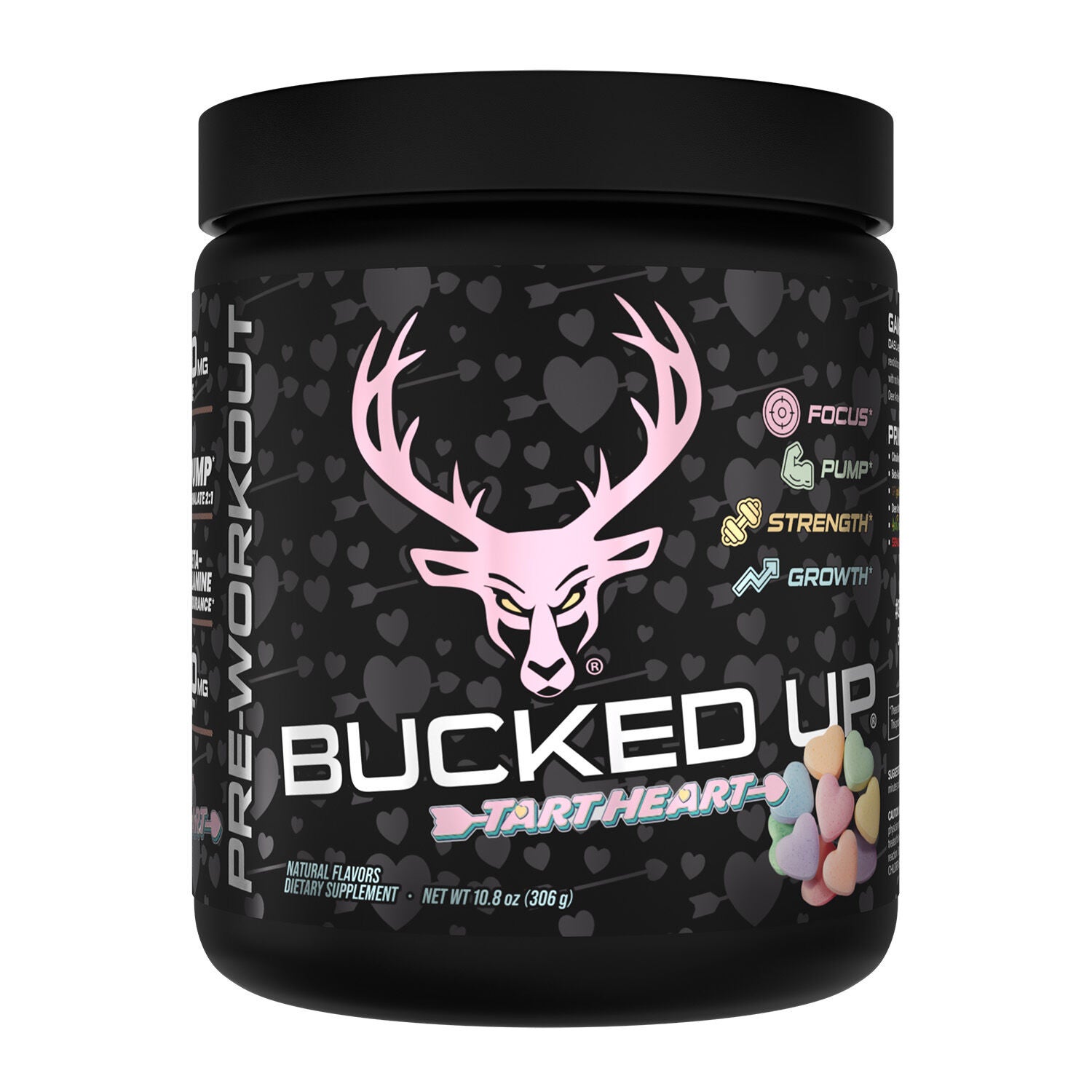
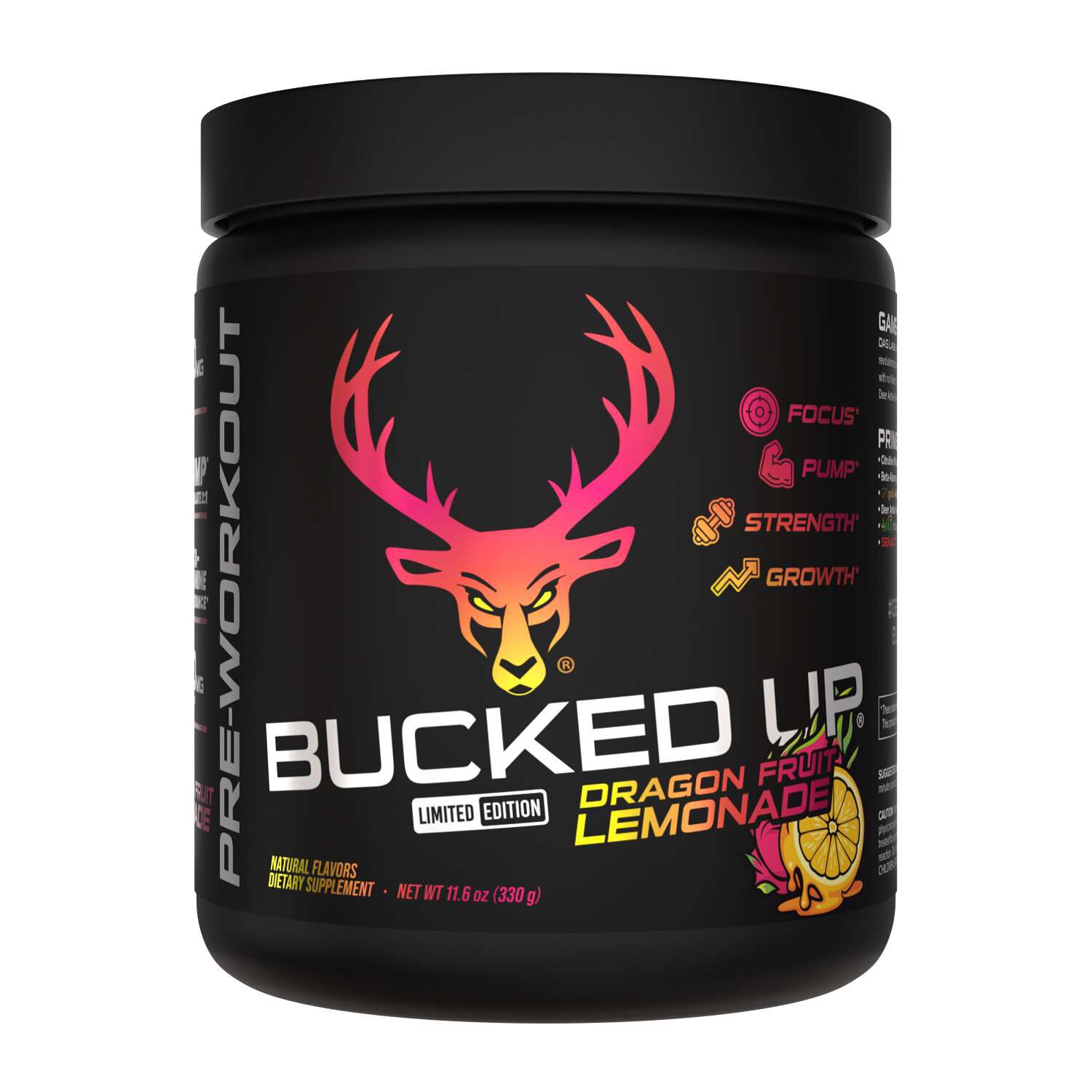

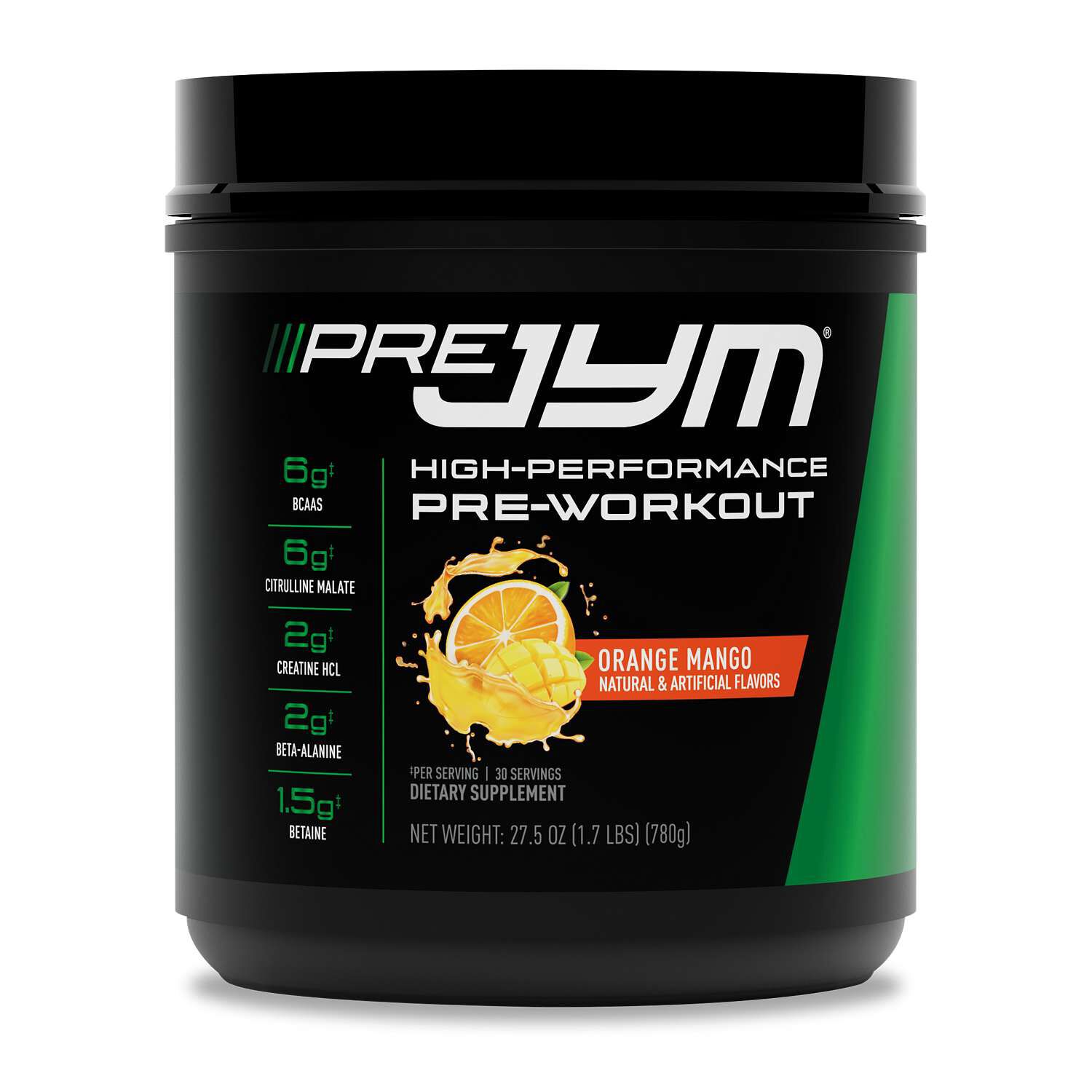
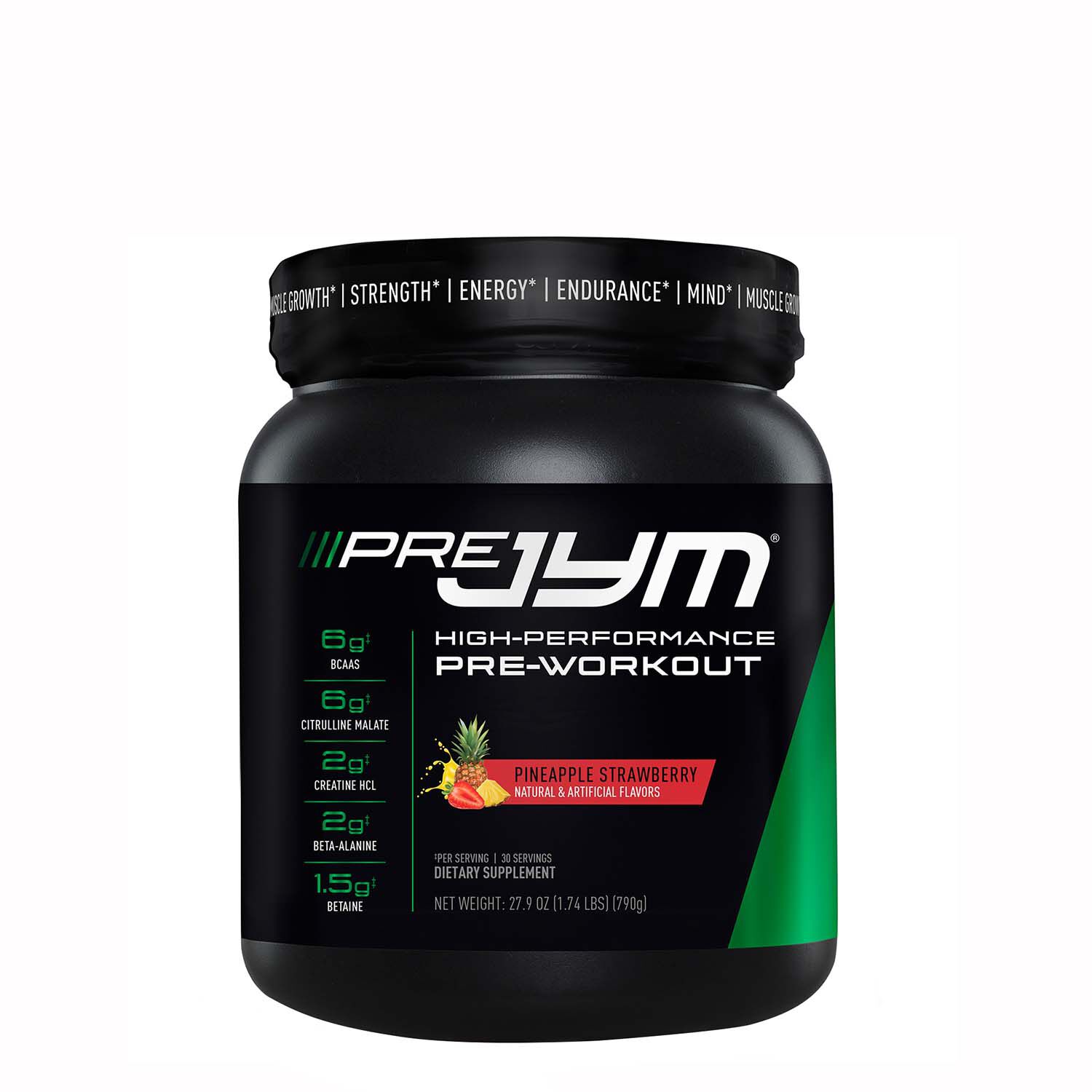

Preworkout drinks for camping trips bring a familiar part of an exercise routine into a setting where packing space, drinking water, and cleanup deserve extra consideration. This category includes ready-to-drink beverages and powders mixed with water, with different formats suited to different kinds of travel. A drive-up campsite with a cooler offers a different packing situation than a walk-in site reached by a narrow trail. Ready-to-drink cans and bottles arrive already mixed, so preparation does not require a scoop, shaker, or separate water for the drink itself. Their liquid weight and the space needed for empty containers are part of the tradeoff. Single-serving powder packets occupy little room before mixing and keep the portion separate from the rest of the supply, although they still require drinking water and a suitable container. Larger powder containers bring another set of considerations, including room for the container, a dry scoop, and a secure lid. The most relevant comparison is not simply liquid versus powder, but how each format fits the planned exercise, transportation, and campsite setup. An adult who schedules a short workout beside the campsite may approach the category differently from someone whose weekend consists of relaxed walks and evenings around the fire. Preworkout products are formulated and labeled for use around exercise; a camping destination does not change those directions or make every formula suitable for every outdoor activity. Caffeine content, serving size, ingredients, and preparation requirements provide more useful distinctions than rugged packaging or an adventurous flavor name. The amount in a whole bottle or can also matters when the container holds more than one labeled serving. For cooler-weather outings, a format that is straightforward to handle at a picnic table, with damp leaves underfoot and limited room beside the breakfast supplies, may be a practical match for the trip. Those ordinary details often make the difference between a beverage that fits naturally into the packing list and one that adds unnecessary equipment.
Packaging and preparation are central considerations when comparing camping preworkout drinks. Aluminum cans, capped bottles, flexible packets, and rigid powder containers each have different handling requirements. A capped bottle can be closed between sips, while a conventional opened can cannot be resealed. Flexible packets fit into small spaces, but their seams still need protection from sharp utensils and abrasion inside a pack. A rigid powder container takes up more room, yet keeps the remaining powder together rather than spread across several individual wrappers. Package integrity matters with any format: intact seals, readable directions, and clearly marked dates belong in the comparison alongside portability. For powders, the labeled mixing volume determines how much drinking water the beverage needs and whether a preferred bottle has sufficient capacity. A shaker with a securely fitted lid may make mixing more convenient, but it also adds a piece of equipment to rinse, dry, and carry. Bottle openings, lid threads, and mixing accessories affect how easily residue can be removed when the campsite has only a basic wash station. Care requirements extend to the powder itself, since moisture from a wet scoop or an open container can affect its texture. Storage directions remain relevant outdoors, including any instructions about temperature, sunlight, or refrigeration after opening. A shaded campsite does not necessarily provide the conditions specified on a beverage label, and an insulated cooler is only useful when its contents are stored as directed. Ready-to-drink formats reduce mixing tasks, not the need to carry drinking water for the outing. Powders reduce the weight of the beverage before water is added, not the amount of water needed to prepare it. Empty cans, bottles, lids, and packet wrappers also remain part of the load until they reach an appropriate disposal or recycling location. These practical differences are especially noticeable on a longer stay, when repeated preparation and cleanup become part of each day rather than a single morning task.
Formula details add another layer to the choice of preworkout drinks for camping trips. Products differ in caffeine content, carbohydrate content, sweeteners, flavor, and other ingredients, so two similarly sized drinks may have very different labels. Some formulas contain caffeine, while others are made without it; ingredient panels and the stated amount per serving clarify that distinction. A product’s name or fruit flavor does not establish its caffeine content. Coffee at breakfast and other caffeinated beverages packed for the weekend are also relevant to understanding what is in the day’s beverage selection. Serving directions and label cautions remain the reference point, rather than an assumption that a longer hike calls for a larger portion. A preworkout beverage is also distinct from drinking water, a meal, or a drink formulated specifically for hydration. Where electrolytes appear among the ingredients, the label provides the details rather than the general category name. Taste and texture matter in a more everyday way: carbonation, sweetness, tartness, and the amount of water called for can shape how a drink fits an established routine. A familiar flavor may be more appealing than an unfamiliar formula packed solely for the occasion. For adults whose camping plans include organized exercise sessions, Pre Workout Powders For Training Camps offers a related category centered on powdered formats. Camping places additional emphasis on carrying, mixing, and storing those formats away from a kitchen or gym. A drink prepared beside a parked vehicle, where water and washing facilities are close by, involves different logistics from one mixed at a remote campsite. As a gift for an adult camping companion who already uses preworkout, a format and flavor that match the recipient’s established preferences may be more thoughtful than an unfamiliar selection. Across these situations, the useful points of comparison remain concrete: labeled ingredients, intended use, serving size, container design, required water, storage conditions, and the equipment that comes along with the drink. Together, those details connect the product category to the actual camping experience without treating every outdoor weekend like the same workout.