





Preworkout For Morning Routines
(0 Results)
Jumpstart your day with preworkout for morning routines and set the tone for an energized workout. Whether you’re an early riser heading to the gym or looking to boost your motivation before a busy day, finding the right preworkout may help support your morning fitness goals. Explore a variety of options designed to fit seamlessly into your routine and help you feel ready to take on whatever the day brings.

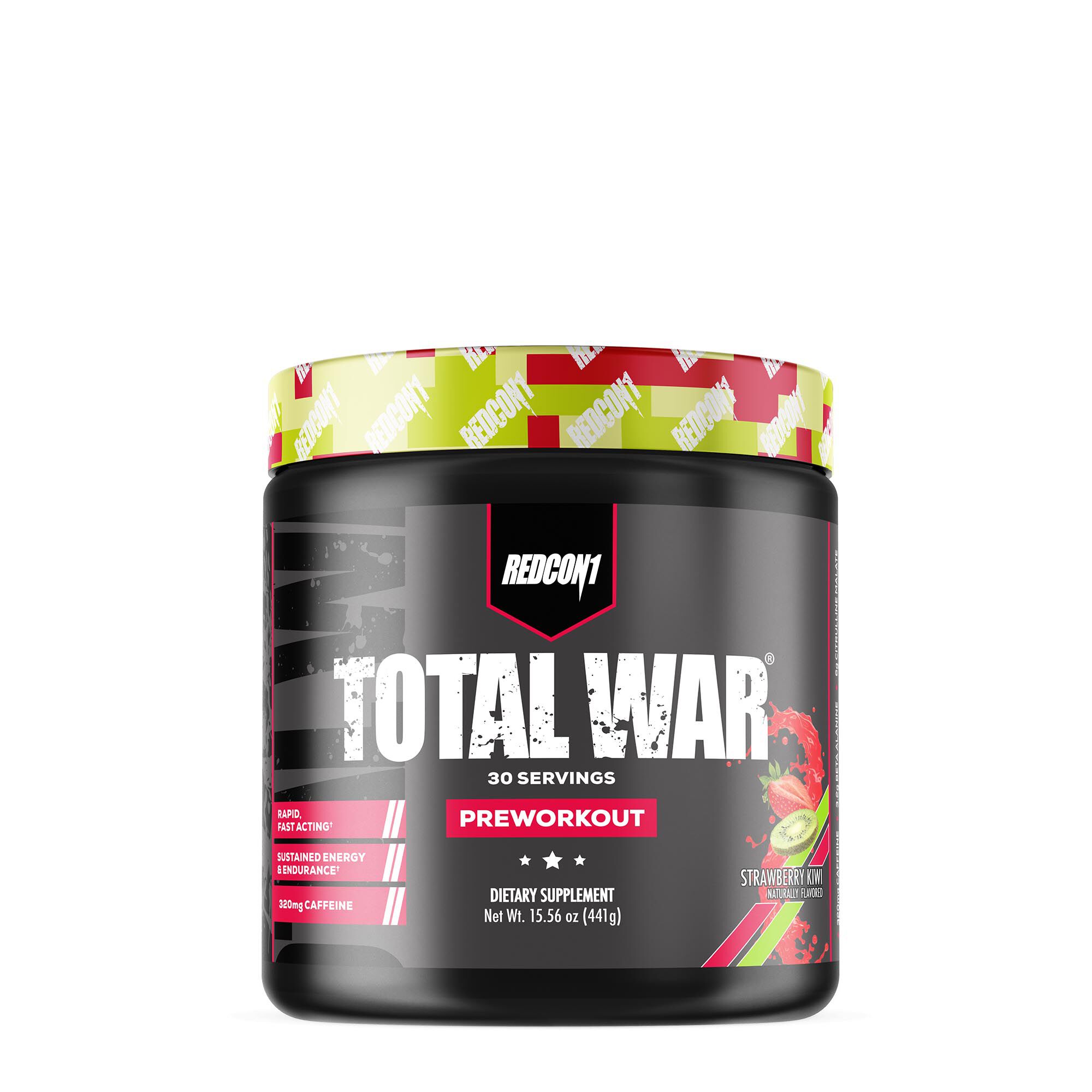

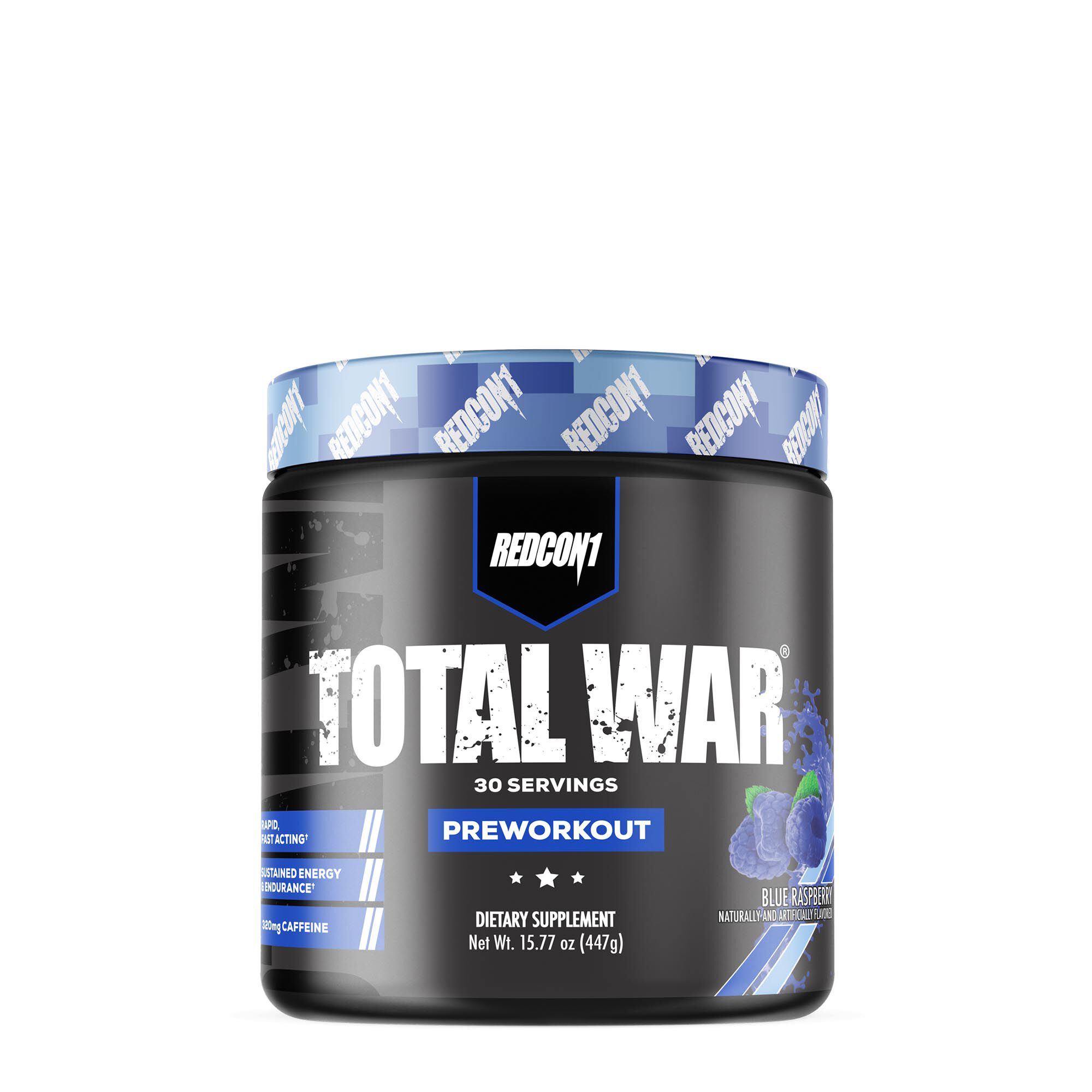

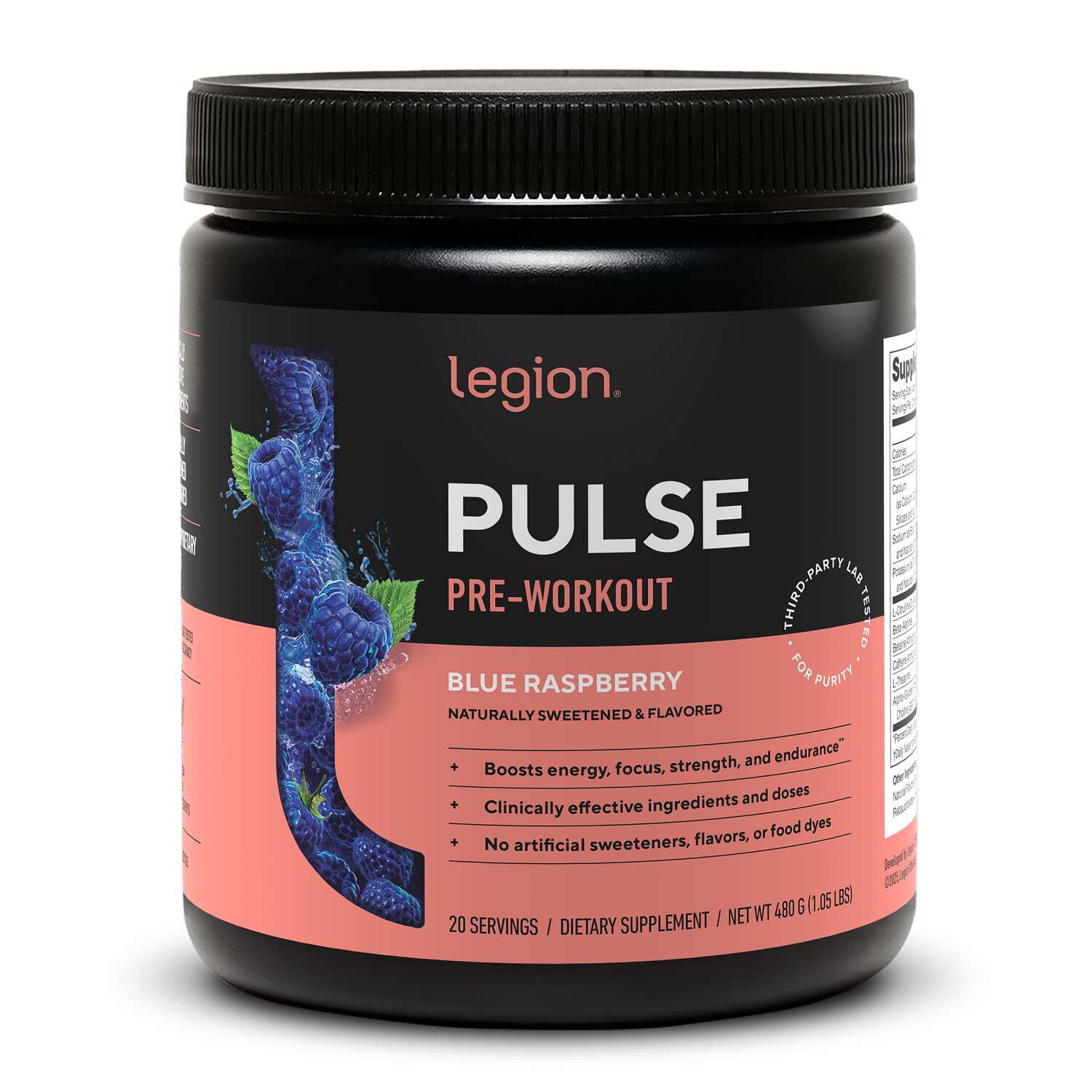
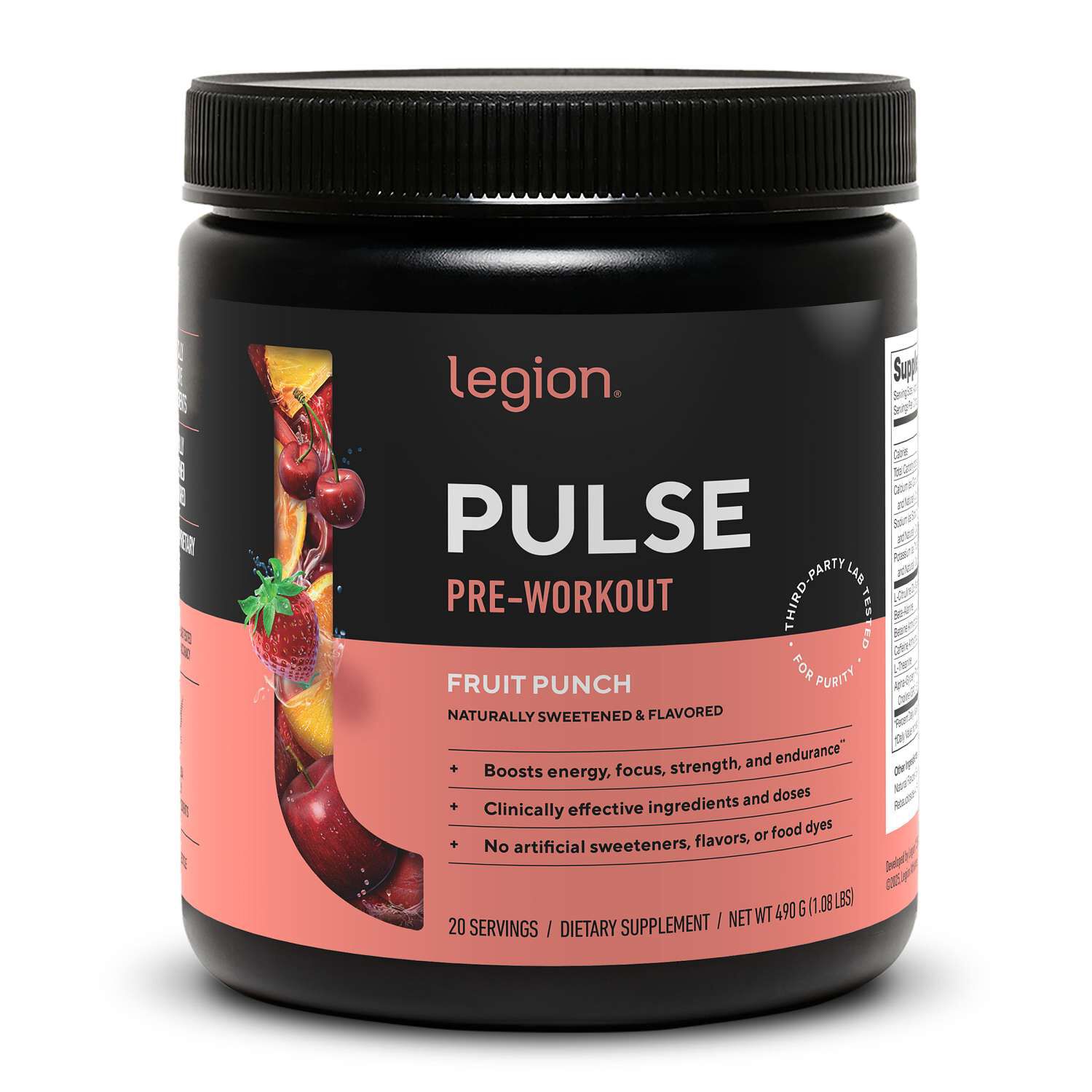
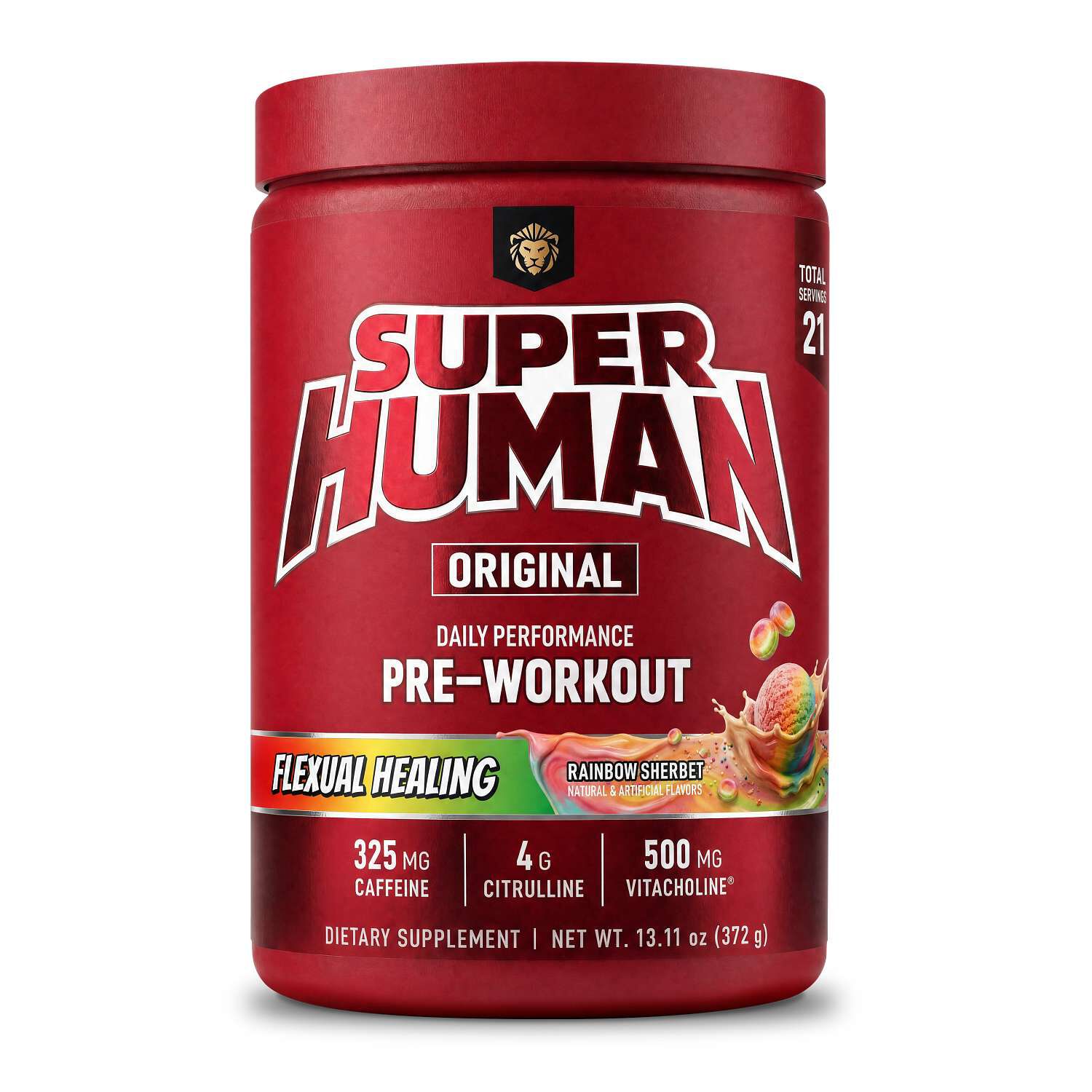
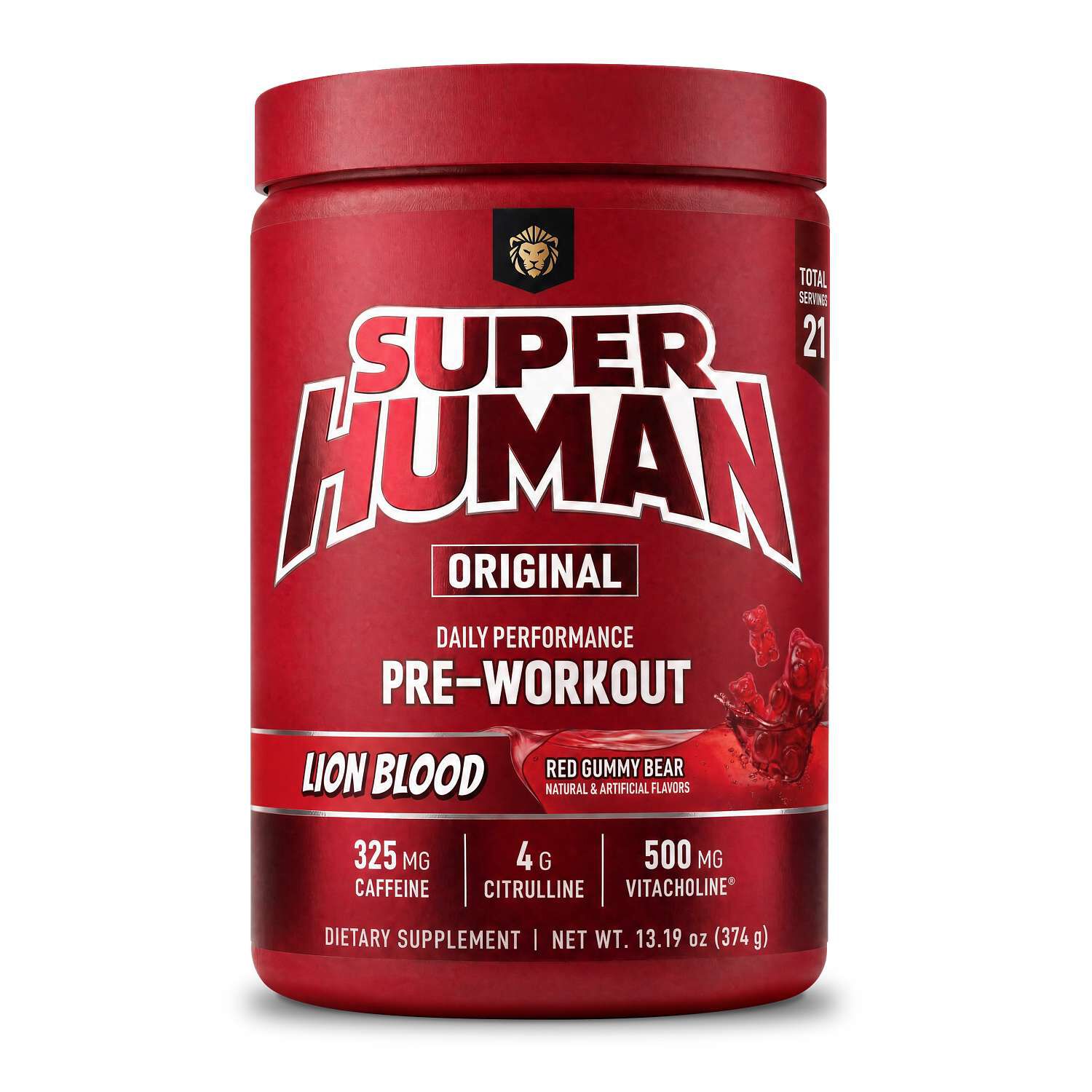
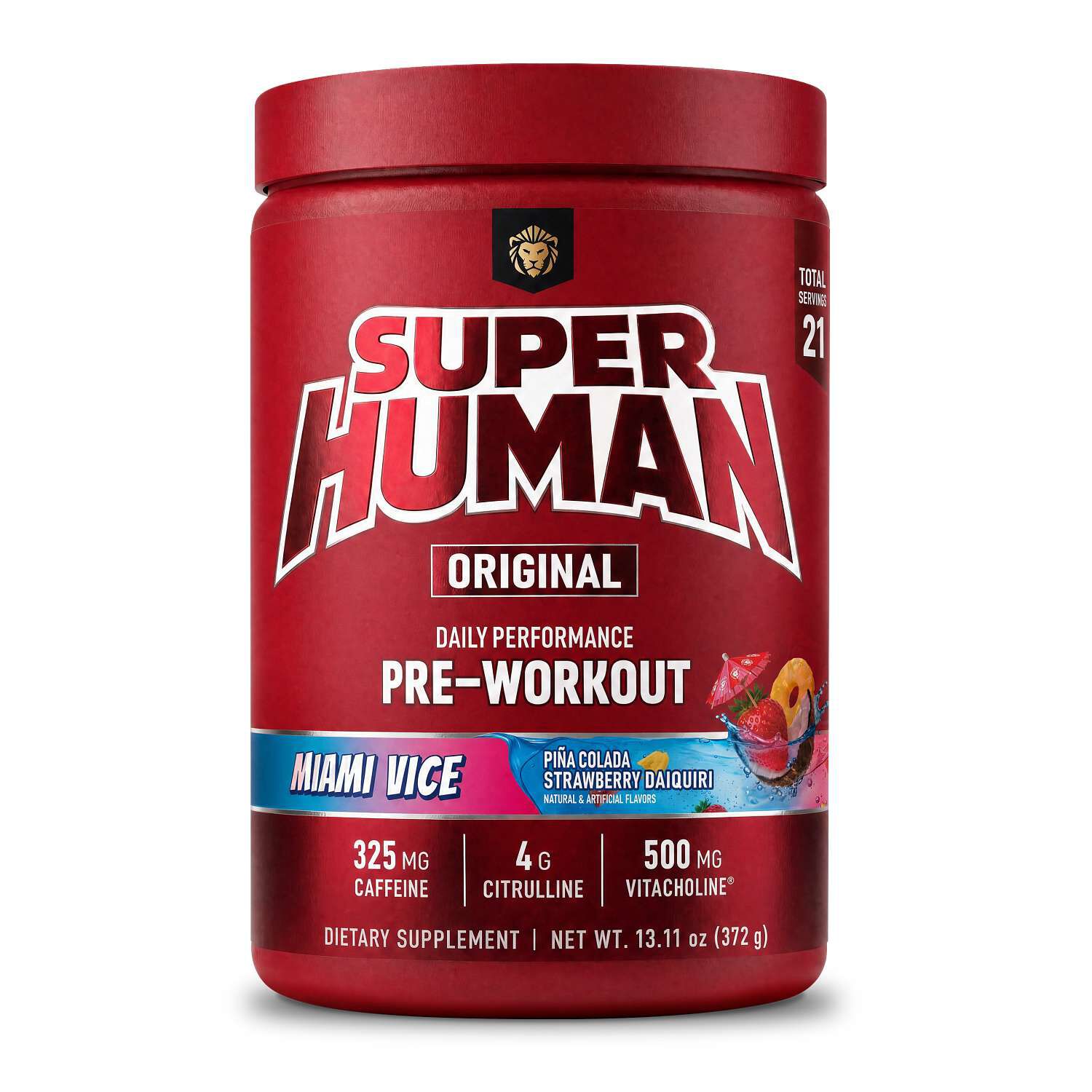
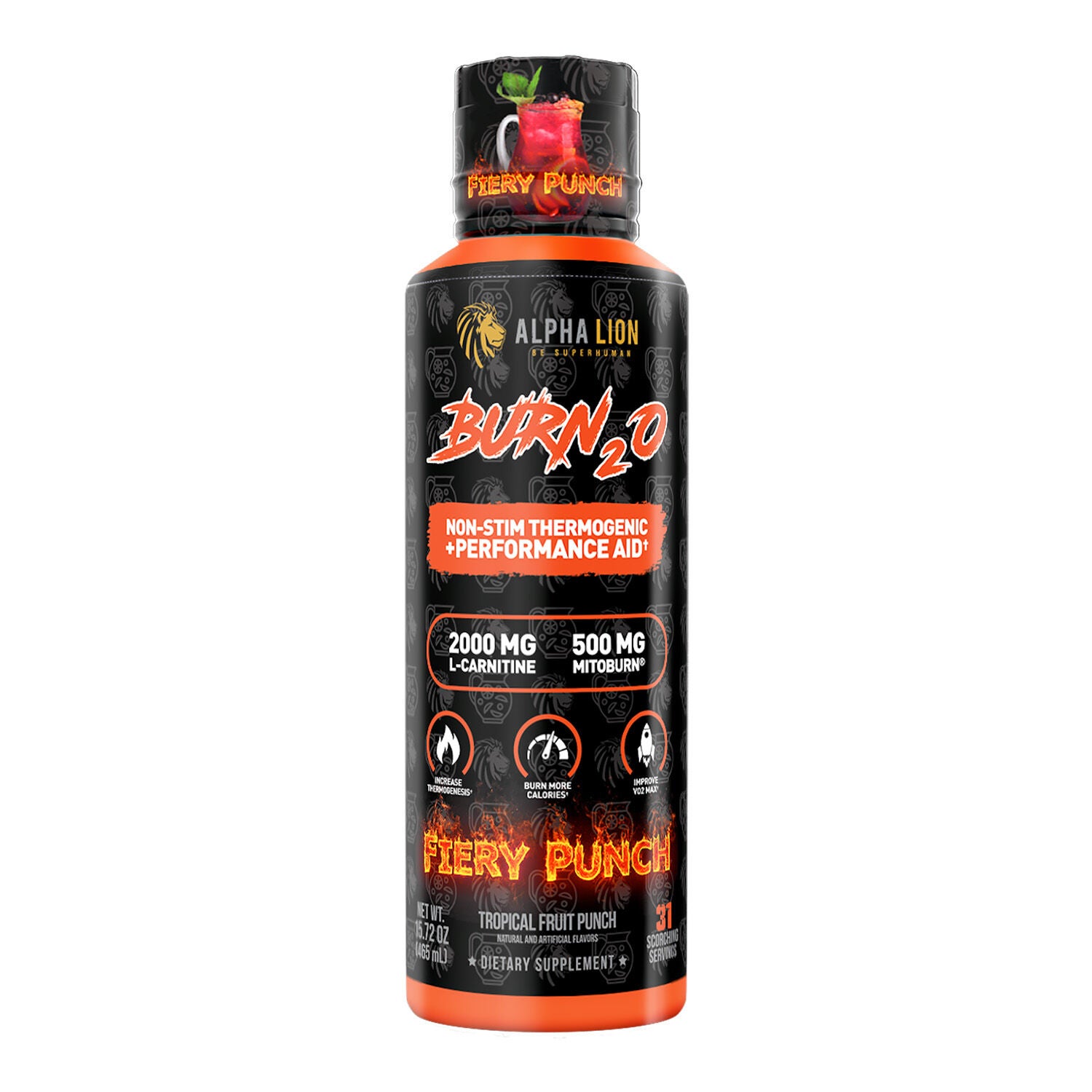


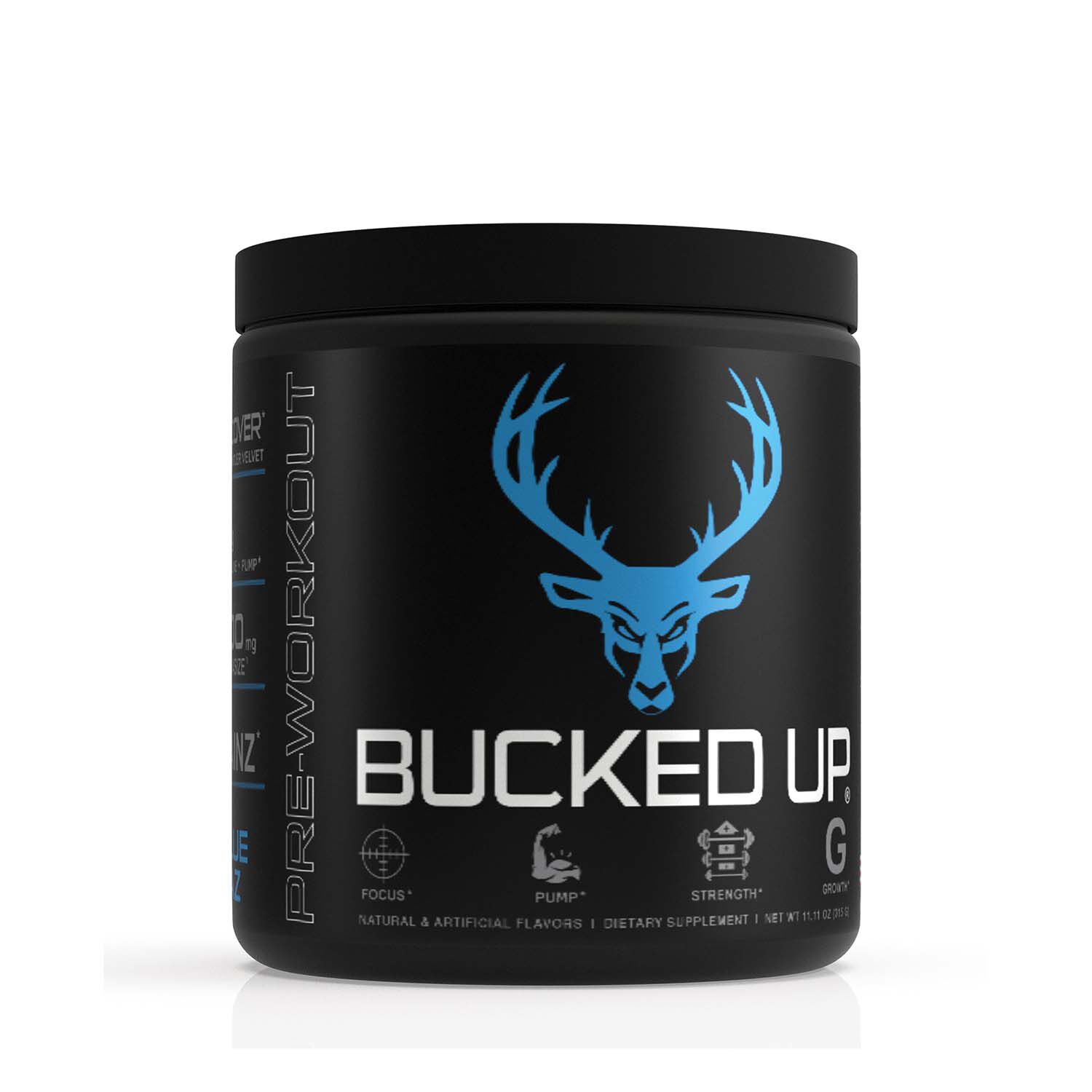

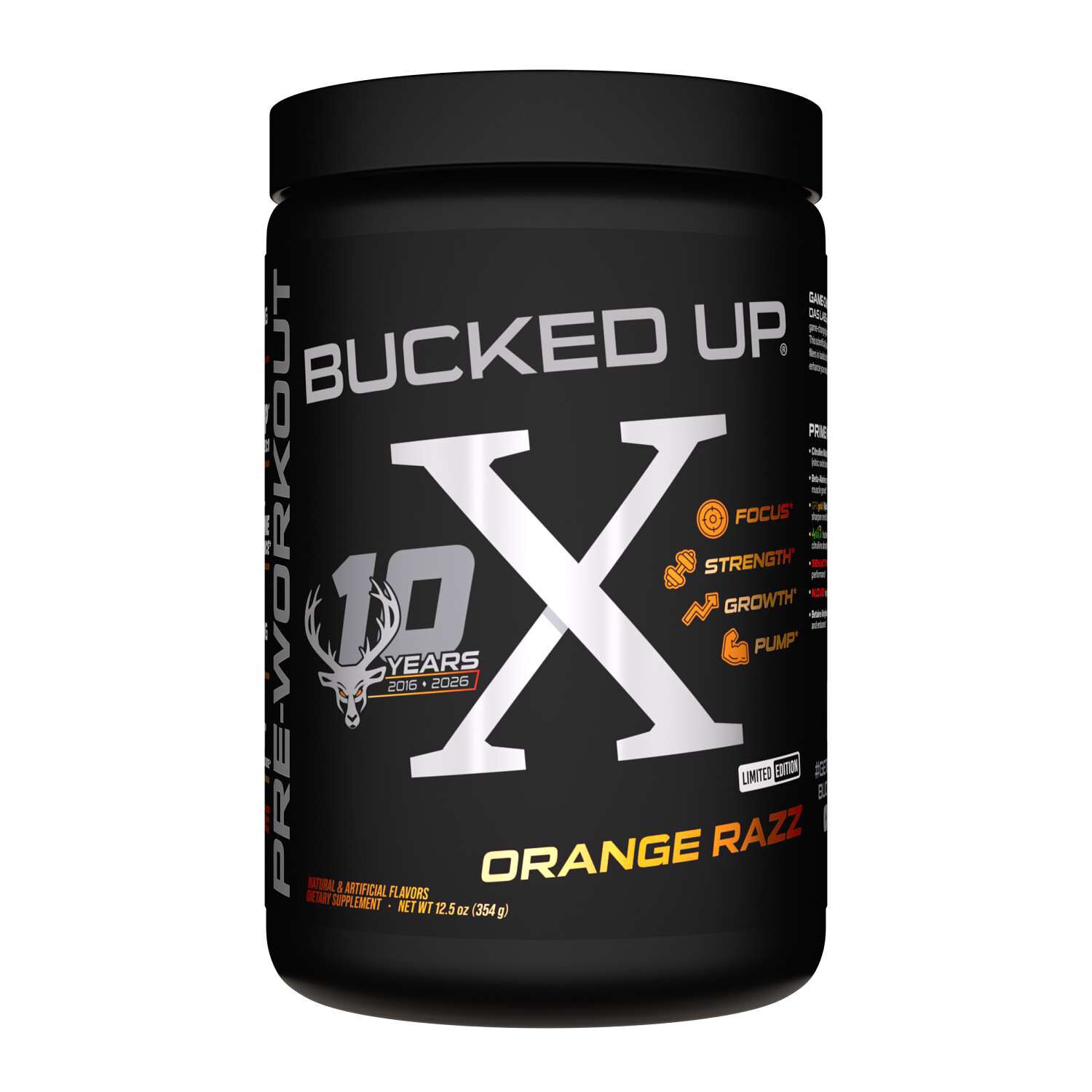
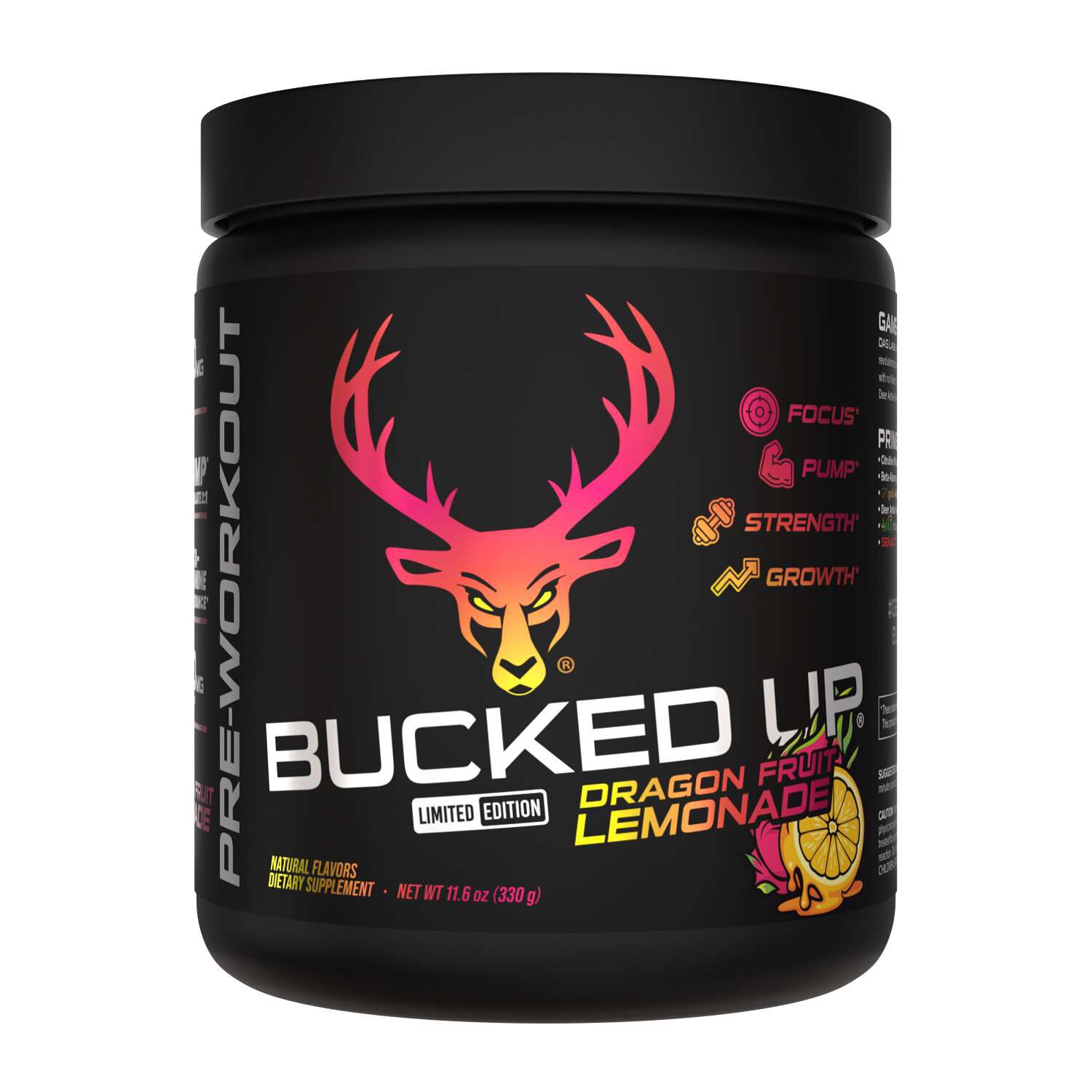
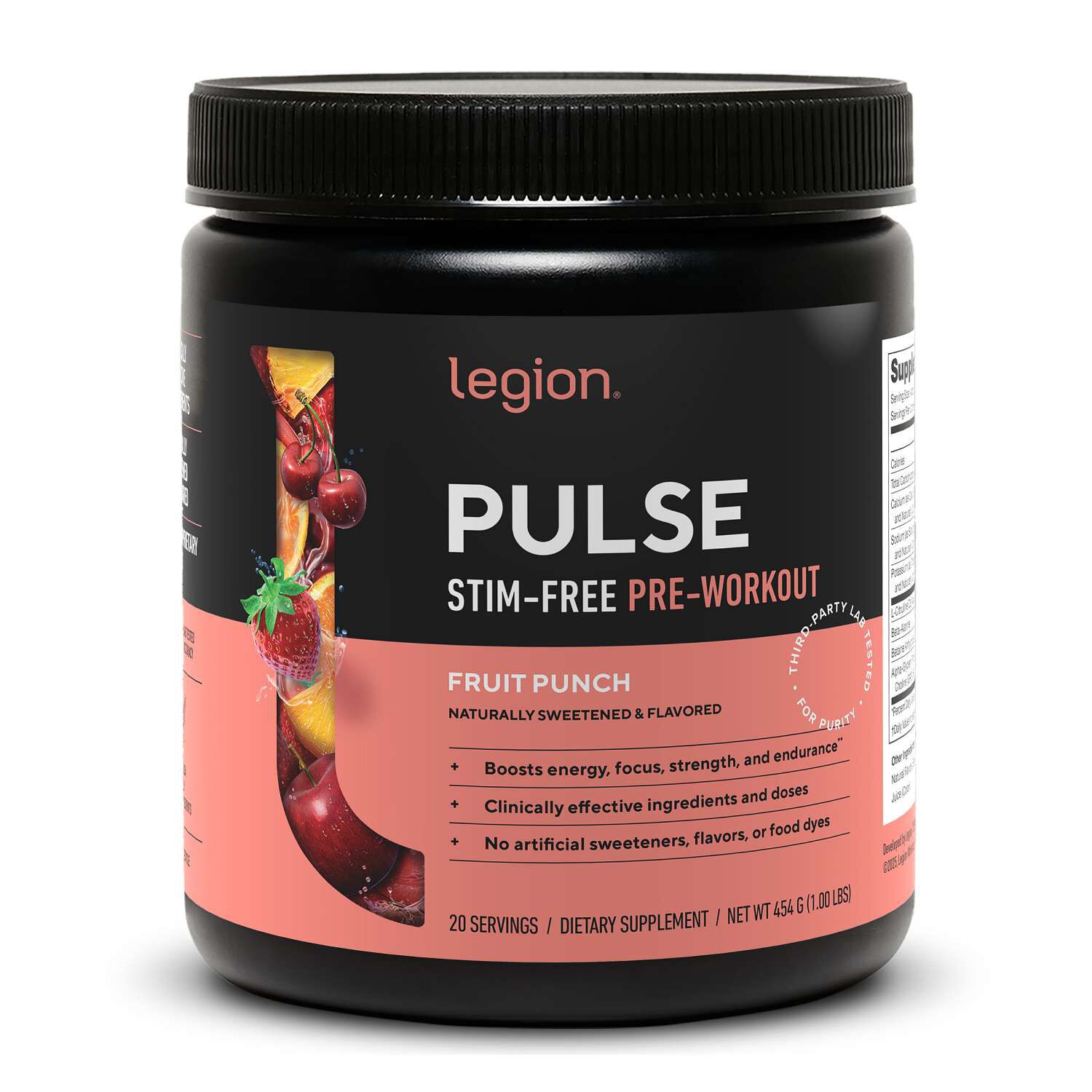
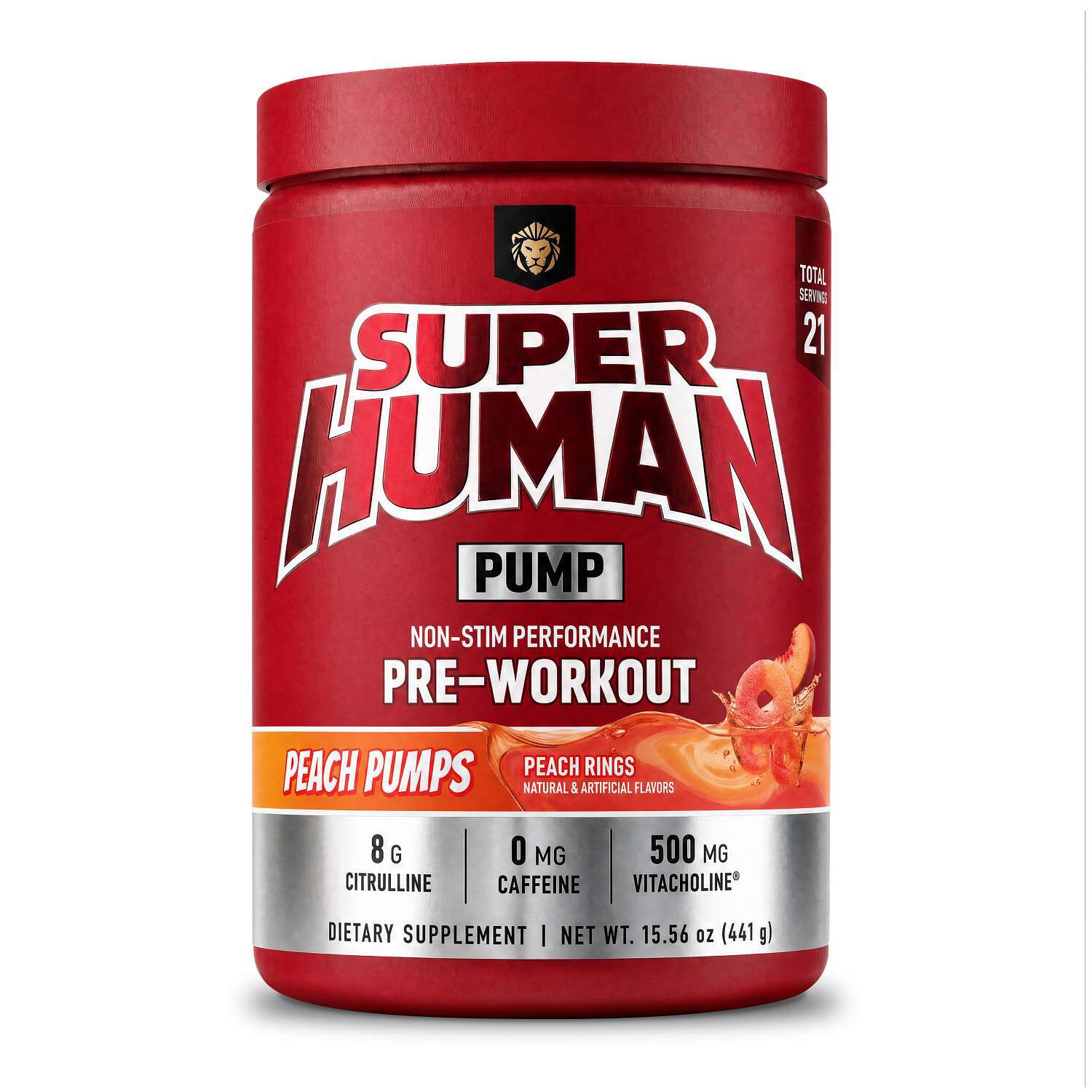

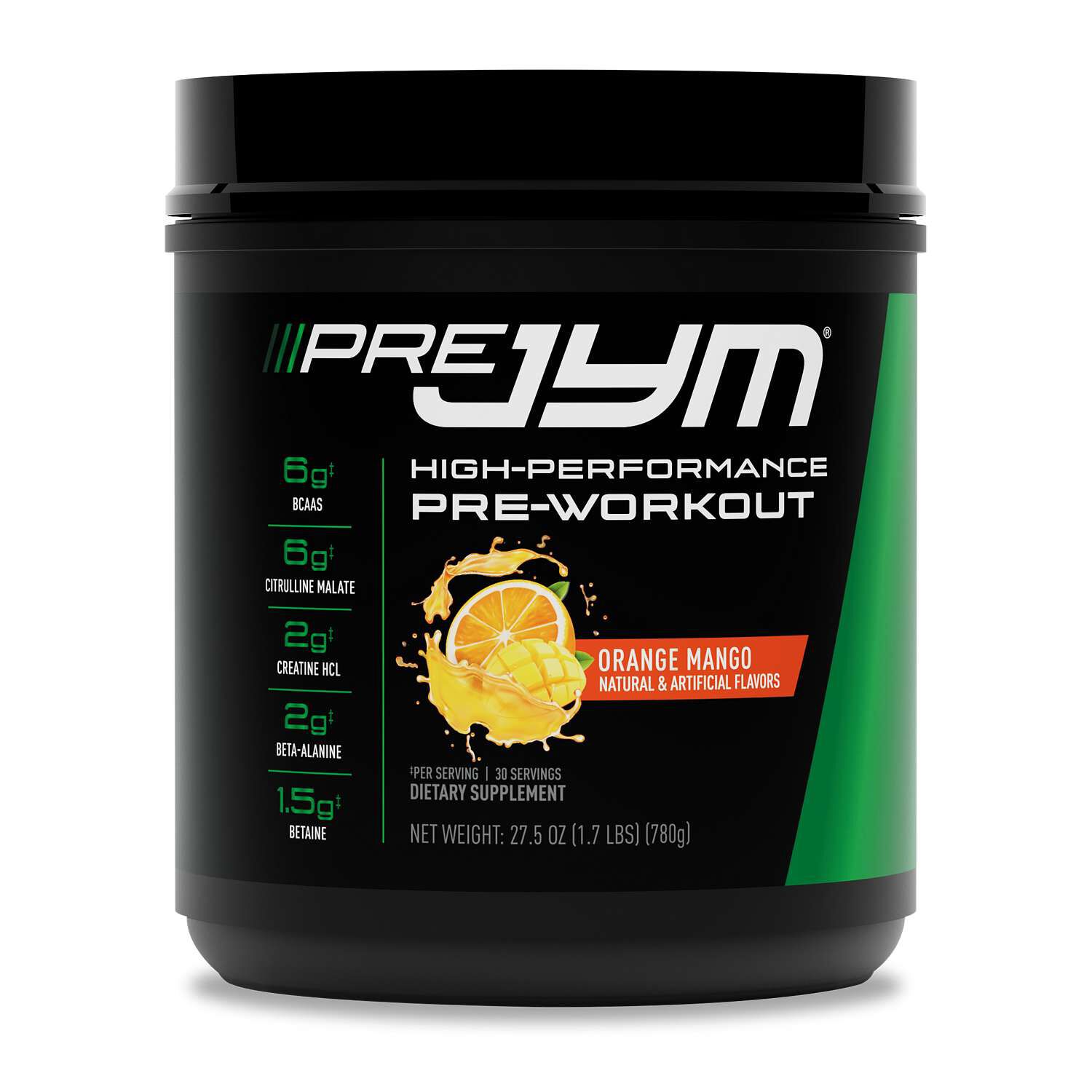
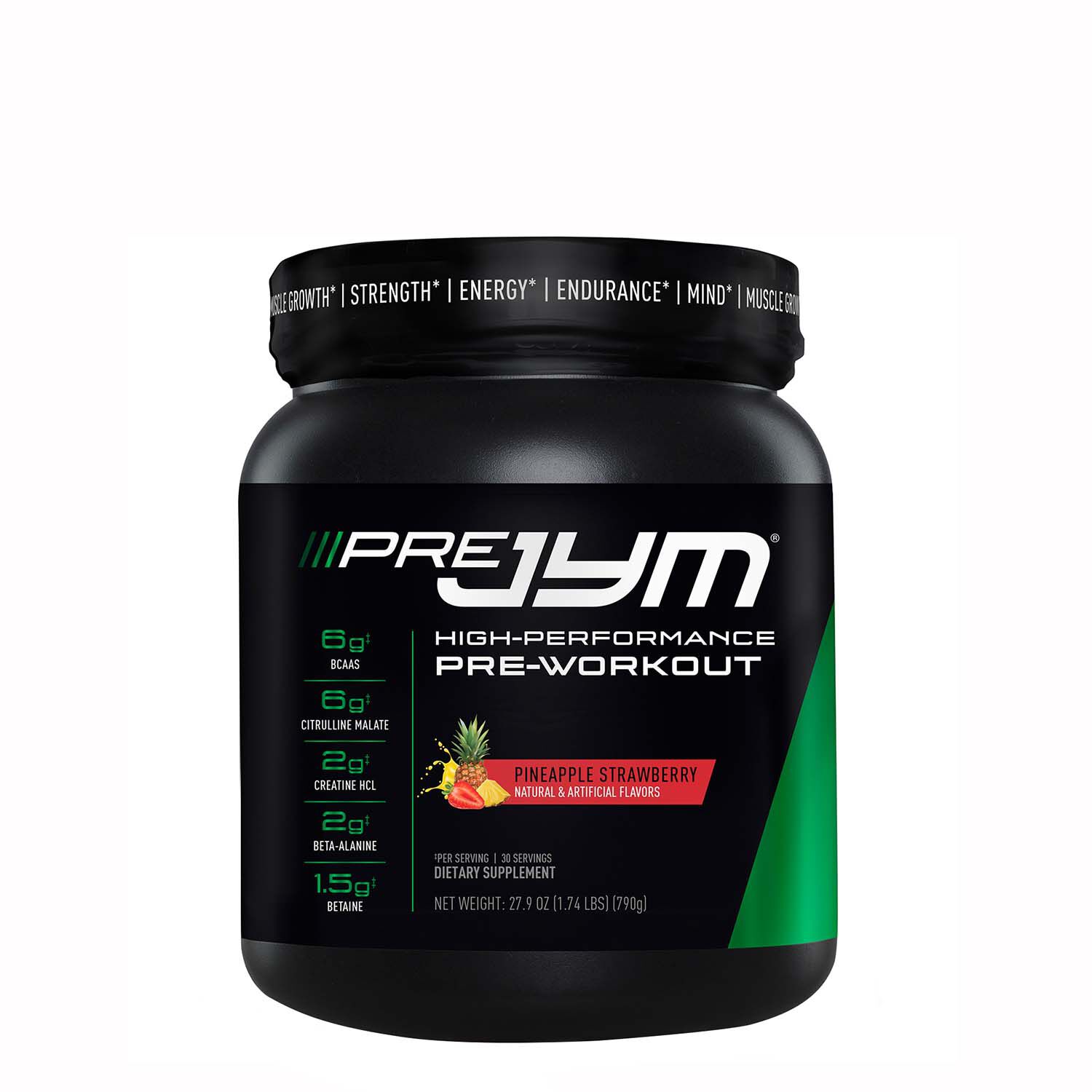


Preworkout for morning routines includes powders, ready-to-drink formulas, and other supplement formats intended for use before exercise. These products may support energy, focus, or workout performance, depending on their ingredients and intended use. For someone training before the workday, the most relevant differences often come down to caffeine content, serving size, preparation, flavor, and how the product fits between waking up and starting a session. A quiet home workout, a brisk walk to the gym, and a strength session before a long commute each come with a different rhythm. Powdered preworkout involves measuring and mixing according to the label, while a ready-to-drink format comes with its own serving information and requires no separate mixing step. Neither format is automatically a better match for every morning. Someone who enjoys a few minutes in the kitchen may prefer a powder mixed in a shaker, while someone leaving home shortly after the alarm may favor a packaged beverage. Caffeine is another meaningful distinction: some formulas contain it, while others are made without it. Caffeinated preworkout may support alertness, but the amount per serving varies, and a morning coffee or tea belongs in the same consideration. The label provides the relevant details rather than the size of the container or the intensity of the flavor name. Morning use also does not create a universal serving size or timing rule. Directions differ by formula, including how much water to use and when the product is intended to be consumed before activity. A measured serving and a labeled scoop are not interchangeable across different formulas. Preworkout sits alongside ordinary parts of a morning routine, such as breakfast, water, and getting dressed for exercise; it is not a replacement for meals, rest, or hydration. That context matters whether the morning starts in a garage gym, on an apartment exercise bike, or beside a packed bag waiting at the front door.
Ingredient lists offer a more useful picture of morning preworkout than broad descriptions alone. Some formulas combine caffeine with amino acids, creatine, vitamins, minerals, or botanical ingredients, while others have a shorter ingredient list. The presence of an ingredient does not establish that every formula contains the same amount or serves the same purpose. Supplement Facts panels distinguish serving quantities, and other label information identifies sweeteners, flavoring ingredients, dietary characteristics, and preparation directions. Clearly stated amounts make comparisons more straightforward, particularly for shoppers who already use another workout supplement. Creatine, for example, may appear in a preworkout formula or as a separate part of a person's existing routine, so ingredient overlap is a practical consideration. A formula without caffeine is a different category from one with a smaller amount of caffeine; those descriptions should not be treated as equivalent. Flavor and texture deserve attention as well, especially when the first drink of the day comes before much else. A bright citrus flavor, a mellow fruit flavor, and a sweeter candy-inspired flavor offer very different sensory experiences. Some shoppers prefer a smaller drink prepared within the label's directions, while others enjoy having more liquid to sip during their pre-exercise window. Mixing requirements vary, and a powder's appearance or texture is not a reliable measure of its suitability. Package directions provide the relevant preparation details. Breakfast preferences add another layer to the fit: a person who has toast and fruit before training has a different schedule from someone who eats after returning home. There is no single breakfast pairing that defines a morning preworkout product, and supplement packaging may include directions concerning food. For a routine that sometimes shifts to later hours, Pre Workout For Night Workouts offers a related shopping theme where timing and caffeine content remain relevant points of comparison. The central distinction is how a formula matches the actual training schedule, not whether its packaging looks especially suited to sunrise.
Packaging, storage, and everyday handling round out the comparison, particularly when preworkout becomes part of a repeated morning habit. A tub of powder involves a designated scoop, a secure lid, and access to a suitable mixing container. Individual packets offer a different arrangement for a work bag or an overnight stay, while packaged drinks have their own storage and opening instructions. Container size matters in practical ways: a narrow kitchen shelf, a shared pantry, and a crowded gym bag leave different amounts of room. For powders, labeled storage conditions and a dry measuring utensil are relevant to product care. A securely closed container, an intact package, and a readable expiration date are more meaningful considerations than treating a supplement as something with equipment-like durability. Any storage directions after opening also deserve attention, especially for beverages. A reusable shaker brings its own material and care considerations, including whether its components are suitable for a dishwasher and how the lid comes apart for cleaning. Those details can be particularly noticeable on mornings when yesterday's bottle is still beside the sink. A routine with a clean bottle on the counter, a familiar serving measure, and enough time for the stated preparation has a different feel from hurried mixing in a parking lot. During the cooler months, when the kitchen is still dim and workout clothes include an extra layer, ease of preparation may matter as much as flavor variety. Morning preworkout may appeal to adults who enjoy recreational lifting, indoor cycling, circuit sessions, or other exercise before their daily commitments, but not every workout calls for a supplement. Personal preferences and the product's intended-use information remain central. These are also highly individual purchases rather than casual gifts: a recipient's known preferences for caffeine, ingredients, and format matter more than an unfamiliar flavor or eye-catching package. The most useful comparison brings the details together—serving information, ingredient quantities, preparation, taste, storage, and schedule—so the product has a clear place in the morning rather than adding another complicated step.

