Probiotic B12 Supplements For Immune Support
(0 Results)
Probiotic B12 supplements for immune support are a popular choice for those looking to support their overall wellness routine. Combining the potential benefits of probiotics with vitamin B12, these supplements may be an option for individuals seeking to nourish their digestive and immune systems. Explore a variety of probiotic B12 supplements for immune support that could fit seamlessly into your daily regimen.
-
-
_Front.jpg?sw=305&sh=305&sm=fit "BioDophilus60 - 30 Capsules (30 Servings) | GNC")
-
-
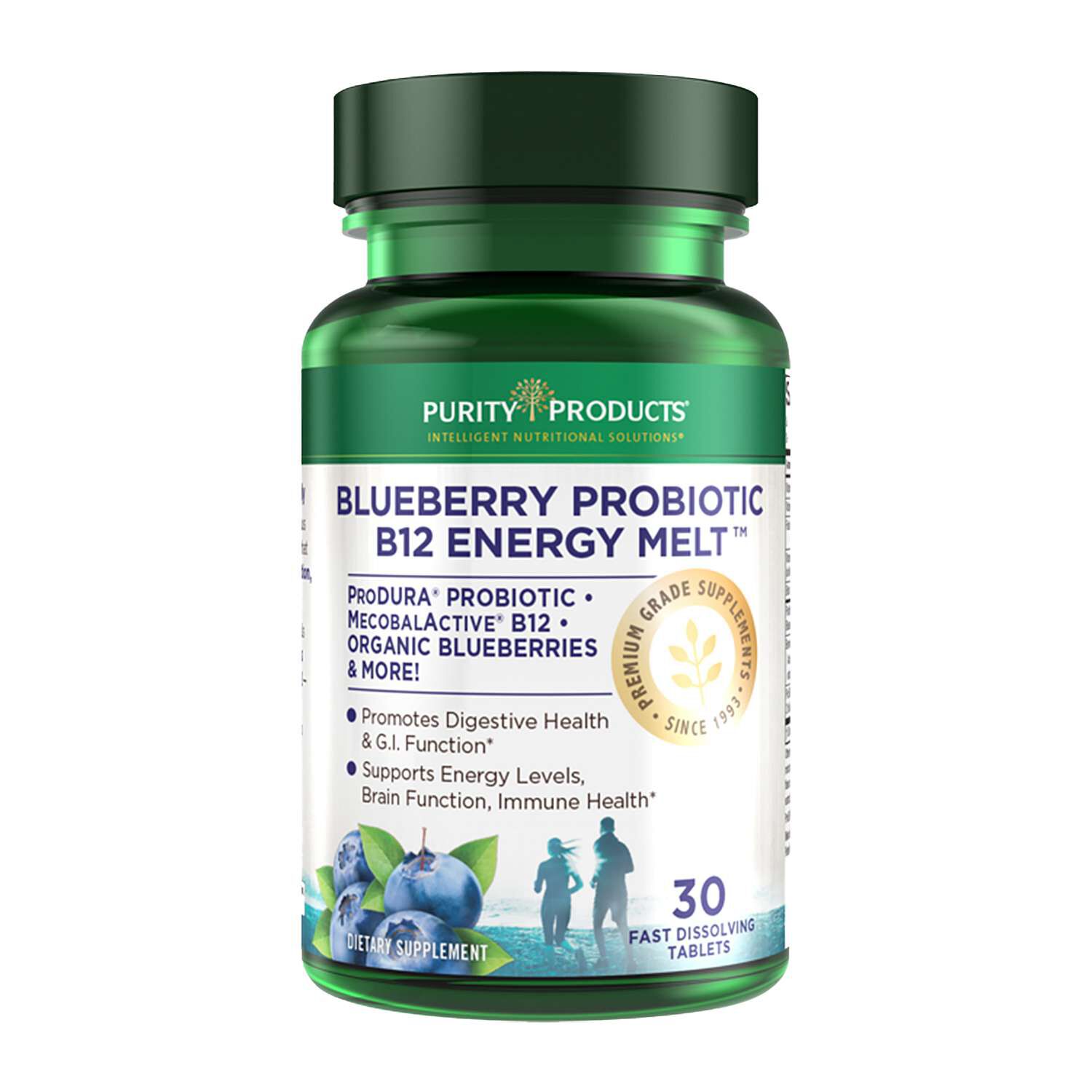 Purity Products$24.99
Probiotic B12 supplements for immune support bring together two distinct areas of everyday nutrition: live cultures and a water-soluble vitamin. Probiotics are live microorganisms identified on labels by names that can include a genus, species, and strain, while vitamin B12 appears as a nutrient measured in micrograms. These ingredients are not interchangeable, and their presence together does not mean every formula has the same composition or intended use. Probiotics may support digestive balance, and vitamin B12 may support normal energy metabolism as part of a balanced diet. For shoppers interested in immune-focused wellness, this category offers a way to explore formulas that connect daily nutritional habits with an interest in gut health. The useful distinctions are in the details: the cultures included, the amount of B12 per serving, the serving size, and any additional nutrients. Some formulations combine probiotics and B12 with vitamins or minerals, while others keep the ingredient list more focused. A longer list is not automatically a better match for a particular routine. Someone who already uses a multivitamin may place more importance on clearly stated amounts than on adding several additional ingredients. Another shopper may prioritize a formula with a short serving routine and a format that fits neatly beside breakfast dishes or a packed lunch. Gut health and immune wellness are broad subjects, so a category name alone cannot describe everything about a supplement. Nor does the combination of probiotics and B12 establish that the ingredients work better together than separately. A more grounded comparison starts with the label rather than a sweeping claim about what a blend can accomplish. That approach keeps the focus on the actual formulation, its directions, and the practical details that make one option a closer fit than another. Supplements belong within a wider pattern of varied meals and everyday self-care, rather than standing in for either.
The Supplement Facts panel offers a useful starting point for comparing probiotic and B12 formulas. Probiotic quantities are commonly expressed as colony-forming units, abbreviated CFU, which describe viable microorganisms under specified testing conditions. The number deserves context: a larger CFU count alone does not establish suitability, and two formulas with similar counts may contain different organisms. Look at whether the label identifies individual strains and whether its stated count applies at manufacture or through the labeled expiration date under the required storage conditions. Culture names such as Lactobacillus and Bifidobacterium describe broad groups; the more detailed identification helps distinguish one formulation from another. Vitamin B12 amounts are listed separately, usually in micrograms, with a percent Daily Value. Forms such as methylcobalamin and cyanocobalamin may appear in the ingredient information, but the name of the form should not be treated as a shortcut to a better choice. Serving size also matters when making comparisons. A bottle that lists an amount per two capsules is different from one listing an amount per capsule, even when the front labels look similar. Beyond the featured ingredients, the other ingredients list describes materials used for the capsule shell, texture, flavor, color, or preservation. Capsule shells may use gelatin or plant-derived materials, a distinction that can matter to vegetarian shoppers. Chewable formats may include sweeteners and flavorings, while powders may include ingredients intended to influence texture or mixing. For a closer look at options aligned with that dietary preference, Probiotic B12 Supplements For Vegetarians provides a related category to explore. Vegetarian suitability still depends on the entire formula, not just the probiotic cultures or the B12 source. Clearly stated dietary attributes and ingredient disclosures offer more useful comparison points than assumptions based on the front of a bottle. The same care applies to additional vitamins and minerals: their amounts and serving directions deserve attention alongside the featured ingredients, especially when comparing a focused blend with a broader formula.
Format, packaging, and storage instructions can be just as relevant as the ingredient list when choosing a supplement for regular use. Capsules offer a familiar format, but their size and the number in a serving can affect how well they fit a shopper’s preferences. Chewables introduce considerations such as taste, texture, and sweetener selection; powders bring serving measurements, mixing directions, and container design into the comparison. A person with an established morning routine may value a simple label and easy-to-read serving information, while someone who frequently packs an overnight bag may pay closer attention to the package size and storage requirements. Probiotic formulas vary in how they need to be stored. Some call for refrigeration, and others are labeled for storage outside the refrigerator under specified conditions. Those instructions matter because live cultures require appropriate handling; the format alone does not reveal the storage needs. The original package also keeps the expiration date, lot information, and directions close at hand. For a bottle, the closure and any included protective packaging are part of the presentation, not incidental details. Individually packaged servings have their own handling instructions, and a compact package does not necessarily mean it suits every travel situation. When evaluating fit for a household routine, consider where the supplement would be kept according to its label, how often the package would need to be opened, and whether the directions are easy to follow. Intended users matter as well: an adult-labeled formula should not be assumed suitable for every member of a household. Dietary preferences, flavor preferences, and existing supplement habits are personal, which can make these products a less straightforward gift than a general wellness accessory. For a shopper choosing for themselves, the strongest match is not necessarily the formula with the most cultures, the highest B12 amount, or the longest ingredient list. It is an option whose stated purpose, composition, format, and handling requirements align with what they are actually looking for in probiotic B12 supplements for immune support.
- Q: What are probiotic B12 supplements?
A: Probiotic B12 supplements combine beneficial bacteria (probiotics) with vitamin B12 to support digestive health and help maintain healthy energy. These supplements are designed to promote gut balance while providing a vital nutrient for overall wellness. - Q: How do probiotics and vitamin B12 work together for immune support?
A: Probiotics help maintain a healthy gut microbiome, which plays a key role in immune function. Vitamin B12 supports the production of red blood cells and contributes to normal immune system activity. Together, they can help promote overall immune health. - Q: Who might benefit from taking probiotic B12 supplements?
A: Individuals looking to support their digestive and immune health, those with dietary restrictions that limit B12 intake, or anyone interested in maintaining a balanced gut microbiome may benefit from probiotic B12 supplements. - Q: Can probiotic B12 supplements be taken daily?
A: Yes, many people choose to incorporate probiotic B12 supplements into their daily routine as part of a balanced diet and healthy lifestyle. It's always best to follow the recommended usage instructions on the product label. - Q: Are there specific dietary considerations when using probiotic B12 supplements?
A: Probiotic B12 supplements can be suitable for various dietary preferences, including vegetarian or vegan diets, depending on the formula. Always check the ingredient list to ensure it aligns with your dietary needs.