Probiotic B12 Supplements For Gut Health
(0 Results)
Probiotic B12 supplements for gut health are designed for those looking to support their wellness routines with a combination of probiotics and vitamin B12. These supplements may offer a convenient way to incorporate both nutrients into your daily regimen. Explore a range of probiotic B12 supplements for gut health that could fit seamlessly into your lifestyle and help you prioritize your well-being each day.
-
-
-
-
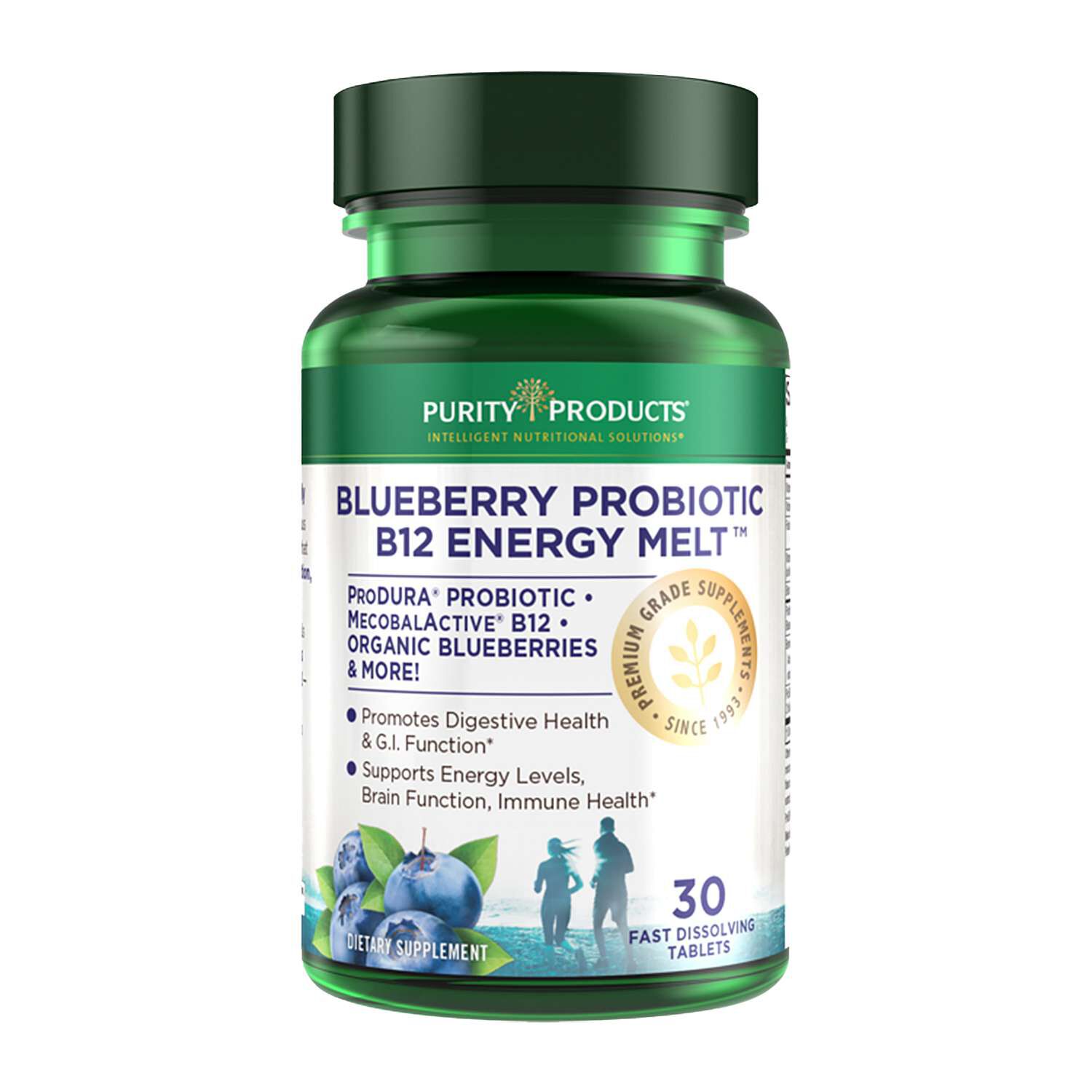 Purity Products$24.99
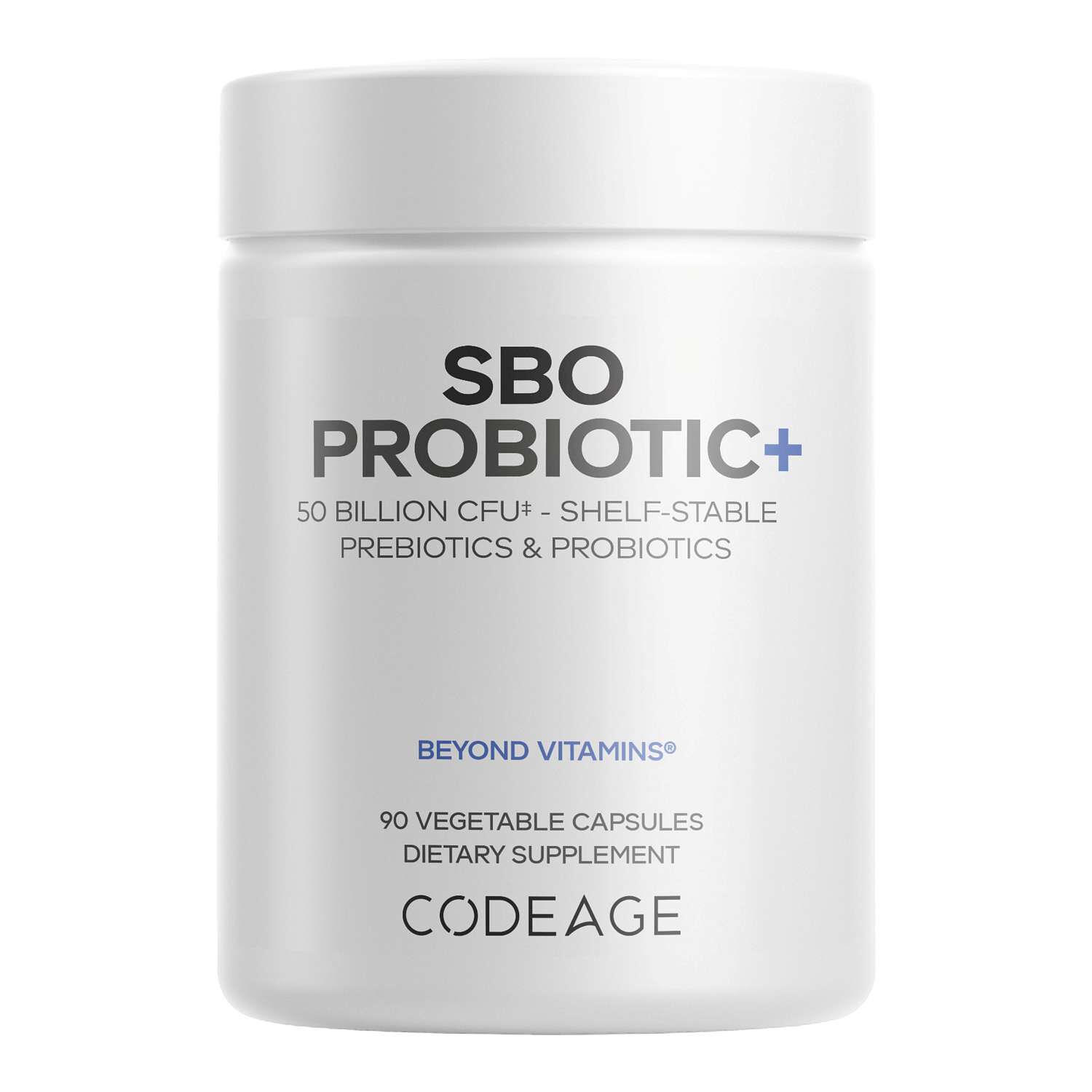
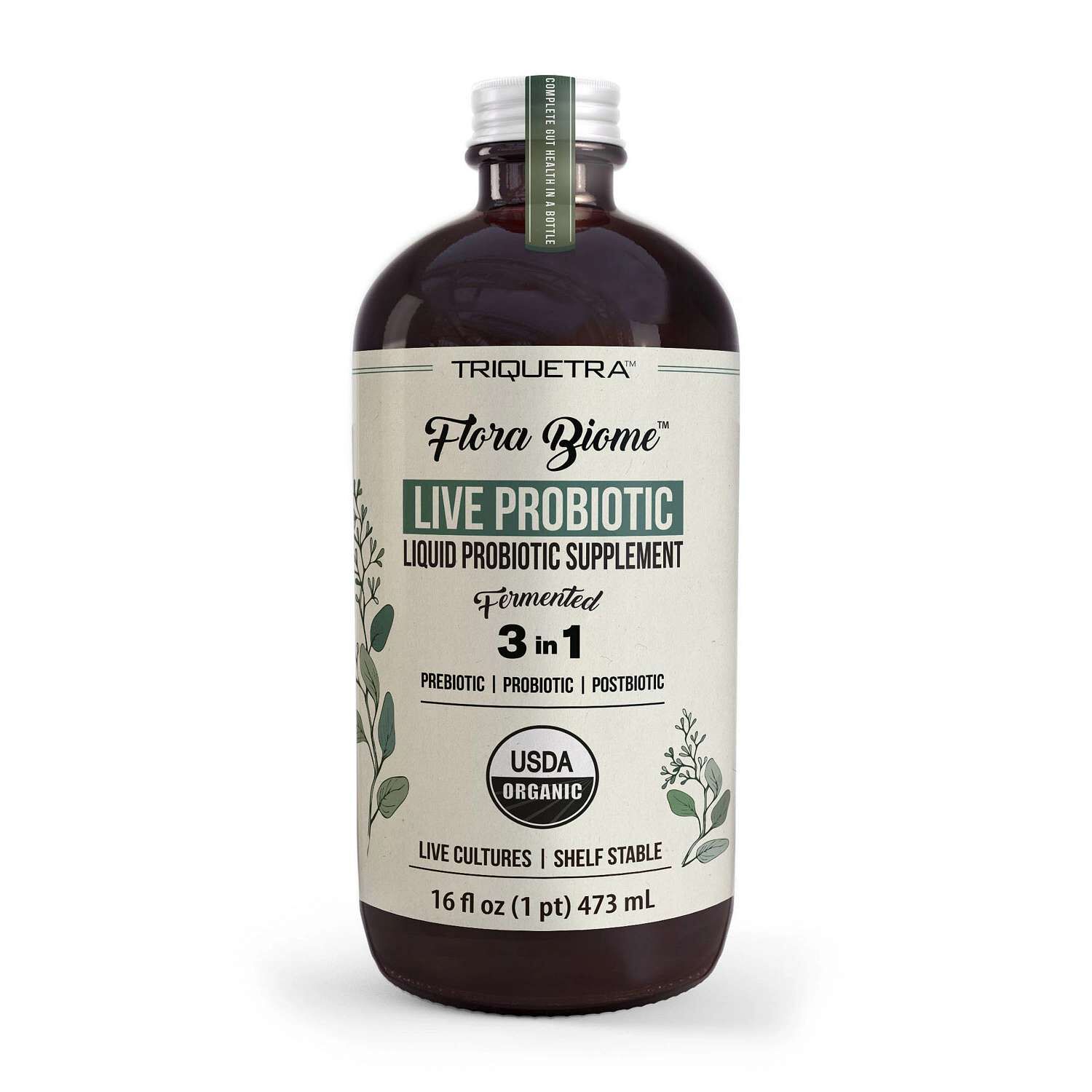
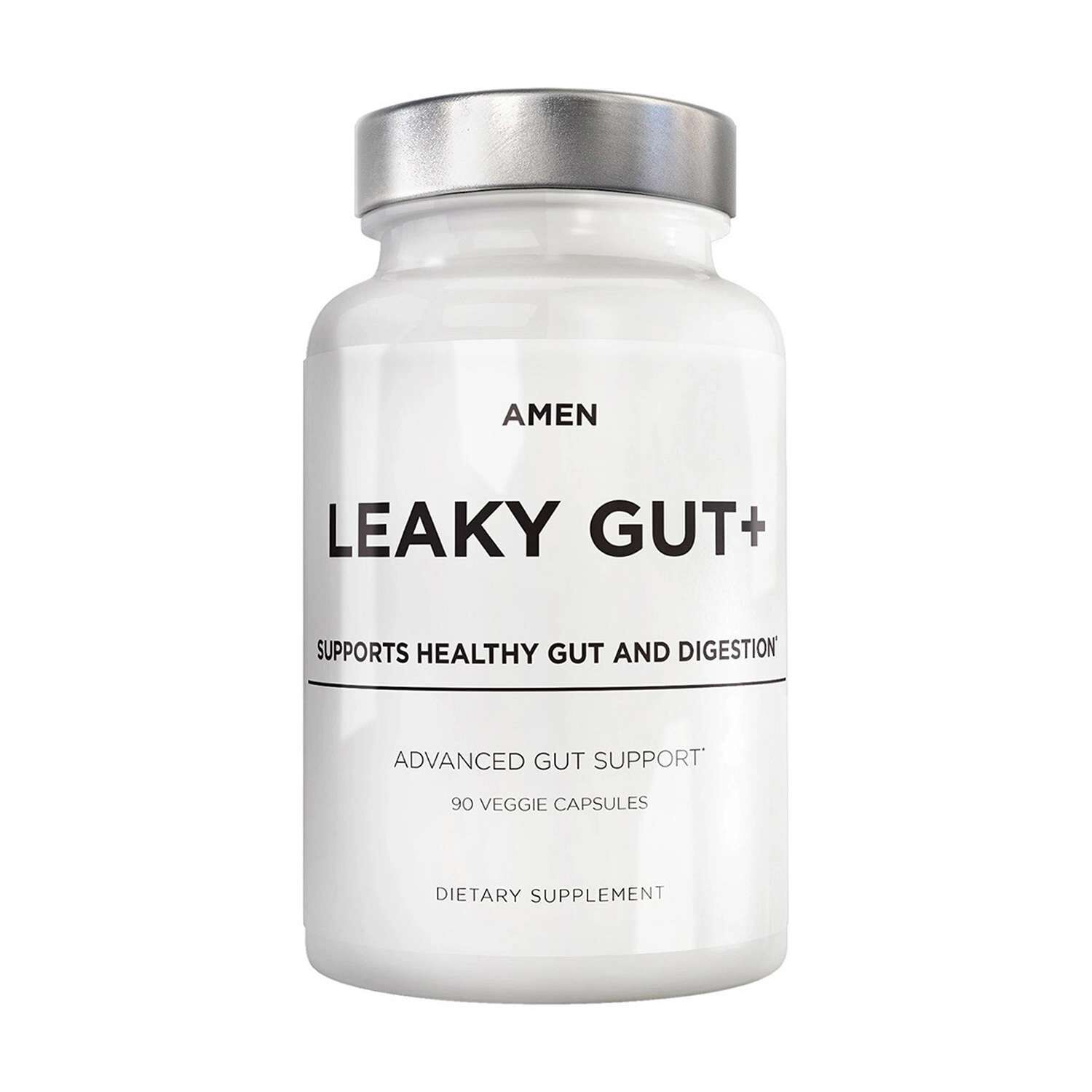
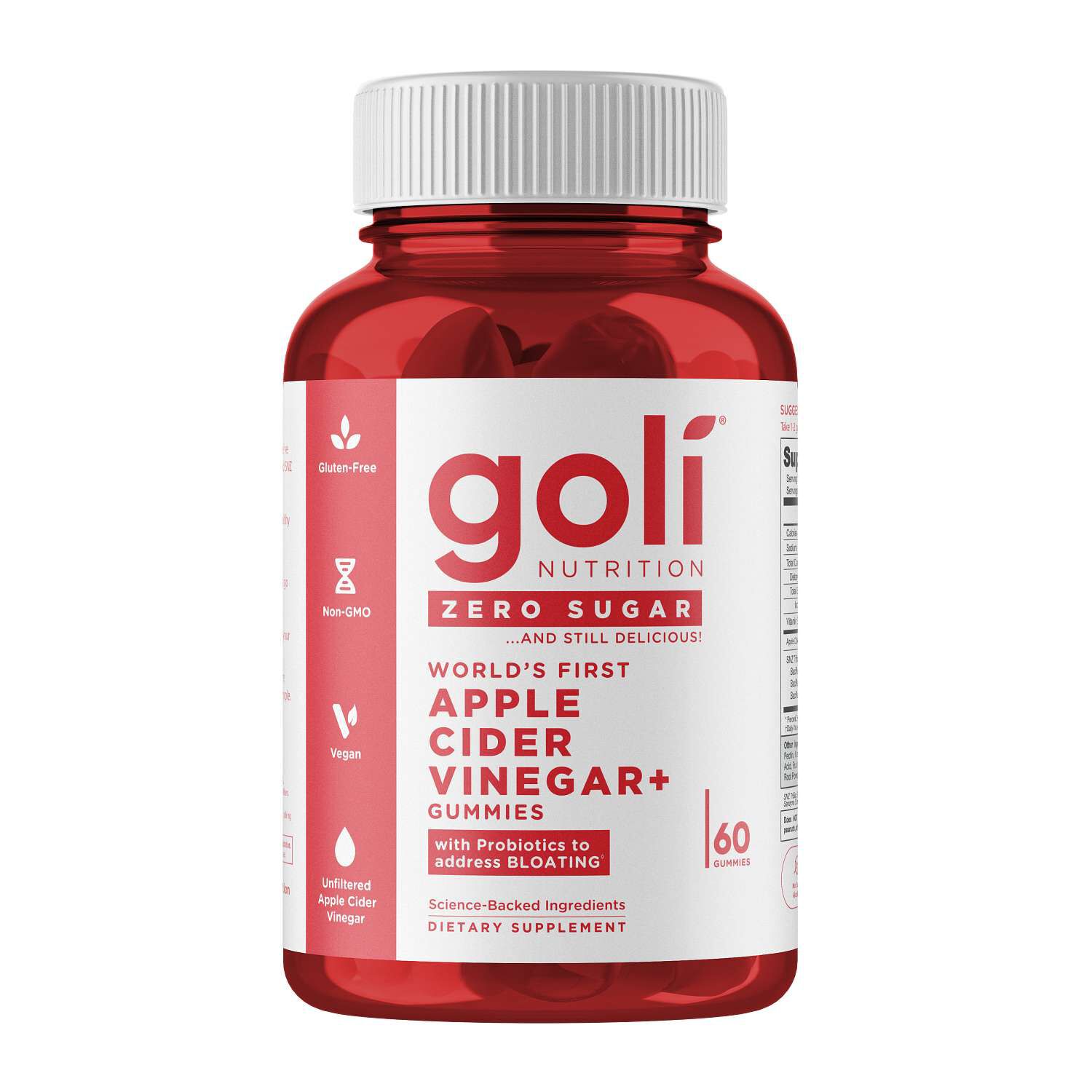
Probiotic B12 supplements for gut health bring together two distinct areas of everyday nutrition: live cultures and vitamin B12. Probiotics may support digestive wellness, while supplemental B12 may support normal energy metabolism. These ingredients have different roles, so a formula’s probiotic content and B12 content deserve separate attention rather than being treated as interchangeable measures of quality. Products in this category may pair both ingredients in one formula or offer options suited to a routine that includes each separately. The ingredient panel is the clearest way to distinguish between them. Probiotic labels commonly list organisms from groups such as Lactobacillus and Bifidobacterium, along with species names and, sometimes, individual strain identifiers. Those details matter because research on one strain does not automatically apply to every organism with a similar name. Vitamin B12 generally appears in micrograms, abbreviated mcg, and common forms include methylcobalamin and cyanocobalamin. Neither the length of an ingredient list nor a prominent number on the front of a bottle tells the whole story. A closer comparison includes the named cultures, the B12 form, the amount per serving, and the number of capsules or tablets that make up that serving. For someone who already keeps a multivitamin beside the breakfast dishes, checking for overlapping B12 is a practical part of comparing labels. For someone building a simpler supplement routine, a combined format may be appealing because it places two ingredients in one daily step. That convenience is a format consideration, not evidence that the ingredients perform better together. Probiotic B12 formulas are best understood as dietary supplements with distinct ingredient profiles, rather than as substitutes for varied meals. Their appeal lies in how the composition, serving format, and intended use align with an individual’s preferences for digestive wellness and everyday nutrition.
The probiotic portion of a label often features colony-forming units, or CFUs, a measure used to describe viable microorganisms. A higher CFU count alone does not establish that a formula is a better match for a particular person. The organisms included, their strain identifiers, and the stated serving size provide additional context. It is also useful to distinguish a count stated at manufacture from a count stated through the expiration date, since those descriptions refer to different points in a product’s shelf life. Clear labeling makes that distinction easier to assess. Some formulas also include prebiotic ingredients, such as inulin or other fibers, which are different from live probiotic cultures. A product containing both probiotics and prebiotics may be described as a synbiotic, but that wording does not explain the amount or identity of every ingredient. The Supplement Facts panel and ingredient list provide the more detailed picture. The same careful reading applies to B12. Its amount is separate from the probiotic CFU count, and the form of B12 does not identify which cultures are present. Live cultures should not be treated as a substitute for a labeled source of the vitamin simply because some microorganisms can produce B12 under certain conditions. For shoppers following vegetarian or vegan eating patterns, ingredient sourcing can be especially relevant. A formula containing B12 is not automatically vegan, and a capsule’s outer shell may use gelatin or a plant-derived material such as cellulose. Chewable formats can include additional sweeteners, flavors, and binding ingredients, while powders may contain carriers that affect texture or mixing. Someone who prefers an unflavored routine may focus on capsules; someone who dislikes taking capsules may compare chewable or powder formats and their serving instructions. Dietary certifications and clearly stated ingredient sources offer more useful detail than assumptions based on the product category alone.
The most practical probiotic and vitamin B12 supplement is one whose format and care requirements fit the setting where it will be used. A bottle kept in a kitchen cabinet, a container stored according to refrigeration instructions, and individually packaged servings each involve different handling habits. Storage directions matter for products containing live cultures, and shelf-stable wording should not be interpreted as permission to disregard the label. Original packaging, a securely closed lid, and attention to moisture and direct sunlight are useful considerations when assessing everyday storage. Packaging condition and the expiration date also deserve a look, particularly when comparing a larger container with a smaller one. Unlike a reusable household item, a supplement’s useful life is tied to its labeled dating and handling requirements rather than its outward appearance alone. For a powder, serving details might include a designated scoop and mixing instructions; for a chewable, texture and flavor may influence whether the format suits a daily routine. A serving that requires several pieces can feel quite different from a single capsule, even when the bottle sizes look similar. Comparing amounts per serving rather than per piece helps keep those differences clear. Adults who prefer plant-based ingredients, shoppers already using other nutritional supplements, and people seeking a straightforward addition to a digestive wellness routine may each prioritize different label details. Products labeled for adults should not be assumed suitable for every age group, and use should follow the individual label. Broader wellness interests may also lead shoppers to explore Probiotic B12 Supplements for Immune Support, while comparing each formula on its own stated ingredients and intended use. Across these options, the most informative features remain concrete: identified probiotic cultures, clearly listed B12, transparent serving information, dietary compatibility, and manageable storage requirements. Together, those details make it easier to compare products thoughtfully without relying on a large front-label number or an elaborate blend name. A well-matched format belongs comfortably within an existing routine, alongside varied foods and ordinary daily habits, with expectations grounded in what the label actually says.
- Q: What are probiotic B12 supplements?
A: Probiotic B12 supplements combine beneficial bacteria (probiotics) with vitamin B12 to support both digestive health and healthy energy metabolism. These supplements are designed to promote a balanced gut microbiome while helping maintain adequate intake of B12. - Q: How do probiotics and vitamin B12 work together for gut health?
A: Probiotics help maintain a healthy balance of gut bacteria, which can support digestion and nutrient absorption. Vitamin B12 plays a key role in energy production and nervous system function. Together, they may help optimize digestive wellness and overall vitality. - Q: Who might benefit from taking probiotic B12 supplements?
A: Individuals looking to support their digestive health, those with dietary restrictions that limit B12 intake, or anyone seeking to maintain a balanced gut microbiome may consider probiotic B12 supplements as part of their wellness routine. - Q: Can probiotic B12 supplements be taken daily?
A: Yes, many people incorporate probiotic B12 supplements into their daily regimen as part of a balanced diet and healthy lifestyle. Always follow the usage instructions provided on the product label. - Q: Are there specific strains of probiotics commonly found in these supplements?
A: Probiotic B12 supplements often feature strains such as Lactobacillus and Bifidobacterium, which are well-studied for their role in supporting digestive health. The exact strains may vary by product.
Best Sellers
-
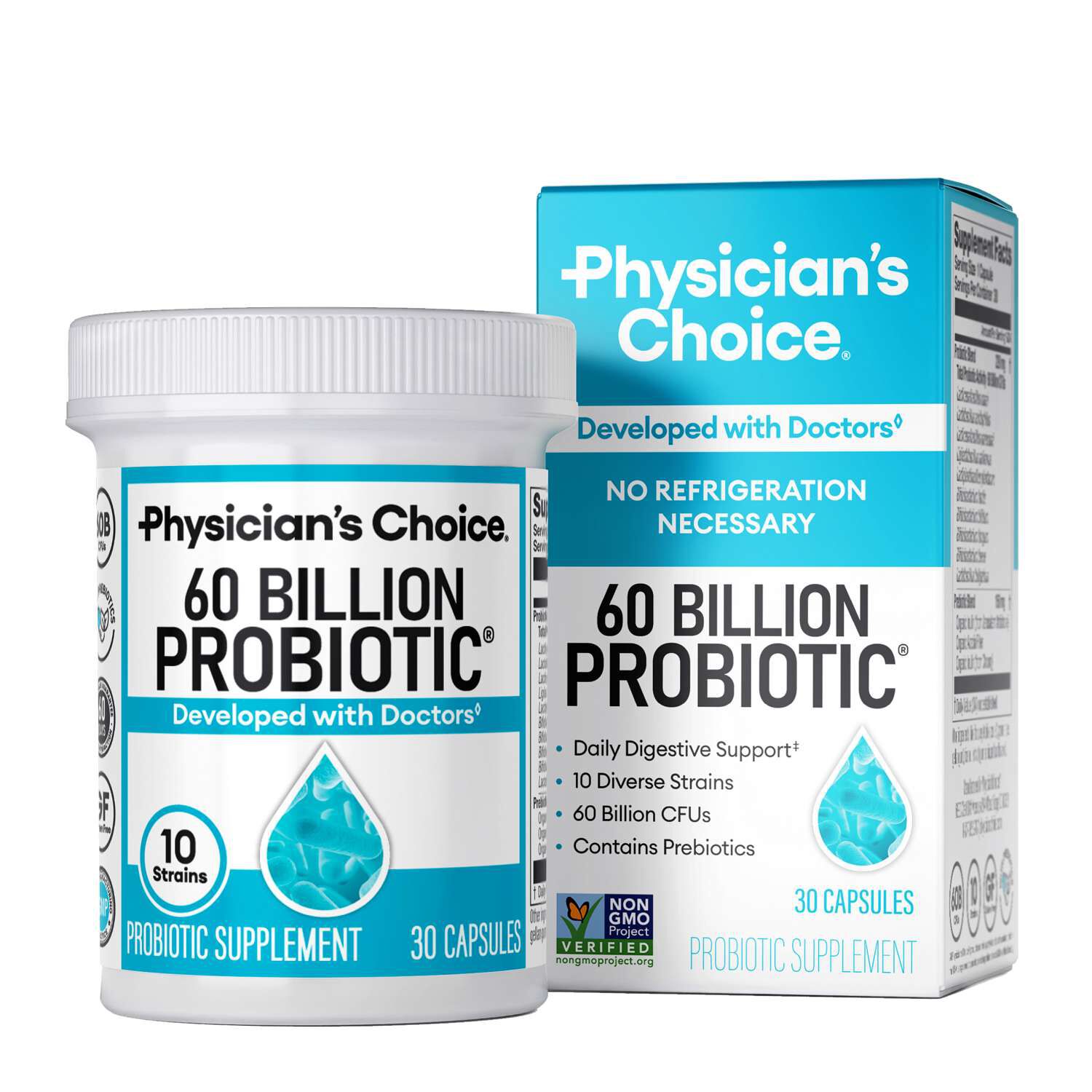 Physician's Choice