





Probiotic Supplements For Healthy Eating
(0 Results)
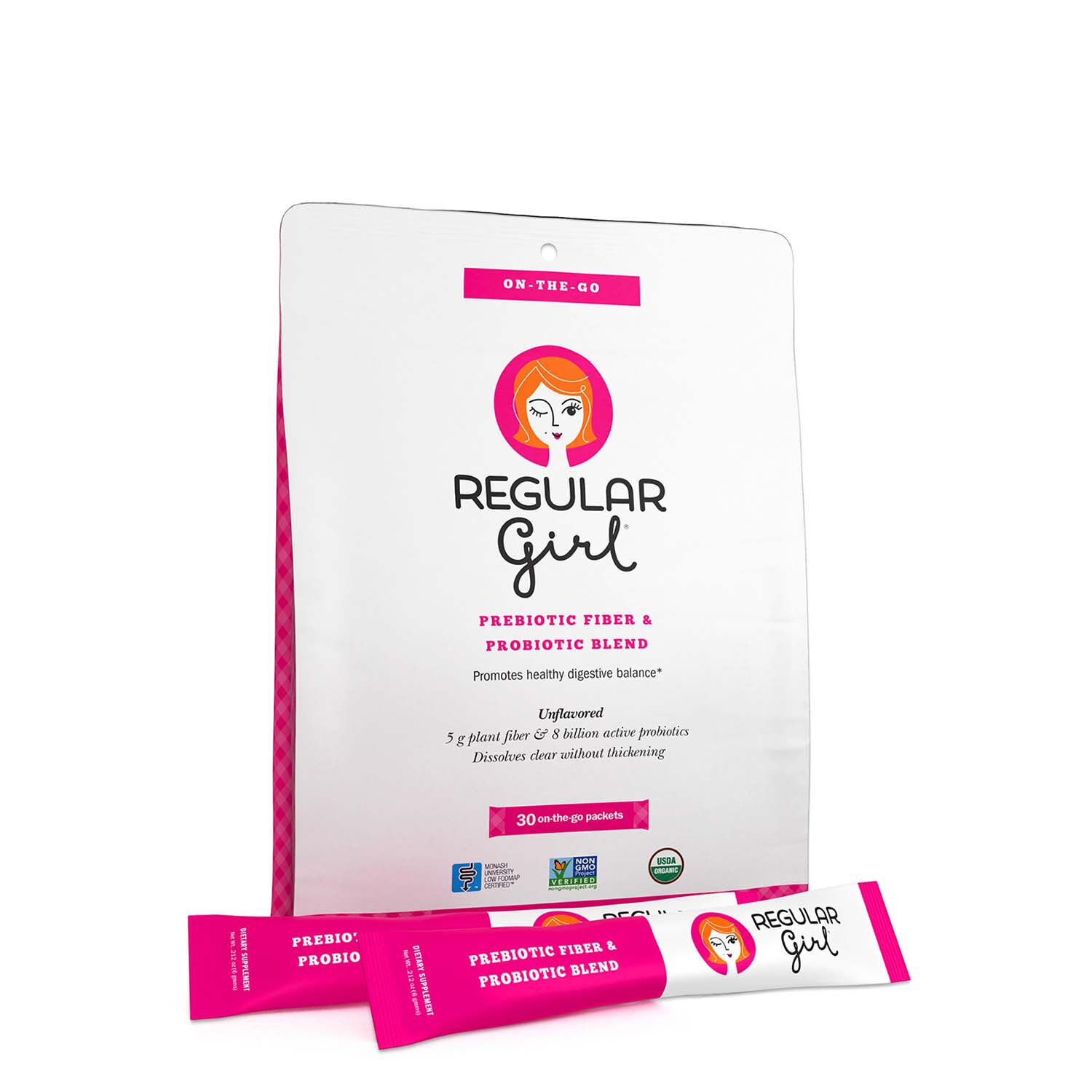
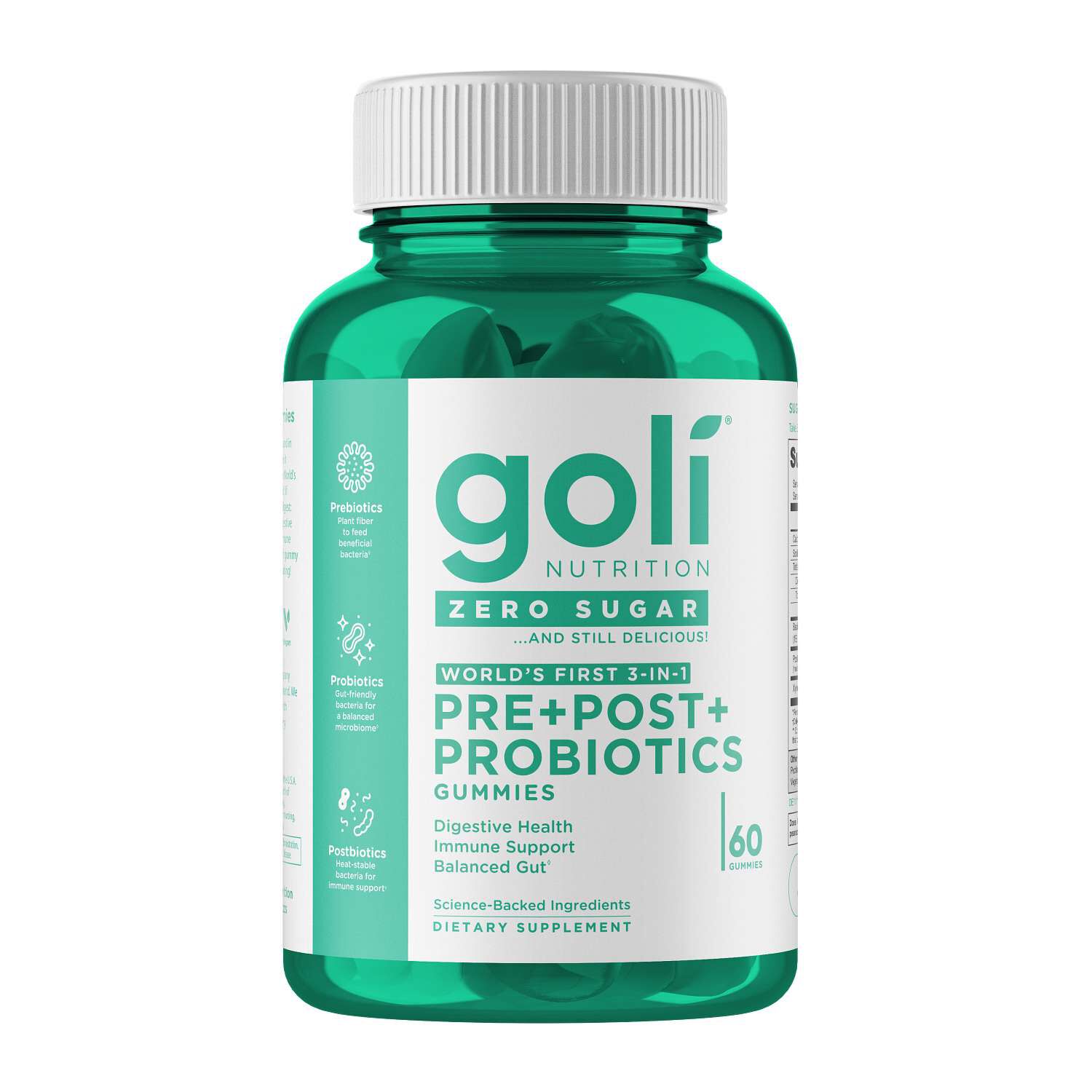
Probiotic supplements for healthy eating could be a convenient addition to your daily routine, especially for those looking to support their overall wellness journey. These supplements may offer a simple way to incorporate beneficial bacteria into your diet, which might help you feel your best as you focus on nutritious choices. Explore a variety of probiotic supplements for healthy eating and discover options that could fit seamlessly into your lifestyle.
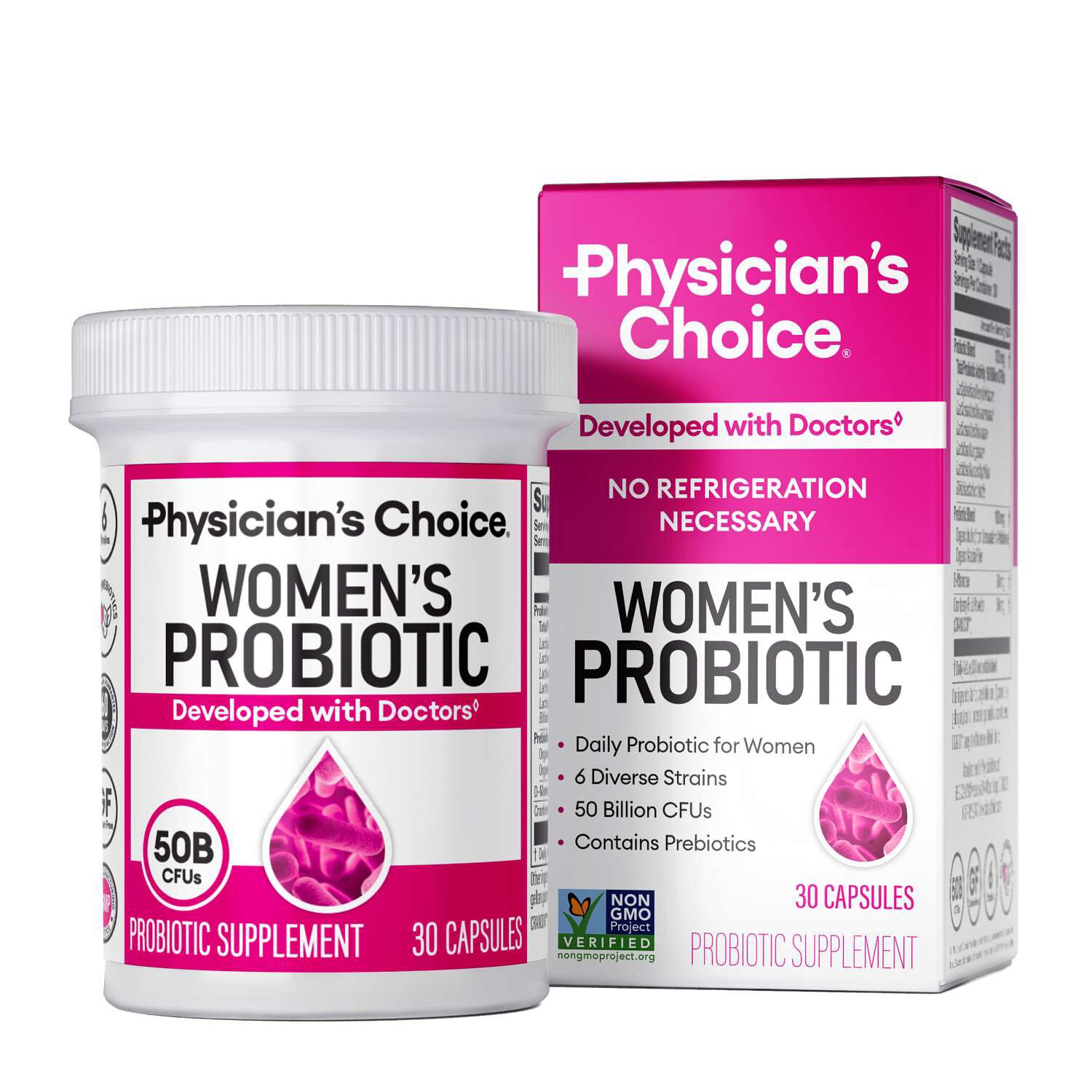
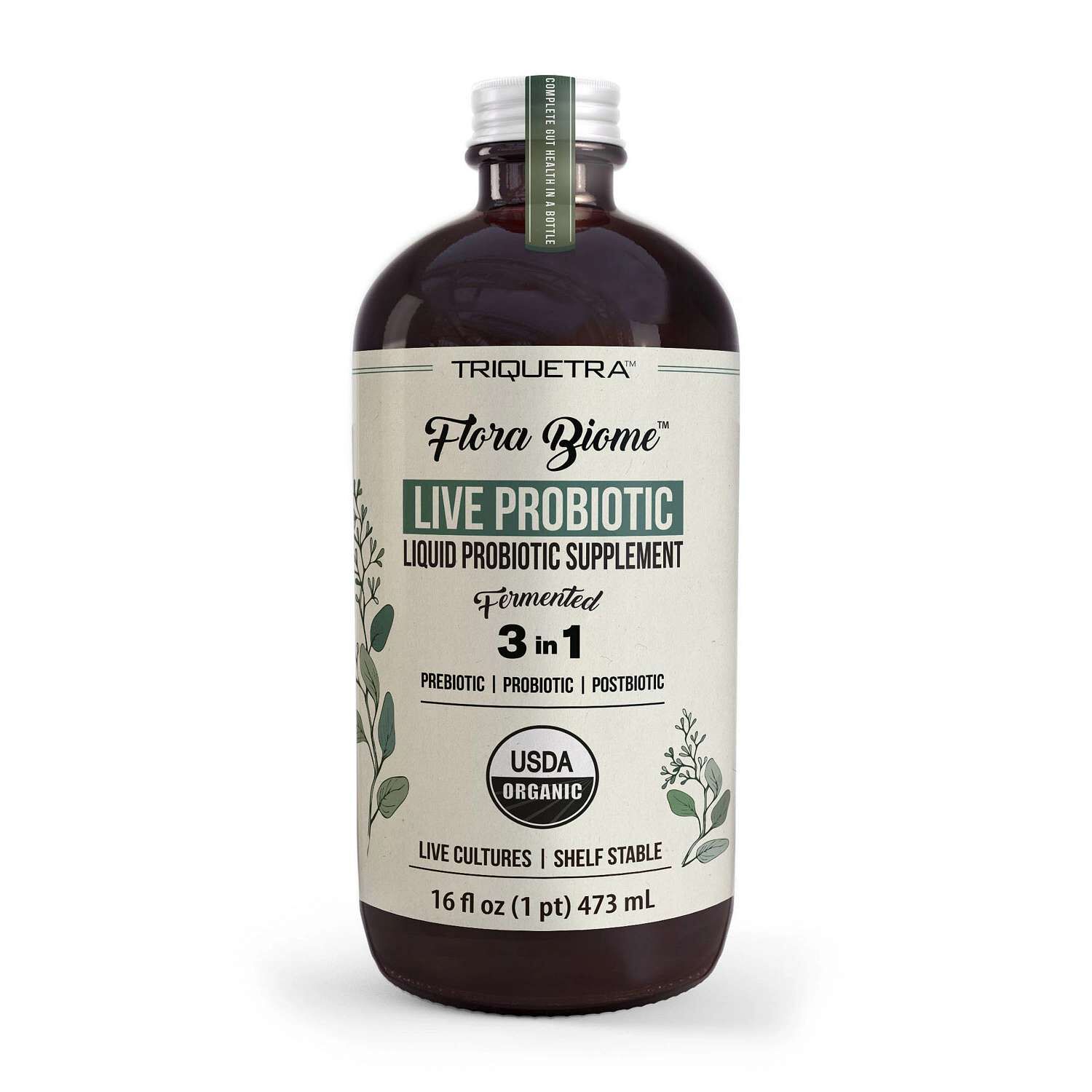


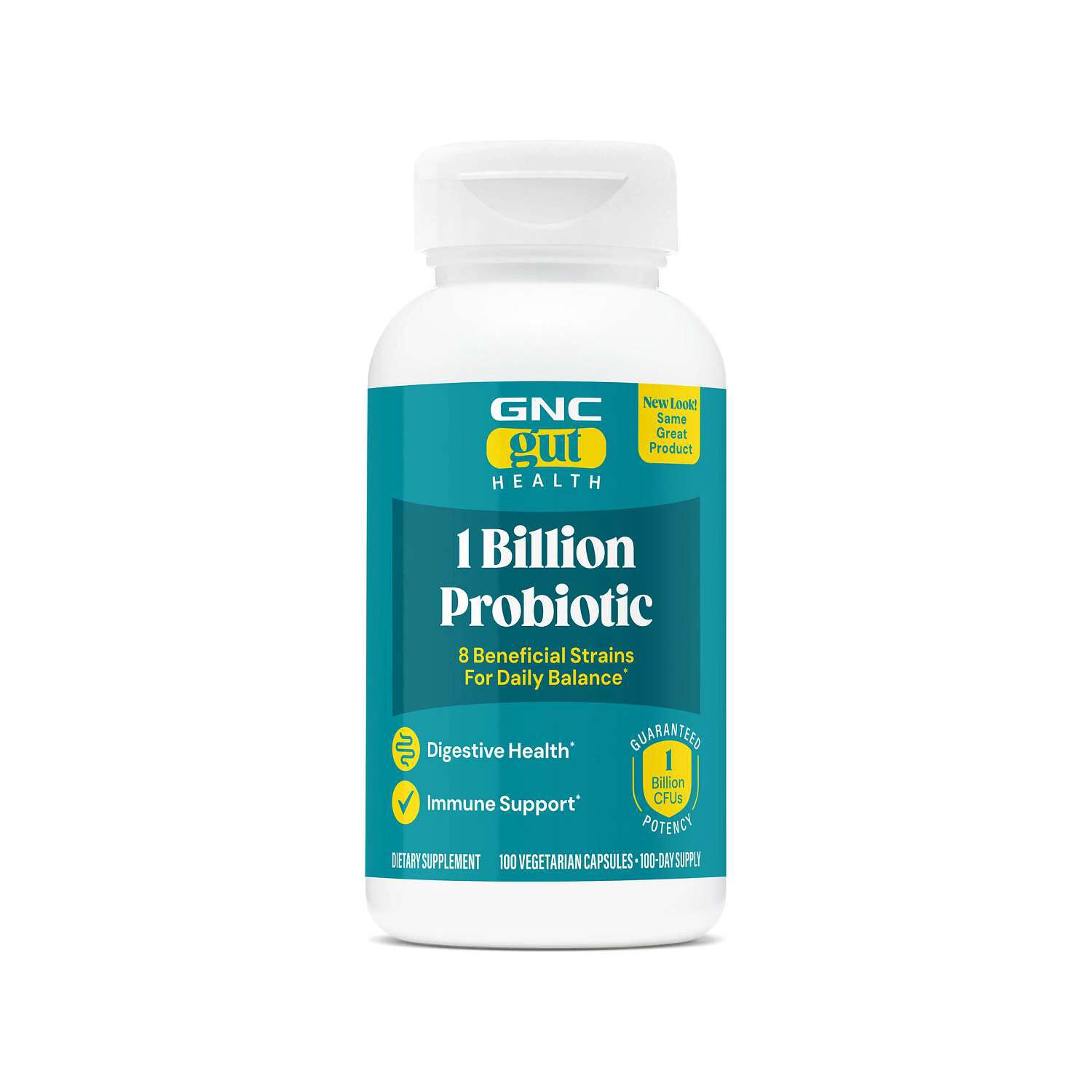
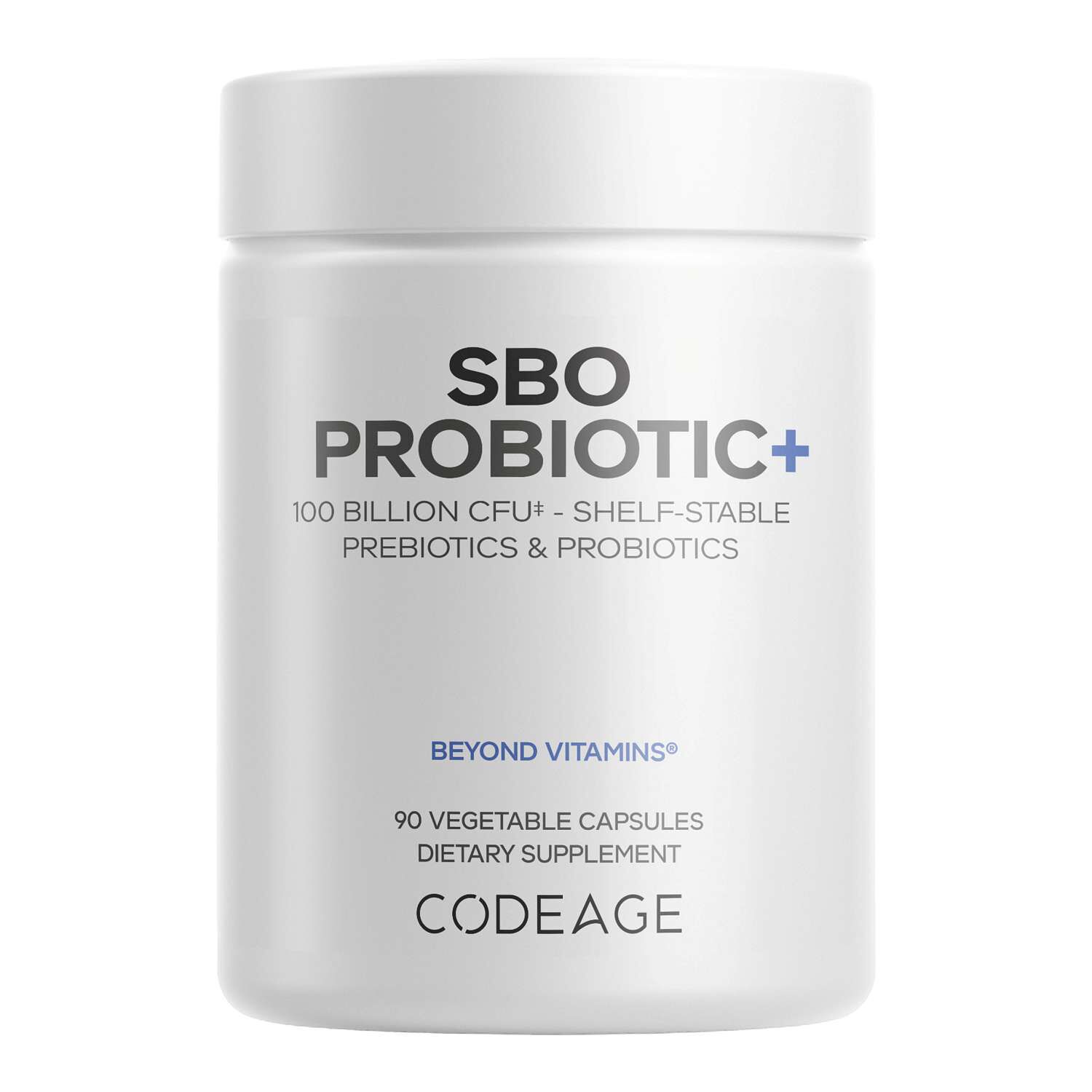
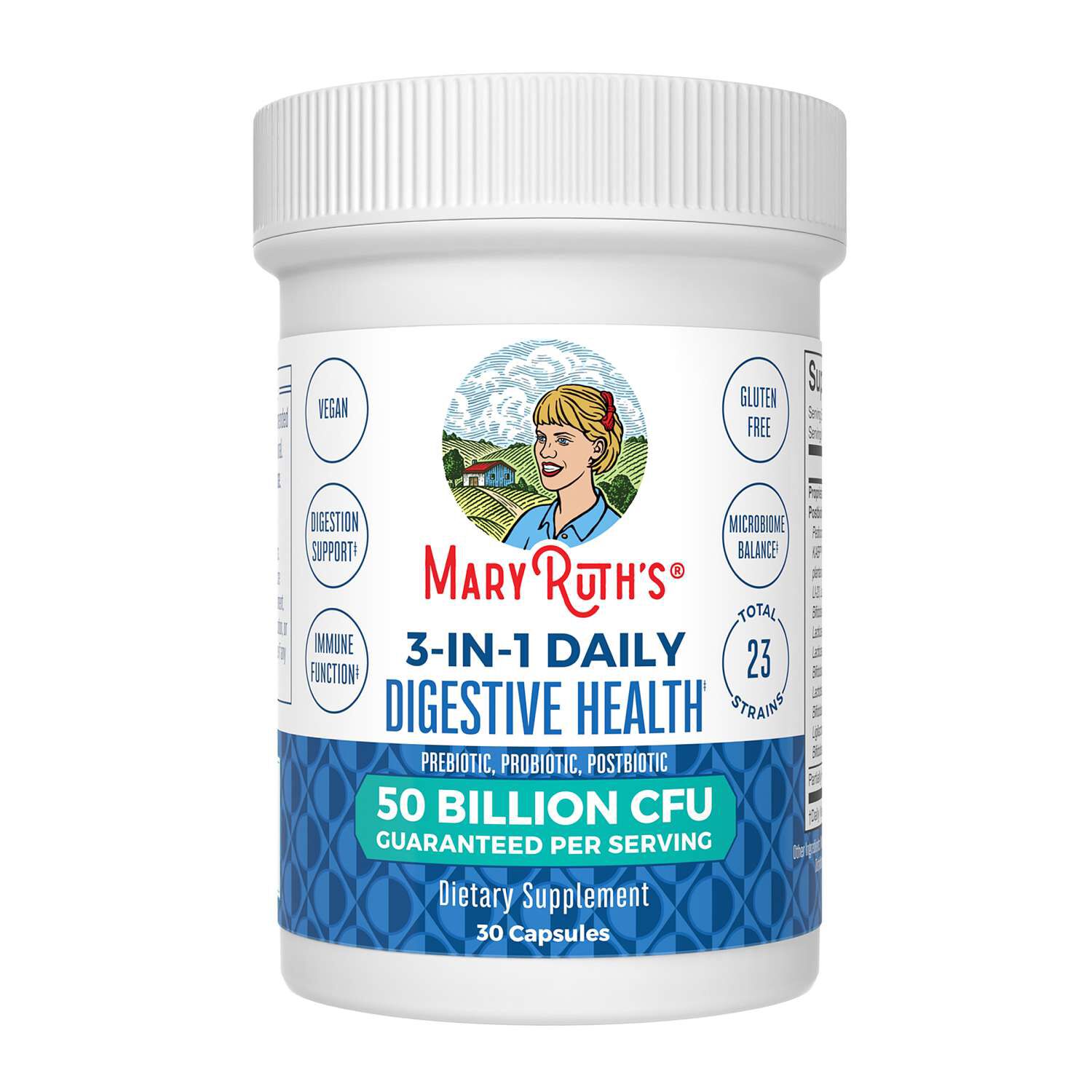
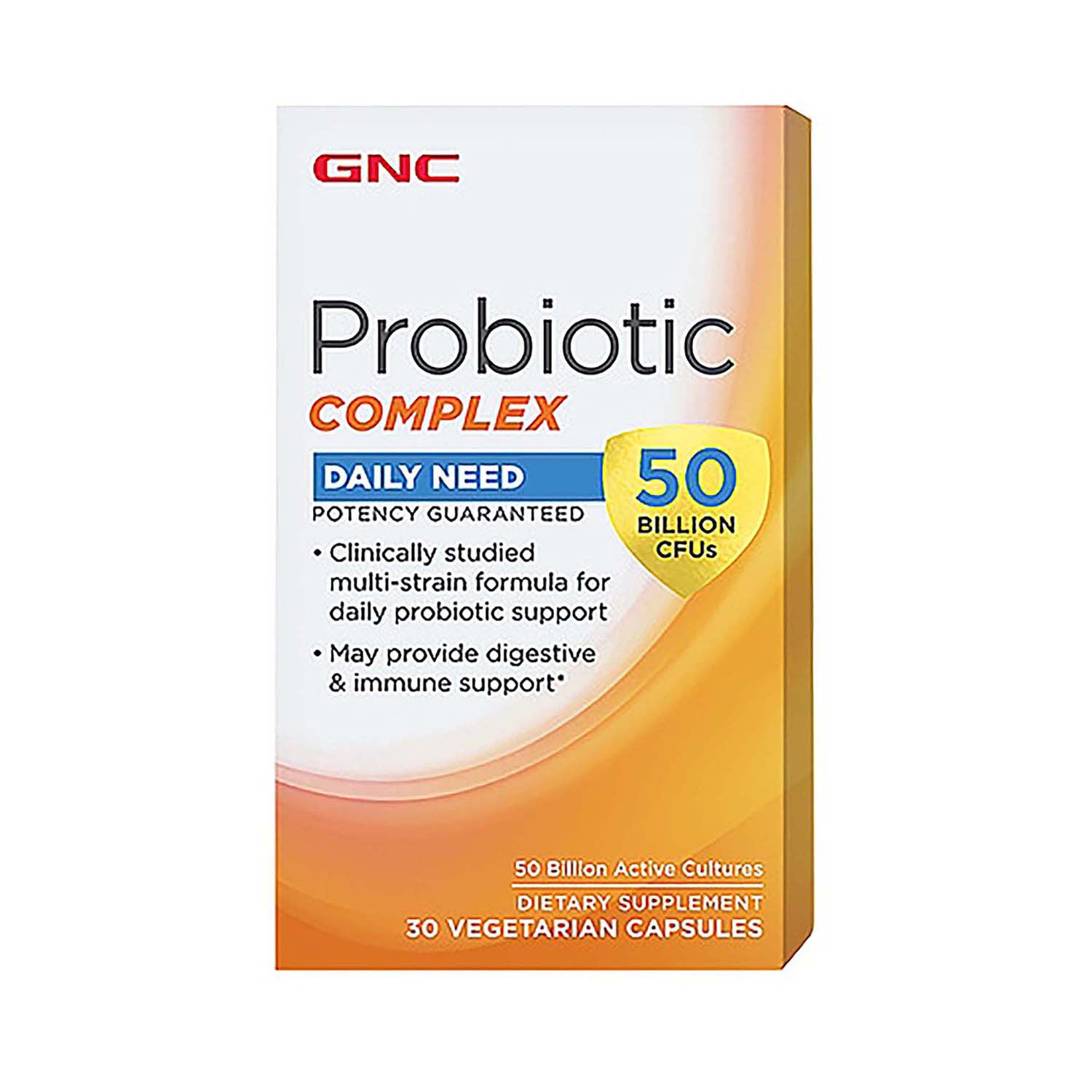


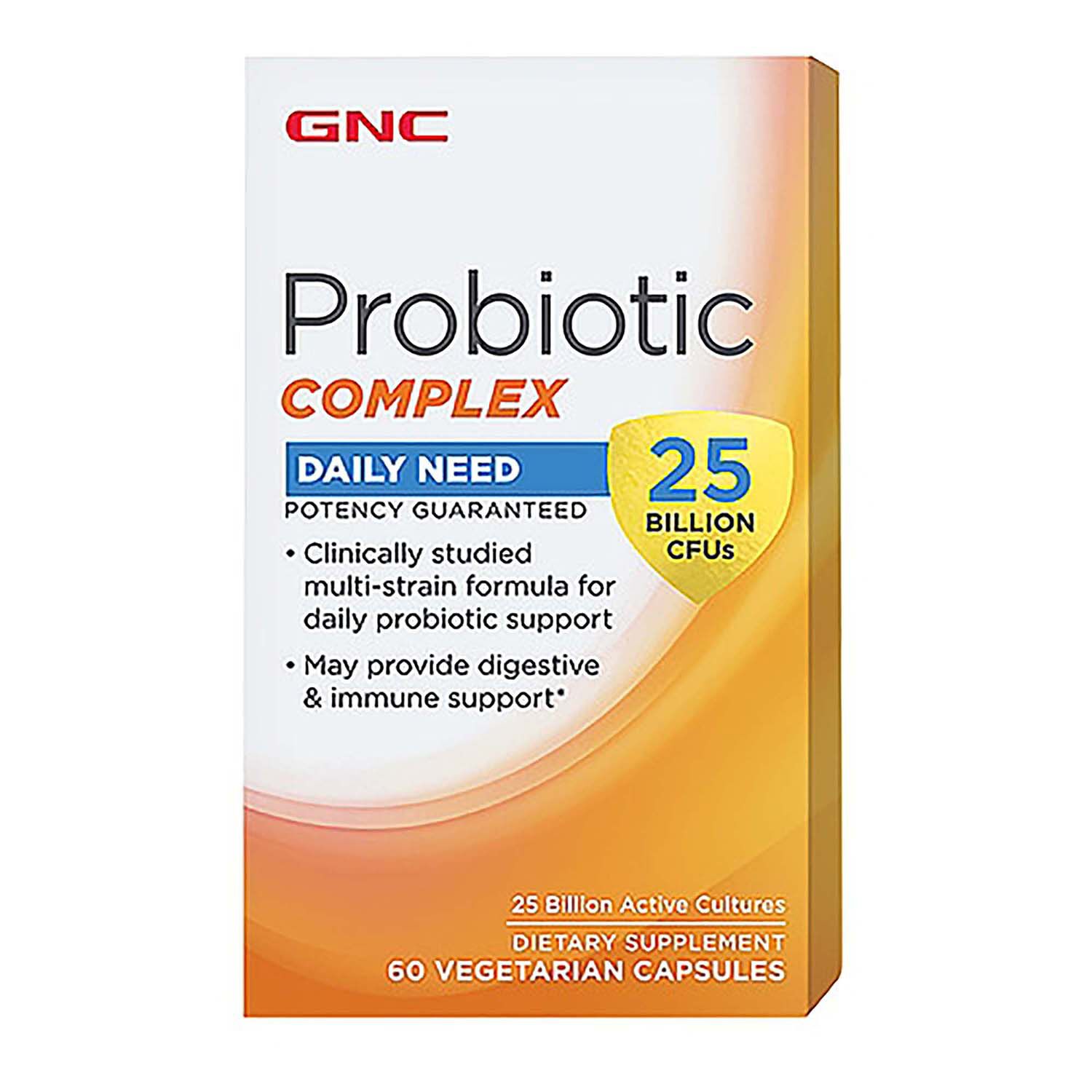




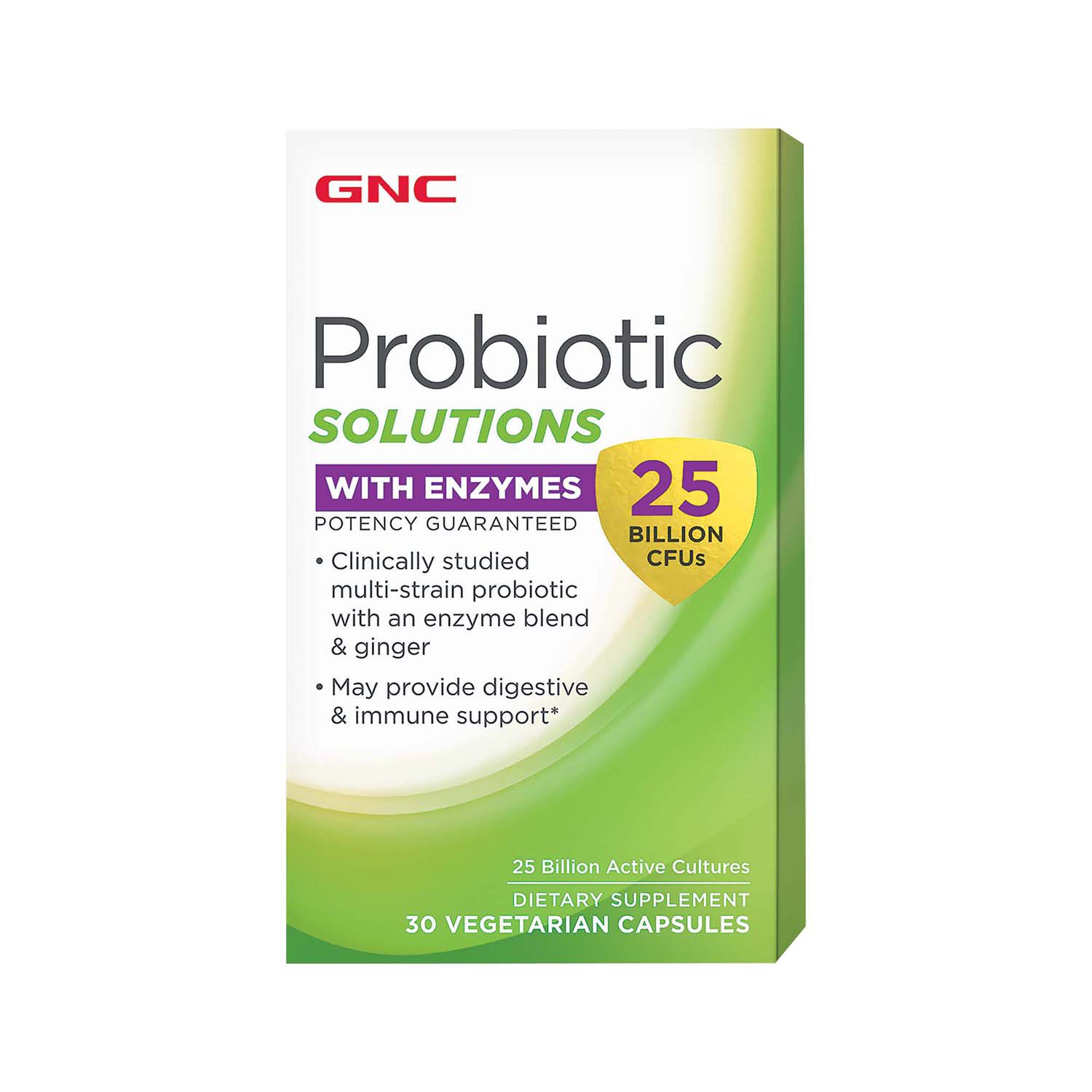


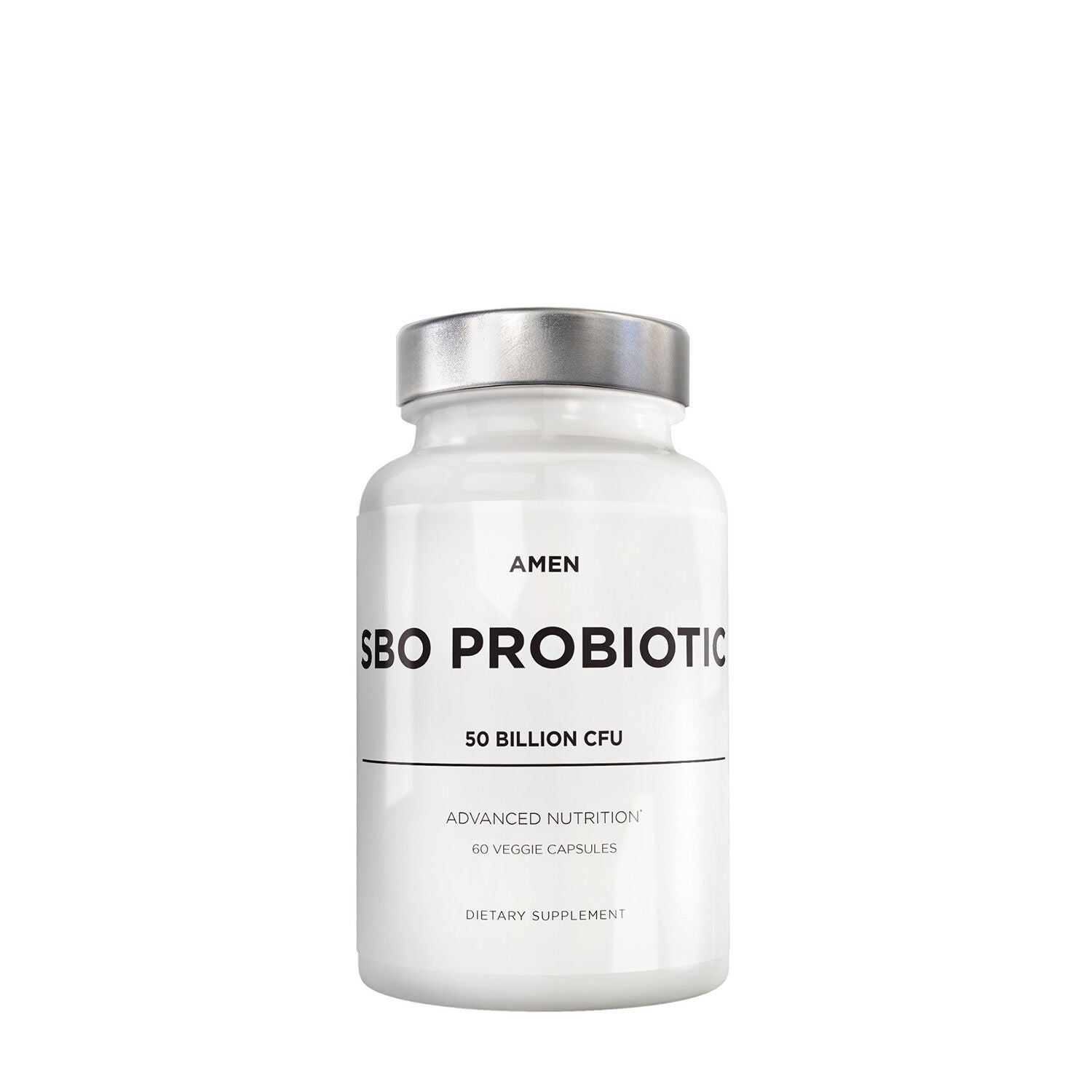

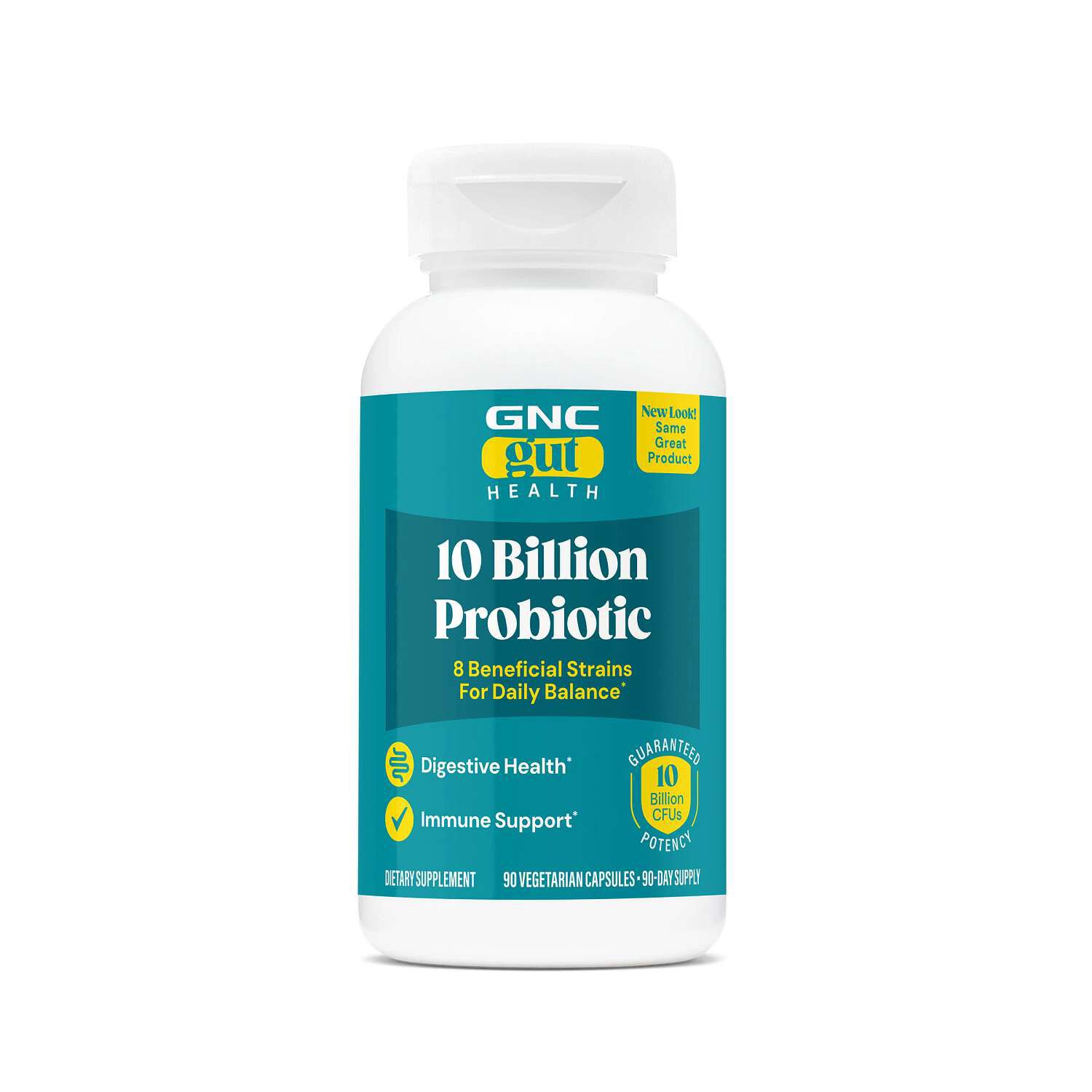

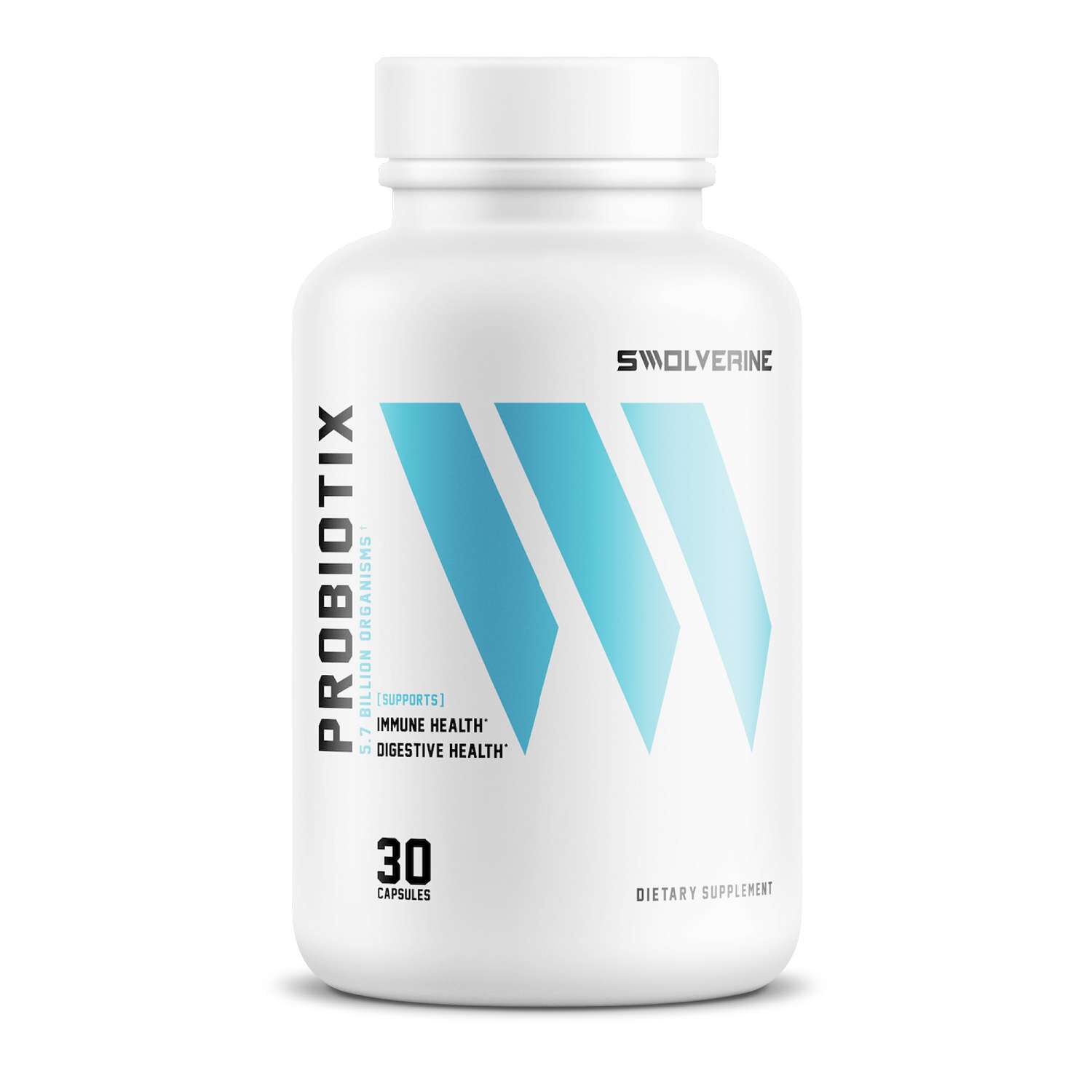
Probiotic supplements are selected by many shoppers who want to make gut-focused choices part of a thoughtful eating routine. These products typically contain live microorganisms, including particular strains of bacteria or yeast, and may support the natural balance of microorganisms found in the digestive tract. They are not all alike, and the most useful way to compare them is to look beyond a large number on the front of the package. A product may list the genus, species, and specific strain, along with the number of colony-forming units, often shown as CFU. Strain identity matters because different strains may be studied for different purposes, so a higher CFU count does not automatically indicate a better fit for every shopper. It can also be helpful to review whether the listed CFU amount is expected to remain viable through the expiration date rather than referring only to the amount present when the product was made. Storage instructions deserve attention as well. Some formulas may be kept at room temperature, while others could call for refrigeration or protection from heat and moisture. Capsules, delayed-release formats, powders, chewables, and gummies offer different experiences, so personal preference can make a difference in whether a routine feels easy to maintain. Shoppers may also wish to review the Supplement Facts panel for added ingredients, serving size, dietary considerations, and any allergen information. Third-party verification marks, such as USP or NSF when present, may provide another point of comparison, though shoppers should still read the label and follow the directions supplied with each product.
A probiotic supplement may fit alongside a varied eating pattern that includes naturally fermented foods and fiber-rich plant foods. Yogurt with live cultures, kefir, sauerkraut, kimchi, miso, and kombucha may bring fermented flavors and different microorganisms to the table, while foods such as oats, beans, asparagus, onions, garlic, apples, and berries provide fiber that may help nourish microorganisms already present in the digestive tract. These foods can be worked into familiar meals: spoon yogurt over oats, add sauerkraut to a grain bowl, stir miso into a savory broth, or keep a chilled bottle of kombucha available with lunch. A supplement could be convenient on days when meals are rushed, travel changes the usual schedule, or a shopper prefers a measured serving that is easy to remember. Some people may take one as part of a morning routine with water, while others might choose an evening habit connected to brushing their teeth or preparing the next day’s lunch. Following the product label matters, particularly when directions mention taking a serving with food, apart from food, or at a particular temperature. Anyone who is pregnant, nursing, managing a health condition, preparing for a procedure, or taking prescription products may wish to speak with a qualified healthcare professional before adding a supplement. Children, older adults, and people with specialized dietary needs may also require guidance suited to their circumstances. A supplement may be a useful addition for some shoppers, but it is not intended to replace a varied diet, regular meals, hydration, or individualized professional care. If a product causes an unexpected change in how someone feels, pausing use and seeking professional guidance could be a sensible choice.
Choosing a probiotic can also be a personal matter of format, routine, and household needs. Capsules may appeal to shoppers who prefer a simple, measured serving, while powders may be mixed into cool foods or beverages when the label allows. Gummies and chewables could suit someone who does not enjoy swallowing capsules, although their flavoring, sweeteners, and serving instructions are worth reviewing. For a gift, a probiotic may be a considerate option for a friend who enjoys meal planning, balanced pantry staples, or practical additions to a daily wellness routine, especially when the recipient’s format and dietary preferences are known. It may be less suitable as a surprise for someone with food sensitivities or a complicated health history, so a gift card or a shared shopping trip could offer more flexibility. During the cooler months, routines often move indoors, and a dependable breakfast, packed lunch, or evening meal can make it easier to remember a chosen serving. When schedules shift again and outdoor activities return, a compact, clearly labeled format might fit more naturally into travel bags or desk drawers, provided storage directions are followed. Shoppers who enjoy planning ahead may compare strain names, serving information, storage needs, verification marks, and dietary details before choosing from this collection. Those building a seasonal routine may also find related inspiration in Probiotic Supplements For Healthy Spring Routines. The best choice is often the one that aligns with a person’s eating pattern, preferences, and ability to use it consistently, with label directions serving as the starting point for making an informed purchase.
Best Sellers
-
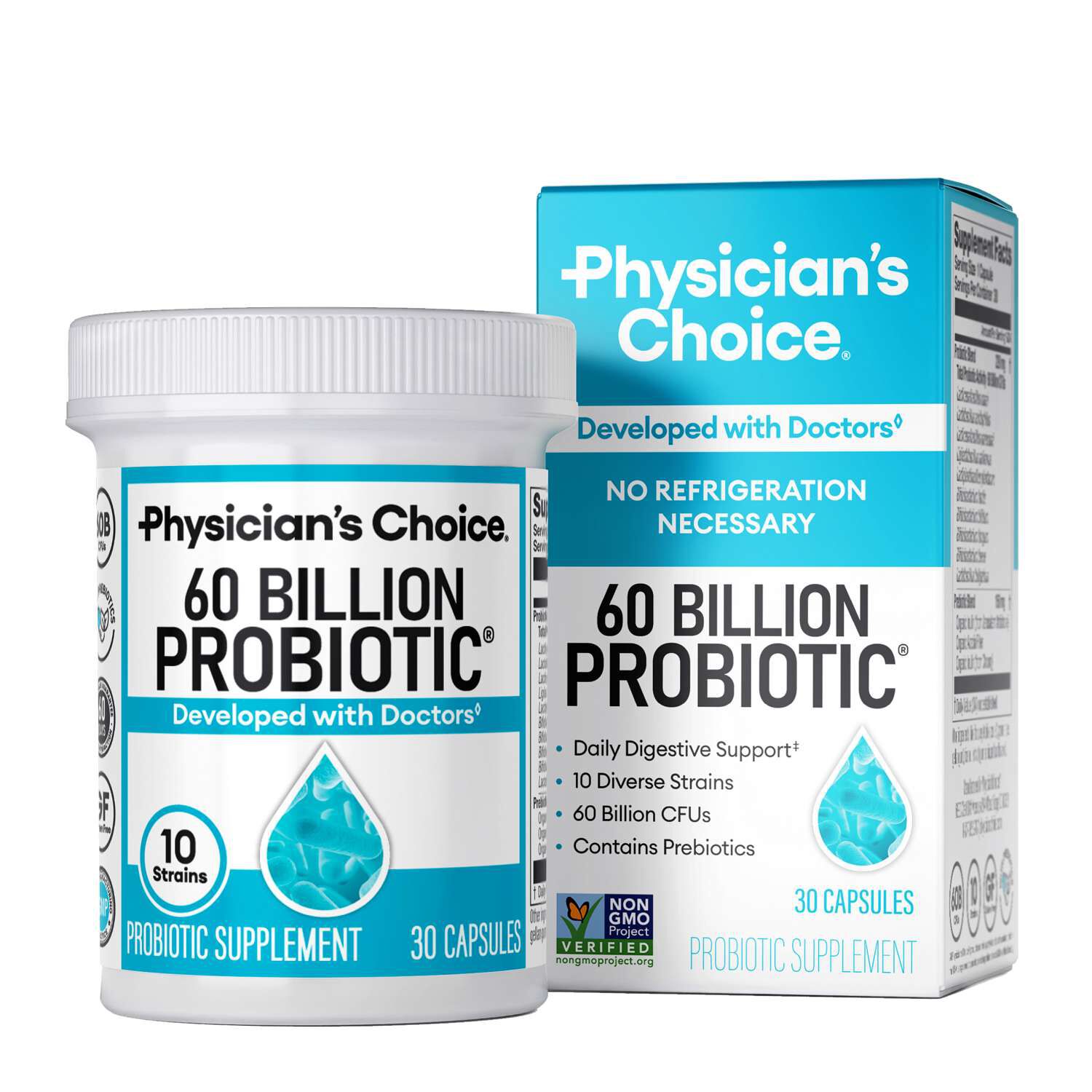 Physician's Choice
Related Pages


Top Collections
- Daily Collagen Supplements | Top Brands & Deals | GNC
- Cortisol Supplements
- Top Rated Collagen | Shop Customer Favorites | GNC
- Vitamins For Hair Loss
- NAD+ Supplement Tablets
- Peptide Supplements
- Best Brand of Magnesium Glycinate
- Protein Powders For Muscle Growth Support
- Vitamins That Help Support Weight Gain
- Peptide Supplements for Muscle Growth