





Probiotic Supplements For Healthy Spring Routines
(0 Results)
Probiotic supplements for healthy spring routines could be a simple addition to your daily wellness plan as the seasons change. Supporting your body with probiotics may help you feel your best while embracing new activities, fresh foods, and outdoor adventures. Discover options that might fit seamlessly into your springtime habits and could support your overall well-being all season long.
-
-
-
-
-
-
-
 209$34.99
-

-

-
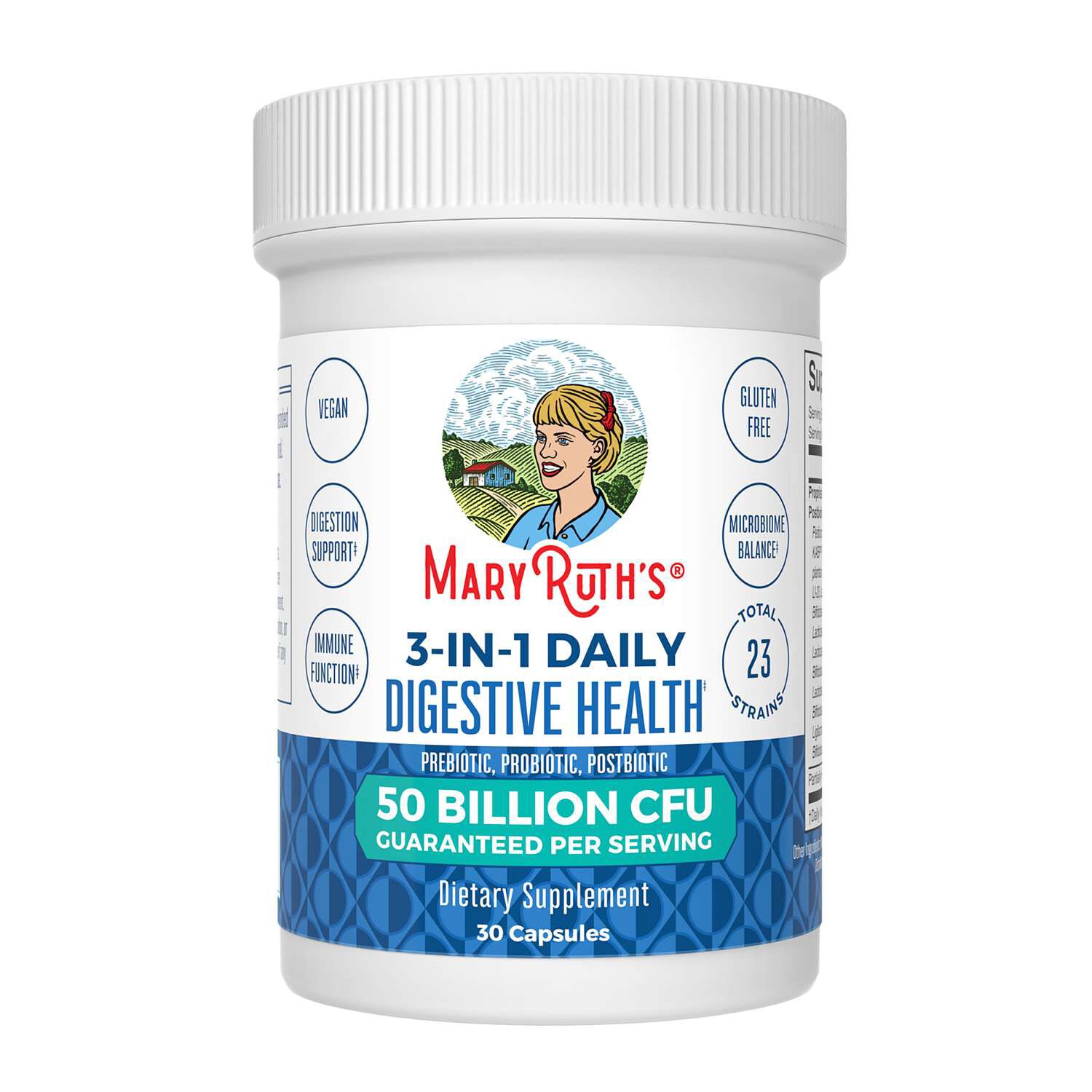

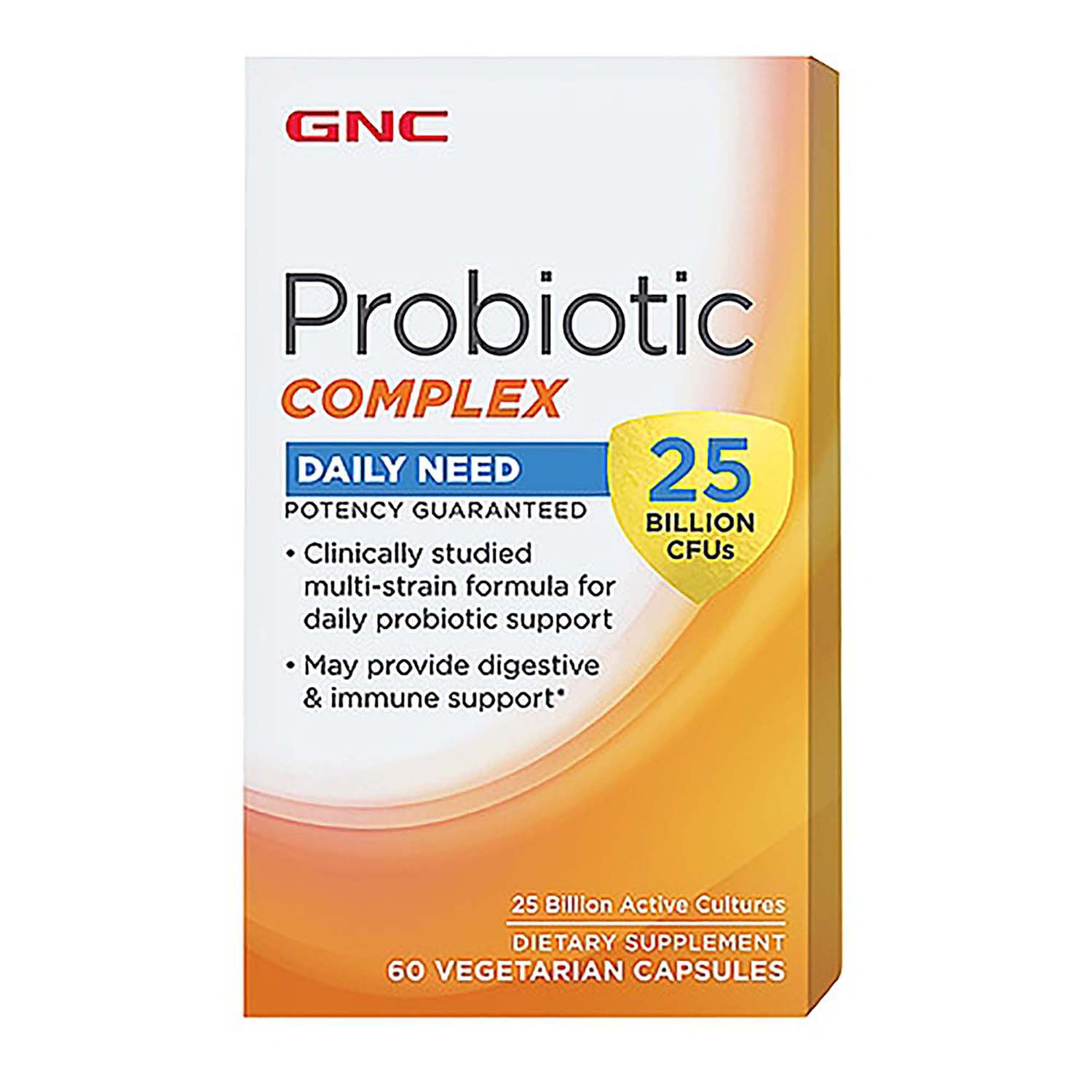




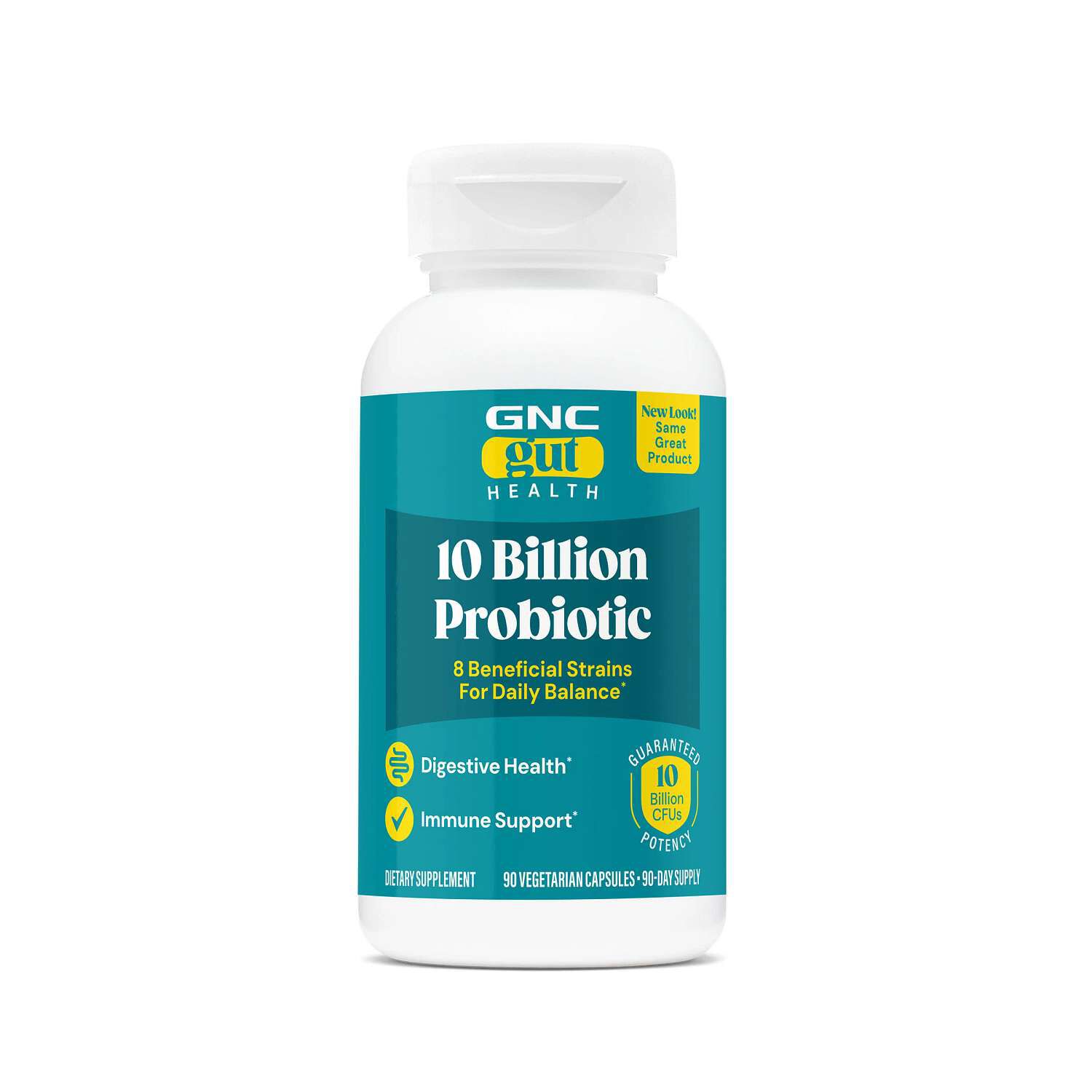




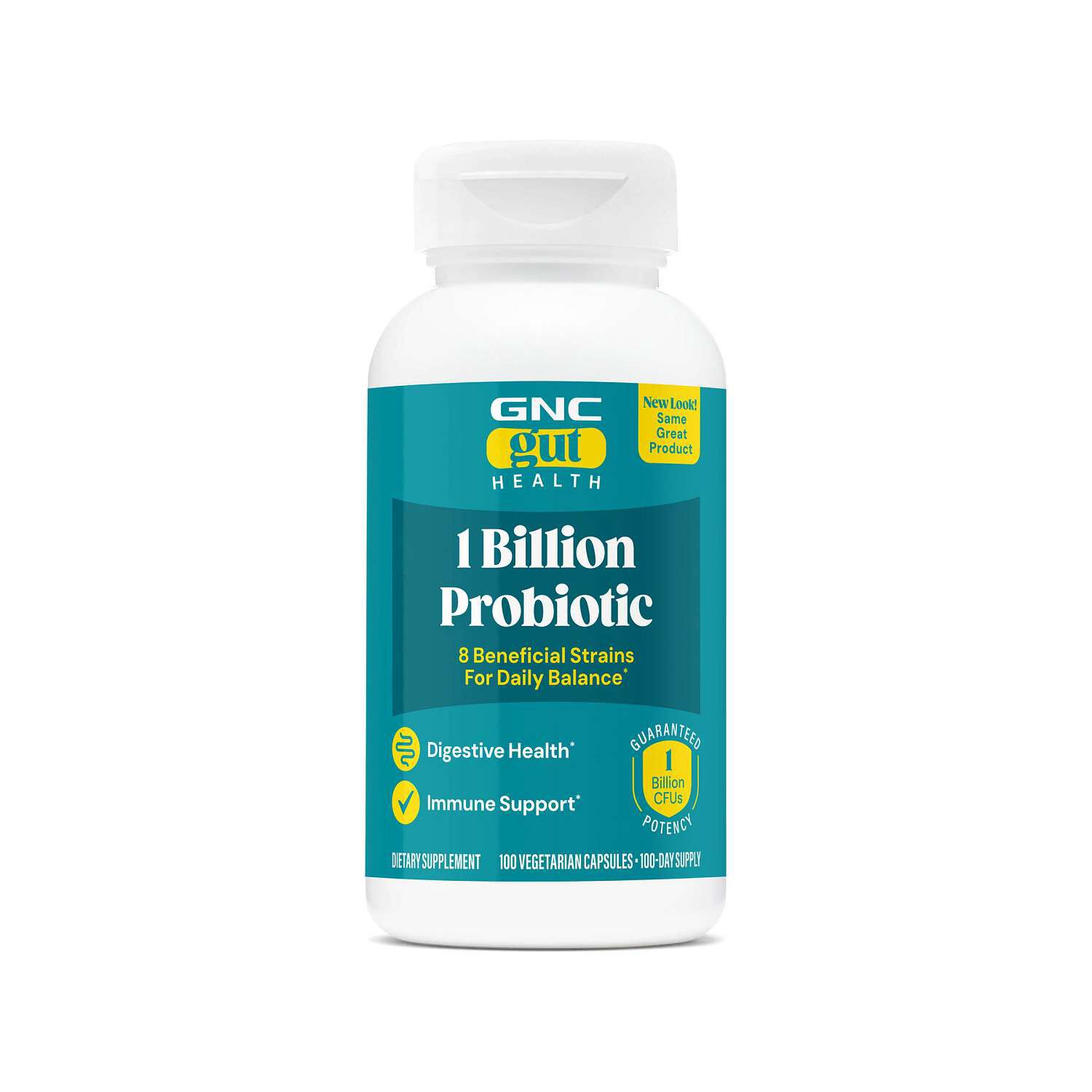

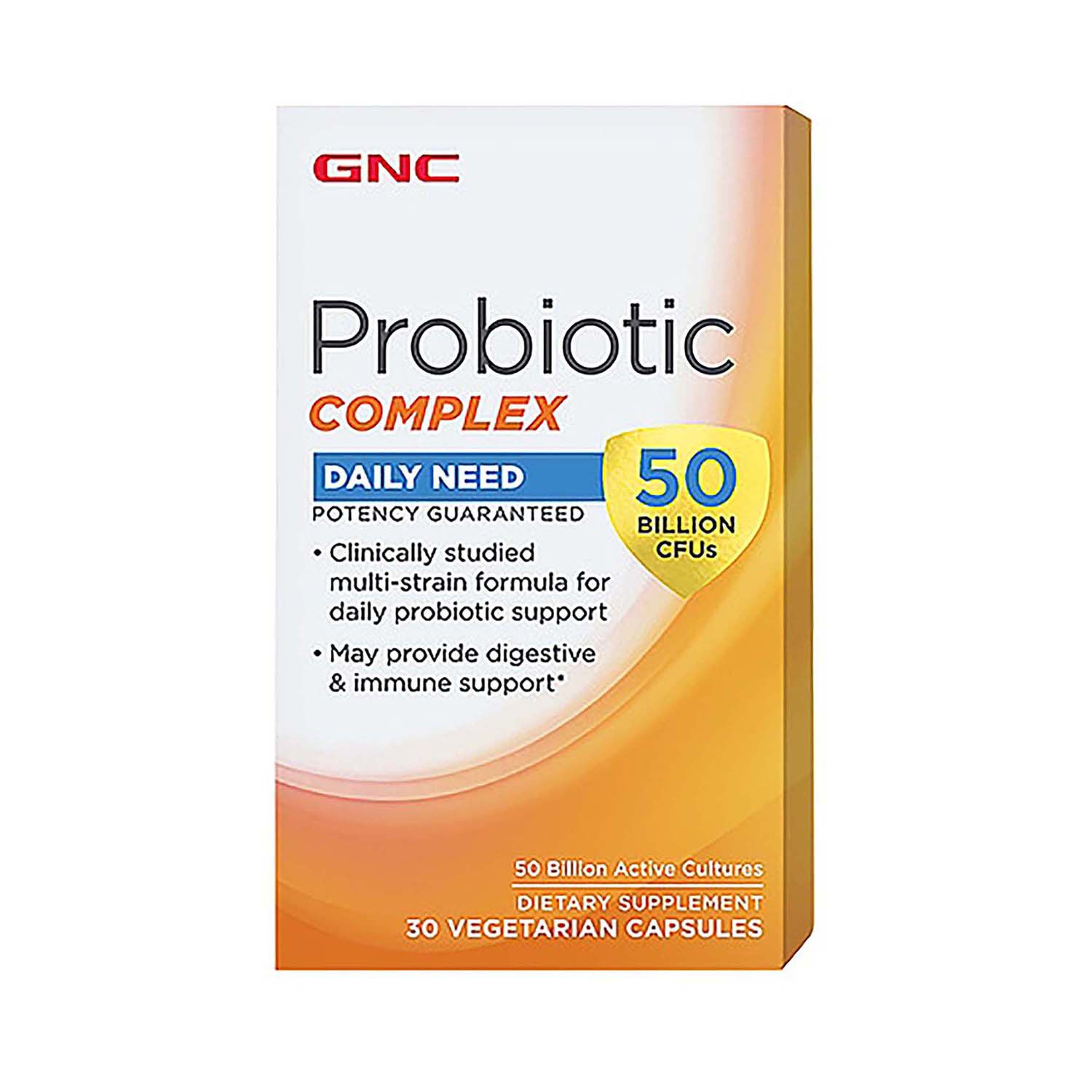
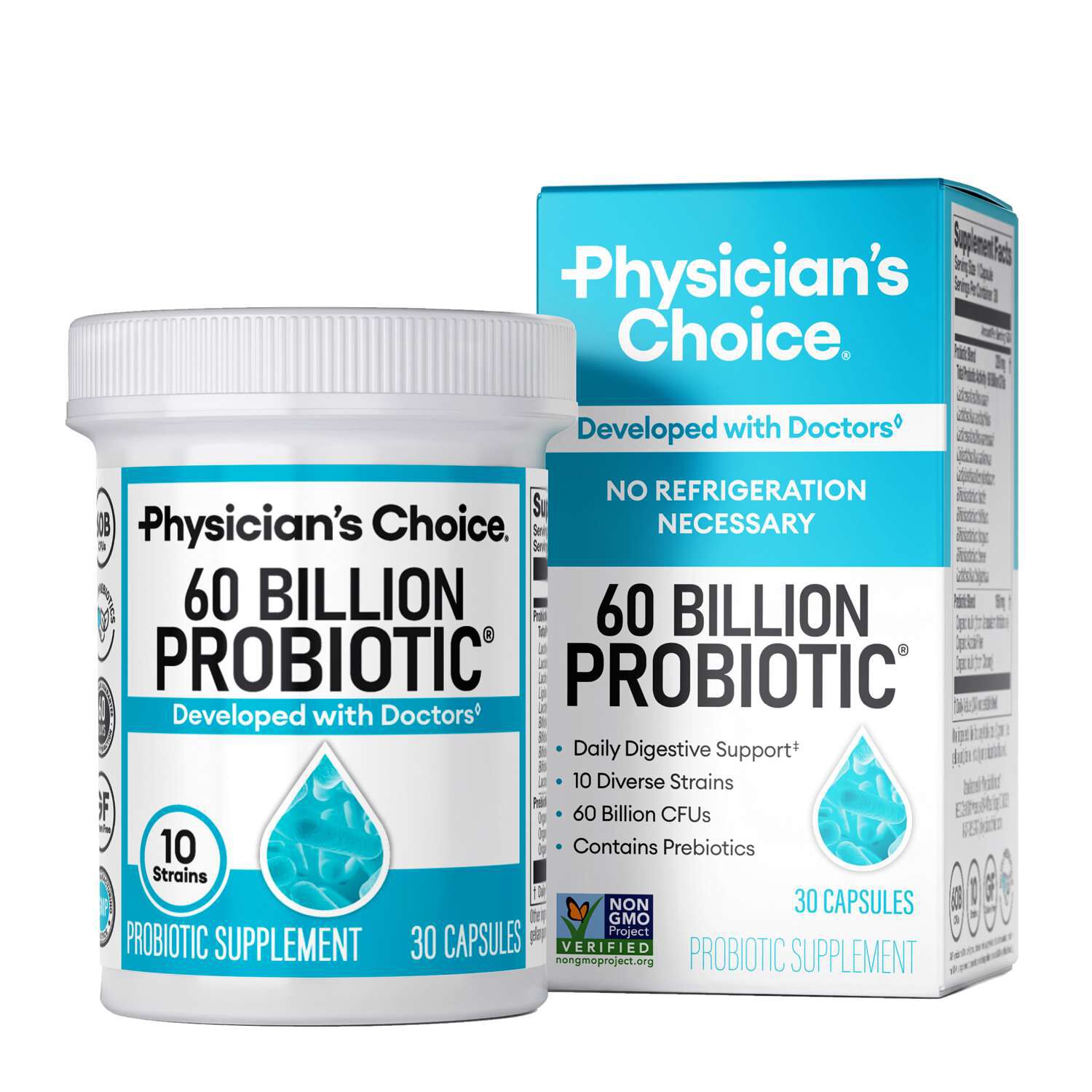
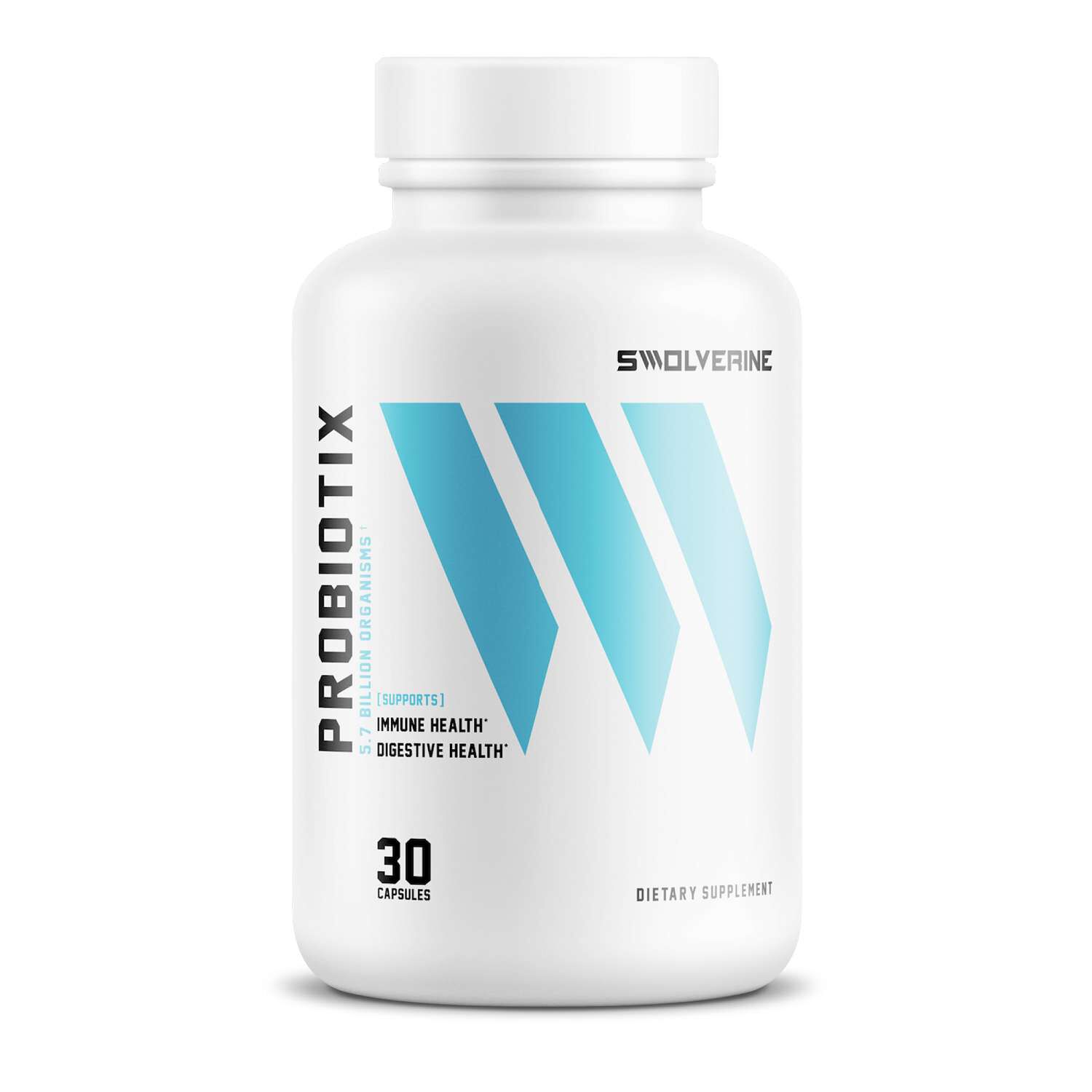
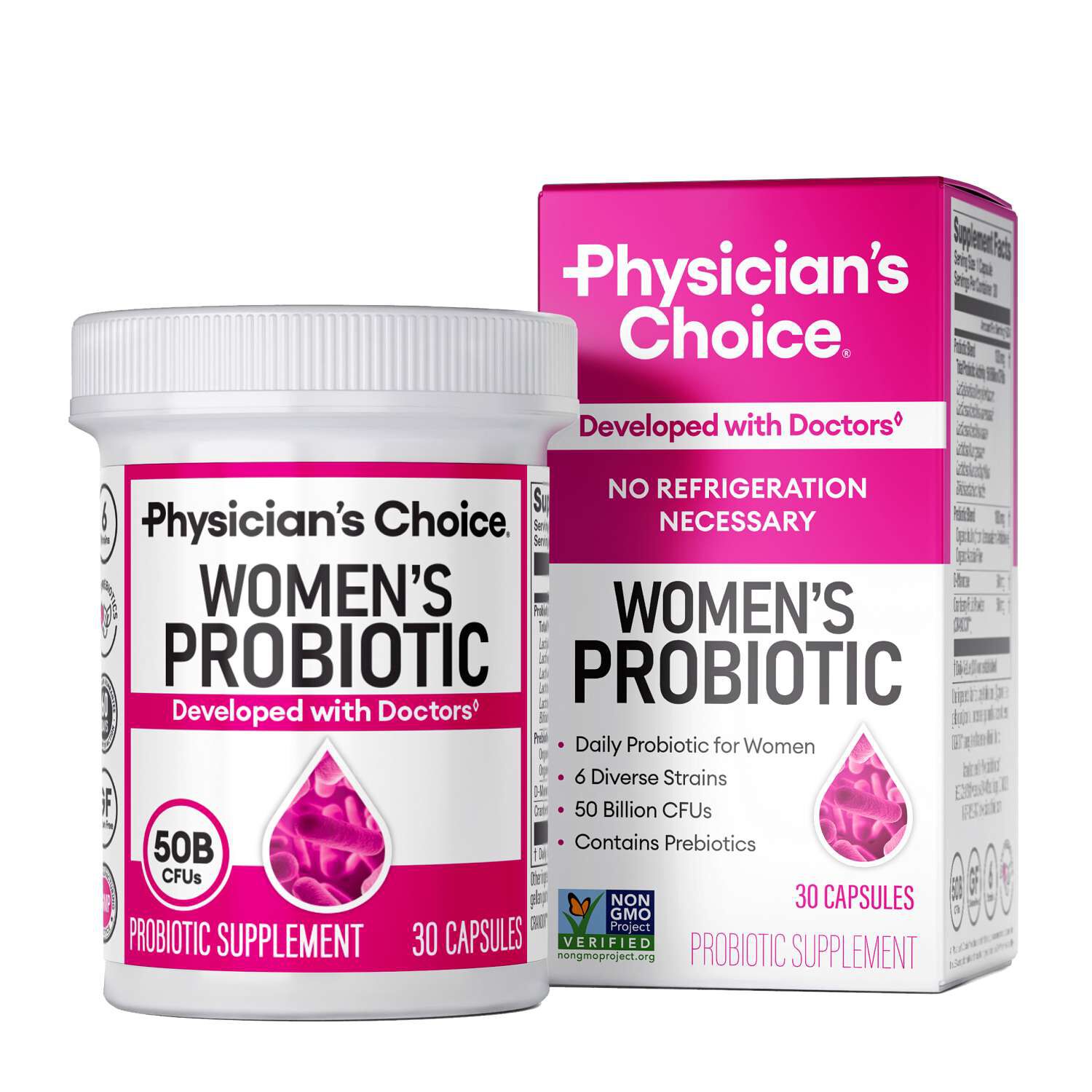
Probiotic supplements for healthy spring routines may support everyday digestive wellness alongside varied meals and familiar daily habits. Spring plans can mean packed lunches for a park outing, weekend travel, or a different rhythm around work and outdoor activities. A supplement format that suits those ordinary moments may be easier to incorporate than one that requires an inconvenient serving method or storage arrangement. Probiotics are live microorganisms, typically selected bacteria or yeasts, offered in capsules, powders, chewables, and other forms. The digestive tract naturally contains a diverse community of microorganisms, often called the gut microbiota. A probiotic supplement introduces particular microorganisms rather than supplying the same mix found in every fermented food. Names on a label can include a genus, species, and strain identifier; that final identifier distinguishes a particular strain from others with a similar name. Two formulas with comparable-looking labels can therefore have meaningful differences beyond the number printed on the front. Colony-forming units, commonly abbreviated as CFUs, describe the number of viable microorganisms capable of forming colonies under specified testing conditions. A higher CFU count does not automatically make a formula a better fit for a particular person or routine. Strain identity, serving size, intended audience, and handling requirements provide useful context for that number. Some labels describe viable counts at manufacture, while others state counts through the expiration date when stored as directed. Those details matter when comparing bottles that otherwise look alike. A serving may also consist of more than one capsule or chewable, so the amount per serving and the number of servings per container are distinct pieces of information. For shoppers considering probiotics as part of a spring wellness routine, these practical differences offer a clearer basis for comparison than a large number alone. Supplements are intended to complement eating habits, not replace the variety found in meals built around vegetables, fruit, beans, whole grains, and other familiar foods.
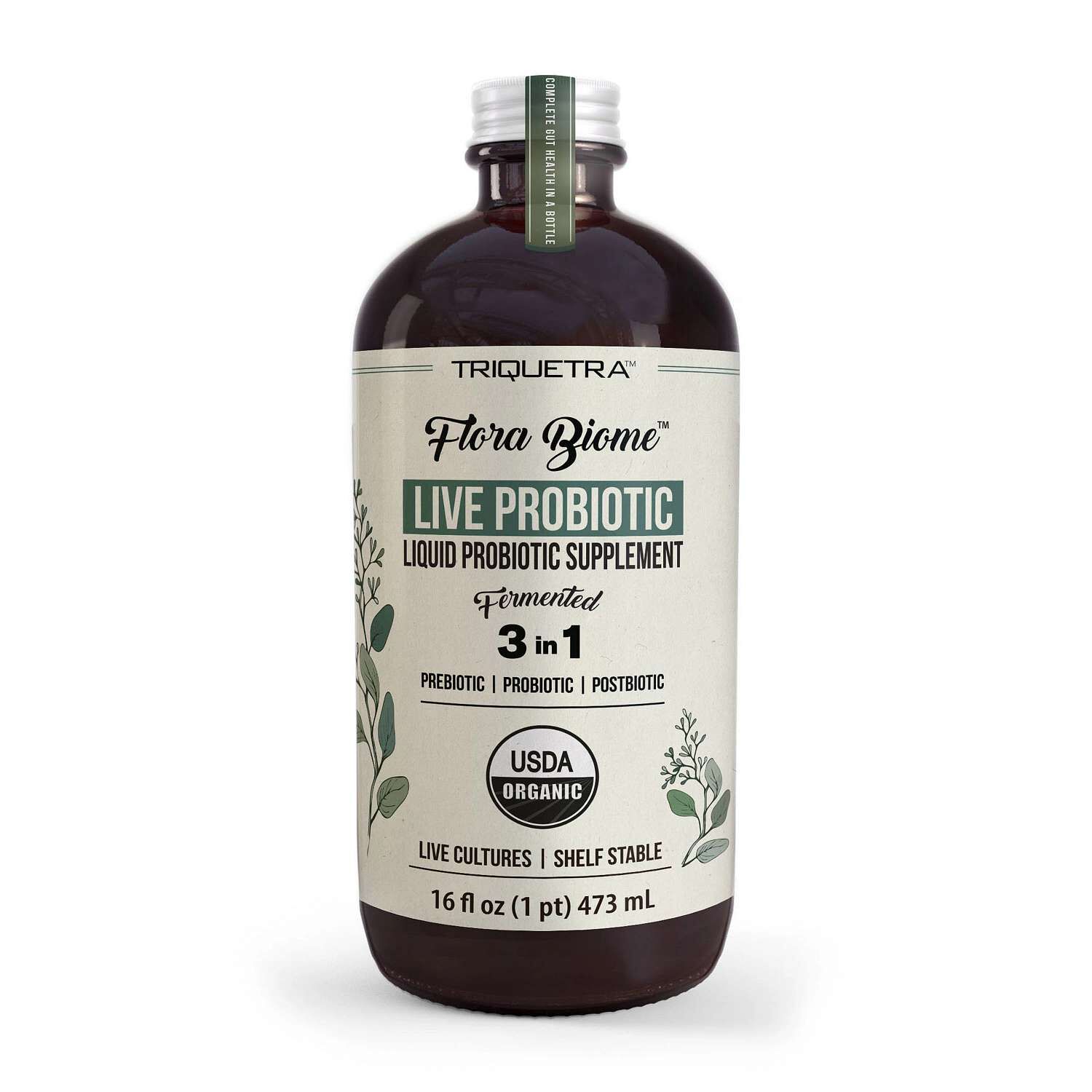
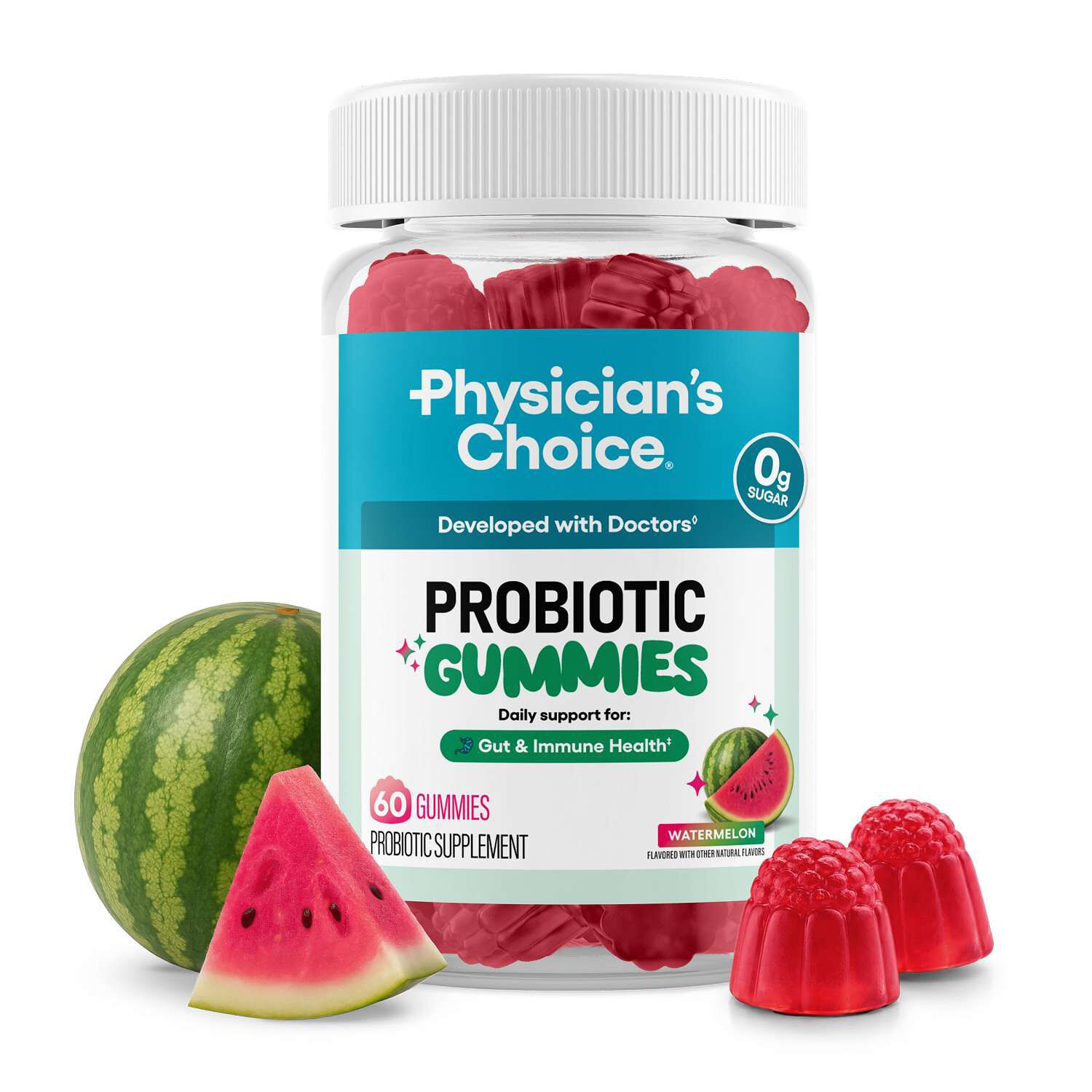
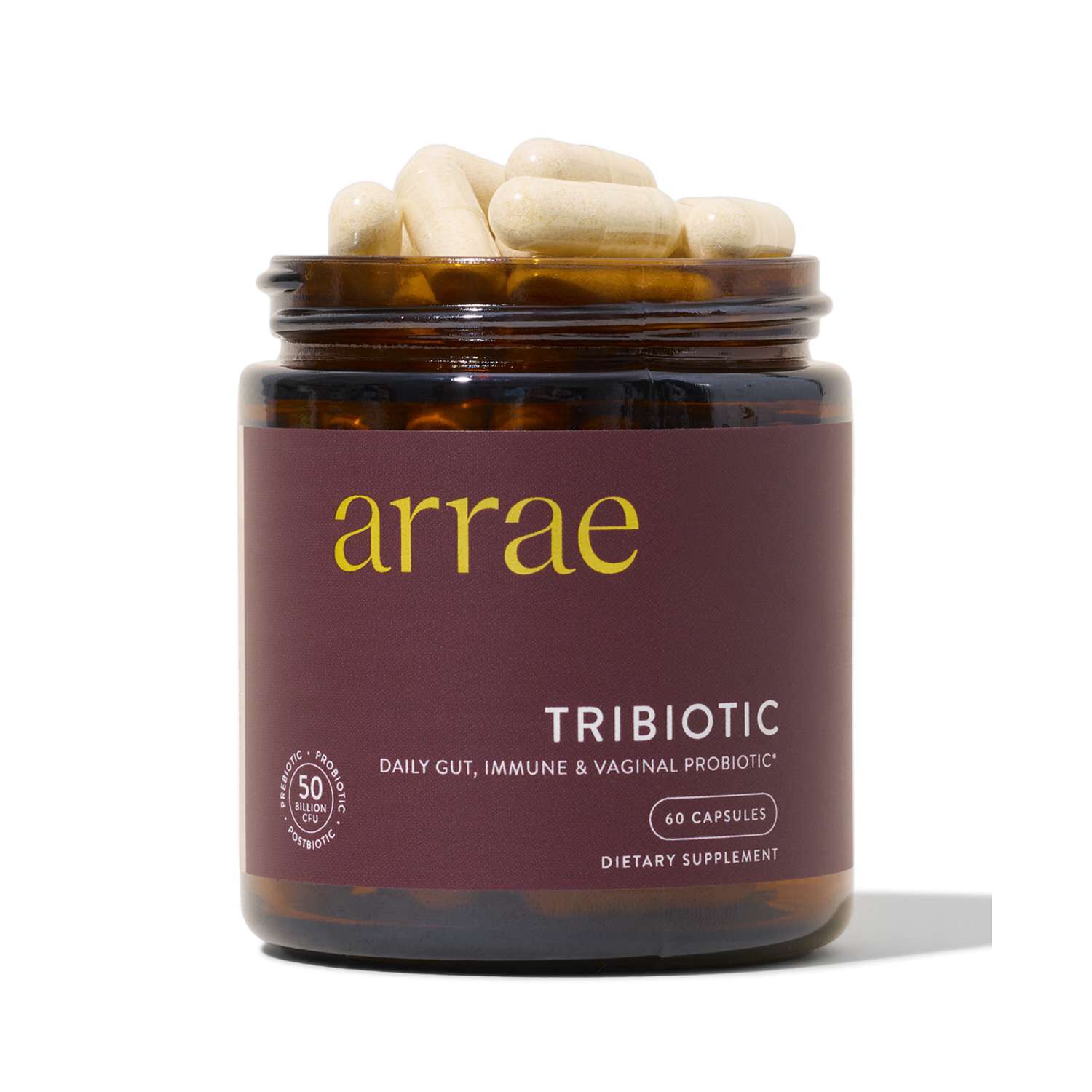
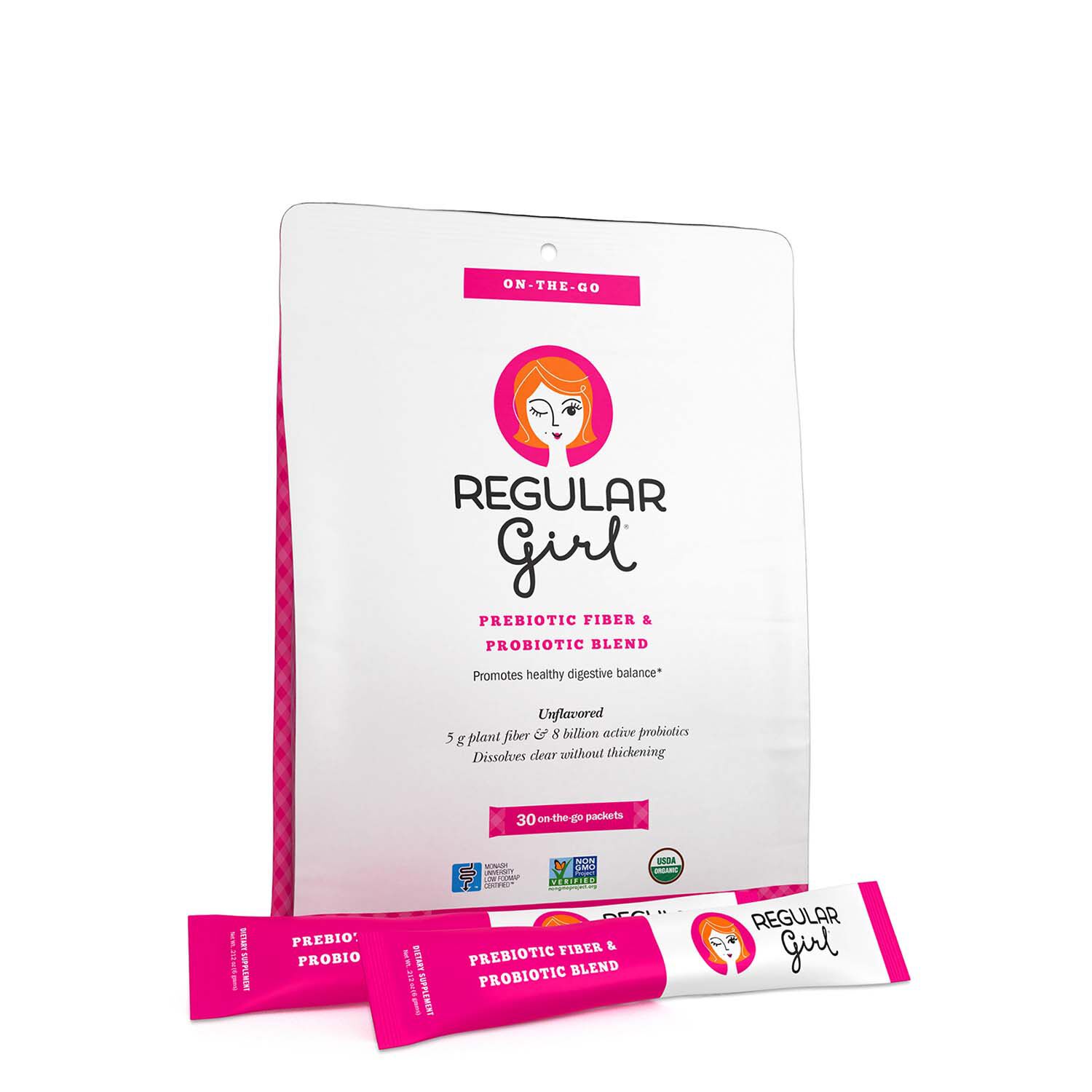
Format is another useful distinction among probiotic supplements, especially when spring routines include breakfasts at home on some days and a hurried departure on others. Capsules offer a compact format without a flavored chew or beverage, although capsule dimensions and shell ingredients vary. Someone who prefers a different swallowing experience might consider a chewable, gummy, or powder intended for that purpose. Chewables and gummies differ in texture, sweetness, serving size, and ingredients, making the Supplement Facts panel and ingredient list worth comparing rather than treating every format as equivalent. Added sugars, sugar alcohols, flavorings, and color ingredients can influence personal preferences. Capsule shells may contain gelatin or plant-derived materials, while other ingredients may serve as carriers or help maintain the form of the supplement. Vegetarian or vegan labeling can be relevant to shoppers who follow those eating patterns, and allergen statements provide additional information about ingredients such as milk or soy. A powder may suit someone who already prepares a morning drink or a bowl of yogurt, provided its directions allow that method of use. Mixing instructions can specify suitable foods, liquids, or temperatures, and those instructions vary by formula. An individually packaged serving has different handling considerations from a container that requires measuring with a scoop. Neither format is universally preferable; the distinction is how it fits the intended use. Ingredient descriptions may also mention prebiotics or postbiotics, which are not interchangeable with probiotics. Prebiotics are substances used by certain microorganisms, whereas probiotics are live microorganisms themselves. Postbiotics refer to preparations of inactivated microorganisms or their components. Some supplements combine these categories, making the full ingredient panel more informative than a short front-label description. A capsule taken according to its directions, a labeled powder serving mixed into an appropriate food, and a chewable used as directed each represent a different experience, even when the broader purpose is similar. Adult and children’s formulas also have different intended audiences, so age guidance belongs among the basic details considered before choosing a supplement.
Storage and handling deserve attention because probiotic supplements contain living microorganisms, and their care requirements can differ. Some formulas are labeled for room-temperature storage, while others require refrigeration. Shelf-stable does not mean suitable for every location: a bottle beside a steamy shower, on a sunny windowsill, or inside a parked car may be exposed to conditions outside its labeled storage directions. A dry cabinet away from heat may suit a room-temperature formula when consistent with its instructions. Refrigerated formulas have different considerations for trips, errands, and overnight stays. The original packaging can provide protection from moisture and exposure, whether that packaging is a bottle, blister pack, or sealed packet. Closing containers securely, leaving any included moisture-control packet where directed, and checking the expiration date are practical parts of caring for the supplement. For spring travel, the difference between a weekend bag and a longer road trip can make packaging and storage instructions particularly relevant. A labeled container also keeps the serving directions, ingredient information, and storage details close at hand rather than separated from the supplement. At home, a familiar place near an established daily habit may make the routine less cumbersome, provided that location meets the storage requirements. Timing should follow the particular label rather than a blanket rule that every probiotic belongs with breakfast or on an empty stomach. Directions may differ on whether a serving accompanies food, how a powder is prepared, or how many capsules make up a serving. There is no need to assume that combining several probiotic formulas creates a better match; their ingredients and intended uses can overlap. For routines that extend beyond spring, Probiotic Supplements for Summer Gut Health offers a related seasonal collection to explore. Across either season, the most useful comparisons remain concrete: the organisms identified on the label, the serving format, dietary preferences, expiration information, and the storage conditions that everyday life can realistically accommodate. Those details keep the focus on a supplement’s intended use and how it fits alongside meals, travel plans, and a manageable daily routine.
Best Sellers
-
Physician's Choice
Related Pages



Top Collections
- Zinc Supplements | Top Brands at Great Prices | GNC
- Cortisol Supplements
- NAD+ Supplement Tablets
- Top Rated Collagen | Shop Customer Favorites | GNC
- Best Brand of Magnesium Glycinate
- Peptide Supplements
- Iron Supplements
- Protein Powders For Muscle Growth Support
- Vitamins That Help Support Weight Gain
- Peptide Supplements for Muscle Growth