





Probiotic Supplements For Autumn Health
(0 Results)
Probiotic supplements for autumn health could be a thoughtful addition to your seasonal wellness routine. As the air turns crisp and routines shift, many people look for ways to support their bodies during the transition. Probiotic supplements for autumn health are designed to fit into your daily regimen, offering an easy way to prioritize your well-being as the seasons change. Explore a variety of options that may help you feel your best throughout the fall months.
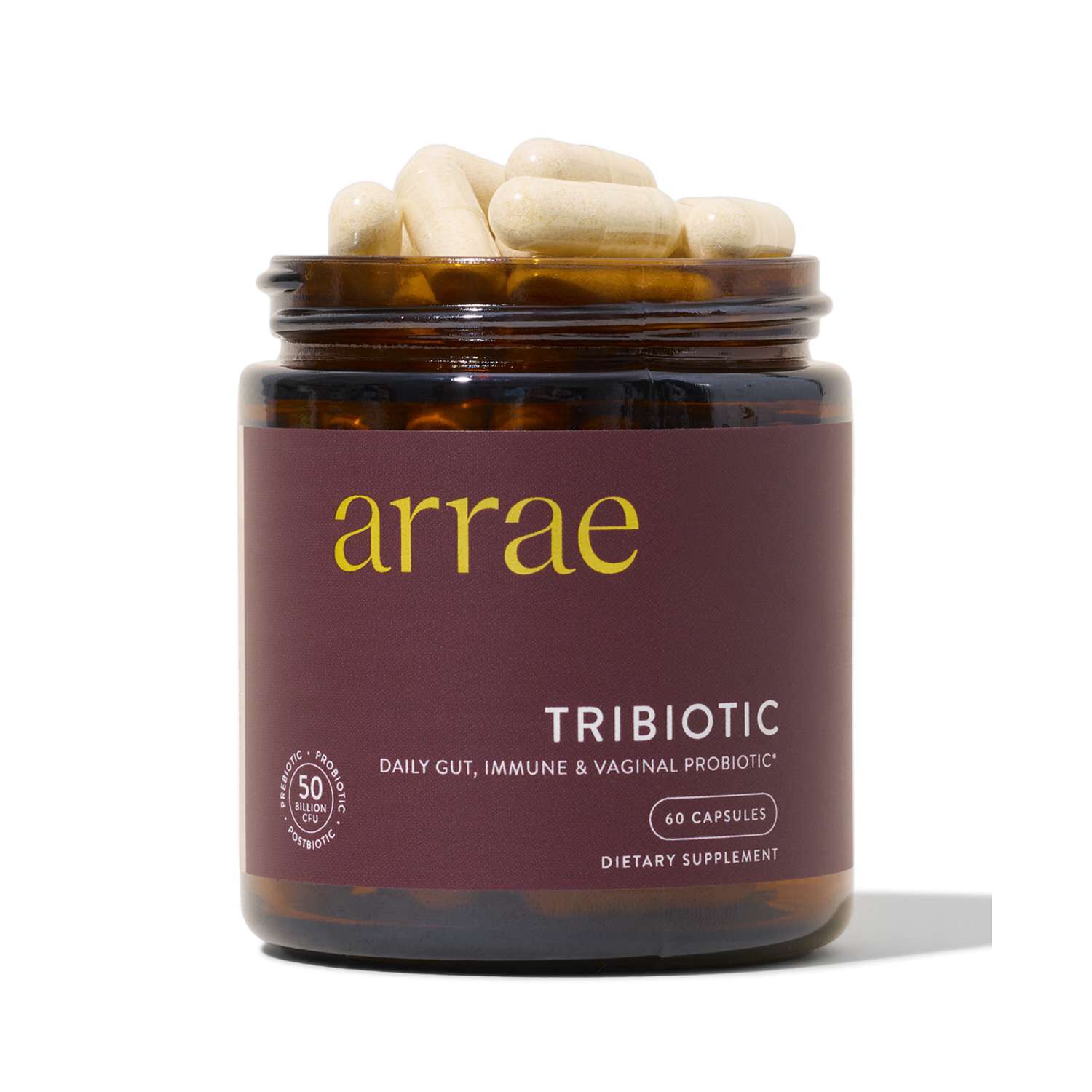
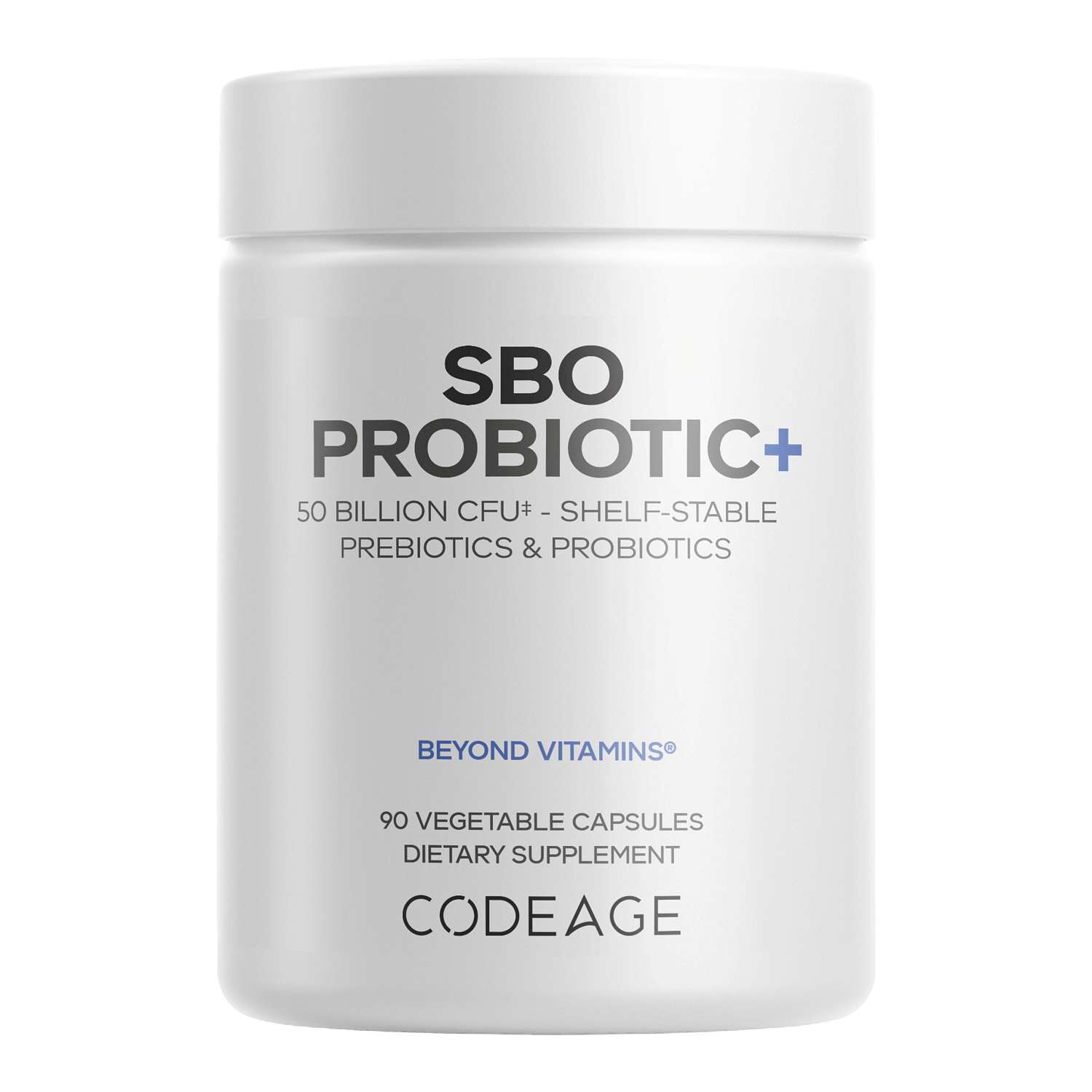


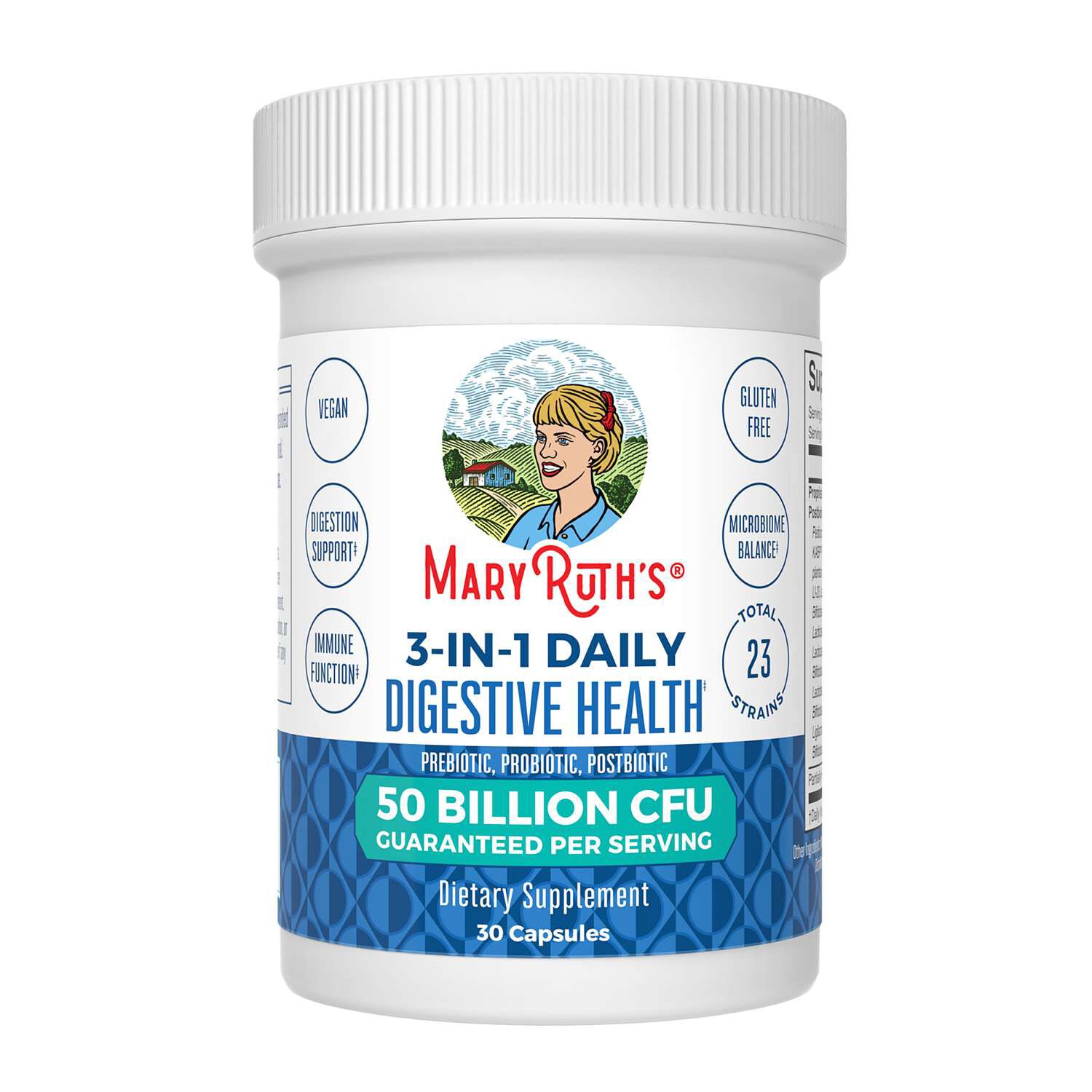
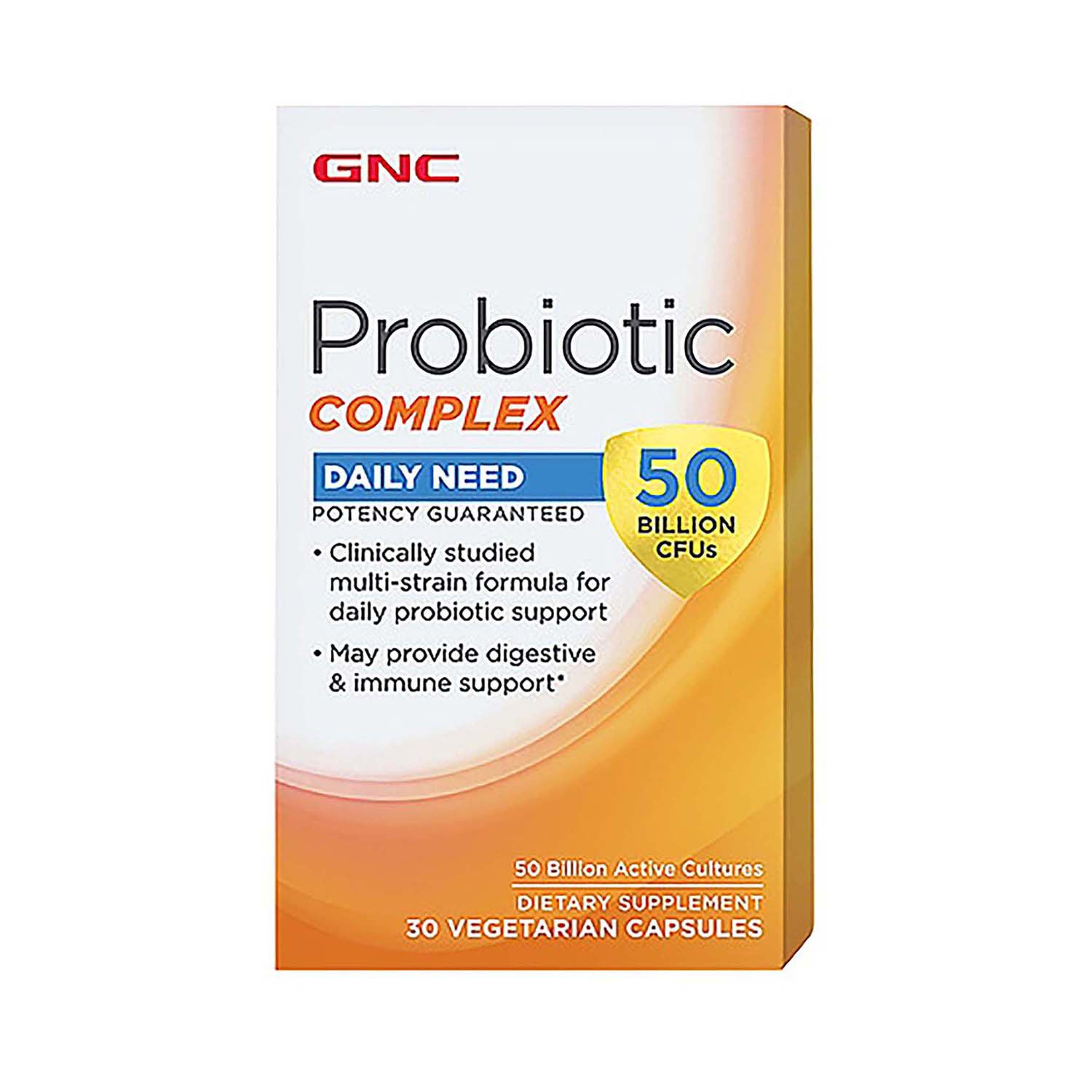
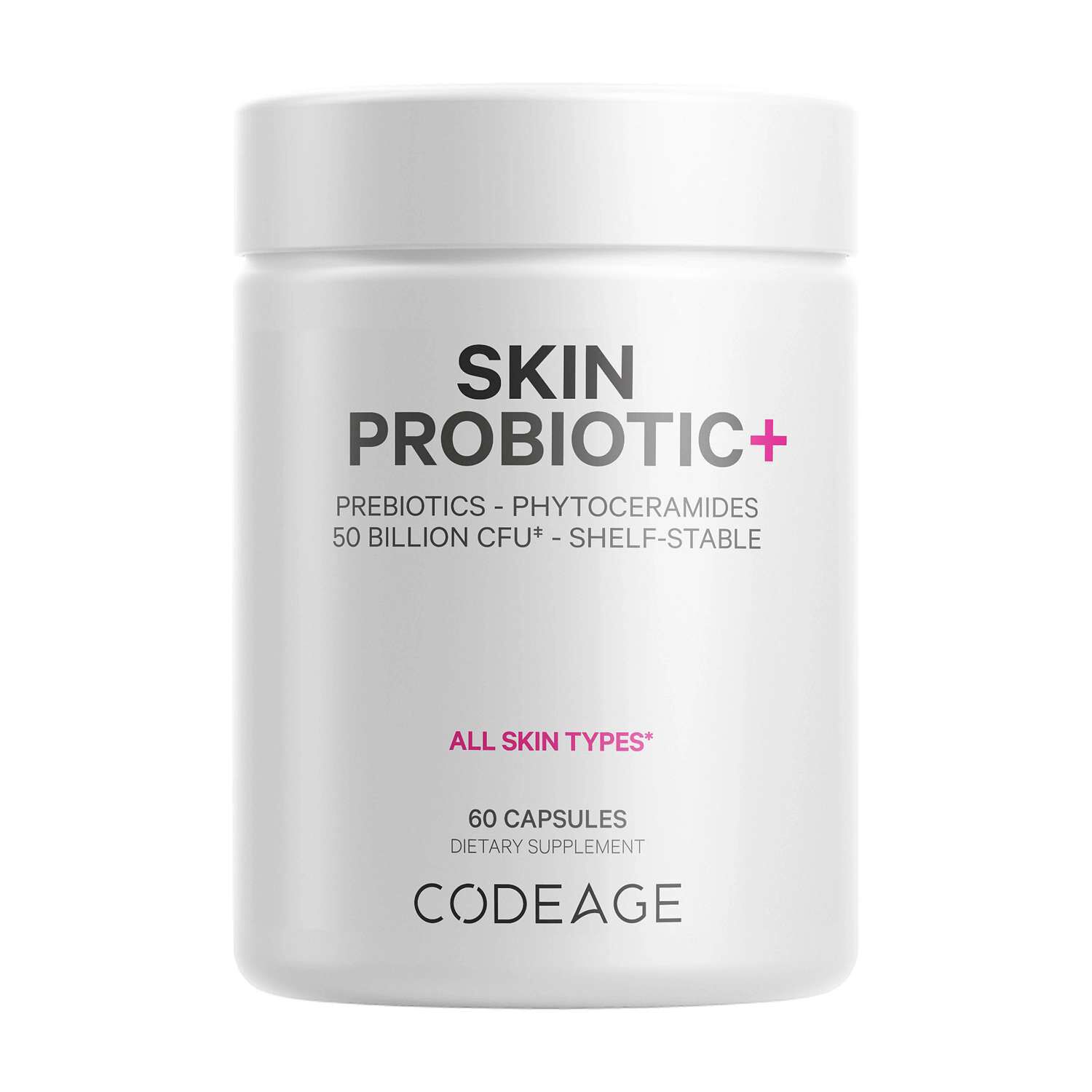

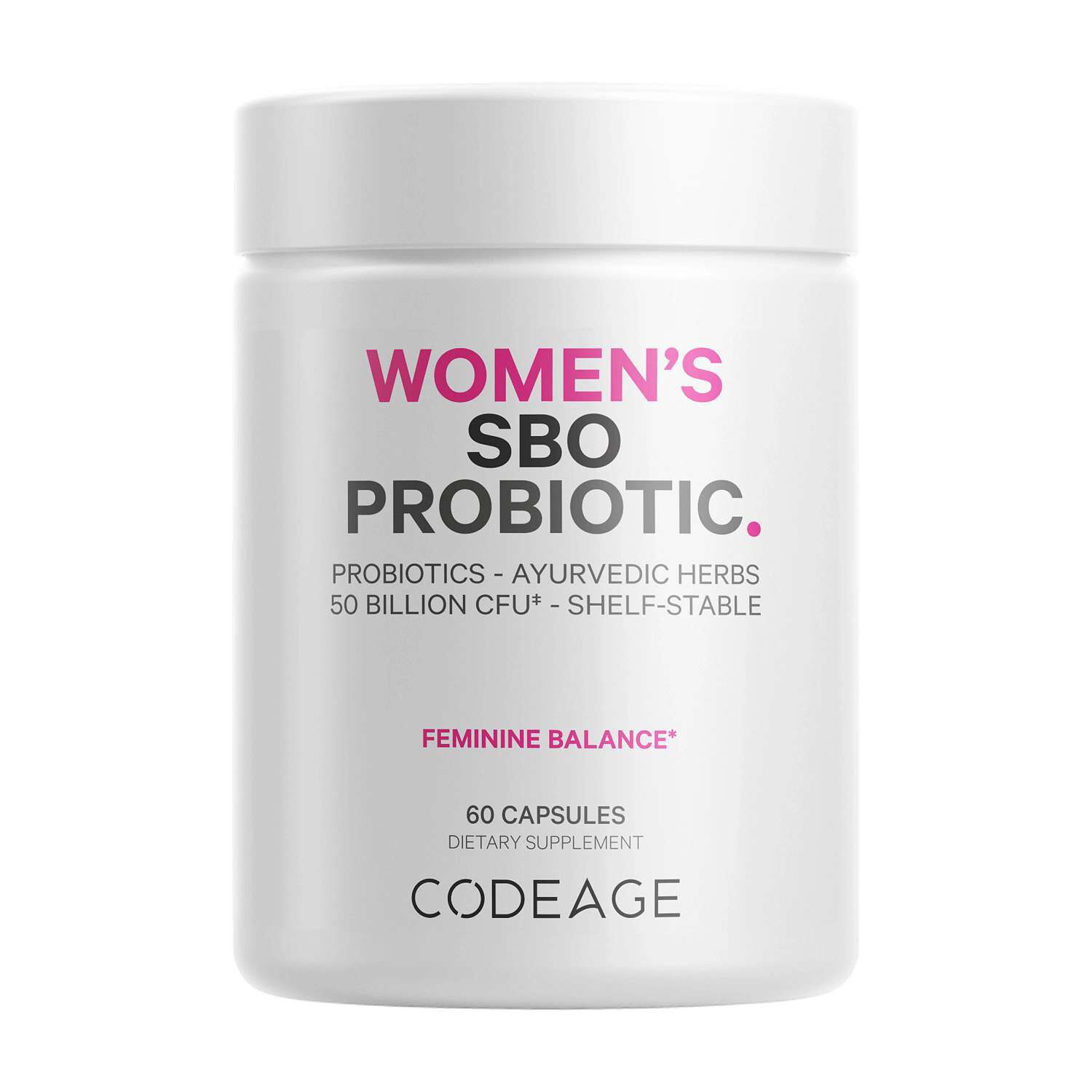
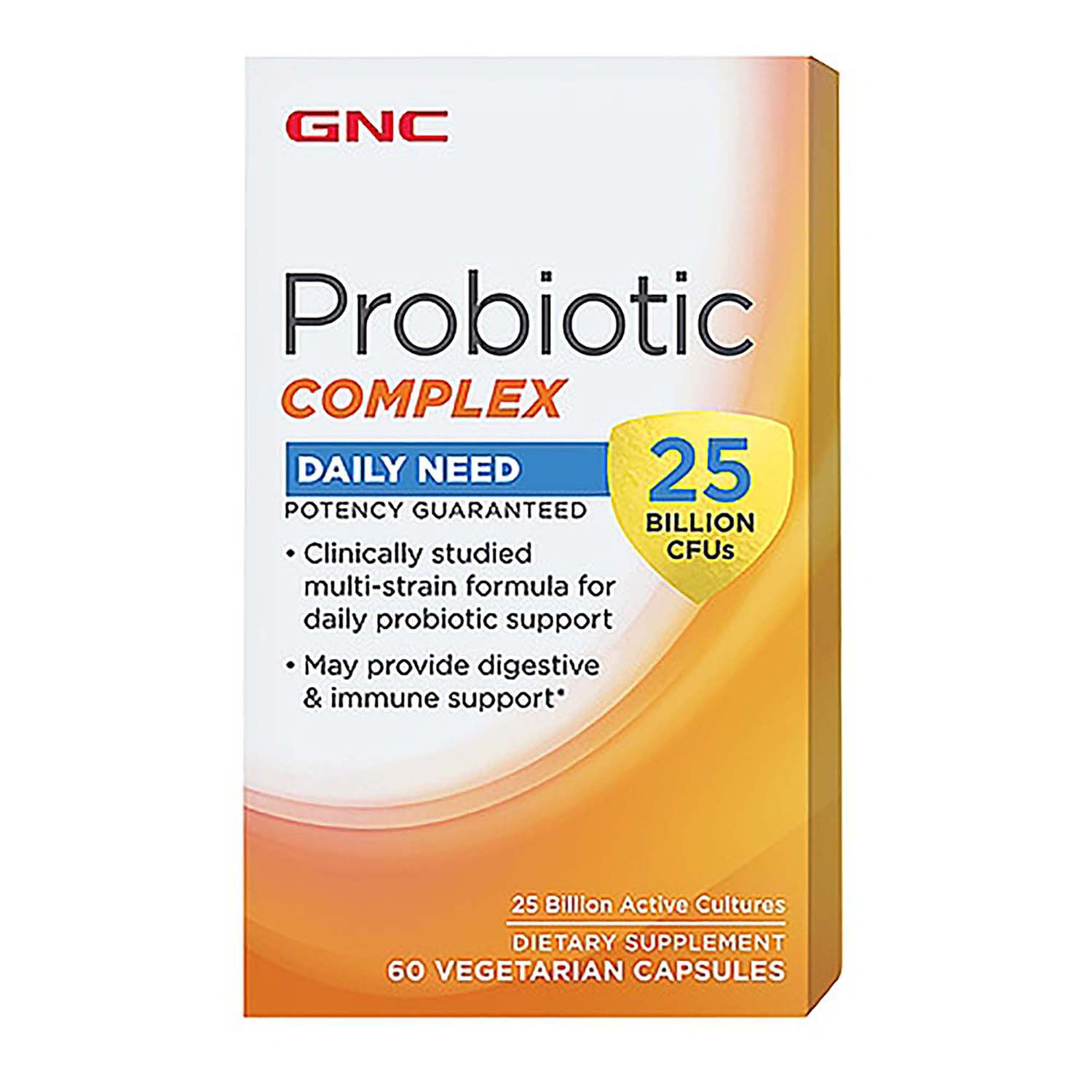

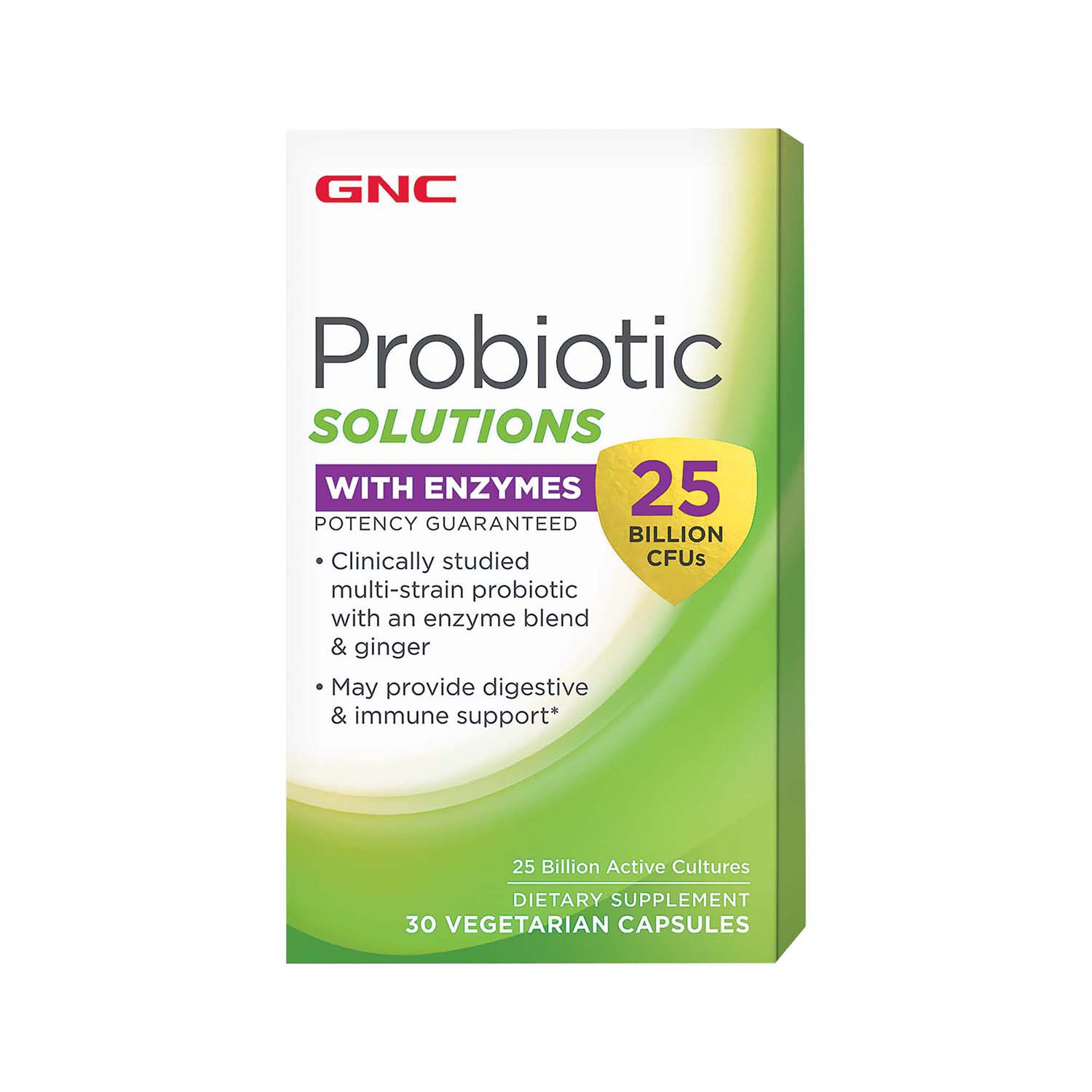


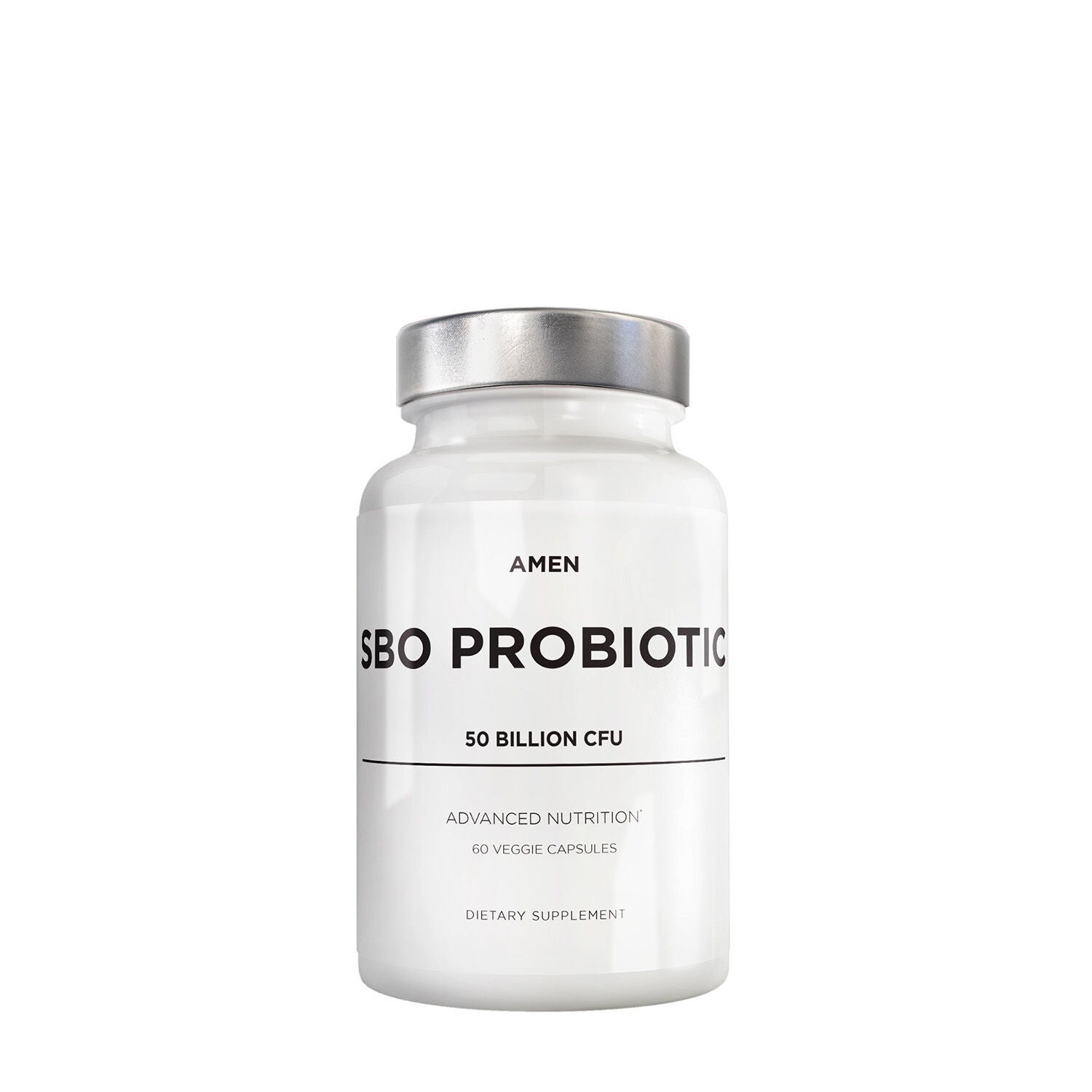
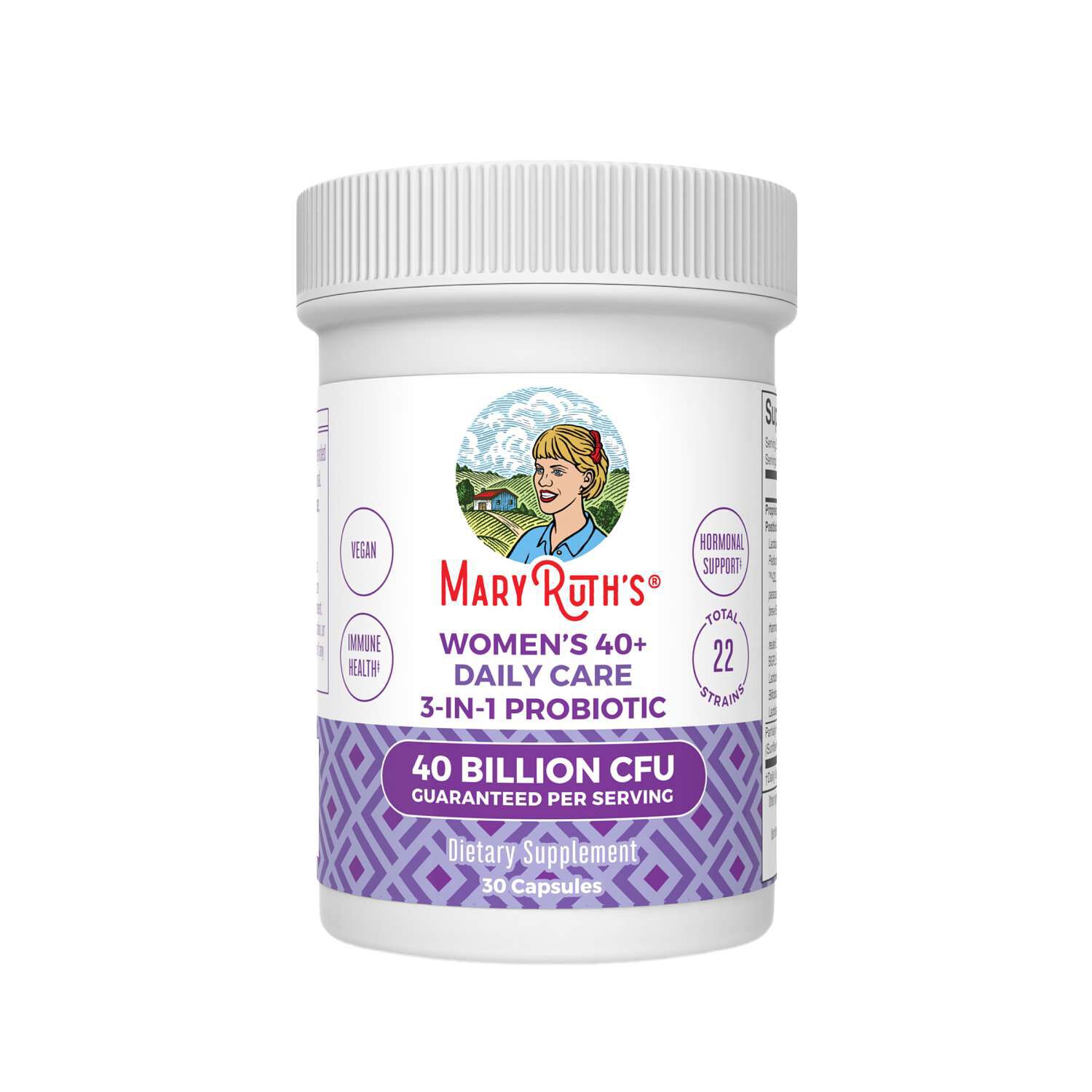

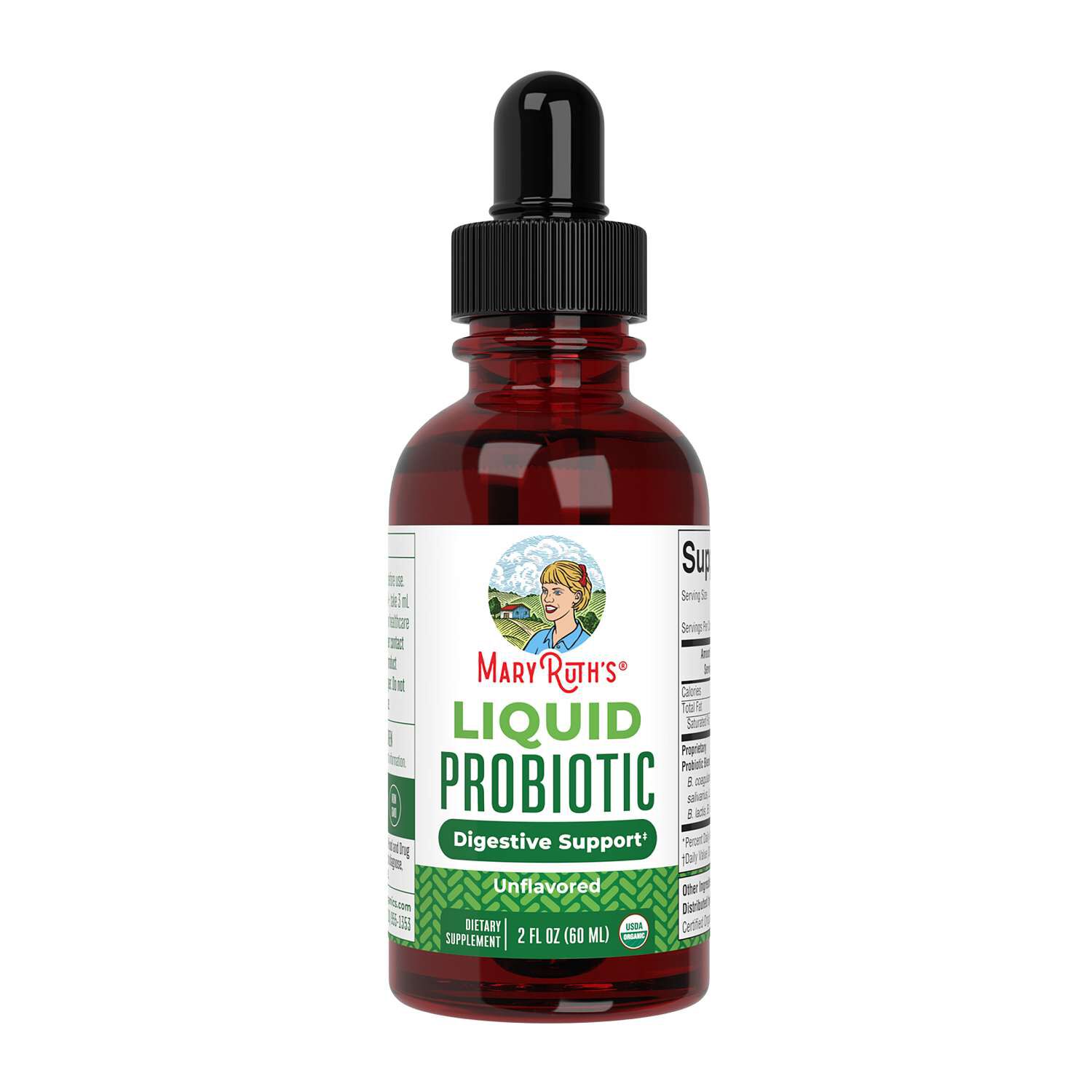
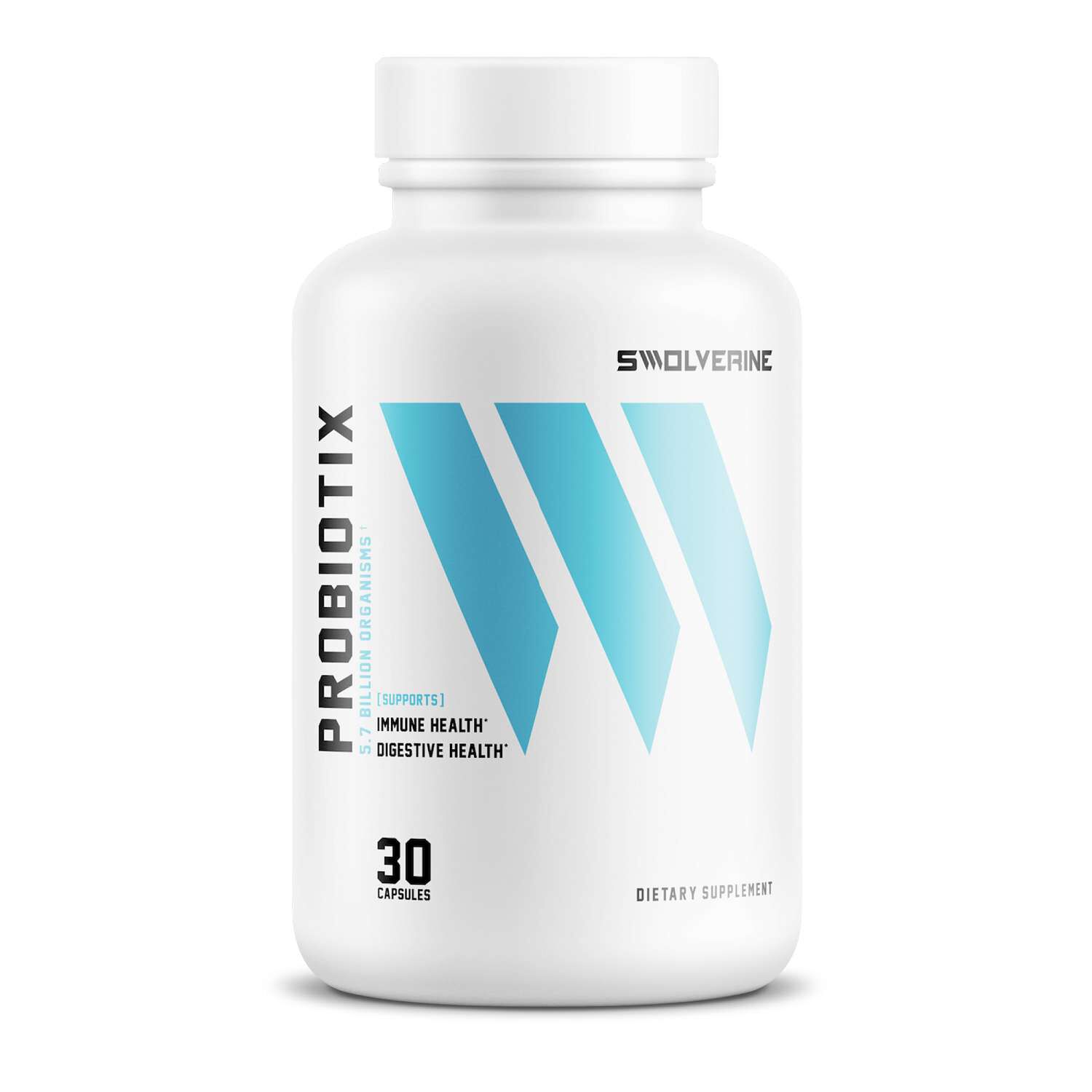

Probiotic supplements for autumn health are a category of dietary supplements centered on live microorganisms, often identified on packaging as live cultures. Many formulas contain bacteria from groups such as Lactobacillus and Bifidobacterium, while others contain certain yeasts. These names describe different kinds of microorganisms, not interchangeable ingredients, so the culture information on a label matters more than a seasonal description alone. Autumn provides a familiar setting for considering everyday routines: breakfasts before school drop-off, lunches packed for the office, weekend trips, and gatherings built around favorite foods. A probiotic supplement may fit into that routine, but the season itself does not determine which formula is appropriate for a particular person. The more useful distinctions are the intended age group, the serving format, the ingredients, and the labeled directions. Someone who prefers a capsule with breakfast may have different priorities from an adult who wants a powder that can be mixed as directed. A person packing for an overnight visit may place more emphasis on storage requirements and portable packaging. These are practical differences rather than reasons to expect a particular outcome. Probiotic supplements also differ from fermented foods, even though both categories may involve live cultures. Yogurt, kefir, and other fermented foods have their own ingredients, preparation methods, and serving sizes; their culture content is not automatically equivalent to that of a supplement. Within a varied eating pattern, supplements remain a separate product category rather than replacements for meals. For autumn shopping, that distinction keeps the focus on what a formula actually contains and how it is intended to be used, rather than on broad seasonal language. It also leaves room for individual preferences, whether the goal is a straightforward ingredient list, a familiar serving format, or packaging that fits neatly into an established daily schedule.
Culture names and colony-forming unit information are two of the most useful details for comparing probiotic supplements. A label may identify a genus, a species, and a strain designation, with each part adding specificity to the microorganism’s identity. Two formulas that share a broad bacterial group can still contain different strains, so similar wording on the front of the package does not necessarily mean similar contents. Colony-forming units, usually abbreviated as CFUs, describe the number of viable microorganisms capable of forming colonies under specified testing conditions. The number is commonly expressed in millions or billions, but a larger count alone does not establish that a formula is a better match for an individual. The serving size and the point in the product’s shelf life to which the stated count applies are also meaningful label details. Some packages describe culture counts at manufacture, while others state a count through the expiration date under specified storage conditions. Those statements are worth distinguishing rather than treating every prominent number as directly comparable. A formula may contain one strain or several, and the number of strains is another descriptive feature rather than a simple ranking system. Other ingredients can vary just as much. Some probiotic supplements include prebiotic ingredients such as inulin or other dietary fibers; these are different from the live cultures themselves. Sweeteners, flavorings, capsule materials, and ingredients used to carry or stabilize the cultures may also appear in the ingredient list. For shoppers with dietary preferences or ingredient restrictions, the full label provides more detail than the product format alone. A capsule shell may be made with gelatin or plant-derived material, while a chewable or gummy may contain added sugars, colors, or flavorings. Milk or soy ingredients may also matter to some households. The distinction between an amount per capsule and an amount per serving deserves attention as well, since a labeled serving can contain more than one piece. Together, these details create a more grounded comparison than front-label numbers or seasonal imagery.
Format, packaging, and storage bring those label details into everyday life. Capsules, chewables, gummies, and powders offer different textures and handling requirements, and personal preference may influence which format fits comfortably into an established routine. A powder requires attention to its mixing directions, while a capsule has its own instructions for use. Neither format should be assumed to work the same way as another simply because both contain probiotics. Storage is especially relevant because these products contain live microorganisms. Some formulas require refrigeration, while others are labeled for storage at room temperature; shelf-stable does not mean suitable for every environment. A kitchen windowsill, a steamy bathroom cabinet, and a car parked in direct sunlight present different conditions from those specified on many supplement labels. The original container, a securely closed lid, and any included moisture-control packaging are part of the product’s storage system. Expiration dates and package integrity matter alongside the ingredient information, particularly when a bottle travels between home, work, and a weekend destination. For a fall road trip or an extended family visit, the practical consideration is whether the labeled storage conditions can be maintained throughout the journey. Individually packaged servings and bottles also have different handling needs, so convenience depends on the packaging as well as the serving format. Within a household, each person’s intended-use information remains relevant; an adult formula is not automatically interchangeable with an age-specific option. Seasonal browsing can extend beyond autumn without assuming that a change in the calendar calls for a change in formula. The related collection of probiotic supplements for summer immune support offers another seasonal context for comparing this category. Across those contexts, the most informative distinctions remain concrete: clearly identified cultures, understandable serving information, ingredients that align with personal preferences, and storage requirements suited to everyday life. Those details give autumn probiotic supplements their practical context, whether the routine involves a quiet breakfast at home or a carefully packed bag for a few nights away.
- Q: Why consider taking probiotic supplements during autumn?
A: Autumn often brings changes in weather and routine, which can impact your digestive and immune systems. Probiotic supplements may help support gut health, which is closely linked to overall wellness, especially during seasonal transitions. - Q: How do probiotic supplements support wellness in the fall?
A: Probiotic supplements help maintain a healthy balance of good bacteria in your digestive tract. This balance can be beneficial as your body adapts to cooler temperatures, dietary changes, and increased exposure to seasonal challenges. - Q: Can probiotic supplements be taken with other autumn wellness products?
A: Yes, probiotic supplements are commonly taken alongside other autumn wellness products such as multivitamins or immune-support formulas. Always consult with a healthcare professional for personalized advice on combining supplements. - Q: Are there specific strains of probiotics that are popular for autumn health?
A: Some probiotic strains, like Lactobacillus and Bifidobacterium species, are popular choices for supporting digestive and immune health throughout the year, including autumn. Look for blends that suit your individual needs. - Q: How should probiotic supplements be stored during the cooler months?
A: Many probiotic supplements are shelf-stable and can be stored at room temperature away from moisture and direct sunlight. However, always check the product label for specific storage instructions to maintain potency.
Best Sellers
-
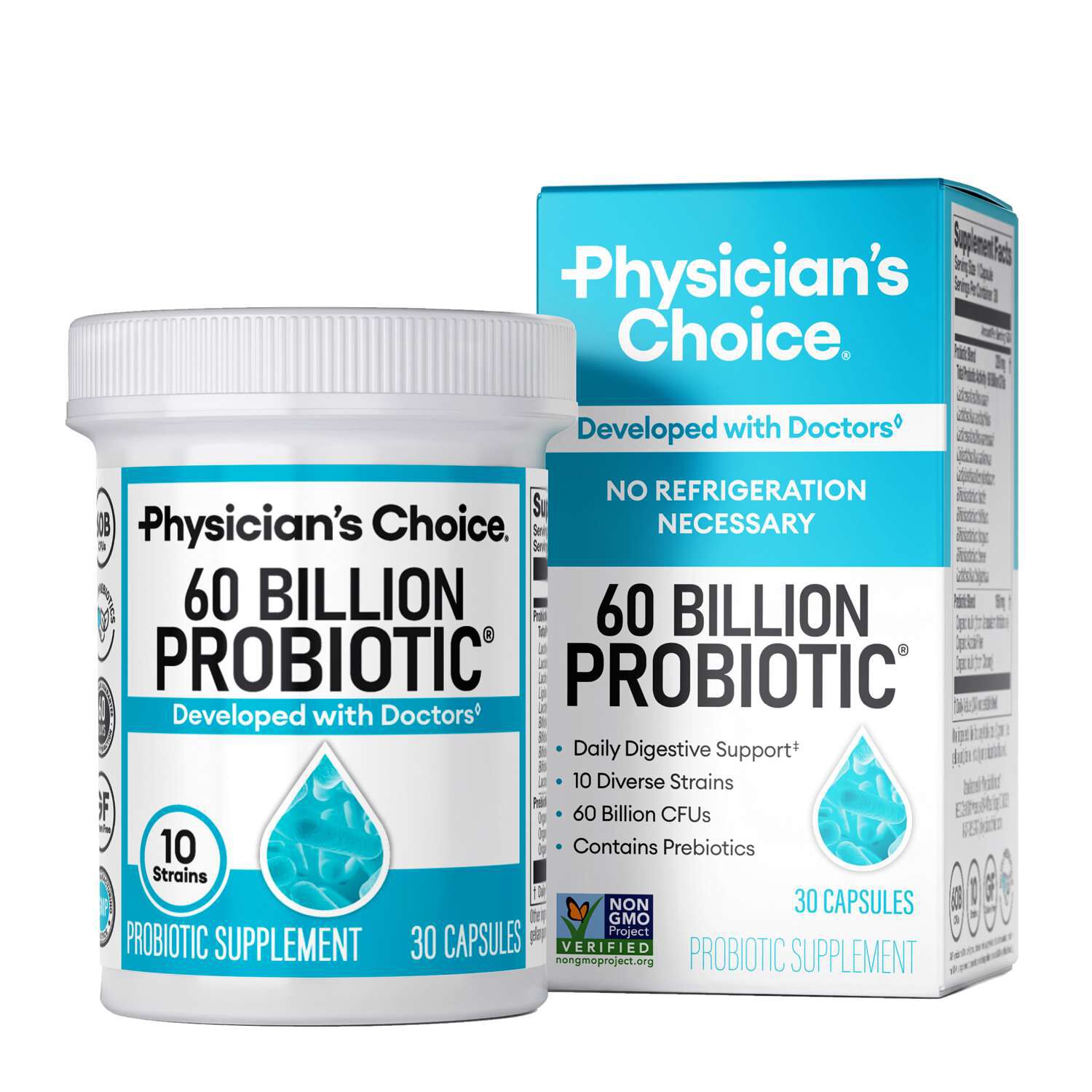 Physician's Choice
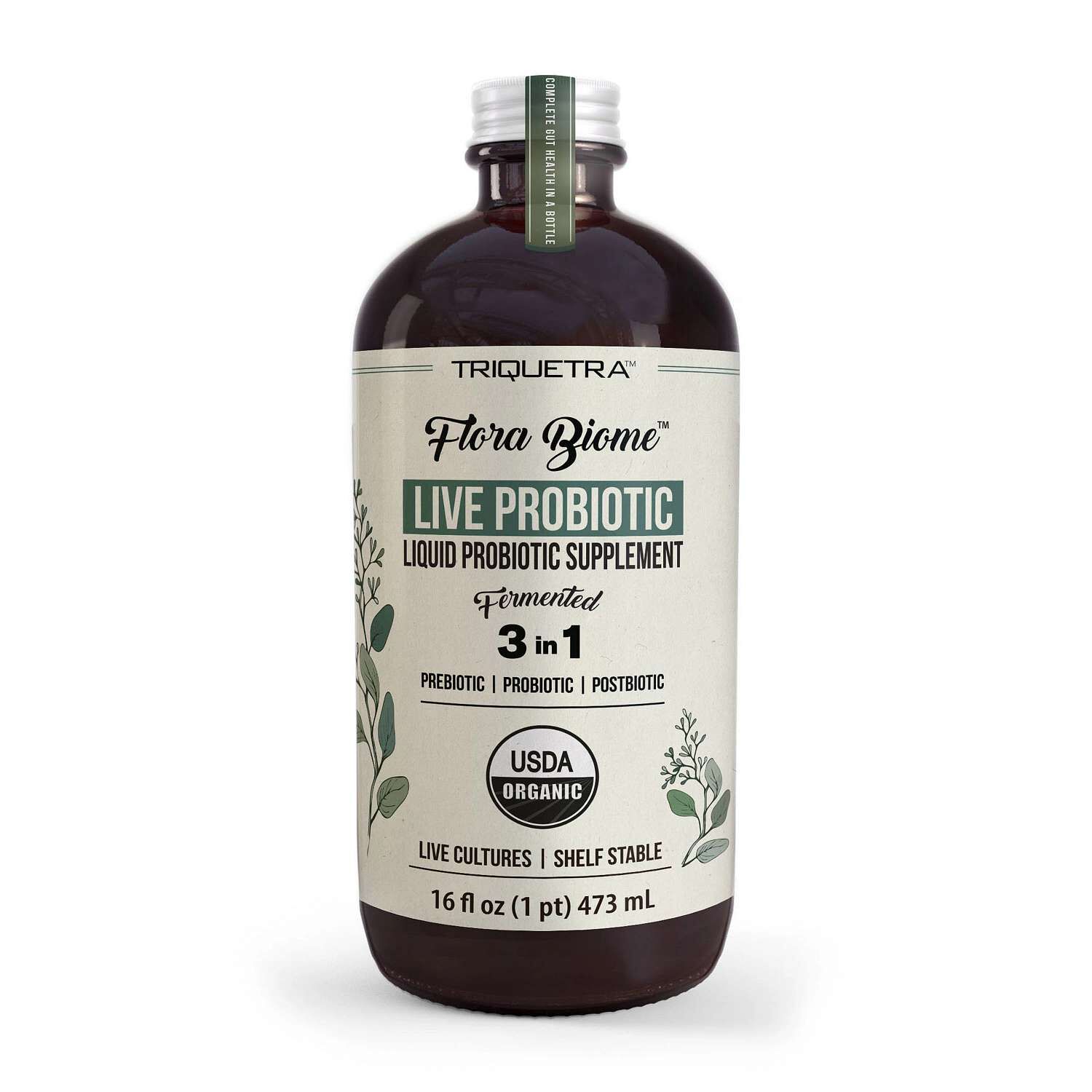
Related Pages
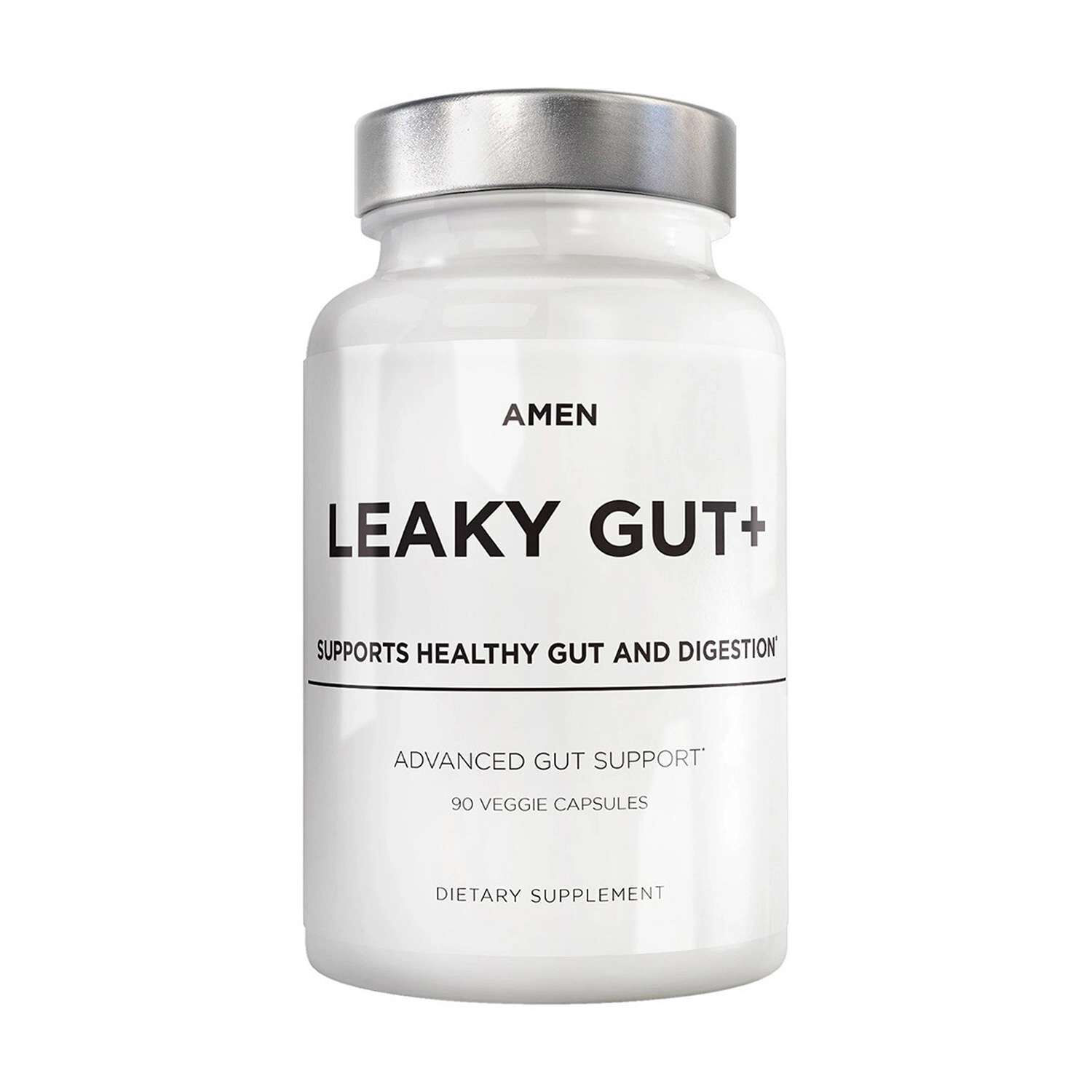
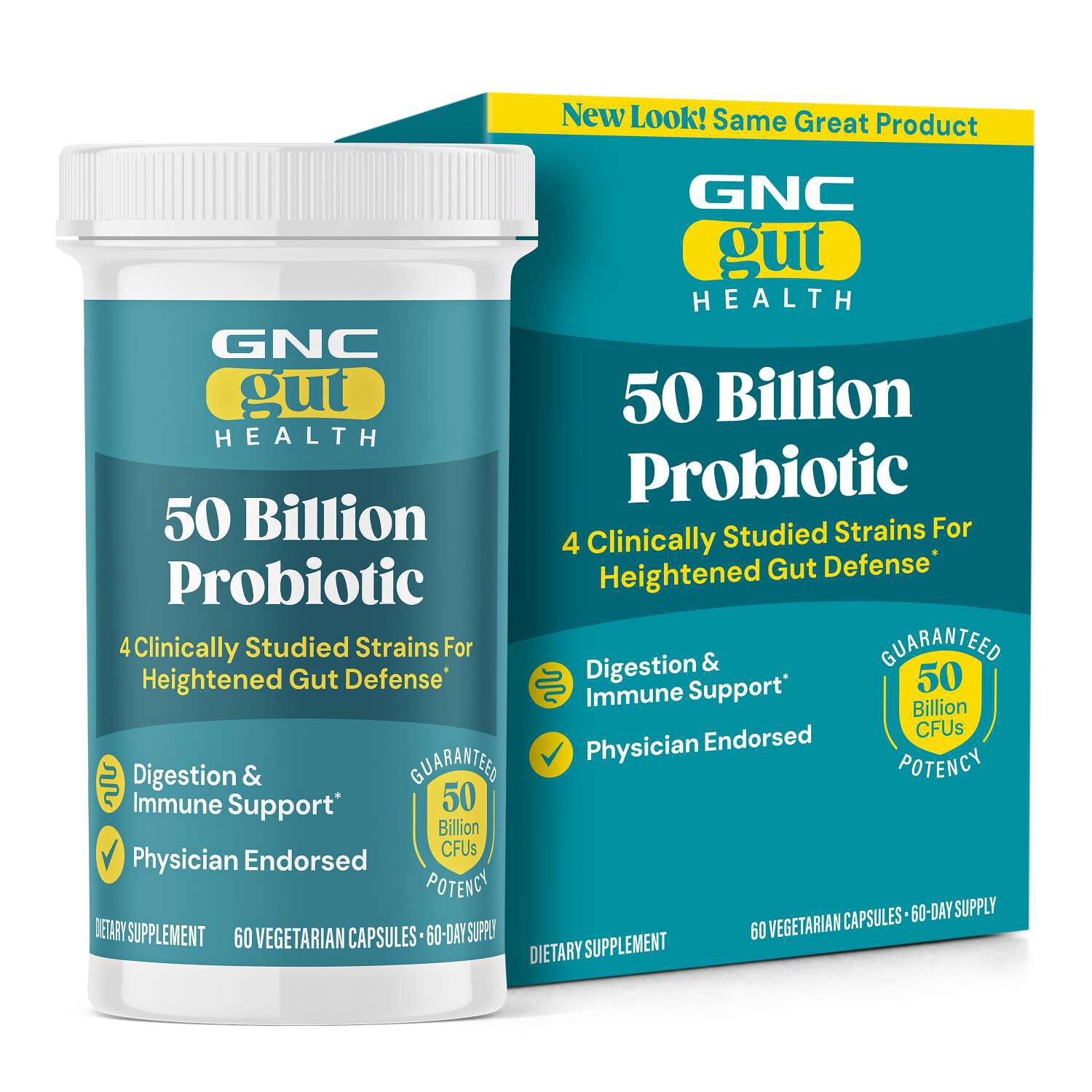

Top Collections
- Zinc Supplements | Top Brands at Great Prices | GNC
- Cortisol Supplements
- NAD+ Supplement Tablets
- Top Rated Collagen | Shop Customer Favorites | GNC
- Best Brand of Magnesium Glycinate
- Peptide Supplements
- Iron Supplements
- Protein Powders For Muscle Growth Support
- Vitamins That Help Support Weight Gain
- Peptide Supplements for Muscle Growth