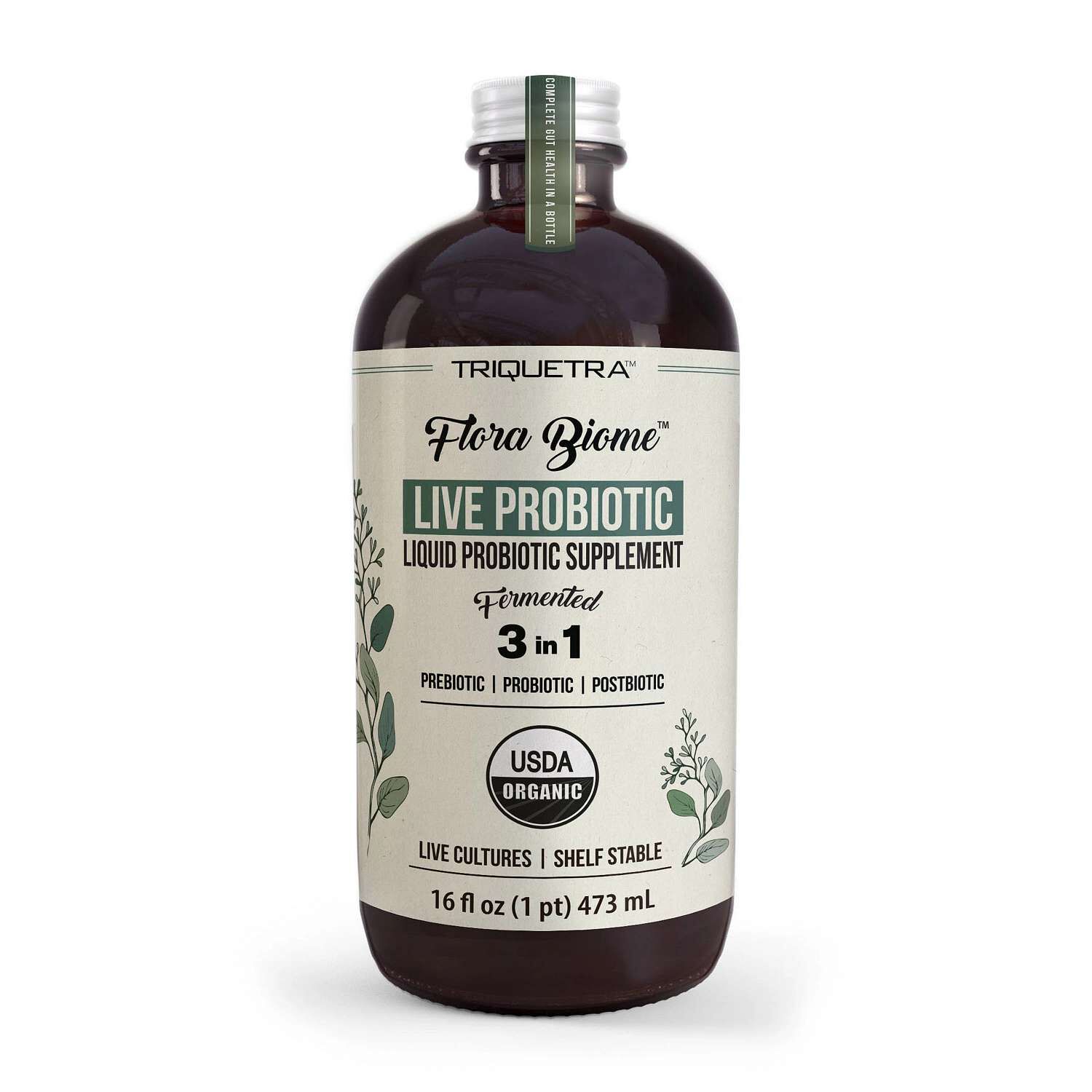
Probiotic Digestive Supplements
(0 Results)
Probiotic digestive supplements are a must-have addition to your daily wellness routine, aiding in maintaining a healthy balance of good bacteria in your gut. These powerful supplements are designed to support digestion, boost immunity, and promote overall gut health. Packed with beneficial bacteria strains, probiotic supplements can help alleviate digestive issues such as bloating, gas, and irregularity. Whether you're looking to enhance your gut health or simply support your body's natural functions, incorporating probiotic supplements into your daily regimen can make a significant difference in how you feel and function each day.


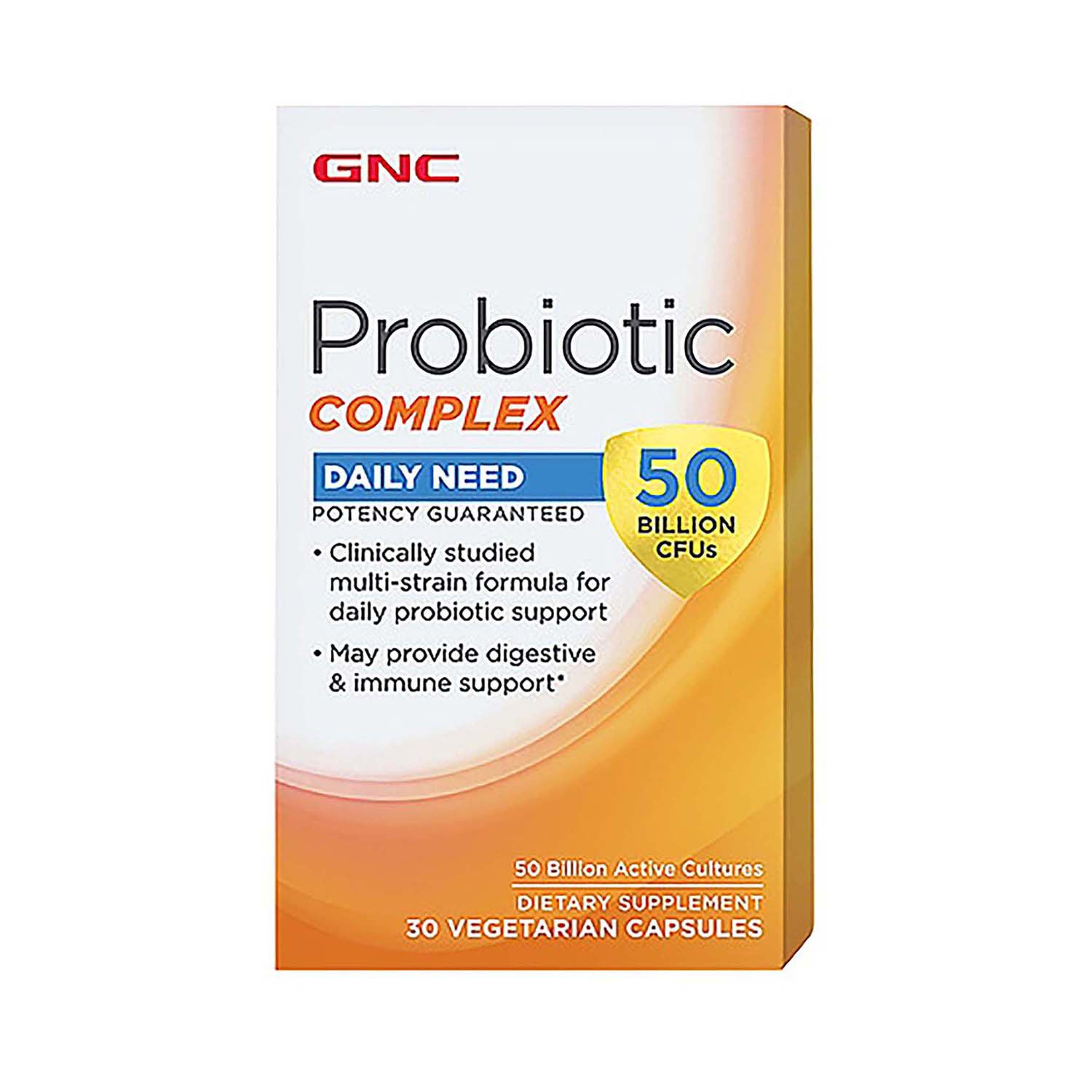





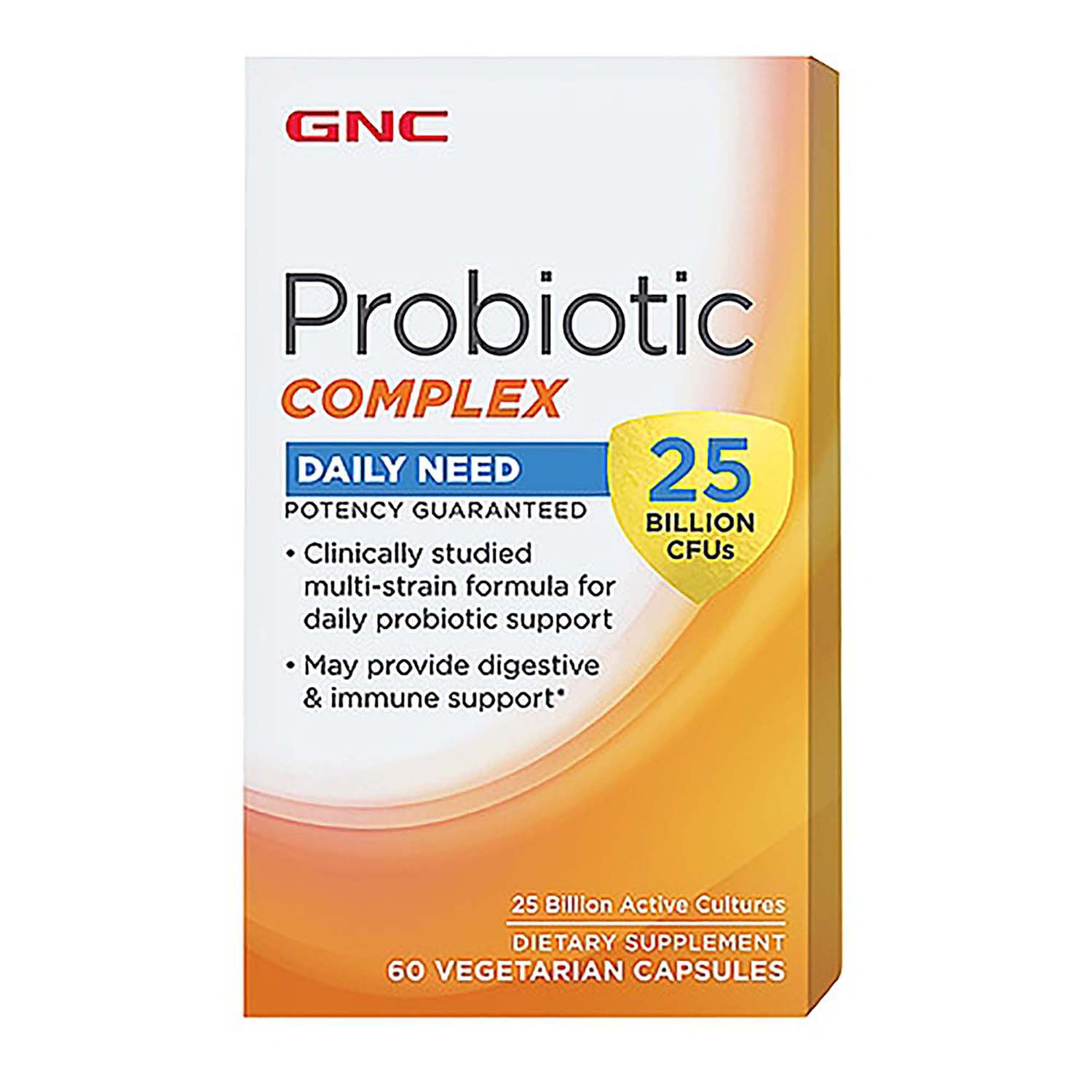


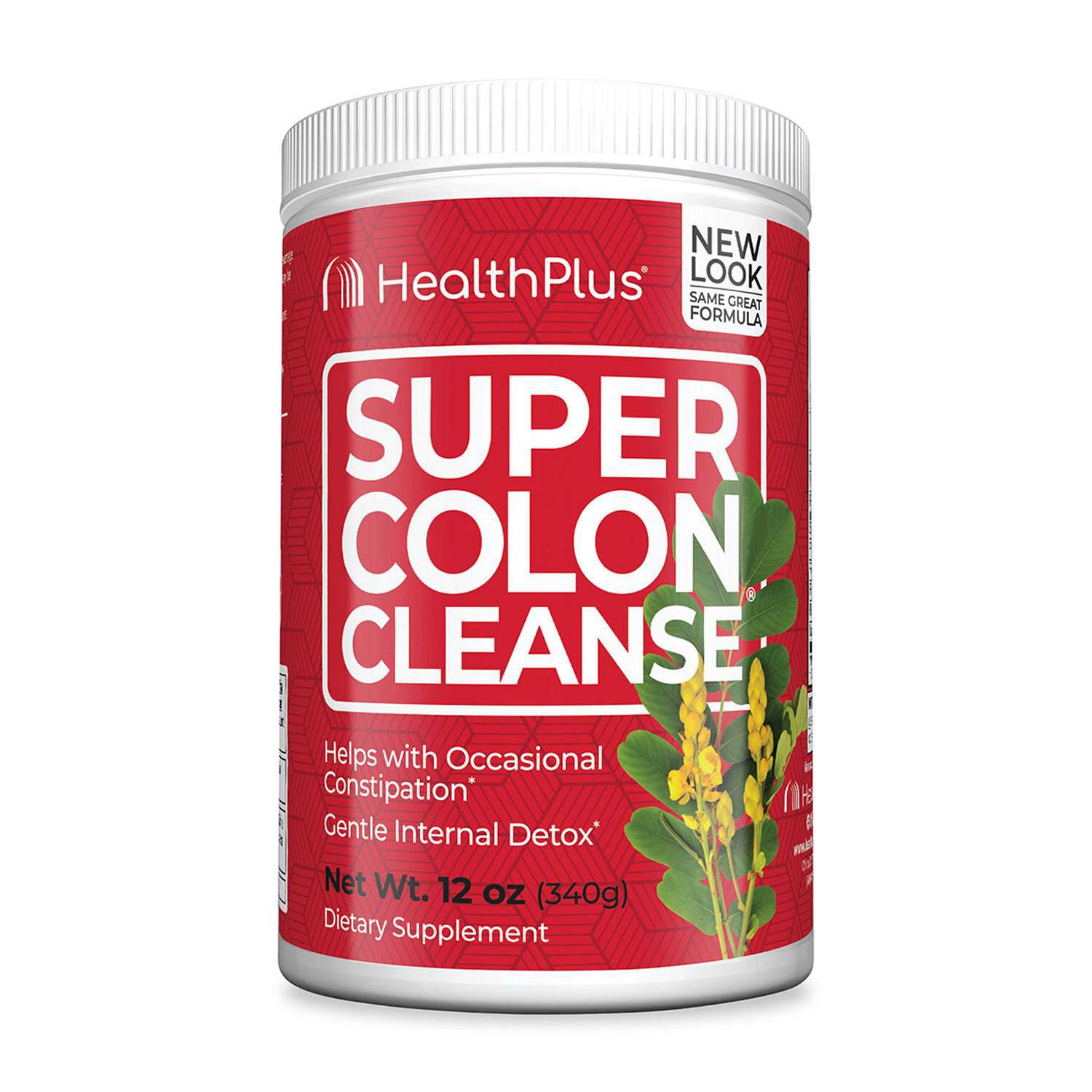
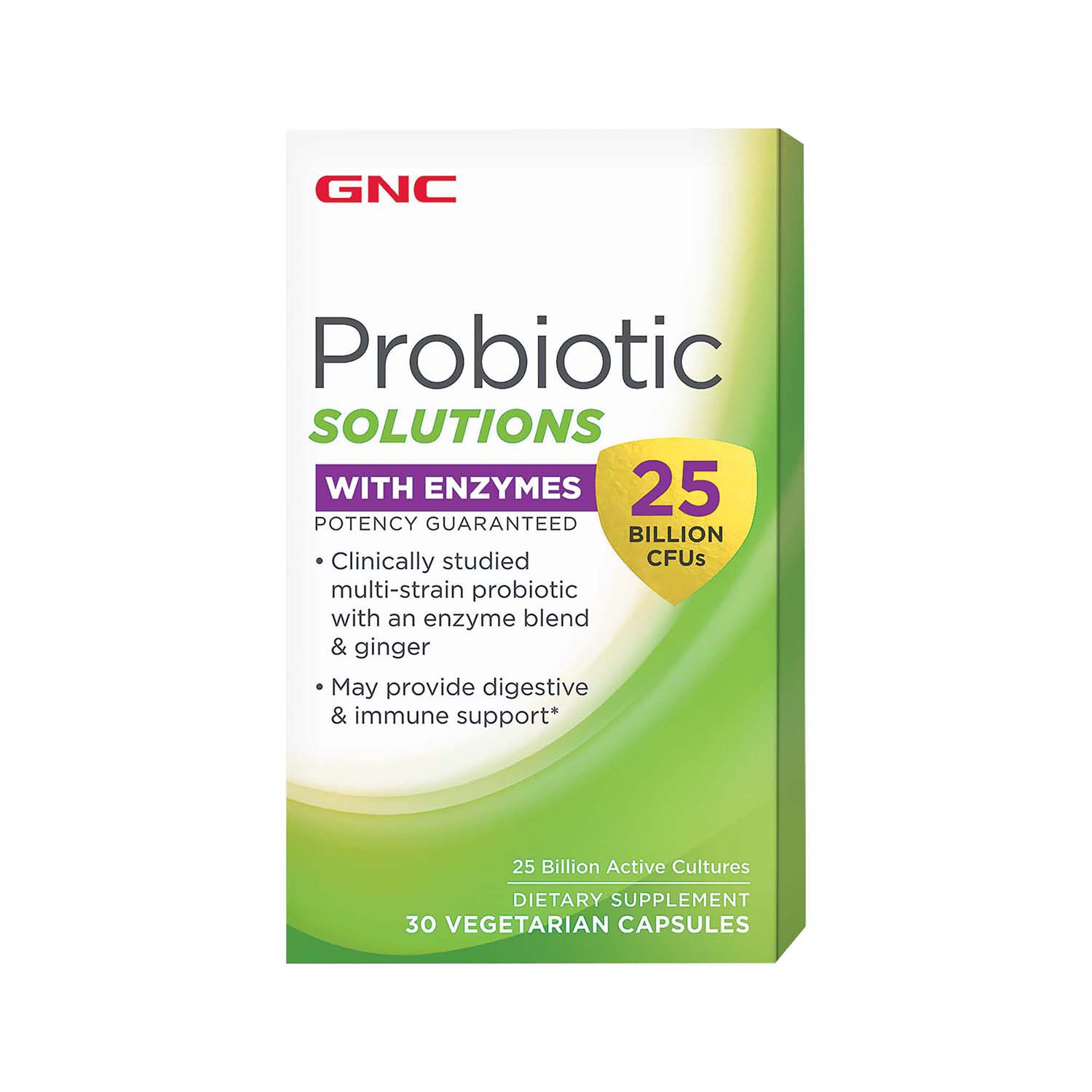


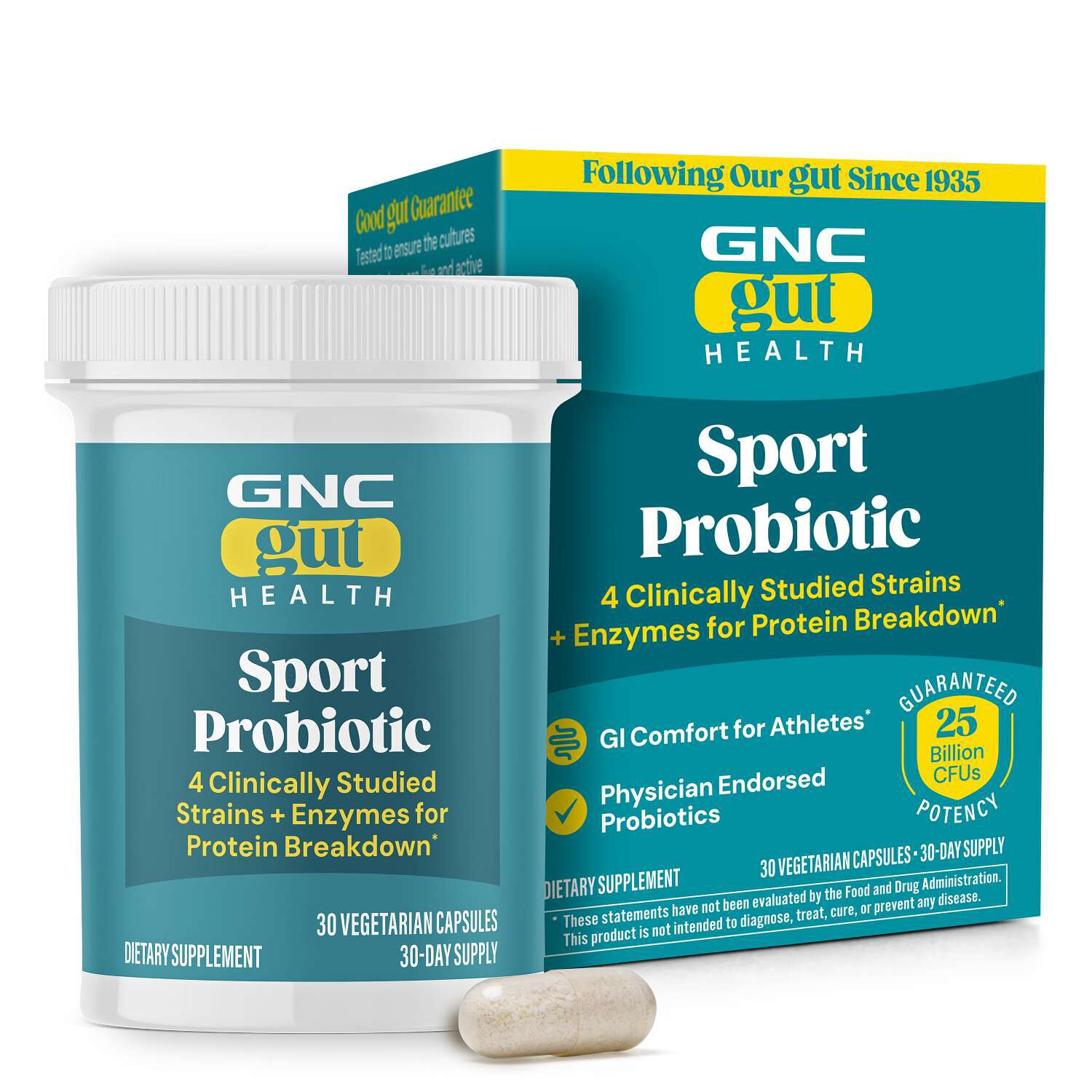

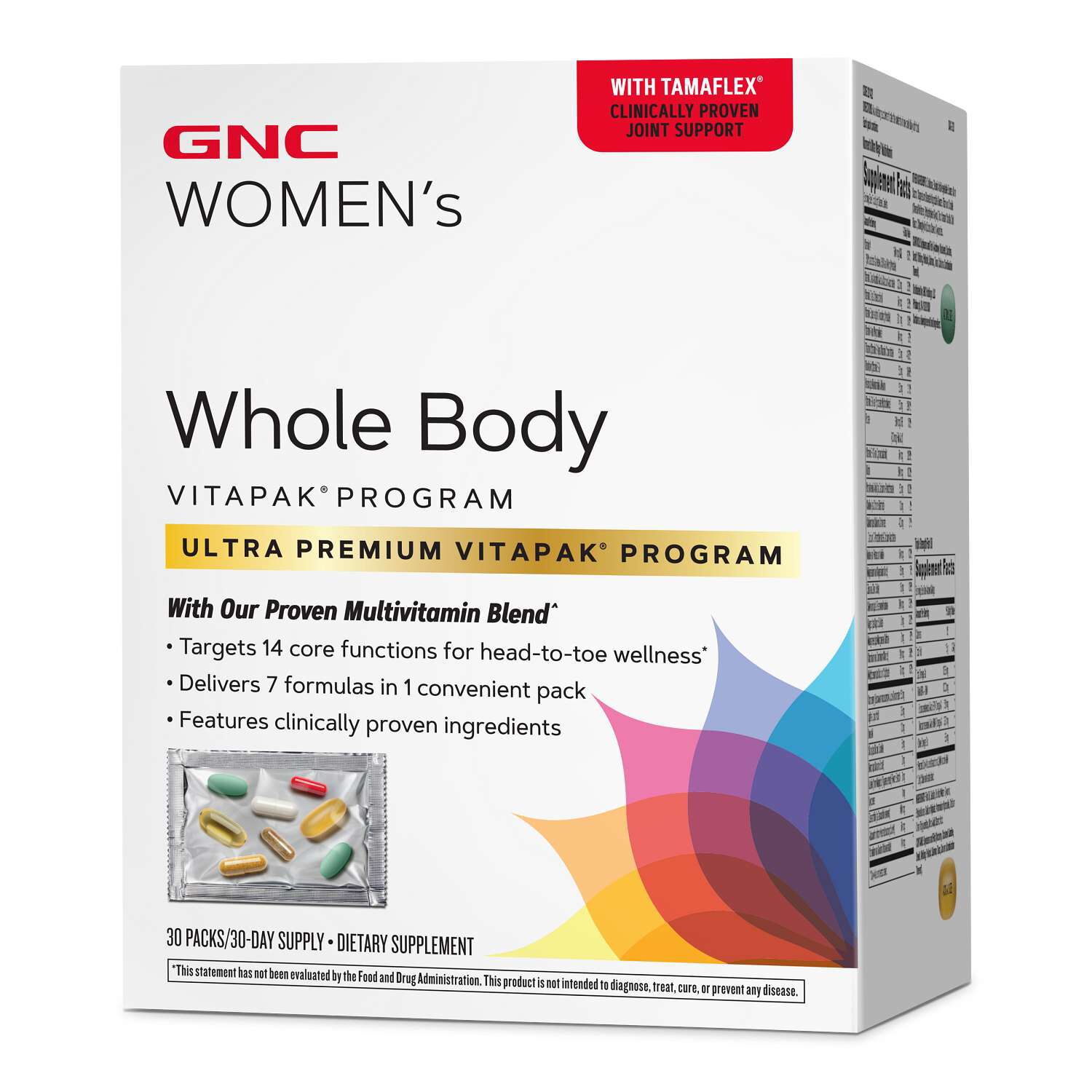
Probiotic digestive supplements contain live microorganisms, including certain bacteria and yeasts, and are intended to complement an everyday digestive wellness routine. The category includes capsules, tablets, chewables, gummies, and powders, with differences in microorganism selection, serving size, ingredient composition, and storage requirements. Probiotics are not interchangeable simply because their labels feature similar language: the genus, species, and strain identify the microorganisms in a formula, and those details matter more than a broad category name alone. Lactobacillus and Bifidobacterium are familiar names on probiotic labels, although some labels use updated scientific names for particular bacteria. A strain designation often appears as a combination of letters and numbers after the species name, offering a more precise way to compare formulas. Any potential digestive benefit may depend on the particular strain, the amount provided, and the individual using it. Findings associated with one strain do not automatically describe another, even when both belong to the same species. Colony-forming units, commonly abbreviated as CFU, express the number of viable microorganisms capable of forming colonies under specified testing conditions. A larger CFU count does not, by itself, establish that one formula is a better match than another. The timing attached to that count also matters: a label may state an amount at manufacture or an amount through the expiration date when the product is stored as directed. Serving size adds another distinction, since the number on the front of a bottle may refer to several capsules rather than one. These details give probiotic digestive supplements a more meaningful point of comparison than a prominent number or a lengthy list of microorganisms. For someone browsing with general digestive wellness in mind, a clearly identified formula, readable directions, and a format that fits daily habits offer practical starting points without relying on sweeping expectations about what a supplement might do.
The physical format of a probiotic supplement can make a noticeable difference in how it fits into a routine, even before considering the formula inside. Capsules offer a measured serving without mixing, but capsule dimensions and the number per serving vary. Capsule shells may contain gelatin or plant-derived materials, so the shell deserves the same attention as the contents when comparing options for dietary preferences. Tablets have their own sizes, shapes, and coatings, while chewables and gummies introduce considerations such as flavor, texture, sweeteners, and added sugar. A gummy serving may consist of several pieces, which makes the serving information more useful than the piece count alone. Powders involve a different set of details: some come in individual packets, while others require measuring with an included scoop. Mixing instructions specify suitable foods or beverages, and a powder should not be assumed suitable for every recipe or preparation method. For an adult who packs breakfast before leaving home, a format with straightforward preparation may suit the morning routine; for someone who dislikes flavored supplements, an unflavored powder or a swallowed format may be more appealing. Neither preference establishes how a formula may perform. Ingredients beyond the probiotic cultures also distinguish digestive supplements. Some formulas contain prebiotic ingredients, which serve as substrates for certain microorganisms, while others combine probiotics with fiber, digestive enzymes, or botanical ingredients. These additions are not simply alternative names for probiotics, and a combination formula is different from one containing probiotic cultures alone. Ingredient lists and allergen statements provide context for shoppers comparing dairy ingredients, soy ingredients, added flavors, or animal-derived components. Browsing Probiotic Digestive Cleanse Capsules offers a narrower capsule-focused category, but the word “cleanse” is not a standardized description of probiotic strains or their potential effects. The Supplement Facts panel and other ingredient information remain the more specific descriptions of what a serving contains. Adult and children’s formulations also have distinct intended audiences, with age labeling and directions that should not be treated as interchangeable.
Storage and handling are particularly relevant to probiotic digestive supplements because the organisms are living components rather than ordinary dry ingredients. Some formulas require refrigeration, while others are labeled for storage outside a refrigerator under specified conditions. Neither storage category, on its own, establishes superior quality or a better fit for an individual. The package directions provide the relevant conditions for that formula, including any instructions that apply after opening. A bathroom cabinet beside a steamy shower, an open bottle near a kitchen sink, or a container left in a parked car may not match those requirements. Original packaging can include moisture-control features, protective seals, or individually enclosed servings, and these details deserve consideration before transferring capsules into another container. Expiration dating, an intact package, and a legible lot code are useful parts of the label review as well. For shoppers fitting a supplement into travel plans or a workday bag, the practical question is whether the package can be handled according to its directions throughout the day, not simply whether it is compact. Bottle size also connects to intended use: the number of servings depends on both the container count and the labeled serving, and any after-opening instructions remain relevant throughout that period. Directions may specify timing with meals or other preparation details; instructions from one probiotic formula should not be carried over to another. Everyday food choices provide a separate context for this category. Fermented foods and probiotic supplements are not automatically equivalent, and not every fermented food contains live microorganisms by the time it is eaten. Supplements likewise do not replace a varied eating pattern. They may complement a personal wellness routine, but individual experiences can differ, and a label cannot predict a particular outcome for every shopper. A considered comparison therefore brings together several concrete details: identified microorganisms, CFU information with a stated timeframe, serving size, accompanying ingredients, dietary suitability, package design, and storage directions. Together, those details describe the formula and its practical requirements far more clearly than broad language about digestive wellness alone.
Best Sellers
-
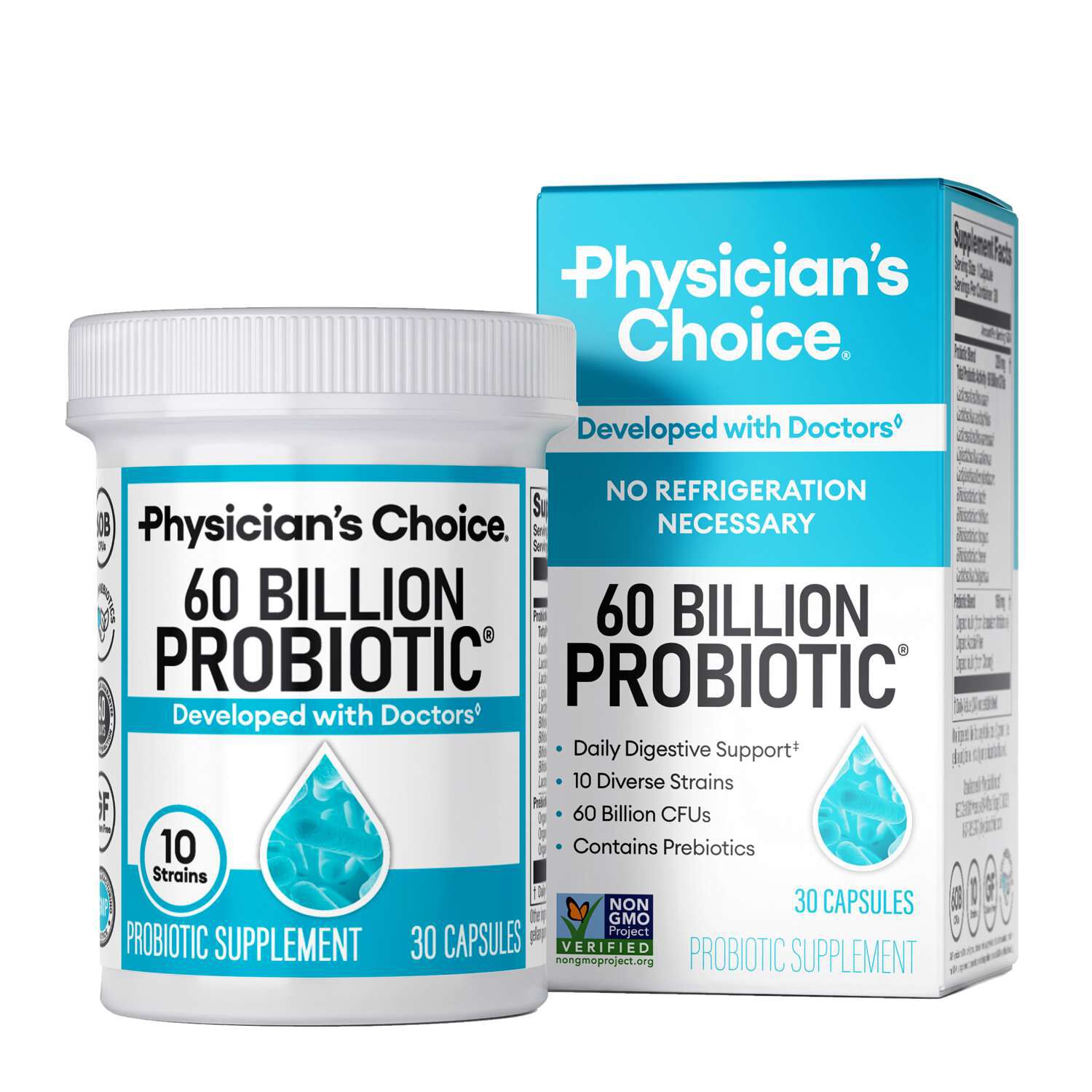 Physician's Choice