





Vegetarian Probiotic Supplements For Digestive Health
(0 Results)
Discover a selection of vegetarian probiotic supplements for digestive health designed to fit a plant-based lifestyle. These options may support your wellness routine while aligning with your dietary preferences. Whether you’re looking to complement your daily nutrition or seeking new ways to prioritize gut health, vegetarian probiotic supplements for digestive health could be a convenient addition to your regimen. Explore choices that may help you feel your best from the inside out.
-
-
-

-
-
-
-

-
 209$34.99
-

-

-










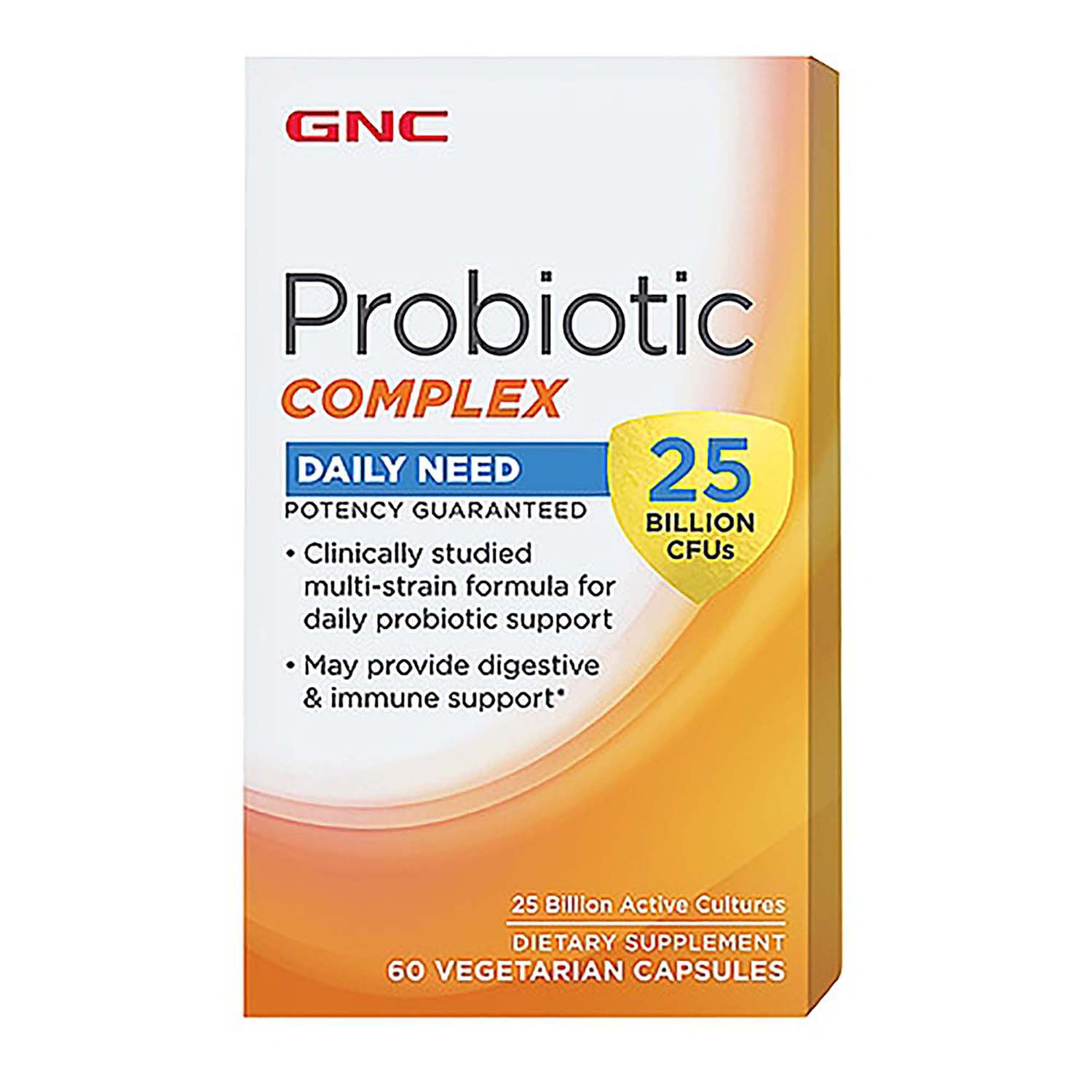

Vegetarian probiotic supplements for digestive health bring together live microorganisms and ingredients that align with vegetarian dietary preferences. These products are intended to complement everyday eating habits, with formulas that may support digestive comfort and a balanced gut microbiome. The gut microbiome is the community of microorganisms found in the digestive tract, and probiotic supplements contain selected microorganisms identified on their labels. For shoppers comparing these supplements, the most useful distinctions include the named strains, the colony-forming unit count, the serving size, and the ingredients used in both the formula and its outer capsule. A vegetarian designation generally indicates that a supplement is made without ingredients derived from animal flesh, including gelatin, but it does not necessarily mean that every ingredient is suitable for a vegan diet. Some vegetarian products may contain milk-derived ingredients, making the ingredient list and allergen statement important parts of the comparison. A plant-based capsule shell alone does not establish that the contents meet every dietary preference. Capsule materials such as hypromellose, a cellulose-based material, or pullulan, a fermentation-derived material, are alternatives to gelatin. However, the shell is only one component: carriers, flavorings, and other ingredients also contribute to the finished formula. Shoppers who avoid all animal-derived ingredients may prefer an explicit vegan designation alongside detailed ingredient information. Those concerned about how the microorganisms are cultivated can also look for manufacturer information about fermentation media, since that detail is not always apparent from the capsule material or front label. This makes vegetarian probiotic supplements relevant to a range of routines, from an established vegetarian household to someone choosing more plant-based options for a daily supplement organizer. Rather than treating every vegetarian formula as interchangeable, it helps to distinguish the dietary designation from the formula’s composition and intended use. Two bottles with similar front labels can differ in their microorganisms, capsule ingredients, serving directions, and storage requirements, all of which shape how well a product fits an individual routine.
Strain identification offers a more precise way to compare probiotic formulas than a large number on the front of a bottle. A microorganism’s name can include its genus, species, and strain designation; the strain is the most specific part of that identification. Lactobacillus, Bifidobacterium, and Bacillus are examples of genera that appear on probiotic labels, although updated scientific names may appear on some packaging. Different strains are not interchangeable, and information about one strain does not automatically describe another strain within the same species. A formula containing several strains is also not inherently a better match than one containing a single strain. The combination, intended use, and labeling detail are more informative than variety alone. Colony-forming units, usually abbreviated CFU, describe the number of viable microorganisms capable of forming colonies under the test conditions used. That count is distinct from the weight of the supplement and from the number of capsules in a bottle. A higher CFU count does not, by itself, establish that a probiotic may provide greater digestive support. Just as important is whether the stated count applies at manufacture or through the labeled expiration date when storage directions are followed. Serving size adds another practical distinction: a count listed per serving may refer to more than one capsule. Comparing the Supplement Facts panel with the suggested use helps clarify what each daily serving involves. Some vegetarian probiotic supplements also include prebiotic ingredients, such as inulin or certain plant fibers, that serve as food for microorganisms. Probiotics and prebiotics are different components, so a combination formula deserves a look at both the microorganism information and the added ingredients. Flavorings, sweeteners, and capsule fillers may matter to shoppers with particular dietary preferences as well. Clear labeling makes it easier to compare these details without relying on broad front-panel language. For someone seeking a straightforward addition to an existing routine, a clearly identified formula may be a more practical choice than a blend with numerous components but little explanation of what each serving contains.
Format and everyday handling also matter when choosing vegetarian probiotics. Capsules offer a measured serving without the flavor considerations of a chewable or powder, while other formats involve their own serving instructions and ingredient profiles. Shoppers focused on capsule options can compare Vegetarian Probiotic Capsules Supplements with attention to capsule size, the number required per serving, and the materials listed for the shell. These physical details are easy to overlook beside strain names and CFU counts, yet they can make a meaningful difference in whether a supplement suits a morning routine, a shared kitchen shelf, or a carefully arranged travel bag. Directions also vary: some labels specify use with a meal, while others provide different timing instructions. Opening a capsule or stirring its contents into food is not appropriate for every formula, so the package directions matter more than assumptions based on appearance. Storage deserves similar attention because these products contain living microorganisms. Some require refrigeration, while others are labeled for storage without it; neither format should be treated as interchangeable when packing or organizing supplements. Moisture, direct sunlight, and storage outside the labeled conditions may affect viability. Keeping the container closed and following its handling instructions are practical considerations throughout use. The expiration date is another useful comparison point, especially when choosing a bottle size that matches the labeled serving schedule. Packaging may include a moisture-control packet or individually sealed servings, and those features have their own handling directions. For a desk drawer or travel pouch, the relevant question is whether the location meets the product’s storage requirements, not simply whether the bottle fits. Vegetarian probiotic supplements are best understood as one optional part of a broader daily routine rather than a substitute for varied meals. Their suitability depends on the combination of dietary alignment, clearly identified microorganisms, serving format, and realistic storage needs. A thoughtful comparison brings those details together, keeping the focus on a formula that matches personal preferences and may support everyday digestive well-being.
Best Sellers
-
Physician's Choice
