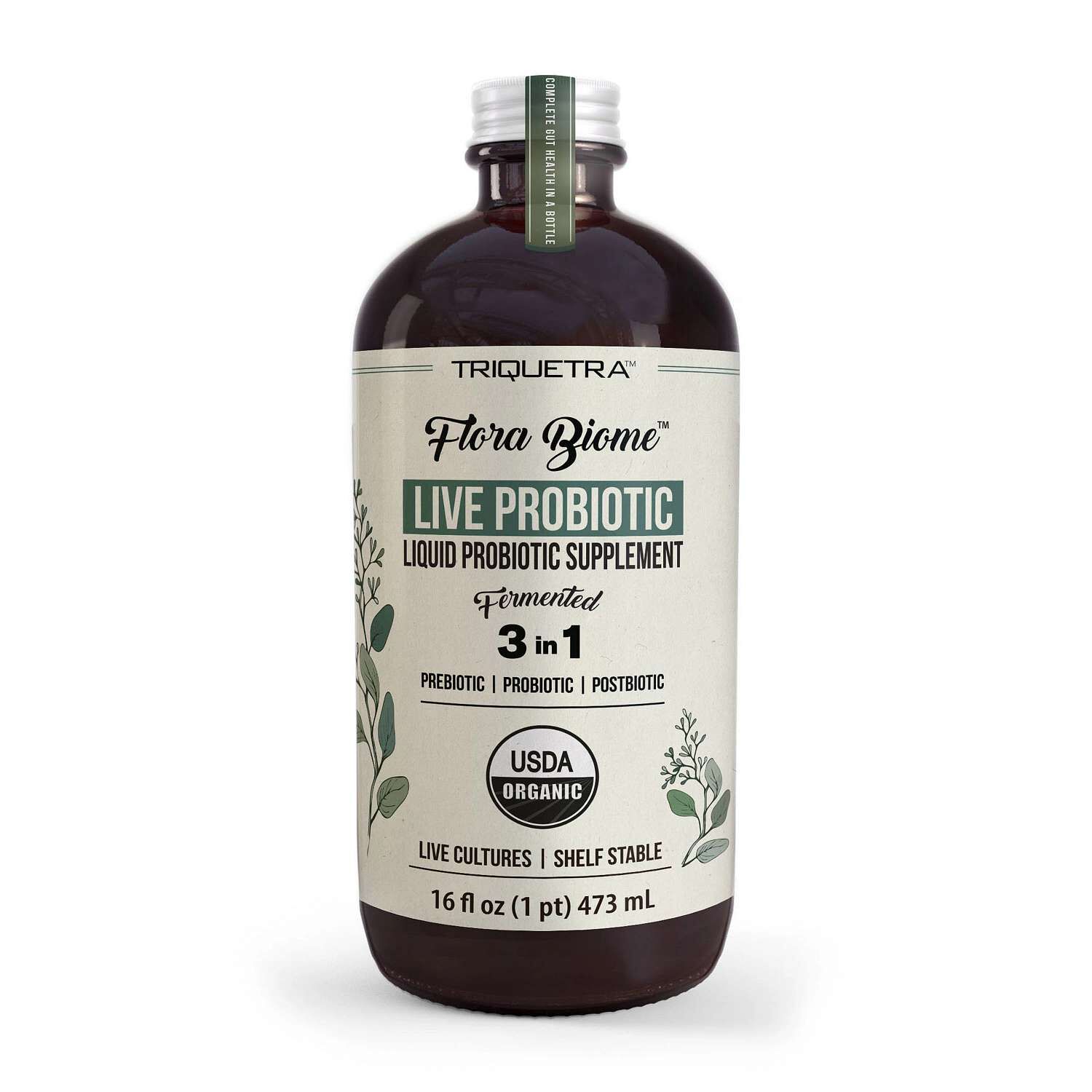
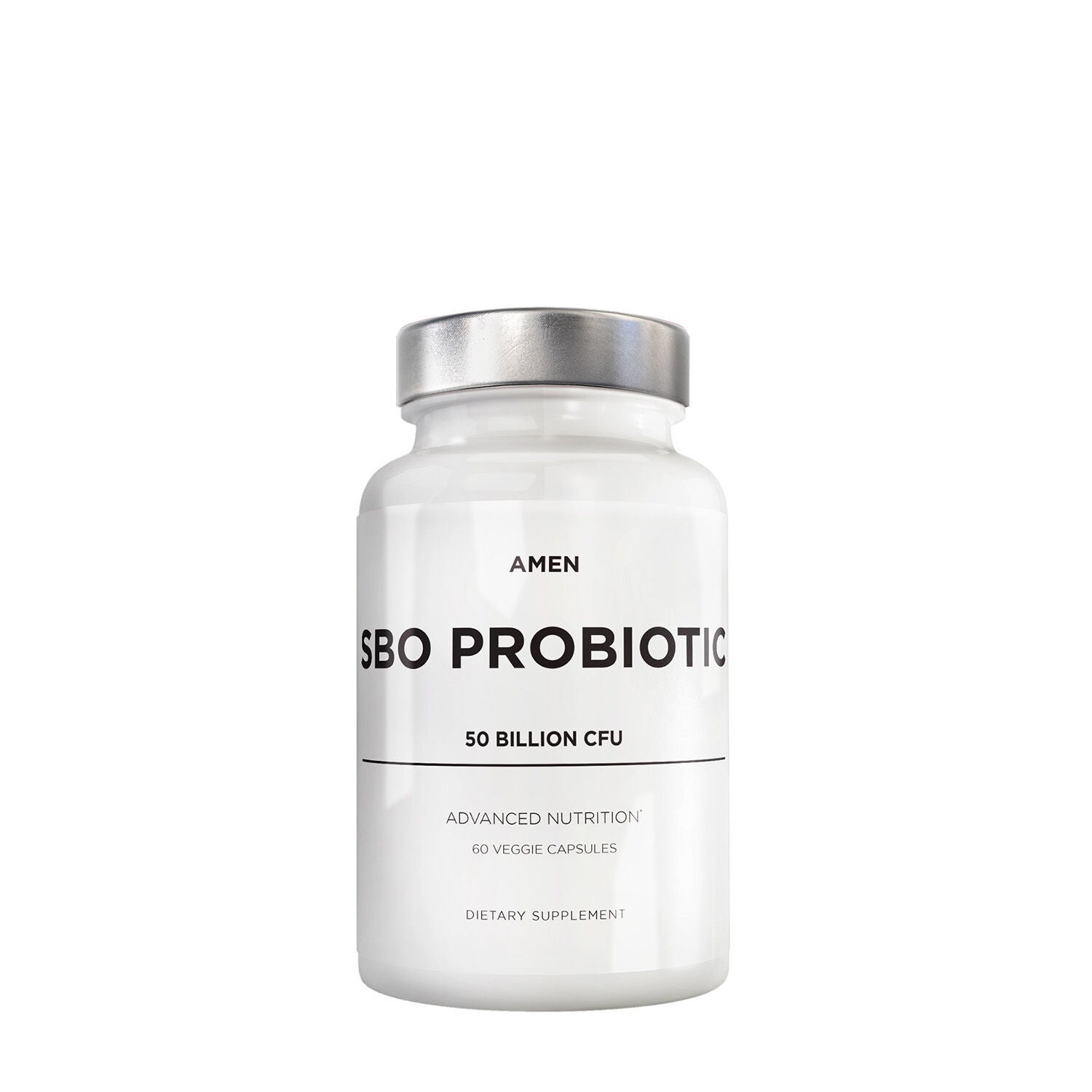
Vegetarian Probiotic Capsules Supplements
(0 Results)
Discover the potential benefits of incorporating vegetarian probiotic capsules into your daily wellness routine. These capsules might support digestive health and promote a balanced gut microbiome, all while aligning with a plant-based lifestyle. Crafted with care to meet vegetarian standards, these probiotics could offer an excellent way to maintain overall well-being. Whether you're looking to enhance your digestive system or simply interested in exploring new avenues for health, vegetarian probiotic capsules may provide a convenient and effective option. Explore the possibilities and see how these supplements might fit into your journey towards optimal health.


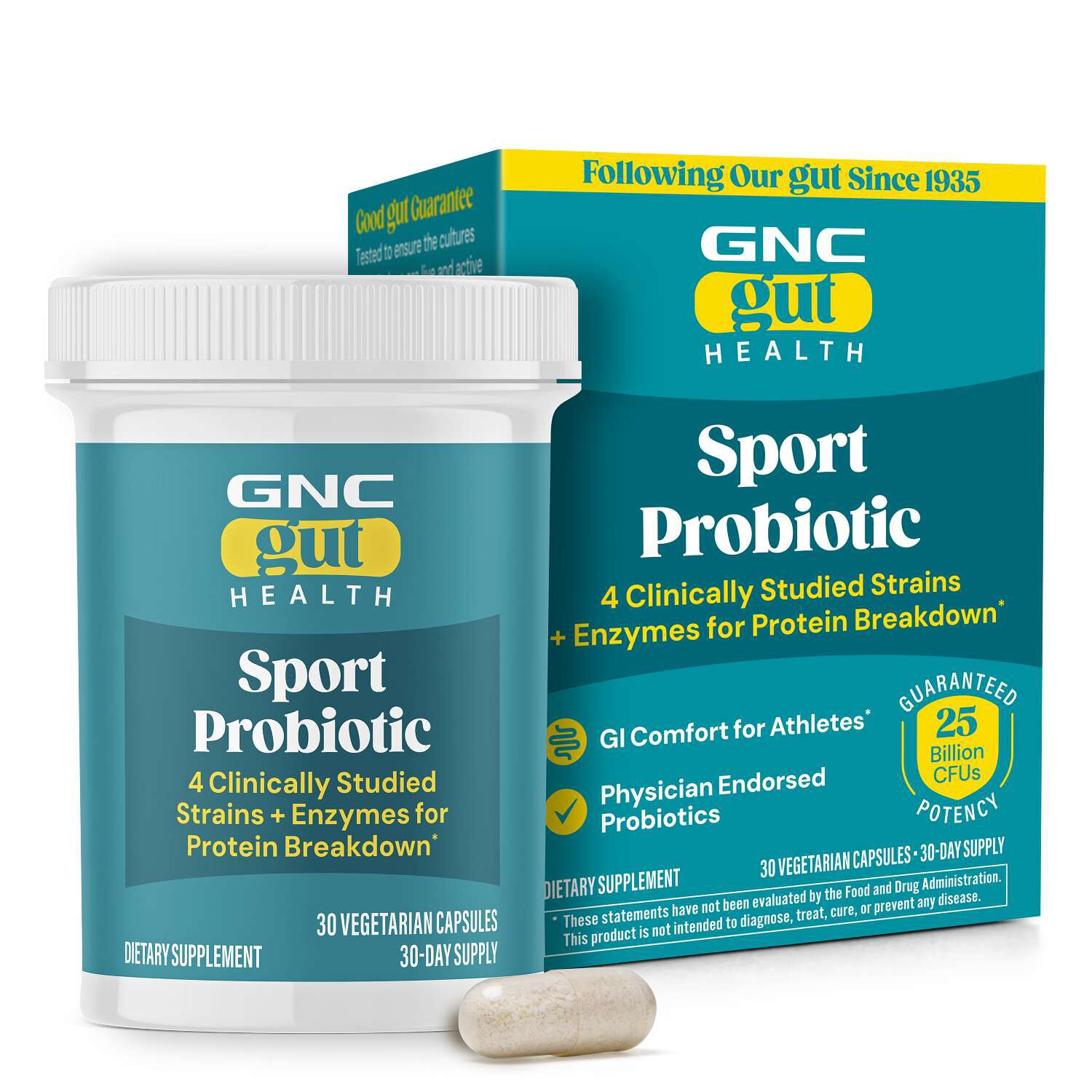



Vegetarian probiotic capsules are dietary supplements that pair live microorganisms with a capsule shell made without animal-derived gelatin. They offer a capsule format for shoppers who prefer vegetarian ingredients and want an alternative to powders, chewables, or liquid supplements. The shell is often made from cellulose derivatives, such as hypromellose, though the exact material belongs on the ingredient label. An important distinction is that a vegetarian capsule describes the outer shell; it does not automatically establish that every ingredient inside meets a vegetarian or vegan preference. Vegetarian and vegan labeling also mean different things, particularly when dairy-derived ingredients or processing materials are involved. A closer look at the full formula, allergen statement, and any dietary certifications gives the category more context than the capsule description alone. Probiotics are commonly identified by genus, species, and strain, with the strain designation appearing as letters, numbers, or a combination of both after the organism’s name. Those details help distinguish formulas that might otherwise look similar on the front of the bottle. Two vegetarian probiotic supplements can share a species name while containing different strains, different serving sizes, and different supporting ingredients. Some formulas contain a single strain, while others combine several. Neither the number of strains nor the largest number printed on the package establishes that a formula is the right match for every shopper. For someone whose priority is a clearly documented vegetarian composition, an informative ingredient panel and a precise dietary designation may matter more than a long strain list. Capsule dimensions, the number of capsules per serving, and whether the label specifies use with a meal are also practical points of comparison. A bottle that fits neatly beside a breakfast mug can still represent a very different routine from another bottle if one serving requires several capsules rather than one. These everyday details make vegetarian probiotic capsule supplements a category worth comparing by both composition and intended use.
The numbers on probiotic packaging become more useful when read alongside the serving information. CFU stands for colony-forming units, a measure used to express the quantity of viable microorganisms capable of forming colonies under specified testing conditions. A CFU statement may apply to one capsule or to a serving made up of more than one capsule, so the serving size provides necessary context. The timing of that statement matters as well: a count stated at manufacture is different from a count stated through the expiration date under the specified storage conditions. A larger CFU count is not, by itself, a reason to favor one formula over another. Strain identity, ingredient transparency, and the package directions provide additional ways to compare vegetarian probiotic capsules without relying on a single figure. Beyond the microorganisms themselves, the ingredient list may include capsule materials, carriers, flow agents, or added fibers. Some formulas include prebiotic ingredients such as inulin or fructooligosaccharides, often abbreviated FOS. These are distinct ingredients rather than additional probiotic strains, and their presence changes the composition of the supplement. Other formulas pair probiotics with postbiotic ingredients, which are also different from live probiotic cultures. Packaging that highlights several ingredient categories deserves the same careful reading as a simpler formula, particularly when the amount of each component is important to a shopper. Dietary preferences add another layer of comparison. A cellulose shell does not establish that a formula contains no milk-derived ingredients, and the absence of an obvious animal ingredient does not necessarily document how a culture was produced. Manufacturer information about fermentation media and processing can provide more detail when the package leaves those questions unanswered. Explicit vegan labeling or third-party certification may offer useful sourcing context, depending on the criteria behind that designation. For households with different dietary preferences, those distinctions help separate the capsule material, the finished formula, and the sourcing documentation rather than treating them as interchangeable.
Practical fit also includes packaging, storage, and the rhythm of everyday use. Vegetarian probiotic capsules do not all have the same storage requirements: some are labeled for refrigeration, while others are labeled for storage without refrigeration under specified conditions. Storage directions are therefore part of the product comparison, not an afterthought. A person who regularly carries supplements between home and work has different packaging considerations from someone who keeps the bottle in one designated place. The original container provides a reference for the strain list, expiration date, serving directions, and storage instructions; those details can be lost when capsules are transferred to an unmarked container. Bottle closures, protective seals, and moisture-control packaging also deserve attention because care for this category centers on preserving the conditions described by the manufacturer. Unlike a reusable accessory, a probiotic supplement has a dated period of use rather than an open-ended measure of durability. Capsule count and serving count are separate details here, too. A bottle containing sixty capsules represents thirty servings when the labeled serving is two capsules. Capsule coatings are another point of distinction. Some packages describe delayed-release designs, which may change where or when the capsule contents are released; that feature is separate from whether the shell and formula are vegetarian. Intended audience can further organize the selection. Adults shopping for themselves may compare general adult formulas with options labeled for a particular age group or audience, while someone buying for a partner may place greater importance on matching established dietary preferences and a familiar capsule format. Shoppers comparing formulas labeled for men can also explore Vegetarian Probiotic Supplements For Men, with the same attention to strain identification, serving size, and ingredient sourcing. Audience wording does not replace those concrete details. Across the category, the most informative comparison brings together the vegetarian designation, clearly identified microorganisms, CFU statement, supporting ingredients, capsule format, and handling requirements. Together, they describe what is in the bottle and how closely its documented characteristics align with a shopper’s preferences and routine.
Best Sellers
-
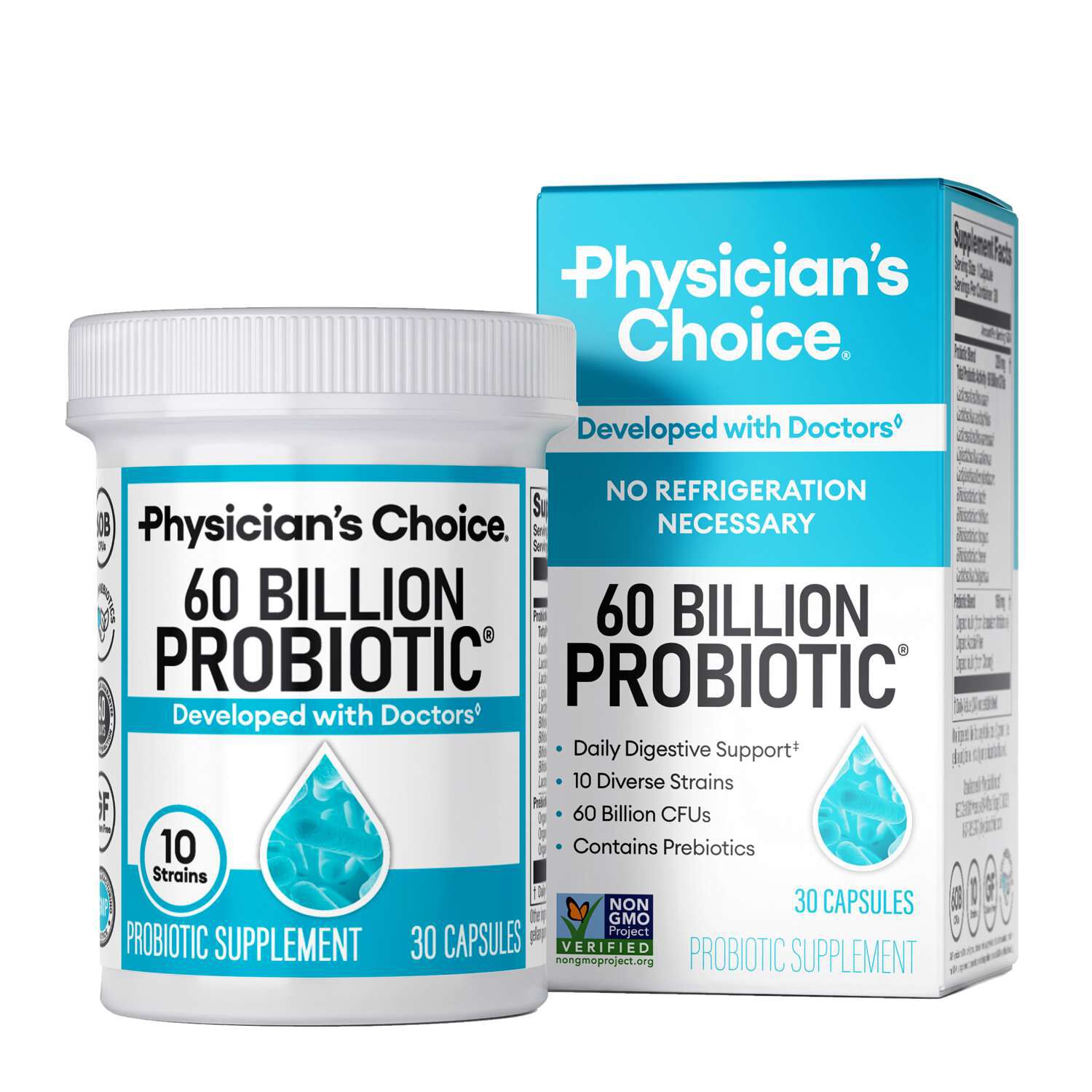 Physician's Choice