Vegetarian Capsules For Digestive Health
(0 Results)
Vegetarian capsules for digestive health offer a convenient way to support your wellness journey while aligning with plant-based preferences. These capsules are designed for those seeking options that fit a vegetarian lifestyle, providing a variety of ingredients that may complement your daily routine. Explore vegetarian capsules for digestive health and discover choices that could help you feel your best every day.









 _Front.jpg?sw=305&sh=305&sm=fit "Magnesium: Bioactive Magensium Citrate - 120 Capsules (120 Servings) | GNC")
 _Front.jpg?sw=305&sh=305&sm=fit "Magnesium: Bioactive Magensium Citrate - 60 Capsules (60 Servings) | GNC")


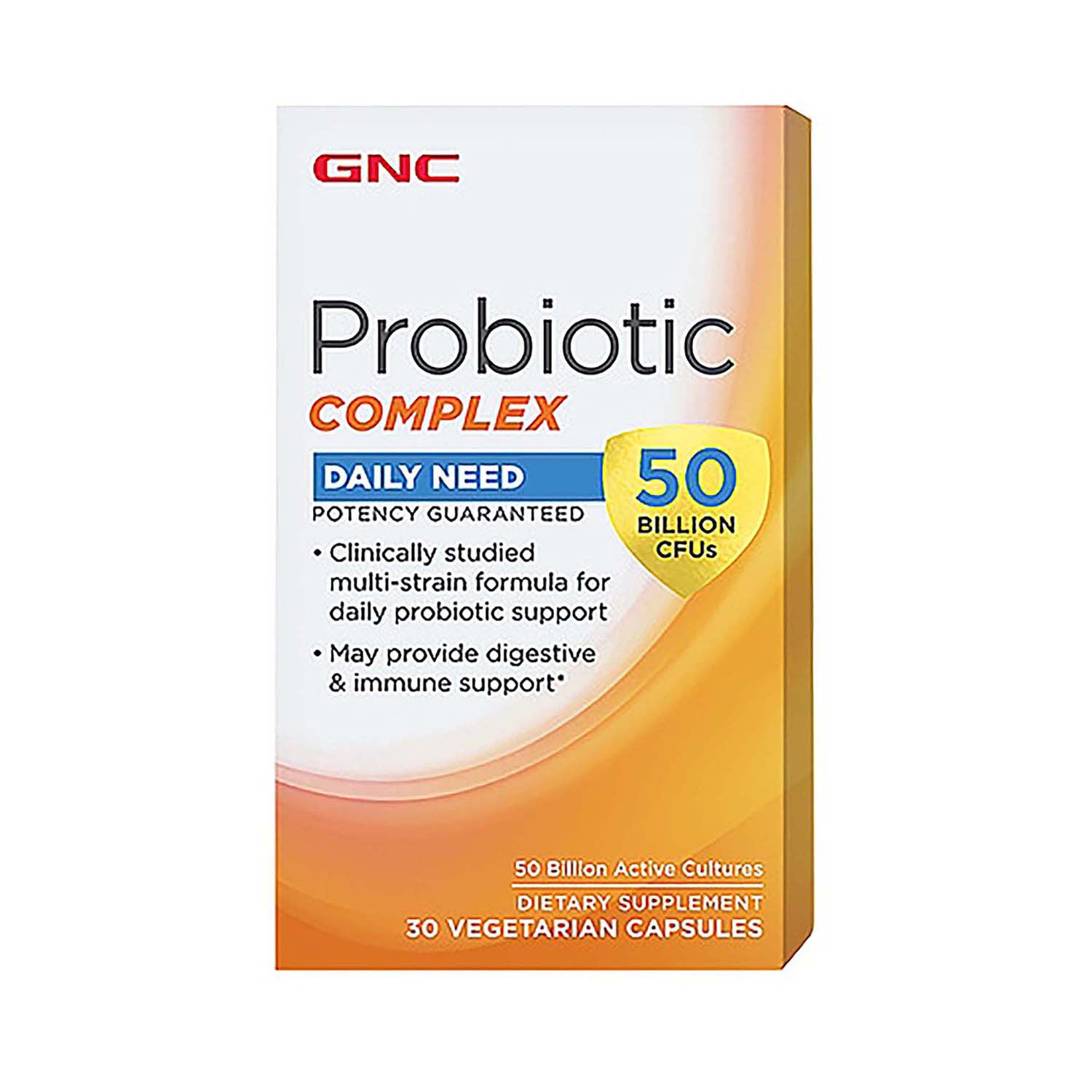



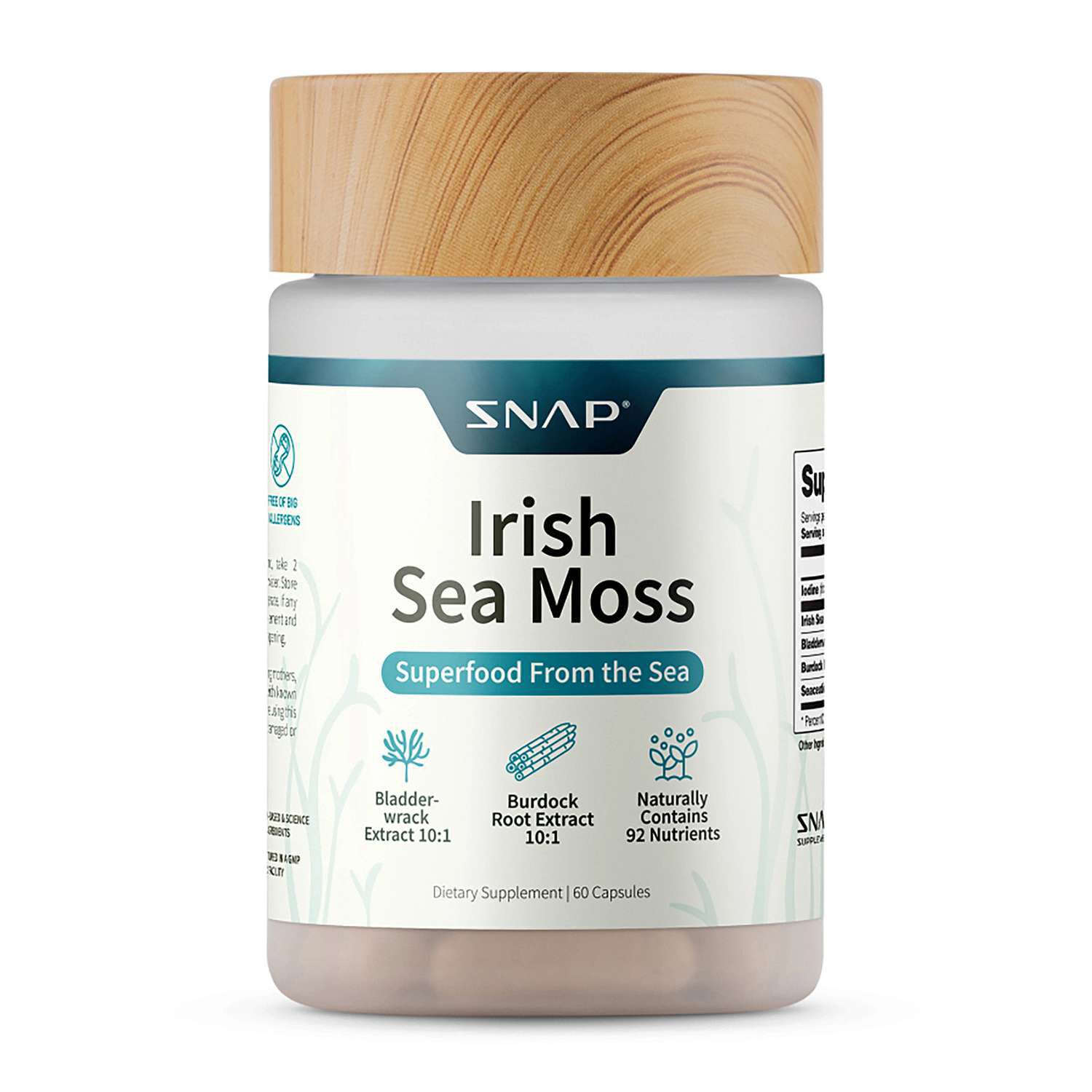


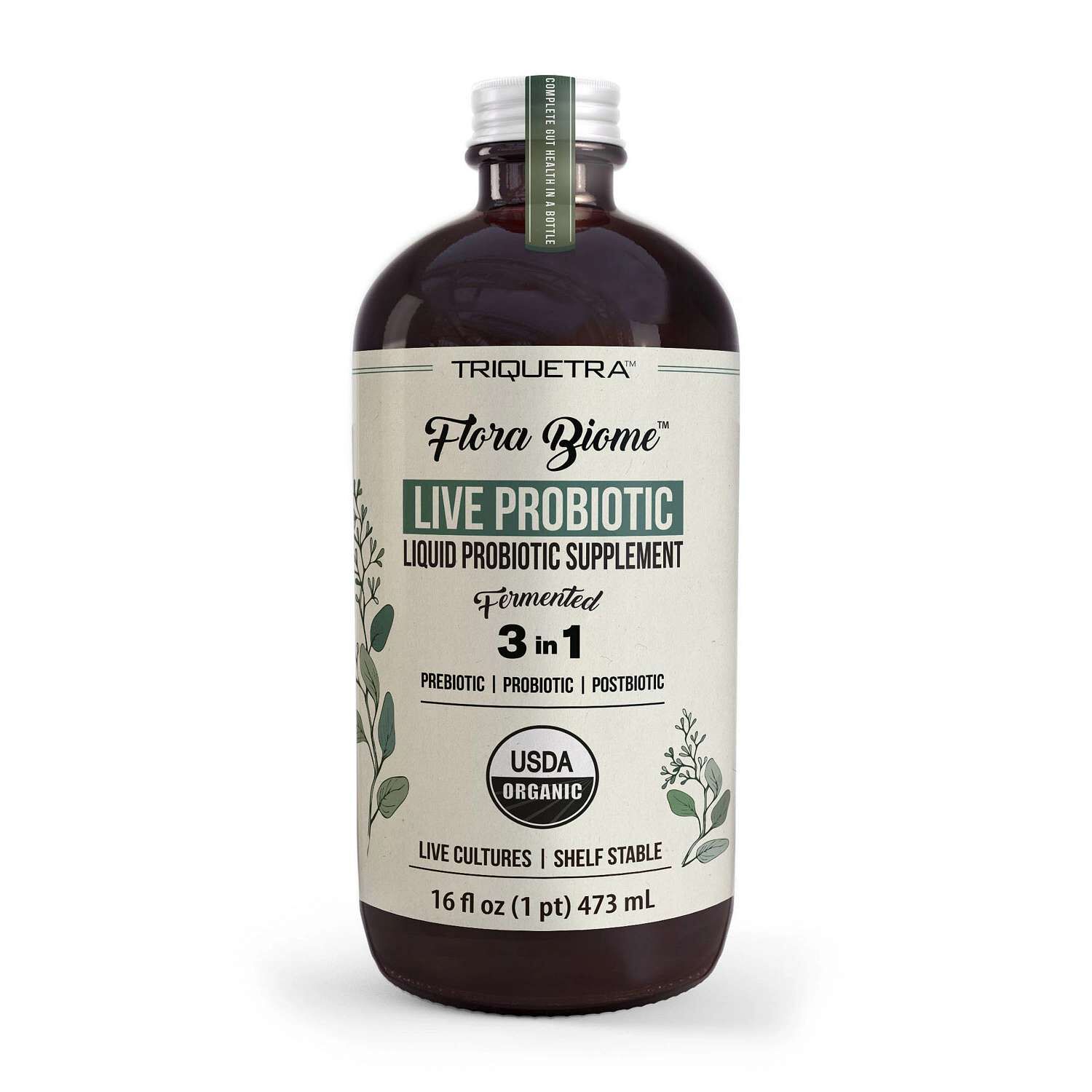
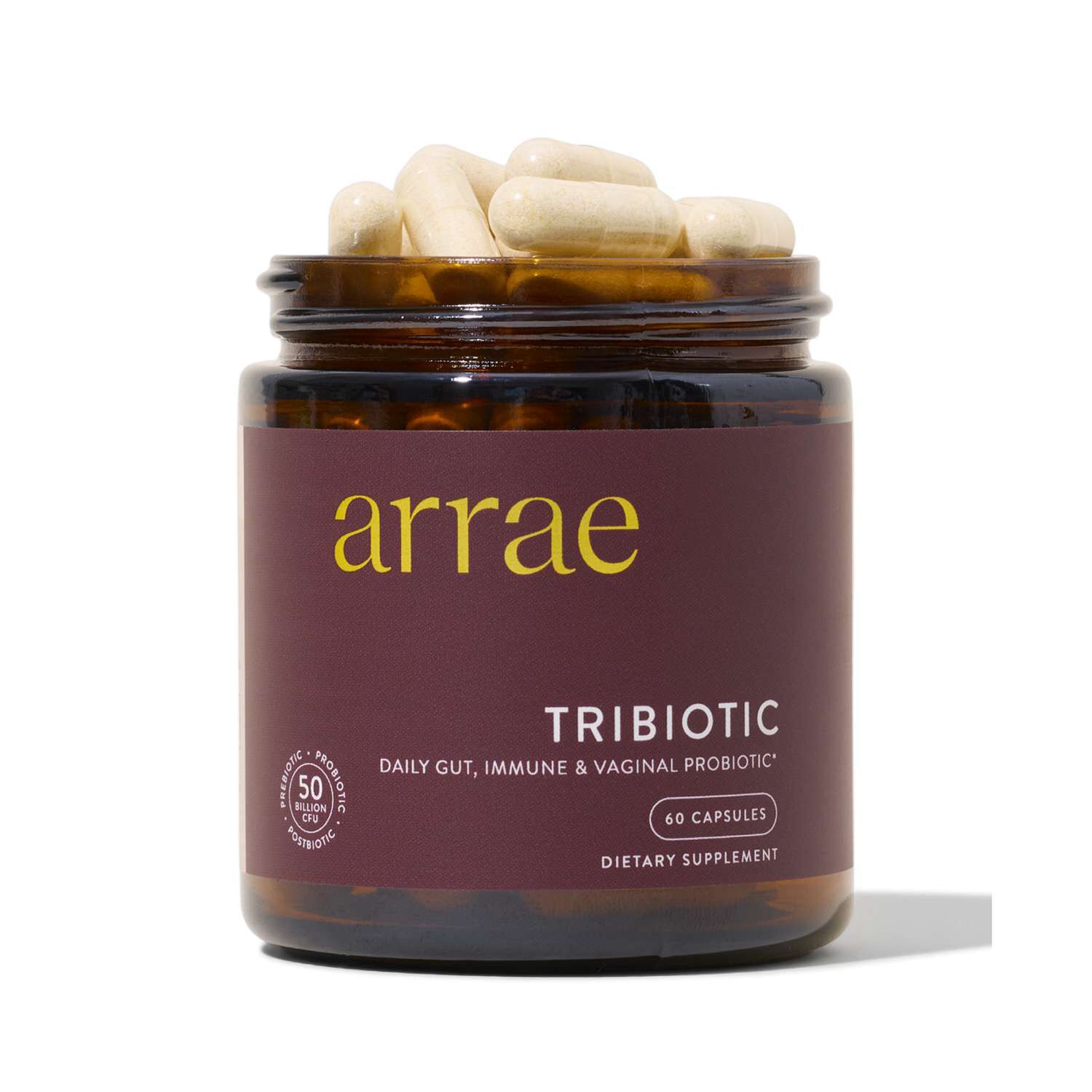
Vegetarian capsules for digestive health bring together digestive wellness ingredients and capsule shells made without animal gelatin. The category can include probiotics, prebiotics, digestive enzymes, and combinations of these ingredients, with each formula offering a different approach to an everyday supplement routine. Probiotic formulas contain live microorganisms and may support a balanced gut environment. Prebiotic ingredients may nourish beneficial gut bacteria, while digestive enzyme formulas may support the breakdown of components of food, such as carbohydrates, proteins, and fats. These categories are related, but they are not interchangeable, making the ingredient panel more informative than a broad digestive wellness description alone. The capsule material matters, too. Many vegetarian shells use cellulose-derived materials, including hydroxypropyl methylcellulose, often abbreviated as HPMC; others use pullulan, a material produced through fermentation. A vegetarian capsule describes the shell, not necessarily every ingredient inside it. The distinction matters for shoppers who follow a vegetarian or vegan eating pattern, since the contents, processing details, and dietary statements deserve separate attention. A plant-derived shell does not automatically mean that a formula contains only plant-derived ingredients, and vegetarian and vegan descriptions do not always mean the same thing. Someone who avoids gelatin may focus first on the capsule material, while someone following a vegan lifestyle may also look for an explicit vegan statement covering the finished formula. Capsule supplements can appeal to adults who prefer a measured serving rather than mixing a powder or choosing a chewable format. Their intended use is as a supplement to an everyday eating routine, not as a substitute for varied meals. For a shopper comparing vegetarian capsules for digestive health, a useful starting point is the combination of ingredient type, dietary suitability, serving size, and label directions. Those details provide a clearer picture of the format than the capsule’s appearance or a prominent number on the front of the bottle.
Within this category, differences between formulas often become clearer when the Supplement Facts panel is read alongside the full ingredient list. Probiotic labels may identify microorganisms by genus, species, and strain, with strain designations providing more detail than a general reference to beneficial bacteria. Colony-forming units, commonly abbreviated as CFU, describe a count of viable microorganisms. That count is only one part of the comparison: a larger number does not, by itself, establish whether a formula suits a particular preference or routine. Labels may also differ in whether their stated count applies at manufacture or through the expiration date. A blend with several strains is a different formulation from one with a single named strain, rather than automatically a better choice. Prebiotic capsules may contain ingredients such as inulin or other fermentable fibers, and the amount per serving can vary considerably. A capsule’s small format makes serving amounts worth checking, especially when comparing it with a powder that measures its serving in grams. Synbiotic formulas combine probiotics and prebiotics, but the amounts and identities of both components still matter. Digestive enzyme formulas offer another set of details to compare. Some list enzymes such as amylase, protease, and lipase, and may state activity units as well as ingredient amounts. Activity units describe enzyme activity rather than simply the weight of the ingredient, so unlike measurements should not be treated as equivalent. Enzymes can come from different sources, including microbial fermentation and plant materials; a vegetarian shell alone does not establish their origin. Blends may also include botanical ingredients or other nutrients, which adds another reason to read beyond the category name. Shoppers interested in adjacent formats can explore Vegetarian Supplements For Digestive Balance while keeping the same distinctions in mind. Whether comparing a focused formula or a combination, the most meaningful details are what it contains, how much the stated serving provides, and how clearly the label explains its composition.
Everyday fit is often about practical details that are easy to overlook in a quick comparison. A serving might consist of one capsule or several, so the capsule count on the bottle is not necessarily the number of servings inside. For someone organizing a breakfast routine before commuting, that difference can affect how a supplement fits alongside meals and other daily habits. Another person may prefer a capsule format because it involves no mixing, scoop, or flavored drink. Capsule dimensions can vary, however, and the shape shown in a photograph may not convey its actual size. Where size information is provided, it can be useful for shoppers with a strong preference for smaller capsules. Directions may specify use with food or give other timing instructions; those details belong to the individual formula rather than to vegetarian capsules as a whole. A capsule should not be assumed suitable for opening or mixing into food unless the label permits that use. Some shells or coatings are designed with a particular release pattern, and changing the format may affect its intended performance. Storage and packaging also deserve attention. Vegetarian capsules are not all packaged or maintained in the same way, and probiotic formulas can have storage requirements that differ from those of other digestive supplements. Label instructions, expiration dates, and intact packaging are more useful measures of suitability than assumptions about how long a capsule ought to last. A securely closed container and protection from moisture help preserve the intended storage conditions; a bottle beside a steamy sink may be less appropriate than a designated space that meets its label directions. For travel or a busy schedule, retaining access to the original label keeps serving and storage information close at hand. Other ingredients, allergen statements, and dietary certifications can further distinguish formulas that otherwise look similar. Adults who prefer vegetarian materials, follow a plant-focused eating pattern, or simply favor capsules over other supplement formats may find these details especially relevant. A thoughtful comparison brings the capsule shell, ingredient sources, serving information, and everyday handling together, with digestive wellness as the context rather than an expectation of a particular result.
Best Sellers
-
 Physician's Choice