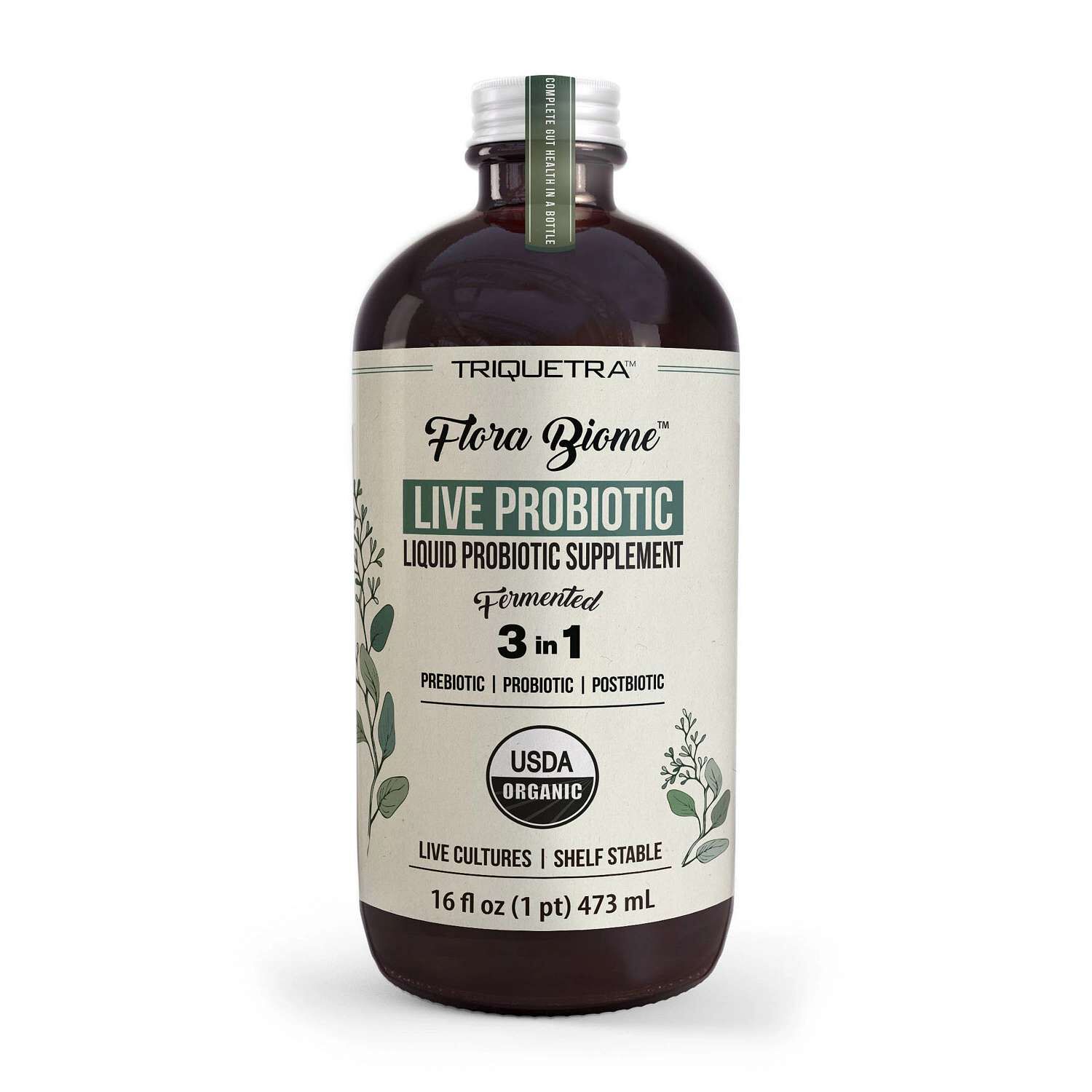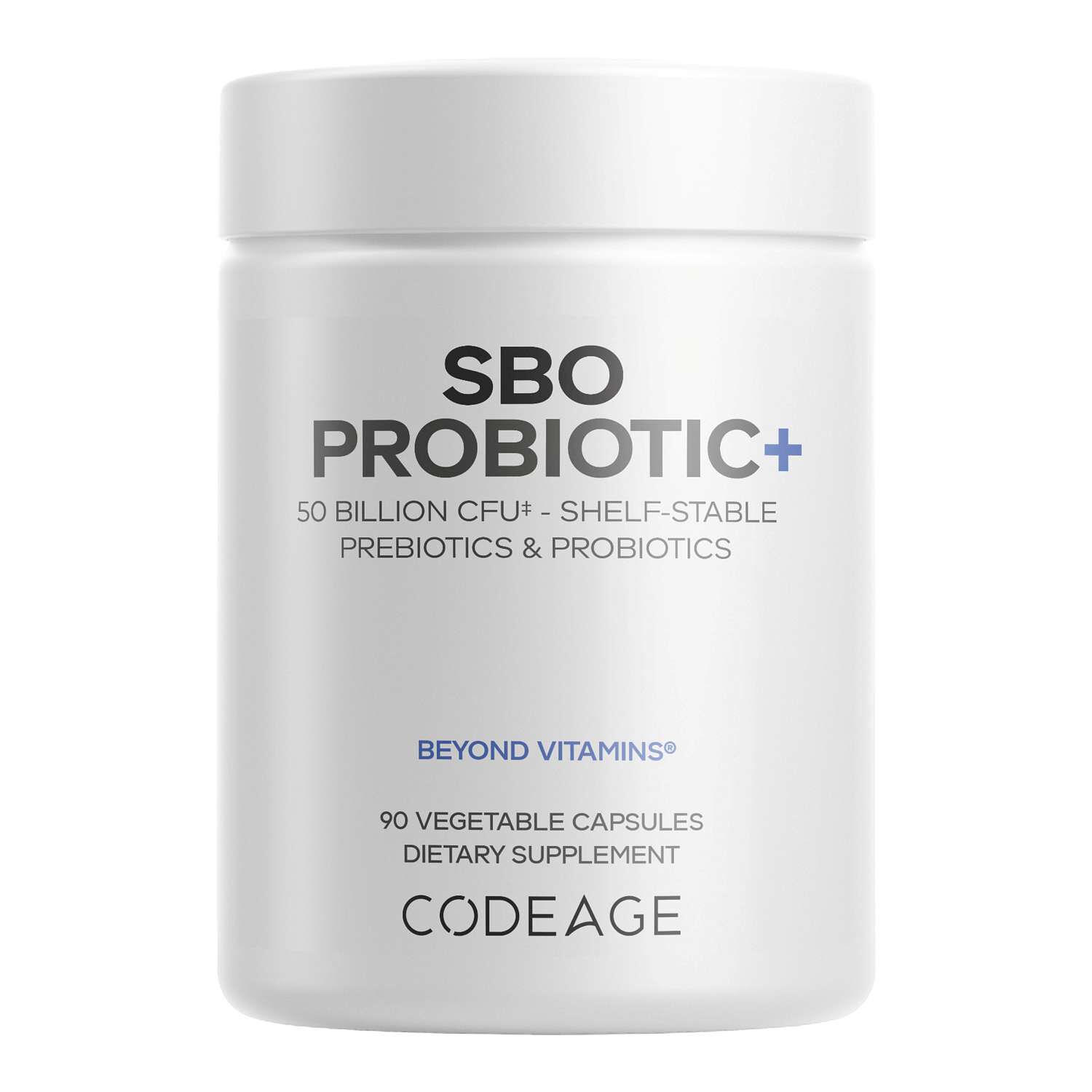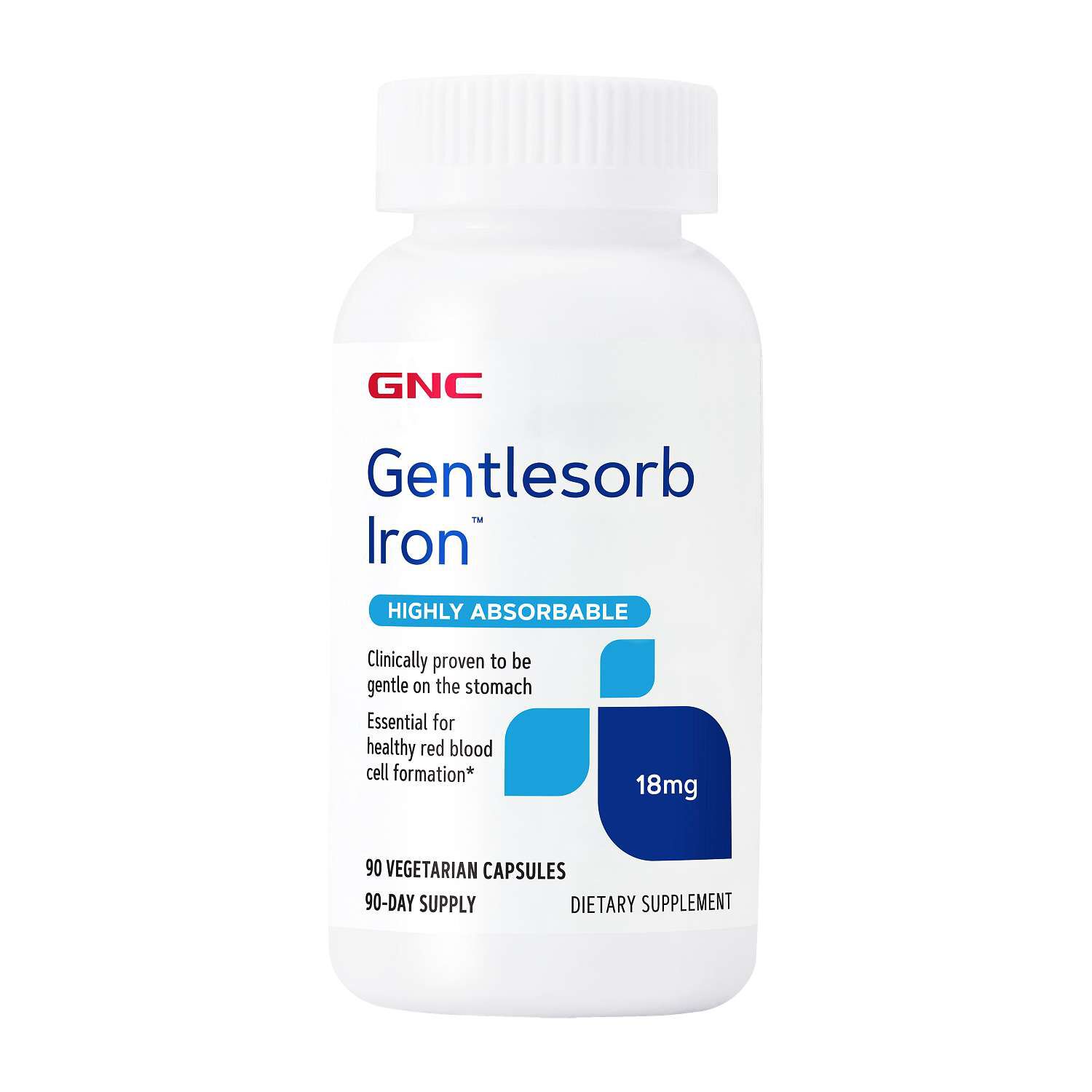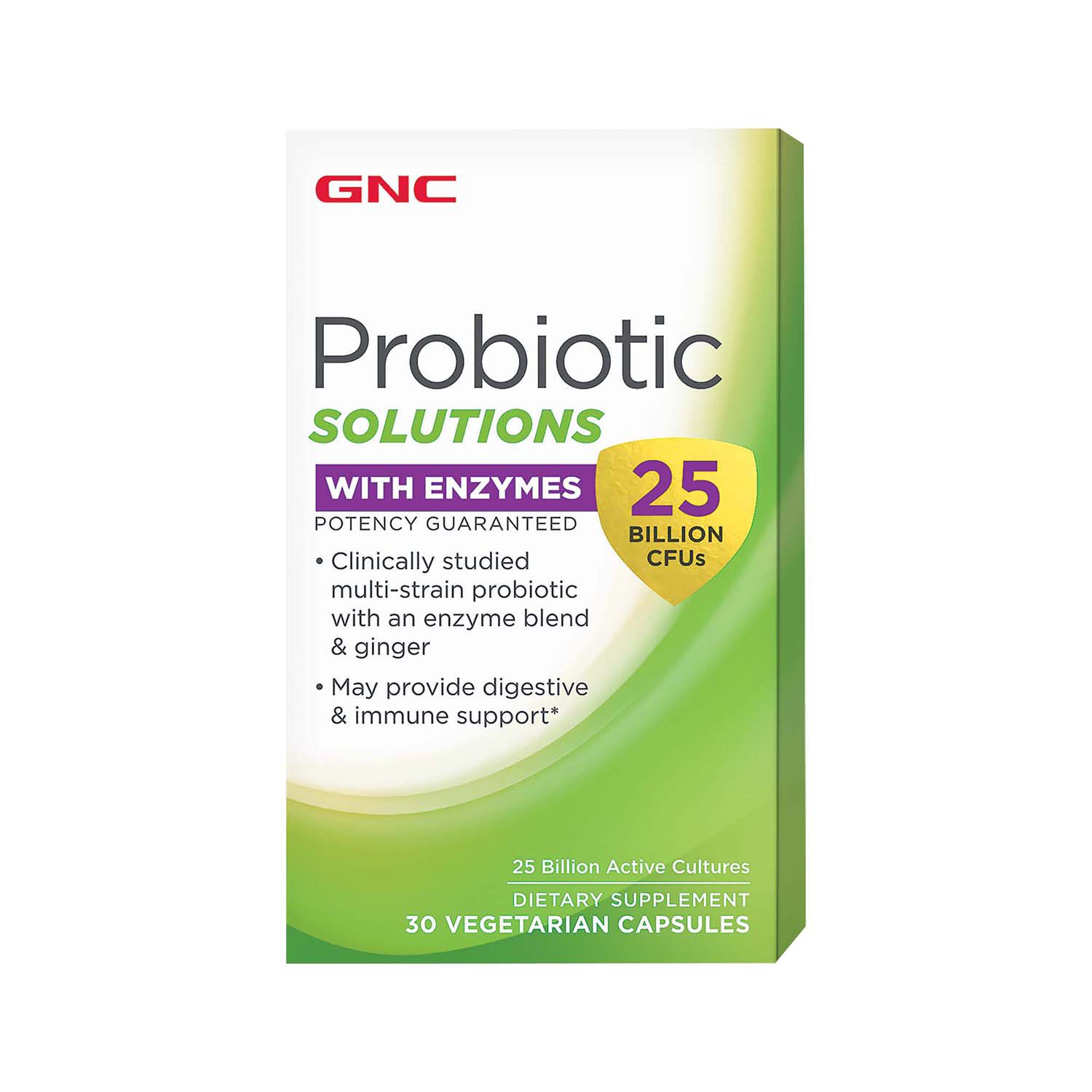


Vegetarian Capsules For Health Conscious Adults
(0 Results)
Vegetarian capsules for health conscious adults offer a convenient way to support wellness goals while aligning with plant-based lifestyles. With a variety of options designed to fit diverse nutritional needs, these supplements may be an ideal choice for those seeking alternatives to traditional gelatin capsules. Explore vegetarian capsules for health conscious adults and discover how they might complement your daily routine.

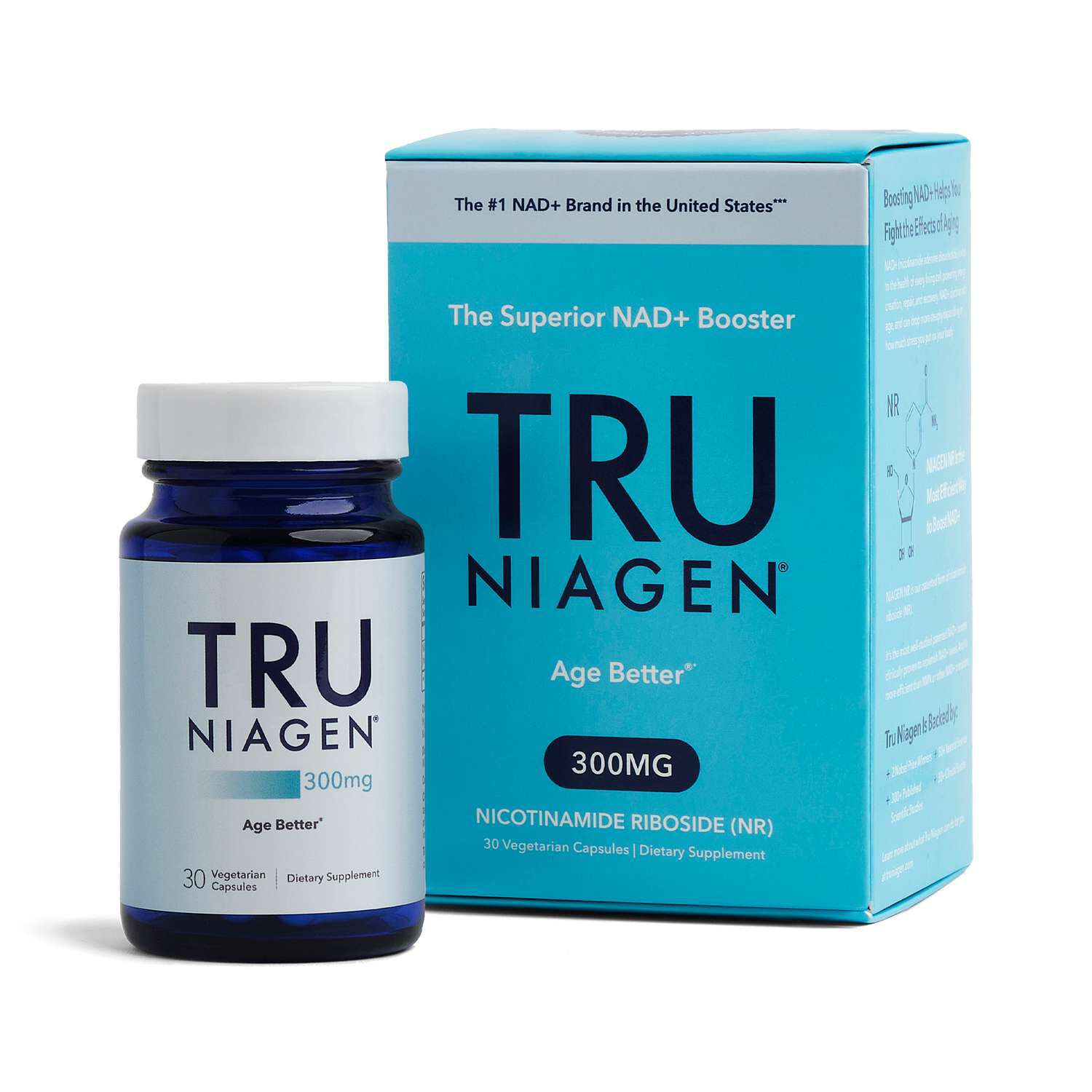
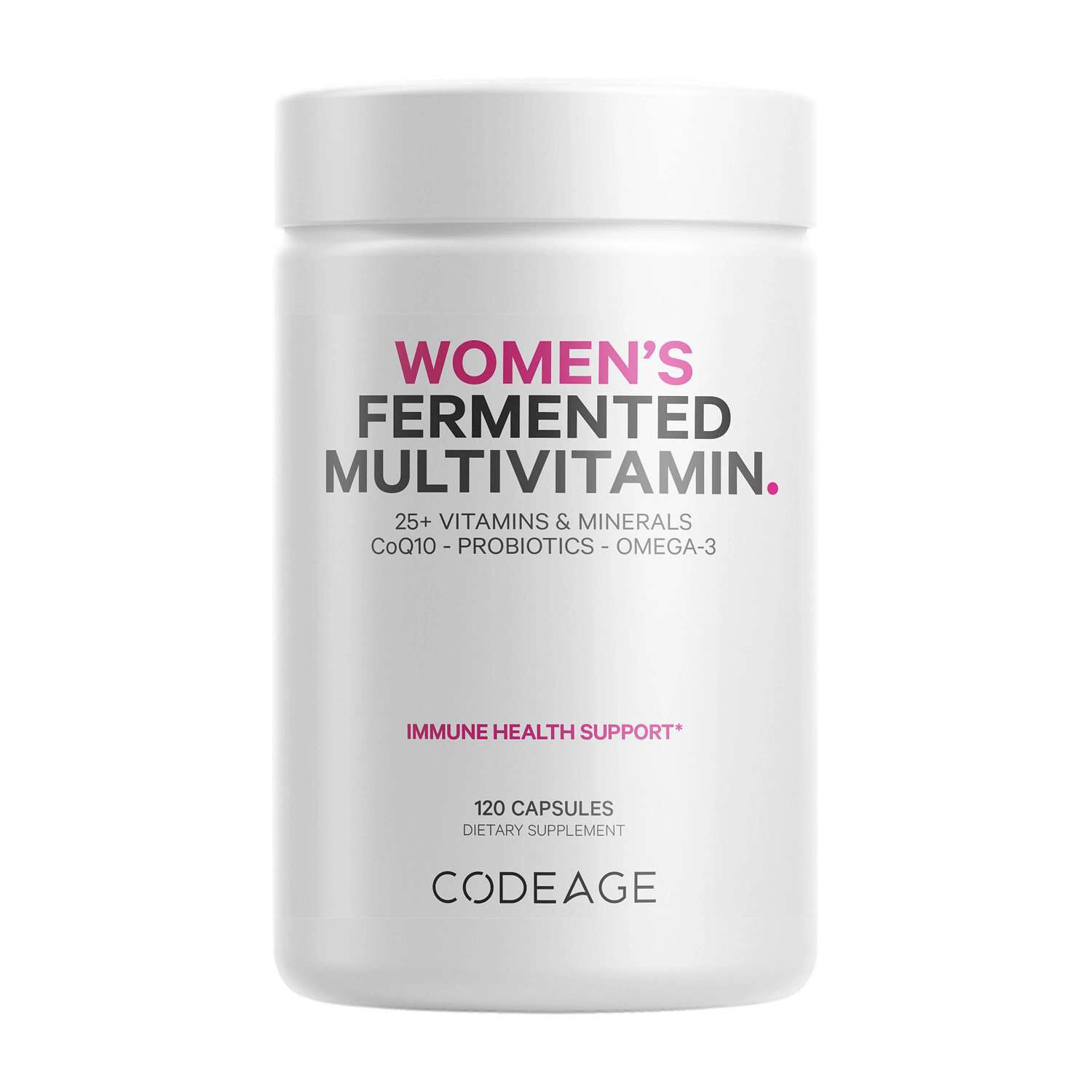


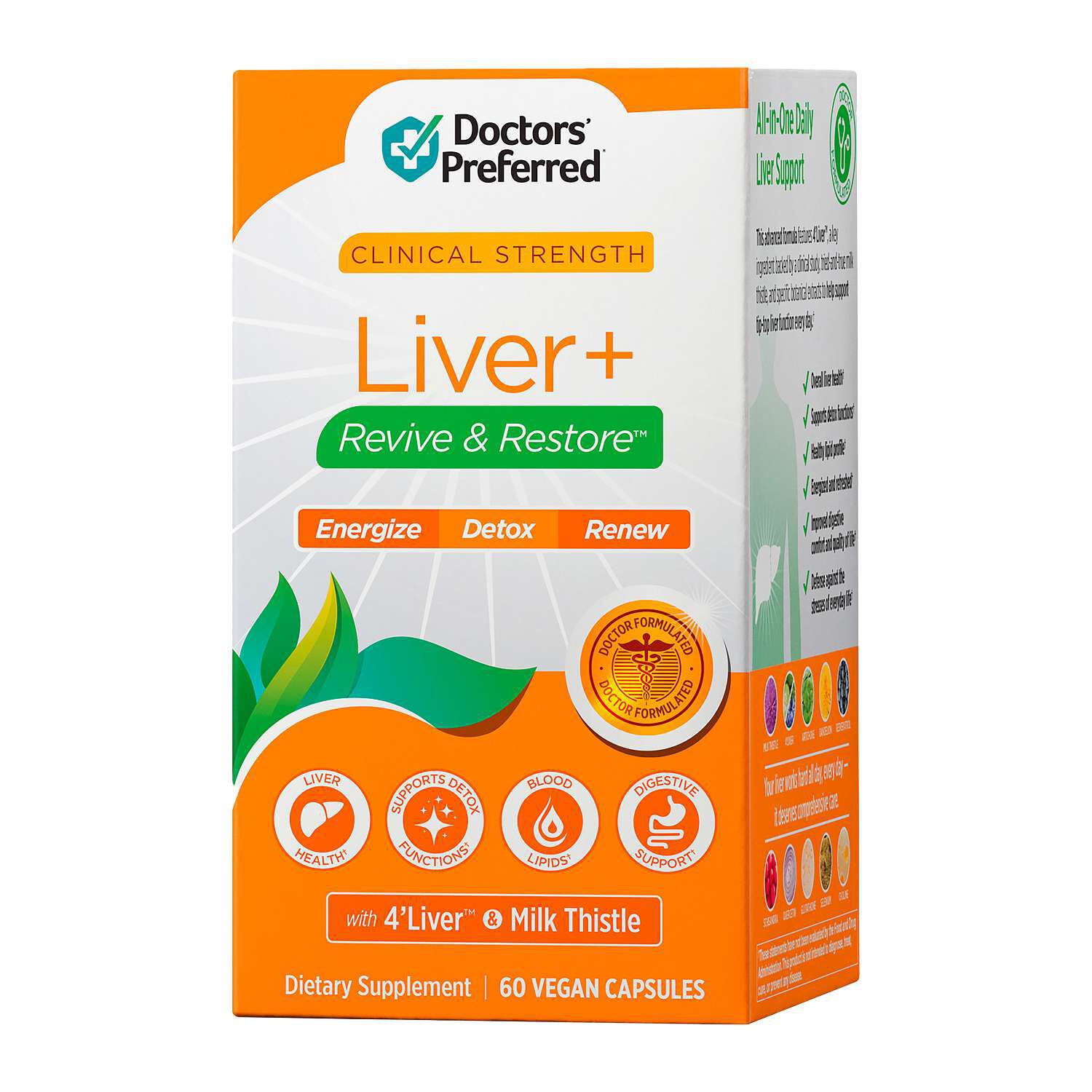
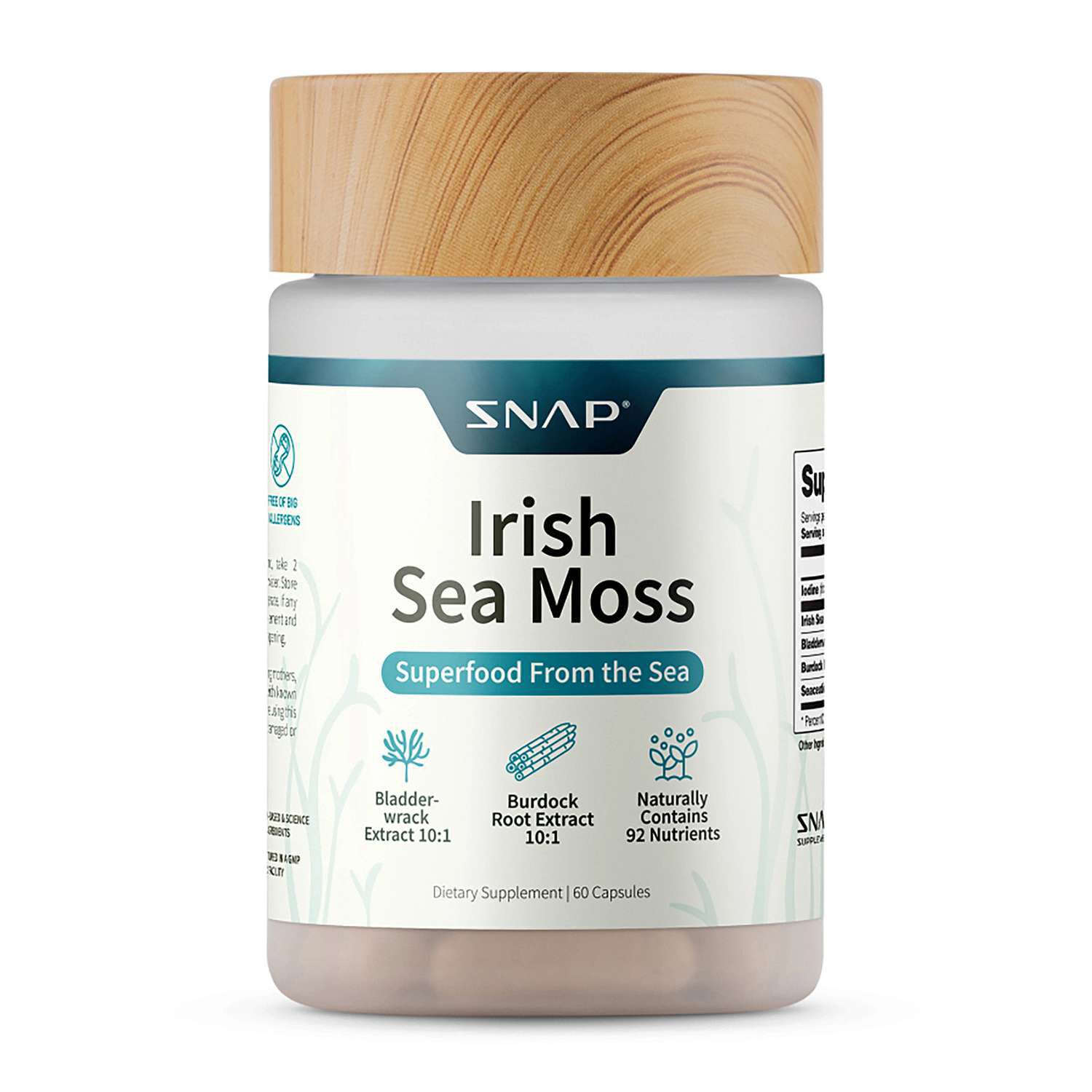


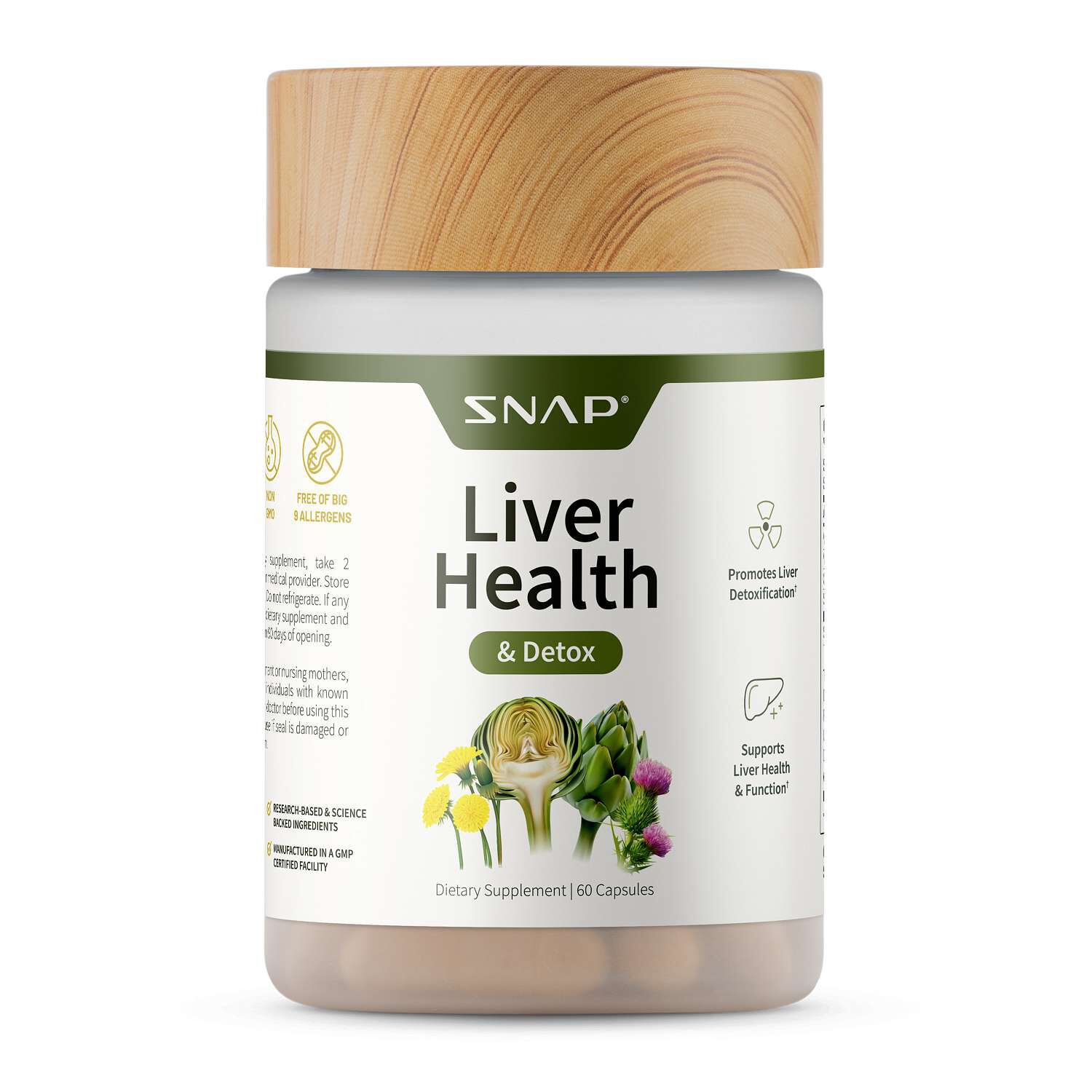
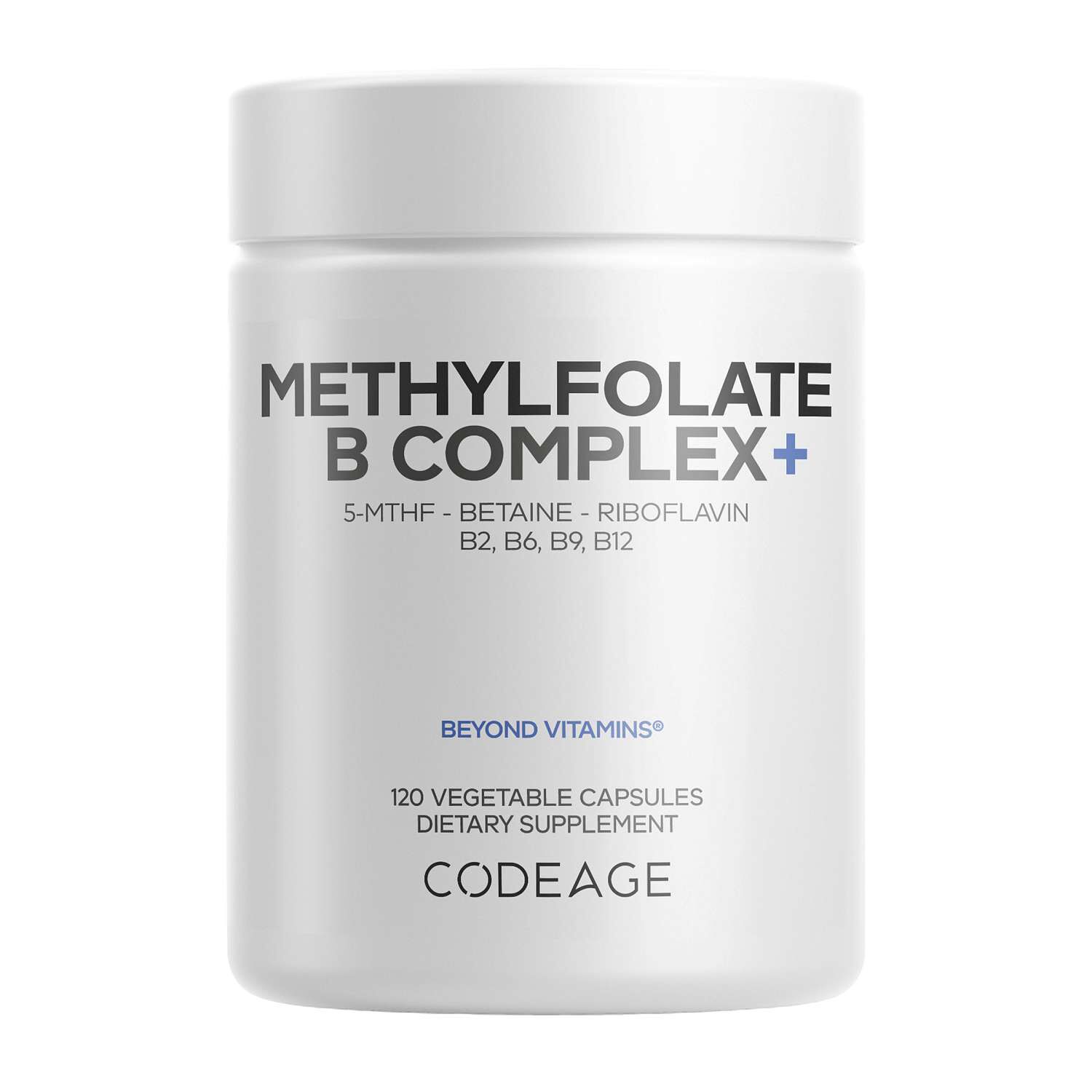
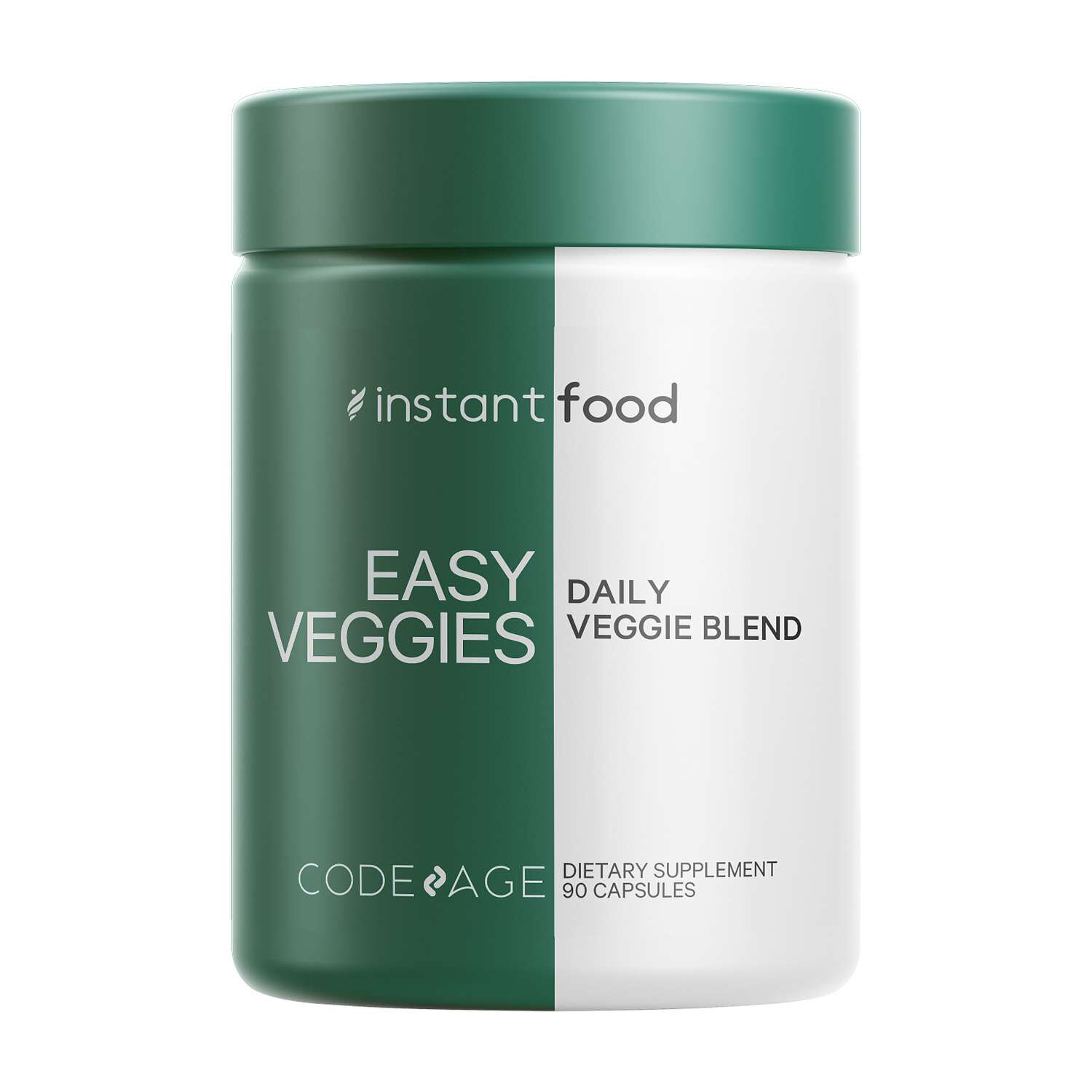
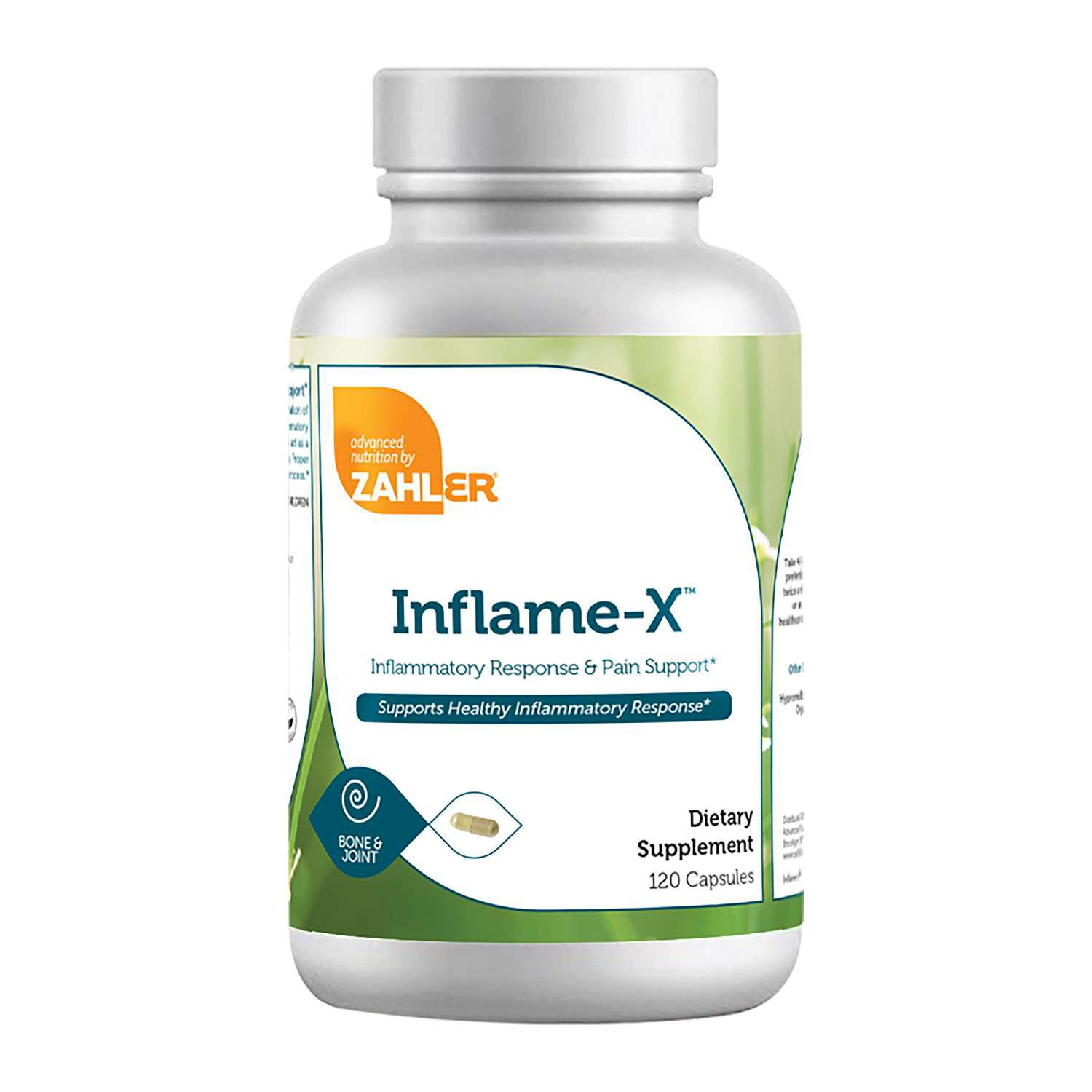
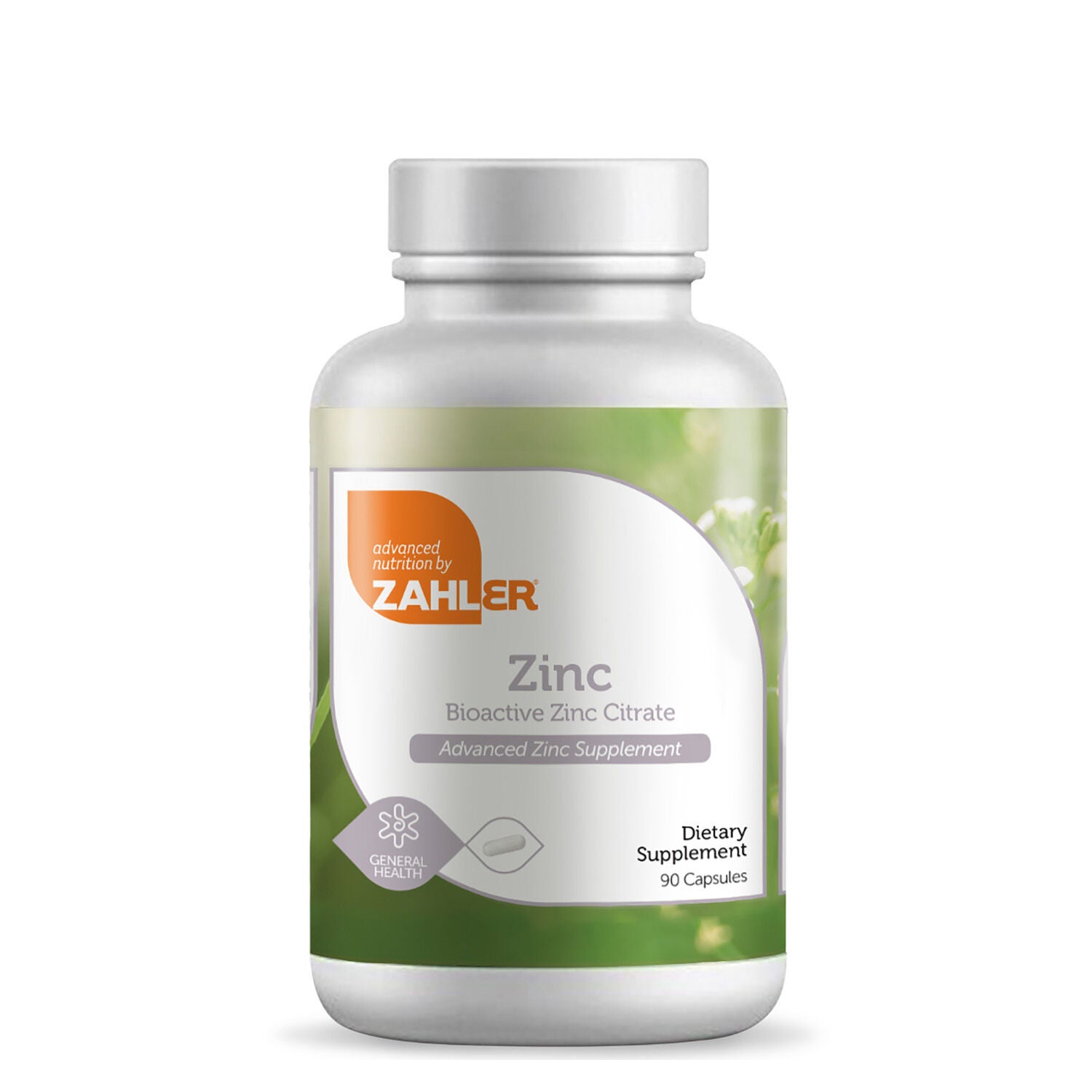
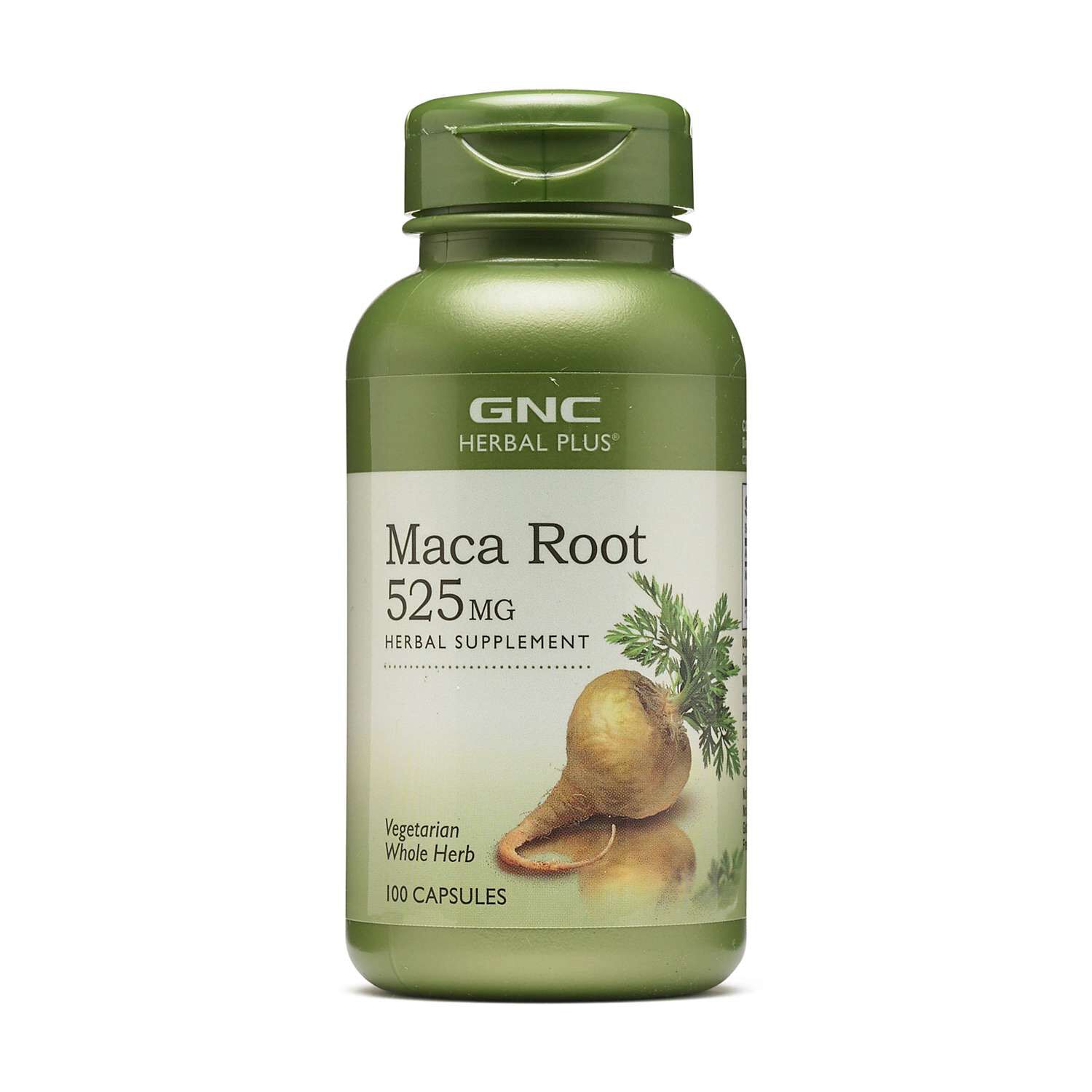


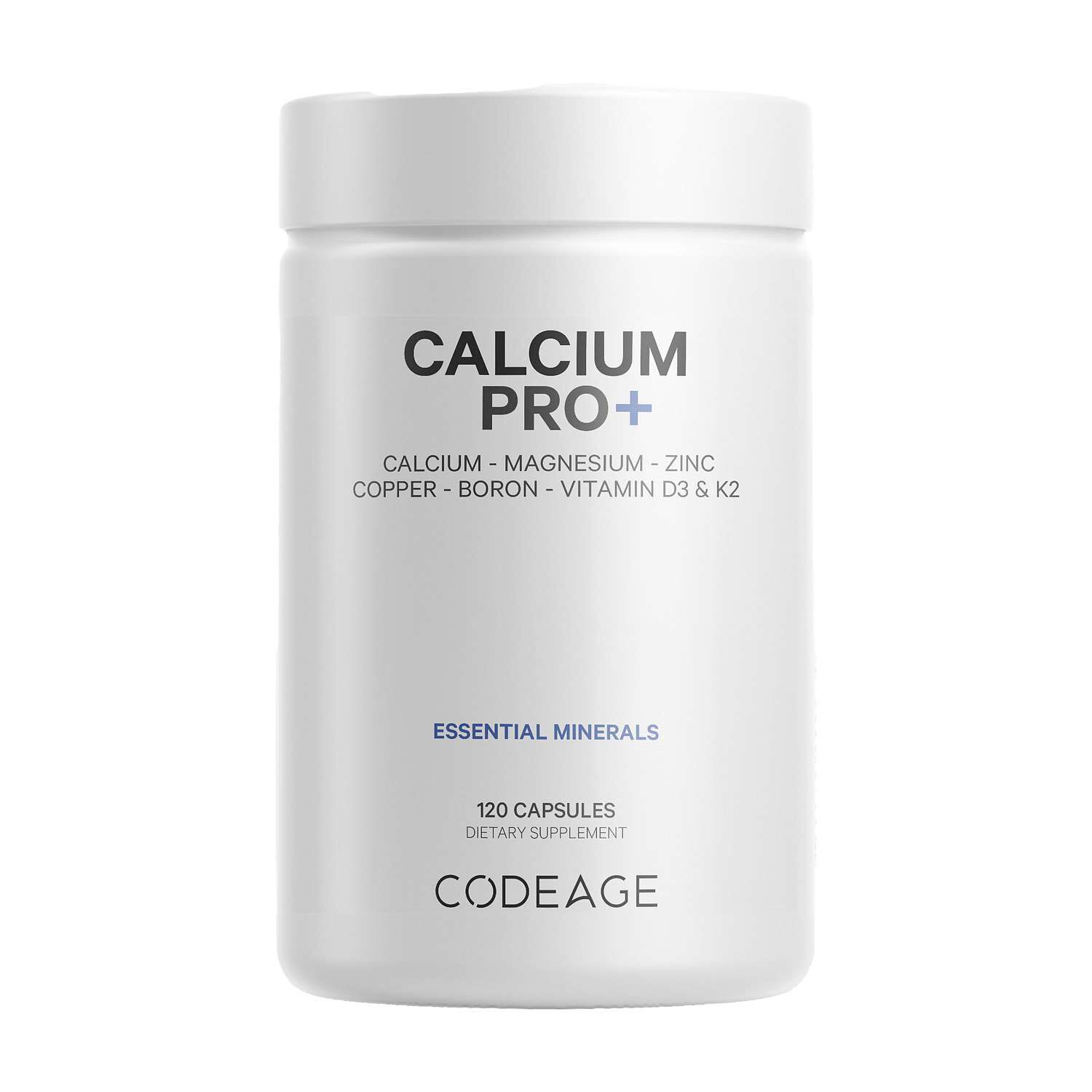

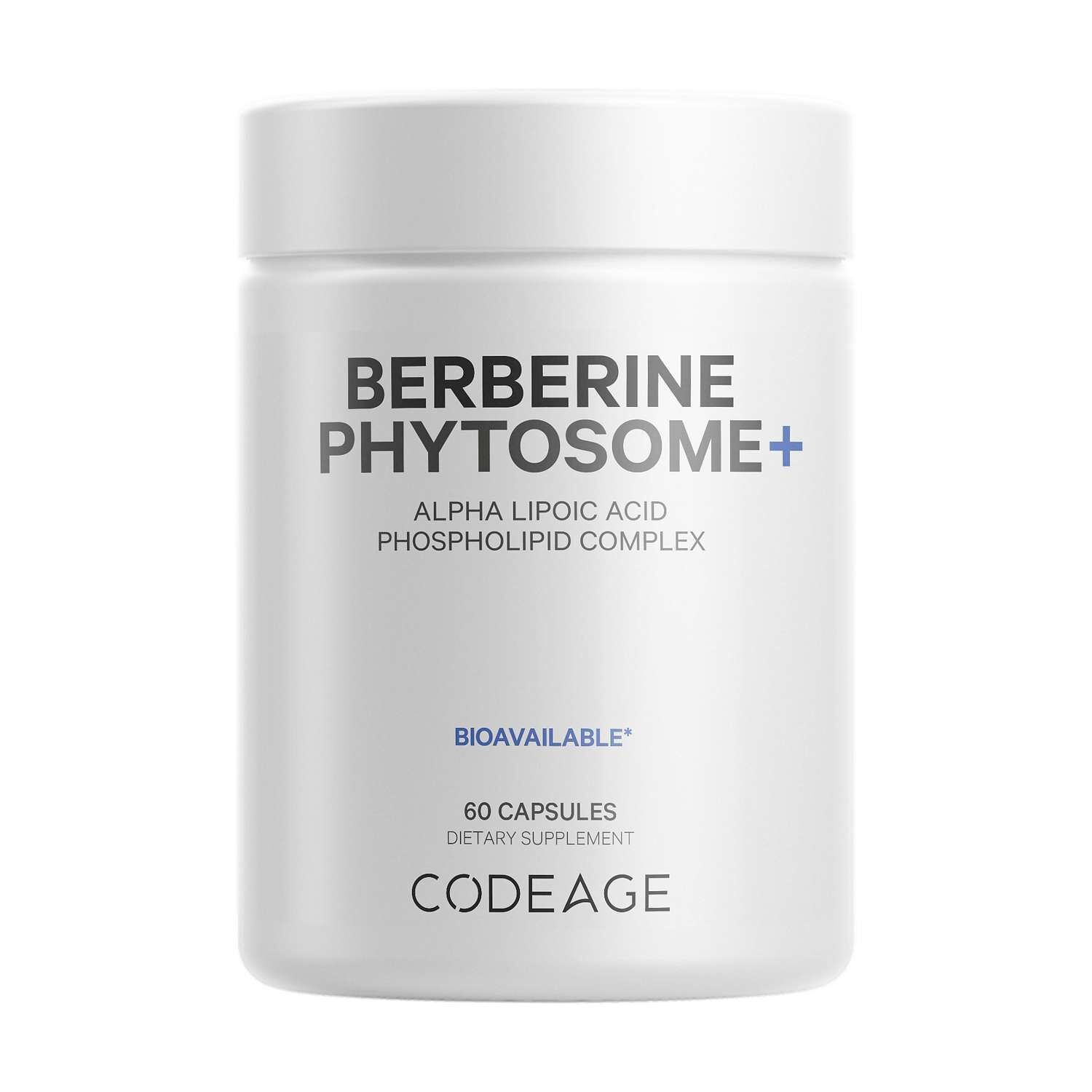
Vegetarian capsules for health-conscious adults offer a supplement format made with a non-animal capsule shell rather than the gelatin used in many conventional capsules. Common shell materials include hypromellose, also called hydroxypropyl methylcellulose or HPMC, and pullulan, a material produced through fermentation of carbohydrates. HPMC is derived from plant cellulose, while the source materials and manufacturing details for pullulan can vary. These materials form the outer shell that holds the supplement ingredients; they are not the nutrients themselves. That distinction matters when comparing vegetarian capsule supplements, because the shell and its contents each have their own ingredient information. A plant-derived shell does not automatically make every ingredient inside suitable for a vegetarian or vegan eating pattern. Someone who avoids animal-derived ingredients may want to look beyond the capsule description to the source of the vitamins, minerals, or other components in the formula. Vegetarian and vegan descriptions also are not interchangeable, and neither description establishes kosher or halal certification. Those designations require their own supporting information. For adults who bring the same attention to supplement labels that they bring to grocery shopping, vegetarian capsules provide a familiar place to start: what the shell is made from, what it contains, and how the finished formula fits personal dietary preferences. The capsule format also differs from tablets, powders, liquids, and chewables in practical ways. It holds ingredients inside a defined shell and generally does not require mixing into a beverage or measuring a scoop. Capsule dimensions, serving size, and ingredient concentration still vary, so two bottles with similar descriptions can represent quite different everyday routines. A clear view of both the outer material and the enclosed formula is more informative than a single plant-based statement on the front label. This category is relevant to established vegetarians, adults choosing more plant-derived materials, and shoppers who simply prefer a capsule shell made without animal gelatin. The appeal rests in those material and format preferences, not in an assumption that a vegetarian shell makes one formula nutritionally superior to another.
Label details give vegetarian capsule supplements much of their context. The Supplement Facts panel identifies the listed dietary ingredients and their amounts per serving, while the other ingredients section typically names the capsule material and additional formulation ingredients. Reading those sections together distinguishes what is inside the capsule from what forms its shell. Serving size deserves particular attention: a serving can consist of one capsule or several, and the capsule count printed on a bottle is not necessarily the number of servings it contains. An adult comparing bottles for an established routine may find that difference more useful than package size alone. Ingredient sourcing is another meaningful point of comparison. A familiar nutrient name does not always disclose whether its source is animal-derived, plant-derived, or produced through another process. Explicit dietary labeling and manufacturer documentation offer more context than assumptions based on the capsule’s appearance. The same care applies to ingredients someone chooses to avoid. A vegetarian shell does not establish the absence of milk, soy, wheat, or other ingredients, and it does not describe shared manufacturing equipment. Relevant label statements need to be considered separately. Organic labeling, dietary certifications, and independent testing references likewise address different attributes; one designation does not stand in for all the others. Where testing is mentioned, the details of what was evaluated matter more than a broad quality phrase. Physical characteristics also shape the shopping experience. Capsules can differ in length, width, color, opacity, and shell composition, even when they belong to the same dietary category. A translucent shell may show the powder inside, while an opaque shell conceals it; neither appearance alone establishes ingredient quality. For someone who already knows which capsule dimensions suit their preferences, published size information can be a useful comparison point. Clear labeling, readable directions, and accessible ingredient sourcing details create a more grounded basis for selection than broad wellness language. They also keep the focus on the finished supplement rather than treating its vegetarian shell as a description of every aspect of the formula.
Everyday fit includes how vegetarian capsules are packaged, stored, and incorporated into an existing routine. A bottle that stays in a dry cupboard has different handling demands from one carried frequently in a work bag, but the product’s storage directions remain the reference in either setting. Capsule shells are designed to contain their ingredients during ordinary handling, not to function as rugged containers on their own. Exposure to moisture, careless handling, or an unsecured closure can affect their physical condition. Original packaging retains the ingredient list, directions, lot information, and expiration date in one place, which is useful when several supplements share a household shelf. A securely closed container kept away from damp areas and direct sunlight also reflects the storage language commonly found on supplement labels, although individual directions can differ. Material alone does not establish shelf life: the enclosed ingredients, packaging, and manufacturing specifications all contribute to the finished product’s storage requirements. Nor does a vegetarian capsule shell establish how quickly a formula dissolves or how the body uses its contents. Those characteristics depend on the formulation and any supporting product-specific information. This distinction is especially relevant when a capsule description includes language about delayed release or other delivery features. Such attributes belong to the particular design, not to every capsule made from cellulose or pullulan. For everyday shoppers, the most relevant comparison remains the finished supplement, with its stated ingredients, intended adult use, dietary designations, and package directions. Empty capsule shells serve a different purpose from ready-to-use supplements, a distinction also reflected in Vegetarian Capsules For Supplement Businesses. Recognizing that difference keeps commercial formulation materials separate from supplements intended for a personal routine. Whether the preference begins with vegetarian eating, attention to ingredient origins, or familiarity with a particular format, the details that matter are concrete. Shell composition, formula sourcing, capsule dimensions, serving information, and suitable storage each reveal something different about the purchase. Together, those details describe vegetarian capsules more accurately than a dietary label alone and give health-conscious adults a practical way to compare this supplement category.
Best Sellers
-
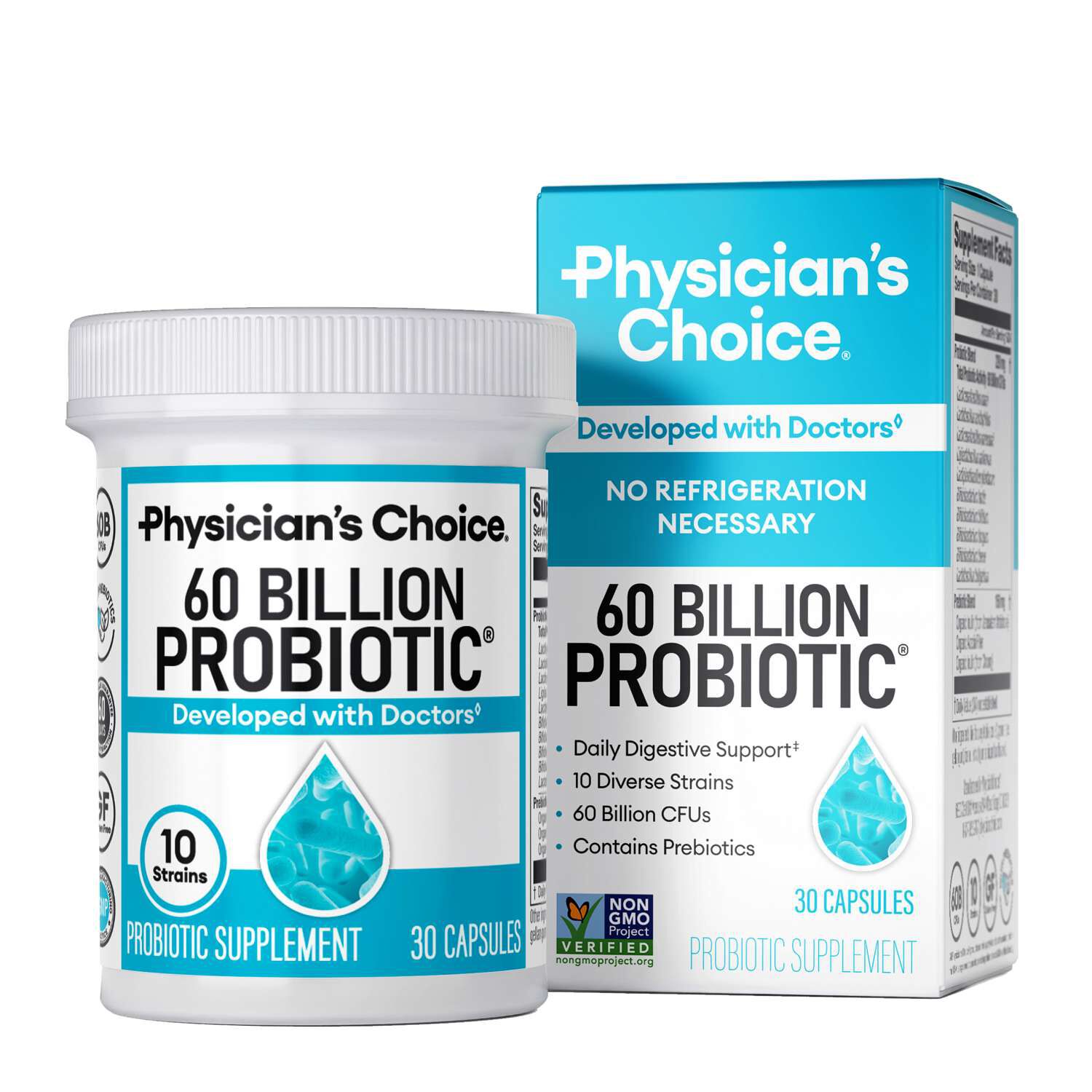 Physician's Choice