





Vegetarian Supplements For Digestive Balance
(0 Results)
Vegetarian supplements for digestive balance offer a variety of options designed to fit plant-based lifestyles. Whether you’re looking to support your daily routine or seeking new ways to help maintain your wellness goals, these supplements may be a convenient addition to your regimen. Explore vegetarian-friendly formulas that could align with your digestive health journey and discover choices that suit your unique needs.
-

-

-

-
-

-

-
-

-
 209$34.99
-

-

-
 _Front.jpg?sw=305&sh=305&sm=fit "Magnesium: Bioactive Magensium Citrate - 120 Capsules (120 Servings) | GNC")
-
 _Front.jpg?sw=305&sh=305&sm=fit "Magnesium: Bioactive Magensium Citrate - 60 Capsules (60 Servings) | GNC")
-

-

-

-







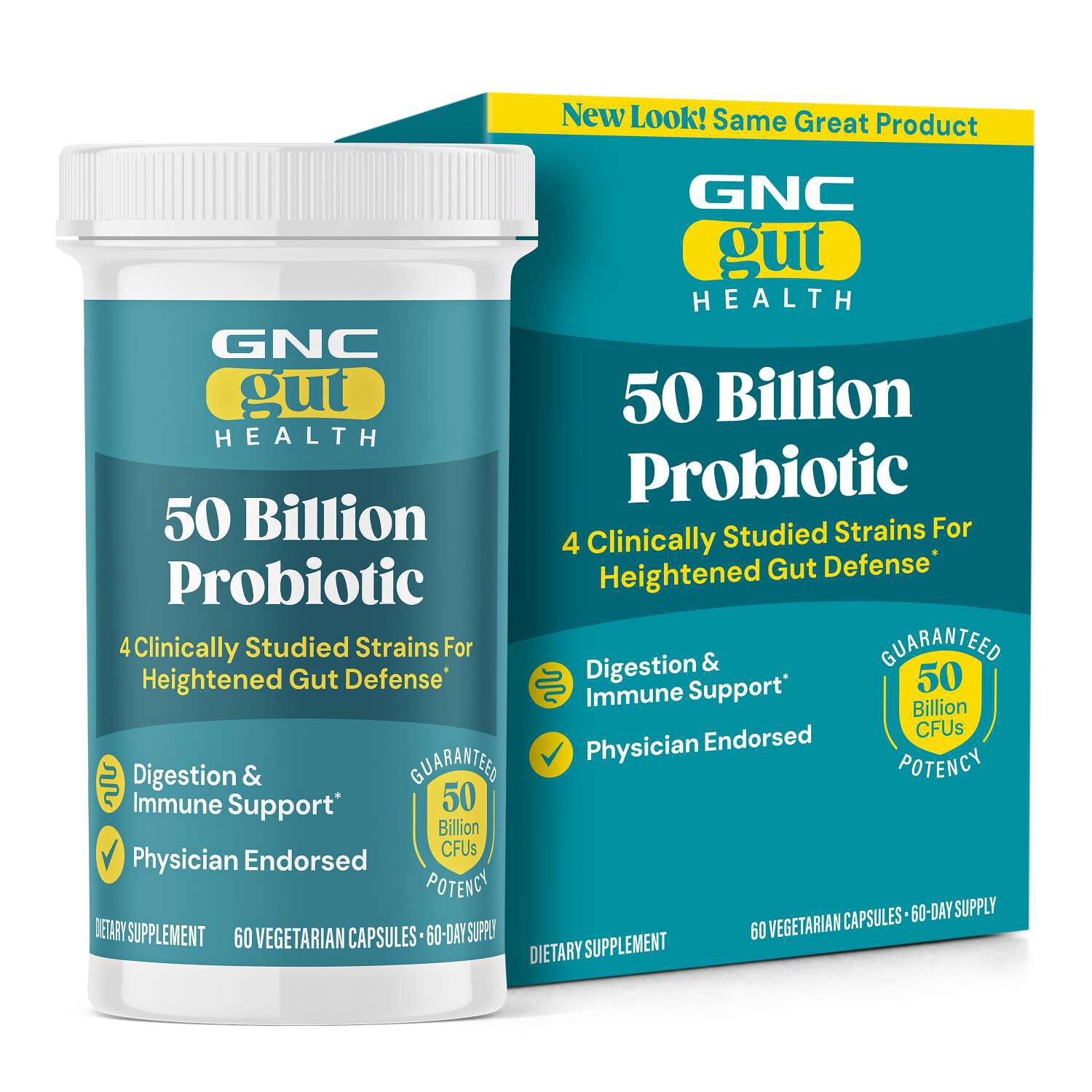
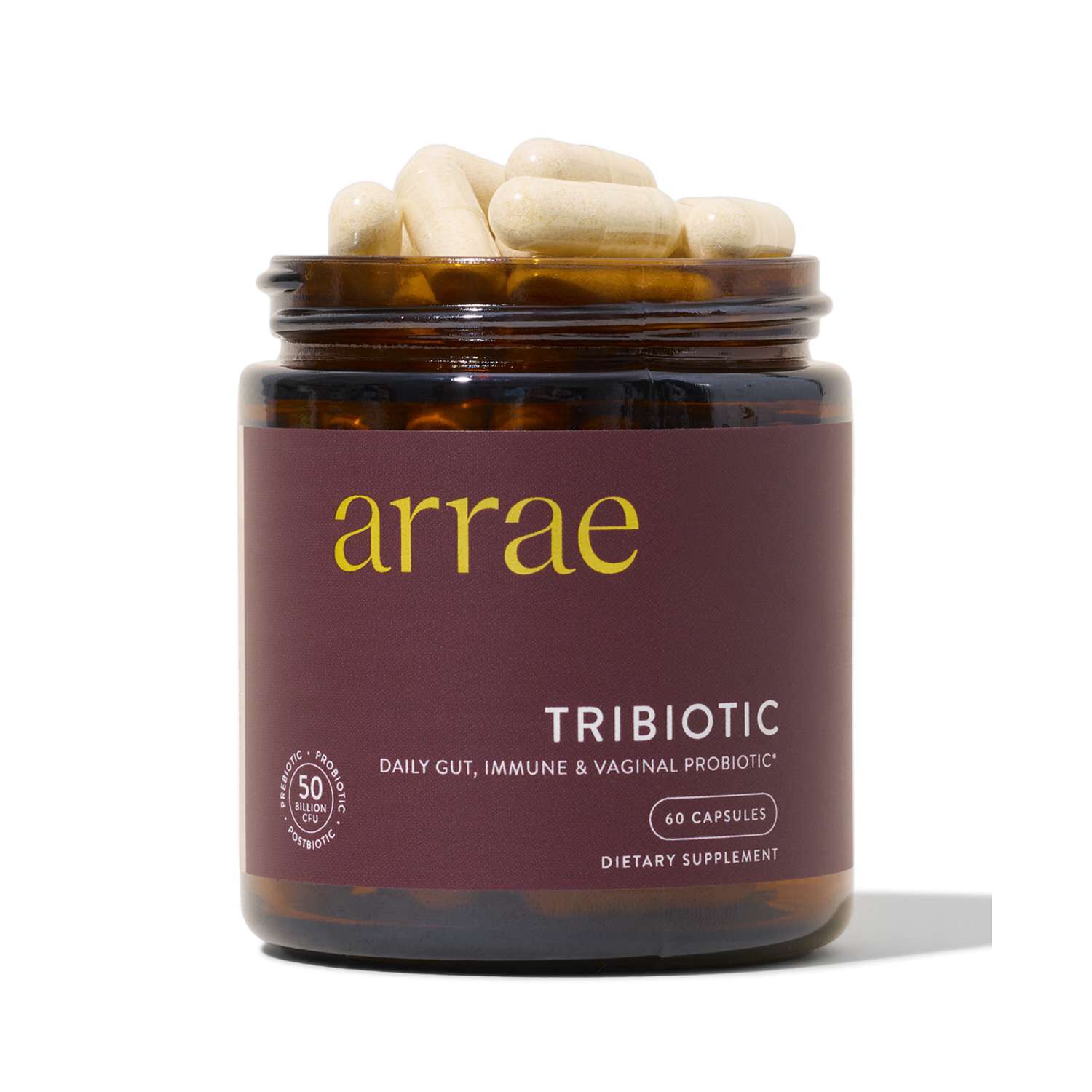
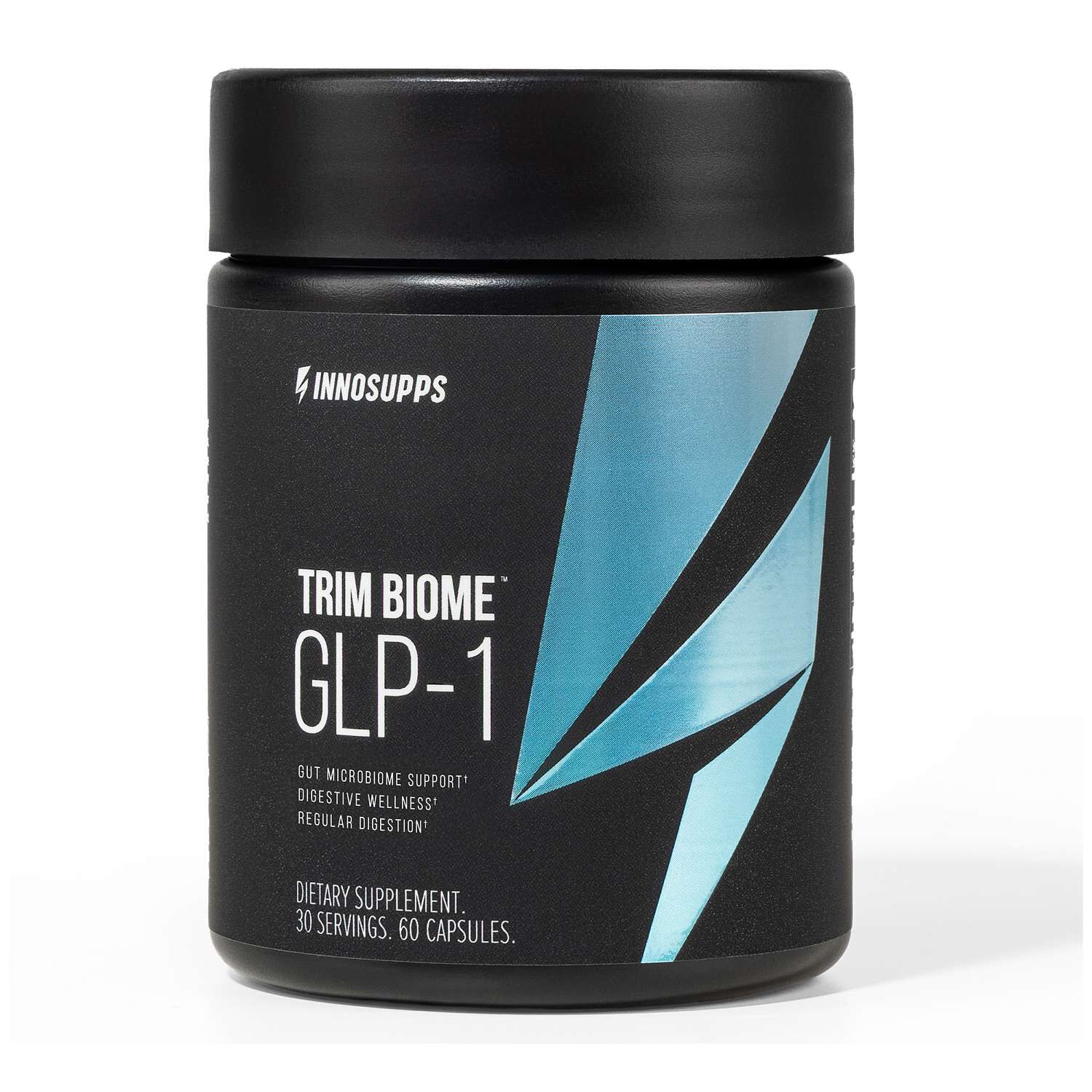
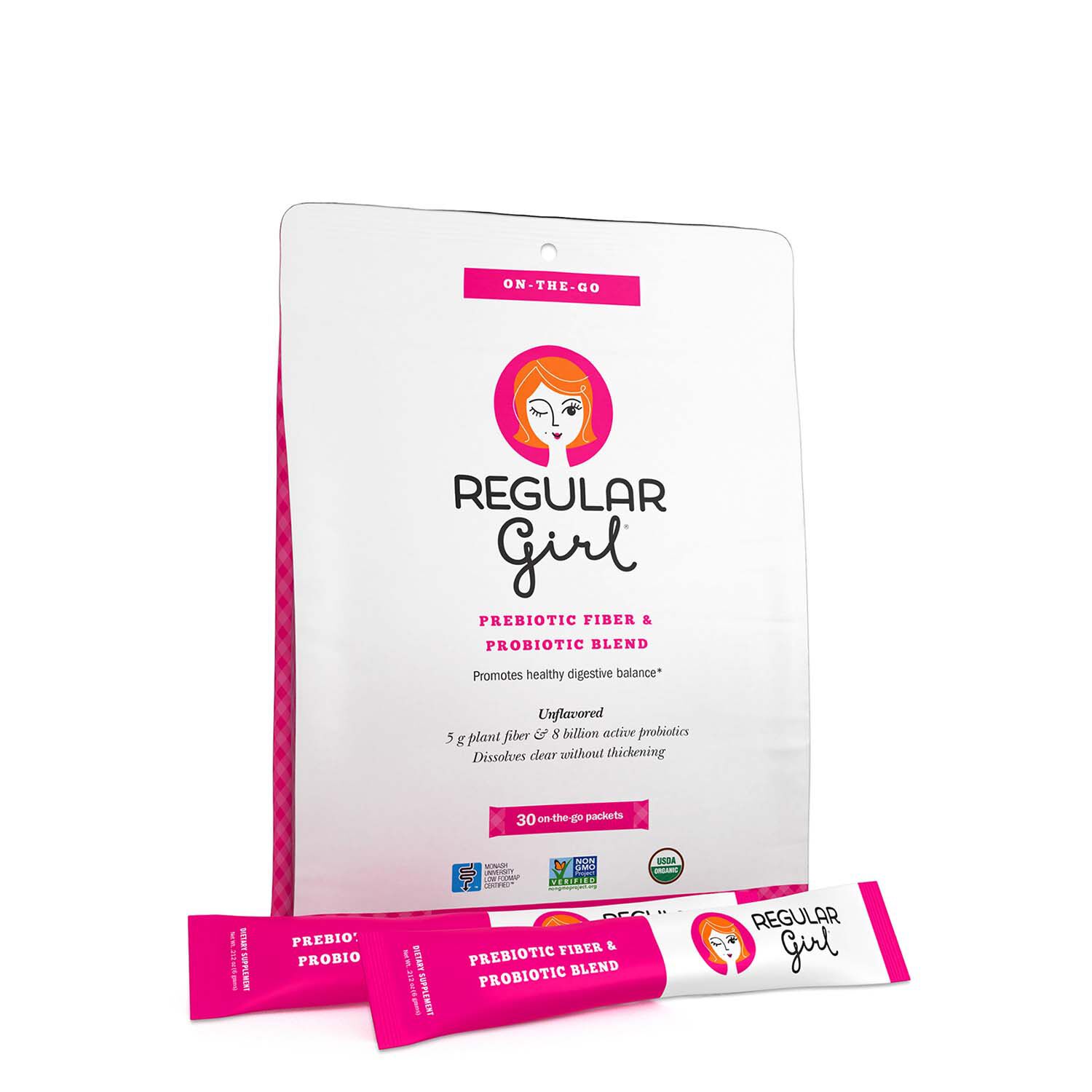
Vegetarian supplements for digestive balance include probiotics, prebiotic fibers, digestive enzymes, and botanical blends formulated with ingredients suited to vegetarian preferences. These categories serve different purposes, so the ingredient list offers a more useful starting point than a broad digestive wellness description alone. Probiotic supplements contain live microorganisms, often identified by names such as Lactobacillus and Bifidobacterium, that may support a balanced digestive environment. Prebiotic formulas commonly feature fibers such as acacia fiber or inulin, which may nourish beneficial gut bacteria. Digestive enzyme supplements contain enzymes selected for their roles in normal food digestion, and vegetarian formulations can use sources such as fungi or microbial fermentation rather than animal tissues. Amylase, protease, and lipase may support the digestion of carbohydrates, proteins, and fats, respectively. Alpha-galactosidase is another enzyme found in some vegetarian formulas and may assist with the digestion of certain carbohydrates present in beans and other legumes. A bowl of lentils, a chickpea salad, or a meal built around whole grains illustrates the kinds of foods that often shape a vegetarian eating pattern, although the suitability of a supplement depends on its particular formulation and intended use. Ginger, peppermint, and fennel also appear in digestive wellness products as botanical ingredients, sometimes alongside enzymes or fibers. Their presence adds another consideration for shoppers who prefer a simpler formula or want to avoid a particular flavor or ingredient. Some supplements focus on one category, while others combine cultures, fibers, enzymes, or botanicals in a single serving. Neither approach tells the whole story without the label. Vegetarian sourcing does not mean every ingredient comes directly from a plant: microorganisms and fungi can also provide ingredients appropriate for vegetarian formulations. The useful distinction is whether the finished product, including its capsule shell and supporting ingredients, matches the shopper’s dietary preferences. Supplements belong alongside a varied eating pattern, not in place of the meals that provide everyday nourishment.
Ingredient sourcing deserves attention beyond the largest words on the front of the package. A vegetarian capsule commonly uses a cellulose-based shell or another non-animal material, while a conventional gelatin capsule uses an animal-derived material. The contents still need their own review, since a vegetarian shell does not establish the origin of every ingredient inside it. Vegetarian and vegan descriptions are also different: some vegetarian products can contain dairy-derived ingredients, while vegan descriptions address the exclusion of animal-derived ingredients more broadly. For probiotic formulas, the culture source, fermentation materials, and other ingredients can matter to someone avoiding dairy ingredients. An explicit dietary statement is more informative than an assumption based on the product format or the appearance of the packaging. Labels may also identify capsule materials, flavorings, sweeteners, and ingredients used to keep a powder flowing consistently. Shoppers who prefer a capsule format can explore Vegetarian Capsules For Digestive Health while comparing those details. Within probiotic labeling, genus, species, and strain designations offer more precise information than a general reference to live cultures. Culture quantities are often expressed in colony-forming units, and the label may indicate whether that number applies at manufacture or through a stated date. Enzyme formulas may list activity units as well as ingredient amounts, so an amount in milligrams alone does not describe every aspect of the formulation. Fiber labels can show the grams provided per serving and identify the source, allowing shoppers to distinguish a fiber-centered product from a blend containing a smaller amount of fiber among several ingredients. Serving size deserves equal attention: one serving might involve more than one capsule, or a measured scoop rather than the entire packet. Comparing the same serving basis across labels makes the differences easier to understand. A longer ingredient list or a larger number on the front panel is not, by itself, a reason to prefer one formulation over another.
Format, everyday fit, and storage are practical considerations for vegetarian digestive supplements, particularly when the product becomes part of an established routine. Capsules keep the ingredients inside a shell and involve little preparation, while powders call for measuring and mixing according to package directions. For someone who already uses a shaker cup, a powder format may fit naturally into that preparation step; another shopper may prefer capsules because there is no powder to measure or mixing container to rinse. Powder textures and flavors vary, and ingredients such as plant fibers can affect how a mixture looks or feels. Unflavored does not necessarily mean tasteless, so flavor descriptions, suggested preparation methods, and the ingredient list all help set expectations. Chewable formats bring their own considerations, including serving size, sweeteners, and texture. Package directions should determine how a supplement is used, including any stated relationship to meals or beverages, rather than a general assumption about digestive products. Storage requirements also vary. Some probiotic formulations call for refrigeration, while others specify a dry storage location; the directions on the individual package are the relevant reference. Moisture, exposure to heat, and repeated opening can matter for product quality, making a secure closure and careful handling worthwhile considerations. Keeping a supplement in its original container retains the ingredient panel, serving information, storage directions, and dated labeling. For a work bag or travel bag, sturdy packaging and a closure that stays shut are useful features, especially when containers sit beside lunch boxes or drink bottles. Scoops and measuring tools should remain clean and dry, and any packet or container should be handled as its label directs. These practical details matter to long-time vegetarians, people adding more plant-centered meals to their menus, and household members comparing dietary preferences before purchasing a supplement. A formula that fits one person’s routine may not suit another person’s preferred serving format, ingredient exclusions, or preparation habits. Thoughtful comparison centers on the actual ingredients, their sources, the serving instructions, and the care the product requires, keeping vegetarian digestive wellness shopping grounded in clear, everyday details.
Best Sellers
-
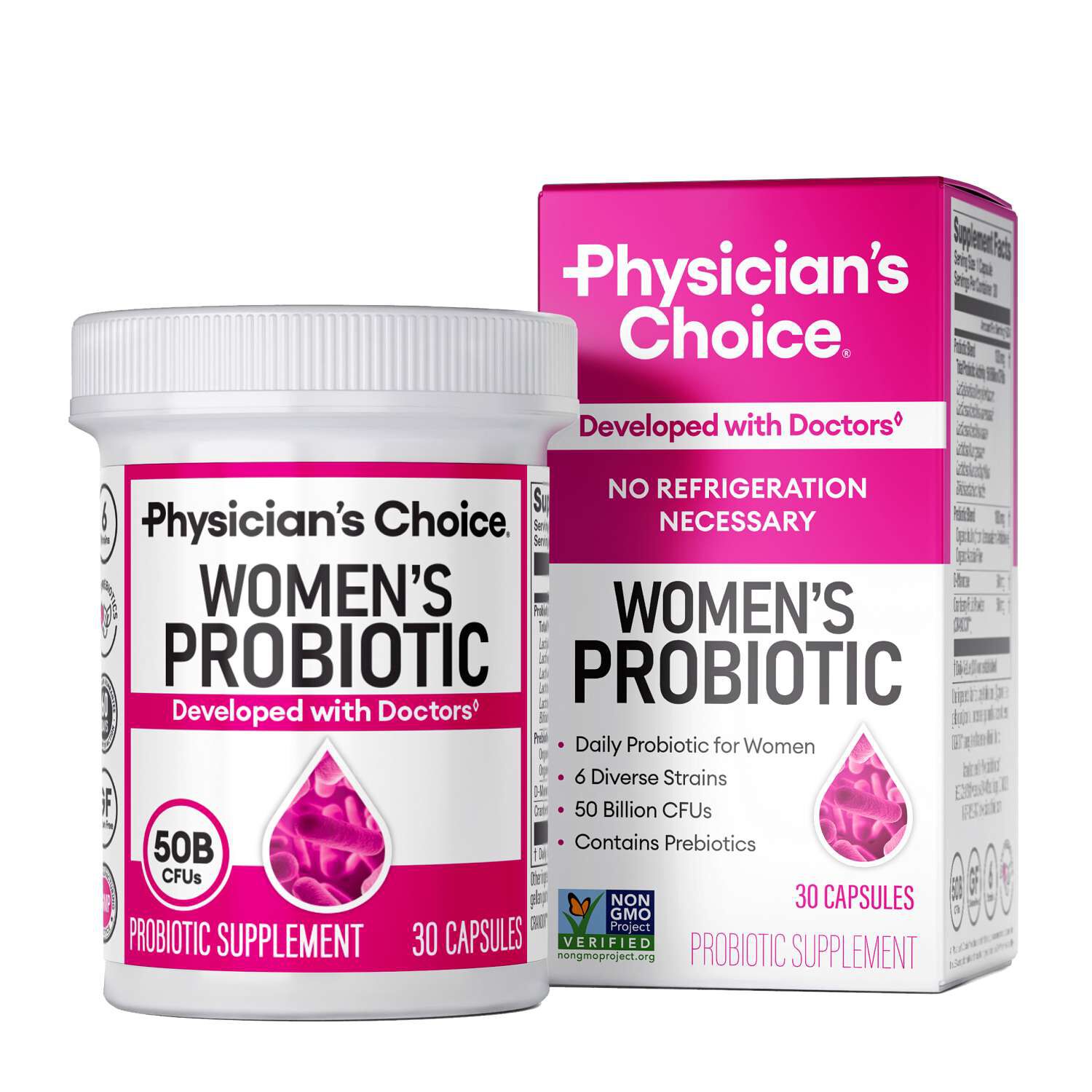
Physician's Choice
Related Pages

Top Collections
- Daily Collagen Supplements | Top Brands & Deals | GNC
- Natural Collagen Supplements | Top Brands & Deals | GNC
- Top Rated Collagen | Shop Customer Favorites | GNC
- Cortisol Supplements
- Vitamins For Hair Loss
- Spirulina Tablets
- NAD+ Supplement Tablets
- Peptide Supplements
- Best Brand of Magnesium Glycinate
- Vitamins That Help Support Weight Gain