





Vegetarian Digestive Enzymes
(0 Results)
Enhance your digestive health with our range of vegetarian digestive enzymes. Formulated to support optimal digestion and nutrient absorption, these plant-based enzymes are perfect for individuals following a vegetarian or vegan lifestyle. Whether you're looking to ease occasional bloating, gas, or indigestion, our selection of vegetarian digestive enzymes offers a natural solution to help you feel your best every day. Discover how these supplements can promote better gut health and overall well-being.
-

-
 $19.99
 -

-


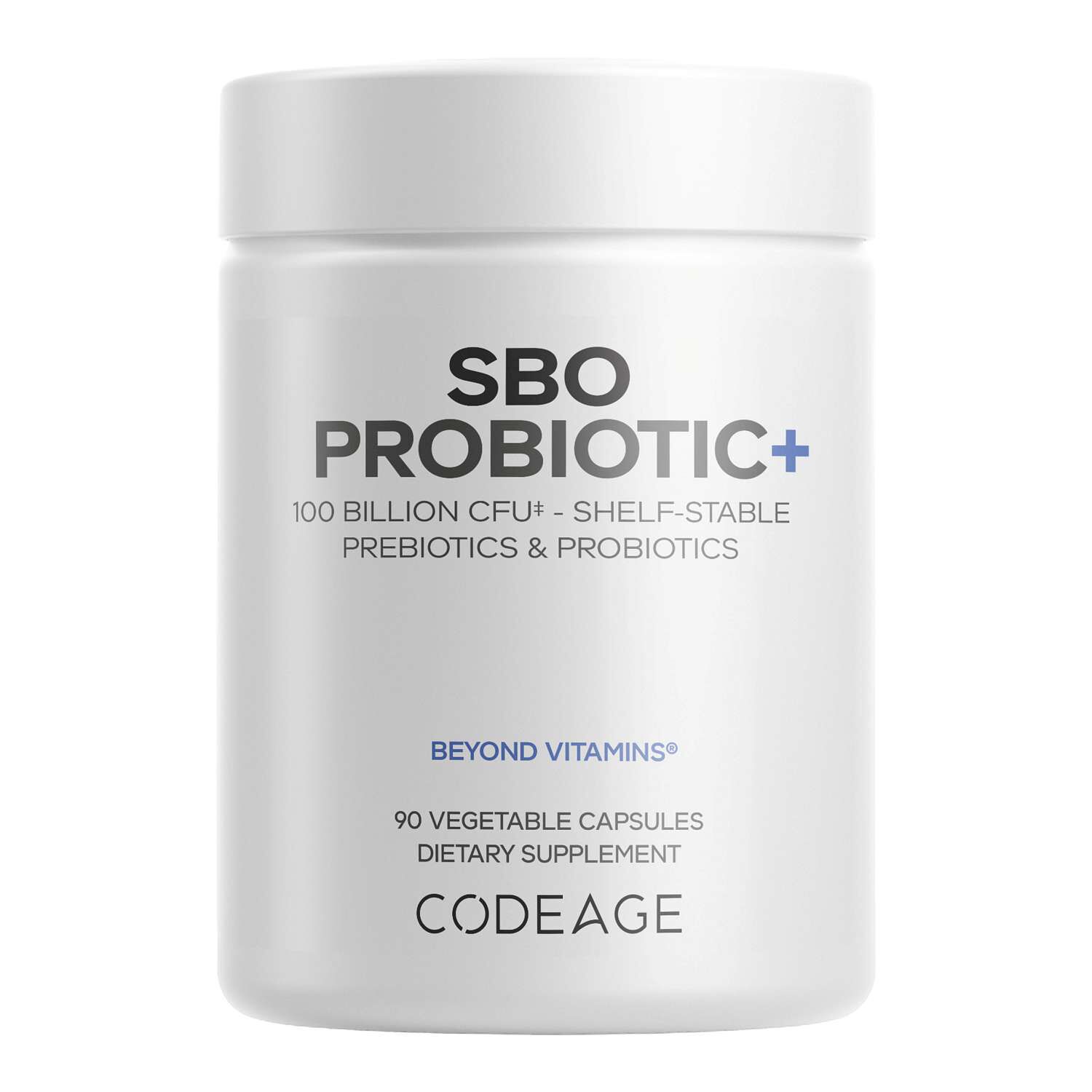
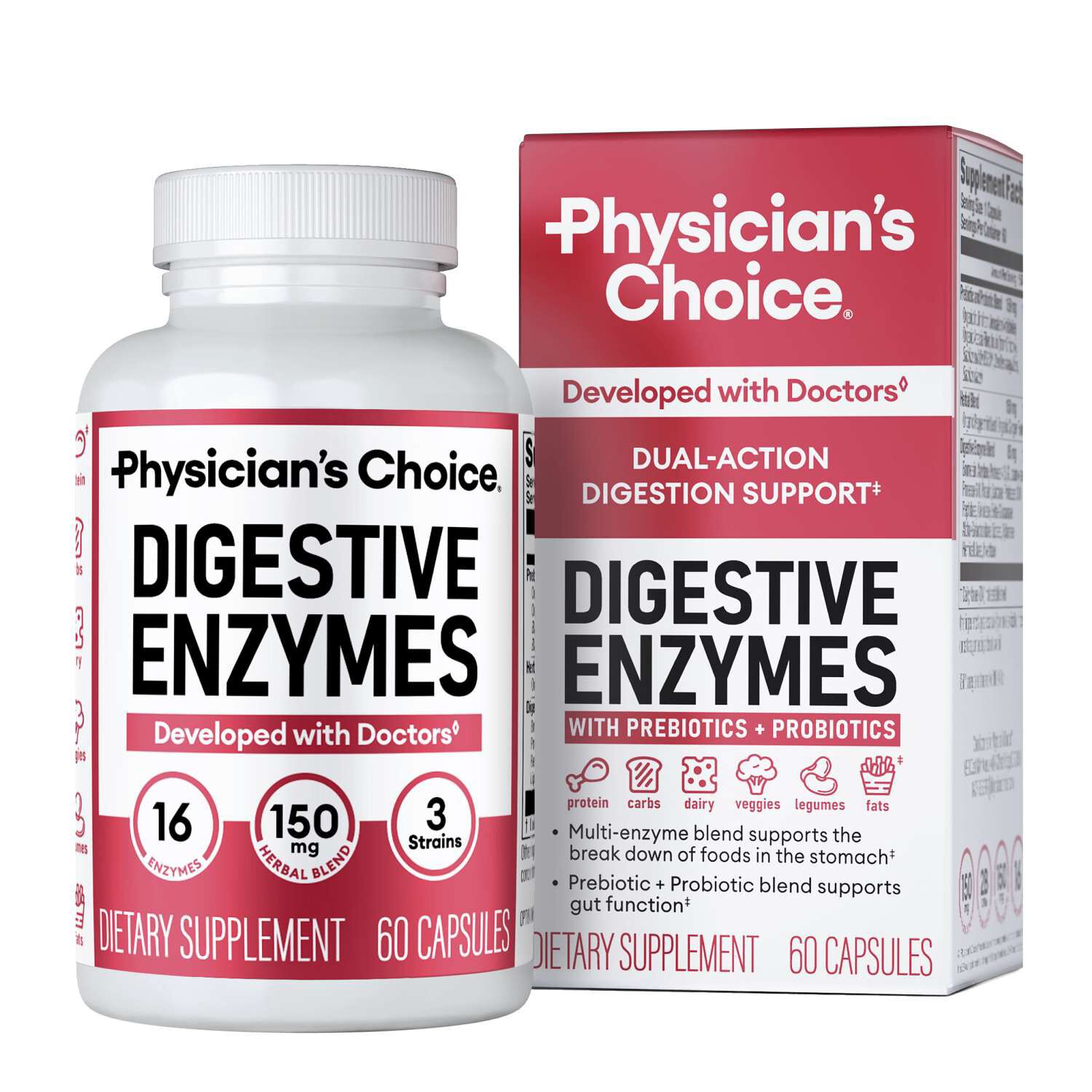
Vegetarian digestive enzymes are dietary supplements designed for people who prefer formulas made without animal-derived enzyme ingredients. Depending on the formula, enzymes may come from fruits, plants, fungi, or other fermentation-based sources. Many blends include several types of enzymes so they may be suited to meals containing a mix of protein, carbohydrates, fats, beans, grains, vegetables, and fruit. Protease is commonly included for protein-containing foods, while amylase may be used for starches and other carbohydrates. Lipase is associated with the digestion of dietary fats, and cellulase may be included in formulas intended for meals rich in plant fiber. Some vegetarian digestive enzymes also contain alpha-galactosidase, an enzyme that may help break down certain complex sugars found in beans and vegetables such as broccoli, cabbage, and cauliflower. Papain from papaya and bromelain from pineapple are other familiar plant-derived enzymes that may appear in vegetarian formulas, while fungal enzymes may be produced through controlled fermentation. Because ingredient sources and enzyme amounts vary, shoppers may wish to review the Supplement Facts label, serving directions, and any allergen statements before choosing a product. A vegetarian or vegan designation may refer to different formulation standards, so checking the label can offer useful clarity for anyone avoiding particular ingredients. People who enjoy a plant-forward eating pattern may consider vegetarian digestive enzymes when their meals often feature legumes, whole grains, seeds, raw produce, or a generous assortment of vegetables. These foods can be satisfying and flavorful, yet the combination of fiber and varied ingredients may feel different from one person to another. A capsule taken with a meal may fit naturally into a routine, especially when used alongside thoughtful portion choices, steady hydration, and relaxed eating habits. Product directions commonly suggest taking digestive enzymes at the beginning of a meal, though shoppers should follow the instructions provided with the formula they select. Some products are intended for occasional use with larger or especially varied meals, while others may suit people who prefer a regular routine. A broad-spectrum formula may be appealing to someone who wants several enzyme types in one serving, whereas a more focused formula may suit a shopper looking for a particular ingredient or dietary preference. Vegetarian digestive enzymes are not a substitute for a varied eating pattern, and individual experiences may differ. Anyone with a health condition, food-related concern, or questions about combining supplements with prescribed products may wish to speak with a qualified healthcare professional before use.
Choosing among vegetarian digestive enzymes often comes down to the way a person eats, the kinds of meals they prepare, and the format they find easiest to remember. Someone who makes lentil soups, chickpea salads, bean-based bowls, or vegetable-rich stir-fries may look for a formula featuring alpha-galactosidase, while a person whose meals include grains, pasta, potatoes, fruit, and other carbohydrate sources may prefer a blend that lists amylase. Shoppers who enjoy meals containing nuts, seeds, avocado, or oils may review whether lipase is included. A person following a vegetarian lifestyle may also want to confirm that the capsule, tablet, or chewable format fits their preferences, since some people appreciate a small capsule and others prefer a different serving style. During the cooler months, hearty meals such as bean chili, roasted vegetables, grain bowls, and creamy soups may become regular parts of the menu, making a digestive enzyme supplement a convenient addition to a pantry or wellness drawer for those who choose to use one. It could also make a considerate gift for a vegetarian friend, a family member who enjoys experimenting with plant-based recipes, or a host who loves preparing abundant shared meals. A gift does not need to suggest that anything is wrong; it may simply reflect an interest in practical, food-focused wellness and the recipient’s everyday preferences. For people comparing these products with broader digestive support options, the Daily Digestive Enzymes collection may provide another place to browse by formula style and intended routine. Before placing an item in a shopping cart, consider whether the product is vegetarian, whether its enzyme sources are clearly identified, how many capsules or tablets are included, and whether the suggested serving fits the way meals are usually enjoyed. It can also be helpful to check storage instructions, serving size, and the presence of other ingredients such as herbs, fruit extracts, or probiotic cultures. A simple approach may be to select one formula, use it according to the label, and pay attention to how it fits into a normal meal routine rather than making several changes at once. People who prepare food for a household may appreciate a product that travels easily to work, school, or gatherings, while frequent home cooks may prefer a formula kept near the kitchen table or meal-planning supplies. With careful label reading and realistic expectations, vegetarian digestive enzymes may become a convenient option for shoppers seeking plant-conscious digestive support alongside the meals they already enjoy.
Best Sellers


Related Pages

Top Collections
- Daily Collagen Supplements | Top Brands & Deals | GNC
- Natural Collagen Supplements | Top Brands & Deals | GNC
- Top Rated Collagen | Shop Customer Favorites | GNC
- Cortisol Supplements
- Vitamins For Hair Loss
- Spirulina Tablets
- NAD+ Supplement Tablets
- Peptide Supplements
- Best Brand of Magnesium Glycinate
- Vitamins That Help Support Weight Gain