





Prebiotic Probiotic Supplements For Gut Health
(0 Results)
Supporting your digestive wellness could start with the right nutritional choices, and prebiotic probiotic supplements for gut health may be a beneficial addition to your daily routine. These supplements are designed to help nurture the balance of good bacteria in your digestive system, which might play a role in overall well-being. Explore a variety of options that may fit your lifestyle and dietary needs, and discover how prebiotic probiotic supplements for gut health could be part of your journey toward feeling your best every day.
-
 209$34.99
 -

-

-

-

-
-
-

-
_Front.jpg?sw=305&sh=305&sm=fit "BioDophilus60 - 60 Capsules (60 Servings) | GNC")
-
-
 $29.99
 -
_Front.jpg?sw=305&sh=305&sm=fit "BioDophilus25 - 60 Capsules (60 Servings) | GNC")
-
_Front.jpg?sw=305&sh=305&sm=fit "BioDophilus60 - 30 Capsules (30 Servings) | GNC")
-
-
_Front.jpg?sw=305&sh=305&sm=fit "BioDophilus25 -120 Capsules (120 Servings) | GNC")

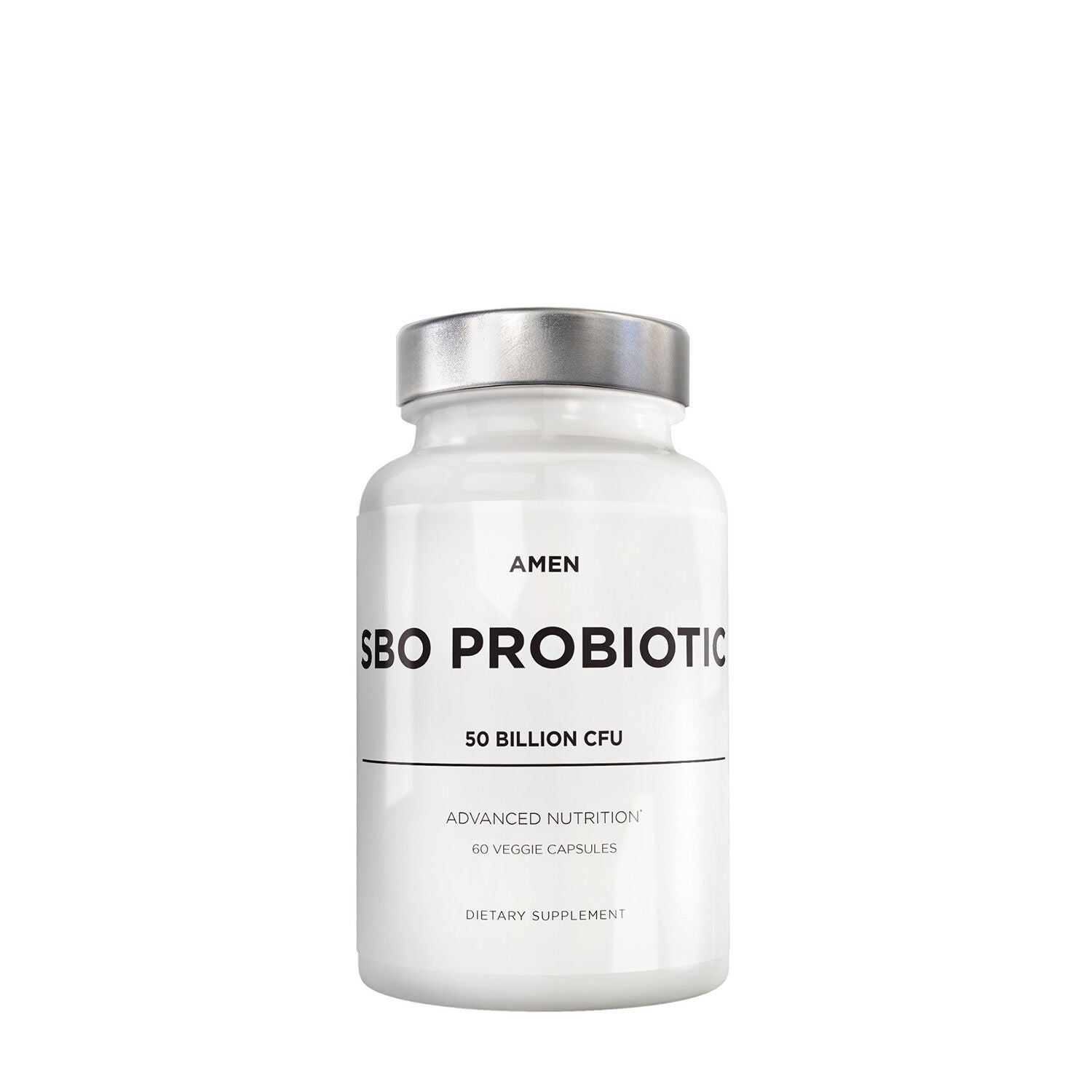


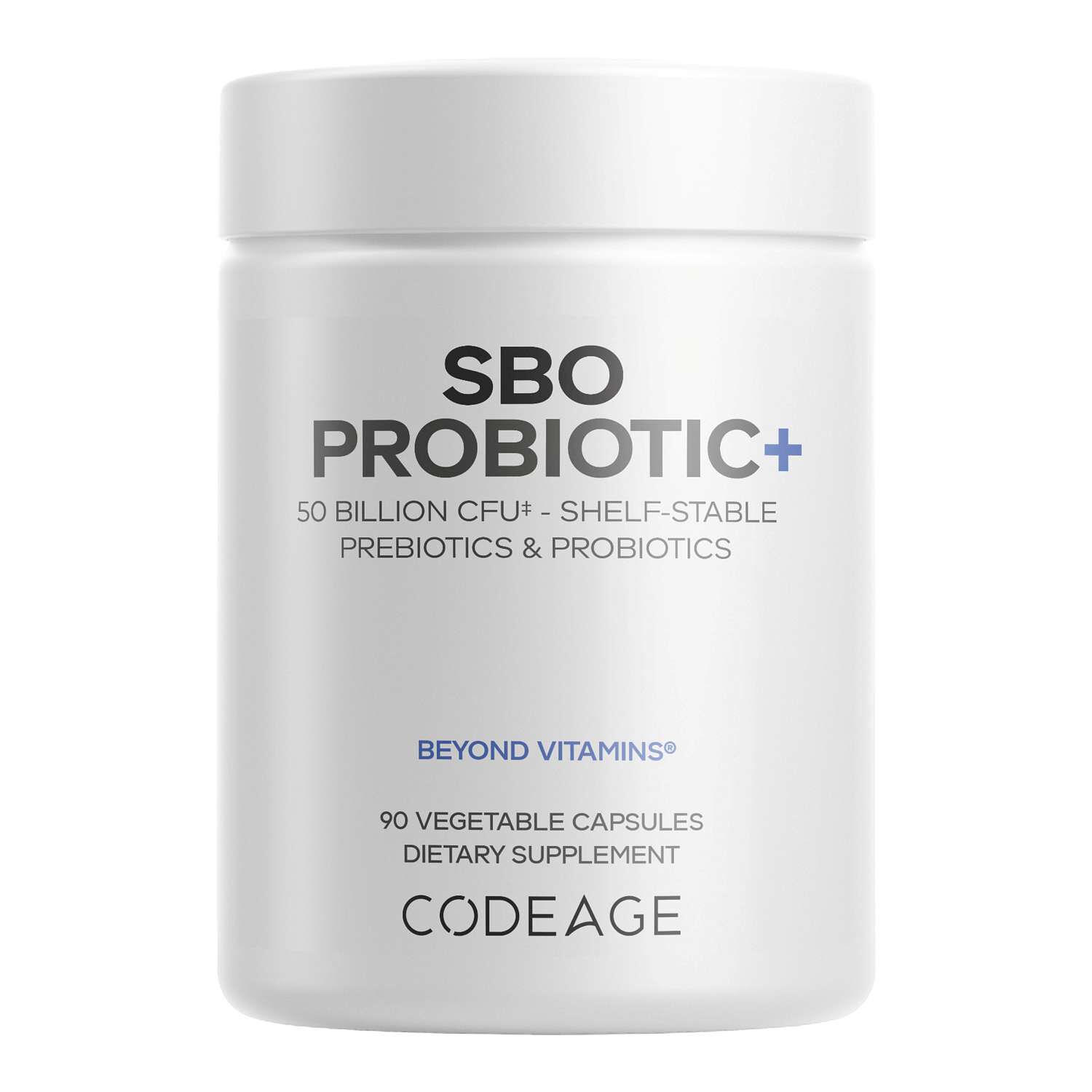




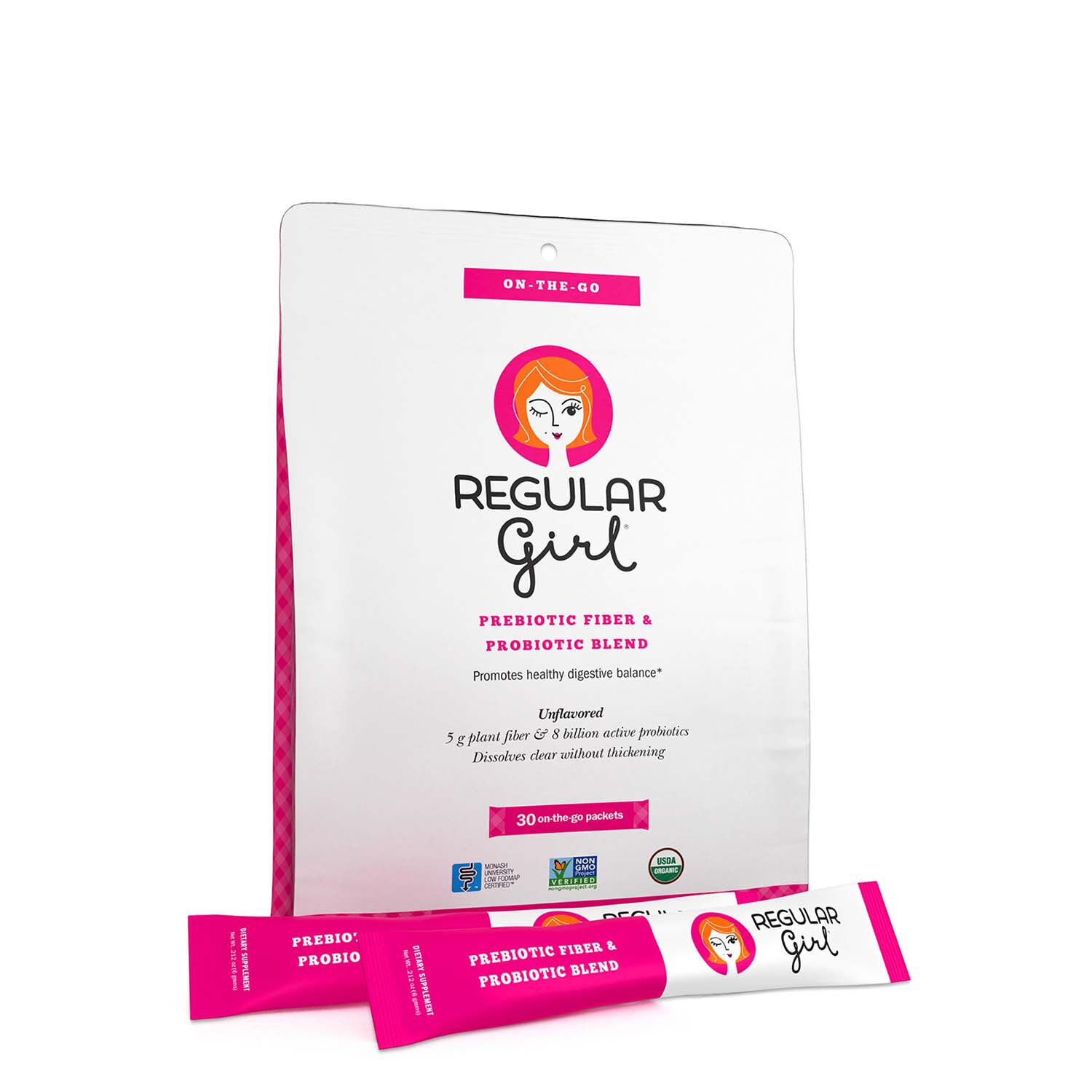
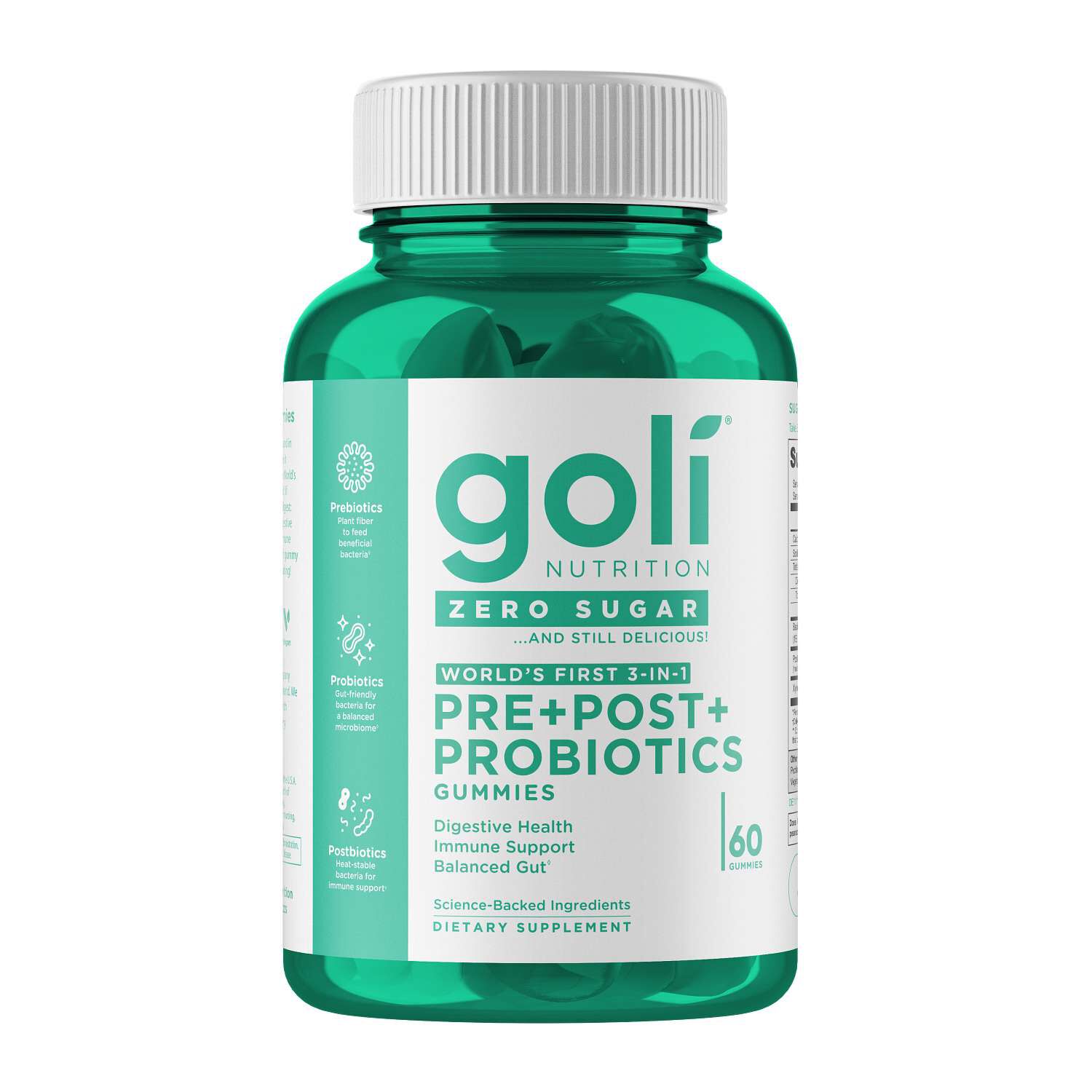
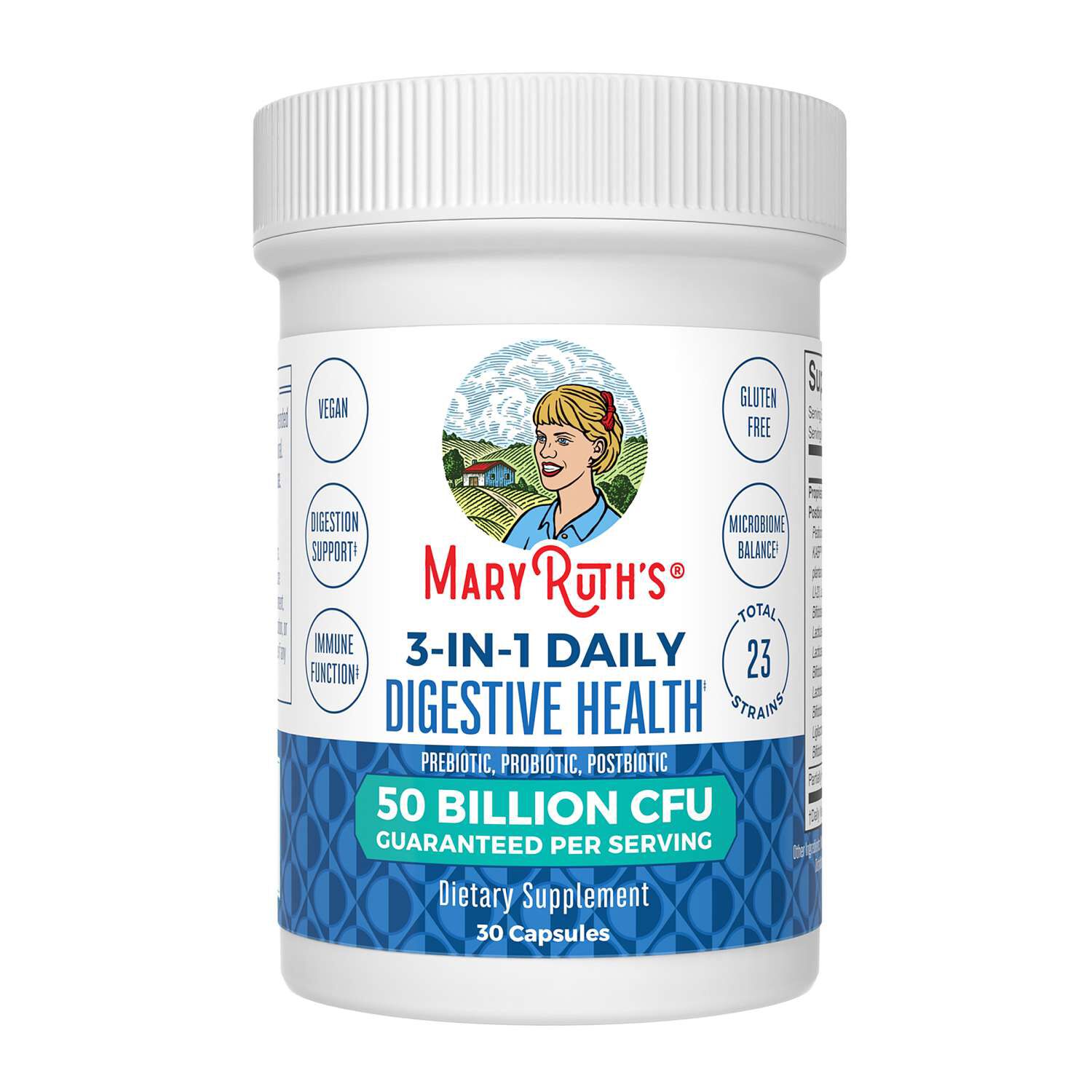
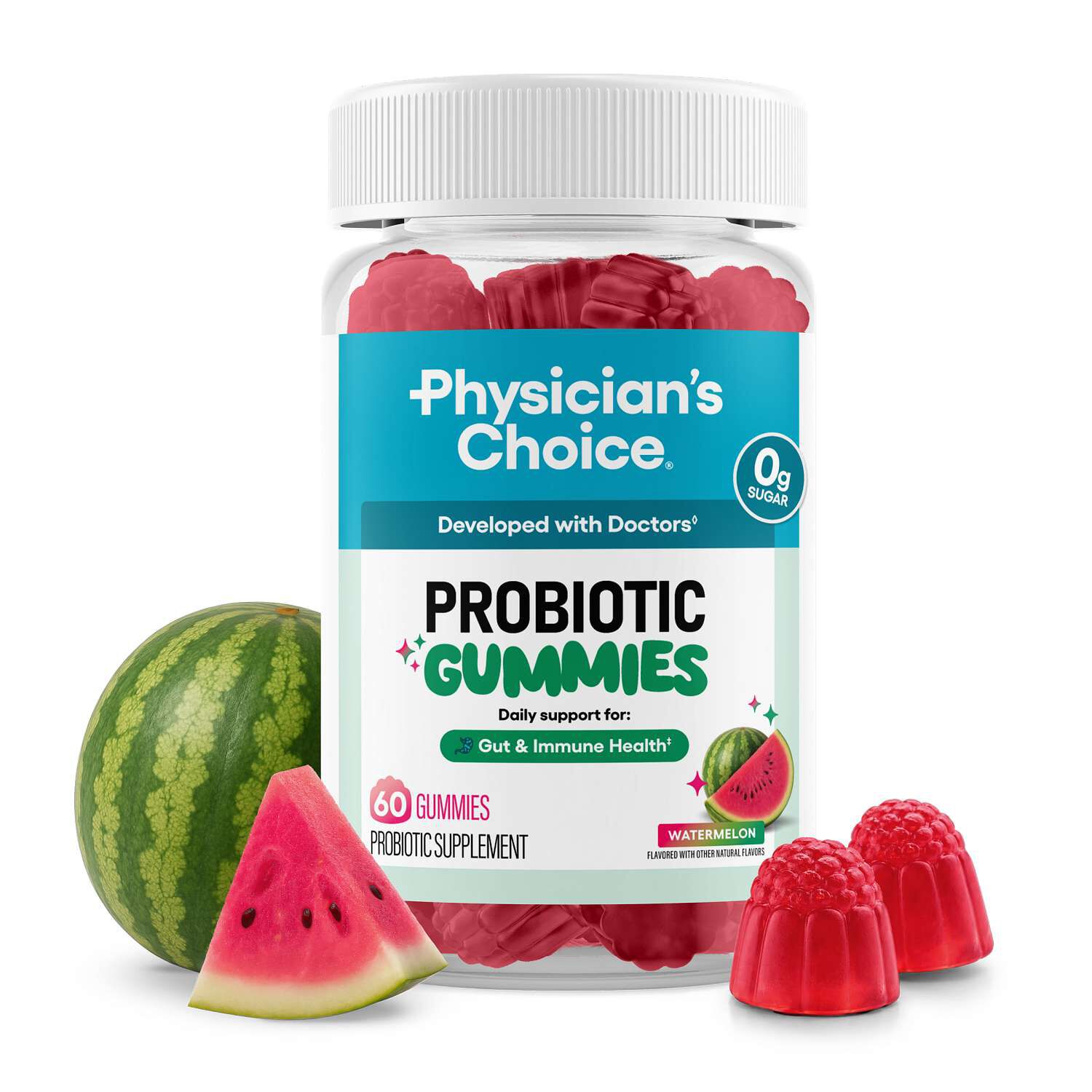
Prebiotic and probiotic supplements for gut health bring together two distinct ingredient categories: live microorganisms and compounds those microorganisms may use as nourishment. Probiotics contain live microorganisms, often bacteria from groups such as Lactobacillus and Bifidobacterium, while prebiotics include certain fibers and other substrates that microorganisms can use. Paired in a single formula, these ingredients are often described as synbiotics, although the specific combination matters more than the category name alone. These supplements may support digestive wellness and complement an eating pattern that includes a variety of plant foods. The gut microbiome is the community of microorganisms living in the digestive tract, and its makeup differs from person to person. That variation is one reason a supplement experience may differ between individuals, even when the same formula and serving size are involved. Prebiotic ingredients commonly include inulin, fructooligosaccharides, and galactooligosaccharides; labels may also identify sources such as chicory root. Probiotic labels typically name the microorganisms in the formula and may provide strain identifiers, which are the letters or numbers following a microorganism’s name. Those details distinguish one strain from another within the same species. A formula containing several strains is different from a formula containing just one, but a longer ingredient list does not automatically mean a better match for every shopper. Likewise, a prebiotic component is not interchangeable with every other type of dietary fiber. Some fibers qualify as prebiotics, while others serve different nutritional purposes. Looking at the actual ingredients gives more context than relying on a broad description such as “digestive blend.” For adults interested in everyday digestive wellness, a combined supplement may offer a convenient way to include both categories in one routine. Its role remains distinct from that of food: a capsule or gummy does not provide the same range of nutrients, textures, and dietary variety as meals built around vegetables, fruit, beans, and whole grains. Understanding that distinction keeps the focus on what these products contain and how they fit alongside everyday eating.
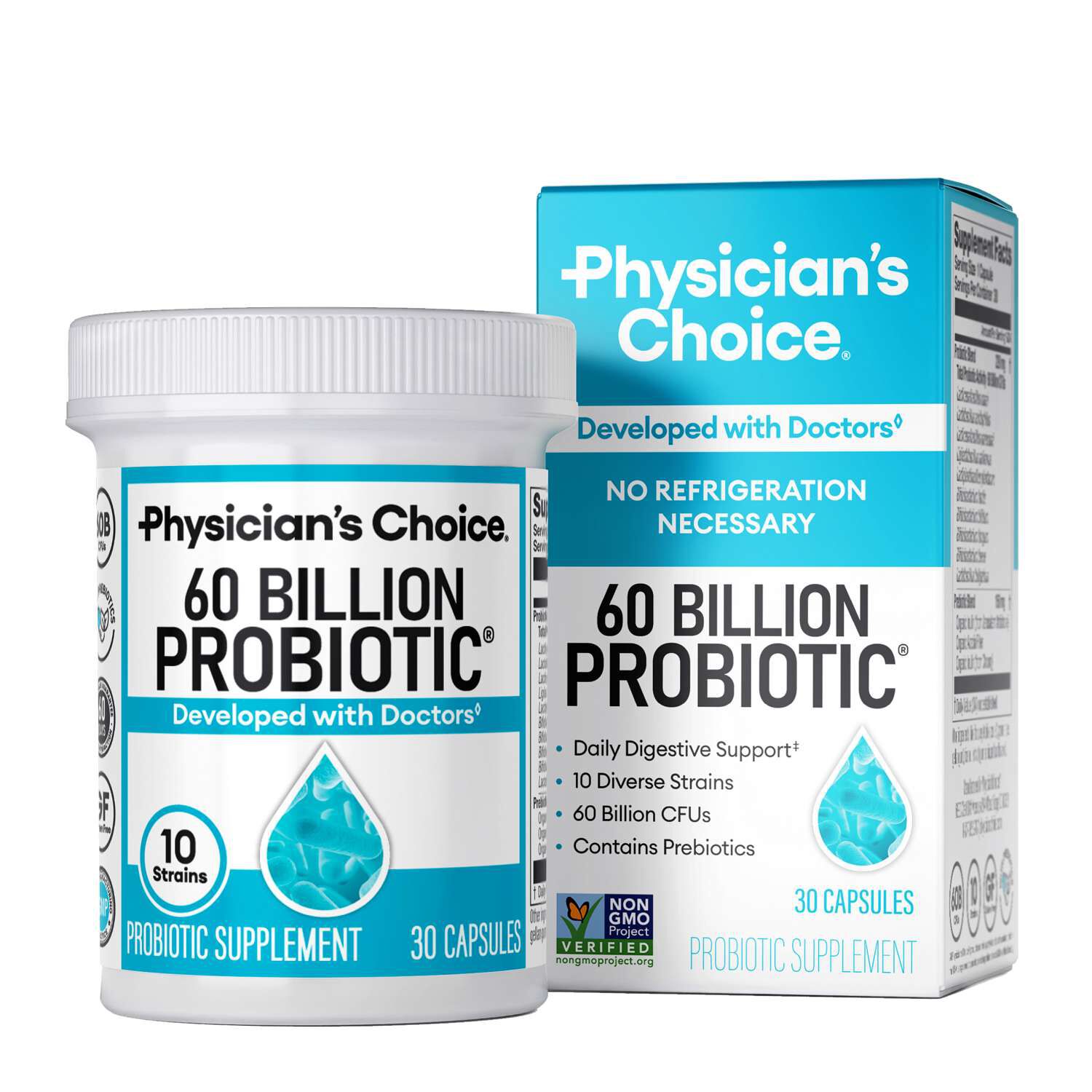
Format is a practical part of choosing prebiotic probiotic supplements, especially when a product will become part of an established morning or evening routine. Capsules keep the ingredients in a measured serving without requiring mixing, while tablets offer another compact option. Gummies provide a chewable format, with flavor, texture, and sweetener choices that deserve as much attention as the front-label description. Powders involve a different experience: a scoop, a beverage or food permitted by the label, and time for mixing. Someone who prefers a simple breakfast setup may favor capsules stored beside other daily supplements, while someone who already prepares a smoothie may find a powder more compatible with that habit. Individually packaged servings may also suit a work bag or an overnight bag, provided the storage directions allow that use. The serving size matters across all of these formats. One serving may consist of more than one capsule or gummy, and powder servings may be measured by weight as well as by scoop. Comparing those details makes it easier to understand what each labeled serving actually contains. Probiotic quantities are commonly expressed as CFU, short for colony-forming units, a measure associated with viable microorganisms. A larger CFU number does not, on its own, establish that a formula is better suited to a particular person. Strain identity, the formulation, and the stated quantity through the labeled shelf life all provide useful context. Prebiotic amounts may be listed separately in grams or milligrams, though some labels group ingredients within a blend. Capsule shells, flavorings, colors, sweeteners, and other accompanying ingredients also shape the product’s fit. A plant-based eating pattern, for example, may make capsule-shell composition especially relevant. Allergen statements and ingredient lists provide more specific information than a flavor name or a general wellness description. These details help distinguish products that share a category but differ substantially in composition, serving format, and everyday convenience.
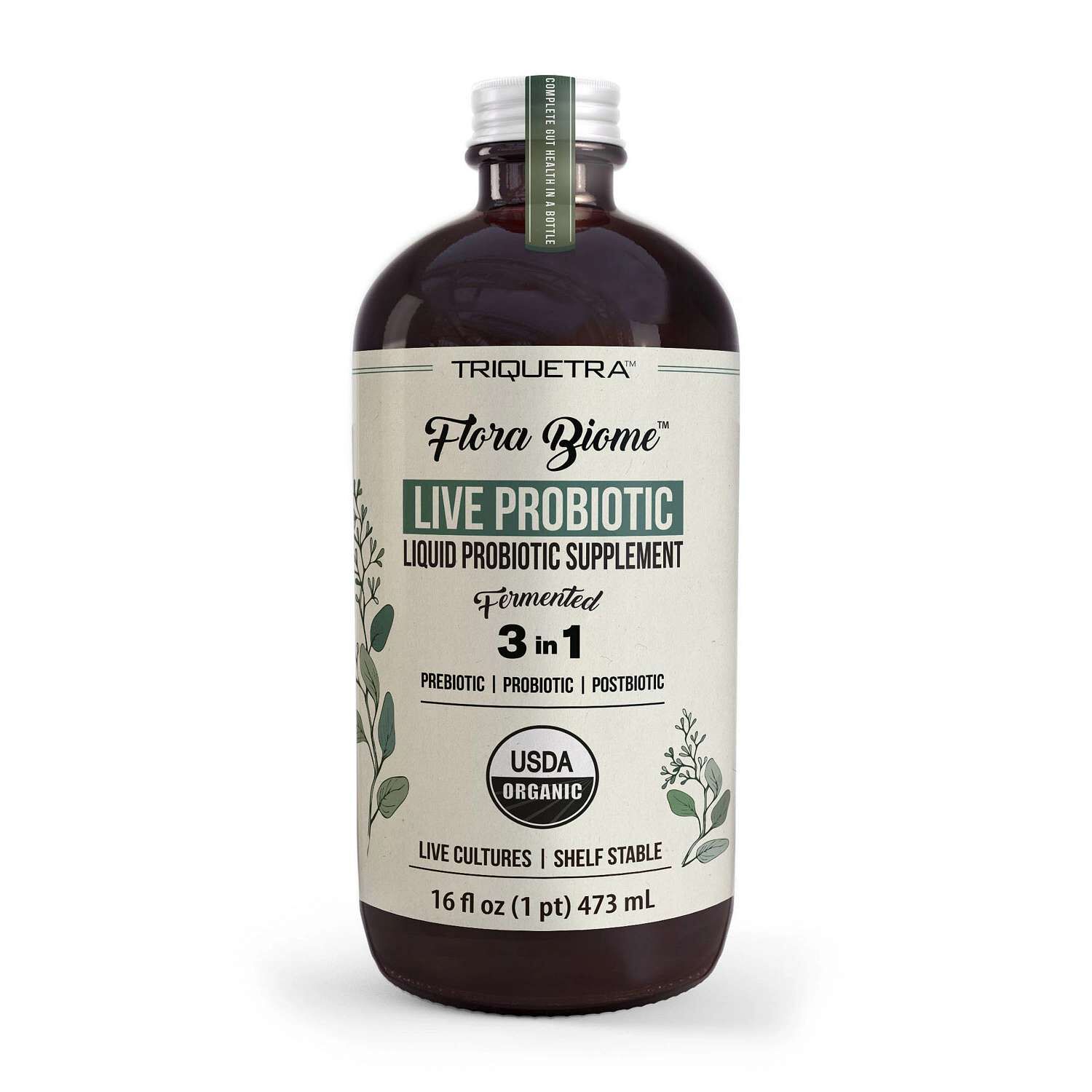
Storage and packaging deserve attention because probiotic supplements contain living microorganisms, and their handling requirements vary by formulation. Some are labeled for refrigeration, while others are designed for shelf storage under specified conditions. The package directions, expiration date, and any instructions for use after opening define the intended handling of a particular formula. A bottle kept tightly closed in an appropriate location presents a different storage situation from one left open near a steamy shower or a kitchen sink. Moisture exposure, repeated handling, and transferring servings into another container may matter, so the original packaging can be an important part of product care. Individually sealed packets and bottles also differ in how often the remaining contents are exposed when a serving is removed. For powders, the label may specify suitable mixing methods and when the prepared serving should be consumed. These are practical distinctions for shoppers comparing a supplement for home use with one intended to accompany frequent travel or a busy work schedule. Fit also includes the intended audience: an adult formula and one labeled for another age group are not interchangeable simply because both mention gut health. Clear labeling makes the serving information and intended use easier to understand without assuming that every supplement in the category serves the same purpose. Within an everyday eating routine, prebiotic and probiotic supplements may support digestive wellness, but they do not need to define every food choice. Oatmeal with fruit, a bean-and-grain lunch, or a dinner with several vegetables offers a broader food context for considering a supplement. Fermented foods are another distinct category, and not every fermented food contains live microorganisms when consumed. For a related selection centered on that connection to everyday meals, Probiotic Supplements for Healthy Eating offers another way to browse. Across the category, the most useful comparisons come back to identifiable ingredients, clear serving information, appropriate storage, and a format that suits the person using it. Those concrete details give prebiotic probiotic supplements a defined place in a daily routine without relying on sweeping expectations.
Best Sellers
-
Physician's Choice

Related Pages



Top Collections
- Daily Collagen Supplements | Top Brands & Deals | GNC
- Cortisol Supplements
- Top Rated Collagen | Shop Customer Favorites | GNC
- Vitamins For Hair Loss
- NAD+ Supplement Tablets
- Peptide Supplements
- Best Brand of Magnesium Glycinate
- Protein Powders For Muscle Growth Support
- Vitamins That Help Support Weight Gain
- Peptide Supplements for Muscle Growth