Probiotics For Children's Summer Health
(0 Results)
Probiotics for children's summer health could offer a helpful addition to your child's seasonal wellness routine. With busy days spent outside, travel plans, and changes in schedules, supporting digestive balance might be top of mind for many parents. Explore a variety of options that may help maintain your child’s well-being throughout the warmer months, so you can focus on making the most of every summer adventure together.
-

-
_Front.jpg?sw=305&sh=305&sm=fit "Kidophilus Plus - Berry - 90 Tablets (90 Servings) | GNC")
-

-
 $13.99
 -
 $22.99
 -
 $22.99
 -
 $18.99
 -
 $24.99
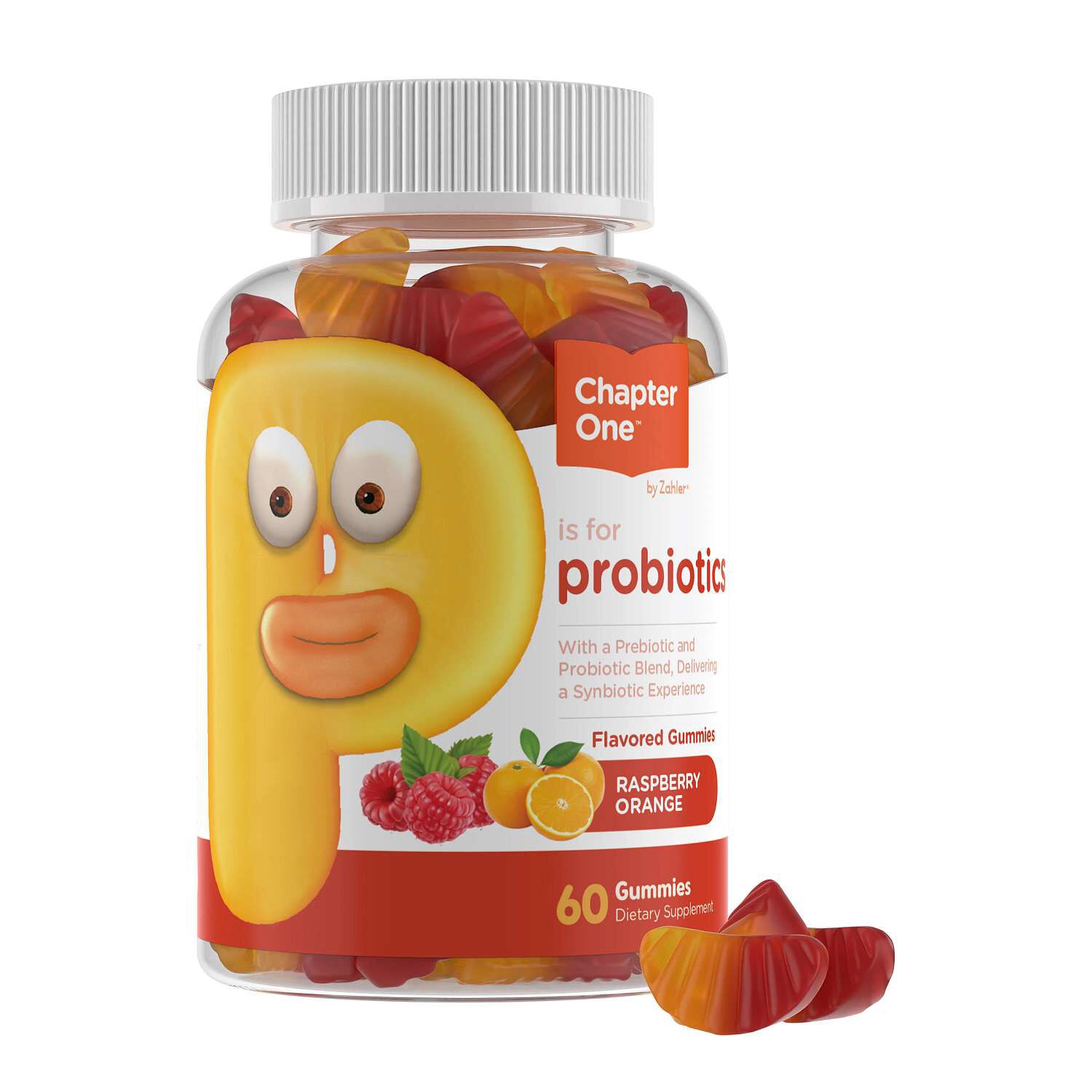

Probiotics for children’s summer health may appeal to families looking for a simple addition to a child’s camp bag, travel kit, or everyday wellness routine. As outdoor play, road trips, swimming lessons, family visits, and changing mealtimes fill the warmer season, many parents pay closer attention to familiar foods and routines that help children feel comfortable away from home. A probiotic supplement could fit into that routine when a child’s pediatrician recommends one, though healthy children may not need a daily probiotic supplement. A varied eating pattern remains a practical place to begin, with foods such as yogurt with live cultures, kefir, fruits, vegetables, oats, beans, and other fiber-containing choices. For some families, a child-friendly probiotic may be considered alongside those foods rather than in place of them. Parents, grandparents, and caregivers may also choose these products as part of a thoughtful care package for a child attending summer camp, visiting relatives, or heading back to school during the cooler months. The most useful choice may be one that suits the child’s age, preferences, schedule, and ability to follow directions. For families exploring a convenient format, Probiotic Gummies for Kids for Summer Camp may offer an option that is easy to pack and familiar to children who prefer a chewable supplement.
When comparing probiotics for children, start with the label rather than the flavor or packaging. Look for a clearly stated age range, serving instructions, storage guidance, expiration information, and a list of probiotic strains. Different strains and formulas may be intended for different uses, so a larger number on the front of a package does not necessarily make one option a better fit. Families may also want to check whether the product calls for refrigeration, since that detail matters when a child is traveling, attending camp, or spending long afternoons outdoors. Gummies, chewables, powders, and other formats can each work well for different households; the best fit may be the one a child can use as directed without turning the routine into a daily struggle. Flavor matters, too. A mild berry or fruit flavor may be easier to include with breakfast, while a powder could be stirred into a cool food or beverage if the label permits. Caregivers should follow the package directions and avoid giving a child more than the suggested serving. Because supplement formulas and serving amounts vary by age, children with ongoing digestive concerns, children with special dietary needs, and children taking prescription medicines should be discussed with a pediatrician before starting a new supplement. A pediatrician may also offer personalized guidance if a child has recently taken antibiotics or has a recurring change in bowel habits. This extra conversation can help families select an age-appropriate product and decide whether a probiotic belongs in the child’s routine at all.
Summer schedules often continue well beyond sunny afternoons. A child may move from camp lunches and backyard snacks to school meals, sports practices, classroom routines, and family gatherings as the weather gradually changes. Keeping meals, hydration, sleep, and handwashing routines as consistent as possible may support a child’s overall sense of comfort during those transitions. Probiotics may be considered as one small part of that broader routine, not as a replacement for nourishing food or guidance from a qualified healthcare professional. Parents may find it helpful to keep a simple note of the product name, serving size, start date, and any changes they notice, especially when more than one caregiver helps manage a child’s routine. This can make conversations with a pediatrician clearer and reduce confusion when a child travels between homes or spends time at camp. For a gift, grandparents and family friends may pair a child-friendly probiotic with a reusable lunch bag, water bottle, or snack container, provided the child’s parent or caregiver has approved the supplement first. Whether a family is preparing for summer camp, adjusting to early fall schedules, or planning ahead for cooler-weather travel, careful label reading and age-appropriate guidance may make it easier to choose a probiotic product that fits naturally into everyday life.


 Chewable Tablets_Front.jpg?sw=305&sh=305&sm=fit "ChildCalm - 60 Chewable Tablets (30 Servings) | GNC")