Probiotics For Men's Summer Digestive Health
(0 Results)
Probiotics for men's summer digestive health could offer support as you navigate seasonal activities, travel, and changes in routine. Warmer months often bring new foods and outdoor adventures that might challenge your digestive balance. With a variety of probiotic options available, men may find solutions tailored to their unique wellness goals during the summer season. Explore probiotics for men's summer digestive health and discover how these supplements could fit into your daily regimen.

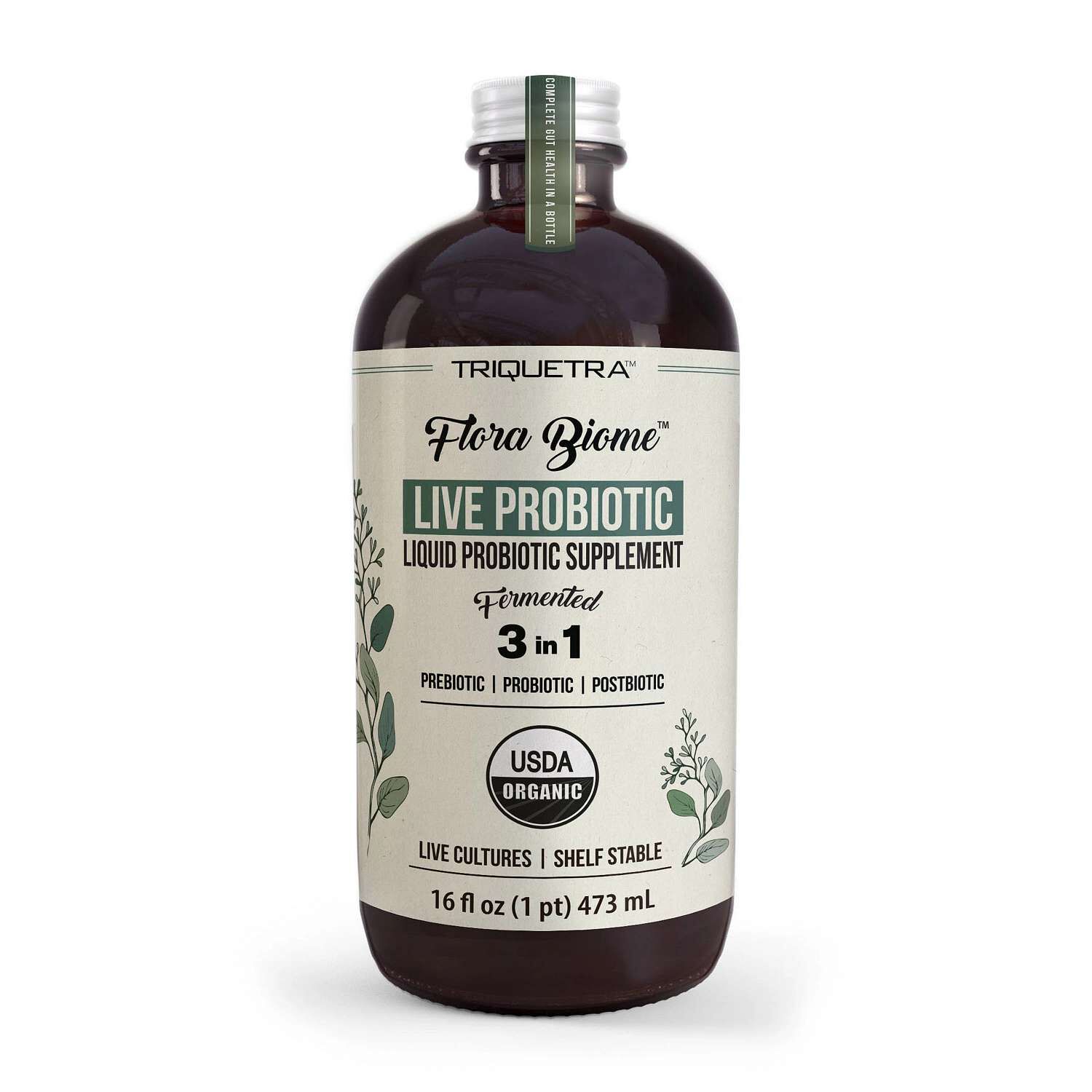







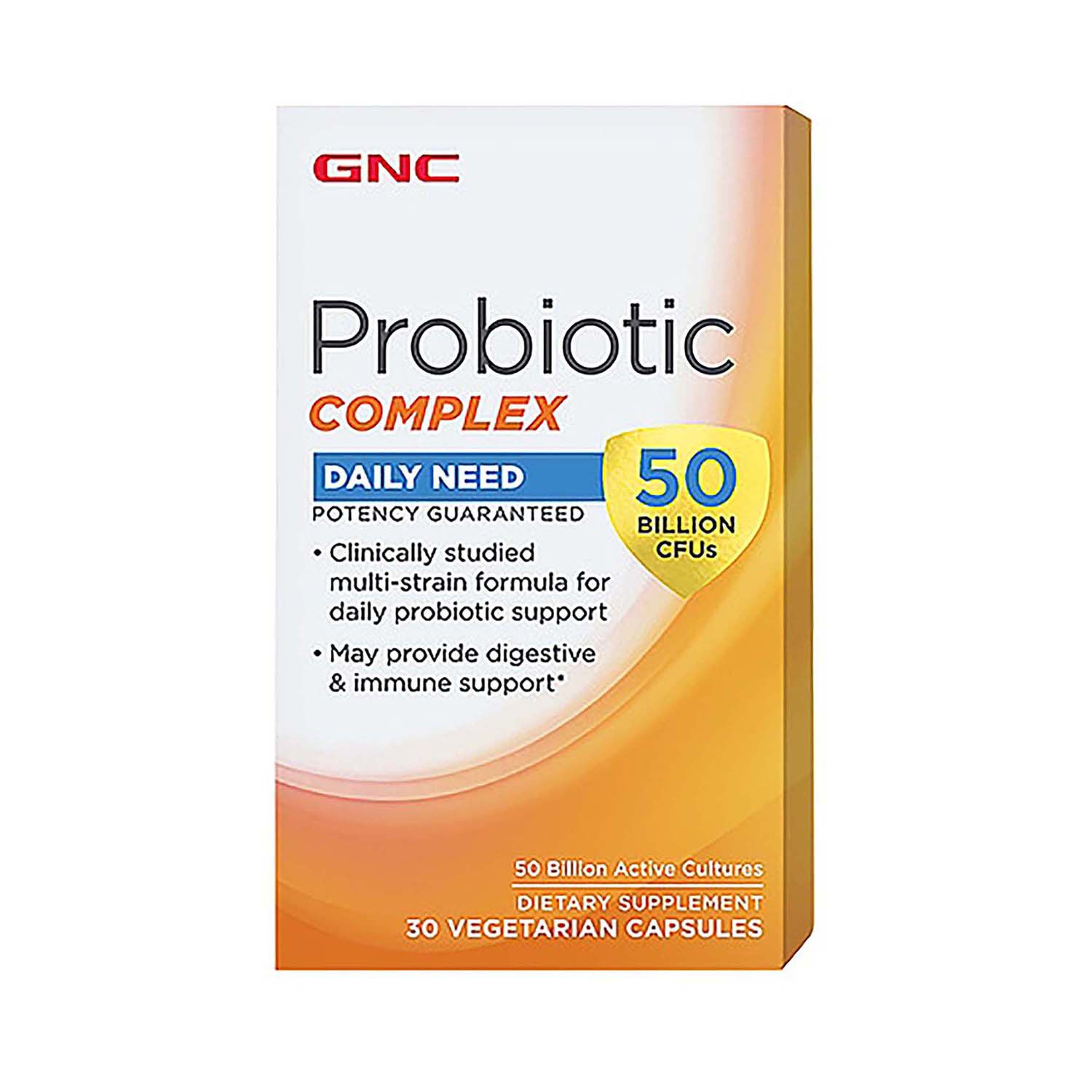


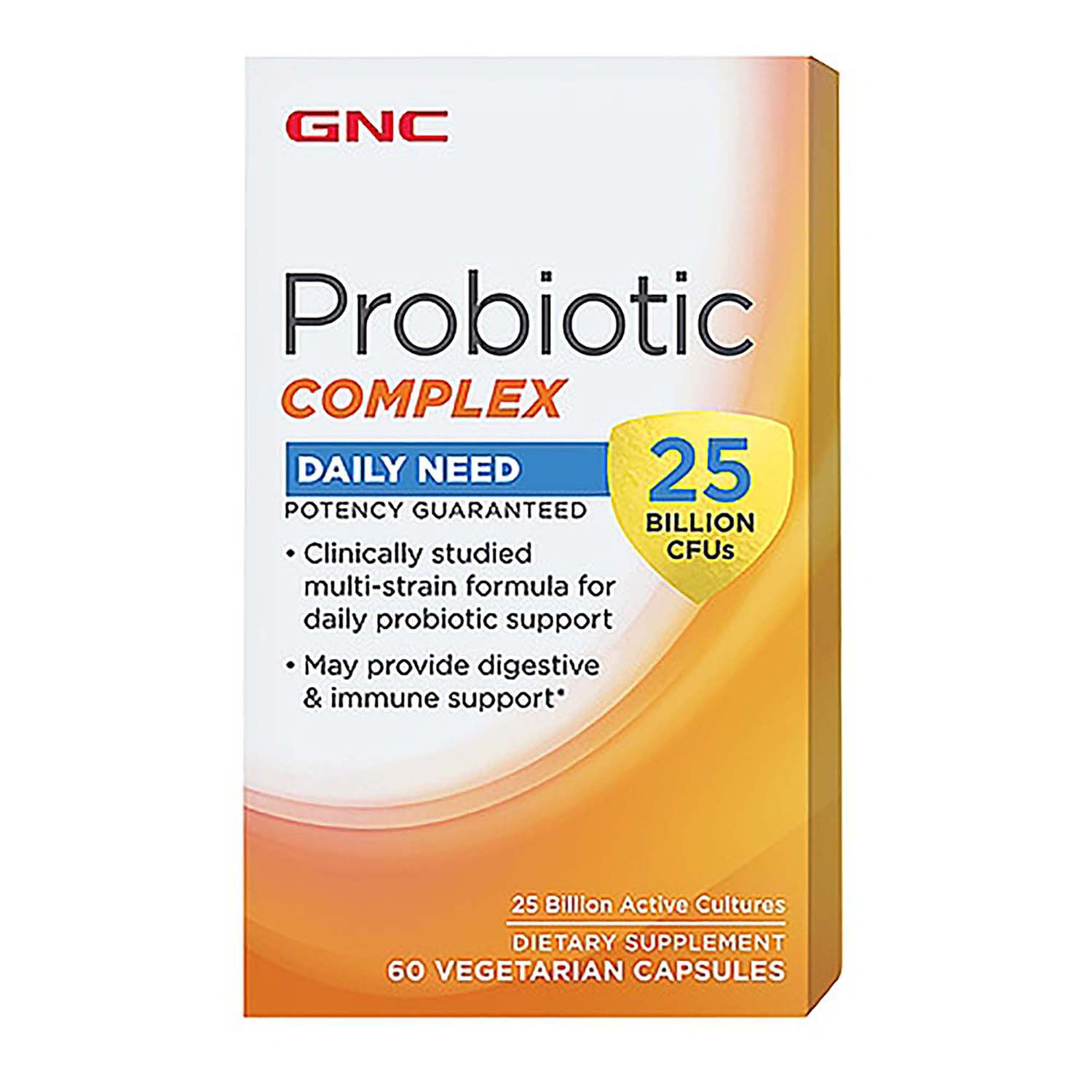


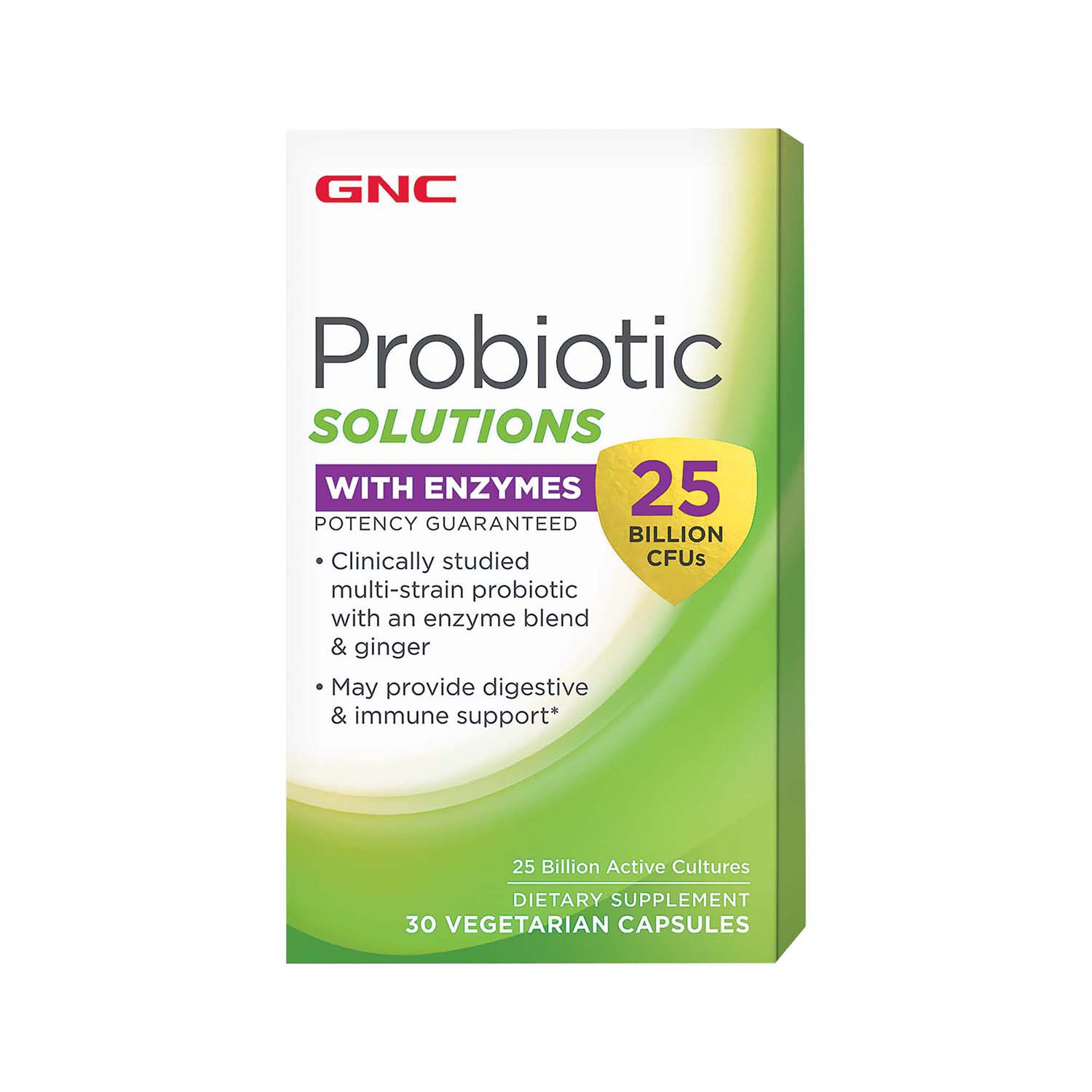

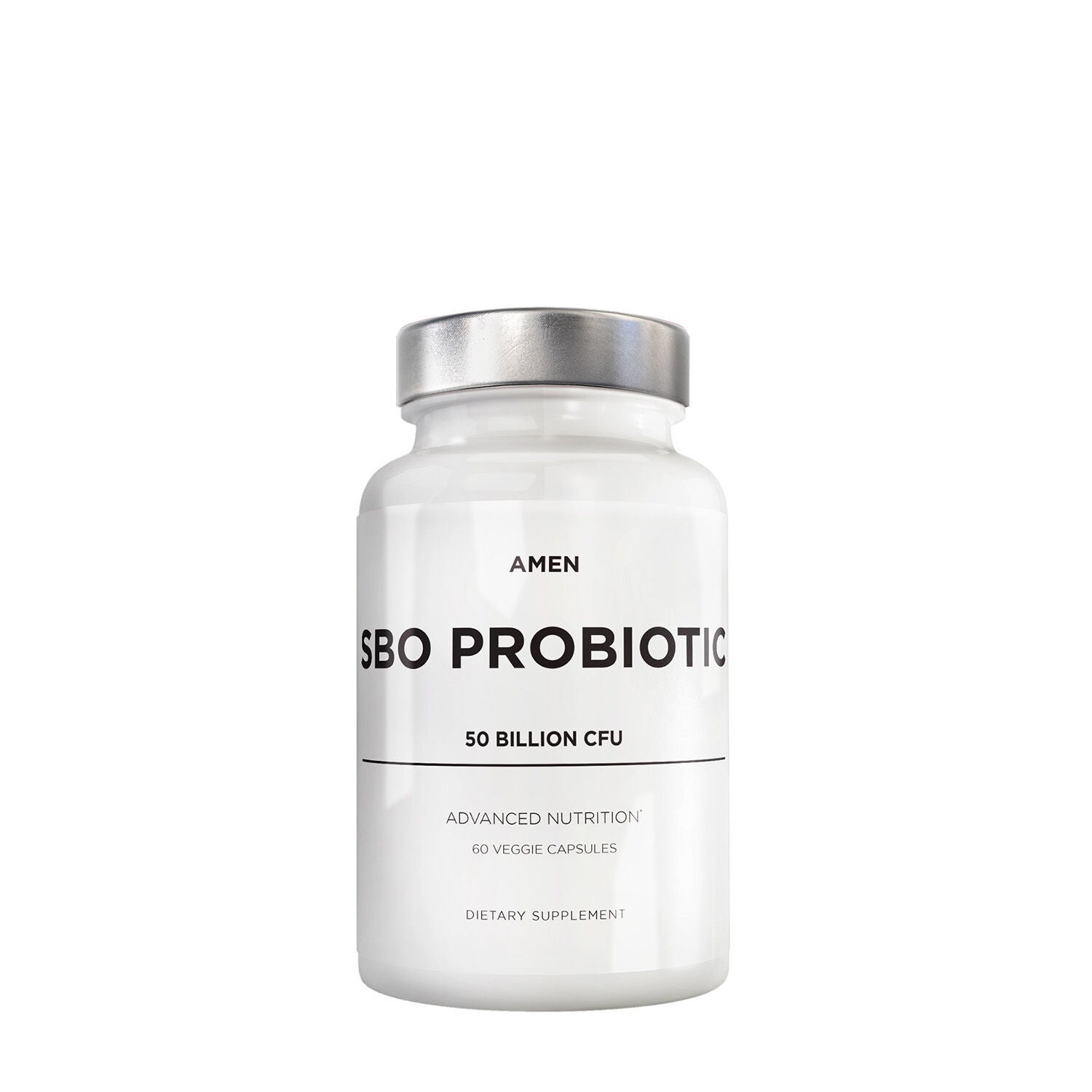




Probiotics for men's summer digestive health are dietary supplements intended for adults interested in adding digestive support to their seasonal routines. Depending on the microorganisms included, a probiotic formula may support digestive wellness and a balanced gut microbiome, the community of microorganisms living in the digestive tract. Summer can bring a different rhythm to everyday meals: breakfast at a roadside diner, lunch packed for a day near the water, a backyard cookout, or dinner after an evening softball game. Travel and outdoor plans can also mean eating at unfamiliar times and choosing different foods than usual. Probiotic supplements belong within that broader picture rather than serving as a substitute for varied meals, water, or regular eating habits. For men comparing these products, the most useful details are on the label, not simply in a men's designation on the package. Probiotic formulas contain live microorganisms, often bacteria and sometimes yeast, and their composition varies. Names such as Lactobacillus and Bifidobacterium identify broad groups; a strain designation provides a more specific description of the microorganism included. Different strains are not interchangeable, so two formulas with similar front-label descriptions can have different ingredient profiles. Labels commonly express the amount of live microorganisms in colony-forming units, or CFUs. The timing associated with that count matters: an amount listed at manufacture is different from an amount stated through the expiration date when stored as directed. A larger CFU number or a longer list of strains does not, on its own, establish a better match for someone's preferences. Serving size, intended adult use, storage requirements, and other ingredients all deserve attention alongside the microorganism names. A man planning a week of road travel may prioritize a format with straightforward storage instructions, while someone spending summer close to home may prefer a supplement that fits an established breakfast routine. The practical goal is a product whose label, format, and handling requirements make sense for the way it will be used.
Capsules, tablets, chewables, and powders offer different ways to fit probiotic supplements into a summer schedule. Capsules and tablets have a defined serving format, although the number needed per serving can vary. Capsule shells may use gelatin or plant-derived materials, making the ingredient list relevant to dietary preferences. For someone who prefers a chewable, texture, flavor, sweeteners, and the labeled serving size are useful points of comparison. Powders have their own preparation details, including the amount per serving and directions for mixing. Some are packaged in individual portions, while others use a container with a measuring scoop. Neither format removes the need to follow the package instructions, particularly when mixing involves a beverage or food. A powder intended for a cool drink should not be treated as though it has the same preparation requirements as every other supplement. Ingredients beyond the probiotic microorganisms also distinguish formulas. Some include prebiotic ingredients, which may serve as nourishment for certain gut microorganisms; others combine probiotics with vitamins, minerals, or additional components. Those additions are separate parts of the formula, not evidence that every combination is suited to every shopper. Men who already use other supplements can compare ingredient lists to understand where the same components appear across their selections. Allergen statements, flavoring ingredients, and dietary designations are also relevant, especially when a supplement will become part of a familiar daily pattern. Summer meals offer plenty of variety, from fruit and oatmeal before an early departure to bean salads, vegetables, and grilled foods at a cookout. A probiotic supplement is a distinct product, with its own directions, rather than a replacement for those foods. For an adult who moves between office days, weekend outings, and vacation lodging, ease of preparation may matter as much as capsule size or flavor. Comparing those practical details keeps the selection grounded in everyday use rather than relying on a broad claim about men's digestive health.
Storage and packaging deserve particular attention when probiotics are part of summer travel. Because these supplements contain live microorganisms, their labeled handling requirements are an important part of product care. Some formulas require refrigeration, while others specify room-temperature storage. Room-temperature labeling does not mean that a bottle belongs on a sunlit dashboard, in a parked car, or beside a hot grill. A duffel bag left in a vehicle after a morning workout presents a different storage setting from a cupboard at home. Likewise, a bottle packed next to a damp beach towel may encounter moisture that its packaging was not intended to accommodate. The label provides the relevant temperature, moisture, and refrigeration directions, including any instructions that apply after opening. Original containers and individual packets also keep ingredient information, serving directions, and expiration dates accessible throughout a trip. Container closures, packet seals, and any included moisture-control packaging are worth checking before packing and during use. For refrigerated formulas, the travel plan needs to account for the stated storage conditions during transportation and at the destination, not just after arriving home. A hotel refrigerator, a shared vacation kitchen, and a campsite each involve different logistics, so storage expectations belong in the comparison before a supplement goes into the bag. Serving count is another practical detail: the number of capsules in a bottle may differ from the number of labeled servings, and powder portions can vary by formula. For additional options organized around seasonal digestive support, browse Probiotic Supplements for Summer Gut Health and compare the formats, ingredient descriptions, and handling directions that matter to the planned routine. Whether summer includes long drives, afternoons outdoors, or familiar days at home, men's probiotic supplements may support digestive wellness as one part of an everyday routine. Clear labeling, suitable packaging, and manageable preparation make a useful starting point for choosing among these products, without assuming that a particular format or microorganism count fits everyone.
Best Sellers
-
 Physician's Choice