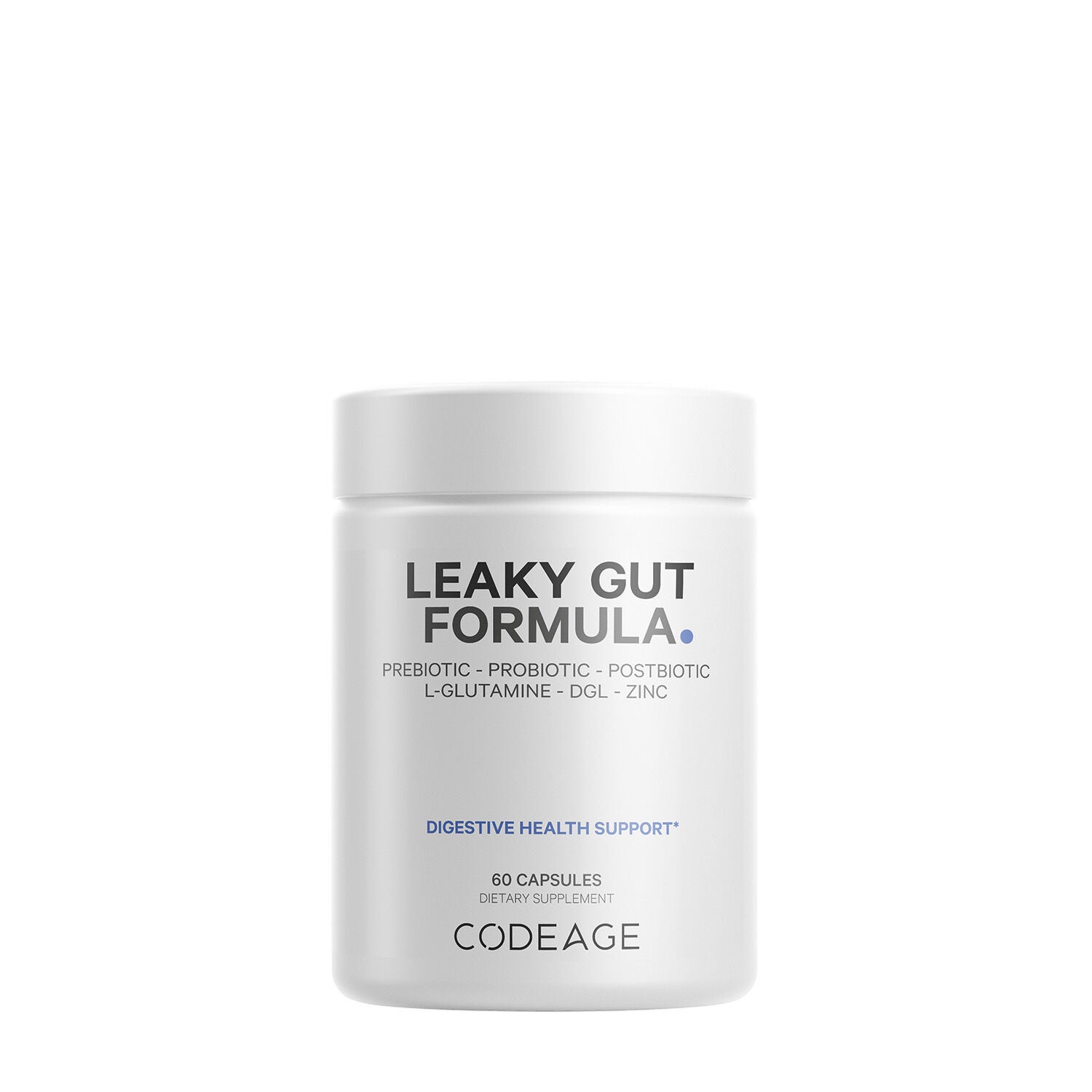
Probiotics For Women Vegan
(0 Results)
Discover a curated selection of probiotics for women vegan, designed to support a balanced lifestyle. These plant-based supplements might provide the beneficial bacteria that could aid in maintaining digestive health and overall well-being. Ideal for those following a vegan diet, these probiotics may offer an array of potential benefits tailored specifically for women's unique needs. Explore options that align with your dietary preferences and wellness goals.
-

-
-
-
-

-
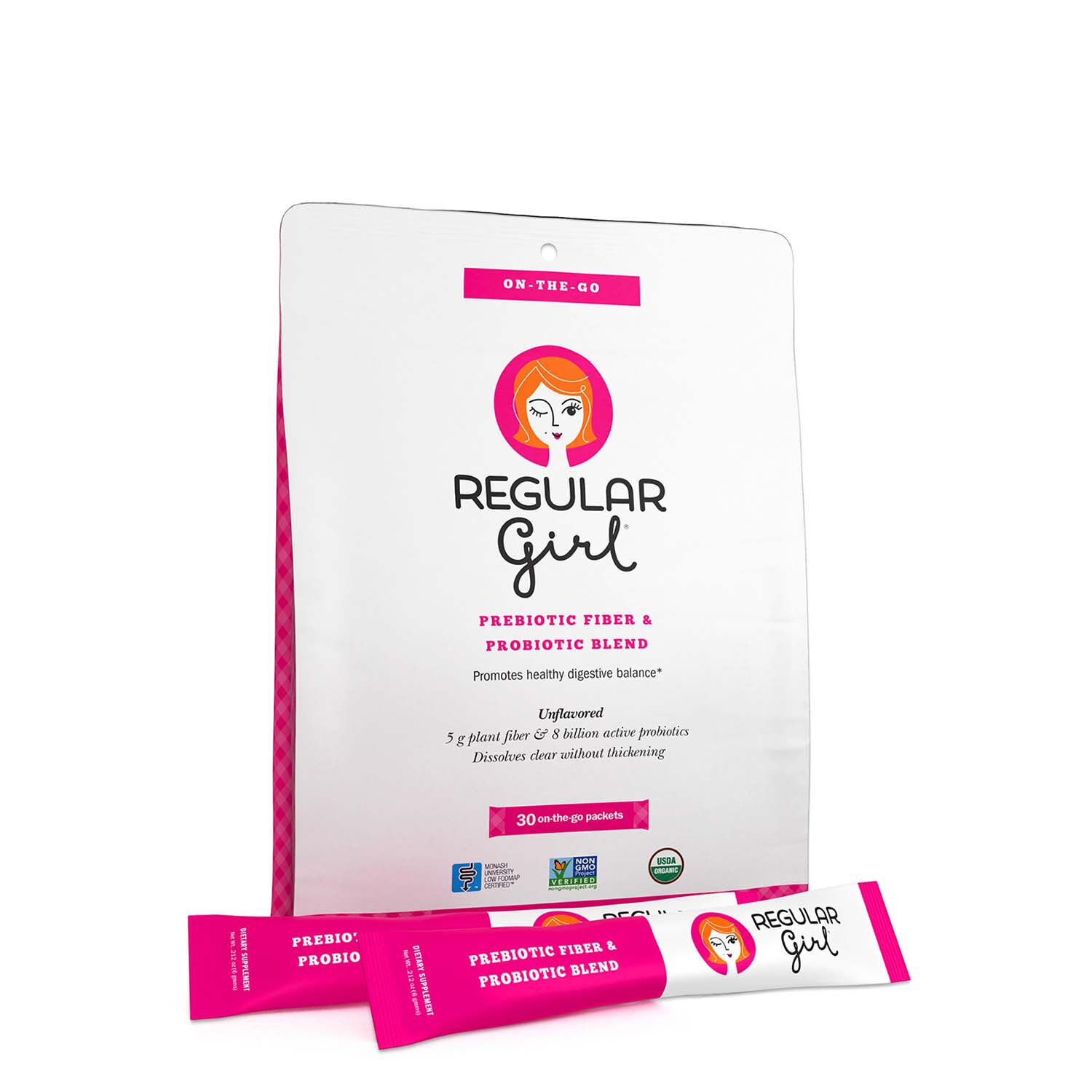 205$34.99
 -
-

-
-

-


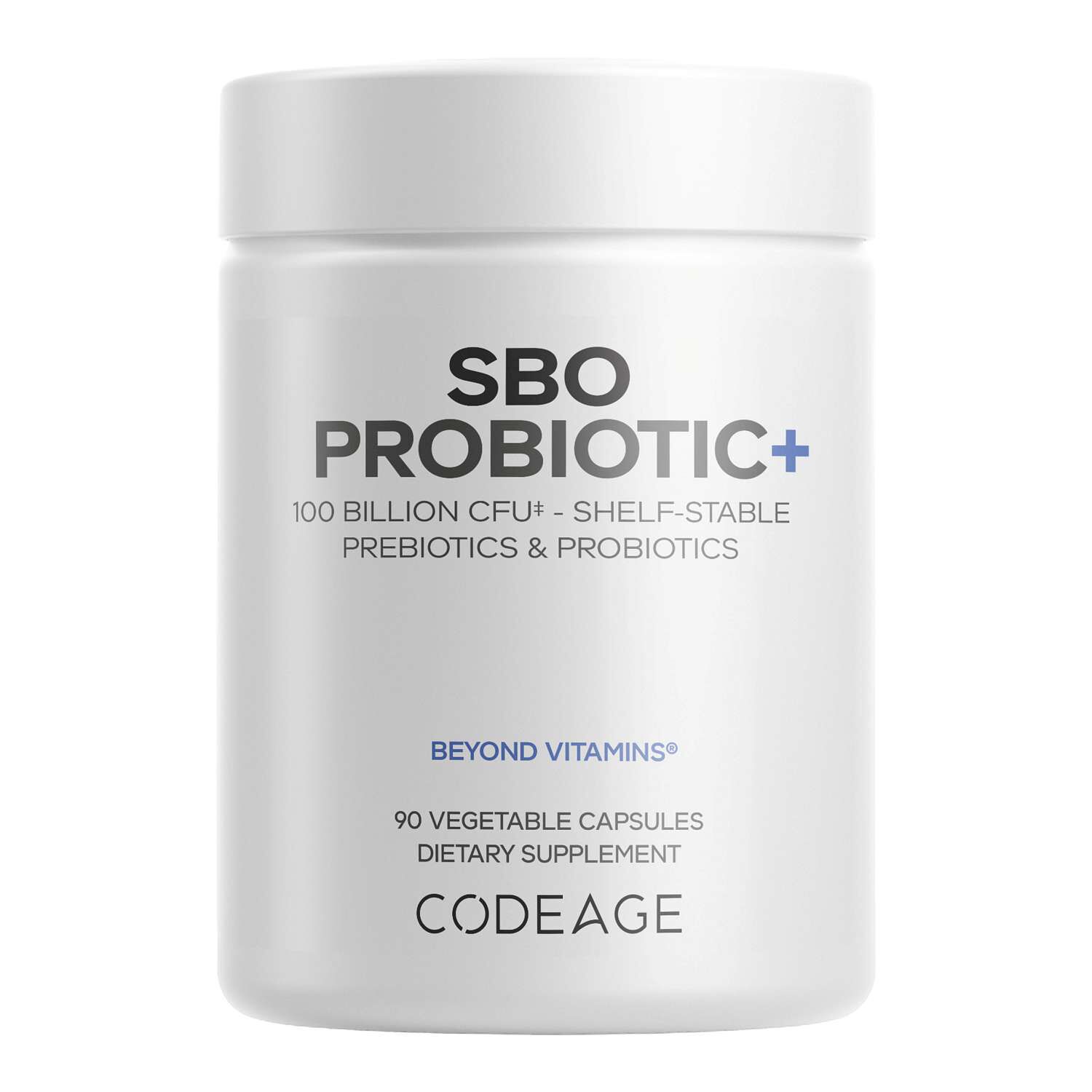

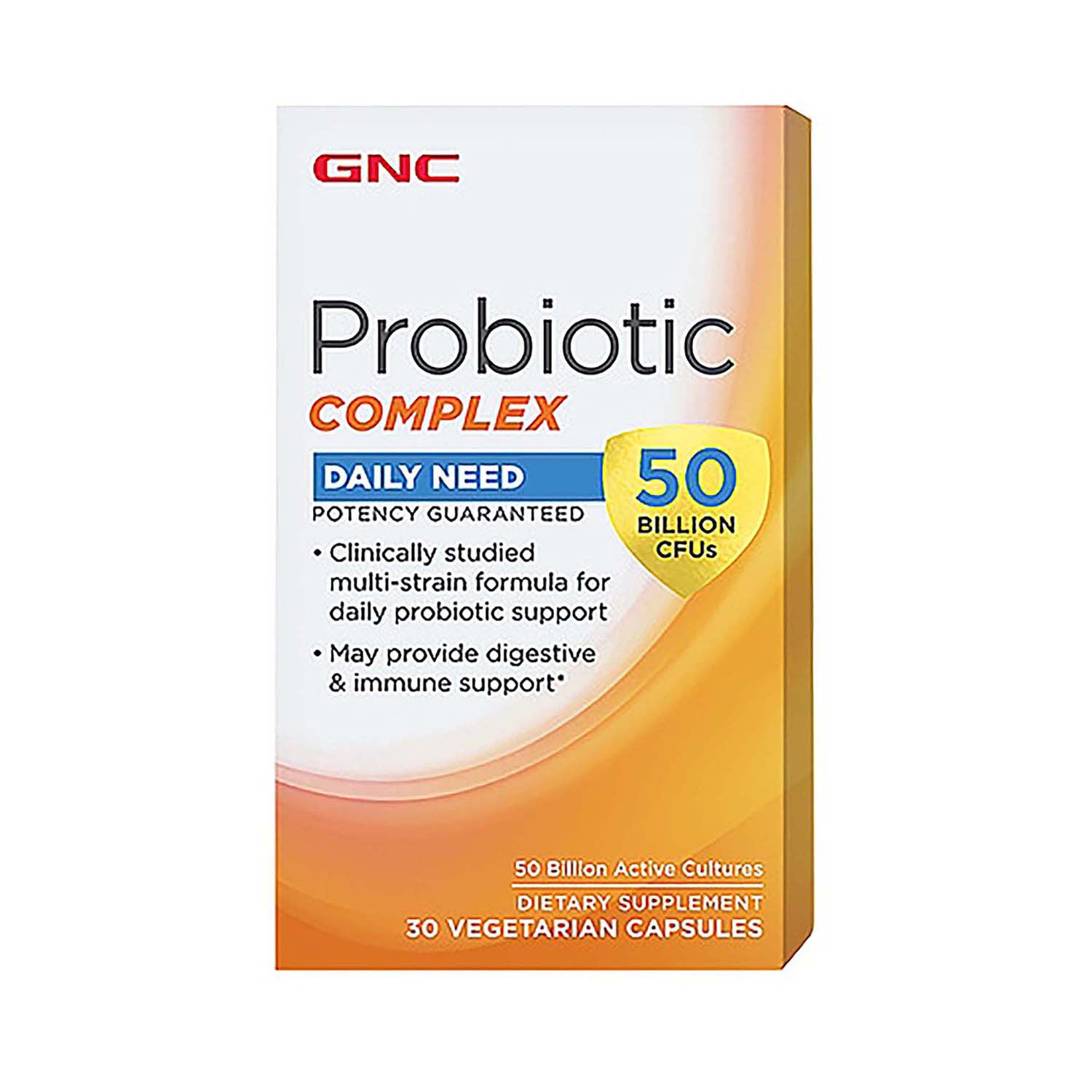

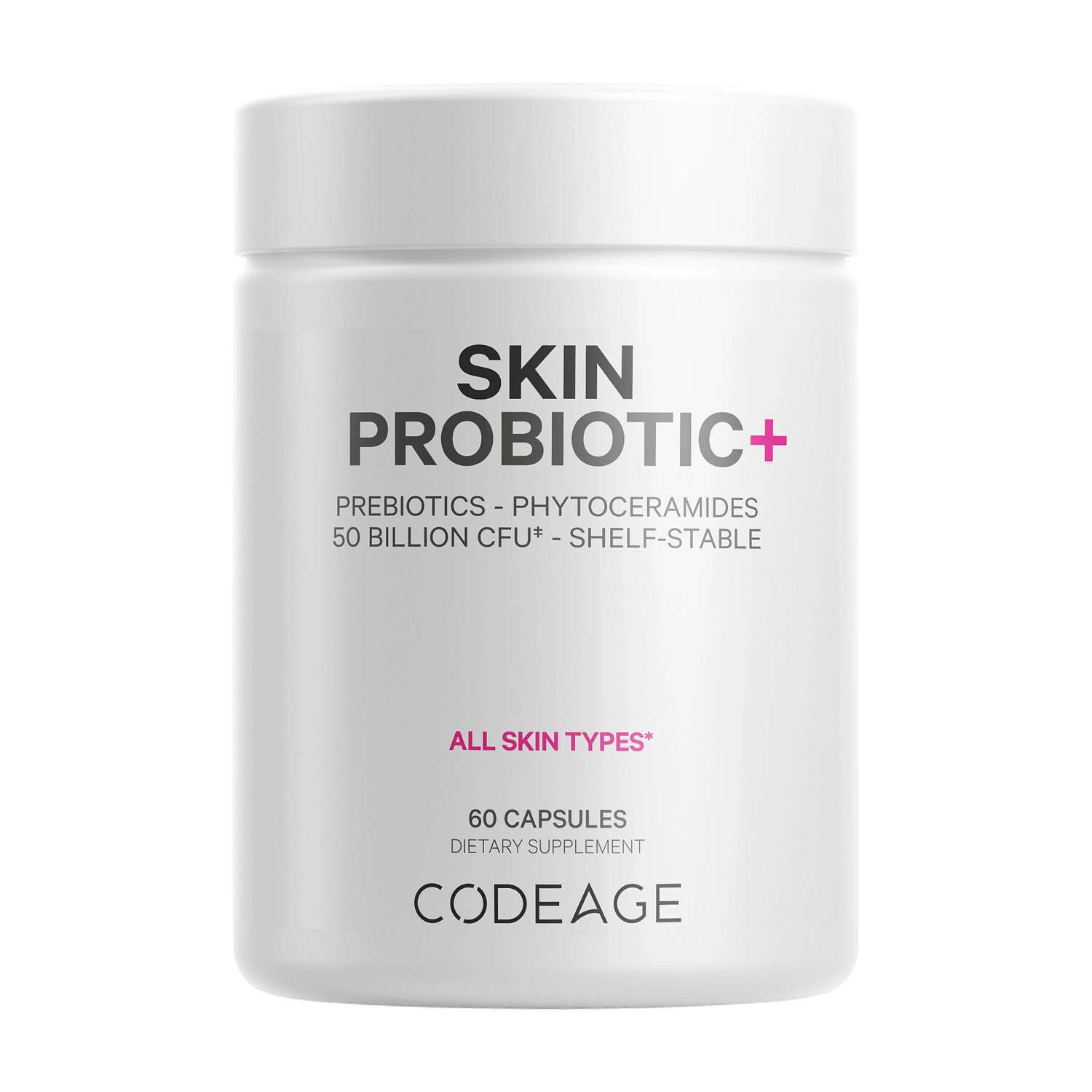
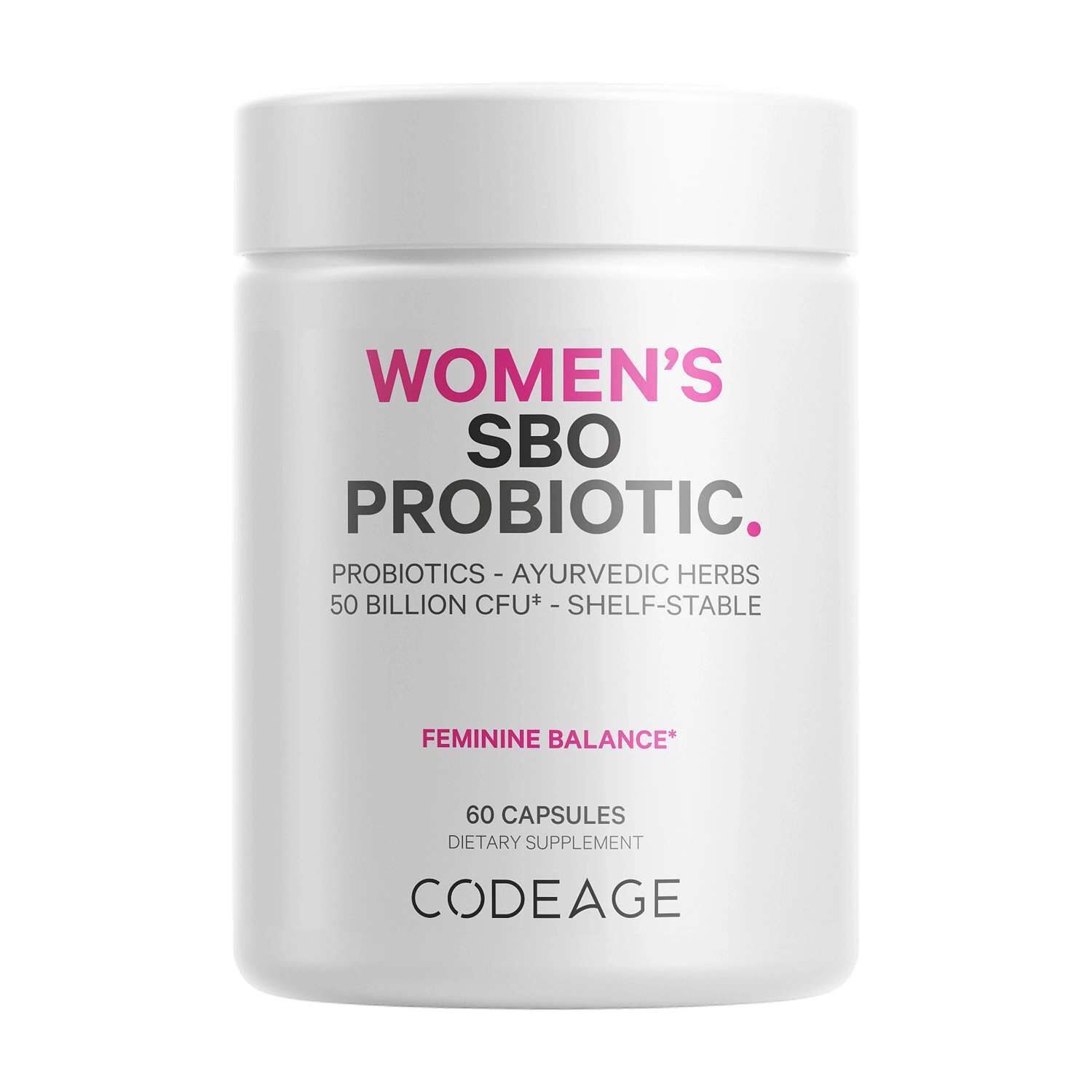


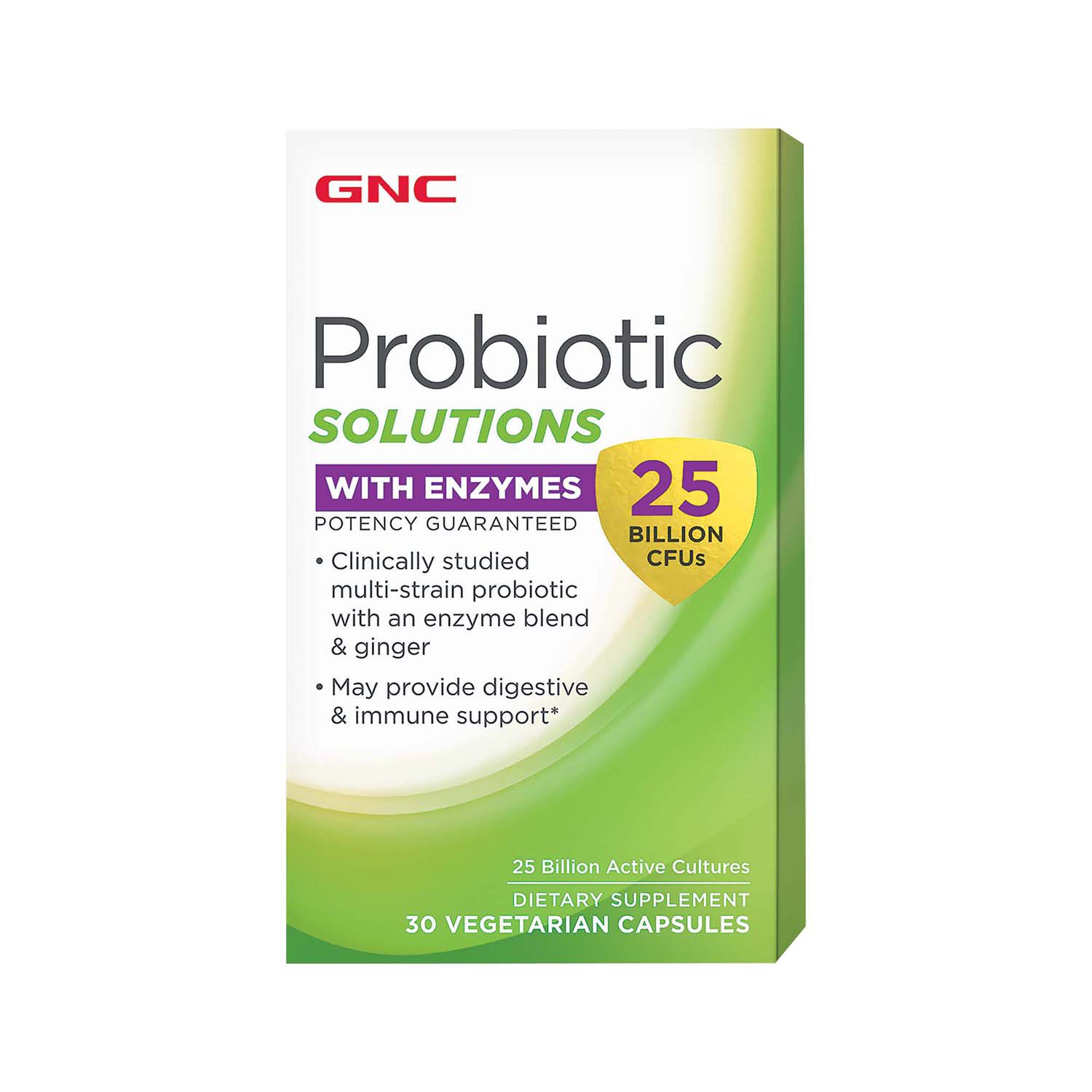
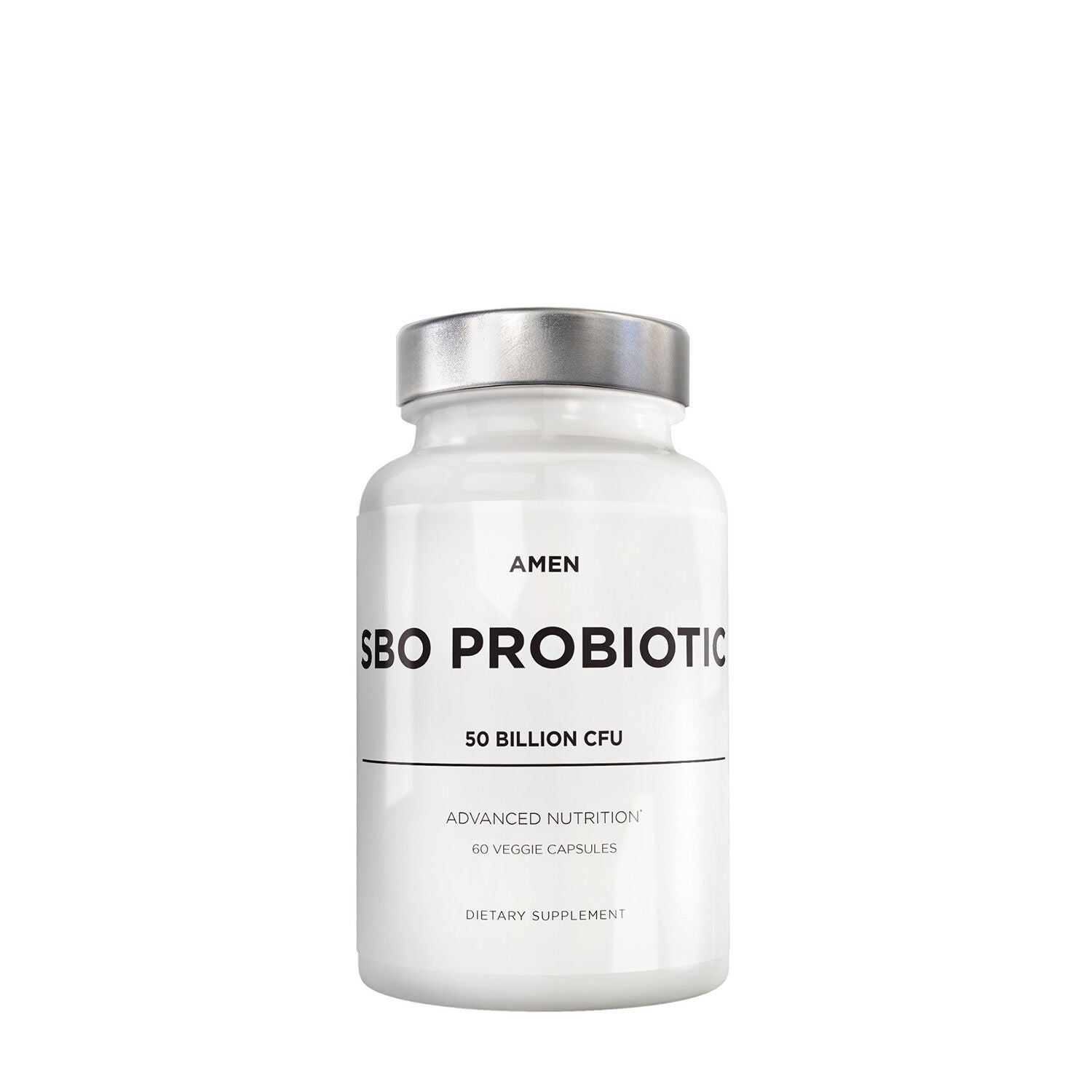
Vegan probiotics for women bring together two shopping priorities: a formula intended for women’s everyday wellness routines and ingredients that align with a vegan lifestyle. Probiotic supplements contain live microorganisms, with formulas differing in their bacterial strains, serving sizes, capsule materials, and storage requirements. For someone who already chooses plant-based foods and checks the ingredients in everyday purchases, those details matter as much as the description on the front of the bottle. A vegan designation concerns more than the outer capsule. It also involves the other ingredients and, where documented, the materials used during production. Cellulose and pullulan are common alternatives to gelatin for capsule shells, while some chewable formats use pectin. However, a plant-based shell alone does not establish that the entire formula meets vegan preferences. Clear labeling, certification when present, and manufacturer information can offer a more useful picture than packaging color or botanical imagery. Formulas marketed for women may feature bacteria from groups commonly identified as Lactobacillus and Bifidobacterium. Names such as Lactobacillus acidophilus and Lactobacillus rhamnosus describe different species; additional letters or numbers can identify a particular strain. Those details distinguish formulas that otherwise look similar at a glance. The word “women” on a label does not establish that one blend is suitable for every woman, and the number of strains alone does not explain how a formula compares with another. A thoughtful comparison considers the ingredient list, the stated purpose, and how the format fits an existing routine. Some shoppers prefer a straightforward capsule with a short list of additional ingredients, while others value a chewable format or a blend containing a prebiotic ingredient. Women following a longstanding vegan diet, exploring more plant-based choices, or reviewing the sourcing of their supplements may all approach this category with slightly different preferences. The common thread is finding clearly described options rather than relying on broad front-label language.
The Supplement Facts panel provides a practical starting point for comparing vegan probiotics for women. CFU stands for colony-forming units, a measure used to express the quantity of viable microorganisms in a serving. A larger CFU number is not, by itself, a reason to favor one formula over another; strain identity, serving size, and the basis for the stated count also matter. Some labels describe a count at the time of manufacture, while others specify a count through the expiration date under the listed storage conditions. These statements describe different points in the product’s life, so comparing them side by side requires attention to the wording. Serving size deserves the same close reading. A bottle with a certain capsule count may contain fewer servings if the labeled serving calls for more than one capsule. Beyond the bacteria, the ingredient panel may list capsule materials, carriers, flavorings, sweeteners, or prebiotic ingredients such as inulin or fructooligosaccharides, often abbreviated FOS. Prebiotics and probiotics are different ingredient categories, even when they appear in the same blend. Their presence can change the composition and format of a supplement, making the full label more informative than the blend name alone. For shoppers with dietary preferences beyond vegan sourcing, allergen disclosures and ingredient statements provide separate details worth reviewing. A vegan designation does not answer every question about a formula’s composition or manufacturing environment. Texture and taste can also shape a practical choice. An unflavored capsule offers a different experience from a fruit-flavored chewable, and a powder may require mixing and measuring according to its directions. Capsule dimensions, the number taken per serving, and preparation steps can all influence how comfortably a format fits into a morning or evening schedule. Someone heading out early with breakfast packed may prefer fewer preparation steps, while someone with a slower routine may not mind mixing a powder as directed. These are everyday usability differences, not measures of a formula’s suitability for a particular health concern.
Storage and packaging deserve attention because probiotics contain living microorganisms. Some formulas call for refrigeration, while others are labeled for storage at room temperature under specified conditions. Room-temperature storage does not mean a bottle belongs on a sunny windowsill, beside a warm stove, or in a car during an afternoon of errands. The package directions provide the relevant temperature, moisture, and handling requirements. A kitchen cabinet away from cooking heat may suit one formula, while another needs a designated place in the refrigerator. During the cooler months, indoor heating and travel can still expose a supplement to conditions outside its labeled range. Keeping the container closed as directed, retaining any included moisture-control insert according to the packaging instructions, and noting the expiration date are practical parts of caring for the purchase. Packaging can affect routine fit as well. An individual packet has different handling needs from a bottle opened each day, and a refrigerated format requires more planning for an overnight stay than one labeled for room-temperature storage. Someone who often moves between home, an office, and a gym may value a format that fits those transitions without departing from its storage directions. Someone who keeps a consistent breakfast routine may prefer a bottle stored in an appropriate, familiar spot at home. Rather than treating a probiotic as an automatic gift, it is more considerate to know the recipient’s dietary preferences and preferred format before choosing a personal supplement. For a broader view of related plant-based options, Vegan Probiotics For Healthy Lifestyle Support offers another way to browse beyond women-focused labeling. Across these options, the most useful distinctions remain concrete: documented vegan sourcing, clearly identified strains, understandable serving information, a manageable format, and storage requirements that match daily life. Together, those details make comparisons more grounded, whether the bottle will live in a small apartment kitchen, a shared household refrigerator, or an appropriately packed travel bag.
Best Sellers
-
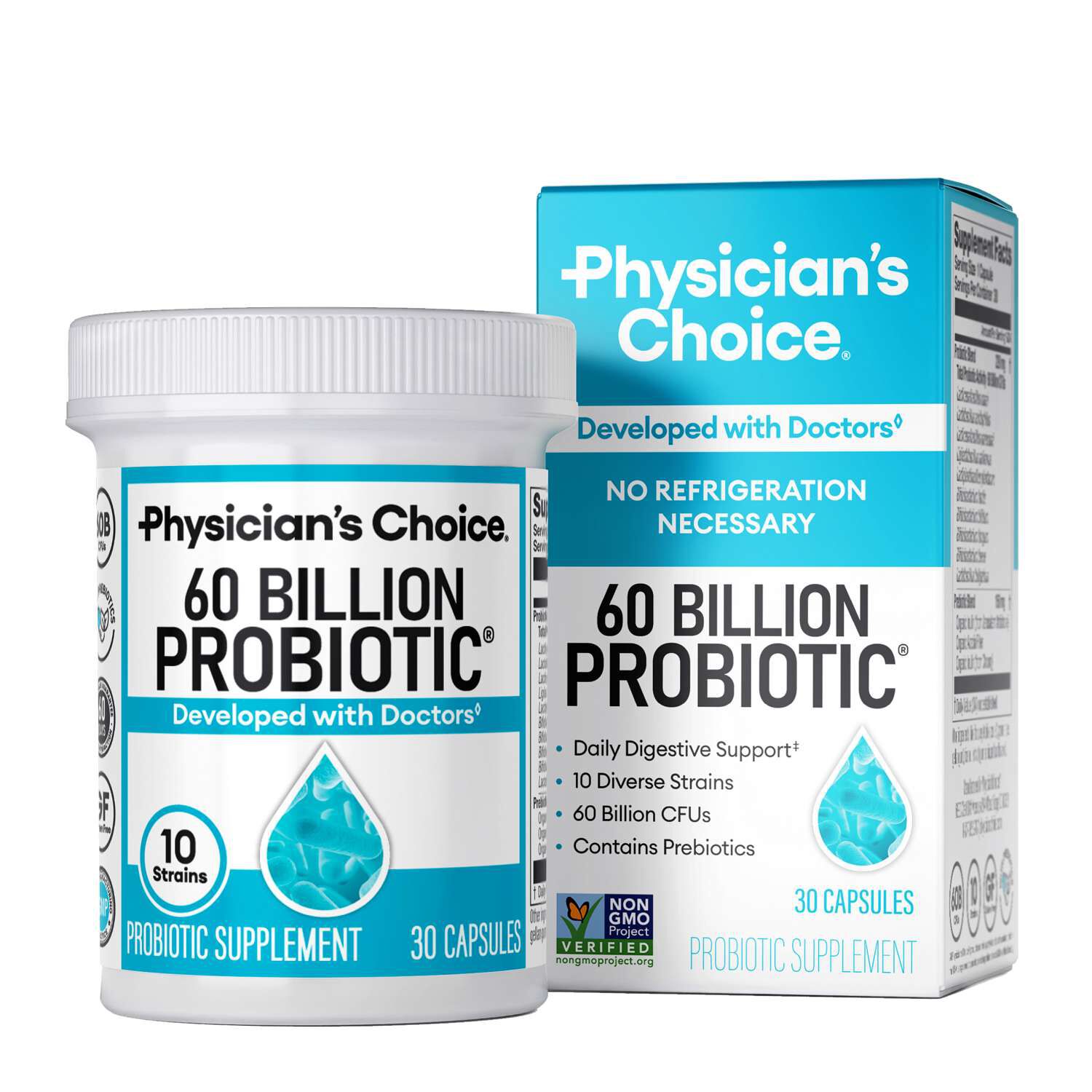 Physician's Choice