





Prostate Health Supplements For Quality Of Life
(0 Results)
Prostate health supplements for quality of life are designed to support men's wellness goals as they age. These supplements often feature a blend of carefully selected ingredients that may help you maintain an active lifestyle and overall well-being. Whether you’re looking to complement your daily routine or seeking targeted nutritional support, exploring prostate health supplements for quality of life could be a positive step toward prioritizing your personal health journey.
-

-

-

-

-

-

-
-

-

-

-
 NutraBio$59.99
-

-

-

-

-
-
-

-

-

-

-
-
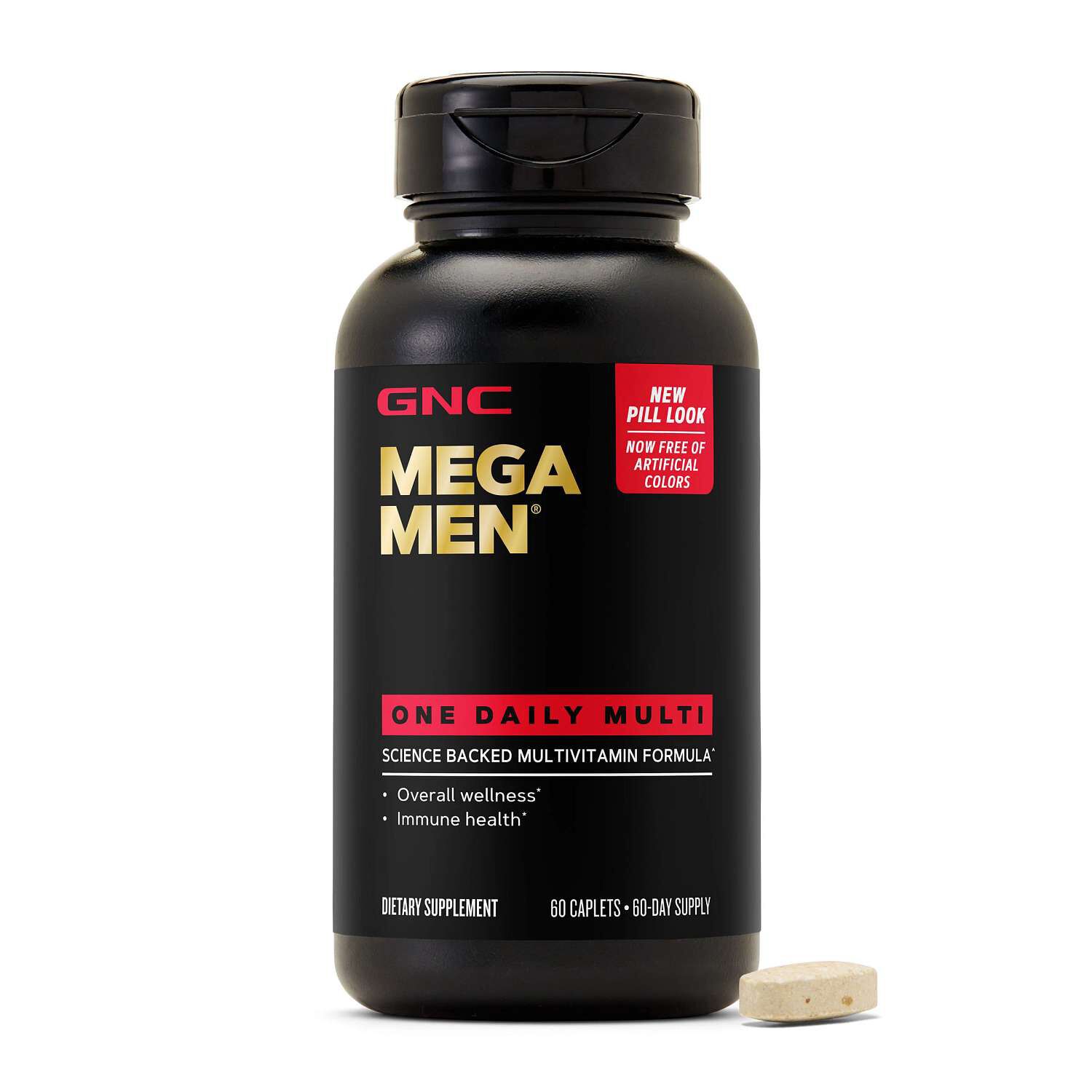
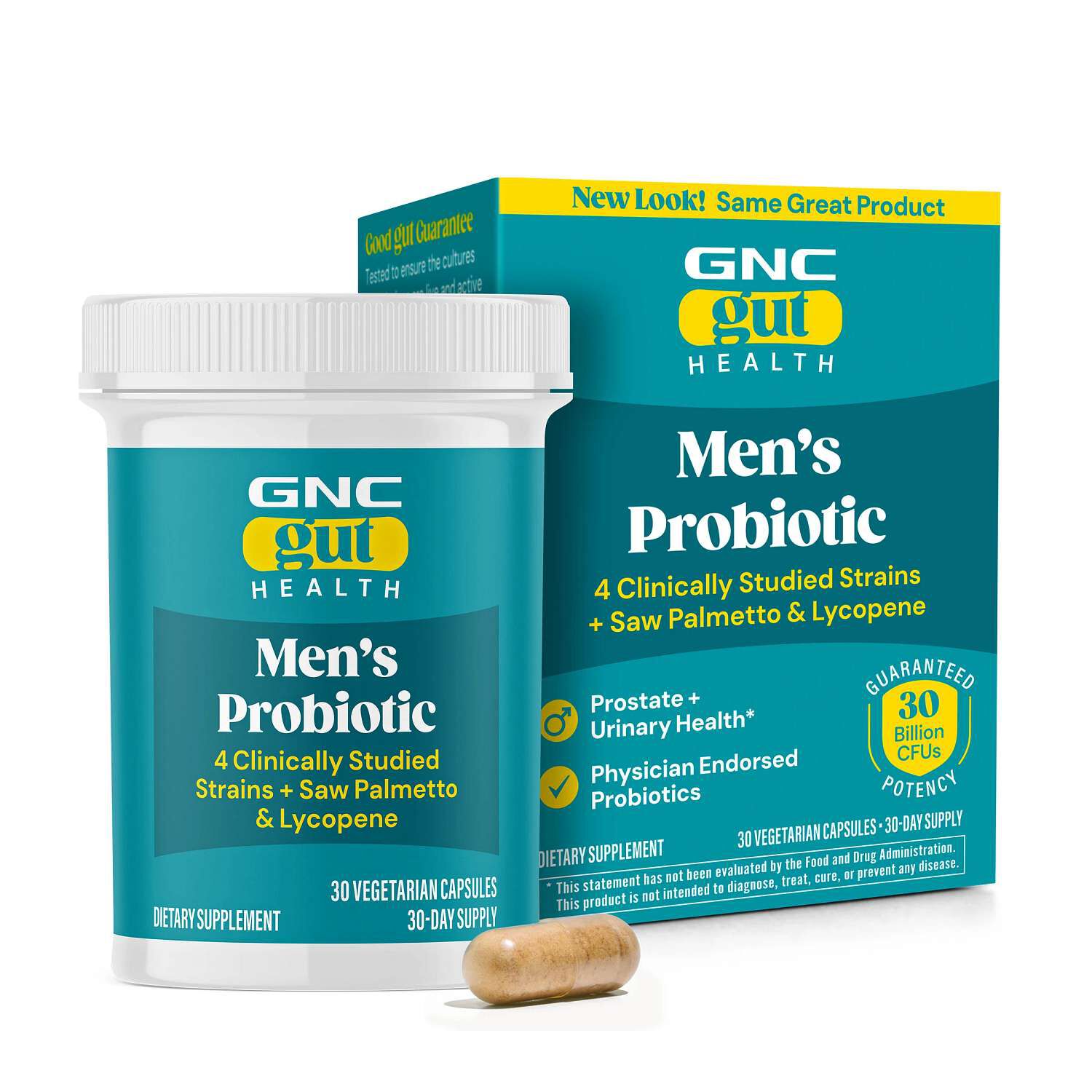
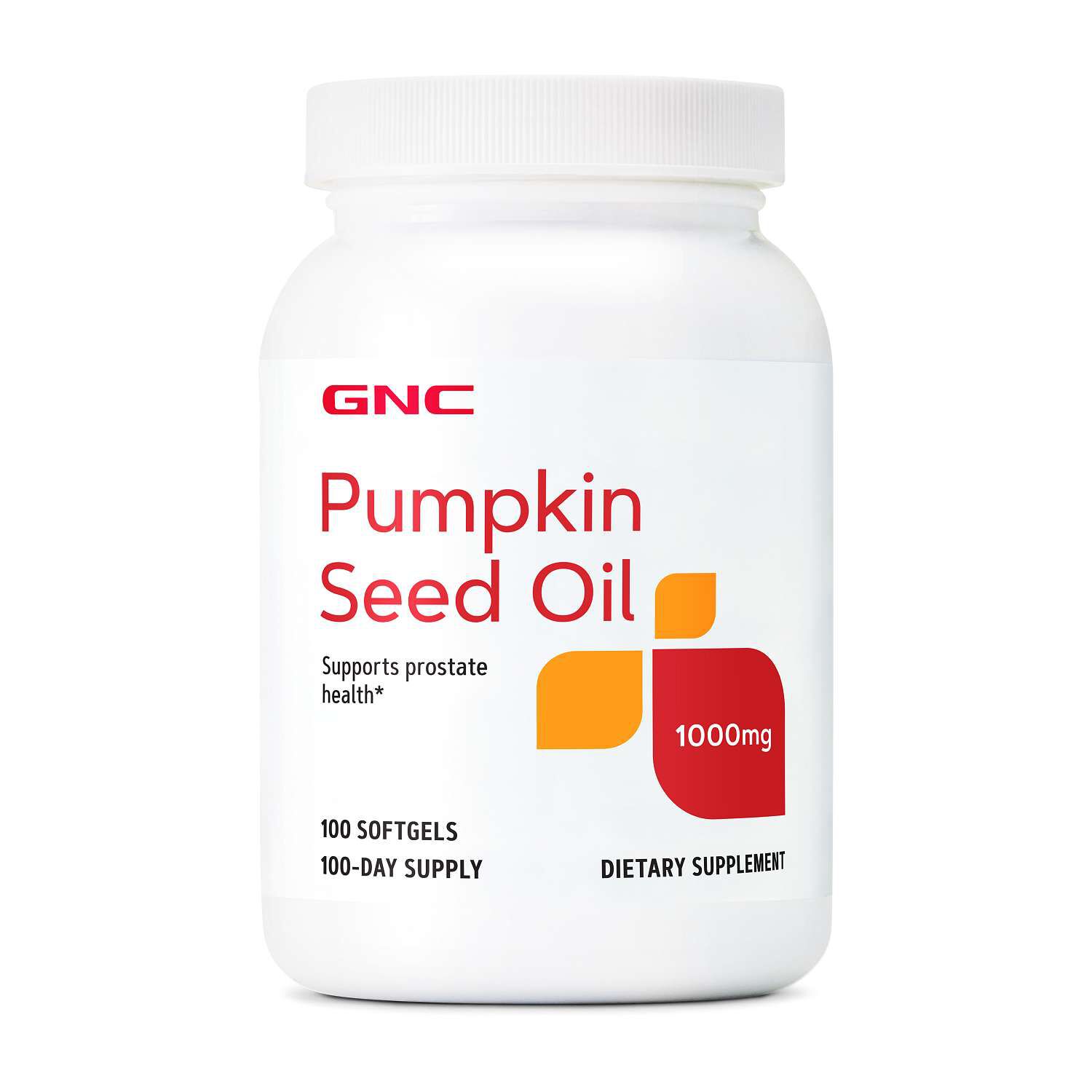
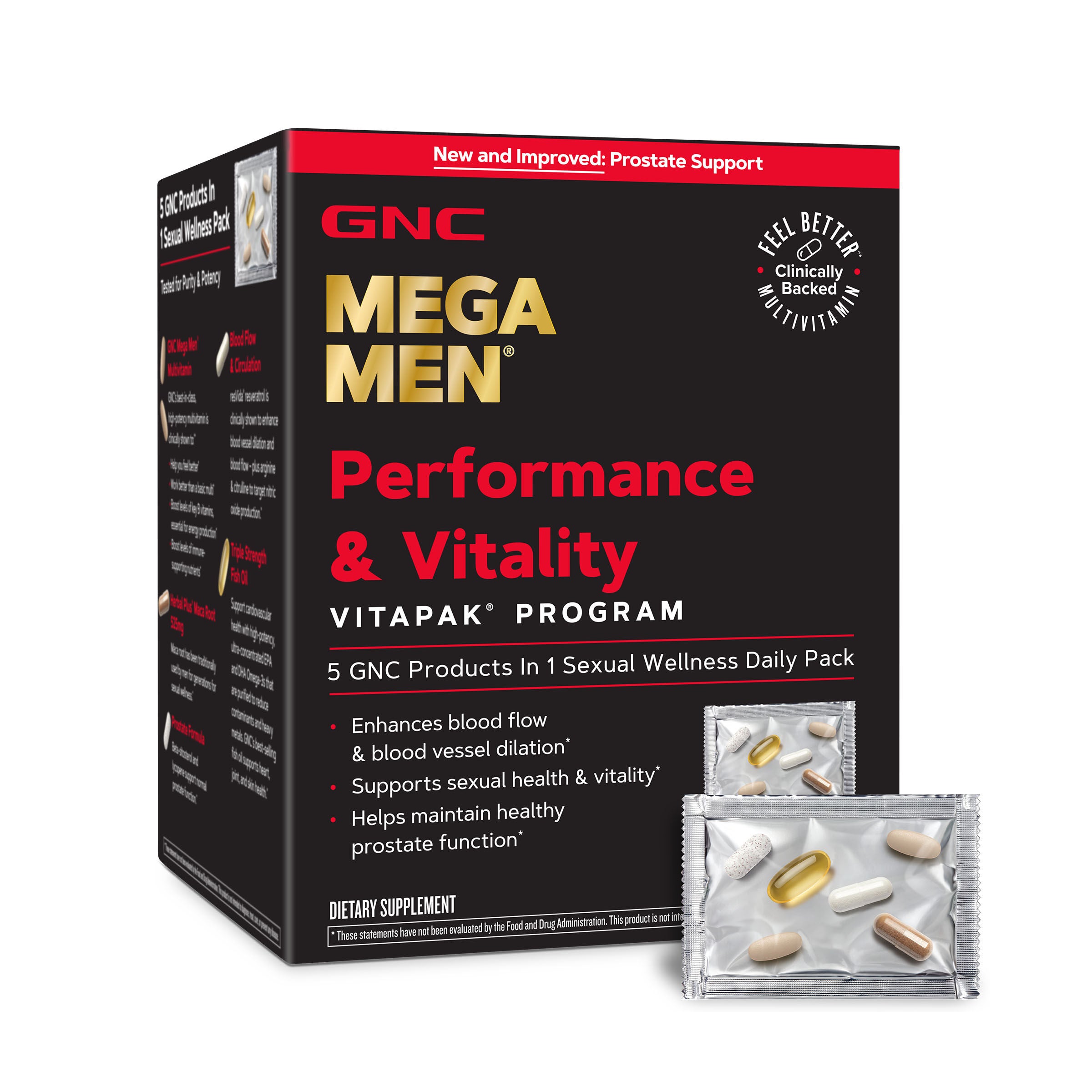
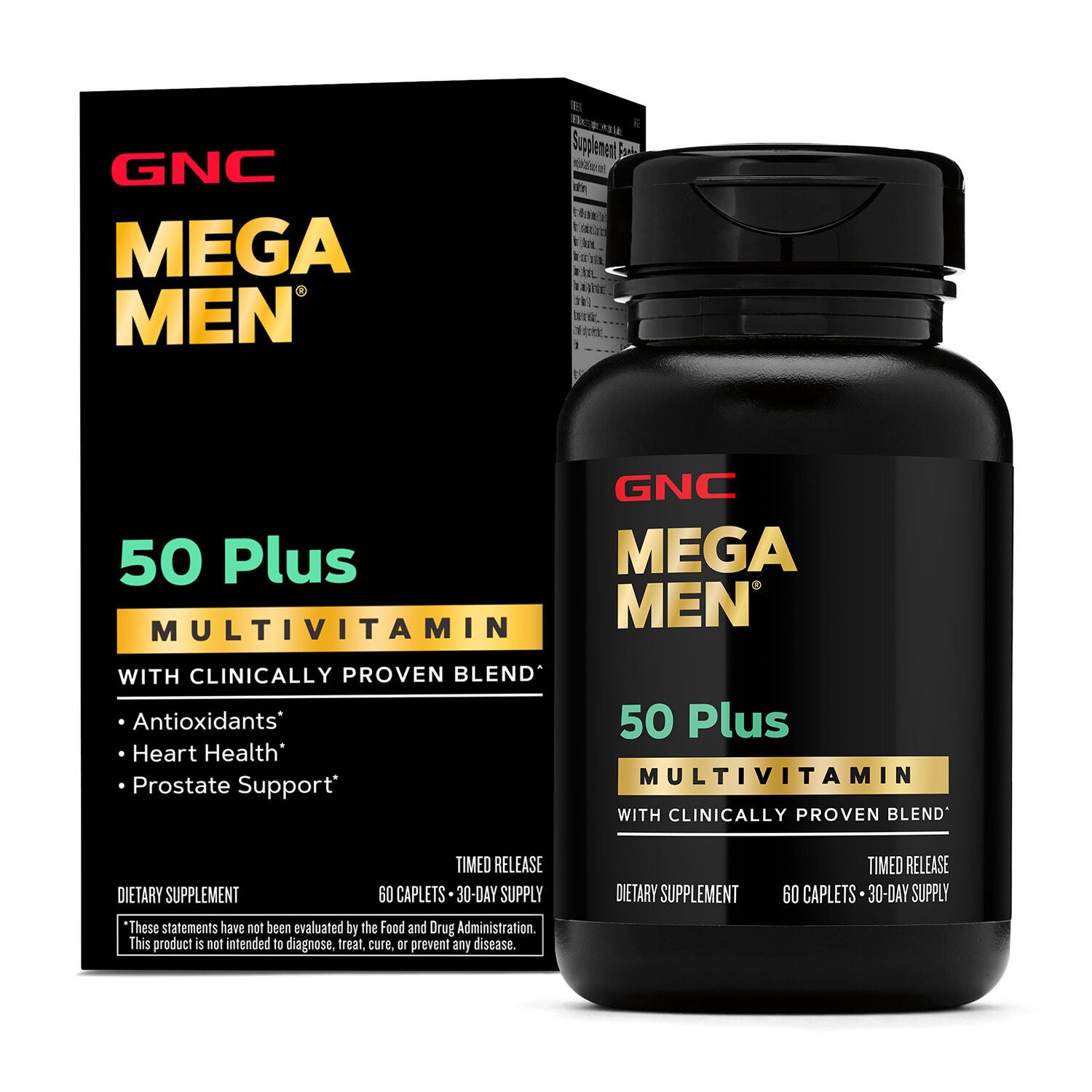
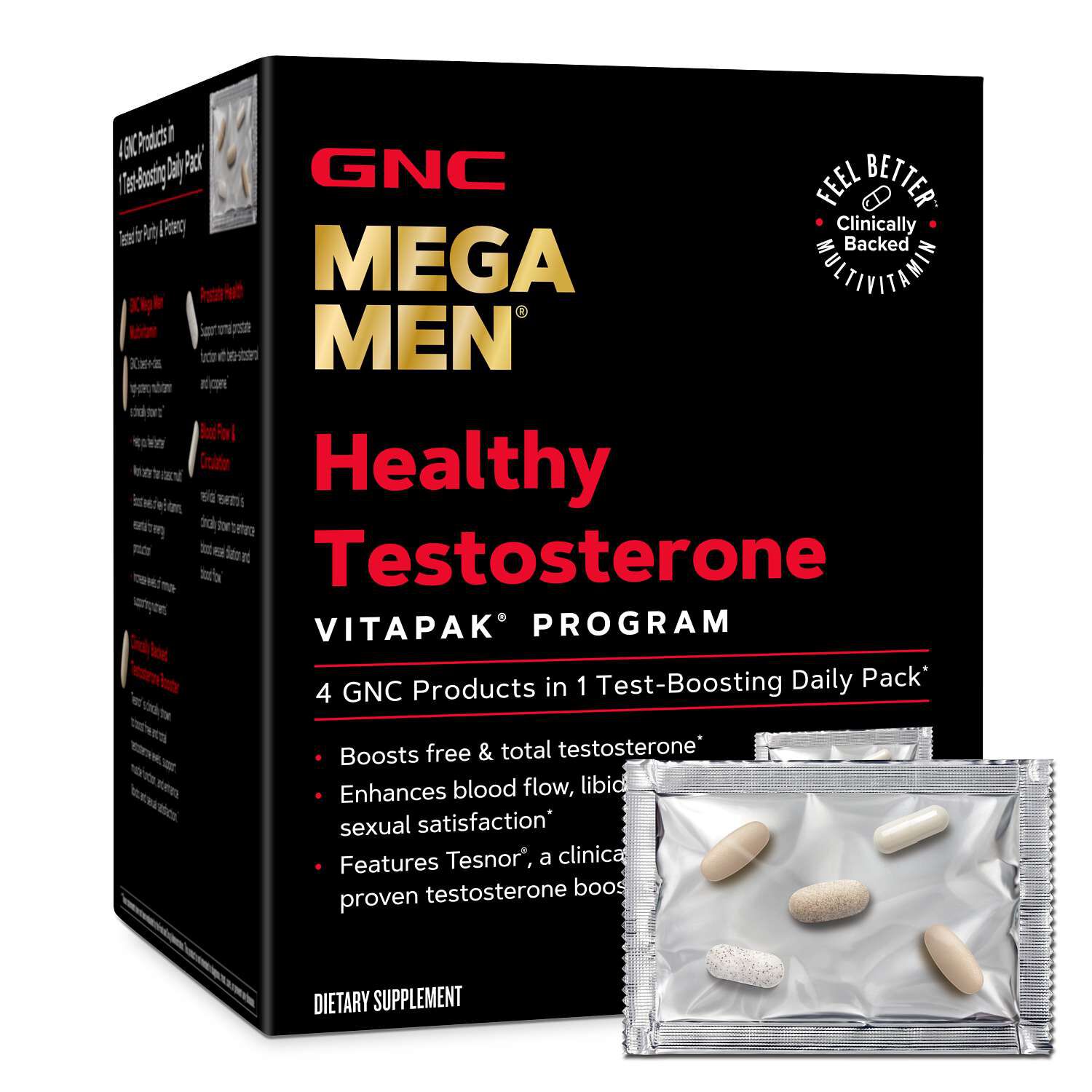
Prostate health supplements for quality of life include botanical formulas, nutrient-based options, and blends that combine several ingredient types. This category is generally intended for adults whose personal wellness interests include the prostate, a small gland in male reproductive anatomy located below the bladder. For shoppers, the most useful distinctions are often practical ones: the ingredients listed, their amounts per serving, the supplement format, and how clearly the label explains intended use. Quality of life is personal, encompassing everyday priorities such as time with family, familiar routines, recreation, and thoughtful choices about nutrition. A supplement’s name does not predict an individual experience, and products in this category are dietary supplements rather than treatments for urinary concerns. Botanical ingredients commonly associated with prostate health supplements include saw palmetto, beta-sitosterol, pygeum, and rye grass pollen extract. Saw palmetto preparations come from the plant’s fruit, while beta-sitosterol is a plant sterol found naturally in various plant foods. Pygeum extracts come from the bark of Prunus africana, and rye grass pollen extracts represent a different type of botanical preparation. Some formulas also contain nutrients such as zinc and selenium or ingredients such as lycopene, a carotenoid found in tomatoes and other foods. These names describe what a formula contains; they do not establish what someone may experience from taking it. A single-ingredient formula and a blend with several botanicals offer different ingredient profiles, not a simple ranking of better and worse. Someone who values a short ingredient list may prefer a narrowly focused formula, while another shopper may be interested in comparing several ingredients within one serving. The distinction matters when browsing prostate health supplements because similar category names can appear on bottles with substantially different compositions. Looking beyond the front label reveals those differences and makes the assortment easier to understand without relying on broad language about men’s wellness or expectations based on a familiar ingredient name alone.
The Supplement Facts panel provides a more detailed picture of each formula than the product name. Serving size is a useful starting point because the amounts shown usually apply to the listed serving, which may consist of more than one capsule or tablet. Container count and serving count therefore describe different things. An ingredient amount displayed for a serving should not automatically be read as the amount in a single capsule. Botanical labeling can add another distinction: a whole-plant preparation, an extract, and an extract identified by particular constituents are not interchangeable descriptions. Where an extract is standardized, the label may identify a specified proportion of a constituent, such as fatty acids or sterols. That information describes the preparation, not a predicted outcome. Some blends disclose each ingredient amount separately, while others present ingredients together under a blend amount. Those formats provide different amounts of detail for comparison. Capsule shells and other ingredients deserve attention as well. Depending on the formula, a capsule shell can be made with gelatin or plant-derived materials, while tablets may include binders and coatings. Softgels commonly have a flexible shell surrounding their contents. These physical differences can matter to shoppers with dietary preferences or a preference for one format over another. A plant-derived capsule shell does not, by itself, describe every ingredient inside the capsule, so dietary suitability depends on the formula’s full ingredient information. Statements about soy, milk, wheat, or other ingredients can also be relevant when comparing labels. Package photographs may help show the format, but a picture alone does not establish capsule dimensions or serving requirements. For someone who already uses other dietary supplements, viewing the ingredient lists side by side makes repeated ingredients easier to identify without assuming that a longer list is necessarily preferable. Clear labeling, recognizable ingredient descriptions, and specific information about the preparation offer a firmer basis for comparison than a large number printed prominently on the front of a bottle. The meaningful details are the ones that explain what that number represents.
A formula’s fit with everyday life also involves packaging, storage, and the ordinary details of handling a bottle. A person who keeps supplements in a kitchen cabinet may value a clearly printed label and an easy-to-read serving description; someone with a busy household may prefer packaging that makes the contents straightforward to identify. Capsule count, bottle dimensions, closure style, and the amount of packaging are practical considerations distinct from the ingredients themselves. Storage directions and date markings are part of the product information, and requirements can differ between formulas. Heat, moisture, and direct light may affect the condition of some supplement materials, making the stated storage conditions relevant to their intended use. The original container keeps the ingredient list, suggested-use information, and other label details together rather than separating them from the contents. For travel, container size and a secure closure may matter as much as the supplement format. These are useful distinctions for an adult comparing prostate health supplements with a particular daily routine in mind, whether that routine involves a breakfast table, a packed work bag, or a regularly used household cabinet. Personal preferences are just as important when shopping for someone else. Prostate-focused supplements are a personal purchase, so a recipient’s expressed interest and familiarity with the category provide more context than age alone. For another related selection, the Prostate Health Supplements For Fall Health collection offers a way to browse formulas within this area of wellness. Across related collections, the same concrete comparisons remain useful: ingredient identity, amount per serving, capsule or tablet format, dietary suitability, and label clarity. Prostate health supplements for quality of life are best understood through those product details rather than assumptions about results. A thoughtful comparison leaves room for individual preferences while keeping the distinction between a product’s composition and a person’s experience clear.
Best Sellers
Related Pages
Top Collections
- Top Rated Collagen | Shop Customer Favorites | GNC
- Cortisol Supplements
- Vitamins For Hair Loss
- NAD+ Supplement Tablets
- Peptide Supplements
- Best Brand of Magnesium Glycinate
- Vitamins That Help Support Weight Gain
- Protein Powders For Muscle Growth Support
- Spirulina Tablets
- Peptide Supplements for Muscle Growth