





Prostate Health Supplements For Men Seeking Natural Options
(0 Results)
Prostate health supplements for men seeking natural options offer a variety of formulations that may support overall wellness as part of a balanced lifestyle. These supplements often feature ingredients derived from plants, herbs, and other natural sources, making them a popular choice for those interested in holistic approaches to well-being. Explore prostate health supplements for men seeking natural options to find choices that could fit your personal wellness routine and preferences.
-

-
-

-

-

-

-

-

-
-

-

-

-

-
 NutraBio$59.99
-

-

-

-
-
-

-

-
-

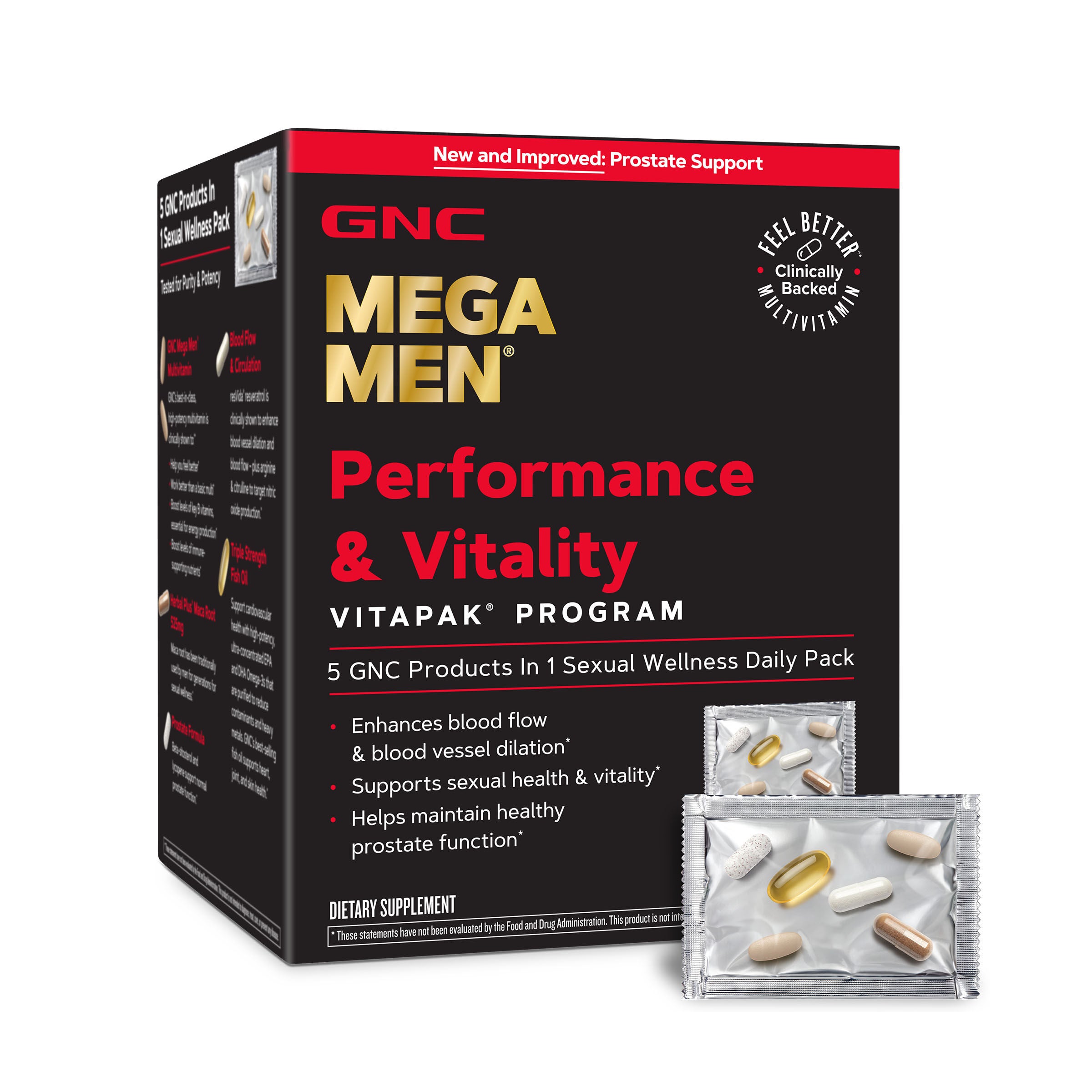
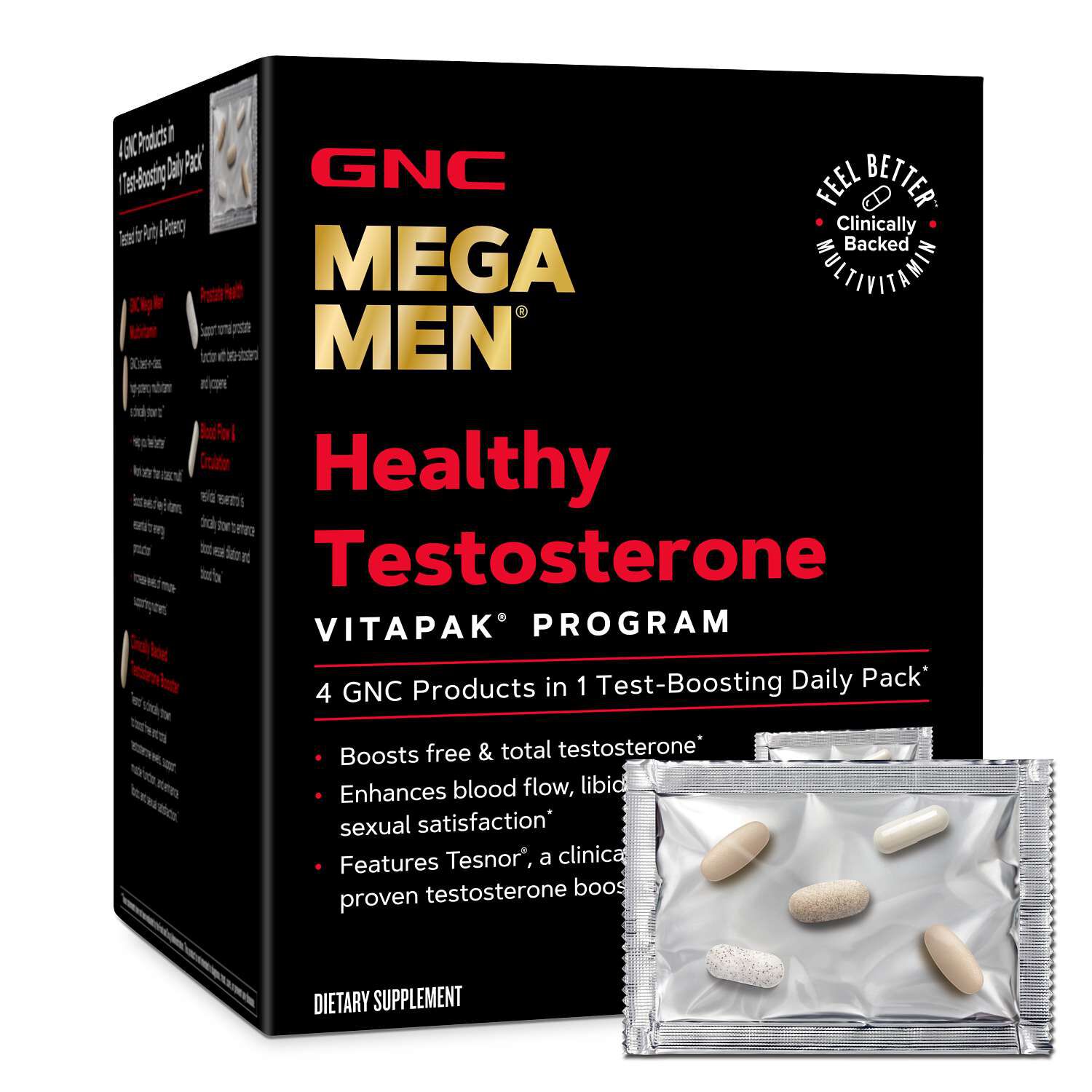
Prostate health supplements for men seeking natural options bring together botanicals, plant-derived compounds, and selected vitamins and minerals in formulas intended for adult men. For shoppers interested in prostate wellness, the main differences often lie in ingredient sources, preparation methods, serving sizes, and the number of ingredients in each formula. Natural options are not a single, uniform category: a botanical extract, a seed oil, and a mineral supplement have different compositions, even when their labels reference the same wellness interest. Saw palmetto, beta-sitosterol, pygeum, and rye grass pollen are among the ingredients associated with this category. Saw palmetto comes from Serenoa repens, a palm native to the southeastern United States, and supplement preparations commonly use its berries. A label may identify whole berry powder, an extract, or an extract with a stated fatty acid content; those descriptions help distinguish preparations rather than establish that they are interchangeable. Beta-sitosterol is a plant sterol found in foods such as nuts, seeds, and vegetable oils, and it can also appear as a concentrated supplement ingredient. Pygeum refers to preparations made from the bark of Prunus africana, also known as the African cherry tree. Rye grass pollen extracts add another botanical option, with ingredient descriptions that differ from ordinary grass powders. These distinctions make the full ingredient panel more informative than a broad phrase on the front of a bottle. A shopper who prefers one named botanical may approach the category differently from someone interested in a combination of plant ingredients and nutrients. Neither a longer ingredient list nor a higher milligram amount, by itself, establishes a better match. The identity of the ingredient, the form used, and its amount per serving provide more useful context. Research also concerns particular preparations and amounts, so findings about one extract do not automatically describe every formula bearing the same plant name. That distinction matters when comparing familiar botanical names across otherwise different supplement labels.
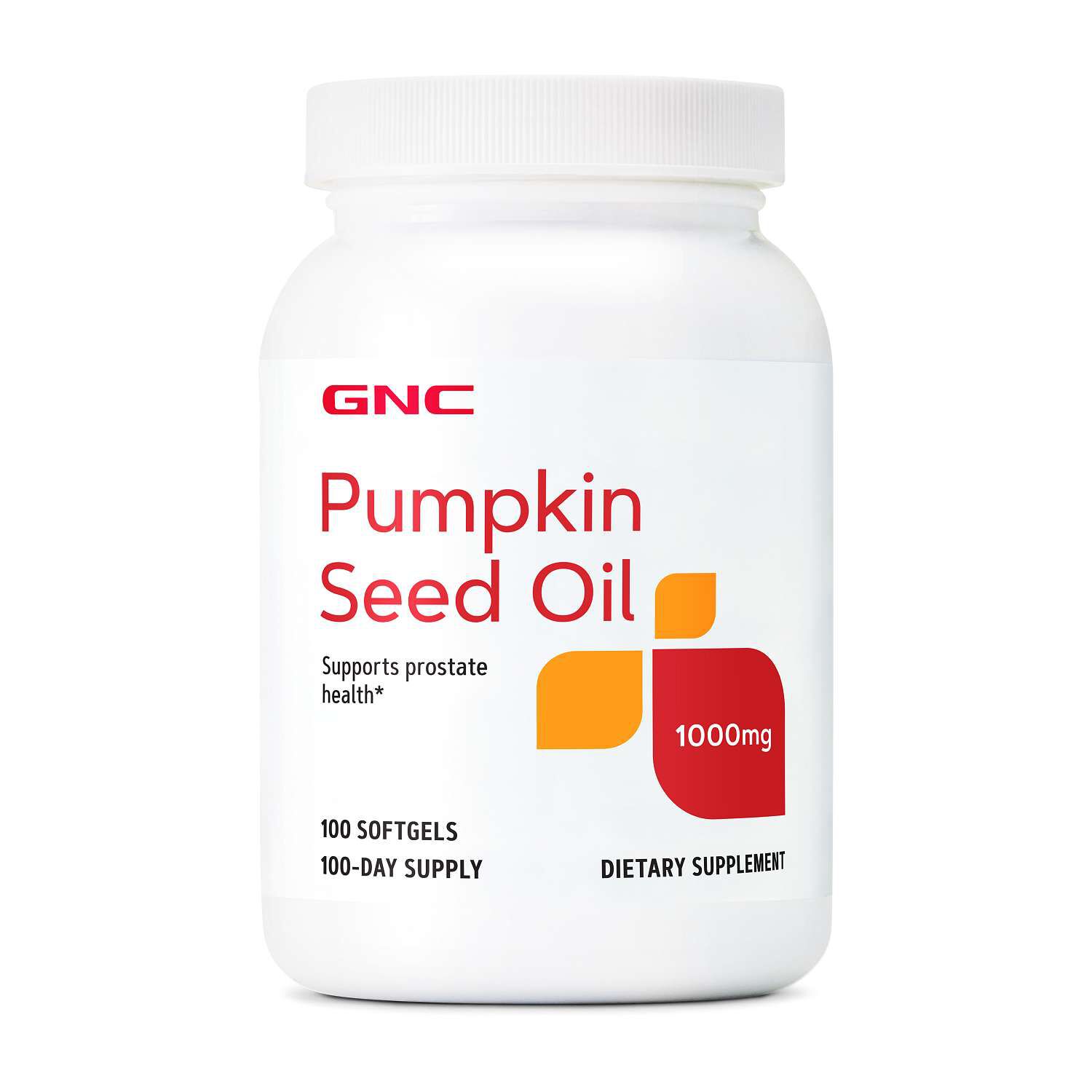
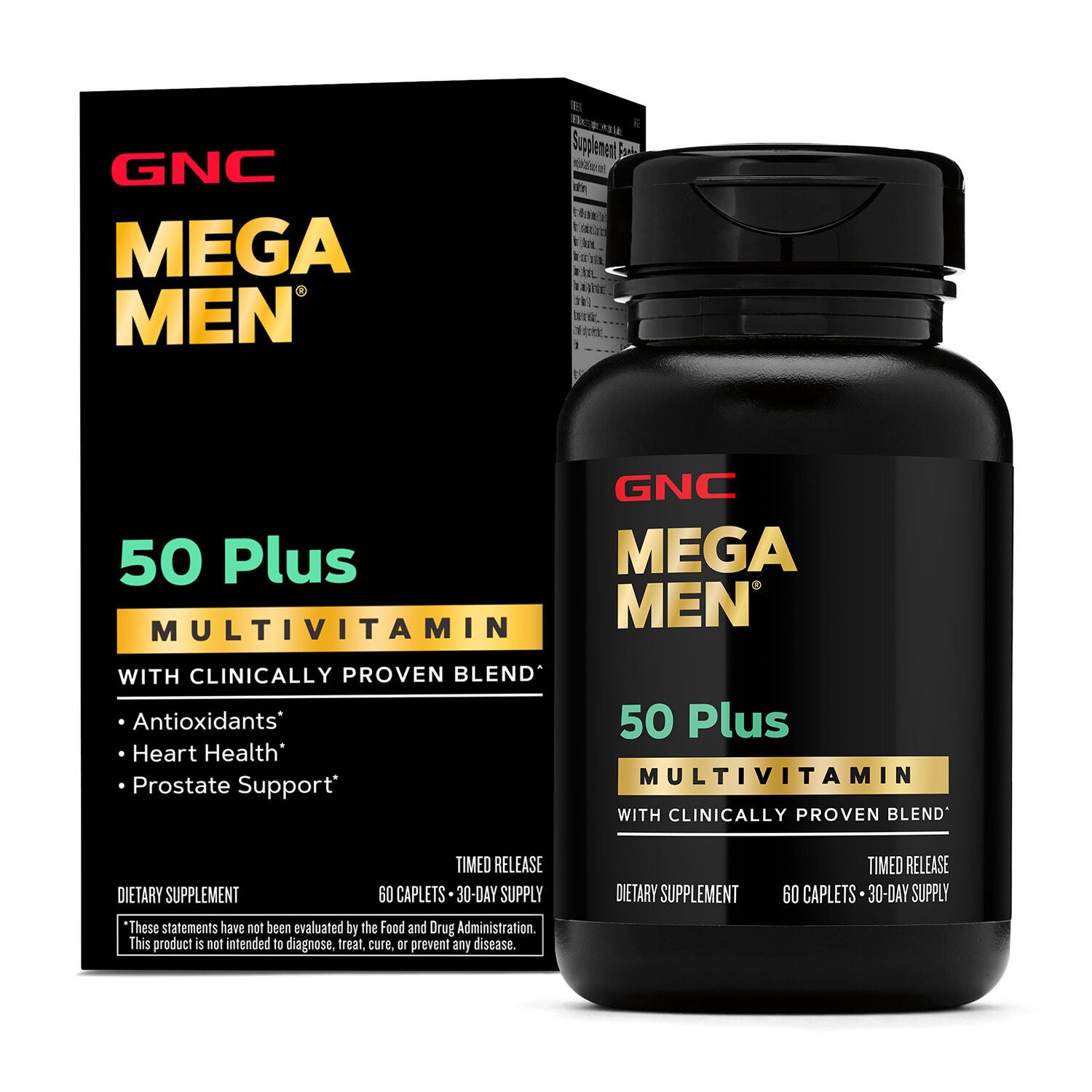
Other ingredients associated with prostate health supplements include lycopene, pumpkin seed preparations, zinc, and selenium. Lycopene is a red carotenoid pigment found in tomatoes, watermelon, and certain other fruits. On a supplement label, its stated amount is different from the amount of tomato powder or tomato extract that might supply it, making the ingredient description worth reading closely. Pumpkin seed ingredients can take the form of oil, powder, or extract, each with a different composition. Flaxseed ingredients likewise vary by preparation; an oil and a ground seed powder are not nutritionally identical. Zinc and selenium are minerals found in a range of foods and included in some men's supplement formulas. Their presence makes the distinction between a botanical-only formula and a combination formula especially relevant for shoppers who already use a multivitamin. A side-by-side comparison of labels can reveal repeated ingredients without relying on similar product names or package designs. The Supplement Facts panel lists amounts per serving, while the serving size indicates how many capsules, tablets, or softgels correspond to those amounts. A bottle containing a larger number of capsules does not necessarily represent more servings. Where a blend is listed without separate amounts for every component, the label provides less detail about each ingredient's individual contribution. Extract ratios and standardization statements offer additional information about preparation, but they are not interchangeable measures. An extract ratio describes a relationship between starting material and extract, while a standardization statement identifies a specified constituent or group of constituents. Neither description alone determines how a formula compares with every alternative. For men drawn to natural options, this attention to composition keeps the comparison grounded in what a formula actually contains. Familiar plant names can be a useful starting point, but the amount, preparation, and accompanying ingredients add the detail needed to distinguish one approach from another. Even two labels highlighting the same botanical can describe substantially different ingredient profiles.
Format and packaging also influence how comfortably a supplement fits into an everyday routine. Capsules can have gelatin or plant-derived shells, while softgels commonly contain liquid or oil-based preparations. A plant-derived capsule shell does not, by itself, establish that every ingredient in the formula is plant-derived. Tablets, capsules, and softgels also differ in size, texture, and serving count, details that matter to someone who prefers a smaller format or fewer units per serving. The other ingredients section identifies components such as capsule materials, carriers, and coloring ingredients; dietary preference statements and allergen information add another layer of context. For a man who keeps his wellness products organized beside a breakfast cupboard or packs them for regular travel, container size, closure style, and a readable label can be just as practical as the format inside. Storage directions and the printed expiration date provide product-specific information about care and shelf life. Original packaging keeps the ingredient panel, lot information, and directions together, which is useful when comparing a new bottle with a previous purchase. Beyond those practical details, natural is best understood as a description that needs context, not a shortcut for judging quality or personal suitability. Plant origin alone does not explain concentration, sourcing, or the composition of the finished formula. Clear ingredient identification and accessible testing information provide more concrete points of comparison than imagery of leaves or seeds. Men considering prostate supplements alongside broader everyday wellness interests can also explore Prostate Health Supplements for Quality of Life. Across the category, a straightforward comparison centers on intended use, ingredient transparency, preferred format, and the demands of an established routine. These products may complement a personal wellness routine, but a botanical name or broad label description cannot predict an individual experience. A clearly described formula makes it easier to understand what is in the bottle and how it differs from other natural options.
Best Sellers
Related Pages
Top Collections
- Daily Collagen Supplements | Top Brands & Deals | GNC
- Joint Mobility Supplement Packs
- Zinc Supplements | Top Brands at Great Prices | GNC
- GLP 1 Support For Adults
- Supplements For Yoga Joint Flexibility
- Supplements For Balance
- Capsule Supplements For Energy And Stamina
- Adult Mobility Supplements
- Chronic Fatigue Supplements
- Vitamins For Hair Loss