Protein For Paleo Diet
(0 Results)
Fueling your active lifestyle with protein for paleo diet preferences could be a smart choice for those following a primal-inspired approach to nutrition. Explore a variety of protein options that may align with paleo guidelines, offering convenient ways to support your daily routine. Whether you're looking to complement your meals or find on-the-go options, discover selections that fit seamlessly into your paleo-focused plan.
-
-
-

-

-
-

-
-

-

-

-

-
-
 $34.99
 -
 $34.99
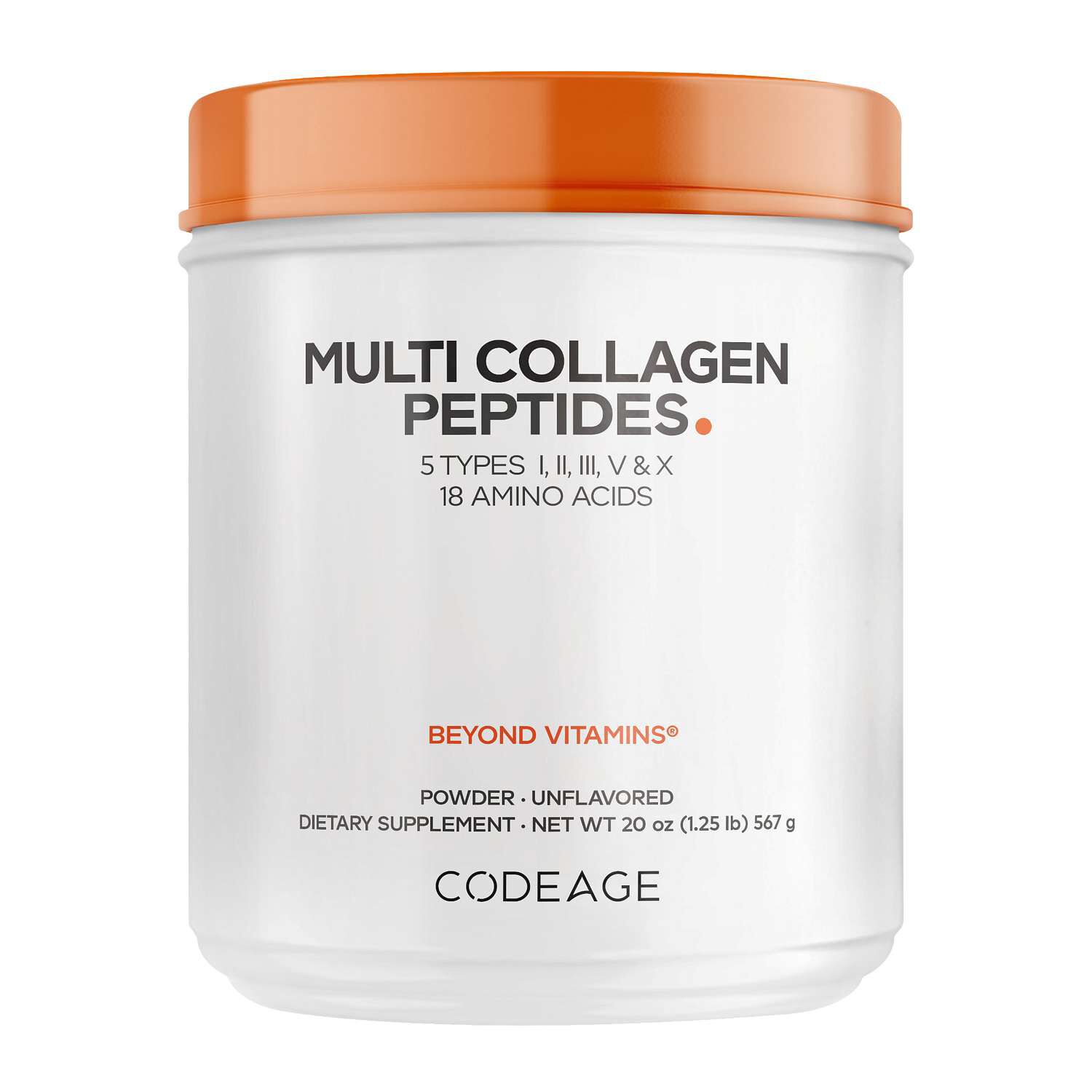
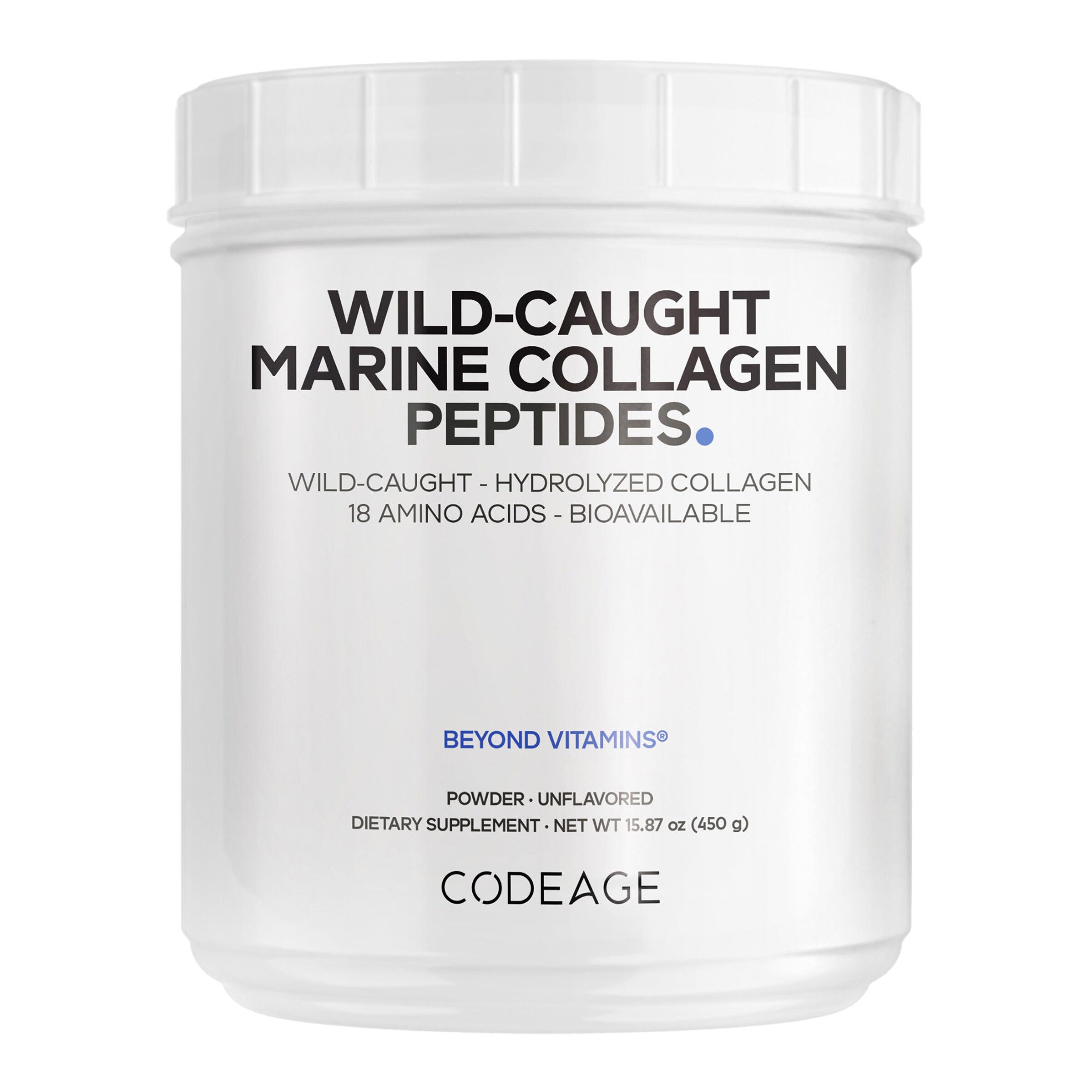
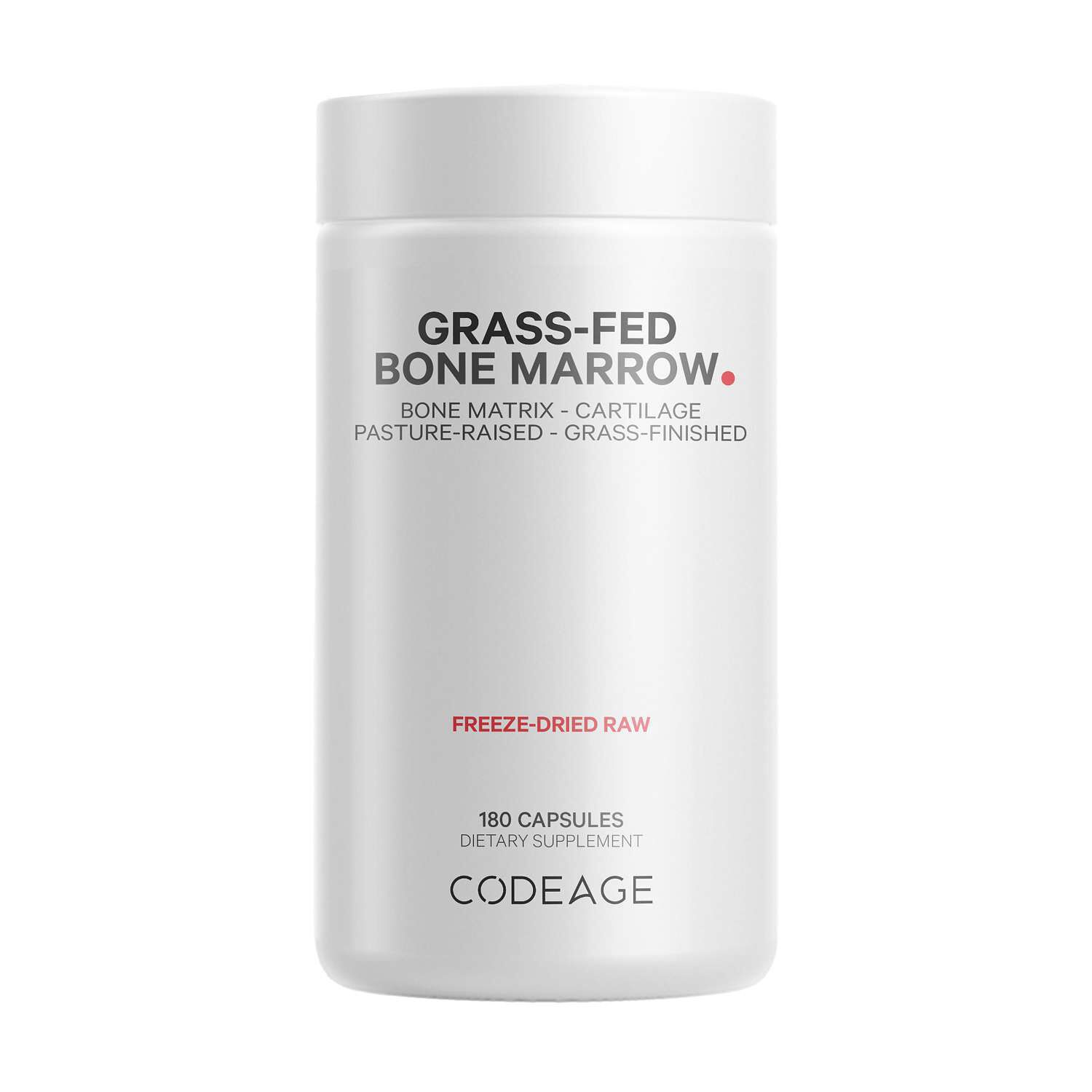
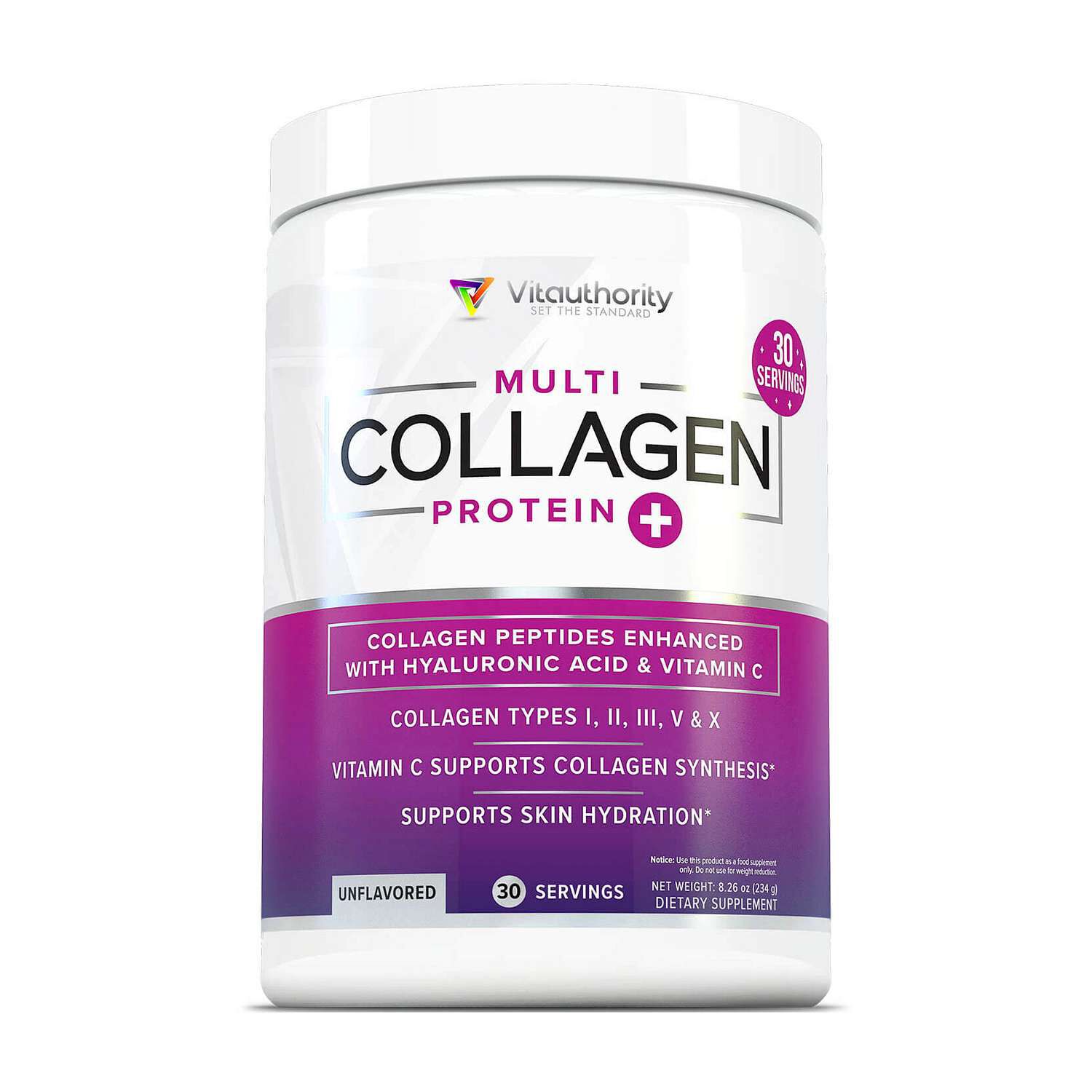
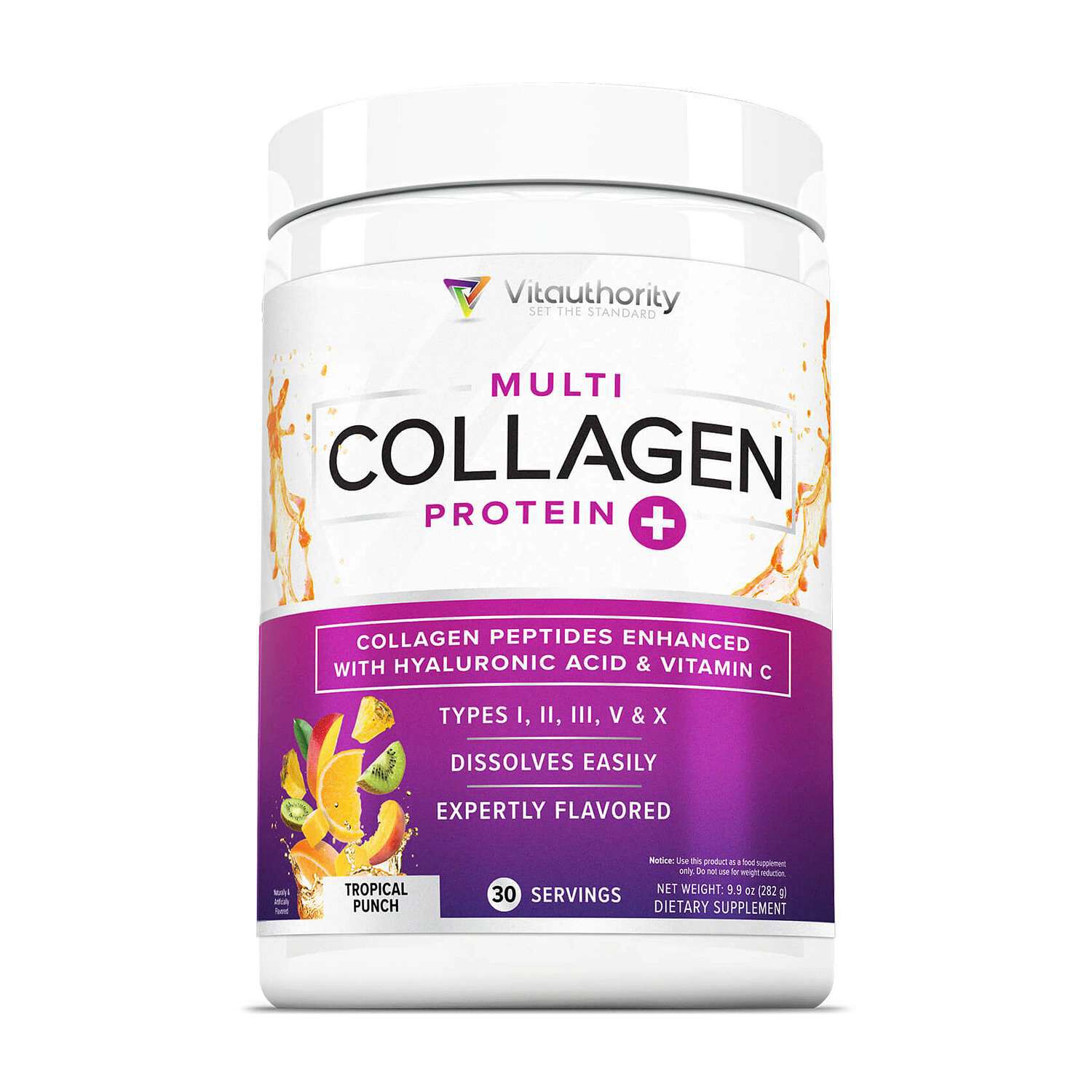
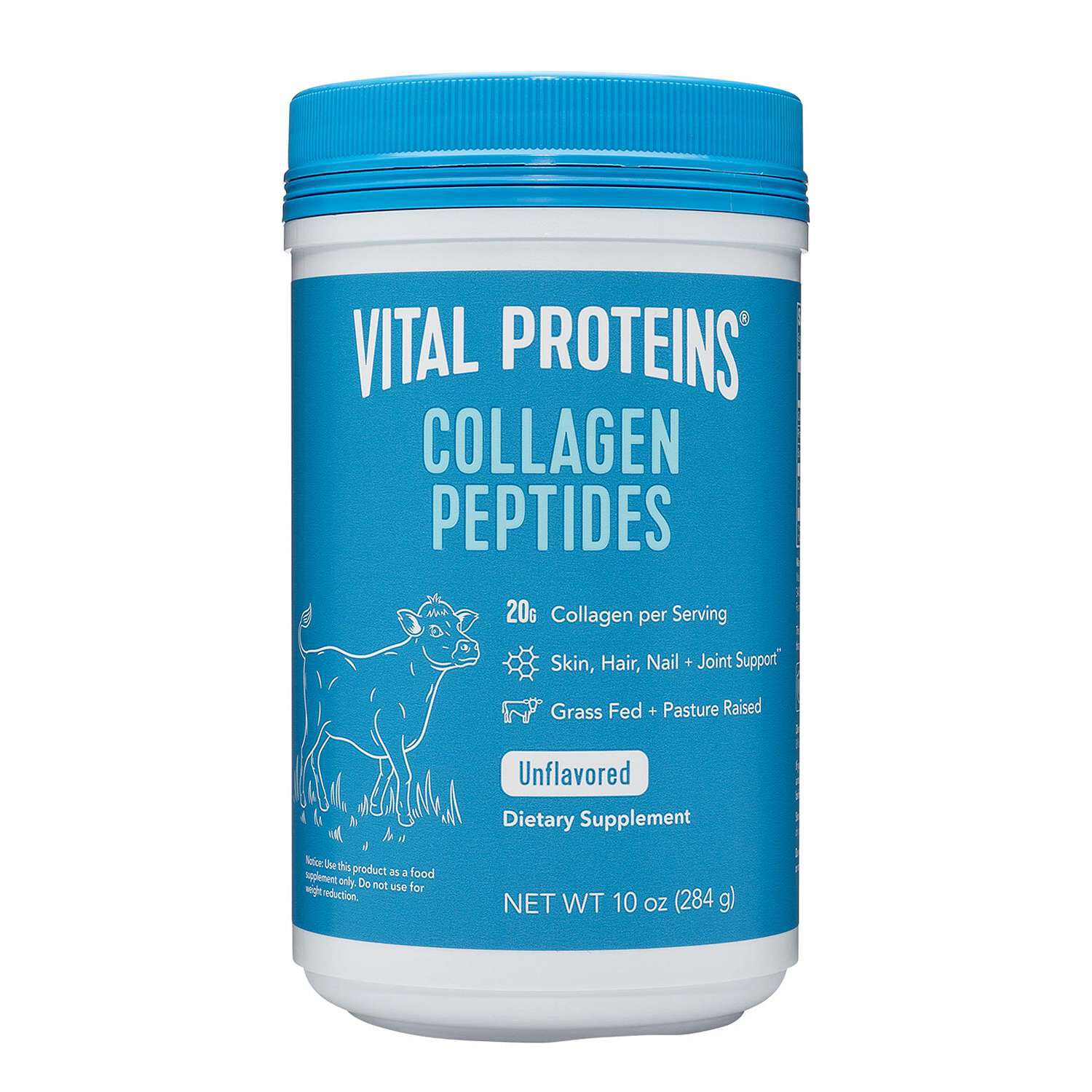
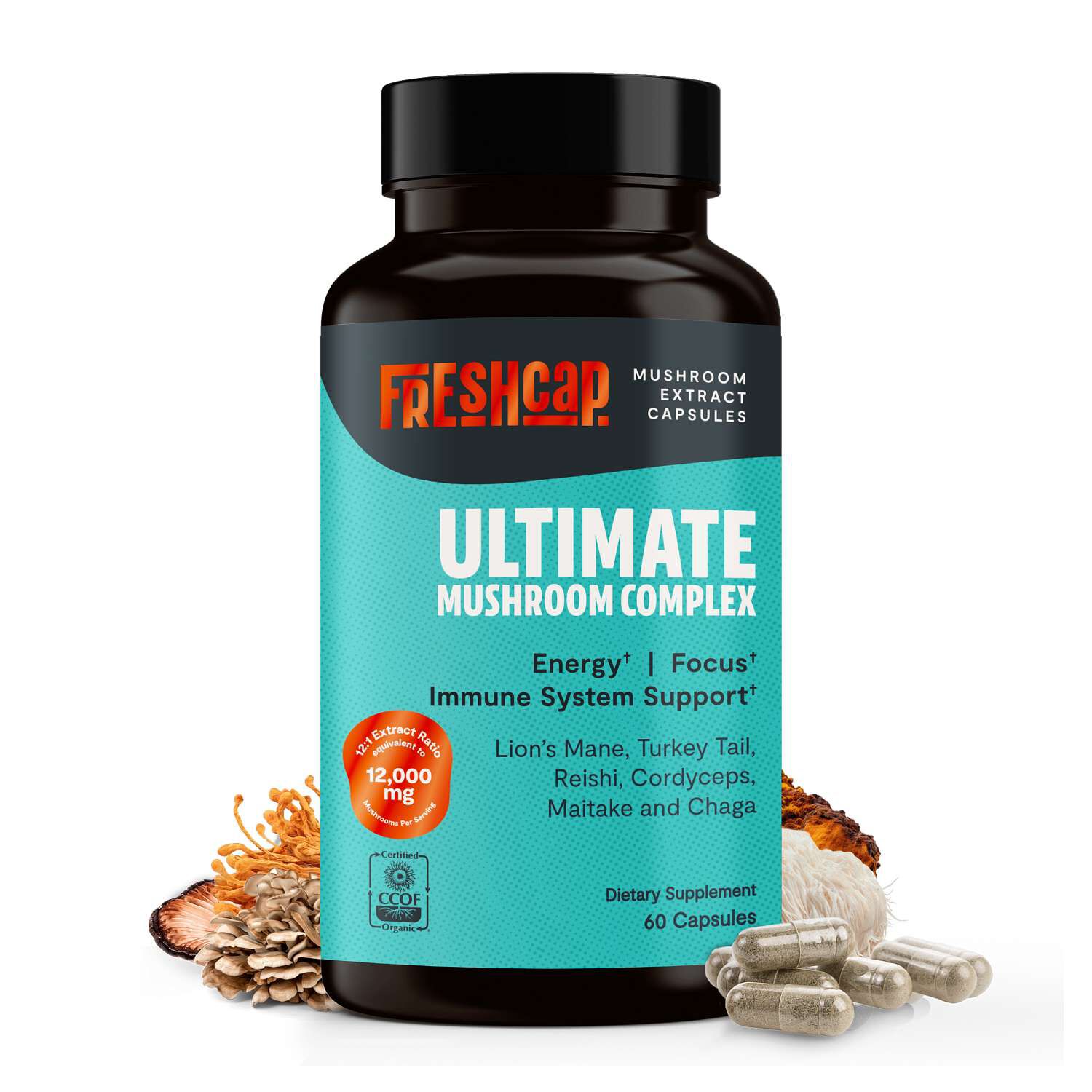
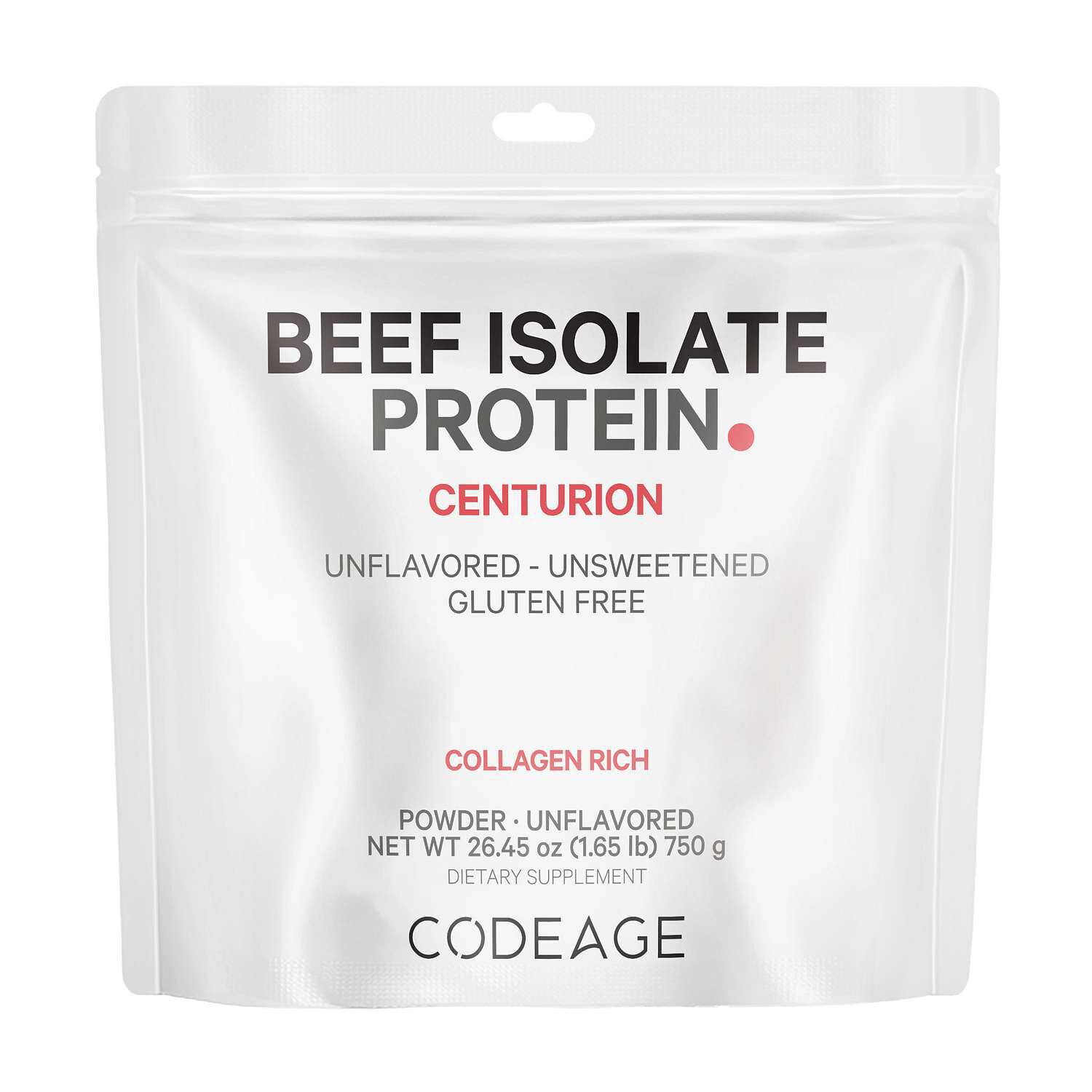
Protein for a paleo diet generally comes from animal foods such as meat, fish, and eggs rather than dairy, grains, or legumes. Among protein supplements, egg white protein, beef-derived protein, and collagen peptides are categories to compare, with suitability determined by the full ingredient list rather than the protein source alone. Traditional whey and casein are derived from milk, while soy and pea proteins are derived from legumes, so these options generally fall outside a strict paleo approach. Paleo eating patterns emphasize foods associated with a less processed diet, but packaged protein powders still undergo processing. The distinction for shoppers is whether the source, added ingredients, and intended use match their interpretation of paleo eating. An egg white powder with a short ingredient list is different from a flavored blend containing several protein sources, sweeteners, and texture ingredients. Likewise, an animal-derived protein is not automatically a match for every paleo preference. Egg white protein, beef-derived powders, and collagen also differ in their amino acid composition. Egg white protein contains all nine amino acids that the body cannot make on its own, while collagen has a different profile and is not nutritionally interchangeable with egg white protein. Beef-derived powders vary by formulation, making the ingredient panel more informative than an image of meat on the package. Some contain collagen-related ingredients, so the word “beef” alone does not establish the nutritional profile. Bone broth powders are another animal-based category, though their protein content and additional ingredients differ between formulations. These distinctions matter for someone choosing a powder for a breakfast smoothie, a shaker after a workout, or a recipe that calls for added protein. A paleo-compatible supplement may provide a convenient option alongside regular meals, but its place in a routine depends on more than a paleo label. The source of the protein, the grams in a labeled serving, and the other ingredients all help describe what is actually in the container.
Ingredient details become especially useful when comparing flavored and unflavored protein formats. A short ingredient list is straightforward to read, but a longer one deserves attention to each component rather than an assumption that every addition fits a paleo eating pattern. Dairy ingredients, grain-derived components, and legume proteins may appear in blends even when an animal protein is the main ingredient. Sweeteners, flavorings, thickeners, and emulsifiers also distinguish one formulation from another. Some paleo interpretations allow honey or maple syrup, while others favor unsweetened options or take a narrower approach to added ingredients. An unflavored powder may suit shoppers who want to choose the fruit, cocoa, or other ingredients in a smoothie themselves. A flavored powder may be convenient for mixing with water, although its taste profile and ingredient list remain part of the comparison. Vanilla and chocolate are familiar flavor categories, but sweetness and texture differ across formulations. Protein concentration matters, too: the weight of a scoop is not the same as the grams of protein listed per serving. Serving size, calories, carbohydrates, sugars, and fat provide context for comparing powders with different scoop sizes. A collagen serving and an egg white protein serving should not be treated as equivalent simply because both are sold as protein supplements. Source descriptions add another layer of detail. Grass-fed, pasture-raised, and similar terms refer to animal-raising practices; they do not establish the composition of every other ingredient in a finished powder. For shoppers with particular sourcing preferences, clear information about the protein’s origin is more useful than broad imagery on the front of the package. Allergen information matters independently of paleo suitability. Egg white powders contain egg, and collagen may originate from fish, cattle, pigs, or other animal sources. Ingredient lists, source statements, and shared-equipment disclosures are useful details for anyone comparing products for personal preferences or household use. A powder that fits one person’s paleo approach may not fit another person’s ingredient requirements.
Everyday use often comes down to flavor, mixing characteristics, packaging, and how a protein format fits the rest of a meal. Someone blending berries with an unsweetened almond beverage may prefer a powder with little flavor of its own, while someone carrying a shaker to the gym may favor a format intended for mixing with water. The almond beverage’s ingredient list matters as well, since the final drink includes more than the powder. Egg white protein may produce foam when shaken vigorously, and different animal-derived powders may have distinct aromas or mouthfeel. Collagen peptides may mix into beverages differently from egg white or beef-derived powders, so preparation directions are worth considering before choosing a format for a particular routine. A smooth blended drink, a hand-shaken beverage, and a batter are different uses; one powder should not be assumed to behave the same way in all three. For baking, recipe instructions that specify a particular protein source are more useful than treating all powders as direct substitutes, since ingredient differences may affect texture. Packaging is another practical consideration. A container with a secure closure may suit repeated use at home, while individually portioned formats may be convenient for a bag or desk drawer. The labeled serving directions remain the reference point, even when a scoop is included. Storage instructions belong in the comparison alongside taste and ingredients: a dry storage space, a clean scoop, and a properly closed package are everyday care considerations. Anyone purchasing protein as a gift would benefit from knowing the recipient’s preferred source, flavors, and ingredient restrictions first. For a broader assortment to compare, Protein For Health Buffs provides another place to browse protein formats. Within a paleo-focused selection, the most useful distinctions remain concrete: what the protein comes from, what accompanies it, how it is prepared, and whether those details fit the shopper’s routine.
- Q: What types of protein are suitable for a paleo diet?
A: The paleo diet emphasizes whole, minimally processed foods. Suitable protein sources include grass-raised beef, pasture-raised poultry, wild-caught fish, eggs, and certain plant-based options like nuts and seeds. For supplements, look for protein powders made from egg white, beef, or collagen without added sugars or artificial ingredients. - Q: Are plant-based proteins allowed on the paleo diet?
A: Most legumes and grains are avoided on the paleo diet, but some plant-based proteins like nuts and seeds are acceptable. However, traditional vegan protein powders made from soy or pea are generally not considered paleo-friendly. - Q: How can I incorporate protein supplements into my paleo lifestyle?
A: Choose protein supplements that align with paleo principles—those made from whole food sources such as egg white, beef isolate, or collagen peptides. Mix them into smoothies with fruits and vegetables or stir into recipes to add more protein. - Q: What ingredients should I avoid in protein powders for a paleo diet?
A: Avoid protein powders containing dairy (like whey or casein), soy, grains (such as rice), artificial sweeteners, colors, flavors, and preservatives. Always check the ingredient list to ensure it fits within paleo guidelines. - Q: Can collagen protein be used on a paleo diet?
A: Yes, collagen protein is derived from animal sources and is generally considered suitable for the paleo diet. It provides amino acids that support joint health and can be easily mixed into drinks or recipes.
Best Sellers
-
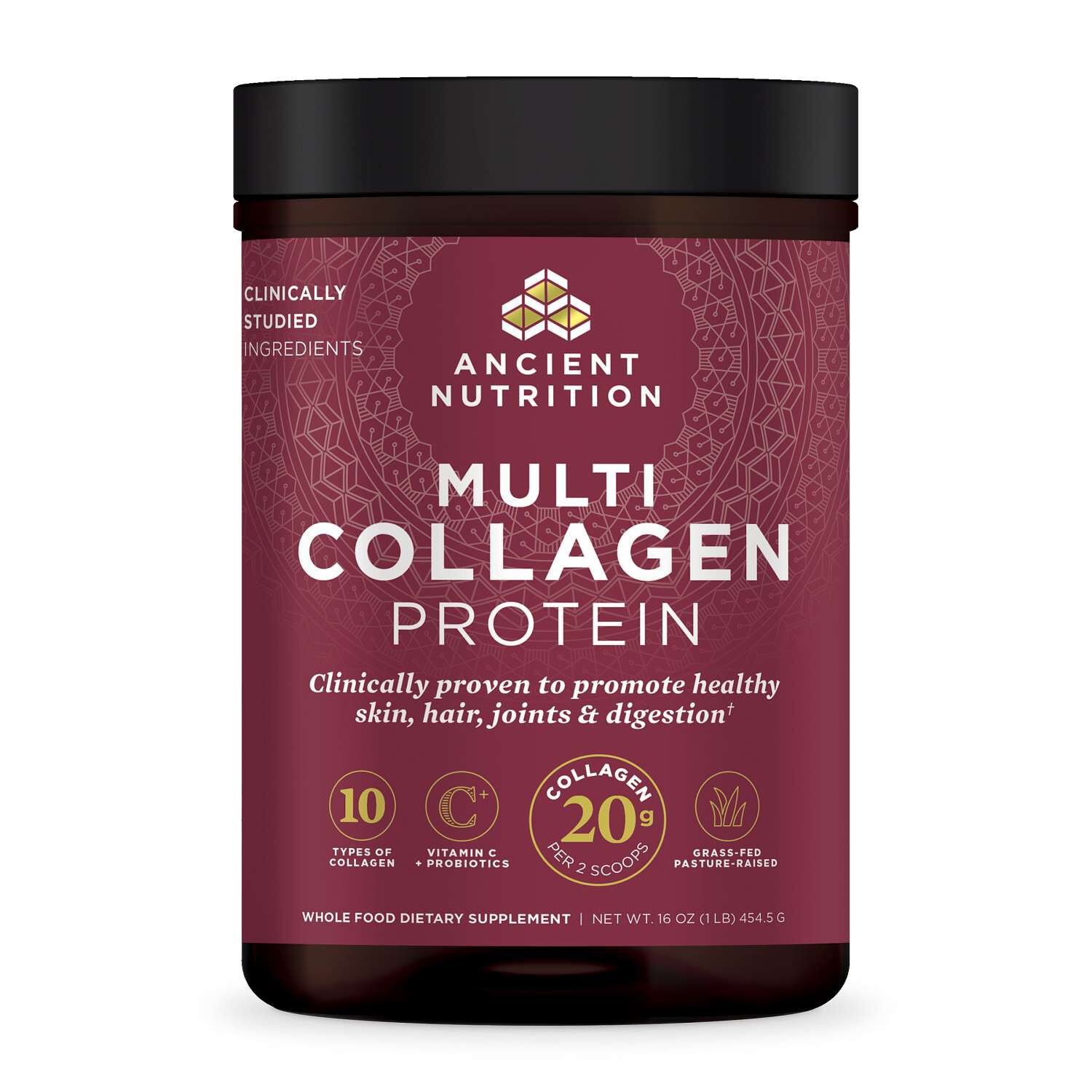 Ancient Nutrition
 -
Vital Proteins